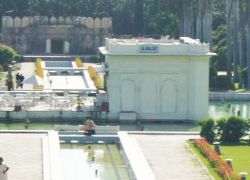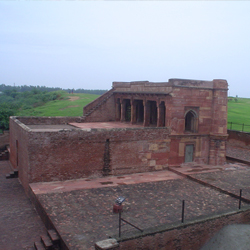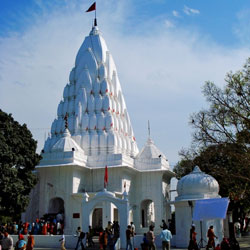
"Ancient shrine reflecting historical and architectural grandeur."
Bhima Devi Temple, located in Pinjore in Panchkula district of Haryana, is one of the most historically important temple sites in North India. Popularly known as the “Khajuraho of North India”, this ancient temple complex is famous for its beautifully carved sculptures, temple ruins, archaeological remains, and open-air museum. The site is situated close to the famous Pinjore Gardens, making it a must-visit attraction for history lovers, architecture enthusiasts, and tourists visiting Haryana.
The temple complex showcases ruins from the 8th to 11th century and reflects the artistic excellence of ancient Indian temple architecture. Today, it is protected and maintained as an archaeological site and museum by the Haryana Government. :contentReference[oaicite:1]{index=1}
Why is Bhima Devi Temple Famous?
Bhima Devi Temple is famous for:
• Ancient temple ruins dating back to the 8th–11th century
• Exquisite stone sculptures and carvings
• Being called the “Khajuraho of North India” due to similar artistic sculptures
• Open-air archaeological museum
• Panchayatan style temple architecture
• Historical importance and cultural heritage value
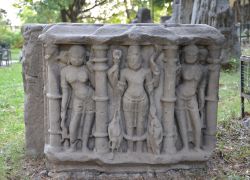
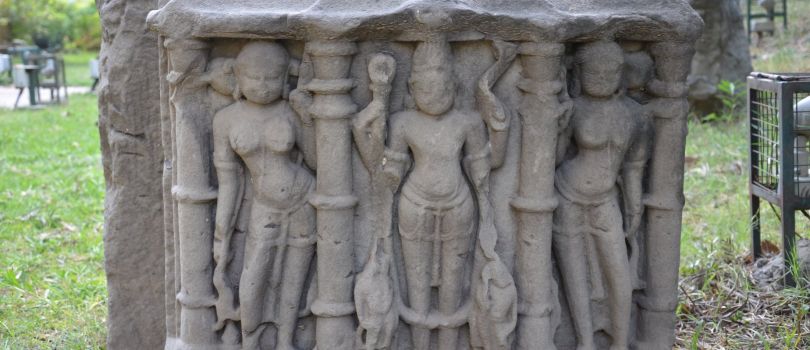
The temple is especially famous for its rare sculptures of Hindu gods, goddesses, dancers, musicians, floral patterns, and decorative motifs found during excavations. :contentReference[oaicite:2]{index=2}
History of Bhima Devi Temple
The history of Bhima Devi Temple dates back to the 8th to 11th century AD. The temple is believed to have been built during the reign of the Gurjara-Pratihara dynasty, one of the major ruling dynasties of North India.
Archaeological excavations conducted in 1974 revealed ancient temple remains, stone plinths, sculptures, and structural fragments. Historians believe the temple was originally dedicated to Lord Shiva and was later associated with Bhima Devi.
The temple complex is believed to have suffered destruction during repeated invasions between the 13th and 17th centuries. Many remains were buried underground until excavation uncovered the hidden heritage site.
After excavation, the site was converted into an open-air museum to preserve the recovered sculptures and ruins for visitors. :contentReference[oaicite:3]{index=3}
Architecture of Bhima Devi Temple
The temple is built in the classic Panchayatan architectural style, where one main shrine is surrounded by four subsidiary shrines.
Architectural highlights include:
• Stone temple plinths and pillars
• Ancient sandstone sculptures
• Intricate carvings of Hindu deities
• Decorative brackets and temple fragments
• Floral and geometric patterns
• Sculptures of apsaras, dancers, and musicians
The carvings display a high level of artistic skill similar to temples found in Khajuraho and Bhubaneswar. This is why the temple is often called the northern counterpart of Khajuraho. :contentReference[oaicite:4]{index=4}
Weather at Bhima Devi Temple
Summer (April to June): 28°C to 40°C. Summers can be warm during afternoons.
Monsoon (July to September): 24°C to 32°C with pleasant greenery and moderate rainfall.
Winter (October to February): 8°C to 22°C. Best season to visit.
The ideal time to visit Bhima Devi Temple is from October to March.
Bhima Devi Temple Timings
Opening Time: 9:00 AM
Closing Time: 5:00 PM
Open Days: Tuesday to Sunday
Closed: Monday
The temple museum generally follows standard museum hours for visitors. :contentReference[oaicite:5]{index=5}
Entry Fee and Visit Details
Entry Fee: Free or nominal charges may apply depending on events and maintenance policies.
Suggested Visit Duration: 1 to 2 hours
Photography: Allowed in most outdoor sections
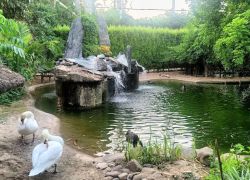
Visitors can comfortably combine Bhima Devi Temple with Pinjore Gardens in the same trip.
How to Reach Bhima Devi Temple, Pinjore, Haryana
By Air
The nearest airport is Chandigarh International Airport, located around 30 km from Pinjore.
By Train
The nearest railway station is Kalka Railway Station, approximately 5 km away. Chandigarh Railway Station is another convenient option.
By Road
Bhima Devi Temple is well connected by road through NH-5.
Distance from nearby cities:
• Chandigarh – 22 km
• Panchkula – 15 km
• Kalka – 5 km
• Shimla – 110 km
Taxis, buses, autos, and private vehicles are easily available.
Things to Do at Bhima Devi Temple
1. Explore Ancient Ruins
Walk around the open-air museum and see excavated temple remains.
2. Study Historical Sculptures
Admire sculptures of Shiva, Parvati, Ganesha, Vishnu, and other deities.
3. Photography
The temple ruins and stone carvings offer excellent photography opportunities.
4. Visit Nearby Pinjore Gardens
Combine your visit with nearby Pinjore Gardens for a full-day outing.
5. Learn Archaeological History
Read informational displays about the excavation and temple restoration.
Interesting Facts About Bhima Devi Temple
• Built between 8th and 11th century AD
• Called “Khajuraho of North India”
• Excavated in 1974
• Dedicated primarily to Lord Shiva
• Located next to Pinjore Gardens
• Protected by Haryana Government Archaeology Department
Travel Tips for Visitors
Useful travel tips:
• Visit during winter for best weather
• Combine with Pinjore Gardens visit
• Carry water and sunscreen in summer
• Wear comfortable footwear for walking
• Respect heritage structures and avoid touching sculptures
• Morning visits are ideal for peaceful exploration
Nearby Attractions
After visiting Bhima Devi Temple, tourists can also explore:
• Pinjore Gardens
• Timber Trail, Parwanoo
• Morni Hills
• Kalka
• Chandigarh city attractions
Conclusion
Bhima Devi Temple, Pinjore, Haryana is an exceptional heritage destination that combines history, archaeology, architecture, and spirituality. Its ancient ruins, beautiful sculptures, and historical importance make it one of Haryana’s hidden gems.
Whether you are a history enthusiast, cultural traveler, or tourist exploring Pinjore, Bhima Devi Temple offers a unique and memorable experience.