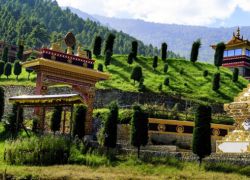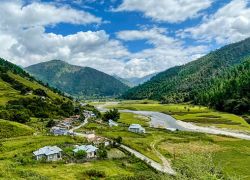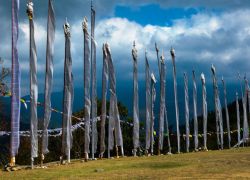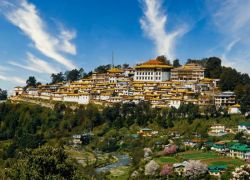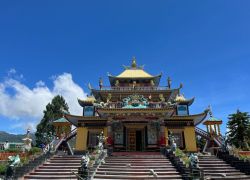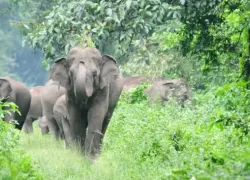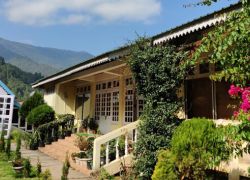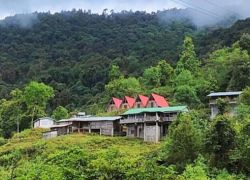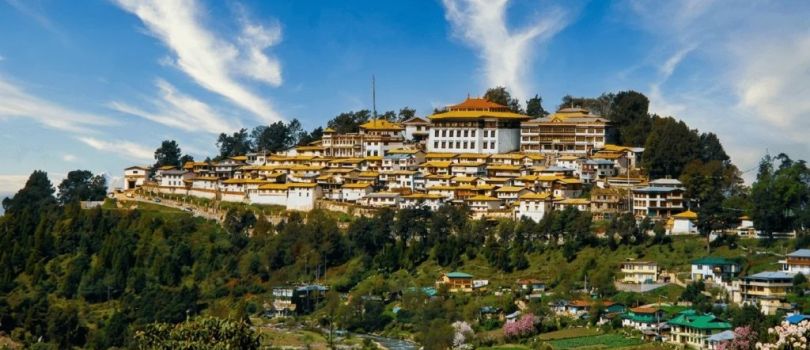
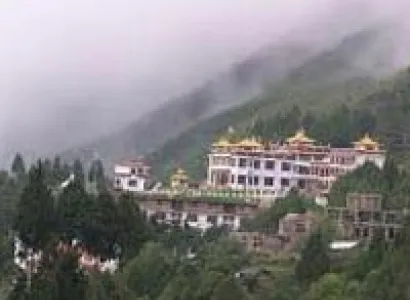
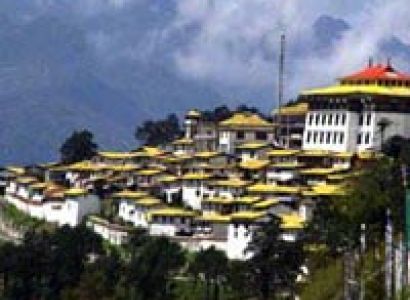
"Majestic monastery nestled in the Himalayas."
Tawang Monastery is one of the largest and most significant Buddhist monasteries in India, located in the Kameng district of Arunachal Pradesh. Known for its spiritual importance, stunning Himalayan location, and rich cultural heritage, it is a key attraction for pilgrims, travelers, and adventure seekers alike.
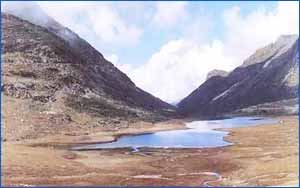
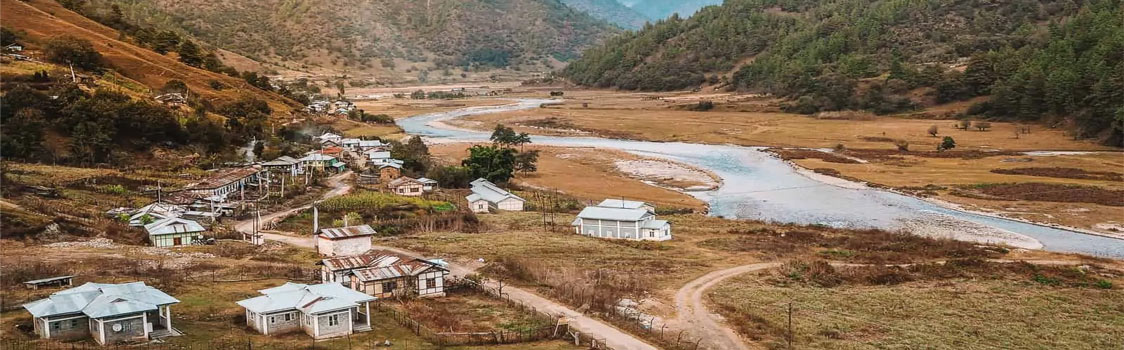
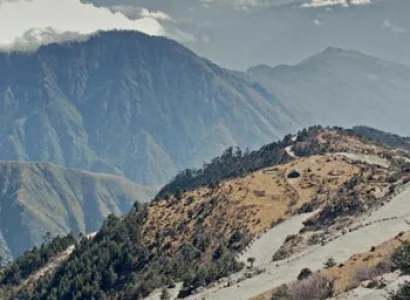
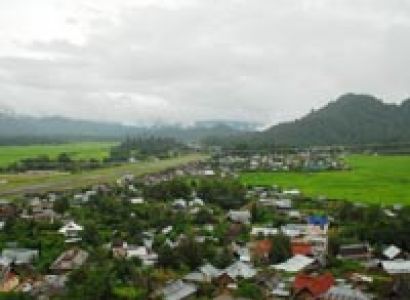
Situated in the picturesque town of Tawang, the monastery is perched at an altitude of approximately 3,000 meters above sea level, surrounded by snow-capped mountains, valleys, and rivers. It serves as a vibrant center of Tibetan Buddhism in Northeast India.
Tawang Monastery, Kameng, Arunachal Pradesh is famous for its architectural grandeur, spiritual ambiance, and the annual Torgya Festival, making it a must-visit destination in the Himalayas.
Tawang Monastery was founded in 1680 by Merak Lama Lodre Gyatso, who was a disciple of the 5th Dalai Lama. It belongs to the Gelugpa tradition of Tibetan Buddhism and has been a center for religious education, meditation, and cultural preservation for centuries.
The monastery played an important role in the spread of Buddhism in the eastern Himalayan region and has been a refuge for scholars, monks, and pilgrims during times of conflict and political change.
Over the years, it has remained a hub for preserving ancient Buddhist scriptures, rituals, and Tibetan art.
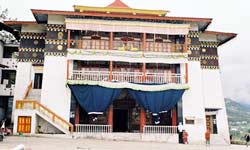
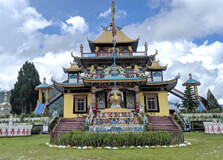
Tawang Monastery is a stunning example of traditional Tibetan monastic architecture. The complex includes a main assembly hall, monks’ quarters, meditation rooms, stupas, and prayer halls.
The walls are decorated with vibrant murals, thangka paintings, and sculptures of Buddha and other deities. The monastery also houses a library containing ancient Buddhist texts.
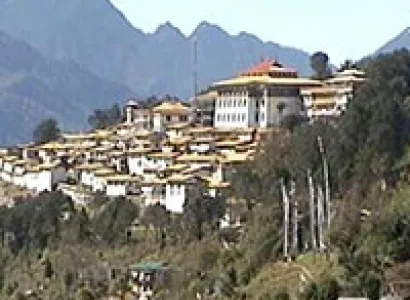
The structure is built on a hill overlooking Tawang town, providing panoramic views of the surrounding valleys and mountains. Its whitewashed walls, prayer flags, and golden roofs create a visually striking scene against the Himalayan backdrop.
Tawang Monastery is famous for being the largest monastery in India and one of the most important centers of Tibetan Buddhism in the region. It is a place of pilgrimage for Buddhists from across India and abroad.
It is also known for the Torgya Festival, which is celebrated annually in January or February and features traditional dances, rituals, and cultural performances.
The monastery’s unique architecture, spiritual significance, and Himalayan setting make it one of the most popular tourist destinations in Arunachal Pradesh.
Tawang Monastery is located in a remote Himalayan region and requires careful travel planning.
By Air: The nearest airport is Tezpur Airport in Assam, approximately 320 km away. From there, travelers continue by road through scenic mountain routes to Tawang.
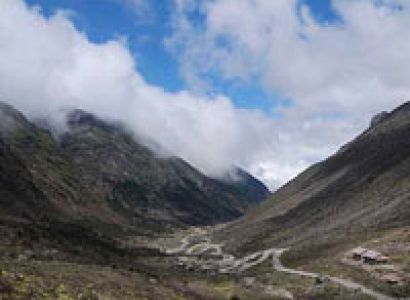
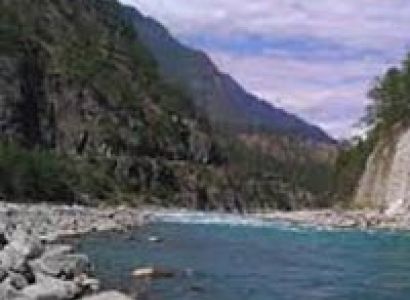
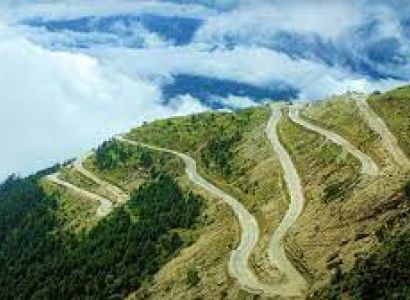
By Road: Tawang is accessible from Bomdila via a winding mountain highway. The road journey is challenging but offers breathtaking views of valleys, rivers, and forests.
By Train: The nearest railway station is Rangapara North in Assam. From the station, travelers can hire taxis or take buses to reach Tawang.
Travel permits are required for all visitors, as Tawang is located near the India-China border. The Inner Line Permit can be obtained in advance from nearby towns or district offices.
Tawang experiences a high-altitude Himalayan climate, with cold winters and pleasant summers.
Summer (May to September): The best time to visit, with temperatures ranging from 10°C to 25°C. Clear skies provide ideal conditions for sightseeing.
Monsoon (July to September): Moderate rainfall may make travel difficult on mountain roads, but the scenery is lush and green.
Winter (October to April): Extremely cold with snowfall. Roads may be blocked, making travel challenging.
Tawang Monastery is open to visitors from 6:00 AM to 5:00 PM. Entry is allowed throughout the day, but peak visitor hours are in the morning and afternoon.
There is usually no entry fee, but donations are welcomed to support the monastery and resident monks.
Visitors should respect religious norms, including dressing modestly and removing footwear when entering prayer halls.
Visitors can explore the monastery complex and admire its impressive Tibetan architecture, colorful murals, and sacred statues.
Attend prayer sessions or witness daily rituals performed by monks to experience authentic Buddhist practices.
Photography enthusiasts can capture stunning Himalayan vistas and the monastery’s architectural details.
Trekking and sightseeing in surrounding areas, including Tawang town, Bum La Pass, and local villages, add to the overall experience.
Tawang Monastery is the largest in India and the second-largest in the world after the Potala Palace in Lhasa, Tibet.
The monastery houses over 500 monks and a large collection of ancient manuscripts, thangkas, and religious artifacts.
It has survived numerous political changes, including British colonial rule and modern administrative transitions, while maintaining its spiritual prominence.
The Torgya Festival held here is one of the most colorful and culturally significant events in the region.
Acclimatize in Bomdila or nearby towns before traveling to Tawang to prevent altitude sickness.
Carry warm clothing, especially if visiting during winter or early spring.
Follow local guidance and obtain Inner Line Permits before traveling to Tawang.
Plan travel during summer months for road accessibility and pleasant weather conditions.
Tawang Monastery is a remarkable spiritual and cultural landmark in Arunachal Pradesh. Its Himalayan setting, rich Buddhist heritage, and vibrant festivals make it one of the most captivating destinations in Northeast India.
Whether you are a pilgrim, adventure traveler, or cultural enthusiast, visiting Tawang Monastery offers a profound spiritual experience and unforgettable Himalayan landscapes.



Kameng
Kameng