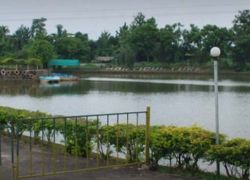
Standing among the serene and arresting places in Dimapur, Green Park is a must-visit tourist attraction. It is known for its visual appeal and the vast acres of land that are covered with a trimmed carpet of the lush green grass. It is also bordered with the palm trees and bushes that enhance the visual appeal of this place. Dimapur Green Park is a perfect place for spending a day’s itinerary with family and friends. It Is Known For:- 1) Dimapur Green Park, as per its name, is known for its green surroundings. 2) The entire vicinity of the park is colored in green and has various trees, bushes, and a vast carpet of the lush green grass. 3) This park also has a small pond that is a home to fishes. 4) Due to the beauty of this park, it is regarded as a great place for organizing private parties. Best Time To Visit:- Dimapur Green Park is a crowd-puller. Each day, it welcomes numerous tourists and locals. It is a place that can be visited throughout the year. A minimal amount of fee is charged for entering the part from all visitors and no discounts can be availed. Photography is allowed in the park and it remains open even on the national holidays. Reaching There:- Dimapur Green Park is a renowned destination and is well-connected with the rest of the city through roads. The local transit plies in plentitude for commuting to & from the park. Nearest Railway Station- Dimapur Railway Station Nearest Airport- Dimapur Airport
Explore More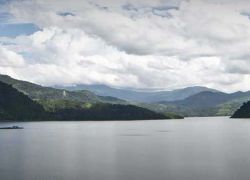
Rangapahar Reserve Forest is a famous forest reserve in the Indian state of Nagaland. It is located in the district of Dimapur and is a major tourist destination in the region. This forest reserve is nature’s bounty because it is blessed with serenity in its ambiance and has a beautiful landscape. It provides shelter to various wild animals and serves as a perfect destination for spending a day’s itinerary. It Is Known For:- 1) Rangapahar Reserve Forest is known for its appealing landscape. 2) The lush green vegetation of this forest reserve makes it a must-see place for spending a couple of hours amid the wild beasts. 3) This forest reserve is a permanent residence for the animals like the spotted deer, elephant, antelope, panther, boar, porcupine etc. 4) Apart from animals, it also provides a shelter to various snakes like the Indian rock python, cobra, and rattle-snake. 5) The birds like a parrot, woodpecker, partridge, raven, peacock, geese etc. can be spotted here as well. Best Time To Visit:- Rangapahar Reserve Forest is a huge crowd puller. It attracts countless visitors throughout the year. Thus, it can be visited during any season of the year without any hesitation. The entry to this forest reserve is paid according to the nationality of the guest. There are separate charges for videography and safari. Photography is free and visitors aren’t allowed to feed anything to the wild animals. Reaching There:- Rangapahar Reserve is well-connected via major highways of the state. To reach this place, one can hire the service of the local taxis and jeeps that are available on a frequent basis. Nearest Railway Station:- Dimapur Railway Station Nearest Airport:- Dimapur Airport
Explore More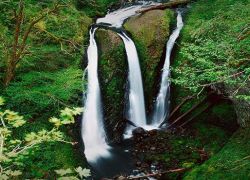
Triple Falls are scenic waterfalls located in the village of Siethekima in Dimapur. They are three waterfalls that lay beside each other in a beautiful landscape. The white waters spill down from a massive height of 280 feet through the boulders that make it appear pleasing to eyes. Triple Falls are an unspoiled destination in Nagaland and visiting this place is not a bad deal. It Is Known For:- 1) Triple Falls are known for their beautiful landscape. 2) It is a perfect place where visitors can spend a good quality time close to Mother Nature. 3) The calm ambiance of Triple Falls is soul-soothing and provides calmness to the senses. 4) Visitors can swim in the pool that is formed naturally by the spilling waters of these waterfalls. 5) It is a great place for photography as well. Numerous photographers can be spotted clicking the pictures of the appealing surroundings Best Time To Visit:- There is no special timing required for visiting Triple Falls in Dimapur. Being a crowd puller, it is visited throughout the year in every season. Monsoon is considered as an appropriate time because a heavy downpour increases the speed and width of the Triple Falls. Reaching There:- Triple Falls are located in the village of Siethekima which is well-connected with the rest of Dimapur. It is accessible via roadways and to reach the recreational site, one can hire the service of the local jeep or taxi. Nearest Railway Station:- Dimapur Railway Station Nearest Airport:- Dimapur Airport
Explore More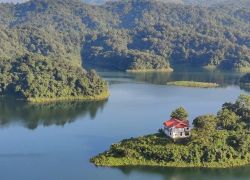
The Doyang River is one of the most scenic and ecologically important rivers in Nagaland, known for its crystal-clear waters, lush green surroundings, and rich biodiversity. It is a paradise for nature lovers, bird watchers, photographers, and adventure seekers. Flowing through the beautiful hills of Nagaland, the river is closely associated with the region of Mokokchung and Wokha district, forming one of the most picturesque landscapes in Northeast India. The river basin is also home to several tribal communities who depend on it for livelihood and cultural practices. The Doyang River is located near Mokokchung, Nagaland, and is one of the most visited natural attractions in the state. It is especially famous for its breathtaking sunrise views, water activities, and seasonal bird migrations. History and Importance of Doyang River The Doyang River has played an important role in the lives of the Ao Naga and other tribal communities living in the region. Historically, the river has been a source of water, agriculture, fishing, and cultural traditions for local villages. One of the most significant developments near the river is the construction of the Doyang Hydro Electric Project, which contributes to the power supply of Nagaland. This dam has also created a large reservoir that has become a major ecological hotspot. Over time, the river has gained popularity not only for its utility but also for its natural beauty and tourism potential. Geography and Natural Beauty The Doyang River flows through hilly terrain surrounded by dense forests, valleys, and rolling landscapes. The river is fed by rainfall and tributaries, making it a dynamic water body that changes with seasons. The Doyang Reservoir, formed by the hydroelectric dam, is particularly famous for its calm blue waters surrounded by misty hills. The scenic beauty of this area makes it one of the most photographed locations in Nagaland. During winter, the river becomes a temporary home for migratory birds, especially the endangered Amur Falcons, making it a globally recognized bird-watching destination. Why Doyang River is Famous The Doyang River is famous for its natural beauty, bird migration phenomenon, and peaceful environment. It is one of the best places in India to witness the spectacular arrival of Amur Falcons every year between October and November. The river is also known for its boating experiences, fishing opportunities, and panoramic views of Nagaland’s hills and valleys. Its combination of wildlife, water, and mountains makes it a unique destination for eco-tourism in Northeast India. How to Reach Doyang River Reaching Doyang River requires traveling through scenic hill roads of Nagaland. By Air: The nearest airport is Dimapur Airport, located around 90–100 km away. From there, taxis and shared vehicles are available to Mokokchung and Wokha region. By Train: The nearest railway station is Dimapur Railway Station, which is well connected to Guwahati and other major cities in Northeast India. By Road: Mokokchung and Wokha are connected by road to Kohima, Dimapur, and nearby towns. Regular buses and shared taxis operate in the region. From Mokokchung, visitors can hire local taxis to reach the Doyang River and its surrounding viewpoints. Weather at Doyang River The region experiences a pleasant hill climate throughout the year. Summer (March to May): Mild and comfortable with temperatures ranging from 18°C to 28°C. Monsoon (June to September): Heavy rainfall makes the river full and surroundings lush green, but travel can be slippery. Winter (October to February): The best time to visit, with cool temperatures between 10°C and 20°C and ideal conditions for bird watching. Timing and Entry Details The Doyang River and its viewpoints are open throughout the day, as it is a natural attraction. There is usually no formal entry fee, but certain boating or guided tours may have charges depending on local operators. Early morning and late afternoon are the best times to visit for photography and peaceful views. Things to Do at Doyang River Visitors can enjoy boating in the calm waters of the reservoir and explore nearby scenic viewpoints. Bird watching is one of the most popular activities, especially during Amur Falcon season. Photography enthusiasts can capture stunning landscapes, reflections on the water, and mist-covered hills. Nature walks along the riverbanks and exploring nearby villages offer cultural insights into Naga tribal life. Fishing is also practiced in some areas, and visitors can experience local traditions related to river life. Interesting Facts About Doyang River The Doyang River is internationally known for hosting one of the largest congregations of Amur Falcons in the world. These birds migrate thousands of kilometers from Siberia to Africa. The Doyang Hydro Electric Project is one of the major power sources in Nagaland. The river ecosystem supports a wide variety of fish species, birds, and plant life, making it an important biodiversity zone. Travel Tips for Visitors Visitors should carry warm clothing during winter and rain protection during monsoon. Comfortable footwear is recommended for walking near riverbanks. Binoculars are highly recommended for bird watching enthusiasts. Hiring a local guide can enhance the experience and help explore hidden viewpoints. Respect local customs and avoid littering to preserve the natural beauty of the river. Conclusion The Doyang River is a breathtaking destination that combines natural beauty, wildlife, and cultural richness. Its peaceful waters, migratory birds, and scenic hills make it one of the most remarkable eco-tourism spots in Northeast India. Whether you are a nature lover, photographer, or adventure traveler, the Doyang River offers an unforgettable experience surrounded by the untouched beauty of Nagaland.
Explore More
Sungkotenem Park, located in the beautiful city of Mokokchung, is a hidden gem waiting to be explored by nature enthusiasts and wildlife lovers. This park offers a unique blend of natural beauty, biodiversity, and historical significance that make it a must-visit destination for those seeking tranquility and connection with nature. History of Sungkotenem Park The history of Sungkotenem Park dates back to ancient times when it served as a royal hunting ground for the local rulers. Over the years, the park has undergone significant conservation efforts to preserve its natural heritage. Its rich history and conservation initiatives have garnered recognition, making it a potential candidate for UNESCO's prestigious accolades. Architecture and Natural Beauty of Sungkotenem Park Sungkotenem Park boasts a diverse landscape featuring wetlands, lush forests, expansive grasslands, and thriving bird habitats. The historical Keoladeo Temple nestled within the park adds a touch of cultural significance to its natural charm, making it a perfect blend of history and environmental beauty. Why is Sungkotenem Park Famous? Sungkotenem Park has gained fame for being a paradise for birdwatchers, photographers, and nature enthusiasts. Its rich biodiversity and picturesque landscapes attract visitors from around the world who are eager to witness the diverse array of bird species and immerse themselves in the serene ambiance of the park. How to Reach Sungkotenem Park Traveling to Sungkotenem Park is convenient, with options available by air, rail, and road. The park is easily accessible from nearby airports and railway stations, ensuring a smooth journey for visitors seeking to explore its natural wonders. Weather and Best Time to Visit Sungkotenem Park Sungkotenem Park experiences varying weather conditions throughout the year, with distinct summer, monsoon, and winter seasons. The best time to visit is during the cooler months when the weather is pleasant, allowing for a comfortable and enjoyable experience amidst nature's beauty. Timings of Sungkotenem Park Sungkotenem Park welcomes visitors at specific timings, accommodating both early risers and those who prefer a leisurely afternoon exploration. Seasonal variations may impact the park's operating hours, so it is advisable to plan your visit accordingly. Entry Fee and Visit Details Visiting Sungkotenem Park is a seamless experience with straightforward entry procedures and the availability of guide services for a more enriching exploration. Safari options, bicycle rentals, and well-equipped visitor facilities enhance the overall visit, ensuring a memorable and comfortable stay. Things to Do at Sungkotenem Park Engage in a myriad of activities at Sungkotenem Park, including birdwatching, photography sessions, cycling through scenic trails, leisurely walks amidst nature, and educational experiences that offer insights into the park's ecology and conservation efforts. Interesting Facts About Sungkotenem Park Sungkotenem Park is not just a sanctuary for migratory birds but also a testament to successful conservation endeavors that have preserved its ecological balance. The park's importance in maintaining biodiversity and its role in environmental conservation make it a fascinating destination for eco-conscious travelers. Travel Tips for Visiting Sungkotenem Park When planning a visit to Sungkotenem Park, remember to pack appropriate clothing for the weather, carry essential photography and birdwatching equipment, choose the right season for your interests, and practice responsible tourism by respecting the park's natural habitat and wildlife. Conclusion In conclusion, Sungkotenem Park in Mokokchung stands as a testament to the harmonious coexistence of nature and history. Its tranquil ambiance, rich biodiversity, and cultural significance offer visitors a unique opportunity to connect with the environment and appreciate the beauty of this hidden paradise in the heart of Mokokchung.
Explore More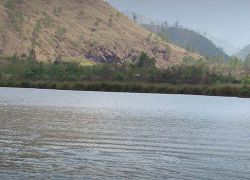
Shilloi Lake is an appealing tourist site in the district of Phek, Nagaland. It is located near the village of Lutsam and is surrounded by the hillocks of Patkai that enhance the beauty of this place. It is the largest natural lake in the entire Nagaland and is said to be holy. According to a legend, this lake is the abode of the Queen of the Lake who took birth in a human form but went back to the lake before the age of one. Thus, no one is allowed to catch fishes in this lake. It Is Known For:- 1) Shilloi Lake is the largest lake in Nagaland. 2) It is considered as a holy lake by the locals as the spirit of the Queen of the Lake resides in its waters. 3) The aerial view of this lake makes it appear like a human footprint. 4) Due to its captivating surroundings, locals and visitors arrive at this place on a huge scale and some good quality time away from the pollution of cities. 5) The locals believe that the Queen of the Lake still rests in the lake and till date, no one has drowned in this lake. Best Time To Visit:- Shilloi Lake is a famous tourist site and is visited extensively by the visitors. Due to its fame, it welcomes the visitors throughout the year. Any season of the year is apt for paying a visit to Shilloi Lake. Reaching There:- The district of Phek is well-connected via roadways and railheads. To reach the site of Shilloi Lake, the local buses and taxis are available in plentitude. One can de-board at Lutsam village and relish a short from there till the lake. Nearest Railway Station:- Dimapur Railway Station Nearest Airport:- Dimapur Airport
Explore More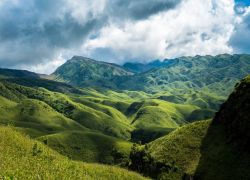
Welcome to the picturesque Dzükou Valley, located near the charming city of Kohima. This hidden gem in the northeastern part of India is renowned for its breathtaking natural beauty, rich biodiversity, and tranquil ambiance that captivates the hearts of all who visit. History of Dzükou Valley The history of Dzükou Valley dates back to ancient times when it served as a former royal hunting ground for the local tribes. Over the years, concerted conservation efforts have been made to preserve this ecological haven, leading to its recognition by UNESCO for its unique flora and fauna. Architecture and Natural Beauty of Dzükou Valley The valley is a sanctuary of lush forests, verdant grasslands, and pristine wetlands that provide a habitat for a diverse range of bird species. Nestled within this natural paradise is the historic Keoladeo Temple, adding a touch of cultural significance to the landscape. Why is Dzükou Valley Famous? Dzükou Valley has garnered fame among birdwatchers, photographers, nature enthusiasts, and wildlife lovers due to its incredible avian population, stunning landscapes, and the sense of serenity it offers to visitors seeking a peaceful retreat in the lap of nature. How to Reach Dzükou Valley Traveling to Dzükou Valley is possible via air, rail, and road. The nearest airport is in Dimapur, while the closest railway station is located in Dimapur as well. From there, a scenic road journey will take you to Kohima, the gateway to this enchanting valley. Weather and Best Time to Visit Dzükou Valley The valley experiences pleasant weather during the summer months, lush greenery in the monsoon season, and a magical white blanket of snow in winter. The best time to visit Dzükou Valley is during the post-monsoon season from September to November when the valley is in full bloom. Timings of Dzükou Valley Visitors can explore Dzükou Valley during daylight hours, with timings varying slightly based on the season. It is advisable to plan your visit during the daytime to fully appreciate the beauty of the valley and engage in various activities offered. Entry Fee and Visit Details Entry into Dzükou Valley involves nominal fees, with options for guided tours, safari experiences, bicycle rentals, and well-equipped visitor facilities available to enhance your visit. These services ensure a memorable and comfortable exploration of the valley. Things to Do at Dzükou Valley Engage in a myriad of activities at Dzükou Valley, including birdwatching to spot rare species, capturing stunning photographs of the landscapes, cycling through the trails, taking leisurely walks to connect with nature, and participating in educational programs to learn more about the valley's ecosystem. Interesting Facts About Dzükou Valley Dzükou Valley is not only a haven for migratory birds but also a biodiversity hotspot with a wide array of plant and animal species. The conservation efforts in the valley have led to significant achievements in preserving its ecological integrity, making it a symbol of sustainable environmental practices. Travel Tips for Visiting Dzükou Valley When visiting Dzükou Valley, ensure to pack appropriate clothing for varying weather conditions, carry photography equipment to capture the beauty around you, familiarize yourself with birdwatching essentials, choose the right season for your interests, and practice responsible tourism by respecting the valley's natural environment. Conclusion In conclusion, Dzükou Valley in Kohima stands as a testament to the wonders of nature, offering visitors a chance to immerse themselves in the tranquility of its landscapes and the richness of its biodiversity. A trip to this enchanting valley promises an unforgettable experience for all those who seek solace in the heart of Mother Nature.
Explore MoreNagaland - Manipur 6 Nights - 7 Days Tour
7 Days/ 6 Night
Imphal - Dimapur - Kohima - Moirang - Bishnupur
Splendid Nagaland 3 Nights - 4 Days Tour
4 Days/ 3 Night
Dimapur - Kohima
Dream Of North-East 20 Nights - 21 Days Tour
21 Days/ 20 Night
Bomdila - Guwahati - Shillong - Imphal - Agartala - Aizawl - Kohima - Tezpur - Tawang - Kaziranga - Silchar - Dirang - Golaghat
7 Days Nagaland Tour Package
7 Days/ 6 Night
Dimapur - Kohima - Mokokchung - Mon