
One of the most beautiful of the more modern British constructions in Madras is Ripon Building, home of the Madras Corporation. This splendid domed vision in white, built in 1913, is part of a large municipal complex that includes parks and gardens, Nehru Stadium, Victoria Public Hall, a public meeting place out of the gaslight era, and Moore market, a fascinating shopper's paradise.West of Central Station is Ripon Building, the dazzling white headquarters of the Corporation of Chennai. One of the few public buildings in Chennai that time has not managed to ravage.
Explore More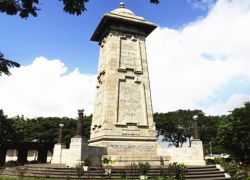
Adjacent to the Fort St. George on the south is the War Memorial, which housed the coastal battery and was formerly called 'Cupid's Bow. The Memorial honours those who laid down their lives for their country since the First World War. It is situated on the Marina beach road. It was constructed to commemorate the victory of the allied armies during World War I (1914-1918) and later became the victory war memorial for the World War II (1939-1945) in the memory of those from Chennai presidency who lost their lives serving the nation.
Explore More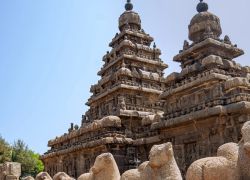
Welcome to the mesmerizing Mahabalipuram Shore Temple in Chennai, a renowned tourist attraction that combines ancient history, architectural splendor, and natural beauty. This temple stands as a testament to the rich cultural heritage of the region and attracts visitors from all around the world. History of Mahabalipuram Shore Temple The Mahabalipuram Shore Temple has a fascinating historical background, dating back to the 8th century AD. Originally built as a complex of seven temples by the Pallava dynasty, it served as a significant religious and cultural center. Over the years, the temple complex faced the ravages of time and nature before being meticulously restored. Recognized by UNESCO for its historical significance, the Shore Temple remains a symbol of architectural brilliance. Architecture and Natural Beauty of Mahabalipuram Shore Temple Set against the backdrop of the Bay of Bengal, Mahabalipuram Shore Temple offers a breathtaking view of the sea and the surrounding landscapes. The temple complex is not just a marvel of ancient architecture but also a hub of biodiversity, with lush greenery and bird habitats adding to its charm. The nearby Keoladeo Temple adds to the spiritual ambiance of the surroundings. Why is Mahabalipuram Shore Temple Famous? The Mahabalipuram Shore Temple is famous for its unique blend of history, spirituality, and natural beauty. It is a haven for birdwatchers, photographers, and nature enthusiasts who are drawn to its serene ambiance and stunning coastal location. The temple's intricate carvings and sculptures also attract art lovers and history buffs. How to Reach Mahabalipuram Shore Temple Traveling to Mahabalipuram Shore Temple is convenient, with options for air, rail, and road transport. The nearest airport is Chennai International Airport, and the closest railway station is Chennai Central. From there, visitors can easily reach Mahabalipuram by road, enjoying the scenic journey along the way. Weather and Best Time to Visit Mahabalipuram Shore Temple The weather at Mahabalipuram Shore Temple varies throughout the year, with summers being hot, monsoons bringing rainfall, and winters offering pleasant temperatures. The best time to visit is during the winter months from November to February when the weather is ideal for exploring the temple and its surroundings. Timings of Mahabalipuram Shore Temple The Mahabalipuram Shore Temple is open to visitors from [Timings]. It is advisable to check for any seasonal variations in timings and plan your visit accordingly to make the most of your experience. Entry Fee and Visit Details Visitors can enter the Mahabalipuram Shore Temple by paying an entry fee, which allows access to the temple premises. Guide services are available for those who wish to learn more about the history and significance of the temple. Additionally, visitors can explore the area on foot or opt for bicycle rentals for a more immersive experience. Things to Do at Mahabalipuram Shore Temple There are plenty of activities to enjoy at Mahabalipuram Shore Temple, including birdwatching, photography, cycling along the coastal roads, walking trails amidst the greenery, and observing the diverse flora and fauna. Visitors can also engage in educational experiences to learn about the temple's heritage and conservation efforts. Interesting Facts About Mahabalipuram Shore Temple One of the most fascinating aspects of Mahabalipuram Shore Temple is its role as a sanctuary for migratory birds during certain seasons. The temple's surroundings are home to a variety of species, contributing to the area's biodiversity and conservation efforts. The temple's historical significance and architectural beauty further add to its allure. Travel Tips for Visiting Mahabalipuram Shore Temple When visiting Mahabalipuram Shore Temple, it is advisable to wear comfortable clothing, carry essential photography equipment, and be prepared for birdwatching opportunities. The best time to visit is during the cooler months, and visitors are encouraged to practice responsible tourism by respecting the temple premises and natural surroundings. Conclusion In conclusion, Mahabalipuram Shore Temple in Chennai stands as a timeless marvel that captivates visitors with its historical charm, architectural grandeur, and natural beauty. Whether you are a history enthusiast, nature lover, or simply seeking a peaceful retreat by the sea, this iconic destination offers a memorable experience that resonates with the soul.
Explore More
Standing at a height of 133 feet in the waters of the Coromandel Coast, Thiruvalluvar Statue is a prominent tourist attraction in Kanyakumari. This statue is entirely made up of stone and concrete and rests on a 38-feet high platform. Thiruvalluvar Statue weighs 7000 tons and gives the beautiful message of earning the wealth and affection by having sturdy morals and ethics. The Design & Construction:-The foundation of Thiruvalluvar Statue was laid in the year 1975 by the late Morarji Desai. Dr. V Ganapati Sthapati was appointed as the architect of Thiruvalluvar Statue. The construction of the project employed 150 stone sculptors, assistants, and supervisors. The stonework and sculpting were divided into Ambasamudram, Kanyakumari, Sholinganallur. The longer stone slabs were used for carving the facial features of the statue. All workers spent fourteen to sixteen hours a day making the slabs smoother and carving them with precision. The entire construction has a budget of more than 61 million INR. The statue was unveiled on 1st January 2000. The event was attended by a majority of globally renowned personalities that included actors, politicians, poets, philanthropists etc. Best Time To Visit:-Thiruvalluvar Statue is a major tourist attraction and never ceases the chance of attracting visitors from distant places. It can be visited throughout the year without any hassle. No entry fee is charged from any visitor. Reaching There:-Thiruvalluvar Statue is an eminent tourist site in Kanyakumari. Due to its location in the sea, it can be reached by hiring the service of the ferry from the coast. Nearest Railway Station- Kanyakumari JunctionNearest Airport- Trivandrum Airport
Explore More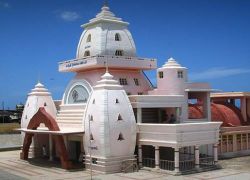
Dedicated to the 'Father of the Nation' Mahatma Gandhi, this tourist attraction called Gandhi Mandapam is an amazing tribute to the leader that preached non-violence. It is a memorial that appears like a temple and has tantalizing green surroundings. It is a place that houses the memorials of the other freedom fighters and politicians like Sardar Patel, Rettamalai Srinivasan, Kamaraj, and Indira Gandhi. It Is Known For:-1) Gandhi Mandapam is the largest memorial in the entire complex as compared to the other memorials2) It is constructed in a beautiful manner and is surrounded by green vegetation. The lawn of this memorial has a trimmed carpet of grass3) This place contains the urn in which Mahatma Gandhi's ashes are kept. The urn is placed in a position that the sun rays fall directly on it every day4) Gandhi Jayanti is a special day that is observed here. Due to the spacious complex, it is also utilized for hosting different events Best Time To Visit:-Gandhi Mandapam is a place that invites the visitors throughout the year. It is a place where one can spot the students, especially from the foreign land that are here to study and do research on Mahatma Gandhi. Reaching There:-To reach Gandhi Mandapam, tourists can hire the service of the local transit like the bus or taxi as their services are available on short intervals. Nearest Railway Station- Chennai CentralNearest Airport- Chennai International/Trivandrum Airport
Explore More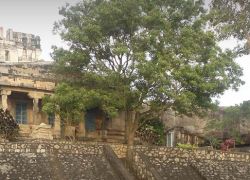
Standing on a hillock near the village of Chitharal, Jain Monuments of Chitharal are a famous tourist destination in the district of Tamil Nadu. There are two huge monuments that have the carvings done of the Jain Tirthankaras. These monuments are said to date back to the 9th century and are visited by the followers of Jainism on a large scale. It Is Known For:-1) The entire region was under the rule of the Digambar sect of Jainism. King Mahendravarman I constructed all these Jain monuments2) Chitharal Jain Monuments are known for the carved figures they carry. In both of the monuments, one can witness the beautifully carved structures of all the Jain Tirthankaras3) The monuments also have the sculptures of the Hindu mythological creatures. On the main wall that holds the sculpture of Parshavanath, the sculpture of Adishesha can be seen as well4) In the other monument, a smaller side is dedicated to Goddess Durga where she is depicted with a hundred hands and mounted on a lion Best Time To Visit:-Chitharal Jain Monuments can be visited during any time of the year keeping in mind with the level of comfort. The best time to pay a visit to this site is during October-February because the temperatures are suitable for touring the hillocks and seeing monuments conveniently. Reaching There:-Chitharal village is well-connected with all the major roads. It can be reached easily by bus or taxi. From the village, the autos and bullock-carts are available to reach Chitharal Jain Monuments. Nearest Railway Station- Thiruvananthapuram Railway StationNearest Airport- Trivandrum Airport
Explore More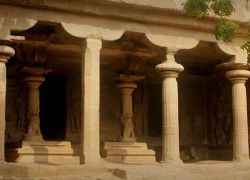
Mahishasuramardini Cave is an important site of interest in Mahabalipuram. It is a place dedicated to Goddess Durga who killed the demon Mahishasura. This cave was created in the mid-7th century by the Pallava dynasty, ardent followers of the Mother Goddess. At present, this temple is a part of the group of monuments that is a UNESCO World Heritage Site in Tamil Nadu. Hundreds of visitors arrive at this place to witness the commendable architecture and amazing stone carvings of the ancient India. It Is Known For:-1) Mashishamardini Cave is named after Goddess Durga, the one who killed the ‘unconquerable’ Mahishasura. The cave walls narrate the story of the battle between her and Mahishasura2) Apart from the carvings of the Goddess Durga, the carving of Lord Vishnu resting on Adishesha can be seen on the wall as well3) The idol of Lord Shiva meditating on Kailash is also depicted on the cave walls4) The cosmic dance of Lord Shiva with Goddess Kali is also carved on the cave walls5) This area is a high-security zone because it is located close to a nuclear station Best Time To Visit:-Mahishamardini Cave welcomes numerous guests. It can be visited during any time of the year, keeping in mind with the level of convenience. The appropriate time is regarded between October-February. Reaching There:-Since Mahishmardini Cave is a part of the group of monuments, it can be accessed easily by hiring the service of the local buses and jeeps. Nearest Railway Station- Chengalpattu Railway StationNearest Airport- Chennai International Airport
Explore More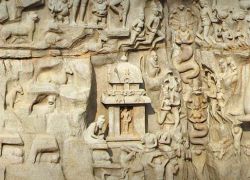
Descent of the Ganges is a renowned monument in Kanchipuram district. It is an open air rock-cut sculpture carved on two gigantic boulders. This monument is another part of the Group of Monuments in Mahabalipuram and narrates the visual tale of Ganga's descending from the heaven to the earth led by Bhagiratha. This sculpture was created by King Narsimhavarman of Pallava dynasty. It Is Known For:- 1) Descent of the Ganges is known for the remarkable carvings. Many figures that are carved on these boulders are life size2) Great skills and imagination were used for carving such appealing rock-cut sculptures as the minutest detailing has been done extremely well3) The boulders depict the journey of the sacred River Ganga descending from the heaven. To save the Earth from the force of her waters, Lord Shiva is shown catching Ganga in his dreadlocks and dividing the waters into different streams4) Descent of the Ganges is also known by the name of Arjuna's Penance. It depicts the hard penance done by the Pandava Prince, Arjuna, to acquire a special weapon for fighting the war of Kurukshetra Best Time To Visit:-Descent of the Ganges attracts numerous tourists on a large scale. Not only the domestic visitors but, the foreign nationals also arrive and admire the beauty of this monument. It can be visited throughout the year. Reaching There:-Descent of the Ganges is well-connected with the entire city due to a vast network of the roadways. To reach the place, one can hire the service of the local transit like the bus, taxi, or auto rickshaws. Nearest Railway Station- Chengalpattu Railway StationNearest Airport- Chennai International Airport
Explore More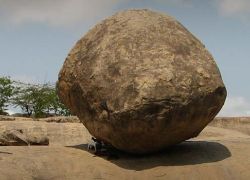
Krishna's Butterball is a well-known tourist attraction in the town of Mahabalipuram. It is a huge boulder that weighs 250 tons and rests on an inclined slope! It is said that this enormous boulder has remained steady in this position from more than 1200 years. Numerous efforts were made to move the boulder but all attempts were unsuccessful. Today, it draws a large number of tourists. It Is Known For:- 1) This huge rock defies the gravity because it is inclined at 45° from more than 1200 years 2) Krishna's Butterball is known for its mystery that has not been decoded till date. The folklore claim that this huge rock was placed by the Gods to tell the mortals about their supremacy 3) Another legend claims that this huge rock is the pinch of butter that was stolen by Lord Krishna from his mother's butter pot 4) The Pallava king Narasimhavarman made several attempts to move this boulder from its place. Even the force of seven elephants wasn't fruitful to move this rock Best Time To Visit:- Krishna's Butterball catches the attention of people on a large scale. The visitors, especially the foreign nationals, visit this site on a large scale. The appropriate time for visiting this place is during the winters. Reaching There:- Due to a well-established connection of the roadways and railways, the visitors can easily reach the site of Krishna's Butterball. The local jeeps and autos are available in plenty for reaching the site without any hassle. Nearest Railway Station- Chengalpattu Central Nearest Airport- Chennai International Airport
Explore More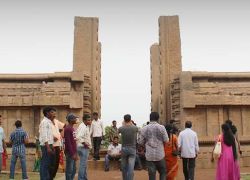
Constructed during the era of the Raya clan, Raya Gopuram is an amazing gopuram (majestic pillar) in the premises of Meenakshi Temple. Unlike other gopurams, it holds a special significance among the visitors. The reason that lies behind it is its incomplete structure. The visitors get fascinated on seeing this 'incomplete' gopuram. Despite being half-completed gopuram, it is carved beautifully. It Is Known For:-1) Raya Gopuram is the only pillar that is half-constructed in the premises of Meenakshi Temple. It stands on the West direction of the shrine2) Though it is a half-built gopuram, it carries the beautiful carvings done on it3) Since it surrounds Meenakshi Temple from one side, the look of the temple becomes appealing due to its unique construction Best Time To Visit:-Raya Gopuram is a unique architectural feature of Meenakshi Temple. People visit to see the unique gopuram frequently. Due to its location, it can be visited during any time of the year, keeping in mind with the level of comfort of the visitor. Reaching There:-Raya Gopuram can be reached easily because it is located in the premises of Meenakshi Temple. The local buses, cabs, and autos are available in plenty for commuting to and from Raya Gopuram. Nearest Railway Station- Madurai Railway StationNearest Airport- Chennai International Airport
Explore More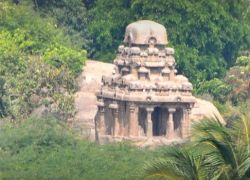
Valayankuttai Ratha is the extended part of the group of monuments in Mahabalipuram. It stands on the hillock where many rock-cut Hindu shrines are located. This monolithic structure is entirely carved out using one boulder but remains in an unfinished position. However, the architecture of the ratha narrates the skillful craftsmanship of the foregone era in Tamil Nadu. Though it is a less-visited by people, it still has the charm to attract the tourists due to its calm surroundings. It Is Known For:-1) Valayankuttai Ratha is a remarkable example of the South Indian craftsmanship2) This ratha is carved out of the single boulder and remains in an unfinished state. The reason behind it is a mystery3) The green and calm surroundings of Valayankuttai Ratha never fail to draw visitors. It is a haven for photographers as well and many people choose it as a pre-wedding photo shoot destination Best Time To Visit:-Valayankuttai Ratha is a beautiful architectural marvel. In the previous years, it has gained a huge popularity among the people. It can be visited during any time of the year. No entry fee is charged for visiting this place. Thus, each month and season are appropriate for paying a flying visit to Valayankuttai Ratha. Reaching There:-Since Valayankuttai Ratha is a major tourist attraction in Mahabalipuram. It has a huge network of the roadways that allows the visitors to reach this place without any hassle. One can hire the service of the local cabs and jeeps for reaching. Nearest Railway Station- Chengalpattu Railway StationsNearest Airport- Chennai International Airport
Explore More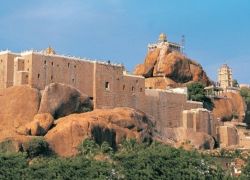
Located in the vibrant city of Trichy, Rockfort Temple stands as a testament to the rich history and natural beauty of the region. This iconic tourist attraction offers visitors a unique blend of cultural heritage, architectural marvels, and serene landscapes, making it a must-visit destination for travelers seeking a deep dive into the essence of South India. History of Rockfort Temple With a history dating back centuries, Rockfort Temple boasts a fascinating historical background, originally serving as a royal hunting ground for the region's rulers. Over time, the site evolved into a sacred space, witnessing various conservation efforts to preserve its cultural significance. The temple's architectural grandeur and historical importance have earned it recognition from UNESCO as a heritage site of immense value. Architecture and Natural Beauty of Rockfort Temple Surrounded by lush wetlands, dense forests, and picturesque grasslands, Rockfort Temple mesmerizes visitors with its natural beauty and diverse biodiversity. The temple complex also houses the ancient Keoladeo Temple, adding to the historical charm of the place and offering a tranquil retreat amidst the bustling cityscape. Why is Rockfort Temple Famous? Rockfort Temple has gained popularity as a hotspot for birdwatchers, photographers, nature enthusiasts, and wildlife lovers due to its rich avian habitats, stunning landscapes, and serene ambiance. The site's unique blend of cultural heritage and natural wonders makes it a magnet for those seeking a deeper connection with the natural world. How to Reach Rockfort Temple Traveling to Rockfort Temple is convenient, with options available by air, rail, and road. The city is well-connected with nearby airports and railway stations, ensuring easy access for visitors coming from various parts of the country. Weather and Best Time to Visit Rockfort Temple Rockfort Temple experiences varied weather conditions throughout the year, with distinct summer, monsoon, and winter seasons. The best time to visit is during the cooler months when the weather is pleasant, allowing visitors to explore the site comfortably. Timings of Rockfort Temple Visitor timings at Rockfort Temple are set to accommodate the varying seasons and ensure a seamless experience for tourists. Understanding the seasonal variations and planning your visit accordingly can enhance your overall enjoyment of this cultural and natural gem. Entry Fee and Visit Details Entry procedures at Rockfort Temple are straightforward, with guide services, safari options, bicycle rentals, and visitor facilities available to enhance your visit. Exploring the temple complex and its surroundings is made convenient with these additional services catering to the needs of tourists. Things to Do at Rockfort Temple Engage in a range of activities at Rockfort Temple, from birdwatching and photography to cycling, walking trails, and nature observation. The site offers a plethora of experiences for visitors to immerse themselves in the beauty of the natural world and the historical significance of the temple complex. Interesting Facts About Rockfort Temple Rockfort Temple is home to a diverse array of migratory birds, showcasing the region's rich biodiversity and conservation efforts. The site's ecological importance and conservation achievements add to its allure, making it a significant landmark for environmental enthusiasts and wildlife advocates. Travel Tips for Visiting Rockfort Temple When visiting Rockfort Temple, remember to dress appropriately for the weather, carry essential photography and birdwatching equipment, and plan your trip during the recommended seasons for the best experience. Practicing responsible tourism and respecting the site's natural and cultural heritage can help preserve its beauty for future generations. Conclusion In conclusion, Rockfort Temple in Trichy stands as a beacon of history, culture, and natural splendor, offering visitors a memorable journey through time and nature. With its architectural wonders, diverse wildlife, and serene landscapes, Rockfort Temple invites travelers to explore, appreciate, and cherish the beauty of South India's heritage and environment.
Explore More2 Night - 3 Days Special Chennai Tirupati Darshan Package
3 Days/ 2 Night
Tirupati - Chennai
5 Night - 6 Days Exciting Special Hill Tour Package
6 Days/ 5 Night
Mysore - Kodaikanal - Ooty
Coimbatore - Ooty - Madurai - Coimbatore Tour 4 Night 5 Days
5 Days/ 4 Night
Madurai - Ooty
Bangalore - Mysore - Ooty - Bangalore Tour 4 Night 5 Days
5 Days/ 4 Night
Bangalore - Mysore - Ooty
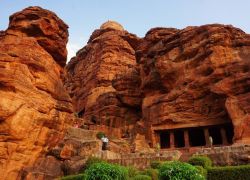
Bear’s Cave is one of the most mysterious and intriguing natural attractions in Yercaud, Tamil Nadu. Known for its dark interiors, ancient rock formations, and historical significance, this cave attracts adventure lovers, nature enthusiasts, and curious travelers. Located in the scenic hill station of Yercaud in the Shevaroy Hills, Bear’s Cave is part of the beautiful Eastern Ghats region. The cave is surrounded by dense forests, coffee plantations, and mist-covered landscapes, making it a peaceful yet adventurous destination. Bear’s Cave is situated near Yercaud, Tamil Nadu and is a must-visit attraction for tourists exploring the natural beauty of the Salem district region. History of Bear’s Cave Bear’s Cave has a strong historical and mythological connection. It is believed that the cave was once inhabited by bears in ancient times, which is how it got its name. Locals also believe that this cave was part of an ancient underground network used by sages and monks for meditation. Another popular belief is that the cave was discovered during British rule while exploring the Yercaud hills. Over time, it became a point of interest for travelers and explorers due to its natural structure and mysterious depth. Although no exact archaeological evidence defines its origin, Bear’s Cave remains an important natural landmark in Yercaud’s tourism map. Architecture and Natural Formation Bear’s Cave is not a man-made structure but a naturally formed limestone cave created over thousands of years due to geological processes. The cave consists of narrow tunnels, uneven rocky surfaces, and dark chambers. The entrance of the cave is small, and visitors must carefully enter and explore its interiors. Inside, the cave remains cool and dark throughout the year, offering a unique underground experience. The rock formations inside the cave are natural and untouched, adding to its raw beauty. The surrounding forest and hill terrain make the cave feel hidden and mysterious. Why Bear’s Cave is Famous Bear’s Cave is famous for its mysterious atmosphere, natural formation, and adventure experience. It is one of the most unique caves in Yercaud due to its dark interiors and historical legends. The cave is also known for its connection to ancient beliefs and stories of bears once inhabiting the area. Its unexplored and raw environment attracts adventure seekers. Tourists also visit the cave for its peaceful surroundings and the thrill of exploring a natural underground formation in the hills of Tamil Nadu. How to Reach Bear’s Cave Bear’s Cave is easily accessible from Yercaud town and nearby cities in Tamil Nadu. By Air: The nearest airport is Salem Airport, located around 50 km away. From there, taxis and buses are available to Yercaud. By Train: The nearest railway station is Salem Junction, which is well connected to major cities like Chennai, Bangalore, and Coimbatore. By Road: Yercaud is well connected by road to Salem (30 km). Regular buses, taxis, and private vehicles operate frequently. From Yercaud town, Bear’s Cave is accessible via local transport or short taxi rides. Weather at Bear’s Cave Yercaud experiences pleasant weather throughout the year due to its hill station location. Summer (March to June): Mild and comfortable with temperatures between 20°C and 30°C. Monsoon (July to September): Heavy rainfall makes the region lush green, but cave exploration may become slippery. Winter (October to February): The best time to visit, with cool temperatures ranging from 10°C to 25°C, ideal for sightseeing. Timing and Entry Details Bear’s Cave is generally open from 9:00 AM to 5:00 PM every day. There is usually a small entry fee for maintenance and tourism development. Visitors are advised to carry torches or mobile flashlights for better visibility inside the cave. Things to Do at Bear’s Cave Visitors can explore the cave’s narrow tunnels and experience its natural rock formations. Adventure seekers enjoy walking through its dark passages and discovering hidden corners. Photography is popular outside the cave, where scenic hills and forests provide beautiful backgrounds. Nature lovers can explore nearby viewpoints, coffee plantations, and trekking paths around Yercaud. The peaceful surroundings make it a good spot for relaxation and short nature breaks. Interesting Facts About Bear’s Cave The cave is believed to have been home to bears in ancient times, which is how it got its name. It is one of the few naturally formed caves in Yercaud open to tourists. The cave remains cool throughout the year, even during hot summers. Its interiors are completely natural and have not been artificially modified. Local legends add mystery to the cave, making it one of the most talked-about attractions in Yercaud. Travel Tips for Visitors Wear comfortable shoes as the cave surface can be uneven and slippery. Carry a flashlight or mobile torch for safety. Avoid visiting during heavy rain due to slippery paths. Go in groups for better safety and experience. Respect the natural environment and avoid littering inside or around the cave. Conclusion Bear’s Cave in Yercaud is a unique blend of mystery, nature, and adventure. Its natural formation, dark interiors, and peaceful surroundings make it an exciting destination for travelers. Whether you are an adventure lover, nature enthusiast, or casual tourist, Bear’s Cave offers a memorable experience in the beautiful hills of Tamil Nadu.
Explore More