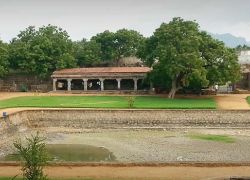
About The Vattakottai Fort The Vattakottai Fort is a historic monument located in Kanyakumari, Tamil Nadu. It is a seaside fort constructed in the 18th century during the reign of the Travancore Kingdom. The fort is made of granite stone and offers stunning views of the Arabian Sea on one side and the Western Ghats on the other. The name "Vattakottai" translates to circular fort in Tamil, referring to the circular shape of the fort. Timings Of Vattakottai Fort The Vattakottai Fort is open to visitors from 8:00 AM to 5:00 PM on all days of the week. Entry Fee There is no entry fee to visit the Vattakottai Fort. Required Time And Restricted Items It takes about 1-2 hours to explore the fort and its surroundings. Visitors are advised not to carry plastic items and to dispose of any waste responsibly to maintain the cleanliness of the fort. Architecture Of Vattakottai Fort The architecture of the Vattakottai Fort showcases a blend of traditional Indian and European styles. The fort has bastions at regular intervals and a moat surrounding it. The circular structure of the fort is unique and offers a panoramic view of the coast. Best Time To Visit The best time to visit the Vattakottai Fort is during the winter months from October to March when the weather is pleasant and ideal for exploring the fort and enjoying the surrounding views. How To Reach The Vattakottai Fort is located about 6 km from Kanyakumari town and is easily accessible by road. Visitors can hire a taxi or take a bus to reach the fort. The nearest railway station is in Kanyakumari, and the nearest airport is in Trivandrum, approximately 90 km away. History Of Vattakottai Fort The Vattakottai Fort was built by the Travancore kingdom in the 18th century as a defensive structure to protect the kingdom from invasions. The fort was constructed using granite stones and was strategically located to have a clear view of the sea and the surrounding areas. Inside Vattakottai Fort Inside the Vattakottai Fort, visitors can explore the ruins of the old barracks, storage rooms, and watchtowers. The fort offers breathtaking views of the sea and the hills, making it a popular spot for photography and sightseeing. Traveling Tips Visitors are advised to wear comfortable footwear as there is some walking involved to reach the fort. It is recommended to carry drinking water and snacks as there are limited facilities available near the fort. Also, do not forget to carry a camera to capture the scenic beauty of the fort and its surroundings. Hotels Near Vattakottai Fort There are several hotels and resorts near the Vattakottai Fort where visitors can stay and enjoy a comfortable stay. Some of the hotels near the fort include Hotel Sea View, Hotel Temple Citi, and Hotel Saaral. Nearby Tourist Spots Of Vattakottai Fort Some of the nearby tourist spots of Vattakottai Fort include the Kanyakumari Beach, Vivekananda Rock Memorial, Thiruvalluvar Statue, and Suchindram Temple. Visitors can explore these attractions while visiting the fort and make the most of their trip to Kanyakumari.
Explore More
About The Thirumalai Nayakkar Mahal The Thirumalai Nayakkar Mahal is a historic palace situated in Madurai, Tamil Nadu, India. It was built in the 17th century by King Thirumalai Nayak, who was a ruler of the Nayak dynasty. The palace is a perfect blend of Dravidian and Rajput styles of architecture, making it a unique and fascinating structure to visit. Timings Of Thirumalai Nayakkar Mahal The Thirumalai Nayakkar Mahal is open to visitors from 9:00 AM to 5:00 PM every day of the week. It is advisable to check the timings before planning your visit to avoid any inconvenience. Entry Fee The entry fee for Thirumalai Nayakkar Mahal is INR 10 for Indian nationals and INR 50 for foreigners. There may be additional charges for photography, videography, and other activities. Required Time And Restricted Items It usually takes around 1-2 hours to explore the entire palace. Visitors are not allowed to carry food, pets, or any sharp objects inside the premises. It is recommended to wear comfortable footwear as there is a lot of walking involved. Architecture Of Thirumalai Nayakkar Mahal The architectural beauty of Thirumalai Nayakkar Mahal is truly remarkable. The palace features large pillars, intricate carvings, and spacious courtyards. The grandeur of the structure reflects the rich cultural heritage of the region. Best Time To Visit The best time to visit Thirumalai Nayakkar Mahal is during the winter months between October and March when the weather is pleasant. Avoid visiting during the summer as it can get extremely hot and humid. How To Reach Thirumalai Nayakkar Mahal is easily accessible by road, rail, and air. The nearest airport is Madurai Airport, which is well-connected to major cities in India. The Madurai Junction railway station is the closest railhead to the palace. Local buses, taxis, and auto-rickshaws are available for transportation within the city. History Of Thirumalai Nayakkar Mahal The Thirumalai Nayakkar Mahal was constructed in the 17th century by King Thirumalai Nayak, who was known for his patronage of arts and architecture. The palace served as a residence for the king and his courtiers and was used for various ceremonies and events. Inside Thirumalai Nayakkar Mahal The interior of Thirumalai Nayakkar Mahal is adorned with beautiful murals, frescoes, and sculptures depicting scenes from Hindu mythology and historical events. The main attractions inside the palace include the Grand Throne Hall, Dance Hall, and the courtyard. Traveling Tips Plan your visit during weekdays to avoid crowds. Wear comfortable clothing and footwear. Carry a bottle of water to stay hydrated. Respect the heritage and do not litter the premises. Hire a guide for a better understanding of the history and architecture. Hotels Near Thirumalai Nayakkar Mahal The Gateway Hotel Pasumalai Heritage Madurai Madurai Residency Hotel Sangam Fortune Pandiyan Hotel Nearby Tourist Spots of Thirumalai Nayakkar Mahal Meenakshi Amman Temple Gandhi Memorial Museum Thiruparankundram Murugan Temple Koodal Azhagar Temple Alagar Kovil
Explore More
About The Tiruchirapalli Rock Fort The Tiruchirapalli Rock Fort, also known as Trichy Rock Fort, is a historic fort and temple complex located in the city of Tiruchirapalli in Tamil Nadu, India. The fort is situated on a massive rock formation that rises abruptly from the surrounding plains, providing a commanding view of the city and the Cauvery River. The Rock Fort is one of the most prominent landmarks of Trichy and is a popular tourist attraction. Timings of Tiruchirapalli Rock Fort The Tiruchirapalli Rock Fort is open to visitors from 6:00 AM to 8:00 PM on all days of the week. It is recommended to visit the fort early in the morning or late in the evening to avoid the heat of the day and enjoy the stunning views of the city from the top. Entry Fee The entry fee to the Tiruchirapalli Rock Fort is minimal and varies for Indian and foreign tourists. There is an additional fee for photography and videography inside the fort complex. It is advisable to check the current ticket prices before visiting. Required time and Restricted Items It takes approximately 1-2 hours to explore the entire Tiruchirapalli Rock Fort complex. Visitors are not allowed to carry items such as large bags, food items, and pets inside the fort. It is recommended to wear comfortable footwear as there are steep steps to climb. Architecture of Tiruchirapalli Rock Fort The architecture of the Tiruchirapalli Rock Fort is a fine blend of Vijayanagar and Nayaka styles. The fort complex houses several temples, towers, tanks, and shrines that date back to the Chola and Pandya dynasties. The intricate carvings, sculptures, and paintings inside the temples are a testament to the rich cultural heritage of the region. Best Time to Visit The best time to visit the Tiruchirapalli Rock Fort is during the winter months from November to February when the weather is pleasant and conducive for sightseeing. Avoid visiting during the summer months when the temperatures can soar, making it uncomfortable to explore the fort. How to Reach The Tiruchirapalli Rock Fort is easily accessible by road, rail, and air. The nearest airport is Tiruchirapalli International Airport, which is well-connected to major cities in India. The fort is located just 2 kilometers from Tiruchirapalli Junction railway station and can be reached by auto-rickshaw or taxi. History of Tiruchirapalli Rock Fort The history of the Tiruchirapalli Rock Fort dates back to the 7th century when it served as a strategic military outpost for various ruling dynasties. Over the centuries, the fort underwent several renovations and additions by different rulers, including the Cholas, Pallavas, Nayakas, and Marathas. The fort has witnessed numerous battles and sieges, making it a significant historical landmark in South India. Inside Tiruchirapalli Rock Fort Inside the Tiruchirapalli Rock Fort, visitors can explore several noteworthy structures, including the Ucchi Pillayar Temple dedicated to Lord Ganesha, the Thayumanavar Temple dedicated to Lord Shiva, and the Mathrubutheswarar Temple dedicated to Lord Shiva. The fort also offers panoramic views of the city, the Cauvery River, and the surrounding landscapes. Traveling Tips - Wear comfortable clothing and footwear while visiting the Tiruchirapalli Rock Fort. - Carry sufficient water and snacks as there are limited facilities inside the fort complex. - Follow the instructions of the guides and security personnel for a hassle-free experience. - Respect the religious sentiments of the local devotees while visiting the temples inside the fort. Hotels Near Tiruchirapalli Rock Fort There are several hotels and guesthouses near the Tiruchirapalli Rock Fort that cater to different budgets and preferences. Some of the popular accommodation options include Sangam Hotel, Hotel Le Temps Fort, Grand Gardenia, and Hotel Femina. Nearby Tourist Spots of Tiruchirapalli Rock Fort Visitors can explore other tourist attractions near the Tiruchirapalli Rock Fort, such as the Sri Ranganathaswamy Temple in Srirangam, the Jambukeswarar Temple, the Government Museum, and the Mukkombu Dam. These attractions offer insights into the rich cultural and historical heritage of the region, making Trichy a must-visit destination for history buffs and architecture enthusiasts.
Explore More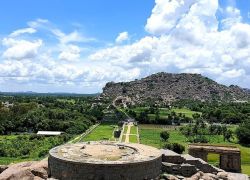
Located in the picturesque city of Coonoor, Droog Fort stands as a historical landmark amidst the natural beauty of the region. This tourist attraction offers not only a glimpse into the past but also a sanctuary for biodiversity and a haven for nature lovers. History of Droog Fort With a rich historical background, Droog Fort dates back to the era of royal hunting grounds. Over the years, the fort has undergone conservation efforts to preserve its heritage, leading to its recognition by UNESCO as a site of cultural significance. Architecture and Natural Beauty of Droog Fort Surrounded by wetlands, forests, and grasslands, Droog Fort provides a habitat for numerous bird species and offers panoramic landscapes that captivate visitors. The presence of the historical Keoladeo Temple within the fort adds to its architectural charm. Why is Droog Fort Famous? Droog Fort is renowned for its appeal to birdwatchers, photographers, nature enthusiasts, and wildlife lovers who flock to witness the diverse avian population and immerse themselves in the tranquility of the surroundings. How to Reach Droog Fort Traveling to Droog Fort is convenient, with options available by air, rail, and road. The nearest airports and railway stations provide easy access to this hidden gem in Coonoor. Weather and Best Time to Visit Droog Fort Throughout the seasons, Droog Fort offers varying experiences, from the lush greenery of summer to the monsoon showers and the serene winter landscapes. The best time to visit is during the months when the weather is most favorable. Timings of Droog Fort Visitors can explore Droog Fort during specific timings, with seasonal variations occasionally affecting accessibility. Planning ahead ensures a well-organized visit to make the most of the experience. Entry Fee and Visit Details Entry procedures to Droog Fort are simple, with guide services available for those seeking in-depth knowledge. Safari options, bicycle rentals, and visitor facilities are provided to enhance the overall visit. Things to Do at Droog Fort Engage in popular activities at Droog Fort, such as birdwatching, photography, cycling, walking trails, nature observation, and educational experiences that offer a holistic understanding of the fort's ecosystem. Interesting Facts About Droog Fort Droog Fort boasts fascinating facts about migratory birds, biodiversity conservation efforts, and its ecological importance in maintaining the balance of the region's ecosystem, making it a significant site for environmental enthusiasts. Travel Tips for Visiting Droog Fort For a seamless visit to Droog Fort, remember to dress appropriately, carry necessary photography and birdwatching equipment, choose the right visiting season, and practice responsible tourism to contribute to the preservation of this natural treasure. Conclusion In conclusion, Droog Fort in Coonoor offers a blend of history, natural beauty, and biodiversity that appeals to visitors seeking a unique travel experience. With its architectural marvels, diverse wildlife, and serene ambiance, Droog Fort stands as a must-visit destination for those exploring the wonders of Coonoor.
Explore More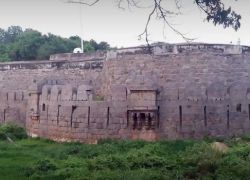
About The Tipu and Hyder Mahal The Tipu and Hyder Mahal, located in Vellore, Tamil Nadu, is a historic monument that dates back to the 18th century. It was built by the Nawab of the Carnatic, Dost Ali Khan, and later served as the residence of Tipu Sultan and his father, Hyder Ali. The palace is known for its unique Indo-Islamic architecture and rich history. Timings Of Tipu And Hyder Mahal The Tipu and Hyder Mahal are open to visitors from 9:00 am to 5:00 pm on all days of the week except Fridays. Entry Fee The entry fee for the Tipu and Hyder Mahal is Rs. 20 for Indian nationals and Rs. 250 for foreign visitors. There is an additional fee of Rs. 50 for photography. Required Time And Restricted Items Visitors typically spend about 1-2 hours exploring the Tipu and Hyder Mahal. It is advisable to avoid bringing large bags, food items, and pets inside the premises. Architecture Of Tipu and Hyder Mahal The architecture of the Tipu and Hyder Mahal is a blend of Dravidian and Islamic styles. The palace features intricately carved arches, domes, and minarets, showcasing the craftsmanship of the artisans of that era. The palace also has beautiful frescoes and murals depicting scenes from historical events. Best Time To Visit The best time to visit the Tipu and Hyder Mahal is during the winter months from November to February when the weather is pleasant and ideal for sightseeing. How To Reach The Tipu and Hyder Mahal are easily accessible by road, rail, and air. The nearest railway station is Vellore Cantonment, which is well-connected to major cities like Chennai and Bangalore. The nearest airport is Chennai International Airport, which is approximately 140 km away from Vellore. History Of Tipu and Hyder Mahal The Tipu and Hyder Mahal have a rich history, as they served as the residences of Tipu Sultan and his father, Hyder Ali. It was a strategic stronghold during the Carnatic Wars and played a significant role in the region's history. The palace has witnessed several battles and is a symbol of the valor and legacy of the rulers. Inside Tipu and Hyder Mahal Inside the Tipu and Hyder Mahal, visitors can explore the various rooms, courtyards, and halls that showcase the grandeur of the Mughal era. The palace also houses a museum with artifacts, weapons, and paintings from the bygone era, providing a glimpse into the royal lifestyle of the rulers. Traveling Tips - It is advisable to wear comfortable footwear as you will be walking around the expansive palace grounds. - Carry a water bottle and sunscreen to stay hydrated and protected from the sun. - Follow the rules and regulations laid down by the authorities to ensure a pleasant and hassle-free visit. Hotels Near Tipu And Hyder Mahal - Hotel Aavanaa Inn - Benzz Park Hotel - Darling Residency Nearby Tourist Spots Of Tipu And Hyder Mahal 1. Vellore Fort 2. Jalakandeswarar Temple 3. Amirthi Zoological Park
Explore More
About The Fort St David The Fort St David is a historical site located in Cuddalore, Tamil Nadu, India. It was built by the British East India Company in 1690 and served as a strategic fortress during the colonial era. The fort has witnessed many historical events and played a crucial role in the region's history. Timings Of Fort St David The Fort St David is open to visitors from 9:00 am to 5:00 pm every day of the week. Entry Fee The entry fee for the Fort St David is INR 20 for Indian tourists and INR 100 for foreign tourists. Required Time And Restricted Items Visitors typically spend about 1-2 hours exploring the fort and its surroundings. Restricted items include weapons, alcohol, and illegal substances. Architecture Of Fort St David The architecture of Fort St David reflects a blend of British and Indian styles. The fort features sturdy walls, bastions, and a moat that once served as a defense mechanism against enemy attacks. Best Time To Visit The best time to visit the Fort St David is during the winter months (November to February) when the weather is pleasant and conducive for outdoor activities. How To Reach The Fort St David is easily accessible by road from major cities like Chennai and Bangalore. Visitors can also hire a taxi or take a bus to reach the fort. History Of Fort St David The Fort St David was initially a trading post established by the British East India Company. Over the years, it evolved into a military stronghold and played a significant role in various battles and conflicts in the region. Inside Fort St David Inside the Fort St David, visitors can explore the well-preserved barracks, dungeons, and ramparts. There are also a museum and a lighthouse within the fort premises that offer insights into the fort's history. Traveling Tips It is advisable to wear comfortable clothing and footwear while visiting the Fort St David, as there is a fair amount of walking involved. It is also recommended to carry water and sunscreen, especially during the summer months. Hotels Near Fort St David Some of the hotels near Fort St David include Hotel Durai, Hotel Suriya International, and Hotel Himalaya. These hotels offer comfortable accommodation options for visitors to the fort. Nearby Tourist Spots Of Fort St David Some of the nearby tourist spots of Fort St David include the Silver Beach, Pichavaram Mangrove Forest, and Thirupapuliyur Temple. These attractions offer a glimpse into the natural beauty and cultural heritage of the region.
Explore More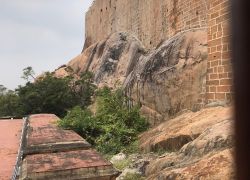
Tiruchirappalli Fort, located in the city of Tiruchirappalli, is a historic landmark that holds immense significance. This fort is not just a structure; it is a testament to the rich heritage and vibrant past of the region. The fort is a popular tourist attraction drawing visitors from all over the world due to its historical importance, architectural beauty, and natural surroundings. History of Tiruchirappalli Fort The history of Tiruchirappalli Fort dates back to ancient times, with its origins deeply rooted in the region's historical background. Originally serving as a fortress and a military setup, the fort has witnessed various rulers and dynasties. It was once a royal hunting ground and has undergone several conservation efforts to preserve its cultural heritage. The fort's historical significance has been recognized by UNESCO, adding to its global acclaim. Architecture and Natural Beauty of Tiruchirappalli Fort Surrounded by lush greenery, the fort is situated in a natural environment that boasts wetlands, forests, and grasslands. It serves as a haven for various bird species, making it a paradise for birdwatchers and nature enthusiasts. Within the fort complex lies the historical Keoladeo Temple, adding to its architectural charm and cultural appeal. Why is Tiruchirappalli Fort Famous? Tiruchirappalli Fort is renowned for its natural beauty, historical significance, and biodiversity. It attracts visitors, especially birdwatchers, photographers, and wildlife lovers, who are captivated by the diverse flora and fauna found within its precincts. The fort offers a unique blend of history and nature, making it a must-visit destination for travelers seeking an enriching experience. How to Reach Tiruchirappalli Fort Traveling to Tiruchirappalli Fort is convenient, with options available by air, rail, and road. The city is well-connected with nearby airports and railway stations, providing easy access to visitors. Whether you prefer flying, taking a train, or driving, reaching Tiruchirappalli Fort is hassle-free, ensuring a smooth travel experience. Weather and Best Time to Visit Tiruchirappalli Fort The weather at Tiruchirappalli Fort varies across seasons, with distinct summer, monsoon, and winter conditions. The best time to visit is during the cooler months when the weather is pleasant, allowing visitors to explore the fort comfortably. Planning your trip during the ideal months ensures an enjoyable and memorable experience. Timings of Tiruchirappalli Fort Tiruchirappalli Fort welcomes visitors during specific timings, with variations based on seasonal factors. Understanding the operational hours and planning your visit accordingly is essential to make the most of your time at the fort. Being aware of the timings ensures a well-organized and fulfilling visit. Entry Fee and Visit Details Visiting Tiruchirappalli Fort involves entry procedures that are easily navigable. Guide services, safari options, bicycle rentals, and visitor facilities are available to enhance your experience at the fort. Making use of these services and facilities adds value to your visit, offering a comprehensive exploration of the site. Things to Do at Tiruchirappalli Fort Engaging in various activities at Tiruchirappalli Fort enriches your visit and allows you to immerse yourself in its beauty. From birdwatching to photography, cycling, walking trails, and nature observation, there are plenty of options to explore. Educational experiences at the fort provide insights into its history and ecological significance. Interesting Facts About Tiruchirappalli Fort Tiruchirappalli Fort is home to a plethora of migratory birds, showcasing the region's rich biodiversity. The conservation efforts undertaken at the fort have contributed to its ecological importance and sustainability. The fort stands as a symbol of heritage preservation and environmental conservation, making it a unique and valuable destination. Travel Tips for Visiting Tiruchirappalli Fort When planning a visit to Tiruchirappalli Fort, consider practical aspects such as clothing, photography equipment, and birdwatching essentials. Being mindful of the visiting seasons and practicing responsible tourism enhances your experience and ensures the preservation of the fort's natural surroundings. Following these tips guarantees a memorable and respectful visit to this historic site. Conclusion In conclusion, Tiruchirappalli Fort in Tiruchirappalli stands as a remarkable tourist attraction that combines history, architecture, and natural beauty. Its historical significance, diverse flora and fauna, and engaging activities make it a destination worth exploring. By understanding the importance and visitor experience offered by Tiruchirappalli Fort, travelers can embark on a journey filled with enriching discoveries and memorable moments.
Explore More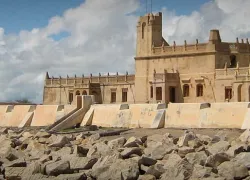
About The Vijayanagar Fort The Vijayanagar Fort, also known as Thanjavur Fort, is a historic fortress located in the city of Thanjavur in Tamil Nadu, India. The fort was constructed by the Nayaks of Thanjavur in the 16th century and later expanded by the Marathas. It is a fine example of Vijayanagar architecture and stands as a testament to the region's rich heritage. Timings Of Vijayanagar Fort The Vijayanagar Fort is open to visitors from 9:00 AM to 6:00 PM every day. It is advisable to check the timings before planning your visit to avoid any inconvenience. Entry Fee The entry fee for Vijayanagar Fort is INR 15 for Indian nationals and INR 200 for foreign tourists. There might be additional charges for photography and videography inside the fort premises. Required Time And Restricted Items It usually takes about 1-2 hours to explore the entire Vijayanagar Fort. Visitors are not allowed to carry food, pets, or any sharp objects inside the fort. It is recommended to wear comfortable footwear as there is a fair amount of walking involved. Architecture Of Vijayanagar Fort The Vijayanagar Fort showcases a mix of Nayak and Maratha architectural styles. The fort is spread over a vast area and features impressive walls, bastions, and moat. The grand entrance gate, known as the East Gate, is a prominent attraction with intricate carvings and sculptures. Best Time To Visit The best time to visit Vijayanagar Fort is during the winter months from October to March when the weather is pleasant. Avoid visiting during the summer months as it can get extremely hot and humid in Thanjavur. How To Reach Thanjavur is well-connected by road, rail, and air. The nearest airport is Tiruchirappalli International Airport, which is about 60 km away from Thanjavur. The city has a railway station with regular train services. Buses and taxis are also available for local transport. History Of Vijayanagar Fort The Vijayanagar Fort was originally built by the Nayaks of Thanjavur in the 16th century. It served as a strategic stronghold for various rulers, including the Marathas and the British. The fort has witnessed many historical events and is a significant landmark in the region. Inside Vijayanagar Fort Inside the Vijayanagar Fort, visitors can explore the majestic palace complex, temples, and other structures. The fort houses the famous Saraswathi Mahal Library, which is known for its collection of ancient manuscripts and rare books. The Raja Serfoji Memorial Hall is another must-visit attraction. Traveling Tips It is advisable to carry a bottle of water, sunscreen, and a hat to protect yourself from the sun while exploring the fort. Guided tours are available for visitors who want to learn more about the history and architecture of Vijayanagar Fort. Make sure to follow the rules and regulations of the fort for a pleasant experience. Hotels Near Vijayanagar Fort There are several hotels and guesthouses near Vijayanagar Fort that offer comfortable accommodation options for visitors. Some of the popular hotels in Thanjavur include Sangam Hotel, Hotel Parisutham, and Ideal River View Resort. Nearby Tourist Spots Of Vijayanagar Fort While visiting Vijayanagar Fort, tourists can explore other famous attractions in Thanjavur such as Brihadeeswarar Temple, Thanjavur Palace, Gangaikonda Cholapuram, and Schwartz Church. These places offer a glimpse into the rich cultural and architectural heritage of the region.
Explore More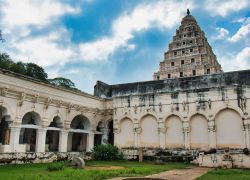
Welcome to Thanjavur Maratha Palace, a magnificent tourist attraction located in the heart of Thanjavur. This historical site holds a significant place in the cultural heritage of the region, attracting visitors from far and wide to explore its rich history and natural beauty. History of Thanjavur Maratha Palace The Thanjavur Maratha Palace has a fascinating historical background that dates back to its origin as the former royal hunting grounds of the Maratha rulers. Over the years, the palace has undergone various conservation efforts to preserve its architectural marvels, leading to its recognition by UNESCO as a heritage site. Architecture and Natural Beauty of Thanjavur Maratha Palace Surrounded by lush wetlands, forests, and bird habitats, Thanjavur Maratha Palace boasts stunning landscapes and houses the historical Keoladeo Temple within its premises. The blend of architectural grandeur and natural beauty makes it a captivating destination for visitors. Why is Thanjavur Maratha Palace Famous? Thanjavur Maratha Palace is renowned for its appeal to birdwatchers, photographers, nature enthusiasts, and wildlife lovers due to the diverse flora and fauna that thrive in its natural environment. The palace offers a unique experience for those seeking to immerse themselves in the beauty of nature. How to Reach Thanjavur Maratha Palace Traveling to Thanjavur Maratha Palace is convenient, with options available by air, rail, and road. Visitors can access the attraction through nearby airports and railway stations, ensuring easy and efficient transportation to the site. Weather and Best Time to Visit Thanjavur Maratha Palace The weather at Thanjavur Maratha Palace varies throughout the seasons, with summer, monsoon, and winter showcasing distinct climatic conditions. The best time to visit is during specific months when the weather is most favorable for exploring the palace and its surroundings. Timings of Thanjavur Maratha Palace Thanjavur Maratha Palace welcomes visitors during specific timings, with seasonal variations that may affect accessibility. Planning a visit to the palace involves considering these timings to make the most of the experience and ensure a smooth trip. Entry Fee and Visit Details For those interested in exploring Thanjavur Maratha Palace, entry procedures are in place to facilitate a seamless visit. Guide services, safari options, bicycle rentals, and visitor facilities are available to enhance the overall experience and provide essential amenities for guests. Things to Do at Thanjavur Maratha Palace Visitors to Thanjavur Maratha Palace can engage in a variety of activities such as birdwatching, photography, cycling, walking trails, nature observation, and educational experiences. These activities offer unique opportunities to connect with nature and explore the cultural significance of the site. Interesting Facts About Thanjavur Maratha Palace Thanjavur Maratha Palace is home to a diverse range of migratory birds, showcasing the biodiversity and conservation achievements of the region. The site holds ecological importance, contributing to the preservation of natural habitats and promoting environmental awareness. Travel Tips for Visiting Thanjavur Maratha Palace When planning a visit to Thanjavur Maratha Palace, consider practical advice on clothing, photography equipment, birdwatching essentials, visiting seasons, and responsible tourism practices. These tips will help ensure a memorable and enjoyable experience while respecting the natural surroundings. Conclusion In conclusion, Thanjavur Maratha Palace in Thanjavur stands as a testament to the region's rich history and natural beauty. With its historical significance, diverse ecosystems, and appeal to nature enthusiasts, the palace offers a memorable experience for visitors seeking to explore the cultural heritage and ecological wonders of the site.
Explore More
Dindigul Fort, located in the city of Dindigul, is a historical marvel that boasts not only architectural grandeur but also rich biodiversity and natural beauty. This tourist attraction holds immense significance due to its historical background, abundant wildlife, and captivating landscapes, making it a must-visit destination for history enthusiasts, nature lovers, and photographers. History of Dindigul Fort The history of Dindigul Fort dates back to the 17th century, with its origins rooted in the Nayaka Dynasty. Originally serving as a stronghold and military fortress, the fort later transformed into a symbol of power and governance under the rule of various dynasties. It was once a royal hunting ground and has witnessed numerous historical events. The conservation efforts to preserve this heritage site have been commendable, contributing to its UNESCO recognition as a site of cultural importance. Architecture and Natural Beauty of Dindigul Fort Surrounded by lush wetlands, dense forests, and sprawling grasslands, Dindigul Fort offers a picturesque setting that is home to diverse bird species and other wildlife. The fort's architecture showcases a blend of Dravidian and Islamic styles, with intricate carvings and majestic structures that reflect the region's rich heritage. Within the fort complex lies the historical Keoladeo Temple, adding to the cultural significance of the site. Why is Dindigul Fort Famous? Dindigul Fort is renowned for its natural beauty and historical allure, attracting birdwatchers, photographers, nature enthusiasts, and wildlife lovers from around the world. The abundance of bird habitats, scenic landscapes, and unique ecosystems within the fort premises make it a hotspot for those seeking a harmonious blend of history and nature. How to Reach Dindigul Fort Traveling to Dindigul Fort is convenient, with options for air, rail, and road transport. The nearest airports are located in Madurai and Coimbatore, offering easy access to visitors. Dindigul city is well-connected by rail, with the Dindigul Junction serving as a major railway station. Road networks provide access to the fort via various modes of transportation. Weather and Best Time to Visit Dindigul Fort The weather at Dindigul Fort varies across seasons, with summers being warm, monsoons bringing rainfall, and winters offering pleasant temperatures. The best time to visit is during the cooler months from October to March when the weather is conducive for exploration and outdoor activities. Timings of Dindigul Fort Dindigul Fort welcomes visitors during specific timings, ensuring a memorable experience for all. Seasonal variations may affect operational hours, so it is advisable to plan your visit accordingly. The fort authorities provide useful information for tourists to make the most of their trip. Entry Fee and Visit Details Visitors to Dindigul Fort can avail entry by following the designated procedures and may opt for guide services to enhance their exploration. Safari options, bicycle rentals, and visitor facilities are available within the fort complex, catering to the diverse needs of tourists seeking a comprehensive experience. Things to Do at Dindigul Fort Engage in a myriad of activities at Dindigul Fort, including birdwatching to observe the colorful avian species, photography to capture the scenic beauty, cycling along the fort trails, walking amidst nature's serenity, and indulging in educational experiences to learn about the region's history and biodiversity. Interesting Facts About Dindigul Fort Dindigul Fort is known for its role in conserving migratory birds, preserving biodiversity, and highlighting the importance of ecological balance. The fort's architectural splendor, coupled with its natural surroundings, stands as a testament to the region's cultural and environmental heritage. Travel Tips for Visiting Dindigul Fort When visiting Dindigul Fort, it is advisable to dress comfortably, carry essential photography equipment for capturing memorable moments, and adhere to responsible tourism practices to preserve the natural ecosystem. Understanding the visiting seasons and being mindful of the surroundings ensures a fulfilling and respectful experience at this historical site. Conclusion In conclusion, Dindigul Fort in Dindigul city encapsulates a harmonious blend of history, nature, and cultural significance. Its architectural marvels, abundant biodiversity, and captivating landscapes offer a unique experience for tourists seeking to explore the rich heritage of the region. Visiting Dindigul Fort promises an enriching journey through time and nature, making it a destination worth discovering and cherishing.
Explore More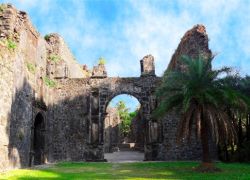
About The Vasai Basin Fort The Vasai Basin Fort, also known as the Chengalpattu Fort, is a historical fort located in Chengalpattu, Tamil Nadu. It was built by the Vijayanagar Empire in the 13th century and later used by the British during their rule in India. The fort is a symbol of the rich history and architectural heritage of the region. Timings Of Vasai Basin Fort The Vasai Basin Fort is open to visitors from 9:00 am to 6:00 pm every day of the week. Entry Fee The entry fee for the Vasai Basin Fort is Rs. 20 for Indian nationals and Rs. 250 for foreign tourists. Required Time And Restricted Items Visitors typically spend around 1-2 hours exploring the fort. Restricted items include alcohol, firearms, and any illegal substances. Architecture Of Vasai Basin Fort The architecture of the Vasai Basin Fort is a blend of Vijayanagar and British styles. The fort features sturdy stone walls, intricate carvings, and a moat that surrounds the perimeter. Best Time To Visit The best time to visit the Vasai Basin Fort is during the winter months of November to February when the weather is cool and pleasant. How To Reach Chengalpattu is well-connected by road and rail. The Vasai Basin Fort is located near the Chengalpattu Railway Station, making it easily accessible by train. Visitors can also hire a taxi or take a bus to reach the fort. History Of Vasai Basin Fort The Vasai Basin Fort was originally built by the Vijayanagar Empire as a defensive structure. It later came under the control of the British East India Company, who used it as a garrison to protect their interests in the region. Inside Vasai Basin Fort Inside the Vasai Basin Fort, visitors can explore the various bastions, watchtowers, and courtyards. There are also remnants of old cannons, underground tunnels, and a small museum showcasing the history of the fort. Traveling Tips It is recommended to wear comfortable footwear as there is some walking involved within the fort premises. Visitors should also carry water and sunscreen, especially during the hot summer months. Hotels Near Vasai Basin Fort There are several hotels near the Vasai Basin Fort where visitors can stay. Some of the popular options include Hotel Crescent Inn, Grand Palace Stay, and Hotel Seyon Plaza. Nearby Tourist Spots Of Vasai Basin Fort Some nearby tourist spots that visitors can explore after visiting the Vasai Basin Fort include the Mahabalipuram Shore Temple, Kanchipuram Silk Saree Weaving Centers, and the Vedanthangal Bird Sanctuary.
Explore More
Welcome to French Fort, a historical gem nestled in the charming city of Karaikal. This iconic landmark holds a significant place in the region's history and natural beauty, attracting tourists, history buffs, and nature enthusiasts alike. History of French Fort The French Fort boasts a rich historical background, originally built as a stronghold by the French during their colonial rule. This fortification served as a strategic military outpost and a symbol of French influence in the region. Over the years, it has transformed from a defensive structure to a cultural heritage site, preserving the stories of the past. The conservation efforts to maintain the fort's architectural integrity have garnered recognition, making it a UNESCO-protected site. Architecture and Natural Beauty of French Fort Surrounded by lush wetlands, verdant forests, and sprawling grasslands, French Fort offers a picturesque setting that mesmerizes visitors. The diverse ecosystems within the fort premises provide habitats for a myriad of bird species, making it a paradise for birdwatchers and nature lovers. The historic Keoladeo Temple located nearby adds to the charm of the surroundings, blending spirituality with natural beauty. Why is French Fort Famous? French Fort is renowned for its captivating landscapes and abundant birdlife, making it a haven for photographers, birdwatchers, and wildlife enthusiasts. The tranquil environment and the historical significance of the fort attract visitors seeking a blend of history and natural wonders. How to Reach French Fort Traveling to French Fort is convenient, with options available by air, rail, and road. The nearest airports and railway stations provide easy access to the city of Karaikal, from where visitors can reach the fort through well-connected road networks. Weather and Best Time to Visit French Fort The weather at French Fort exhibits seasonal variations, with summers being warm, monsoons bringing lush greenery, and winters offering a pleasant climate. The best time to visit is during the cooler months when the natural beauty of the surroundings is at its peak. Timings of French Fort French Fort welcomes visitors during specific timings, allowing them to explore the historical site at their convenience. Seasonal variations may affect the operational hours, so it is advisable to plan your visit accordingly. Entry Fee and Visit Details Visitors can gain entry to French Fort by following the designated procedures, with guide services available for a more insightful tour experience. Safari options, bicycle rentals, and visitor facilities enhance the overall visit, providing convenience and comfort to guests. Things to Do at French Fort At French Fort, visitors can engage in a variety of activities such as birdwatching, photography, cycling, walking trails, and nature observation. The fort's serene ambiance and natural surroundings offer opportunities for educational experiences and leisurely exploration. Interesting Facts About French Fort French Fort is not just a historical site but also a sanctuary for migratory birds, showcasing the region's rich biodiversity. The conservation efforts undertaken to protect these species and the ecological balance add to the fort's importance in the realm of wildlife preservation. Travel Tips for Visiting French Fort When visiting French Fort, it is advisable to dress comfortably, carry necessary photography equipment for capturing the beauty around, and be mindful of the best seasons for birdwatching and exploration. Practicing responsible tourism ensures the preservation of the fort's natural heritage for future generations. Conclusion In conclusion, French Fort in Karaikal stands as a testament to history, nature, and conservation efforts. Its unique blend of architectural beauty, biodiversity, and visitor experiences make it a must-visit destination for those seeking a glimpse into the past and a connection with the natural world.
Explore MoreCoimbatore - Ooty - Madurai - Coimbatore Tour 4 Night 5 Days
5 Days/ 4 Night
Madurai - Ooty
Bangalore - Mysore - Ooty - Bangalore Tour 4 Night 5 Days
5 Days/ 4 Night
Bangalore - Mysore - Ooty
Munnar-Thekkady-Alleppey-Kovalam-Trivandrum-Kanyakumari Tour
8 Days/ 7 Night
Kovalam - Thekkady - Alleppey - Trivandrum - Kanyakumari - Munnar
Coimbatore - Ooty - Coonoor Tour 2 Night 3 Days
3 Days/ 2 Night
Coonoor - Ooty