
Located within the premises of the Forest Research Institute, Timber Museum is an interesting place in Dehradun. It is a museum where individuals can gather the knowledge about timber and learn about the items in which it is utilized. Apart from the timber, this museum also educates the people about the various types of wood that are found in the forests. Purpose of Establishment:-The purpose behind the establishment of the Timber Museum is to educate the people about the different types of wood that are available in the forests of India. Moreover, it also focuses on the different qualities of the wooden and timber planks and their uses in the different industries. There are galleries that display the models of different types of timber. Entry Fee & Timings:-Timber Museum is a renowned place and is open to the public throughout the day. The entry is paid and it can be visited from 9 am-5 pm on a daily basis. Reaching There:-Timber Museum is located within the premises of Forest Research Institute. Being a renowned landmark in the city, it has a well-established network of the roadways that connect it with the rest of the places. The local buses and cabs are available that ply to the route of the Timber Museum. Nearest Railway Station- Dehradun Railway StationNearest Airport- Jolly Grant Airport
Explore More
Zonal Anthropological Museum is an amazing museum in Uttarakhand. This museum is a place that showcases the ancient artifacts and other things that were discovered during the excavations. All the discoveries throw light on the earliest human inhabitance in the Himalayan foothills. Zonal Anthropological Museum catches the attention of many, especially the ones that adore learning the history of a particular region. The Establishment And Purpose:-Zonal Anthropological Museum was established in the year 1971-72 by the Anthropological Survey of India. The reason behind its establishment was to educate the public about the earliest human inhabitance in the foothills of the Himalayas. The museum houses different statues, sculptures, coins, artifact etc. that are kept on display. All of them are centuries old. Entry Fee & Timings:-The entry to Zonal Anthropological Museum is paid. Visitors have to pay a nominal charge, depending on the nationality, to gain access to the museum. This museum remains opened in 2- time slots- morning (10 am-1 pm) and evening (2 pm-5 pm) respectively. It remains closed on all Sundays and National Holidays. Best Time To Visit:-Zonal Anthropological Museum never fails to catch the attention of visitors. It welcomes the local visitors as well as foreign nationals frequently. This museum can be visited throughout the year. Reaching There:-Zonal Anthropological Museum is positioned in the center of the city and is well-connected via roadways and railways. The local buses and taxis can be hired for reaching the place comfortably. Nearest Railway Station- Dehradun Railway StationNearest Airport- Jolly Grant Airport
Explore More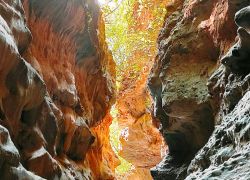
Robber's Cave, locally known as Guchhupani, is one of the most popular natural attractions in Dehradun, Uttarakhand. Located approximately 8 kilometers from the city center, this fascinating river cave is famous for its unique geological formations, narrow gorge, flowing stream, and mysterious natural features. Surrounded by the beautiful Shivalik Hills, Robber's Cave attracts thousands of tourists, adventure seekers, nature lovers, and families throughout the year. The cave is a natural formation where a stream flows through a narrow gorge between towering limestone rocks. One of its most intriguing characteristics is that the water appears to disappear underground at certain points and re-emerge further downstream. This unusual phenomenon, combined with the cool water flowing through the cave, makes Robber's Cave one of the most unique tourist destinations in Uttarakhand. Visitors often enjoy walking barefoot through the shallow stream while exploring the cave's narrow passages and rocky surroundings. The natural beauty, refreshing atmosphere, and adventurous experience make Robber's Cave a must-visit attraction for anyone traveling to Dehradun. Why is Robber's Cave, Dehradun Famous? Robber's Cave is famous for its unusual natural structure and mysterious water flow. The cave consists of a narrow gorge formed between massive rock formations, with a stream flowing through its center. The cool, crystal-clear water and the dramatic canyon-like environment create a memorable experience for visitors. The cave gained its name "Robber's Cave" during the British era when local legends suggested that robbers and bandits used the cave as a hideout due to its concealed location and difficult accessibility. Robber's Cave is particularly famous for: The stream that mysteriously disappears and reappears. Walking through cold water inside the cave. Its natural limestone formations. The scenic beauty of the surrounding hills. Adventure and nature-based tourism. Its popularity as a family picnic destination. The combination of natural wonder and adventure makes Robber's Cave one of Dehradun's most visited attractions. History of Robber's Cave Robber's Cave is primarily a natural geological formation rather than a historical monument. However, it has a fascinating history linked to local folklore and British colonial times. According to local legends, robbers and outlaws used the cave as a secret shelter during the British period. The narrow passages, hidden location, and natural protection offered by the surrounding rocks made it an ideal refuge. This association eventually led to the cave being called "Robber's Cave." Over time, the cave became a popular attraction among locals and tourists. Today, it is maintained as a major tourist site and is recognized for its natural beauty and geological significance rather than its historical associations. Geological Structure and Natural Features of Robber's Cave Robber's Cave is a remarkable example of natural geological processes. The cave extends for several hundred meters and is formed by a narrow gorge with high rock walls on both sides. Some key natural features include: Narrow canyon-like rock formations. A freshwater stream flowing through the cave. Sections where water disappears underground. Towering limestone and sandstone walls. Natural pools and small waterfalls. Cool temperatures even during summer months. The cave's dramatic landscape creates a unique environment that differs from traditional caves. Visitors can walk through the flowing water while exploring the rocky passages. How to Reach Robber's Cave, Dehradun, Uttarakhand By Air The nearest airport is Jolly Grant Airport, located approximately 30 kilometers from Robber's Cave. From the airport, visitors can hire taxis or use local transportation to reach the attraction. By Train The nearest railway station is Dehradun Railway Station, located around 10 kilometers away. Dehradun is well connected with Delhi, Haridwar, Lucknow, Kolkata, and several other major Indian cities. By Road Robber's Cave is easily accessible by road from Dehradun city. Dehradun City Center: Approximately 8 km Dehradun Railway Station: Approximately 10 km Jolly Grant Airport: Approximately 30 km Mussoorie: Approximately 35 km Auto-rickshaws, taxis, local buses, and private vehicles are readily available. Weather at Robber's Cave Summer (March to June) Temperatures range between 20°C and 35°C. The cool cave waters make it an ideal summer getaway. Monsoon (July to September) The region receives moderate to heavy rainfall. Water levels may rise, and visitors should exercise caution. Winter (October to February) Temperatures range between 5°C and 22°C. The weather remains pleasant, though the water can feel quite cold. The best time to visit is from October to June. Robber's Cave Timings Robber's Cave is generally open throughout the week for visitors. Opening Time: 7:00 AM Closing Time: 6:00 PM Open: All days of the week Morning visits are recommended for a less crowded and more enjoyable experience. Entry and Visit Details of Robber's Cave Robber's Cave is managed as a tourist attraction and generally has a nominal entry fee. The fee may vary depending on local regulations and management policies. Visitors can enjoy: Exploring the cave passages. Walking through shallow water streams. Photography and sightseeing. Picnicking in designated areas. Visiting nearby food stalls and local shops. Basic facilities such as parking, changing rooms, restrooms, and food stalls are available near the entrance. Things to Do at Robber's Cave 1. Walk Through the Cave Stream The most popular activity is walking barefoot through the cool water flowing inside the cave. 2. Explore Natural Rock Formations Observe the fascinating geological formations and towering rock walls that make the cave unique. 3. Photography The cave offers excellent opportunities for nature and adventure photography. 4. Enjoy the Waterfalls Visitors can admire small waterfalls and natural water features found within the cave. 5. Family Picnic The surrounding area is suitable for spending quality time with family and friends. 6. Experience Nature Enjoy the peaceful atmosphere and refreshing environment away from city noise. 7. Explore Nearby Attractions Combine your visit with nearby destinations such as: Sahastradhara Tapkeshwar Temple Forest Research Institute (FRI) Mindrolling Monastery Malsi Deer Park Mussoorie Interesting Facts About Robber's Cave Its local name is Guchhupani. The cave is formed naturally by limestone erosion. The stream disappears underground at certain locations. It is one of Dehradun's most visited natural attractions. Robbers are believed to have used the cave as a hideout during the British era. The water remains cool even during peak summer. The cave is surrounded by the scenic Shivalik Hills. It offers a unique combination of cave exploration and water adventure. The site is popular among photographers and geology enthusiasts. Thousands of tourists visit annually. Travel Tips for Visiting Robber's Cave Wear comfortable clothes suitable for getting wet. Carry an extra pair of clothes and a towel. Use waterproof footwear or sandals with a good grip. Be cautious on slippery rocks. Avoid visiting during heavy rainfall due to rising water levels. Carry drinking water and light snacks. Visit early in the morning to avoid crowds. Protect electronic devices from water exposure. Follow safety instructions provided by authorities. Help maintain cleanliness by avoiding littering. Conclusion Robber's Cave in Dehradun, Uttarakhand, is a remarkable natural attraction that offers a unique blend of adventure, geology, and scenic beauty. Its mysterious disappearing stream, towering rock formations, cool flowing water, and fascinating local legends make it one of the most exciting places to visit in the region. Whether you are a nature enthusiast, adventure seeker, photographer, or family traveler, Robber's Cave provides an unforgettable experience. A visit to this extraordinary natural wonder allows travelers to connect with nature while exploring one of Uttarakhand's most intriguing destinations.
Explore More
Welcome to the breathtaking beauty of Bhalu Dam in Ranikhet, a paradise for nature lovers and wildlife enthusiasts. Nestled amidst the serene landscapes of Ranikhet, Bhalu Dam offers a unique blend of natural wonders and ecological significance. History of Bhalu Dam With a rich historical background, Bhalu Dam stands as a testament to the region's heritage. Originally established as a royal hunting ground, it has evolved into a conservation area dedicated to preserving the diverse wildlife and habitats. The conservation efforts at Bhalu Dam have garnered recognition from UNESCO, highlighting its importance in biodiversity conservation. Architecture and Natural Beauty of Bhalu Dam The allure of Bhalu Dam lies in its picturesque wetlands, dense forests, and vast grasslands that provide a habitat for a myriad of bird species. The park's natural beauty is enhanced by the presence of the historical Keoladeo Temple, adding a touch of cultural significance to the serene surroundings. Why is Bhalu Dam Famous? Bhalu Dam is renowned for its diverse bird population, making it a hotspot for birdwatchers and photographers. Nature enthusiasts are drawn to the park for its unique bird habitats and the opportunity to witness wildlife in its natural setting, making it a must-visit destination for wildlife lovers. How to Reach Bhalu Dam Traveling to Bhalu Dam is convenient, with options available by air, rail, and road. The nearest airports and railway stations provide easy access to the park, allowing visitors to embark on a memorable journey to explore the wonders of Ranikhet. Weather and Best Time to Visit Bhalu Dam Throughout the summer, monsoon, and winter seasons, Bhalu Dam offers a unique experience in each season. The best time to visit is during the months when the weather is pleasant, allowing visitors to enjoy the beauty of the park to the fullest. Timings of Bhalu Dam Visitor timings at Bhalu Dam cater to the varying needs of guests, ensuring a memorable experience for all. Seasonal variations may bring changes to the park's schedule, so it is advisable to plan your visit accordingly for a seamless trip. Entry Fee and Visit Details Entry procedures at Bhalu Dam are designed to provide visitors with a hassle-free experience. Guide services, safari options, bicycle rentals, and visitor facilities are available to enhance your visit and make your exploration of the park more enjoyable. Things to Do at Bhalu Dam Engage in a range of activities at Bhalu Dam, from birdwatching and photography to cycling and walking trails. Immerse yourself in nature observation and educational experiences that offer a deeper understanding of the park's ecological importance. Interesting Facts About Bhalu Dam Discover fascinating facts about the migratory birds that grace Bhalu Dam, showcasing the park's biodiversity and conservation achievements. The ecological importance of Bhalu Dam underscores the need for sustainable practices to preserve its natural treasures. Travel Tips for Visiting Bhalu Dam When planning your visit to Bhalu Dam, consider practical advice on clothing, photography gear, birdwatching equipment, and the best seasons to explore the park. Embrace responsible tourism practices to ensure the preservation of Bhalu Dam's natural beauty for future generations. Conclusion In conclusion, Bhalu Dam in Ranikhet offers a captivating blend of natural wonders, historical significance, and biodiversity conservation. A visit to this enchanting destination promises a memorable experience for all, inviting you to immerse yourself in the beauty of nature and wildlife in the heart of Ranikhet.
Explore More
Ranikhet, a picturesque hill station in India, is home to the charming tourist attraction known as Upat Gol Course. Nestled amidst the serene beauty of Ranikhet, Upat Gol Course offers a unique blend of natural splendor, historical significance, and abundant biodiversity, making it a must-visit destination for travelers seeking tranquility and adventure. History of Upat Gol Course Steeped in history, Upat Gol Course stands on what was once a royal hunting ground frequented by the erstwhile rulers of the region. Over the years, efforts have been made to conserve and protect this area, leading to its recognition by UNESCO for its rich heritage and ecological value. Architecture and Natural Beauty of Upat Gol Course Surrounded by lush wetlands, verdant forests, and sprawling grasslands, Upat Gol Course is a paradise for bird enthusiasts. The landscape is dotted with bird habitats, offering a glimpse into the diverse avian species that call this place home. The historic Keoladeo Temple adds to the allure of the surroundings, blending spirituality with natural beauty. Why is Upat Gol Course Famous? Upat Gol Course has gained fame as a hotspot for birdwatchers, photographers, and nature lovers due to its rich avifauna and serene ambiance. The opportunity to witness a wide array of bird species in their natural habitat makes it a popular destination for wildlife enthusiasts. How to Reach Upat Gol Course Traveling to Upat Gol Course is convenient, with options available by air, rail, and road. The nearest airports and railway stations provide easy access to this nature retreat, allowing visitors to embark on a memorable journey amidst the scenic beauty of Ranikhet. Weather and Best Time to Visit Upat Gol Course The weather at Upat Gol Course varies across different seasons, offering unique experiences throughout the year. While summers are pleasant, monsoons bring a refreshing touch to the surroundings. Winter months allure visitors with a magical charm, making it an ideal time to explore the beauty of this enchanting destination. Timings of Upat Gol Course Understanding the visitor timings and any seasonal variations is essential for planning a trip to Upat Gol Course. This information ensures that travelers can make the most of their visit and enjoy the tranquility of the surroundings at the right time. Entry Fee and Visit Details Upon arrival, visitors are greeted with entry procedures and essential information about guide services, safari options, bicycle rentals, and visitor facilities. These details enhance the overall experience, allowing guests to immerse themselves in the natural wonders of Upat Gol Course. Things to Do at Upat Gol Course Engaging in activities such as birdwatching, photography, cycling, walking trails, and nature observation offers a delightful experience at Upat Gol Course. The destination caters to a range of interests, providing opportunities for both relaxation and exploration amidst the tranquil surroundings. Interesting Facts About Upat Gol Course Delve into the fascinating world of migratory birds, biodiversity conservation efforts, and the ecological significance of Upat Gol Course. Discover the hidden gems that make this destination a haven for nature enthusiasts and conservation advocates. Travel Tips for Visiting Upat Gol Course Before embarking on a journey to Upat Gol Course, it is essential to consider practical aspects such as clothing choices, photography equipment, ideal visiting seasons, and responsible tourism practices. These tips ensure a fulfilling and sustainable travel experience for all visitors. Conclusion In conclusion, Upat Gol Course in Ranikhet stands as a testament to the harmonious coexistence of nature and history. Its tranquil environs, diverse birdlife, and rich heritage offer a unique escape for travelers seeking solace in the lap of nature. A visit to Upat Gol Course promises a memorable experience that celebrates the beauty and serenity of Ranikhet, captivating hearts and minds alike.
Explore More
Kumaon Regimental Center Museum
Welcome to the Kumaon Regimental Center Museum in Ranikhet, a place steeped in history and natural beauty. The museum offers visitors a unique glimpse into the rich heritage of the region and serves as a popular destination for tourists seeking to explore the cultural and environmental treasures of Ranikhet. History of Kumaon Regimental Center Museum The Kumaon Regimental Center Museum has a fascinating historical background, having been established to commemorate the brave soldiers of the Kumaon Regiment. The museum showcases the regiment's glorious past and honors its heroes, making it a significant cultural landmark in Ranikhet. Architecture and Natural Beauty of Kumaon Regimental Center Museum Surrounded by lush forests and picturesque landscapes, the Kumaon Regimental Center Museum offers a serene setting for visitors to explore. The museum's architecture reflects the region's heritage, while the natural beauty of Ranikhet adds to the overall charm of the place. Why is Kumaon Regimental Center Museum Famous? The Kumaon Regimental Center Museum is renowned for its historical significance and the insights it provides into the region's military legacy. It is a popular destination for history enthusiasts, patriots, and those interested in learning about the valor and sacrifice of the Kumaon Regiment. How to Reach Kumaon Regimental Center Museum Traveling to the Kumaon Regimental Center Museum is convenient, with various options available. Visitors can reach Ranikhet by air, rail, or road, with the nearest airports being Pantnagar Airport and Dehradun Airport. Kathgodam Railway Station serves as the closest railhead for those opting to travel by train. Weather and Best Time to Visit Kumaon Regimental Center Museum The weather in Ranikhet varies throughout the year, with pleasant summers, rainy monsoons, and chilly winters. The best time to visit the Kumaon Regimental Center Museum is during the spring and autumn months when the weather is mild, and the natural beauty of the region is at its peak. Timings of Kumaon Regimental Center Museum The Kumaon Regimental Center Museum welcomes visitors during specific hours, allowing ample time for exploration and discovery. It is advisable to check for any seasonal variations in timings and plan your visit accordingly to make the most of your experience. Entry Fee and Visit Details Entry to the Kumaon Regimental Center Museum may be subject to a nominal fee, which contributes to the maintenance and preservation of this historical site. Visitors can avail guide services, opt for safari experiences, or even rent bicycles to enhance their visit and explore the surroundings. Things to Do at Kumaon Regimental Center Museum There are several activities to enjoy at the Kumaon Regimental Center Museum, including birdwatching, photography, cycling, and nature walks. Visitors can immerse themselves in the beauty of the region, observe the flora and fauna, and engage in educational experiences that offer insights into the local ecosystem. Interesting Facts About Kumaon Regimental Center Museum The Kumaon Regimental Center Museum is home to a diverse range of migratory birds, reflecting the region's rich biodiversity. The museum's conservation efforts have been instrumental in preserving the ecological balance of the area and highlighting the importance of sustainable practices. Travel Tips for Visiting Kumaon Regimental Center Museum When visiting the Kumaon Regimental Center Museum, it is advisable to dress comfortably, carry essential photography equipment, and be mindful of the seasonal variations in weather. Responsible tourism practices, such as respecting the surroundings and wildlife, can enhance your experience and contribute to the preservation of this unique destination. Conclusion In conclusion, the Kumaon Regimental Center Museum in Ranikhet offers a blend of history, culture, and natural beauty that appeals to a wide range of visitors. Whether you are a history buff, a nature lover, or simply seeking a peaceful retreat, a visit to this iconic museum promises a memorable and enriching experience in the heart of Ranikhet.
Explore More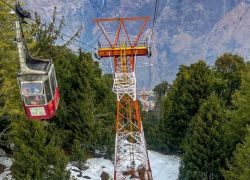
The Auli Ropeway, also known as the Auli Gondola, is one of the major attractions in Auli, Uttarakhand. As one of the longest and highest cable car rides in Asia, it offers panoramic views of the snow-capped Himalayan peaks, dense forests, and alpine meadows. The Auli Ropeway is an engineering marvel that connects Auli with Joshimath, offering a unique and exhilarating experience for visitors. Whether you're visiting for adventure, relaxation, or simply to soak in the views, the Auli Ropeway is a must-do activity in the region. How to Reach Auli Ropeway (Gondola), Auli Reaching the Auli Ropeway is relatively easy, as it is well-connected to major towns and cities in Uttarakhand. Here’s how you can reach: By Air: The nearest airport to Auli is Jolly Grant Airport in Dehradun, about 280 km away. From the airport, you can hire a taxi or take a bus to Joshimath, which is the nearest town to Auli. From Joshimath, the Auli Ropeway can be accessed by a short drive. By Train: The nearest railway station is Haridwar, located around 270 km from Auli. Haridwar is well-connected by train to major cities in India. From Haridwar, you can take a bus or taxi to Joshimath, and then continue to Auli by road. The ropeway station is located near Auli, and you can easily reach it via a taxi. By Road: Auli is well-connected by road to nearby cities like Rishikesh, Dehradun, and Haridwar. The drive from Rishikesh to Auli is approximately 10-12 hours, offering beautiful scenic views of the mountains and valleys. Once you reach Auli, the Auli Ropeway station is easily accessible from the main road. Weather in Auli, Uttarakhand The weather in Auli is influenced by its high-altitude location in the Himalayas. Here is an overview of the weather throughout the year: Summer (April to June): The weather during the summer months is pleasant and mild, with temperatures ranging from 10°C to 20°C. This is the ideal time to visit Auli for sightseeing, trekking, and other outdoor activities. Monsoon (July to September): Auli experiences heavy rainfall during the monsoon season, which can make trekking and other outdoor activities difficult. Landslides are common during this time, and it's generally not recommended to visit Auli during the monsoon season. Winter (October to March): Winters in Auli are extremely cold, with temperatures dropping below freezing, and the region receives heavy snowfall. This is the peak season for skiing and other snow sports, making it a popular time for tourists. The Auli Ropeway is also operational during this season, offering spectacular views of the snow-covered peaks. Why Auli Ropeway (Gondola) is Famous The Auli Ropeway is famous for several reasons that make it a standout experience in Uttarakhand: Scenic Views: The Auli Ropeway offers breathtaking panoramic views of the snow-capped peaks of the Nanda Devi, Nanda Kot, and other Himalayan mountains. The aerial view of the lush green meadows, alpine forests, and valleys is truly mesmerizing. Longest Cable Car Ride in India: The Auli Ropeway is one of the longest cable car rides in India, stretching over 4 kilometers. It connects Joshimath to Auli, passing through dense forests and offering unmatched views of the surrounding landscapes. Popular for Skiing: Auli is known as one of the best ski resorts in India. The ropeway is a convenient way for skiers and snowboarders to reach the slopes, making it a must-try experience for winter sports enthusiasts. Adventure and Relaxation: While the ropeway offers an adventurous ride, it is also an excellent way to relax and enjoy the serenity of the mountains. Whether you're an adrenaline junkie or someone looking to unwind, the Auli Ropeway has something for everyone. Entry and Visit Details for Auli Ropeway (Gondola) The Auli Ropeway operates throughout the year, with peak demand during the winter months when snow sports are in full swing. The cable car ride offers a comfortable journey with a smooth ascent to Auli’s ski slopes. The ticket prices for the Auli Ropeway vary depending on the season, with peak season rates being slightly higher. Visitors are recommended to check the availability of tickets and operating hours before their visit, especially during the winter months when there is a rush of tourists. History and Architecture of Auli Ropeway (Gondola) The Auli Ropeway was inaugurated in 1999 and was built to boost tourism in the region, particularly for the winter sports activities in Auli. It was constructed by the Uttaranchal Forest Development Corporation (UAFDC) with the aim of providing easy access to Auli’s slopes for skiers and adventure enthusiasts. The cable car system is designed to withstand the harsh weather conditions of the region and offers a smooth, safe ride for tourists. The ropeway is a modern engineering marvel, featuring 10 passenger cabins with a capacity of 25 passengers each. The cabins are designed to provide comfort and safety while offering an unhindered view of the scenic landscape. The ropeway travels through a series of towers, each strategically placed to ensure smooth operation even in extreme weather conditions. Things to Do Near Auli Ropeway (Gondola) Auli, in addition to its famous Ropeway, offers several other activities and attractions: Skiing and Snowboarding: Auli is renowned for its well-maintained ski slopes, attracting winter sports enthusiasts from around the world. The ropeway helps visitors reach the slopes easily, making it a favorite for skiers and snowboarders. Trekking: Auli offers several trekking routes, such as the trek to Gorson Bugyal, which is a popular spot for adventure lovers. The trek offers views of alpine meadows and the surrounding snow-capped peaks. Visit Auli Lake: Auli Lake, located near the Auli Ropeway, is a beautiful natural lake surrounded by snow-covered peaks. It is a peaceful spot for relaxation and photography. Photography: The Auli Ropeway and the surrounding landscapes offer numerous opportunities for stunning photography. The views of the Himalayan peaks, valleys, and forests are perfect for capturing the essence of the region. Camping: Camping in Auli during the summer months is a great way to experience the serenity of the region. Set up a tent near the slopes or lakes and enjoy the natural beauty. Facts About Auli Ropeway (Gondola), Auli The Auli Ropeway is one of the longest cable car rides in India, covering a distance of 4 kilometers and an elevation of about 1,000 meters. The ride from Joshimath to Auli takes around 15-20 minutes, offering spectacular views of the Himalayan range. The Auli Ropeway operates from morning till evening, with the timings usually from 8 AM to 5 PM. However, the timings may vary depending on the season and weather conditions. During peak season (winter), the Auli Ropeway is packed with tourists, especially those coming for skiing and snowboarding. Tips for Visiting Auli Ropeway (Gondola), Auli Book your tickets in advance, especially during the peak season (winter), to avoid long lines and ensure availability. Wear warm clothing during the winter months, as temperatures can drop significantly, and the wind chill factor can make it even colder during the cable car ride. If you’re visiting for skiing, bring your own equipment or rent it from local shops in Auli. Ensure that the weather conditions are suitable for the cable car ride, as strong winds and snowstorms may cause temporary closures. Bring a camera to capture the breathtaking views of the Himalayan peaks and the surrounding landscapes.
Explore More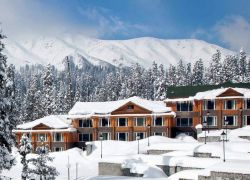
Kwani Bugyal is a mesmerizing alpine meadow situated in the Garhwal Himalayas of Uttarakhand, approximately 12 kilometers from Auli. It is renowned for its vast expanse of lush green meadows surrounded by towering snow-capped peaks, making it a popular destination for nature lovers, trekkers, and adventure enthusiasts. The meadow is part of the larger Bugyal (meadow) region and offers a pristine environment far removed from the hustle and bustle of modern life. The untouched beauty of Kwani Bugyal and its proximity to Auli makes it an attractive spot for those seeking tranquility in the lap of nature. How to Reach Kwani Bugyal, Auli Reaching Kwani Bugyal requires some effort as it is a trekking destination, with no direct road access. The trek to Kwani Bugyal offers a breathtaking experience, passing through thick forests and steep slopes. Here’s how you can reach: By Air: The nearest airport to Auli is Jolly Grant Airport in Dehradun, around 280 km away from Auli. From there, you can hire a taxi or take a bus to Joshimath. Auli is easily accessible from Joshimath by road, and from Auli, the trek to Kwani Bugyal begins. By Train: The nearest railway station is Haridwar, located approximately 270 km from Auli. Haridwar is well-connected to major cities in India. From Haridwar, you can travel by road (taxi or bus) to Joshimath and Auli. By Road: Auli is well-connected by road, and the drive from Rishikesh or Dehradun takes about 10-12 hours. From Auli, the trek to Kwani Bugyal starts. The trek itself is around 6-7 hours long, and it takes you through picturesque landscapes, including forests, streams, and meadows. Weather in Kwani Bugyal, Auli The weather at Kwani Bugyal is typical of a high-altitude region, with distinct seasonal changes that make it an appealing destination throughout the year. The following is an overview of the weather conditions at Kwani Bugyal: Summer (April to June): The weather during the summer months is pleasant, with temperatures ranging between 10°C and 20°C. This is the best time to visit if you want to enjoy the meadows in their full bloom and enjoy trekking through the region. Monsoon (July to September): The monsoon season is not ideal for trekking to Kwani Bugyal. Heavy rainfall during this period makes the trails slippery and prone to landslides. It’s advisable to avoid visiting during the monsoon season. Winter (October to March): Winters in Kwani Bugyal are extremely cold, with temperatures dipping well below freezing. The region is covered with snow, which makes it a paradise for winter sports enthusiasts, but it also makes trekking challenging. Ensure you are properly equipped if planning a winter trek. Why Kwani Bugyal is Famous Kwani Bugyal is famous for its tranquil atmosphere, pristine meadows, and breathtaking views. It offers a unique experience that attracts trekkers, nature lovers, and photographers. Here’s why Kwani Bugyal is so famous: Scenic Beauty: Kwani Bugyal is one of the most picturesque meadows in the Garhwal region. Surrounded by majestic Himalayan peaks such as Nanda Devi and Trishul, the view from the meadow is a treat for the eyes. The lush green meadows and the backdrop of snow-covered mountains create a perfect scenic setting. Trekking Destination: Kwani Bugyal is part of the popular Auli-Kwani Bugyal trek, which is a moderate to challenging trek that offers mesmerizing views and an immersive experience in nature. The trek passes through dense forests, small villages, and scenic spots, providing a truly offbeat experience. Adventure and Solitude: Kwani Bugyal is less crowded than Auli, making it an ideal location for those seeking solitude and adventure. The peaceful ambiance and unspoiled landscapes make it a perfect spot for unwinding and enjoying nature. Entry and Visit Details about Kwani Bugyal, Auli There are no specific entry fees for visiting Kwani Bugyal, but the trekking routes leading to the meadow require a certain level of fitness and preparation. The best time to visit Kwani Bugyal is from April to June and September to November when the weather is ideal for trekking and outdoor activities. Winter months offer a chance to experience snowfall and the winter trekking challenge, but proper equipment and guidance are essential. History and Architecture of Kwani Bugyal Kwani Bugyal is a natural alpine meadow and does not have any prominent architectural structures. The history of Kwani Bugyal is primarily linked to its role in the local ecosystem and as a trekking destination. Like most bugyals in the region, Kwani Bugyal has been used by locals for grazing cattle and as a passage for traders and travelers going through the mountains. Its untouched beauty and high-altitude location make it a perfect retreat for trekkers and nature lovers seeking solace away from the crowds. The region also has cultural significance as it is part of the ancient routes that pilgrims and traders used in the past to travel through the Garhwal Himalayas. Things to Do in Kwani Bugyal, Auli Though Kwani Bugyal is primarily known for its beauty and trekking, there are several other activities you can indulge in while visiting: Trekking: The most popular activity in Kwani Bugyal is trekking. The Auli-Kwani Bugyal trek is a challenging yet rewarding route that provides trekkers with views of the majestic Himalayan peaks, forests, and meadows. The trek is best suited for adventure enthusiasts who are looking for a physical challenge. Camping: Spending a night or two camping in Kwani Bugyal is a unique experience. The serene surroundings and the quiet environment make it an ideal spot for camping. You can enjoy a clear view of the stars, listen to the sounds of nature, and unwind in the peaceful atmosphere. Photography: The scenic beauty of Kwani Bugyal is perfect for photographers. Whether it’s the vibrant meadows, the panoramic Himalayan views, or the unique wildlife, there’s plenty to capture in this picturesque location. Bird Watching: Kwani Bugyal is home to a variety of bird species. Birdwatching is a rewarding activity, as you might spot species like the Himalayan Monal, the state bird of Uttarakhand, and other birds native to the region. Facts About Kwani Bugyal, Auli Kwani Bugyal is situated at an altitude of 3,050 meters above sea level, making it one of the highest bugyals in the Garhwal Himalayas. The Auli-Kwani Bugyal trek is about 12 kilometers long and offers a moderate trekking challenge, passing through dense forests, charming villages, and alpine meadows. The region around Kwani Bugyal is rich in biodiversity and offers a glimpse of the untouched natural beauty of the Himalayan foothills. It is one of the less-explored meadows in Uttarakhand, making it an ideal destination for those looking for peace and solitude. Tips for Visiting Kwani Bugyal, Auli Ensure that you are physically prepared for the trek to Kwani Bugyal, as it involves a moderate to challenging climb. Proper trekking shoes, clothing, and gear are essential. Carry sufficient water and food supplies for the trek, as there are no shops or facilities along the way. Check the weather forecast before setting out, especially if you are visiting during the winter months when snow and cold can make the trek more difficult. For winter trekking, make sure to bring proper clothing to protect yourself from the cold and snow. If you are planning to camp, make sure you have all the necessary equipment, including a tent, sleeping bag, and camping stove. It is advisable to hire a guide for camping trips.
Explore More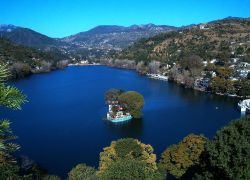
Welcome to Martola, a hidden gem nestled in the beautiful city of Bhimtal. Martola is a place of serene natural beauty, rich biodiversity, and historical significance. This tourist attraction attracts nature lovers, birdwatchers, photographers, and wildlife enthusiasts seeking a peaceful retreat in the lap of nature. History of Martola Martola holds a historical background as it was once the royal hunting grounds of the region. Over the years, Martola has transformed into a conservation area dedicated to preserving the local flora and fauna. Its efforts have garnered recognition, making it a potential candidate for UNESCO World Heritage status. Architecture and Natural Beauty of Martola The natural environment of Martola is a sight to behold, with lush wetlands, dense forests, sprawling grasslands, and diverse bird habitats. Among the natural wonders lies the Keoladeo Temple, a historical site that adds to the park's charm and cultural significance. Why is Martola Famous? Martola's fame stems from its abundant birdlife, making it a paradise for birdwatchers and photographers. The diverse ecosystems present within Martola attract nature enthusiasts and wildlife lovers who seek to immerse themselves in the tranquility of the surroundings. How to Reach Martola Traveling to Martola is convenient, with options available by air, rail, and road. The nearest airports and railway stations provide easy access to this natural paradise, ensuring a smooth journey for visitors. Weather and Best Time to Visit Martola Understanding the seasonal variations is crucial for planning a trip to Martola. The summer, monsoon, and winter seasons each offer a unique experience, with different months being ideal for exploring this picturesque destination. Timings of Martola Visitor timings at Martola vary based on seasonal changes, offering flexibility for planning your visit. It is essential to consider these variations while organizing your trip to make the most of your time at this captivating location. Entry Fee and Visit Details Upon arrival, visitors can expect a seamless entry procedure, with guide services and safari options available for enhanced exploration. Bicycle rentals and well-equipped visitor facilities ensure a comfortable and enjoyable visit to Martola. Things to Do at Martola Engage in various activities at Martola, including birdwatching, photography, cycling, walking trails, nature observation, and educational experiences that offer insights into the rich biodiversity and conservation efforts within the park. Interesting Facts About Martola Martola boasts fascinating facts about migratory birds, biodiversity conservation achievements, and its ecological importance in the region. These insights add depth to the visitor experience, highlighting the significance of preserving such natural treasures. Travel Tips for Visiting Martola When visiting Martola, remember to pack appropriate clothing, essential photography gear, and birdwatching equipment to make the most of your trip. Understanding the best visiting seasons and practicing responsible tourism ensures a memorable and sustainable experience for all. Conclusion In conclusion, Martola in Bhimtal is a captivating destination that offers a perfect blend of history, natural beauty, and wildlife exploration. Visitors to Martola are greeted with a unique opportunity to connect with nature and witness the wonders of this picturesque hotspot, making it a must-visit location for all travel enthusiasts.
Explore More
Welcome to the mesmerizing Bandarpoonch Peak Views nestled in the picturesque city of Barkot. This enchanting tourist attraction is a haven for nature lovers, offering breathtaking vistas and a serene environment that captivates visitors from around the globe. History of Bandarpoonch Peak Views The history of Bandarpoonch Peak Views dates back to ancient times when it served as a royal hunting ground for the nobility. Over the years, concerted conservation efforts have transformed this area into a sanctuary for wildlife. Its unparalleled beauty and ecological significance have earned it recognition from UNESCO as a protected site. Architecture and Natural Beauty of Bandarpoonch Peak Views Bandarpoonch Peak Views boasts a diverse landscape featuring lush wetlands, dense forests, sprawling grasslands, and rich bird habitats. The historical Keoladeo Temple, situated within the park, adds a touch of cultural charm to its natural allure. Why is Bandarpoonch Peak Views Famous? Bandarpoonch Peak Views has garnered fame for being a hotspot among birdwatchers, photographers, and wildlife enthusiasts. Its unique ecosystem supports a wide variety of avian species, making it a paradise for those seeking to witness nature's wonders up close. How to Reach Bandarpoonch Peak Views Traveling to Bandarpoonch Peak Views is convenient, with options available by air, rail, and road. The nearest airports and railway stations ensure easy access to this scenic destination, allowing visitors to embark on a memorable journey with ease. Weather and Best Time to Visit Bandarpoonch Peak Views Bandarpoonch Peak Views experiences distinct seasons, each offering a unique charm to visitors. While summers are ideal for lush greenery, monsoons bring out the vibrant hues of nature, and winters transform the landscape into a picturesque wonderland. The best time to visit varies depending on personal preferences and interests. Timings of Bandarpoonch Peak Views Bandarpoonch Peak Views welcomes visitors at specific timings, ensuring a well-planned and enjoyable experience for all. Seasonal variations may impact these timings, so it is advisable to check in advance before planning a visit. Entry Fee and Visit Details Exploring Bandarpoonch Peak Views is made convenient with clear entry procedures, guide services, safari options, bicycle rentals, and well-equipped visitor facilities. These amenities cater to the needs of tourists, enhancing their overall experience at this natural wonder. Things to Do at Bandarpoonch Peak Views Visitors to Bandarpoonch Peak Views can indulge in a myriad of activities such as birdwatching, photography, cycling, walking trails, nature observation, and engaging educational experiences. Each activity offers a unique perspective on the beauty and biodiversity of this enchanting destination. Interesting Facts About Bandarpoonch Peak Views Bandarpoonch Peak Views is brimming with fascinating facts about migratory birds, diverse biodiversity, conservation milestones, and its crucial ecological role. These insights shed light on the importance of preserving such natural treasures for future generations. Travel Tips for Visiting Bandarpoonch Peak Views For a seamless and enjoyable visit to Bandarpoonch Peak Views, it is advisable to pack appropriate clothing, essential photography and birdwatching equipment, and adhere to responsible tourism practices. Understanding the visiting seasons and being prepared can enhance the overall experience at this captivating destination. Conclusion In conclusion, Bandarpoonch Peak Views in Barkot stands as a testament to the beauty and wonders of nature. Its rich history, diverse ecosystem, and plethora of activities offer visitors an unforgettable experience that resonates with the soul. A trip to this enchanting hotspot promises to be a journey filled with awe-inspiring moments and cherished memories.
Explore More
Welcome to the serene and enchanting Apple Orchards nestled in the picturesque city of Barkot. This natural wonderland offers a unique blend of tranquility, natural beauty, and biodiversity that attracts tourists from far and wide seeking a peaceful retreat amidst lush greenery. History of Apple Orchards The history of Apple Orchards dates back to its origins as a former royal hunting ground, evolving over time into a conservation area to protect the rich flora and fauna it houses. The commendable conservation efforts have garnered international recognition, with Apple Orchards being appreciated for its ecological significance. Architecture and Natural Beauty of Apple Orchards Apple Orchards is a haven of wetlands, dense forests, sprawling grasslands, and diverse bird habitats. The landscape is dotted with vibrant flora, while the historic Keoladeo Temple adds a touch of cultural richness to the natural setting, making it a sight to behold. Why is Apple Orchards Famous? Apple Orchards has gained fame as a hotspot for birdwatchers, photographers, nature enthusiasts, and wildlife lovers due to its diverse avian population, stunning landscapes, and unique biodiversity. It offers a perfect opportunity to witness nature's beauty up close. How to Reach Apple Orchards Traveling to Apple Orchards is convenient with multiple options available. Visitors can reach Barkot by air, rail, or road, with the nearest airports being accessible for those arriving by air and well-connected railway stations for rail travelers. Weather and Best Time to Visit Apple Orchards The weather at Apple Orchards varies across seasons, with summers being warm, monsoons bringing lush greenery, and winters offering a cool ambiance. The best time to visit is during the mild months when the weather is pleasant for exploring the natural beauty. Timings of Apple Orchards Apple Orchards welcomes visitors during specific timings, ensuring a well-organized experience for guests. Seasonal variations may impact the operational hours, so it is advisable to plan your visit accordingly for a smooth trip. Entry Fee and Visit Details Visitors can explore Apple Orchards by following the designated entry procedures, availing guide services, opting for safari experiences, renting bicycles for leisurely rides, and utilizing visitor facilities for a comfortable stay within the park. Things to Do at Apple Orchards Engage in popular activities at Apple Orchards such as birdwatching to spot various avian species, photography to capture the scenic beauty, cycling through nature trails, walking amidst greenery, observing wildlife in their natural habitat, and enjoying educational experiences to learn about the environment. Interesting Facts About Apple Orchards Apple Orchards is home to a myriad of migratory birds, showcasing the significance of conservation efforts in preserving biodiversity. The park's achievements in ecological conservation highlight its pivotal role in maintaining a delicate balance in the ecosystem. Travel Tips for Visiting Apple Orchards When visiting Apple Orchards, remember to dress appropriately for the weather, carry essential photography and birdwatching equipment, choose the ideal season for your trip, and practice responsible tourism by respecting the natural surroundings and wildlife habitats. Conclusion In conclusion, Apple Orchards in Barkot is a gem waiting to be explored, offering a harmonious blend of natural wonders and cultural heritage. Whether you seek solace in nature or wish to witness diverse birdlife, a visit to Apple Orchards promises a memorable experience that celebrates the beauty of [Hotspots Name], [City].
Explore More
Welcome to the enchanting world of Yamuna River Ghats in Barkot, a place where nature's serenity meets historical significance. Nestled along the banks of the Yamuna River, this location boasts a unique blend of natural beauty, biodiversity, and cultural heritage that mesmerizes every traveler who sets foot here. History of Yamuna River Ghats The history of Yamuna River Ghats dates back to ancient times when it served as a significant site for various rituals and ceremonies. Once a royal hunting ground, it has now transformed into a conservation area dedicated to preserving the region's ecological balance. The UNESCO recognition further highlights the park's importance in the realm of biodiversity conservation. Architecture and Natural Beauty of Yamuna River Ghats The scenic landscape of Yamuna River Ghats is adorned with lush wetlands, dense forests, and sprawling grasslands that provide a habitat for a diverse range of bird species. The majestic Keoladeo Temple, a historical gem within the park, adds a touch of architectural splendor to the natural surroundings. Why is Yamuna River Ghats Famous? Yamuna River Ghats has gained fame as a haven for birdwatchers, photographers, nature enthusiasts, and wildlife lovers alike. Its rich biodiversity and tranquil ambiance make it a sought-after destination for those seeking a close encounter with nature's wonders. How to Reach Yamuna River Ghats Traveling to Yamuna River Ghats is convenient, with options available by air, rail, and road. Nearby airports and railway stations ensure easy access to this picturesque location, inviting visitors to embark on a memorable journey into the heart of nature. Weather and Best Time to Visit Yamuna River Ghats The weather at Yamuna River Ghats varies across seasons, offering unique experiences throughout the year. While summers bring warmth and vibrancy to the surroundings, the monsoon season adds a touch of freshness. Winter months provide a pleasant escape, making it an ideal time to explore the beauty of this destination. Timings of Yamuna River Ghats Yamuna River Ghats welcome visitors at specific timings, with seasonal variations that may influence the best time to plan your trip. Understanding the operational hours and planning accordingly ensures a seamless and enjoyable experience at this natural paradise. Entry Fee and Visit Details Visitors to Yamuna River Ghats can avail themselves of various services, including entry procedures, guide assistance, safari options, bicycle rentals, and essential visitor facilities. These amenities enhance the overall experience and provide convenience for exploring the wonders of this picturesque location. Things to Do at Yamuna River Ghats Embark on a journey of discovery at Yamuna River Ghats with a myriad of activities to engage in. From birdwatching and photography to cycling along scenic trails, nature observation, and immersive educational experiences, there is something for every traveler to relish amidst the natural splendor. Interesting Facts About Yamuna River Ghats Yamuna River Ghats is teeming with fascinating facts that highlight the region's rich biodiversity, conservation efforts, and ecological significance. Witness the spectacle of migratory birds, marvel at the conservation achievements, and delve into the ecological importance of this pristine environment. Travel Tips for Visiting Yamuna River Ghats For a memorable visit to Yamuna River Ghats, consider practical tips such as suitable clothing, essential photography gear, birdwatching equipment, preferred visiting seasons, and embracing responsible tourism practices. These tips ensure a fulfilling and sustainable travel experience in this natural sanctuary. Conclusion In conclusion, Yamuna River Ghats in Barkot stands as a testament to the harmonious coexistence of nature and heritage. From its historical roots to its ecological significance, this destination offers a captivating blend of history, biodiversity, and natural beauty that captivates the soul of every traveler. Explore the wonders of Yamuna River Ghats and immerse yourself in a journey of discovery amidst the serene landscapes of this enchanting destination.
Explore MoreChopta Tungnath Trip
5 Days/ 4 Night
Devprayag - Chopta - Rudraprayag
Haridwar Mussoorie Jim Corbett Nainital Tour From Delhi 6 Night 7 Days
7 Days/ 6 Night
Mussoorie - Haridwar - Nainital - Corbett
Badrinath Tour Package Ex - Haridwar 3 Night 4 Days
4 Days/ 3 Night
Badrinath - Rudraprayag
Mussoorie Dehradun Tour Package From Delhi 3 Night 4 Days
4 Days/ 3 Night
Mussoorie - Dehradun
Welcome to Surya Kund, a captivating tourist attraction nestled in the picturesque city of Barkot. This enchanting destination offers a unique blend of natural beauty, historical significance, and abundant biodiversity, making it a must-visit spot for nature lovers and adventure seekers alike. History of Surya Kund Steeped in rich history, Surya Kund boasts a legacy that dates back centuries. Once a revered royal hunting ground, this area has undergone significant conservation efforts to preserve its natural splendor. Its conservation endeavors have earned it recognition from UNESCO, highlighting its importance in protecting the environment and wildlife. Architecture and Natural Beauty of Surya Kund As you explore Surya Kund, you will be mesmerized by its diverse landscapes that include lush wetlands, dense forests, and sprawling grasslands. The park serves as a haven for numerous bird species, creating a vibrant ecosystem that attracts birdwatchers and nature enthusiasts. Within the park, you will also find the historical Keoladeo Temple, adding a touch of cultural heritage to the natural surroundings. Why is Surya Kund Famous? Surya Kund has gained fame as a popular destination among birdwatchers, photographers, and wildlife lovers. Its diverse bird habitats and stunning landscapes provide the perfect backdrop for observing and capturing the beauty of nature. The park's serene ambiance and rich biodiversity make it a haven for those seeking a peaceful retreat in the lap of nature. How to Reach Surya Kund Traveling to Surya Kund is convenient, with options available by air, rail, and road. The nearest airports and railway stations provide easy access to the park, allowing visitors to embark on a memorable journey to this natural paradise. Weather and Best Time to Visit Surya Kund Surya Kund experiences distinct weather patterns throughout the year, with summer, monsoon, and winter seasons offering unique charms to visitors. The best time to visit varies based on personal preferences, but certain months showcase the park's beauty in its full glory. Timings of Surya Kund Visiting hours at Surya Kund are designed to accommodate the needs of travelers, with seasonal variations ensuring a delightful experience year-round. Understanding the park's timings and planning your visit accordingly can enhance your exploration of this natural wonder. Entry Fee and Visit Details Upon arrival at Surya Kund, visitors can gain entry by following simple procedures and avail guide services for a more informative tour. Safari options, bicycle rentals, and essential visitor facilities are available to enhance your visit and make it a memorable one. Things to Do at Surya Kund Engage in a myriad of activities at Surya Kund, from birdwatching and photography to cycling and nature observation. The park's walking trails offer a chance to immerse yourself in the beauty of the surroundings, while educational experiences provide insights into the diverse ecosystem thriving within its boundaries. Interesting Facts About Surya Kund Discover fascinating facts about Surya Kund, including details about migratory birds, conservation achievements, and the ecological significance of the park. These insights shed light on the efforts made to protect and preserve this natural gem for future generations to enjoy. Travel Tips for Visiting Surya Kund Before setting out to explore Surya Kund, consider practical tips on clothing choices, photography gear, birdwatching equipment, and the best seasons for visiting. Embracing responsible tourism practices ensures that you can relish the beauty of Surya Kund while respecting its delicate ecosystem. Conclusion In conclusion, Surya Kund in Barkot stands as a testament to the harmonious coexistence of nature and heritage. Its historical significance, breathtaking landscapes, and diverse wildlife make it a destination worth experiencing. Whether you are a nature lover, history enthusiast, or adventure seeker, Surya Kund promises a memorable journey filled with serenity, beauty, and discovery.
Explore More
Welcome to Hanuman Chatti, a charming tourist attraction located in Barkot. Hanuman Chatti is a place of serene beauty and rich biodiversity, making it a must-visit destination for nature enthusiasts and wildlife lovers. History of Hanuman Chatti Hanuman Chatti holds historical significance as a former royal hunting ground that has been transformed into a conservation area. The park has received recognition from UNESCO for its efforts in preserving the natural environment and promoting sustainable tourism. Architecture and Natural Beauty of Hanuman Chatti The natural beauty of Hanuman Chatti is unparalleled, with its lush wetlands, dense forests, expansive grasslands, and diverse bird habitats. One of the notable features within the park is the historical Keoladeo Temple, adding a cultural touch to the serene landscapes. Why is Hanuman Chatti Famous? Hanuman Chatti is famous for being a paradise for birdwatchers, photographers, and nature enthusiasts. Its rich biodiversity and varied ecosystems attract visitors from around the world who come to witness the beauty of the avian residents and migratory birds that find sanctuary here. How to Reach Hanuman Chatti Traveling to Hanuman Chatti is convenient with options available by air, rail, and road. The nearest airports and railway stations provide easy access to this natural haven, allowing visitors to embark on a memorable journey to this picturesque destination. Weather and Best Time to Visit Hanuman Chatti The weather at Hanuman Chatti varies across seasons, offering unique experiences throughout the year. While summers bring warmth and vibrancy, the monsoon season enhances the greenery, and winters provide a cool and pleasant atmosphere. The best time to visit Hanuman Chatti is during the months when the weather is most favorable for exploring the park's beauty. Timings of Hanuman Chatti Hanuman Chatti welcomes visitors during specific timings, ensuring a well-planned and organized experience. Seasonal variations may impact these timings, so it is essential to check in advance to make the most of your visit and enjoy the natural wonders that Hanuman Chatti offers. Entry Fee and Visit Details Visiting Hanuman Chatti involves following specific entry procedures and availing guide services to enhance your exploration. Safari options, bicycle rentals, and visitor facilities are available to make your visit comfortable and memorable, providing a holistic experience of this natural paradise. Things to Do at Hanuman Chatti Engage in a variety of activities at Hanuman Chatti, including birdwatching, photography, cycling, walking trails, nature observation, and educational experiences. These activities allow you to immerse yourself in the beauty of the surroundings and appreciate the diverse wildlife that calls Hanuman Chatti home. Interesting Facts About Hanuman Chatti Did you know that Hanuman Chatti is a crucial stopover for migratory birds, making it a vital part of their journey? The park's conservation efforts have led to significant achievements in biodiversity preservation and ecological balance, contributing to the region's environmental sustainability. Travel Tips for Visiting Hanuman Chatti When visiting Hanuman Chatti, remember to dress appropriately for the weather, carry essential photography and birdwatching equipment, and plan your trip according to the best visiting seasons. Embrace responsible tourism practices to help conserve the natural beauty of this pristine destination. Conclusion In conclusion, Hanuman Chatti in Barkot is a destination that encapsulates the essence of nature's beauty and wildlife diversity. With its historical significance, captivating landscapes, and enriching experiences, Hanuman Chatti offers visitors a chance to connect with the natural world and create lasting memories in this scenic haven.
Explore More
Introduction Lakhamandal, located in Barkot, is a hidden gem for nature lovers and history enthusiasts alike. This picturesque destination offers a unique blend of natural beauty, cultural significance, and biodiversity that attracts visitors from around the world. History of Lakhamandal The history of Lakhamandal dates back to ancient times, with its origins rooted in mythological tales and historical events. Once a royal hunting ground, this area has transformed into a conservation site with rich flora and fauna. Lakhamandal is also known for its efforts in preserving the environment, leading to UNESCO recognition for its conservation initiatives. Architecture and Natural Beauty of Lakhamandal Lakhamandal boasts diverse landscapes, including wetlands, forests, and grasslands that provide habitats for a wide variety of birds and wildlife. The historical Keoladeo Temple within the park adds a touch of architectural beauty to the natural surroundings, creating a serene and peaceful atmosphere. Why is Lakhamandal Famous? Lakhamandal has gained fame as a paradise for birdwatchers, photographers, nature enthusiasts, and wildlife lovers. The abundance of bird species, stunning landscapes, and tranquil environment make it a sought-after destination for those seeking a peaceful retreat amidst nature's wonders. How to Reach Lakhamandal Traveling to Lakhamandal is convenient, with options available by air, rail, and road. The nearest airports and railway stations provide easy access to this natural haven, allowing visitors to embark on a memorable journey to explore its beauty. Weather and Best Time to Visit Lakhamandal The weather in Lakhamandal varies across summer, monsoon, and winter seasons, each offering a unique experience for visitors. The best time to visit is during [mention best months] when the weather is pleasant, and the natural surroundings are at their most vibrant. Timings of Lakhamandal Lakhamandal welcomes visitors during specific timings, with seasonal variations that may affect accessibility. It is essential to plan your visit accordingly and make the most of your time exploring the wonders of this destination. Entry Fee and Visit Details Entry procedures to Lakhamandal are straightforward, and guide services are available for those seeking a more in-depth exploration of the area. Safari options, bicycle rentals, and visitor facilities cater to the needs of tourists, ensuring a comfortable and enjoyable visit. Things to Do at Lakhamandal Visitors to Lakhamandal can engage in a variety of activities such as birdwatching, photography, cycling, walking trails, and nature observation. The destination offers educational experiences that allow visitors to learn more about the biodiversity and conservation efforts in the area. Interesting Facts About Lakhamandal Lakhamandal is home to a diverse range of migratory birds, highlighting the importance of the area in supporting wildlife conservation. The conservation achievements in Lakhamandal have contributed significantly to preserving the ecological balance and promoting sustainable practices in the region. Travel Tips for Visiting Lakhamandal When visiting Lakhamandal, it is advisable to dress appropriately for the weather, carry essential photography and birdwatching equipment, and plan your trip during the recommended seasons. Practicing responsible tourism by respecting the environment and wildlife is crucial to maintaining the beauty of this pristine destination. Conclusion In conclusion, Lakhamandal in Barkot stands as a testament to the harmonious coexistence of nature and history. Its significance, natural beauty, and tourism importance make it a must-visit destination for travelers seeking a tranquil escape into the wonders of the natural world.
Explore More
Welcome to the enchanting world of Banasur Fort nestled in the serene city of Champawat. This historic hotspot beckons travelers with its rich cultural heritage, stunning natural beauty, and abundant biodiversity, making it a must-visit destination for nature lovers and history enthusiasts alike. History of Banasur Fort Steeped in history, Banasur Fort traces its origins back to ancient times, serving as a former royal hunting ground for the local rulers. Over the years, concerted conservation efforts have preserved the fort's architectural marvels and historical significance, leading to its recognition by UNESCO as a cultural heritage site. Architecture and Natural Beauty of Banasur Fort Surrounded by lush wetlands, verdant forests, and sprawling grasslands, Banasur Fort offers a picturesque setting that is home to diverse bird habitats and breathtaking landscapes. The historical Keoladeo Temple, situated within the fort premises, adds to the charm of this architectural marvel. Why is Banasur Fort Famous? Banasur Fort has gained fame as a hotspot for birdwatchers, photographers, nature enthusiasts, and wildlife lovers due to its incredible biodiversity and unique ecosystem. The fort's tranquil surroundings and abundance of avian species make it a paradise for those seeking to connect with nature. How to Reach Banasur Fort Traveling to Banasur Fort is convenient, with options available by air, rail, and road. The city boasts easy access to nearby airports and well-connected railway stations, ensuring a hassle-free journey for visitors seeking to explore this historical gem. Weather and Best Time to Visit Banasur Fort Throughout the summer, monsoon, and winter seasons, Banasur Fort experiences varying weather conditions that influence the best time to visit. To make the most of your trip, plan your visit during the recommended months when the weather is most favorable for exploration. Timings of Banasur Fort Understanding the visitor timings and any seasonal variations is essential for planning your trip to Banasur Fort effectively. Be sure to gather useful information to optimize your experience and make the most of your time exploring this historical treasure. Entry Fee and Visit Details Upon arrival, familiarize yourself with the entry procedures, guide services, safari options, and visitor facilities available at Banasur Fort. Whether opting for bicycle rentals or guided tours, ensure you have all the information needed for a memorable visit. Things to Do at Banasur Fort Engage in a plethora of activities at Banasur Fort, including birdwatching, photography, cycling, walking trails, nature observation, and immersive educational experiences. Immerse yourself in the wonders of this destination through various engaging pursuits that cater to all interests. Interesting Facts About Banasur Fort Delve into the fascinating world of Banasur Fort and discover intriguing facts about migratory birds, biodiversity hotspots, conservation achievements, and the ecological importance of preserving this historical site. Uncover the hidden treasures that make Banasur Fort a truly remarkable destination. Travel Tips for Visiting Banasur Fort Before embarking on your journey, equip yourself with practical advice on clothing choices, photography essentials, birdwatching equipment, ideal visiting seasons, and responsible tourism practices. By adhering to these tips, you can enhance your experience and contribute to the conservation efforts at Banasur Fort. Conclusion In conclusion, Banasur Fort in Champawat stands as a testament to the rich tapestry of history, natural beauty, and cultural significance that defines this marvelous destination. Embark on a memorable journey to Banasur Fort and immerse yourself in a world where the past meets the present, offering visitors a truly unparalleled experience.
Explore More
Welcome to the serene beauty of Ek Hathiya ka Naula in Champawat, a hidden gem waiting to be explored by nature enthusiasts and wildlife lovers. This picturesque destination offers a glimpse into the rich biodiversity and natural wonders of the region, making it a must-visit hotspot for those seeking tranquility and adventure in equal measure. History of Ek Hathiya ka Naula Steeped in history, Ek Hathiya ka Naula holds significance as a former royal hunting ground that has now been transformed into a conservation area. The park's origin dates back to ancient times, with efforts made to preserve its natural heritage earning it recognition by UNESCO for its conservation initiatives. Architecture and Natural Beauty of Ek Hathiya ka Naula The park is a tapestry of wetlands, dense forests, expansive grasslands, and vibrant bird habitats that attract a myriad of avian species. Nestled within this natural haven lies the historical Keoladeo Temple, adding to the park's charm and cultural significance. Why is Ek Hathiya ka Naula Famous? Ek Hathiya ka Naula is celebrated for its diverse bird population, making it a haven for birdwatchers, photographers, and nature enthusiasts alike. The park's serene landscapes and abundant wildlife offer a unique experience that captivates visitors from around the globe. How to Reach Ek Hathiya ka Naula Traveling to Ek Hathiya ka Naula is convenient, with options for air, rail, and road transport available. The park is easily accessible from nearby airports and railway stations, ensuring a smooth journey for visitors seeking to explore its natural wonders. Weather and Best Time to Visit Ek Hathiya ka Naula Ek Hathiya ka Naula experiences varying weather conditions throughout the year, with distinct seasons offering unique experiences to visitors. The best time to visit is during certain months when the weather is pleasant, allowing for optimal exploration of the park's beauty. Timings of Ek Hathiya ka Naula Visitors can enjoy Ek Hathiya ka Naula during specific timings, with seasonal variations that may impact accessibility and visitor experience. Planning ahead and being aware of the park's timings is essential for a memorable visit. Entry Fee and Visit Details Entry to Ek Hathiya ka Naula is subject to certain procedures and fees, with guide services, safari options, bicycle rentals, and visitor facilities available to enhance the overall experience. Exploring the park's offerings is made convenient with these services in place. Things to Do at Ek Hathiya ka Naula Visitors to Ek Hathiya ka Naula have a plethora of activities to choose from, including birdwatching, photography, cycling, walking trails, nature observation, and educational experiences that offer a deeper understanding of the park's ecological significance. Interesting Facts About Ek Hathiya ka Naula Ek Hathiya ka Naula boasts fascinating facts about migratory birds, biodiversity conservation efforts, and ecological milestones that highlight the park's importance in preserving natural habitats and wildlife species for future generations. Travel Tips for Visiting Ek Hathiya ka Naula When planning a trip to Ek Hathiya ka Naula, consider practical advice on clothing choices, photography equipment, birdwatching essentials, visiting seasons, and responsible tourism practices to ensure a fulfilling and sustainable travel experience. Conclusion In conclusion, Ek Hathiya ka Naula in Champawat stands as a testament to the region's natural beauty and conservation efforts, offering visitors a unique opportunity to immerse themselves in the wonders of the wild. Explore this enchanting hotspot and discover the magic of nature in all its glory.
Explore More
Anasakti Ashram, also known as the Gandhi Ashram of Kausani, is one of the most significant historical and spiritual landmarks in Uttarakhand. Located in the scenic hill station of Kausani in the Bageshwar district, the ashram is famous for its association with Mahatma Gandhi and its breathtaking views of the Himalayan mountain range. Surrounded by pine forests, tea gardens, and tranquil landscapes, Anasakti Ashram offers visitors a peaceful retreat where history, spirituality, and nature come together. Perched at an elevation of around 1,890 meters above sea level, the ashram overlooks some of the most majestic Himalayan peaks, including Nanda Devi, Trishul, Nanda Ghunti, and Panchachuli. The calm atmosphere and scenic beauty make it an ideal destination for travelers seeking relaxation, meditation, and inspiration. Anasakti Ashram is not just a tourist attraction; it is a place that reflects the philosophy and teachings of Mahatma Gandhi. Every year, thousands of visitors, students, historians, and spiritual seekers visit the ashram to learn about Gandhi’s life and enjoy the serene environment that once inspired him. Why is Anasakti Ashram, Kausani Famous? Anasakti Ashram is famous because Mahatma Gandhi stayed here in 1929 during his visit to the Kumaon region of Uttarakhand. Gandhi was deeply impressed by the natural beauty and peaceful surroundings of Kausani. Initially planning to stay for only a few days, he extended his visit and spent nearly two weeks at this location. During his stay, Gandhi worked on his commentary of the Bhagavad Gita, which he later published under the title "Anasakti Yoga" (The Gospel of Selfless Action). The ashram derives its name from this important work. The ashram is famous for: Its association with Mahatma Gandhi. The writing of "Anasakti Yoga." Panoramic Himalayan mountain views. Its peaceful and spiritual atmosphere. Historical significance related to India's freedom movement. Promoting Gandhian values and philosophy. History of Anasakti Ashram The history of Anasakti Ashram is closely linked to Mahatma Gandhi’s visit to Kausani in June 1929. Gandhi arrived in the region as part of his travels across India and quickly became captivated by the area's beauty and tranquility. While staying at the guest house that later became the ashram, Gandhi spent his time writing, reflecting, and studying spiritual texts. His work on the Bhagavad Gita during this period resulted in the publication of "Anasakti Yoga," which emphasizes the importance of performing one's duties without attachment to results. After India's independence, the place where Gandhi stayed was converted into a memorial and named Anasakti Ashram. It was established to preserve his legacy and provide visitors with an opportunity to learn about his philosophy and contributions to the nation. Today, the ashram serves as a museum, study center, and spiritual retreat, attracting visitors from across India and around the world. Architecture of Anasakti Ashram The architecture of Anasakti Ashram reflects the simplicity and minimalism that Gandhi practiced throughout his life. The structure is modest, functional, and designed to blend harmoniously with the surrounding natural environment. Architectural highlights include: Simple white-painted buildings. Traditional Kumaoni design elements. Open verandas offering mountain views. Prayer and meditation halls. A museum displaying photographs and memorabilia. A library dedicated to Gandhian literature. The focus of the ashram is not on architectural grandeur but on creating an atmosphere of peace, reflection, and learning. Its simplicity itself serves as a reminder of Gandhi's philosophy of simple living and high thinking. How to Reach Anasakti Ashram, Kausani, Uttarakhand By Air The nearest airport is Pantnagar Airport, located approximately 175 kilometers from Kausani. From Pantnagar, visitors can hire taxis or use bus services to reach Kausani. By Train The nearest railway stations are: Kathgodam Railway Station – approximately 135 km away. Haldwani Railway Station – approximately 140 km away. These stations are well connected with Delhi, Lucknow, Dehradun, and other major cities. By Road Kausani is well connected by road with major destinations in Uttarakhand. Almora to Kausani: Approximately 53 km Ranikhet to Kausani: Approximately 60 km Nainital to Kausani: Approximately 115 km Kathgodam to Kausani: Approximately 135 km Delhi to Kausani: Approximately 420 km Regular buses and taxis operate from nearby towns and cities. Weather at Anasakti Ashram Summer (March to June) Temperatures range between 12°C and 28°C. The weather remains pleasant and ideal for sightseeing. Monsoon (July to September) The region receives moderate rainfall, turning the hills lush green and refreshing. Autumn (October to November) Clear skies offer spectacular views of the Himalayan peaks. Winter (December to February) Temperatures may drop to near freezing levels. The weather remains cold but beautiful. The best time to visit Anasakti Ashram is from March to June and October to November. Anasakti Ashram Timings The ashram is generally open every day for visitors. Opening Time: 7:00 AM Closing Time: 6:00 PM Open: All Days of the Week Visitors are encouraged to visit during daylight hours to fully enjoy the Himalayan views and museum exhibits. Entry and Visit Details of Anasakti Ashram Entry to Anasakti Ashram is generally free of charge. However, visitors may make voluntary donations for the maintenance and preservation of the site. Facilities available at the ashram include: Gandhi Memorial Museum. Library and reading room. Meditation and prayer halls. Accommodation facilities for limited stays. Viewing areas overlooking the Himalayas. The ashram maintains a peaceful atmosphere, and visitors are expected to follow basic rules regarding cleanliness and silence. Things to Do at Anasakti Ashram 1. Visit the Gandhi Museum Explore exhibits showcasing photographs, letters, and information about Mahatma Gandhi's life and his stay in Kausani. 2. Enjoy Himalayan Views The ashram offers some of the finest panoramic views of the snow-covered Himalayan peaks. 3. Meditation and Yoga Spend time meditating or practicing yoga in the peaceful surroundings. 4. Read Gandhian Literature Visit the library to learn more about Gandhi's philosophy, writings, and India's freedom movement. 5. Attend Prayer Sessions Participate in spiritual activities and daily prayer meetings conducted at the ashram. 6. Photography Capture beautiful photographs of the mountains, gardens, and peaceful landscapes. 7. Explore Nearby Attractions Visit other attractions near Kausani such as: Kausani Tea Estate Baijnath Temple Rudradhari Falls and Caves Sumitranandan Pant Museum Pinnath Temple Interesting Facts About Anasakti Ashram Mahatma Gandhi stayed here in 1929. The ashram is named after Gandhi's book "Anasakti Yoga." Gandhi referred to Kausani as the "Switzerland of India." The ashram offers views of several Himalayan peaks. It serves as a center for Gandhian studies. The museum preserves valuable historical documents and photographs. The ashram promotes simplicity, self-discipline, and peace. Visitors from around the world come here for spiritual inspiration. The site remains one of the most peaceful locations in Uttarakhand. It is considered one of the most important Gandhi memorials in northern India. Travel Tips for Visiting Anasakti Ashram Visit during sunrise for spectacular Himalayan views. Maintain silence and respect the peaceful environment. Carry warm clothing, especially during winter months. Wear comfortable footwear for walking around the premises. Bring a camera for landscape photography. Read about Gandhi's philosophy before visiting for a more meaningful experience. Respect ashram rules and guidelines. Carry drinking water and essential travel items. Plan additional time to explore nearby attractions in Kausani. Avoid littering and help preserve the natural surroundings. Conclusion Anasakti Ashram in Kausani, Uttarakhand, is a unique destination that beautifully combines history, spirituality, and natural beauty. The ashram's connection to Mahatma Gandhi, its peaceful environment, and its magnificent Himalayan views make it one of the most significant attractions in the Kumaon region. Whether you are interested in Indian history, Gandhian philosophy, meditation, or mountain landscapes, Anasakti Ashram offers a memorable and enriching experience. A visit to this historic site allows travelers to reflect on the values of simplicity, selfless action, and inner peace while enjoying the stunning beauty of the Himalayas.
Explore More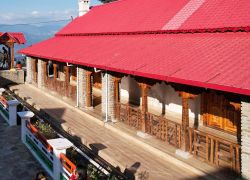
Gandhi Ashram, also known as Anasakti Ashram, is one of the most important historical and spiritual attractions in Kausani, Uttarakhand. Situated amidst the breathtaking Himalayan landscapes of the Kumaon region, the ashram is famous for its association with Mahatma Gandhi, the Father of the Nation. Perched at an altitude of approximately 1,890 meters above sea level, Gandhi Ashram offers stunning panoramic views of snow-capped Himalayan peaks, including Nanda Devi, Trishul, and Panchachuli. The ashram is a place of peace, reflection, and simplicity. Surrounded by pine forests, tea gardens, and serene mountain scenery, it attracts history enthusiasts, spiritual seekers, nature lovers, and travelers looking for a calm retreat away from the hustle and bustle of city life. The ashram stands as a symbol of Gandhian philosophy and continues to inspire visitors through its peaceful atmosphere and historical significance. Kausani itself is often referred to as the "Switzerland of India" because of its magnificent Himalayan views, and Gandhi Ashram serves as one of its most iconic landmarks. Why is Gandhi Ashram, Kausani Famous? Gandhi Ashram is famous because Mahatma Gandhi stayed here in 1929 during his visit to Kausani. He was deeply impressed by the natural beauty and tranquility of the region. During his stay, Gandhi worked on his commentary and interpretation of the Bhagavad Gita, which he titled "Anasakti Yoga" or the "Gospel of Selfless Action." The ashram is particularly known for: Its association with Mahatma Gandhi. The writing of "Anasakti Yoga." Magnificent Himalayan mountain views. Peaceful and spiritual environment. Preservation of Gandhian values and teachings. Its historical importance in India's freedom movement era. Today, visitors come to the ashram not only to learn about Gandhi's life but also to experience the serenity that inspired him during his stay. History of Gandhi Ashram, Kausani The history of Gandhi Ashram dates back to 1929 when Mahatma Gandhi visited Kausani while touring the Kumaon region. Gandhi originally planned to stay for only a few days, but he was so captivated by the beauty and peaceful atmosphere of Kausani that he extended his stay to nearly two weeks. During this period, he spent much of his time reflecting on spiritual teachings and working on his commentary of the Bhagavad Gita. The place where he stayed was later converted into the Anasakti Ashram to commemorate his visit and preserve his legacy. The ashram became a center for promoting Gandhian philosophy, self-discipline, simplicity, and spiritual growth. Over the years, it has become an important historical site that attracts scholars, students, and tourists interested in India's freedom movement and Gandhi's teachings. Architecture of Gandhi Ashram The architecture of Gandhi Ashram reflects the simplicity and minimalism that Mahatma Gandhi advocated throughout his life. Unlike grand monuments or elaborate structures, the ashram follows a modest design that emphasizes functionality, peace, and harmony with nature. Key architectural features include: Simple white-colored buildings. Traditional Kumaoni architectural influences. Open verandas overlooking the Himalayas. Meditation and prayer halls. A small museum displaying photographs and memorabilia. Library containing books related to Gandhi and spirituality. The ashram's design encourages contemplation and peaceful living while blending beautifully with the natural surroundings. How to Reach Gandhi Ashram, Kausani, Uttarakhand By Air The nearest airport is Pantnagar Airport, located approximately 175 kilometers from Kausani. From the airport, visitors can hire taxis or use bus services to reach Kausani. By Train The nearest railway stations are: Kathgodam Railway Station – approximately 135 km away. Haldwani Railway Station – approximately 140 km away. Both stations are well connected to Delhi, Lucknow, and other major cities. By Road Kausani is well connected by road with major towns in Uttarakhand. Almora to Kausani: Approximately 53 km Ranikhet to Kausani: Approximately 60 km Kathgodam to Kausani: Approximately 135 km Nainital to Kausani: Approximately 115 km Delhi to Kausani: Approximately 420 km Regular buses and taxis operate from nearby towns and cities. Weather at Gandhi Ashram, Kausani Summer (March to June) Temperatures range between 12°C and 28°C. The weather remains pleasant and ideal for sightseeing. Monsoon (July to September) The region receives moderate rainfall, making the hills lush green and beautiful. Autumn (October to November) Clear skies provide excellent views of the Himalayan peaks. Winter (December to February) Temperatures can drop close to freezing, and occasional snowfall may occur in nearby higher regions. The best time to visit is from March to June and October to November. Gandhi Ashram Timings The ashram is generally open throughout the week for visitors. Opening Time: 7:00 AM Closing Time: 6:00 PM Open: All Days Visitors can enjoy the peaceful environment, museum, library, and scenic viewpoints during these hours. Entry and Visit Details of Gandhi Ashram Entry to Gandhi Ashram is generally free, although donations are welcomed to support maintenance and preservation activities. Visitors can explore: Gandhi Memorial Museum. Prayer and meditation areas. Library and reading rooms. Photographic exhibitions. Himalayan viewpoints. Basic accommodation facilities may also be available for visitors seeking a peaceful stay, subject to availability and ashram regulations. Things to Do at Gandhi Ashram 1. Explore the Gandhi Museum Learn about Mahatma Gandhi's life, teachings, and his stay in Kausani through photographs and exhibits. 2. Enjoy Himalayan Views Witness spectacular views of famous Himalayan peaks from the ashram premises. 3. Meditation and Reflection Spend time in meditation and experience the tranquility that inspired Gandhi. 4. Read Gandhian Literature Visit the library and explore books on Gandhi, spirituality, philosophy, and Indian history. 5. Photography Capture stunning images of the mountains, sunrise, sunset, and peaceful surroundings. 6. Attend Prayer Sessions Participate in daily prayer meetings and spiritual activities organized by the ashram. 7. Explore Nearby Attractions Visit nearby tourist spots such as: Kausani Tea Estate Baijnath Temple Rudradhari Falls and Caves Sumitranandan Pant Museum Pinnath Temple Interesting Facts About Gandhi Ashram Mahatma Gandhi stayed here in 1929. He called Kausani the "Switzerland of India." The ashram is also known as Anasakti Ashram. Gandhi wrote "Anasakti Yoga" during his stay. The ashram offers some of the best Himalayan views in Uttarakhand. It promotes Gandhian values of simplicity and self-discipline. The site houses a museum dedicated to Gandhi. It attracts scholars and spiritual seekers from around the world. The environment remains peaceful and pollution-free. The ashram continues to serve as a center for reflection and learning. Travel Tips for Visiting Gandhi Ashram Visit during sunrise for breathtaking Himalayan views. Maintain silence and respect the peaceful environment. Carry warm clothing, especially during winter. Wear comfortable footwear for walking around the premises. Bring a camera for landscape photography. Read about Gandhi's philosophy before visiting for a deeper experience. Respect the rules and customs of the ashram. Carry water and light snacks during sightseeing. Combine your visit with nearby attractions in Kausani. Avoid littering and help preserve the natural surroundings. Conclusion Gandhi Ashram in Kausani, Uttarakhand, is a unique destination that combines history, spirituality, and natural beauty. The ashram's association with Mahatma Gandhi, its serene atmosphere, and its breathtaking views of the Himalayas make it one of the most important attractions in the Kumaon region. Whether you are interested in Indian history, Gandhian philosophy, meditation, or simply enjoying nature, Gandhi Ashram offers a deeply enriching and peaceful experience. A visit to this historic site allows travelers to connect with the ideals of simplicity and selfless action while enjoying the magnificent beauty of the Himalayan mountains.
Explore More
Welcome to Dhangarhi Museum, a captivating tourist attraction located in the heart of Ramnagar. This museum offers a unique blend of history, culture, and natural beauty, making it a must-visit destination for travelers seeking a deeper understanding of the region. History of Dhangarhi Museum Dhangarhi Museum holds a rich historical background, once serving as royal hunting grounds for the former rulers of the region. Over the years, concerted conservation efforts have transformed this area into a sanctuary for wildlife, leading to its UNESCO recognition for its biodiversity and heritage value. Architecture and Natural Beauty of Dhangarhi Museum Surrounded by lush wetlands, dense forests, and sprawling grasslands, Dhangarhi Museum is a haven for bird habitats and diverse landscapes. The historical Keoladeo Temple nestled within the park adds a touch of spirituality to the serene natural surroundings. Why is Dhangarhi Museum Famous? Dhangarhi Museum is renowned for its abundant birdlife, attracting birdwatchers, photographers, nature enthusiasts, and wildlife lovers from around the globe. The park's tranquil ambiance and vibrant ecosystem offer a unique experience for visitors seeking a closer connection with nature. How to Reach Dhangarhi Museum Traveling to Dhangarhi Museum is convenient, with options available by air, rail, and road. The nearest airports and railway stations provide easy access to this picturesque destination, ensuring a seamless journey for visitors. Weather and Best Time to Visit Dhangarhi Museum Dhangarhi Museum experiences varied weather conditions throughout the year, with each season offering a different charm to visitors. The best time to visit is during the cooler months when the park is teeming with migratory birds and lush greenery. Timings of Dhangarhi Museum Dhangarhi Museum welcomes visitors during specific timings, allowing guests to explore its wonders at their convenience. Seasonal variations may affect opening hours, so it's advisable to plan your visit accordingly for an optimal experience. Entry Fee and Visit Details Entry to Dhangarhi Museum is subject to nominal fees, with additional services such as guide assistance, safari options, bicycle rentals, and visitor facilities available for a more immersive visit. These amenities enhance the overall experience, ensuring a memorable stay for all guests. Things to Do at Dhangarhi Museum At Dhangarhi Museum, visitors can engage in a myriad of activities such as birdwatching, photography, cycling, walking trails, nature observation, and educational experiences. These opportunities allow guests to connect with the environment and appreciate the park's ecological significance. Interesting Facts About Dhangarhi Museum Dhangarhi Museum is home to a diverse range of migratory birds, showcasing the region's rich biodiversity and conservation achievements. The park serves as a crucial habitat for numerous species, underlining its ecological importance in preserving wildlife populations. Travel Tips for Visiting Dhangarhi Museum When visiting Dhangarhi Museum, it's advisable to dress appropriately for the weather, carry essential photography and birdwatching equipment, and time your visit during peak seasons to maximize wildlife sightings. Responsible tourism practices are encouraged to sustain the park's natural ecosystem for future generations. Conclusion In conclusion, Dhangarhi Museum in Ramnagar offers a harmonious blend of history, nature, and wildlife, creating an enriching experience for all visitors. Whether you are a nature enthusiast, photographer, or wildlife lover, this destination promises a memorable journey filled with discovery and serenity.
Explore More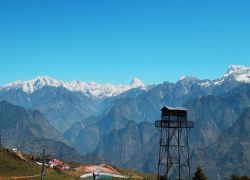
Welcome to Joshimath, located in the enchanting city of Chamoli. This picturesque destination offers a unique blend of natural beauty, biodiversity, and historical significance, making it a must-visit for travelers seeking tranquility and adventure. History of Joshimath Joshimath holds a rich historical background dating back to ancient times. Once a royal hunting ground, it has transformed into a conservation area known for its diverse flora and fauna. Efforts to preserve its natural charm have garnered recognition from UNESCO, highlighting its importance in the realm of conservation. Architecture and Natural Beauty of Joshimath The natural environment of Joshimath is a treat for the senses. Lush forests, serene wetlands, and sprawling grasslands create a perfect habitat for a variety of bird species. The iconic Keoladeo Temple, nestled within the park, adds a touch of history and spirituality to the landscape. Why is Joshimath Famous? Joshimath has gained popularity among birdwatchers, photographers, and wildlife enthusiasts due to its diverse avian population and stunning landscapes. Nature lovers flock to this destination to witness the beauty of the natural world up close. How to Reach Joshimath Traveling to Joshimath is convenient, with options available by air, rail, and road. Nearby airports and railway stations provide easy access to this gem nestled in the heart of Chamoli, welcoming visitors from near and far. Weather and Best Time to Visit Joshimath The weather in Joshimath varies throughout the seasons, offering unique experiences for visitors. Summer, monsoon, and winter each bring their own charm, with the best time to visit typically falling during certain months when the climate is most favorable. Timings of Joshimath Visitor timings at Joshimath ensure that travelers can make the most of their experience while respecting the natural rhythms of the park. Seasonal variations may influence the park's schedule, so it's essential to plan accordingly for an optimal visit. Entry Fee and Visit Details Entry procedures at Joshimath are designed to facilitate a smooth and enjoyable visit for guests. Guide services, safari options, bicycle rentals, and visitor facilities are available to enhance the overall experience and make exploring the park a memorable adventure. Things to Do at Joshimath Joshimath offers a range of activities for visitors to immerse themselves in nature's wonders. From birdwatching and photography to cycling and walking trails, there are ample opportunities to connect with the environment and create lasting memories. Interesting Facts About Joshimath Joshimath is home to a myriad of migratory birds, showcasing the region's biodiversity and the success of conservation efforts. The park's ecological significance underscores the importance of preserving such natural treasures for future generations to appreciate. Travel Tips for Visiting Joshimath When visiting Joshimath, ensure you are prepared with appropriate clothing, photography gear, and birdwatching equipment to maximize your experience. Understanding the best seasons to visit and practicing responsible tourism will help preserve the park's beauty for years to come. Conclusion In conclusion, Joshimath in Chamoli is a destination that captivates the hearts of all who visit. Its historical roots, natural splendor, and diverse wildlife make it a haven for those seeking a deeper connection with nature. Explore the beauty of Joshimath and create unforgettable memories amidst the serenity of this remarkable hotspot.
Explore More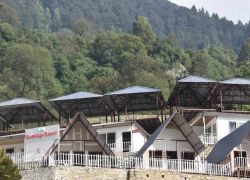
Surya Kund is one of the most famous natural hot water springs located near the sacred Yamunotri Temple in Yamunotri, Uttarakhand. Situated amidst the breathtaking Himalayan mountains at an altitude of around 3,293 meters above sea level, Surya Kund is an important religious and natural attraction visited by thousands of pilgrims and tourists every year. The hot spring is known for its extremely high water temperature and spiritual significance. Devotees visiting Yamunotri often stop at Surya Kund to offer prayers and prepare sacred offerings before entering the temple. Surrounded by snow-clad peaks, lush valleys, and the soothing sounds of the Yamuna River, Surya Kund offers a unique blend of spirituality, natural beauty, and geological wonder. The spring is considered sacred and holds immense importance in Hindu mythology. Pilgrims believe that taking part in rituals associated with Surya Kund brings blessings, prosperity, and spiritual purification. Why is Surya Kund, Yamunotri Famous? Surya Kund is famous for being one of the hottest natural thermal springs in India. The water temperature of the spring can reach nearly 88°C (190°F), making it too hot for direct bathing. The spring is named after Surya Dev (the Sun God), who is believed to be the father of Goddess Yamuna according to Hindu mythology. The most unique feature of Surya Kund is that devotees tie rice and potatoes in a cloth and dip them into the boiling water. Within a few minutes, the food gets cooked and is then offered to Goddess Yamuna as Prasad. This sacred offering is later distributed among devotees. Surya Kund is also known for its stunning location amidst the Himalayan landscape, attracting nature lovers, photographers, trekkers, and spiritual seekers from across the country. History and Religious Significance of Surya Kund Surya Kund has deep roots in Hindu mythology and is closely associated with Yamunotri Dham, one of the four sacred shrines of the Char Dham Yatra. According to Hindu beliefs, Goddess Yamuna is the daughter of Surya Dev and the sister of Yama, the God of Death. The hot spring is considered a divine gift from Surya Dev. Pilgrims visiting Yamunotri first offer prayers at Surya Kund before proceeding to the main temple dedicated to Goddess Yamuna. The cooked rice from the spring is regarded as highly auspicious and is taken home by devotees as a sacred blessing. For centuries, sages, saints, and pilgrims have visited Surya Kund during their spiritual journeys in the Himalayas. The spring continues to play a central role in the religious traditions of Yamunotri. Architecture and Natural Features of Surya Kund Unlike traditional monuments or temples, Surya Kund is a natural geothermal spring formed due to underground geothermal activity in the Himalayan region. The spring emerges from rocky formations near the Yamunotri Temple complex. The surrounding area has been developed with pathways and safety barriers to facilitate the movement of pilgrims. The hot spring continuously releases steam, creating a mystical atmosphere, especially during the cold Himalayan mornings. Nearby attractions include: Yamunotri Temple Divya Shila Yamuna River Origin Region Janki Chatti Hanuman Chatti The combination of natural geothermal activity and spiritual importance makes Surya Kund a unique destination in Uttarakhand. How to Reach Surya Kund, Yamunotri, Uttarakhand Reaching Surya Kund requires a combination of road travel and trekking, making the journey both adventurous and scenic. By Air The nearest airport is Jolly Grant Airport, Dehradun, located approximately 210 kilometers from Janki Chatti. From the airport, travelers can hire taxis or use public transportation to reach Janki Chatti. By Train The nearest railway stations are: Dehradun Railway Station Rishikesh Railway Station Haridwar Railway Station From these stations, buses and taxis are available to reach Janki Chatti. By Road Yamunotri is connected by road through major towns such as Dehradun, Haridwar, Rishikesh, Barkot, and Janki Chatti. The final motorable point is Janki Chatti. Trek to Surya Kund From Janki Chatti, visitors need to undertake a trek of approximately 5 to 6 kilometers to reach Yamunotri Temple and Surya Kund. Pony services, palkis, and porters are also available for those who need assistance. Weather at Surya Kund, Yamunotri The weather at Surya Kund remains cold throughout most of the year due to its high-altitude Himalayan location. Summer (May to June) Temperature ranges between 6°C and 20°C. This is the best time to visit as the weather is pleasant and suitable for trekking. Monsoon (July to September) The region receives moderate to heavy rainfall. Landslides may occasionally affect travel routes. Autumn (September to October) Clear skies and cool temperatures make this another excellent season for visiting. Winter (November to April) Heavy snowfall occurs, and the Yamunotri Temple remains closed. The area becomes inaccessible due to extreme weather conditions. Surya Kund Timings Surya Kund generally remains accessible during the operating season of the Yamunotri Temple. Opening Time: Around 6:00 AM Closing Time: Around 7:00 PM Best Time to Visit: Morning hours Visitors are advised to check local temple schedules as timings may vary according to weather and pilgrimage season. Entry and Visit Details of Surya Kund There is generally no separate entry fee for visiting Surya Kund. Pilgrims and tourists can access the spring while visiting Yamunotri Temple. Visitors can: Observe the boiling hot spring. Offer prayers. Cook rice and potatoes as sacred offerings. Take photographs of the scenic surroundings. Explore nearby religious sites. Local guides are available for those interested in learning about the religious significance and history of the region. Things to Do at Surya Kund 1. Offer Sacred Prasad Participate in the traditional ritual of cooking rice in the hot spring and offering it to Goddess Yamuna. 2. Visit Yamunotri Temple Explore one of the holiest pilgrimage sites in India located just a short distance from Surya Kund. 3. Witness Natural Geothermal Activity Observe the fascinating phenomenon of naturally boiling water emerging from underground geothermal sources. 4. Photography Capture stunning views of the Himalayan mountains, valleys, and sacred sites. 5. Trek Through Scenic Trails The journey from Janki Chatti offers spectacular landscapes, waterfalls, forests, and mountain views. 6. Experience Spiritual Serenity Spend time meditating and enjoying the peaceful atmosphere of this sacred destination. Interesting Facts About Surya Kund Surya Kund is one of the hottest natural hot water springs in India. The water temperature can reach nearly 88°C. The spring is named after Surya Dev, the Sun God. Rice and potatoes can be cooked naturally in the spring water. It is an important part of the Char Dham pilgrimage route. The cooked rice from Surya Kund is considered highly sacred. The spring remains active throughout the pilgrimage season. Thousands of devotees visit the site every year. Travel Tips for Visiting Surya Kund Carry warm clothing, even during summer months. Wear comfortable trekking shoes for the journey from Janki Chatti. Start the trek early in the morning to avoid crowds. Keep drinking water and light snacks with you. Avoid touching the boiling water directly as it can cause burns. Follow all safety instructions around the spring. Respect local customs and religious traditions. Carry rain protection during the monsoon season. Book accommodation in advance during the Char Dham Yatra season. Maintain cleanliness and avoid littering in the Himalayan environment. Conclusion Surya Kund in Yamunotri, Uttarakhand, is a remarkable destination that combines natural wonder, spiritual significance, and Himalayan beauty. Its boiling geothermal waters, religious importance, and scenic surroundings make it one of the most fascinating attractions in the Char Dham circuit. Whether you are a pilgrim seeking blessings, a nature enthusiast exploring the Himalayas, or a traveler interested in unique geological phenomena, Surya Kund offers an unforgettable experience. A visit to this sacred hot spring provides both spiritual fulfillment and an opportunity to witness one of nature's most extraordinary creations in the heart of Uttarakhand.
Explore More
Located in the serene city of Yamunotri, Divya Shila is a mesmerizing tourist attraction that captivates visitors with its natural beauty and historical significance. This sacred hotspot offers a unique blend of spirituality and biodiversity, making it a must-visit destination for nature enthusiasts and history buffs alike. History of Divya Shila Steeped in history, Divya Shila holds a special place in the hearts of pilgrims and historians. This historical site traces its origins back to ancient times and was once a royal hunting ground. Over the years, concerted conservation efforts have preserved its natural charm, leading to UNESCO recognition for its cultural and ecological importance. Architecture and Natural Beauty of Divya Shila Surrounded by lush wetlands, dense forests, and sprawling grasslands, Divya Shila is a haven for a diverse range of bird species. The picturesque landscapes and the majestic Keoladeo Temple within the park add to its allure, creating a harmonious blend of architectural splendor and natural beauty. Why is Divya Shila Famous? Divya Shila has gained fame as a hotspot for birdwatchers, photographers, and wildlife enthusiasts. Its rich biodiversity and tranquil ambiance attract visitors seeking to immerse themselves in the wonders of nature, making it a popular choice for those looking to reconnect with the environment. How to Reach Divya Shila Traveling to Divya Shila is convenient, with options for air, rail, and road transport. The city is well-connected via nearby airports and railway stations, ensuring easy access for tourists from various parts of the country. Weather and Best Time to Visit Divya Shila Divya Shila experiences varying weather conditions throughout the year, with distinct summer, monsoon, and winter seasons. The best time to visit is during the pleasant months when the flora and fauna are at their vibrant best, offering visitors a truly enchanting experience. Timings of Divya Shila Visitors can explore Divya Shila during designated timings, with seasonal variations affecting access and activities. It is advisable to plan your visit accordingly to make the most of your time at this remarkable destination. Entry Fee and Visit Details Entry procedures to Divya Shila are straightforward, with guide services and safari options available for those seeking a more immersive experience. Bicycle rentals and well-equipped visitor facilities ensure a comfortable and enjoyable visit for all guests. Things to Do at Divya Shila At Divya Shila, visitors can engage in a host of activities, including birdwatching, photography, cycling, and nature trails. The park offers a range of educational experiences, allowing guests to learn more about the diverse ecosystem and conservation efforts in place. Interesting Facts About Divya Shila Divya Shila is home to a plethora of migratory birds, showcasing the region's rich biodiversity. The conservation achievements within the park highlight its ecological importance, making it a vital hub for wildlife preservation and environmental awareness. Travel Tips for Visiting Divya Shila When visiting Divya Shila, it is advisable to dress comfortably and carry essential photography and birdwatching equipment. Understanding the best visiting seasons and practicing responsible tourism will enhance your overall experience and contribute to the park's preservation. Conclusion In conclusion, Divya Shila in Yamunotri stands as a testament to the harmonious coexistence of history, spirituality, and nature. Its significance as a cultural landmark and ecological treasure makes it a destination worth exploring for those seeking a profound connection with the natural world.
Explore More
Welcome to the Garhwali Museum in Lansdowne, a hidden gem nestled in the heart of Uttarakhand, India. This museum offers a unique insight into the rich cultural heritage of the Garhwali region, showcasing traditional artifacts, historical exhibits, and local craftsmanship. Visitors to the Garhwali Museum can immerse themselves in the captivating history and natural beauty of Lansdowne, making it a must-visit destination for history buffs, nature lovers, and curious travelers alike. History of Garhwali Museum The Garhwali Museum traces its roots back to the ancient Garhwali culture, known for its vibrant traditions and customs. Originally established to preserve the cultural legacy of the region, the museum has evolved into a significant historical landmark. Formerly a royal hunting ground, the museum now stands as a testament to conservation efforts and has garnered recognition for its contribution to preserving the region's heritage. Architecture and Natural Beauty of Garhwali Museum Surrounded by lush forests, verdant grasslands, and diverse bird habitats, the Garhwali Museum boasts a scenic landscape that captivates visitors. The historical Keoladeo Temple, located within the museum premises, adds to its architectural charm. The wetlands and forests surrounding the museum are teeming with biodiversity, making it a haven for nature enthusiasts and wildlife photographers. Why is Garhwali Museum Famous? The Garhwali Museum is renowned for its appeal to birdwatchers, photographers, and nature enthusiasts. The museum's unique blend of cultural heritage and natural beauty draws visitors from far and wide, seeking to explore the region's rich history and biodiversity. Its tranquil surroundings and diverse ecosystems make it a paradise for wildlife lovers. How to Reach Garhwali Museum Traveling to the Garhwali Museum is convenient, with options available by air, rail, and road. The nearest airports are located in Dehradun and Pantnagar, while the closest railway station is in Kotdwar. Visitors can also reach Lansdowne by road, enjoying picturesque views along the journey. Weather and Best Time to Visit Garhwali Museum The Garhwali Museum experiences pleasant weather throughout the year, with distinct summer, monsoon, and winter seasons. The best time to visit is during the spring and autumn months when the weather is mild, and the surroundings are lush and vibrant. Timings of Garhwali Museum The Garhwali Museum welcomes visitors throughout the year, with varying timings based on the season. It is advisable to check the museum's schedule in advance to plan your visit effectively and make the most of your experience. Entry Fee and Visit Details Entry to the Garhwali Museum is subject to nominal fees, with additional services such as guide assistance, safari options, and bicycle rentals available for visitors. The museum provides essential visitor facilities to ensure a comfortable and enriching experience for all guests. Things to Do at Garhwali Museum Visitors to the Garhwali Museum can indulge in a range of activities, including birdwatching, photography, cycling, nature walks, and educational tours. The museum's serene ambiance and diverse offerings cater to a wide audience, providing ample opportunities for exploration and discovery. Interesting Facts About Garhwali Museum The Garhwali Museum is home to a plethora of migratory birds, contributing to its ecological significance. The region's biodiversity, coupled with the museum's conservation efforts, highlights the importance of preserving natural habitats and cultural heritage. These achievements make the Garhwali Museum a unique and valuable destination for eco-conscious travelers. Travel Tips for Visiting Garhwali Museum When planning a trip to the Garhwali Museum, remember to pack suitable clothing for varying weather conditions and bring along necessary photography equipment for capturing the beauty of the surroundings. It is advisable to visit during the recommended seasons and practice responsible tourism to help preserve the museum's pristine environment. Conclusion In conclusion, the Garhwali Museum in Lansdowne stands as a testament to the region's rich history, cultural heritage, and natural beauty. Offering a harmonious blend of tradition and conservation, the museum provides a memorable experience for visitors seeking to immerse themselves in the essence of Garhwali culture. A visit to the Garhwali Museum promises to be enlightening, enriching, and inspiring, making it a must-visit destination in Lansdowne.
Explore MoreJim Corbett With Jeep Safari Tour Package From Delhi 2 Night 3 Days
3 Days/ 2 Night
Corbett - Nainital
Haridwar Rishikesh Tour Package From Delhi 2 Night 3 Days
3 Days/ 2 Night
Haridwar - Rishikesh
Mussoorie - Rishikesh 4N - 5D Tour
5 Days/ 4 Night
Mussoorie - Rishikesh
Uttarakhand Explorer 6N - 7D Tour
7 Days/ 6 Night
Mussoorie - Nainital - Rishikesh
Located in the picturesque city of Lansdowne, the Darwan Singh Museum is a hidden gem for travelers seeking a blend of history, nature, and tranquility. This museum offers a unique insight into the region's rich cultural heritage and serves as a testament to the legacy of Darwan Singh Negi, a brave soldier who hailed from this serene hill station. History of Darwan Singh Museum The Darwan Singh Museum stands as a tribute to the valiant soldier Darwan Singh Negi, who was awarded the Victoria Cross for his exceptional bravery during World War I. Established within the former Tip n Top Cottage, this museum showcases a remarkable collection of artifacts, documents, and photographs that narrate the heroic tales of Darwan Singh and other Garhwali soldiers. Architecture and Natural Beauty of Darwan Singh Museum Surrounded by lush greenery and serene landscapes, the Darwan Singh Museum offers a peaceful retreat for history enthusiasts and nature lovers alike. The museum's architecture reflects colonial influences, while the natural beauty of Lansdowne provides a perfect backdrop for exploring the region's biodiversity and bird habitats. Why is Darwan Singh Museum Famous? The Darwan Singh Museum is renowned for its historical significance, attracting history buffs, photographers, and those interested in understanding the region's military heritage. Visitors often find solace in the museum's serene ambiance, making it a popular destination for those seeking a cultural and natural escape. How to Reach Darwan Singh Museum Traveling to Lansdowne offers a delightful journey through scenic routes. The nearest airport is Jolly Grant Airport in Dehradun, while Kotdwar serves as the nearest railway station. From there, a picturesque road journey leads you to the tranquil surroundings of the Darwan Singh Museum. Weather and Best Time to Visit Darwan Singh Museum Lansdowne experiences pleasant weather throughout the year, with summers being mild, monsoons offering lush green views, and winters blanketing the region in snow. The best time to visit the Darwan Singh Museum is during the spring and autumn months when the weather is ideal for exploring the outdoors. Timings of Darwan Singh Museum The Darwan Singh Museum welcomes visitors from morning till evening, allowing ample time to delve into the historical narratives and soak in the natural beauty of Lansdowne. Seasonal variations may affect the museum's timings, so it is advisable to check in advance before planning your visit. Entry Fee and Visit Details Upon entry to the Darwan Singh Museum, visitors are greeted with informative displays, guided tours, and the opportunity to learn about the region's military history. Guide services are available for a more in-depth understanding, while safari options and bicycle rentals offer unique ways to explore the surroundings. Things to Do at Darwan Singh Museum Visitors at the Darwan Singh Museum can engage in various activities such as birdwatching, photography, leisurely walks amidst nature, and absorbing the peaceful ambiance that surrounds the museum. The museum's serene setting and historical charm create the perfect environment for a memorable experience. Interesting Facts About Darwan Singh Museum The Darwan Singh Museum not only showcases the bravery of soldiers but also highlights the region's biodiversity and ecological importance. The museum's focus on conservation and heritage preservation adds another layer of significance to this cultural hotspot in Lansdowne. Travel Tips for Visiting Darwan Singh Museum When visiting the Darwan Singh Museum, it is advisable to wear comfortable clothing suitable for exploring the outdoors. Bringing along a camera for capturing the scenic beauty and wildlife encounters is recommended. Being mindful of the visiting seasons and following responsible tourism practices ensures a fulfilling and respectful experience. Conclusion In conclusion, the Darwan Singh Museum in Lansdowne offers a harmonious blend of history, nature, and cultural heritage. From exploring the heroic tales of Darwan Singh Negi to immersing oneself in the serene surroundings of Lansdowne, this museum provides a unique and enriching experience for visitors of all interests. A visit to the Darwan Singh Museum is not just a journey through history but also a chance to connect with the natural beauty and tranquility that define this charming hill station.
Explore More