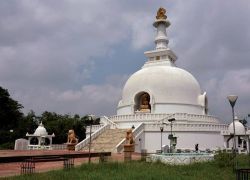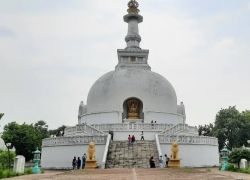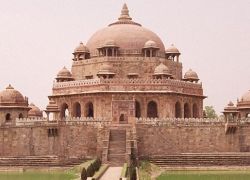
"Witness divine beauty in a historic temple."
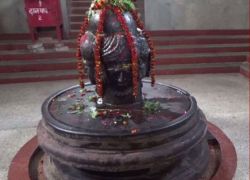
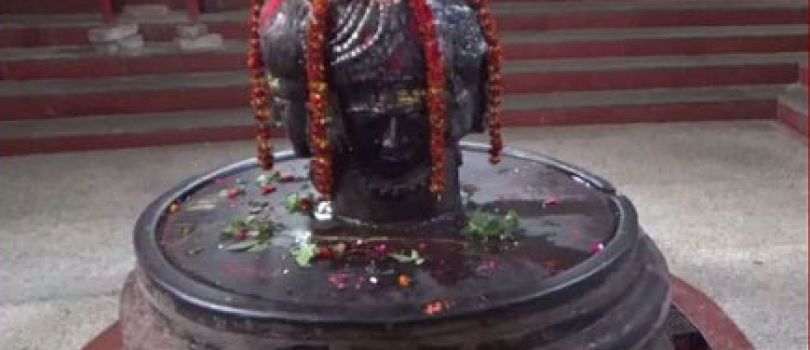
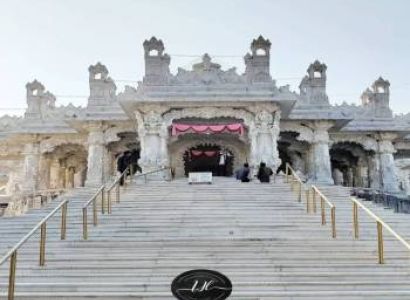
The Chaumukhi Mahadeva Temple is located in Vaishali, Bihar, and is dedicated to Lord Shiva. This ancient temple is known for its unique architecture and historical significance. The temple gets its name from the four-faced (Chaumukhi) statue of Lord Shiva that is enshrined inside.
Architecture of Chaumukhi Mahadeva Temple
The Chaumukhi Mahadeva Temple is a fine example of early medieval Indian architecture. The temple is built in the Nagara style, with a square-shaped sanctum sanctorum and a pyramid-shaped shikhara (tower) above it. The temple is adorned with intricate carvings that depict scenes from Hindu mythology and legends. The four-faced statue of Lord Shiva is placed in the center of the sanctum, facing each of the four cardinal directions.
History
The Chaumukhi Mahadeva Temple is believed to have been built in the 9th century during the reign of the Licchavi dynasty. The temple stands as a testament to the rich cultural and religious heritage of Vaishali. It is said that the temple was constructed by a wealthy merchant in honor of Lord Shiva, who is worshipped as the destroyer of evil and the harbinger of prosperity.
Best Time To Visit
The best time to visit the Chaumukhi Mahadeva Temple is during the winter months from October to March when the weather is pleasant and ideal for exploring the historical sites in Vaishali. The temple also attracts a large number of devotees during the festival of Maha Shivaratri, which is celebrated with great fervor and devotion.
How To Reach
The Chaumukhi Mahadeva Temple is easily accessible by road, rail, and air. The nearest airport is in Patna, which is around 60 kilometers away from Vaishali. The nearest railway station is in Hajipur, which is well-connected to major cities in India. Visitors can also hire taxis or take buses from nearby cities like Patna or Muzaffarpur to reach the temple.
Significance Of The Chaumukhi Mahadeva Temple
The Chaumukhi Mahadeva Temple holds great religious significance for devotees of Lord Shiva. The four-faced statue of Lord Shiva is believed to symbolize his omnipresence and omnipotence. It is said that worshipping at this temple can bring peace, prosperity, and spiritual enlightenment to devotees. The temple also serves as a cultural heritage site, attracting historians, archaeologists, and art enthusiasts from around the world.











Vaishali
Vaishali
Vaishali
Vaishali
Vaishali
Vaishali
Vaishali
Vaishali
Vaishali
Vaishali