"Historic site with breathtaking views and spirituality."
Introduction to Mount Zion, Jerusalem
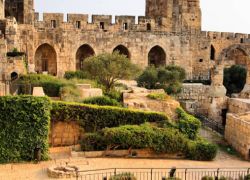
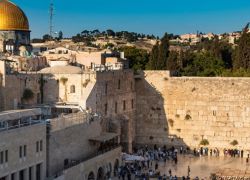
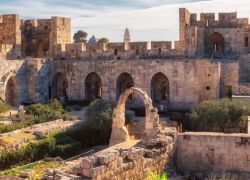
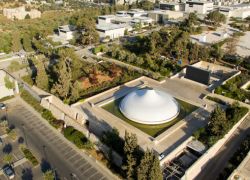
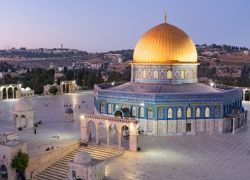
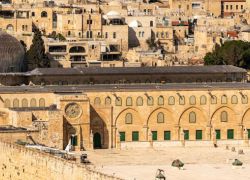
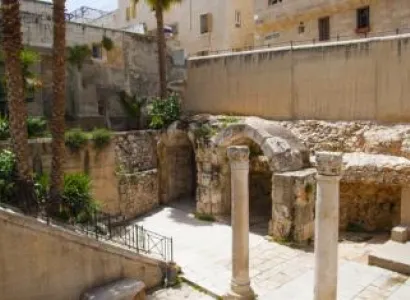
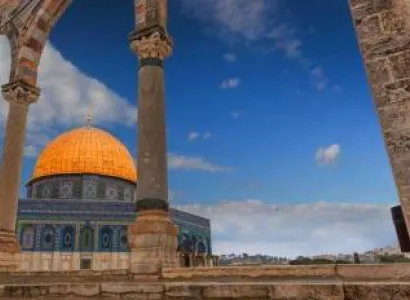
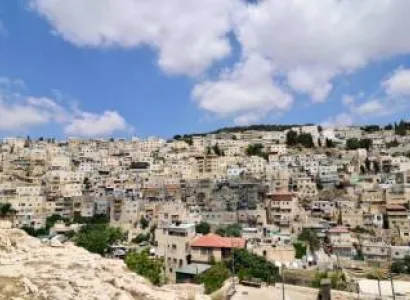
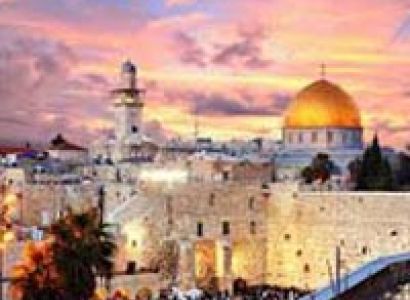
Mount Zion is a historic and religiously significant hill located just outside the Old City walls of Jerusalem. It is one of the most important biblical sites in the city, and it holds deep meaning for Jews, Christians, and Muslims. The hill has been a symbol of spiritual power for thousands of years and is mentioned often in the Bible. Today, it is a popular destination for pilgrims and tourists, offering ancient landmarks, sacred buildings, and breathtaking views of Jerusalem.
How to Reach Mount Zion, Jerusalem
Mount Zion is easily accessible from the Old City of Jerusalem, especially from the Zion Gate. Here are the common ways to reach it:
Weather in Jerusalem
Jerusalem has a Mediterranean climate. Summers (June to August) are hot and dry, with temperatures reaching up to 30°C (86°F). Winters (December to February) are cool and rainy, with average temperatures between 5°C and 12°C (41°F–54°F). Spring and autumn are generally mild and pleasant.
Since Mount Zion includes outdoor areas, wear comfortable shoes and dress appropriately for the season. Don’t forget sunscreen and a hat during summer visits.
Timings and Entry Details
Mount Zion itself is open to visitors 24/7 since it's not a single site but a collection of historic and religious locations. However, individual sites such as the Dormition Abbey, King David’s Tomb, and the Room of the Last Supper have their own opening hours.
Entry to Mount Zion is free, but some religious sites may ask for donations. Modest dress is required when visiting any religious buildings.
Why is Mount Zion Famous?
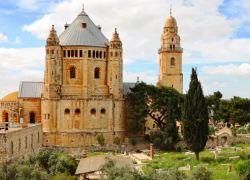
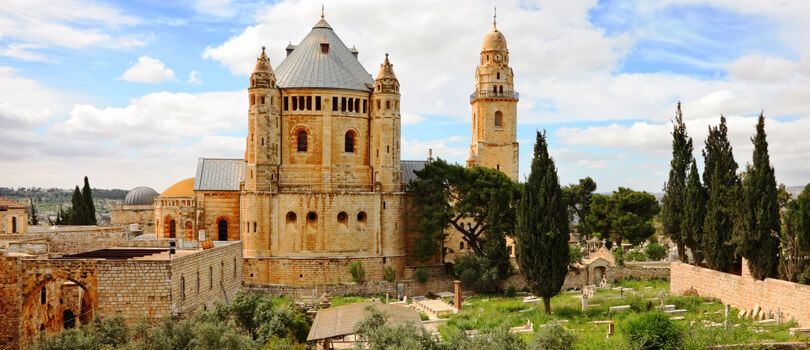
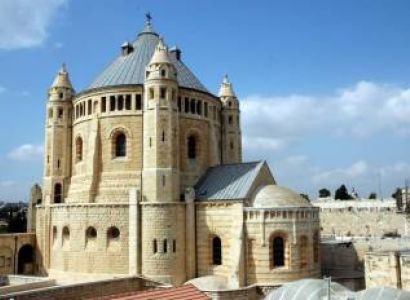
Mount Zion is famous for its deep religious significance. It is traditionally believed to be the location of King David’s Tomb, the Room of the Last Supper (also known as the Cenacle), and the Dormition Abbey, where the Virgin Mary is believed to have passed away.
The name "Mount Zion" is often used in religious texts to symbolize the City of God or heaven itself. The site has inspired generations of worshipers and continues to be a spiritual center today.
History and Architecture
Mount Zion has a rich history that spans thousands of years. It was part of ancient Jerusalem and is often mentioned in biblical texts. In the time of King David, it may have referred to the city itself or a specific hill near the City of David.
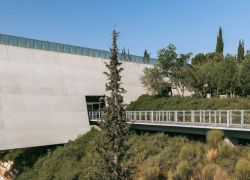
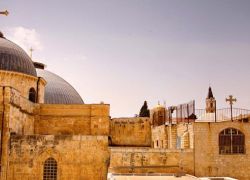
Over the centuries, the site has seen many changes. The Romans, Byzantines, Crusaders, Ottomans, and modern Israelis have all built structures on Mount Zion. As a result, the architecture is a mix of different styles—Romanesque, Gothic, Ottoman, and modern.
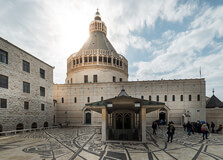
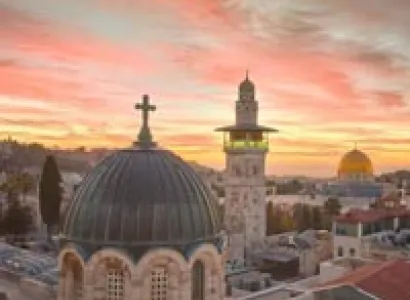
The Dormition Abbey, built by German Benedictine monks in the early 1900s, is one of the best-known buildings. Its round structure and domed roof dominate the skyline of Mount Zion.
Things to Do at Mount Zion
Interesting Facts About Mount Zion
Tips for Visiting Mount Zion











Jerusalem
Jerusalem
Jerusalem
Jerusalem
Jerusalem
Jerusalem

Jerusalem
Jerusalem
Jerusalem