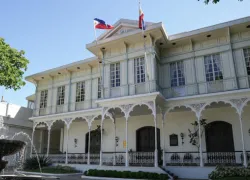
About The Malacanang Palace The Malacanang Palace is the official residence and workplace of the President of the Philippines. It is located in Manila, the capital city of the Philippines. The palace is not only the seat of the country's government but also a historical landmark that has witnessed many significant events in Philippine history. Timings of Malacanang Palace The Malacanang Palace is open to the public for guided tours from Monday to Friday, except on holidays. The tours are scheduled at specific times during the day and last for about an hour. Entry Fee There is no entry fee to visit the Malacanang Palace, but visitors are required to register in advance and present a valid photo ID upon arrival. Required Time and Restricted Items It is recommended to allocate at least 2 hours for the tour of the Malacanang Palace. Visitors are not allowed to bring large bags, cameras, or any recording devices inside the palace premises. Architecture of Malacanang Palace The Malacanang Palace boasts a neoclassical architectural style with Spanish influences. The palace features grand halls, opulent interiors, and beautifully landscaped gardens that reflect the rich history and culture of the Philippines. Best Time to Visit The best time to visit the Malacanang Palace is during the dry season, which falls between November and April. The weather is pleasant, and the gardens are in full bloom during this time. How to Reach The Malacanang Palace is easily accessible by public transportation, such as buses, jeepneys, and taxis. Visitors can also opt to take a guided tour or hire a private car to reach the palace. History of Malacanang Palace The Malacanang Palace was originally built as a summer house for a Spanish aristocrat in the 18th century. It was later acquired by the Philippine government and has since served as the official residence of the country's leaders, including former presidents and the incumbent president. Inside Malacanang Palace Visitors to the Malacanang Palace can explore the various rooms and chambers that showcase the country's history, art, and culture. Highlights include the President's office, state dining room, and the museum of Malacanang, which houses historical artifacts and artworks. Traveling Tips It is advisable to book a guided tour of the Malacanang Palace in advance to secure your slot. Visitors should also dress appropriately and follow the rules and regulations set by the palace authorities during the tour. Hotels Near Malacanang Palace with Names 1. The Manila Hotel 2. New World Makati Hotel 3. Diamond Hotel Philippines 4. City Garden Grand Hotel 5. The Peninsula Manila Nearby Tourist Spots of Malacanang Palace 1. Rizal Park 2. San Agustin Church 3. Fort Santiago 4. National Museum of the Philippines 5. Bonifacio Global City
Explore More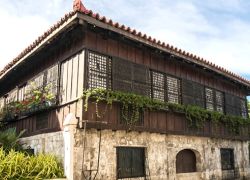
Originally a private home, Casa Gorordo Museum is considered among one of the best preserved wood-and-stone house built in the 1850s. The museum showcases, paintings, religious relics, ceramics and antique furniture. It also displays traditional Filipino home and modern art exhibits. Life-size statues of saints are an added attraction in the museum. The museum is maintained by Ramon Aboitiz Foundation, Inc and the landmark provides an insight into the Cebuano lifestyle. HistoryAlejandro Reynes y Rosales built the house in the 1850s. It was later bought by a Spanish merchant in 1863. Ramon Aboitiz Foundation Inc. (RAFI) bought the house in 1980 under their Cultural Heritage Program. In 1983, it was opened as a museum. The house was declared as a National Historical Landmark in 1991. ConstructionThe museum is a two- story house with the lower part built with coral stone blocks and terra-cotta roof tiles. The upper-storey is made with pure Philippine hardwood, held with wooden pegs. Location · Cebu City, No. 35 Lopez Jaena Street, Barangay Parian. Opening hours · The Museum is open to the public from 10:00 am to 6:00 pm, from Tuesday to Sunday. It is closed on Mondays and national holidays. ActivitiesThe Casa Gorordo Museum offers educational tours and activities like history lectures and art exhibitions. PricesFor foreign tourists the entrance admission is PhP70 for adults and PhP50 for students. The rates for local tourists are PhP40 for adults, PhP15 for college and school students and PhP10 for elementary school students.
Explore More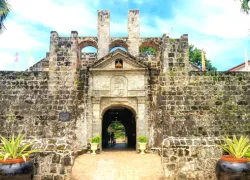
The perfect retreat from the chaos of the Cebu city, Fort San Pedro is a military defence structure built by Miguel López de Legazpi, conqueror of the Philippines. Triangular in shape, the fort has two sides facing the sea and the third side facing the land. The fort serves as a great place to learn about the military history of Cebu. There is a museum within the compound of the fort. Opening hours· The fort is open from 8 am to 7 pm daily. Architecture· The fort has a total inside area of 2, 2025 square meters with tall walls and towers. The walls of the fort are 20 feet high and the towers are 30 feet high from the ground level. History· The construction work of the fort first started on May 8, 1565. During the II world war, the fort served as an army camp. For a few years the fort also housed the Cebu city zoo and the offices of the Tourism Authority for some years. Fort San Pedro National Coliseum· The museum is part of the fort and has numerous historical artifacts on display. Cannons, swords, coins, helmets porcelain pieces, etc are on display in the museum.
Explore More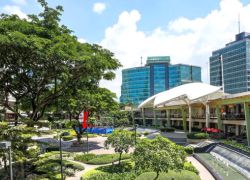
The premier business district in Southern Philippines, Cebu Business Park is an integrated master planned development. The 50-hectare master-planned development integrates business, residential, sports, and recreation facilities. Owned and developed by Cebu Holdings, Inc, this business park is home to top level national and international companies. The biggest specialty of this business park is that it integrates nature in a business setting. LocationStrategically placed in the Cebu city, the business park can be easily accessed from all parts of the city. It is just 15 kilometers far from the International Airport. Business facilitiesThe strategic location and world-class amenities in the Park have led many big companies like Pentax Corp, Mitsumi, , Fairchild Semiconductor, Marine Colloids to set up their manufacturing units in the most successful industrial estates. This rampant industrialization has led to a whopping 20% higher economic growth rate in the country. Leisure facilitiesThe Park offers a comprehensive range of leisure facilities like malls, recreation and sports centers and other similar establishments. Ayala Center Cebu is the hotspot shopping and lifestyle destination of the Park. It has become the trendsetter when it comes to new lifestyle trends. High rise residencesMany major builders have come up with premier living spaces right in the heart of the city.
Explore More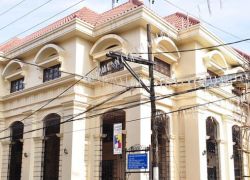
Bahay Tsinoy is a famous museum situated in Intramuros (Old Walled City) section of Manila. The museum exhibits the history and lives of Chinese overwhelmingly. In the museum, the visitors can explore the Philippine life and history, especially the significant contribution of Chinese in it. Establishing Year & Inauguration Late architect Honrado Fernandez collaborated with Eva Penamora and the beautiful museum was designed. The designing work of the museum was completed in the year 1996. The museum was inaugurated in the year 1999. Funding & Support It was Angelo King Foundation that funded the land and building. The contributions from varied Filipino-Chinese community segments such as from taipans to average wage-earners also aided in erecting the museum. Different Sections of Museum Colonial culture Gallery of rare prints and photographs Rare Philippine shell collection Early contacts Ceramics collection Life in the 1800s Tsinoys in nation-building (inaugurated in 2004) The Parian National leaders of Chinese descent Martyr's hall Emergence of the Chinese community In defense of freedom Various Offices & Halls in Museum Office of Kaisa Para sa Kaunlaran, Inc. Chinbin See Memorial Library Await Keng Theater Auditorium Benito Cu Uy Gam Hall Pao Shi Tien and Madame Limpe seminar rooms
Explore More
Also known as the “The First Mactan-Mandaue Bridge”, Mactan-Mandaue Bridge is first of two bridges spanning across the Mactan Channel. 846-meter long and 9-meter wide, the box truss bridge connects the islands of Cebu and Mactan. HistoryThe Bridge was constructed during the term of the late President Ferdinand Marcos. Designed by Filipino engineers, the construction of the bridge began in 1970. Officially inaugurated on July 4, 1971, the bridge was finished in 1972 at a cost of 65 million pesos.
Explore More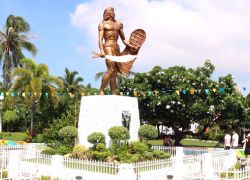
Meet the famous legendary Cebuano hero and explore Filipino history at the famous Lapulapu Monument. Also known as Mactan Shrine, it is a 20 meter high bronze statue of the Filipino warrior king who fought against the Spanish invaders. The statue is built on exactly the same spot where the battle was fought. The statue depicts Lapu Lapu holding a sword and a shield, which were used by him in combat against the invaders. Magellan MonumentInside the Mactan Shrine, just few meters away from the LapuLapu monument is the Magellan Monument. This shrine was bulity by Spanish colonial rulers in the year 1866. Other activities The monument is flocked by plenty of tourists around the year. The ground around the statue is neat and well kept. With plenty of restaurants serving local seafood meals, visitors get a chance to taste the authentic Pilipino cuisine. Beautiful shell craft on saleVendors selling alluring shell craft are easily found outside the shrine. Made from pure shells, the shell craft items are very popular among tourists. How to get thereFrom the Cebu International Airport, a taxi or a jeep can directly drop the tourists to the Lapulapu Monument. Ride a jeep with a signboard of Punta Egaño!
Explore More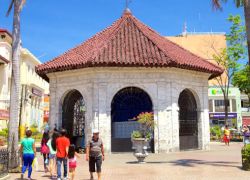
Located in the Lapulapu City, Magellan Marker was constructed to mark the spot where Ferdinand Magellan died. He was a great explorer who spread Christianity in Cebu and was killed in the Mactan Island in an effort to spread the faith. Spanish Governor-General Francisco Alcala approved the plan to construct the monument to commemorate the life of the Portuguese “discoverer” of the Philippines- Ferdinand Magellan. According to historians the original monument was a monument-cum-lighthouse. It functioned as a lighthouse to warn the ships about the approaching danger of the large number of reefs ahead.
Explore More
Puzzle Mansion in Tagaytay, Philippines, is a unique and intriguing attraction that draws visitors from all walks of life. As the largest collection of jigsaw puzzles in the world, Puzzle Mansion is not only a museum but a testament to the beauty of patience, creativity, and dedication. Nestled in the cool, serene hills of Tagaytay, the mansion is a haven for puzzle lovers and curious tourists looking for a distinctive experience in the area. Whether you're an enthusiast of puzzles or simply someone who enjoys art, history, and scenic views, Puzzle Mansion offers an unforgettable visit. How to Reach Puzzle Mansion, Tagaytay, Philippines Puzzle Mansion is located along the scenic Tagaytay-Nasugbu Highway, about 4-5 kilometers from the center of Tagaytay. The easiest way to get to Puzzle Mansion from Metro Manila is by taking the South Luzon Expressway (SLEX) and exiting at Sta. Rosa. From there, continue on the Tagaytay-Nasugbu Highway, following the signs to Tagaytay, and look for signs pointing to Puzzle Mansion. The entire journey takes about 1.5 to 2 hours, depending on traffic conditions. If you're relying on public transportation, you can take a bus from the Pasay or Buendia terminals in Manila heading to Tagaytay. Once in Tagaytay, you can take a tricycle or jeepney to Puzzle Mansion. The tricycle ride is a short, convenient option from the town center. Weather at Puzzle Mansion, Tagaytay, Philippines Tagaytay enjoys a relatively cool and refreshing climate, thanks to its high elevation at about 2,000 feet above sea level. This makes it a popular destination for locals seeking relief from the heat of Metro Manila. The average temperature in Tagaytay ranges from 22°C to 30°C year-round, with cooler temperatures in the evenings and early mornings. Tagaytay has a tropical climate with two distinct seasons: the dry season from December to May and the rainy season from June to November. The best time to visit Puzzle Mansion is during the dry season, especially from December to April, when the weather is more favorable for outdoor activities and sightseeing. However, even during the rainy season, Tagaytay remains cooler and enjoyable, albeit with occasional rain showers. Why Puzzle Mansion, Tagaytay, Philippines is Famous Puzzle Mansion is famous for housing the largest collection of jigsaw puzzles in the world, a title recognized by the Guinness World Records. The collection, which consists of thousands of puzzles from different parts of the globe, is a major attraction for puzzle enthusiasts, tourists, and families alike. The mansion was established as a passion project by Mrs. Virginia “Gina” Garcia, a former school teacher and puzzle enthusiast who dedicated her life to collecting and preserving these fascinating works of art. In addition to its impressive collection of puzzles, Puzzle Mansion is also well-known for its tranquil ambiance and beautiful surroundings. Visitors can enjoy the scenic views of Taal Volcano and Taal Lake from the mansion, adding an extra layer of charm to the overall experience. The mansion itself is also a unique architectural structure that blends modern design with traditional Filipino aesthetics, providing a pleasant setting for its world-class collection of puzzles. Entry and Visit Details About Puzzle Mansion, Tagaytay, Philippines Puzzle Mansion is open to the public daily, and it offers an enriching and engaging experience for people of all ages. The entrance fee is affordable, typically around PHP 100 to PHP 150 per person, though the price may vary depending on the season and any special promotions. This entry fee gives visitors access to the various exhibits and rooms filled with puzzles, allowing them to explore the extensive collection at their own pace. The museum is open from 9:00 AM to 6:00 PM, providing ample time for visitors to enjoy the exhibits. It’s best to arrive early to avoid the crowds, especially on weekends or during holidays, as the attraction can get busy with families and tourists. Guided tours are also available for those who want more insight into the history of the puzzles and the collection. History and Architecture of Puzzle Mansion Puzzle Mansion was founded in 2008 by Gina Garcia, who was inspired by her love for puzzles and her desire to share this passion with others. What started as a personal collection of jigsaw puzzles grew into a world-renowned museum, eventually earning the distinction of having the largest collection in the world. The mansion's walls are adorned with puzzles from around the globe, many of which have intricate designs, vivid colors, and cultural significance. The architecture of Puzzle Mansion is as intriguing as its collection. The building is a blend of contemporary and traditional Filipino design, with a spacious, open layout that allows for easy navigation of the exhibits. Visitors can explore several rooms filled with puzzles of all sizes, from large 3D puzzles to hundreds of smaller, intricately detailed pieces. The design of the mansion reflects the calm, creative energy of the place, allowing visitors to feel immersed in the world of puzzles. Things to Do at Puzzle Mansion, Tagaytay, Philippines There’s more to do at Puzzle Mansion than just viewing puzzles. Here are some of the top activities and experiences you can enjoy during your visit: Explore the Puzzle Collection: Puzzle Mansion houses thousands of puzzles, many of which are framed and displayed throughout the mansion. Each puzzle tells a unique story, with designs ranging from simple patterns to intricate masterpieces. The collection includes puzzles from various countries and artists, giving visitors an opportunity to appreciate the global appeal of jigsaw puzzles. Enjoy the Scenic Views: The mansion offers panoramic views of Taal Volcano and Taal Lake, which are perfect for photo opportunities. The lush greenery surrounding the mansion also adds to the peaceful atmosphere, making it a great place to unwind and relax. Try Your Own Puzzle: The museum offers visitors the opportunity to try their hand at puzzle-solving. There are areas with puzzles for all skill levels, from beginners to experts, so you can test your patience and skills while enjoying the process of putting the pieces together. Attend a Puzzle Workshop: Puzzle Mansion also offers workshops where visitors can learn more about the art of puzzle-making and jigsaw puzzle history. These workshops are a fun way to engage with the craft and learn new puzzle-solving techniques. Interesting Facts About Puzzle Mansion, Tagaytay Puzzle Mansion holds the Guinness World Record for having the largest collection of jigsaw puzzles, with over 1,000 puzzles in its collection. Many of the puzzles on display are donated by puzzle enthusiasts from around the world, making the collection truly international. Aside from jigsaw puzzles, the museum also showcases other types of puzzles, including 3D puzzles and wooden puzzles, adding diversity to the collection. The museum is one of the most unique attractions in Tagaytay, making it a must-visit for puzzle lovers and those looking for a one-of-a-kind experience. Tips for Visiting Puzzle Mansion, Tagaytay Visit Early or Late: To avoid the crowds, it’s best to visit early in the morning or later in the afternoon. This will allow you to enjoy the exhibits at a leisurely pace without feeling rushed. Wear Comfortable Shoes: As you’ll be walking around the mansion to explore the puzzles, comfortable footwear is a must. Bring a Camera: The scenic views and unique puzzles make for great photo opportunities, so don’t forget to bring a camera or smartphone. Plan for a Relaxed Visit: Puzzle Mansion is meant to be a relaxing place, so take your time and enjoy the calming atmosphere of the mansion. Check the Weather: Tagaytay has a cooler climate, but it’s still good to check the weather before heading out. Bring a jacket or sweater if you’re sensitive to cooler temperatures.
Explore More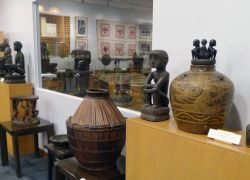
Cordillera Sculpture Museum, Banaue
Though Banaue is mainly popular for its rice terraces, many who visit the region do not miss making visit to Cordillera Sculpture Museum too. There is a small fee that one has to pay before entering in the museum. The museum preserves the remnants of the dying Ifugao culture. In the museum, one can see the artifacts, and replicas of wood-carved memoirs. Every piece in the museum is placed well and a label is also provided. Each item carries with it a small paper beneath, providing information about the item. What to See in Museum? · The museum displays Cordilleran Tribal Sculptures.· It also exhibits the past structures of Northern Luzon’s farmers and carvers.· The second floor exhibits the carved sculptures.· Stairs also have Bululs. It is the necklaces and shafts that depict Bululs on them.· In the museum, the visitors can also see the utensils and armors of the natives. How to Reach Museum?· One can take ride of a tricycle from the terminal or market of Banaue. It only takes some five minutes or less by drive to reach to the museum. · One can also walk all the way uphill on road from the market to the museum. It only takes some fifteen minutes.
Explore More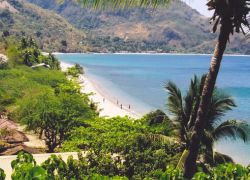
Mindoro is an island province located in the Mimaropa (Mindoro, Marinduque, Romblon, Palawan) region of the Philippines. Known for its stunning natural beauty, rich cultural heritage, and diverse landscapes, Mindoro is an increasingly popular destination for travelers seeking both adventure and relaxation. The island is divided into two provinces: Occidental Mindoro and Oriental Mindoro. Together, they offer a combination of beautiful beaches, lush forests, and mountains that make it an ideal destination for nature lovers, culture enthusiasts, and eco-tourists alike. How to Reach Mindoro, Mimaropa, Philippines Mindoro can be reached by both land and sea, making it relatively accessible from Metro Manila and other parts of Luzon. The most common route for travelers is by ferry, which connects Batangas Port (in Luzon) to either Calapan (Oriental Mindoro) or Puerto Galera (a popular resort town in the island). The ferry ride from Batangas to Calapan typically takes about 1.5 to 2 hours, while ferries to Puerto Galera take around 1 hour. If you're flying into Mindoro, the island is served by two airports: San Jose Airport in Occidental Mindoro and Calapan Airport in Oriental Mindoro. There are several domestic flights from Manila to these airports, though flights to Calapan are more frequent. Once you arrive, taxis or tricycles are available to take you to your destination. Weather at Mindoro, Mimaropa, Philippines The weather in Mindoro is typical of a tropical climate, with distinct wet and dry seasons. The dry season, which lasts from December to May, is considered the best time to visit. During this period, you can expect clear skies, sunny days, and warm temperatures, ideal for outdoor activities like beach-hopping, hiking, and sightseeing. The rainy season typically lasts from June to November, with heavier rainfall occurring between July and September. While the rain can make outdoor activities challenging, it also brings lush greenery and refreshing cool weather to the island, attracting travelers who enjoy a more tranquil environment. However, it's essential to check the weather forecast before traveling during this period, as heavy rains and typhoons can sometimes disrupt travel plans. Why Mindoro, Mimaropa, Philippines is Famous Mindoro is famous for its rich biodiversity, cultural heritage, and natural wonders. The island is home to various indigenous communities, such as the Mangyans, who have lived on the island for centuries. These communities continue to maintain their traditional way of life and offer visitors a glimpse into the island’s ancient culture. Besides its cultural appeal, Mindoro is also known for its beautiful beaches and eco-tourism spots. The island is home to popular tourist destinations such as Puerto Galera, a renowned beach resort destination known for its clear waters and vibrant coral reefs. Mindoro also offers opportunities for hiking and mountain climbing, particularly in the mountains of Occidental Mindoro, such as Mount Iglit-Baco National Park, which is home to the endangered Tamaraw buffalo. Entry and Visit Details About Mindoro, Mimaropa, Philippines Mindoro is open to tourists throughout the year, although the dry season (December to May) is considered the most favorable time to visit. While public transportation options are available, renting a vehicle or hiring a private driver is recommended if you wish to explore the island’s remote areas or reach certain eco-tourism destinations. Entry requirements for foreign visitors are the same as for the rest of the Philippines. A valid passport, and if required, a visa, is necessary. However, it’s always a good idea to check the latest travel advisories and entry restrictions, especially in light of recent changes due to the global pandemic. The island’s tourism infrastructure is well-developed, especially in areas like Puerto Galera, where visitors can find a variety of accommodations, from luxury resorts to budget-friendly hostels. The local government has also made efforts to promote eco-tourism, with guides available for nature tours, hiking, and cultural visits. History and Architecture of Mindoro, Mimaropa, Philippines Mindoro has a rich history that dates back to pre-colonial times when it was inhabited by various indigenous groups such as the Mangyans. These tribes have long been the stewards of the land, practicing agriculture and hunting in the island's dense forests. The arrival of the Spanish in the 16th century led to the establishment of Catholic missions in Mindoro, which significantly impacted the island’s culture and way of life. The architecture in Mindoro is a mix of traditional and modern influences. While the island has a few Spanish colonial-era churches and structures, most of the architecture you’ll find today is reflective of modern Filipino design with a mix of Western influences. In the rural parts of Mindoro, you’ll still find traditional bamboo houses and other structures that are indicative of the indigenous Mangyan way of life. Things to Do in Mindoro, Mimaropa, Philippines Mindoro is an adventure-lover’s paradise, offering a wide range of activities for all types of travelers. Some of the most popular things to do in Mindoro include: Beach Hopping: Mindoro’s beaches are some of the best in the Philippines. Puerto Galera is known for its white sandy beaches, crystal-clear waters, and vibrant coral reefs, making it an excellent spot for swimming, snorkeling, and diving. Snorkeling and Scuba Diving: The waters around Puerto Galera and other coastal areas are home to a rich marine ecosystem, ideal for both beginner and experienced divers. The Sabang Beach area, in particular, is a world-renowned diving destination. Hiking and Trekking: For nature enthusiasts, hiking in the mountains of Occidental Mindoro, particularly in the Mount Iglit-Baco National Park, is a must. This park is not only home to a variety of flora and fauna but also the endangered Tamaraw buffalo. Cultural Tours: Explore the indigenous Mangyan communities and experience their unique culture. Visitors can visit their villages and learn about traditional crafts, farming methods, and rituals. Waterfalls and Nature Walks: Mindoro is home to several beautiful waterfalls, including the Tamisan Falls and Pagsanghan Falls, which can be explored through guided nature walks and treks. Interesting Facts About Mindoro, Mimaropa, Philippines Mindoro is home to the Tamaraw, an endangered species of buffalo that is found only on the island. The island is divided into two provinces: Occidental Mindoro and Oriental Mindoro, each with its own unique attractions. Puerto Galera, in Oriental Mindoro, is recognized as a UNESCO Man and the Biosphere Reserve due to its biodiversity. Mindoro was a key area during World War II, with many battles fought on the island. Tips for Visiting Mindoro, Mimaropa, Philippines Bring Sunscreen: Mindoro is a tropical destination, and it can get quite hot, especially during the dry season. Make sure to pack sunscreen to protect your skin from the strong sun. Stay Hydrated: Due to the warm climate, it’s essential to drink plenty of water while exploring the island. Respect Local Culture: When visiting indigenous communities, be respectful of their customs and traditions. It's a good idea to ask permission before taking photos of people or their property. Pack Light: If you plan on hiking or visiting remote areas, pack light but bring necessary items such as water, snacks, and sturdy footwear for trekking. Check the Weather: Always check the weather forecast before visiting, especially during the rainy season, as some roads may be impassable during heavy rains.
Explore More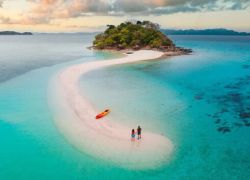
Marinduque is an island province located in the Mimaropa region of the Philippines, known for its unique cultural heritage, scenic landscapes, and tranquil atmosphere. Nestled between Luzon and the Visayan Islands, Marinduque is famous for its beautiful beaches, mountains, and historic landmarks. It is an excellent destination for tourists who are looking to escape the hustle and bustle of urban life while experiencing authentic Filipino culture and natural beauty. The province is also known for being the home of the annual Moriones Festival, one of the most popular and colorful festivals in the country. How to Reach Marinduque, Mimaropa, Philippines Marinduque is accessible by both land and sea, with multiple options for travelers coming from Metro Manila or other parts of Luzon. The easiest and most convenient way to get to Marinduque is by ferry. Ferries to the island are available from Lucena Port in Quezon Province. The ferry ride from Lucena to the island’s main port, Balanacan, typically takes around 2 to 3 hours. There are also other ports that serve ferry routes to Marinduque, such as the one in Batangas City, which offers a longer ferry ride to the island. If you prefer to fly, there are limited flights to Marinduque. The island is served by Marinduque Airport in Gasan, which is the main gateway for domestic flights. You can book a flight from Manila to Marinduque through small local airlines. While air travel is available, it is generally less frequent than ferry travel. Weather at Marinduque, Mimaropa, Philippines The climate in Marinduque is tropical, with distinct wet and dry seasons. The dry season typically lasts from December to May, with warm and sunny weather, making it the ideal time to visit. During this period, the weather is perfect for outdoor activities like swimming, hiking, and sightseeing, as the island enjoys clear skies and calm seas. On the other hand, the rainy season in Marinduque usually begins in June and lasts until November. Heavy rains and occasional typhoons can affect travel plans, so it's important to check weather conditions before visiting during this time. If you're looking for a quieter and less crowded experience, the rainy season might be a good time to visit, though you should be prepared for unpredictable weather. Why Marinduque, Mimaropa, Philippines is Famous Marinduque is famous for several reasons, one of the most prominent being its annual Moriones Festival, which takes place during Holy Week. The Moriones Festival is a colorful and dramatic re-enactment of the story of Longinus, a Roman soldier who was converted to Christianity after witnessing the crucifixion of Jesus Christ. The festival is marked by locals dressing up in elaborate Roman soldier costumes, with painted faces, and parading through the streets. This festival has become a major cultural event that attracts both local and international tourists. In addition to the Moriones Festival, Marinduque is known for its natural beauty. The island is home to pristine beaches, such as the famous Poctoy White Beach, as well as scenic spots like the Malbog Hot Springs, the town of Boac with its historic cathedral, and the Marinduque Provincial Capitol, which offers a glimpse of Spanish colonial-era architecture. The island's laid-back atmosphere and relatively uncrowded tourism scene make it a great destination for those who want to explore an authentic Filipino province. Entry and Visit Details About Marinduque, Mimaropa, Philippines Marinduque is open to tourists year-round, though the best time to visit is during the dry season, from December to May. During this period, the weather is more predictable, and you’ll have a better chance of enjoying outdoor activities. However, the peak tourist season in Marinduque coincides with the Moriones Festival, which usually takes place in the week leading up to Easter. If you want to experience the festival, plan your trip well in advance as accommodations can get fully booked during this time. While Marinduque is still relatively off the beaten path compared to other tourist hotspots in the Philippines, there are a variety of accommodations available, from budget-friendly inns to mid-range hotels and beach resorts. Most of the accommodations are located in Boac, the provincial capital, and Gasan, a town known for its proximity to the island's natural attractions. History and Architecture of Marinduque, Mimaropa, Philippines Marinduque’s history dates back to pre-colonial times when it was inhabited by various indigenous groups. The island became part of the Spanish colonial empire in the 16th century, and Spanish influence is still visible in the architecture and culture of the island today. Some of the notable Spanish-era structures on the island include the Boac Cathedral, a historical landmark built in the 1700s, and the Marinduque Provincial Capitol, which exhibits colonial-era architectural design. Marinduque also played a significant role in the Philippine Revolution, with local residents actively participating in the struggle for independence from Spanish rule. The island’s history is deeply intertwined with the cultural traditions of its people, and many of these traditions are still preserved today, including local rituals, festivals, and the unique Mangyan culture. Things to Do in Marinduque, Mimaropa, Philippines Marinduque offers a range of activities for all types of travelers. Whether you are a history buff, an adventure seeker, or simply someone looking to relax, there is something for everyone in this charming province. Some of the top things to do in Marinduque include: Moriones Festival: The highlight of Marinduque’s cultural calendar, the Moriones Festival, is a must-see event for visitors who want to experience the island’s rich history and vibrant traditions. Visit Poctoy White Beach: Poctoy Beach is one of the most popular beach destinations in Marinduque, known for its fine white sand and crystal-clear waters. It’s perfect for swimming, picnicking, or simply relaxing by the sea. Explore Malbog Hot Springs: A visit to Malbog Hot Springs in the town of Gasan is a great way to unwind and relax. The warm, sulfuric waters are said to have therapeutic properties. Hike Mount Malindig: For nature lovers, a hike to the summit of Mount Malindig offers stunning views of the island and the surrounding seas. The mountain is a popular destination for eco-tourism and adventure activities. Tour Boac Cathedral: The Boac Cathedral is a historical and architectural gem, offering visitors a glimpse into the Spanish colonial era and the island’s religious heritage. Interesting Facts About Marinduque, Mimaropa, Philippines Marinduque is known as the "Heart of the Philippines" because of its location at the center of the Philippine archipelago. The island is home to the Tamaraw, an endangered species of buffalo found only in the Philippines. Marinduque is one of the few provinces in the Philippines that still practices traditional Filipino "balanghai" boat-making techniques. The Moriones Festival is not only a cultural celebration but also a religious pilgrimage for many locals who perform penance during the festival. Tips for Visiting Marinduque, Mimaropa, Philippines Plan Ahead: If you are visiting during the Moriones Festival, book your accommodations early to avoid the rush during this busy period. Bring Cash: While there are ATMs in larger towns like Boac, it's a good idea to bring cash, especially if you are traveling to more remote areas where ATMs may not be available. Respect Local Customs: When visiting indigenous communities or attending religious festivals, be mindful of local customs and practices. Ask permission before taking photos of people or sacred sites. Wear Comfortable Clothing: The weather can get hot, especially during the dry season, so bring light clothing, sunscreen, and plenty of water for outdoor activities. Check Weather Conditions: If you're traveling during the rainy season, be sure to check the weather forecast, as heavy rains and storms can disrupt travel plans.
Explore More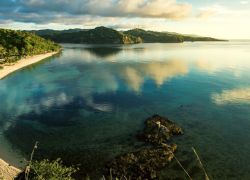
Romblon is a stunning island province located in the Mimaropa region of the Philippines. It is known for its pristine beaches, crystal-clear waters, lush forests, and rich cultural heritage. Romblon is composed of several islands, with the main island being Romblon Island, and other popular ones like Tablas and Sibuyan. This province remains relatively unexplored compared to other Philippine destinations, offering visitors an authentic experience of nature and Filipino culture. The island is also famous for its marble production, with Romblon marble being one of the highest-quality materials in the country. How to Reach Romblon, Mimaropa, Philippines Reaching Romblon from Manila or other parts of the Philippines requires a combination of air and sea travel. The most common route is via ferry, which connects the province to neighboring regions. Ferries operate between Batangas Port in Luzon and Romblon’s main port, the Odiongan Port in Tablas Island. The ferry ride usually takes around 6 to 8 hours, depending on the weather and sea conditions. If you prefer flying, there are flights from Manila to Tablas Airport, the primary airport serving the province. The flight takes about 1.5 hours. From the airport, you can take a tricycle or jeepney to the different towns or resorts on the island. For visitors coming from Mindoro or other nearby islands, smaller boats and ferries are also available to reach Romblon. Weather at Romblon, Mimaropa, Philippines Romblon experiences a tropical climate, with distinct wet and dry seasons. The dry season generally runs from December to May, with the peak tourist season falling between December and April. During this period, the weather is warm and sunny, making it ideal for outdoor activities like beach outings, snorkeling, and island hopping. The rainy season in Romblon begins in June and lasts until November, with the heaviest rainfall occurring from July to September. If you plan to visit during this time, be prepared for unpredictable weather, including occasional typhoons. While the wet season brings lush greenery and a serene atmosphere, it might limit some outdoor activities. Why Romblon, Mimaropa, Philippines is Famous Romblon is famous for its marble, often referred to as “the marble capital of the Philippines.” The island’s marble is known for its fine texture and white color, and it has been used in numerous buildings and monuments both locally and abroad. The island also has a rich cultural heritage, with various indigenous and Spanish influences seen in its architecture, festivals, and traditions. Besides its marble, Romblon is known for its beautiful beaches, clear waters, and a variety of outdoor activities. The island is a perfect destination for eco-tourism and is home to several unspoiled natural attractions like the Cobrador Island, known for its pristine beaches and snorkeling spots, and the breathtaking Sibuyan Island, often referred to as the "Galapagos of Asia" due to its diverse wildlife and untouched beauty. Entry and Visit Details About Romblon, Mimaropa, Philippines Romblon is open to visitors year-round. However, the best time to visit is during the dry season from December to May when the weather is favorable for beach activities and sightseeing. The province has a relatively less crowded atmosphere, so it offers a peaceful getaway for those looking to enjoy the natural beauty of the Philippines without the usual crowds. When traveling to Romblon, it’s essential to plan ahead, especially if you are traveling during the peak tourist season or the rainy season. Public transportation on the islands is limited, but you can easily hire a private vehicle or take a tricycle for local transport. Most accommodations in Romblon offer simple yet comfortable amenities, and you can find resorts and hotels catering to different budget ranges. History and Architecture of Romblon, Mimaropa, Philippines Romblon’s history is deeply rooted in its indigenous cultures and the Spanish colonial period. The island was first settled by the Tagalogs, and later, during the Spanish period, it became an important trading post. The Spanish introduced Christianity, and today, the island has several centuries-old churches, including the St. Joseph Cathedral in the town of Romblon, which features a combination of Spanish and local architecture. Romblon is also famous for its marble production, which has been a significant industry for the island since the 18th century. Marble quarries can be found across the island, and the marble products are exported to various countries around the world. The marble industry has contributed significantly to Romblon’s economy, providing both income and employment to the locals. Things to Do in Romblon, Mimaropa, Philippines Romblon offers a variety of activities that allow you to experience the best of the island’s nature, culture, and history. Here are some of the top things to do in Romblon: Visit Cobrador Island: A short boat ride from Romblon Island, Cobrador is known for its white-sand beaches, clear blue waters, and excellent snorkeling spots. It’s an ideal place to enjoy a peaceful day by the sea. Explore Sibuyan Island: Known as the “Galapagos of Asia,” Sibuyan is home to a rich variety of flora and fauna. Visitors can enjoy hiking, bird watching, and exploring the island’s dense forests and pristine rivers. Marvel at Romblon Marble: A visit to the marble quarries is a must for anyone interested in the island’s famous marble industry. You can see how marble is extracted from the island’s hills and purchase locally made marble products. Snorkeling and Scuba Diving: Romblon is home to diverse marine life, including vibrant coral reefs and fish species. You can go snorkeling or scuba diving around the islands of Cobrador, Sibuyan, and other areas to experience the underwater beauty. Visit Historical Churches: The St. Joseph Cathedral in Romblon town is a must-visit for history buffs. The church is a testament to the island’s Spanish colonial past and showcases beautiful architecture and historical artifacts. Interesting Facts About Romblon, Mimaropa, Philippines Romblon is known as the “Marble Capital of the Philippines,” and the island produces some of the finest marble in the world. The province has a rich biodiversity and is home to a number of endemic species, making it a popular destination for eco-tourism. Romblon’s pristine beaches, including those on Cobrador Island, have been recognized as some of the most beautiful in the Philippines. The name "Romblon" is derived from the word “rumbuan,” which means “a place of meeting,” a reference to the island’s role as a trade center in early Philippine history. The Moriones Festival, held during Holy Week, is a major cultural event celebrated in Romblon, featuring colorful processions, costumes, and religious activities. Tips for Visiting Romblon, Mimaropa, Philippines Bring Cash: While there are ATMs on the main island, some remote areas may not have access to banking services. It’s advisable to carry enough cash for your trip. Pack Light: Travel to Romblon can involve ferries and boat rides, so packing light is a good idea. Make sure to bring sunscreen, swimwear, and comfortable shoes for exploring. Plan for Transportation: Public transportation is limited, so it’s recommended to rent a vehicle or hire a tricycle for local travel to get around the island. Respect Local Culture: Romblon has a tight-knit community, and visitors should always be respectful of local customs and traditions. Always ask for permission before taking photos of people, especially in remote areas. Check the Weather: If you’re visiting during the rainy season, it’s a good idea to check the weather forecast as storms can sometimes delay ferry schedules or outdoor activities.
Explore More
Palawan is often referred to as the "last frontier" of the Philippines due to its unspoiled natural beauty, diverse wildlife, and pristine landscapes. It is the largest province in the Mimaropa region, and consists of the Palawan Island and its numerous smaller islands. Known for its turquoise waters, white sandy beaches, and lush jungles, Palawan is a haven for nature lovers, adventure seekers, and anyone in search of a tranquil escape. In addition to its stunning natural scenery, Palawan is also a UNESCO World Heritage Site, with its famous Underground River and Tubbataha Reefs Natural Park being recognized for their ecological significance. How to Reach Palawan, Mimaropa, Philippines Getting to Palawan is relatively easy, with several options available. The most common way to reach the island is by flying. Puerto Princesa, the capital city of Palawan, has an international airport with direct flights from Manila, Cebu, and other major cities in the Philippines. The flight from Manila to Puerto Princesa takes around 1.5 hours. Once you arrive in Puerto Princesa, you can easily travel to other parts of the island, such as El Nido, Coron, and Port Barton, via local buses, private vans, or boats. If you’re coming from other parts of the Philippines, you can also take a ferry to Palawan from Manila or other nearby islands. The ferry ride typically takes around 24 hours, but it can be a scenic and affordable way to travel. If you prefer a faster route, flights are the most efficient option. Weather in Palawan Palawan enjoys a tropical climate, with distinct wet and dry seasons. The dry season lasts from November to April, which is the best time to visit Palawan for outdoor activities like island hopping, snorkeling, and diving. During the dry season, you can expect sunny weather with minimal rain, making it ideal for exploring the island’s beaches and natural parks. The wet season in Palawan starts in May and ends in October. This period is characterized by frequent rainfall, especially during the months of June to September. While the island is still beautiful during the wet season, heavy rains may limit some outdoor activities, particularly in remote areas. It is also the time for occasional typhoons, so travelers should check weather forecasts and plan their visit accordingly. Why Palawan, Mimaropa, Philippines is Famous Palawan has gained international recognition for its stunning natural beauty, making it one of the most popular travel destinations in the Philippines and Southeast Asia. The island is famous for its: Underground River: The Puerto Princesa Subterranean River National Park, known for its 8.2-kilometer underground river, is a UNESCO World Heritage Site. It is one of the longest navigable underground rivers in the world and a must-see attraction for visitors. Beaches and Islands: Palawan is home to some of the most beautiful beaches in the world, such as El Nido, with its limestone cliffs, crystal-clear waters, and vibrant coral reefs. Other notable spots include the pristine beaches of Coron, the secluded shores of Port Barton, and the idyllic beaches of Balabac. Tubbataha Reefs: Tubbataha Reefs Natural Park, a UNESCO World Heritage Site, is known for its exceptional marine biodiversity, attracting divers from around the world. Wildlife and Eco-tourism: Palawan is home to a wide variety of endemic species, including the Philippine tarsier, Palawan bearcat, and various species of birds and reptiles. The island is also known for its eco-tourism efforts, with many resorts and tour operators promoting sustainable travel and conservation. Entry and Visit Details About Palawan, Mimaropa, Philippines Palawan welcomes tourists year-round, but the best time to visit is during the dry season, from November to April. During this time, the weather is perfect for exploring the island’s beaches, hiking trails, and outdoor activities. It’s important to book your accommodations and activities in advance, especially if you plan to visit popular areas like El Nido and Coron, as they can get crowded during peak season. When visiting Palawan, travelers should be prepared for a range of transportation options, depending on where you want to go. Public buses, private vans, and boats are the most common modes of transportation for exploring the island. You can easily hire a tricycle or jeepney for short trips around towns and cities. Some of the more remote areas, such as the islands around El Nido or Coron, can only be accessed by boat. There are also several local tour operators who can arrange island hopping trips, snorkeling, and diving excursions. History and Architecture of Palawan, Mimaropa, Philippines Palawan’s history is rich and diverse, influenced by its indigenous people, Spanish colonization, and World War II. The island was originally inhabited by various indigenous groups, including the Tagbanua, Palaw’an, and Batak tribes, who have lived on the island for thousands of years. These tribes have their own distinct culture, language, and customs that are still preserved today. During the Spanish colonial era, Palawan became an important outpost for the Spanish empire. The Spaniards built several forts and churches, including the Immaculate Conception Cathedral in Puerto Princesa. The island was later involved in World War II, and several historical sites, such as the Maoyon Cave and the Japanese tunnels in Puerto Princesa, are reminders of this turbulent period. Things to Do in Palawan, Mimaropa, Philippines Palawan offers a wide variety of activities for all types of travelers. Whether you’re an adventure enthusiast, a nature lover, or someone looking to relax on the beach, there’s something for everyone in this tropical paradise: Island Hopping: One of the best ways to explore Palawan is by hopping from island to island. Popular destinations include El Nido, Coron, and the Calamian Islands, where you can visit hidden lagoons, sandy beaches, and vibrant coral reefs. Snorkeling and Scuba Diving: Palawan is a diver’s paradise, with world-class diving spots like Tubbataha Reefs, Coron Bay, and the Apo Reef Natural Park. Whether you’re a beginner or an experienced diver, you’ll find plenty of opportunities to explore the underwater world. Visit the Underground River: Take a boat ride through the Puerto Princesa Underground River, one of the New7Wonders of Nature. The river winds its way through a cave system with impressive stalactites and stalagmites formations. Explore the Beaches: Relax on some of the world’s most beautiful beaches, such as Nacpan Beach in El Nido, Long Beach in San Vicente, and the remote beaches of Coron and Port Barton. Hiking and Nature Treks: For those who enjoy hiking, Palawan offers a range of treks that take you through tropical jungles, lush forests, and up to panoramic viewpoints. The trek to Mount Tapyas in Coron offers stunning views of the surrounding islands. Interesting Facts About Palawan, Mimaropa, Philippines Palawan is often ranked as the best island in the world due to its pristine natural beauty and abundant biodiversity. The Puerto Princesa Subterranean River is one of the longest underground rivers in the world and is one of the New7Wonders of Nature. Palawan has a wide range of endemic species, including the Philippine crocodile, the Palawan bearcat, and the Palawan peacock-pheasant. The island’s population is relatively small, and much of its land is protected as national parks or wildlife sanctuaries. Tips for Visiting Palawan, Mimaropa, Philippines Book in Advance: Due to its popularity, especially during the peak season (December to April), it’s best to book your accommodations and tours in advance to avoid any hassles. Respect the Environment: Palawan is known for its eco-tourism efforts, so make sure to follow responsible travel practices. Avoid littering, respect wildlife, and use reef-safe sunscreen to protect the environment. Pack for Outdoor Activities: Palawan’s outdoor adventures require comfortable shoes, swimwear, sunscreen, and insect repellent. Don’t forget a waterproof camera or a GoPro to capture the beauty of the beaches and underwater sights. Local Cuisine: Don’t miss out on tasting local dishes like “tamilok” (woodworms), fresh seafood, and the famous “lato” (seaweed salad) in Palawan.
Explore More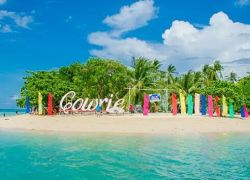
Honda Bay is a sheltered bay located east of Puerto Princesa City in Palawan, Philippines. Renowned for its calm turquoise waters, white-sand islets, and thriving coral gardens, Honda Bay is a favourite for day-trippers and family outings. The bay features several small islands—each with its own character—that are commonly visited through organized island-hopping tours. Popular stops include Cowrie Island, Starfish Island, Luli Island, and Pandan Island, offering a mix of shallow snorkeling spots, powdery beaches, and tranquil picnic areas. The bay’s accessibility from Puerto Princesa makes it one of the most visited marine attractions on Palawan’s mainland. How to reach Honda Bay Honda Bay is easily reachable from Puerto Princesa city center. The usual route is by road to the Honda Bay Wharf or private docks, followed by a short boat ride to the islands. From Puerto Princesa city center (e.g., near the airport or Rizal Avenue), travel time by vehicle is approximately 20 to 30 minutes depending on traffic. Visitors can use a tricycle, taxi, or private car. Many hotels and tour operators include pick-up and drop-off in their Honda Bay packages. Boat transfers from the wharf to the islands typically take between 10 and 30 minutes per leg, depending on the island chosen and sea conditions. Tours are available through local operators, hotels, or at the Puerto Princesa tourism offices; private boat hires are also common if you prefer a customized itinerary. Weather Honda Bay enjoys a tropical maritime climate. The most pleasant months are from November to May, when the weather is generally dry, seas are calmer, and visibility for snorkeling is better. The wet season runs roughly from June to October, which can bring stronger winds, occasional heavy rain, and choppier seas; this may affect boat schedules and water visibility. Always check the short-term weather forecast before planning your trip, and ask your boat operator about sea conditions on the day of travel. Mornings are usually calmer, making early departures ideal for island hopping and snorkeling. Timing Typical Honda Bay island-hopping tours run half-day or full-day. Half-day tours usually depart in the morning (around 8:00–9:00 AM) and return by early afternoon. Full-day tours allow for a more relaxed pace, extra time on islands, and often include a picnic lunch. If you prefer quieter beaches and better snorkeling, aim for the earliest boat schedules. Visitors who want to avoid crowds should also consider weekday departures outside of Filipino holiday periods. Why Honda Bay is famous Honda Bay’s fame comes from its combination of accessibility, safe swimming conditions, and a cluster of attractive islands each suited to different activities. It’s an easy and rewarding marine escape for families and casual snorkelers who want to enjoy clear shallow reefs without traveling to remote islands. The picturesque shores and shallow coral gardens make it especially popular for first-time snorkelers and those on short itineraries from Puerto Princesa. Entry and visit details Visitors to Honda Bay should be prepared for the following common entry and visit details: Park/municipal fees: Some islands or docking areas may charge a small environmental or docking fee—confirm current rates with your operator. Fees help fund conservation and local maintenance. Boat rental and tour packages: Prices vary depending on inclusions (equipment, lunch, pick-up). Commonly, a group boat rental is more cost-effective for 4–6 people, while solo travelers can join shared tours. Safety measures: Life vests are usually provided on boats and should be worn, especially for non-swimmers. Bring sunscreen, a hat, drinking water, and waterproof bags for valuables. Responsible tourism: Avoid touching corals or feeding wildlife. Use reef-safe sunscreen when possible and follow guidance from guides to protect the marine environment. History & architecture Honda Bay’s history is mostly maritime and local rather than architectural—its significance lies in coastal livelihoods, fishing communities, and, more recently, its role in tourism. Historically, people from nearby coastal villages relied on the bay’s rich fisheries for sustenance and trade. There are no grand colonial structures on the islands themselves; instead, you’ll find simple, functional structures used for docking, shade, and local vendors’ stalls. Over the last few decades, modest eco-friendly facilities such as bamboo huts and picnic areas have been introduced to accommodate visitors while attempting to retain the islands’ natural feel. Conservation efforts and local regulations increasingly shape how the bay is accessed and managed. Things to do Honda Bay offers many activities suited to different interests and energy levels. Popular things to do include: Island hopping: Visit multiple islands in one trip—Cowrie, Starfish, and Luli are common choices. Snorkeling: Explore shallow coral gardens teeming with tropical fish. Many tours provide masks, snorkels, and fins. Swimming and sunbathing: Relax on powdery white sands and swim in calm, clear water. Picnicking: Most tours include or allow you to bring a picnic. Fresh seafood from local vendors is often available. Photography: Capture scenic bay vistas, marine life, and idyllic island panoramas. Facts • Honda Bay is only a short drive from Puerto Princesa city center, making it one of the most accessible marine attractions in Palawan. • The bay consists of several small islets; some are privately managed while others are community-run. • The calm, shallow waters are well-suited for families and beginner snorkelers. Tips To make the most of your Honda Bay visit, consider these practical tips: Book a reputable operator: Choose licensed tour operators and confirm inclusions (gear, lunch, fees) before departure. Go early: Morning departures usually have calmer seas and clearer water for snorkeling. Bring cash: Small islands often accept only cash for fees, rentals, or snacks. Protect the reef: Use biodegradable or reef-safe sunscreen and avoid stepping on corals. Pack light and waterproof: Bring a towel, light change of clothes, sun protection, and a waterproof pouch for electronics. Respect local rules: Follow instructions from guides, dispose of trash properly, and be mindful of wildlife. Final note: Honda Bay remains an easy, family-friendly introduction to Palawan’s marine beauty. While it is busier than remote island groups like El Nido or Coron, its proximity to Puerto Princesa and variety of short-island options make it an ideal choice for travelers with limited time who still want a memorable seaside experience.
Explore More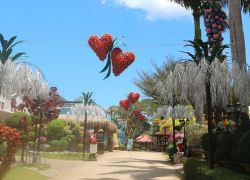
Baker’s Hill in Puerto Princesa, Palawan is one of the city’s most charming and family-friendly tourist destinations. What began as a small local bakery has transformed into a beautiful park filled with gardens, sculptures, and colorful attractions. Located on top of a small hill in Barangay Sta. Monica, it offers visitors not only delicious baked treats but also a peaceful environment surrounded by nature and art. The site overlooks Honda Bay and provides scenic views of Puerto Princesa’s landscape, making it a favorite stop for both locals and tourists. How to Reach Baker’s Hill Baker’s Hill is about 20–30 minutes from the city center of Puerto Princesa, easily accessible by tricycle, taxi, or private vehicle. Many local tour packages include it as part of the Puerto Princesa City Tour. Visitors coming from the airport can reach the site by taking a short drive of around 8 kilometers. The road leading to Sta. Monica is well-maintained, and public transport options like jeepneys or vans are also available. The route is straightforward, and there are signboards pointing towards Baker’s Hill, making navigation convenient for first-time travelers. Weather in Baker’s Hill Puerto Princesa has a tropical climate, with warm and sunny weather most of the year. The best time to visit Baker’s Hill is during the dry season, which runs from November to May. Temperatures typically range between 25°C and 32°C, perfect for outdoor walks and photography. During the rainy months of June to October, occasional showers may occur, but the park remains open. Visitors are encouraged to bring umbrellas or hats for sun protection and light clothing for comfort. Early mornings and late afternoons are cooler and ideal for exploring the park’s gardens. Timing Baker’s Hill is open daily from 8:00 AM to 8:00 PM. Mornings are best for sightseeing and photography, while evenings offer a relaxing ambiance with cooler air and beautiful lights illuminating the gardens. The attraction tends to be more crowded during weekends and holidays, so weekday visits are recommended for a quieter experience. Visiting around sunset is also a great idea, as it provides stunning views of the surrounding hills and the city below. Why Famous for Baker’s Hill, Puerto Princesa Baker’s Hill is famous for its combination of delicious pastries and artistic gardens. It started as a bakery known for its mouthwatering hopia and other Filipino treats but soon became a unique tourist spot that blends food, art, and leisure. The site features whimsical decorations, statues of famous cartoon characters, and themed gardens that appeal to all ages. Locals and tourists alike come to enjoy its baked goods, take photos, and relax in a peaceful setting. The hill’s elevated position also offers panoramic views of Honda Bay, adding to its appeal as a scenic and enjoyable stop in Puerto Princesa. Entry and Visit Details about Baker’s Hill, Puerto Princesa Entrance to Baker’s Hill is free of charge, making it one of the most accessible and budget-friendly attractions in Puerto Princesa. Upon entering, visitors are greeted by colorful sculptures, blooming gardens, and well-kept paths. The park includes several food stalls, restaurants, and the main bakery where visitors can purchase fresh pastries and snacks. Seating areas, shaded spots, and restrooms are available throughout the property, ensuring comfort for families and groups. Souvenir shops also sell locally made crafts, keychains, and delicacies that visitors can take home as gifts or keepsakes. History and Architecture Baker’s Hill began as a private property owned by a local businessman with a passion for baking. It initially served as a small family bakery selling traditional Filipino bread and pastries. As its popularity grew, the owner decided to open the property to the public, adding landscaped gardens, fountains, and themed sculptures. The architecture combines modern Filipino design with playful and artistic elements. The main bakery building features wood and glass accents, creating a warm, welcoming ambiance. Throughout the park, visitors can see gazebos, mini-castles, and unique structures designed to inspire creativity and relaxation. Things to Do at Baker’s Hill Baker’s Hill offers a wide range of enjoyable activities for visitors of all ages: Enjoy Baked Delicacies: Sample their famous hopia, ensaymada, crinkles, and ube bread fresh from the oven. Explore the Gardens: Wander through beautifully landscaped gardens filled with vibrant flowers and ornamental plants. Photography: Take pictures with life-sized statues of cartoon and movie characters like Shrek, Marilyn Monroe, and Mickey Mouse. Dine with a View: Visit the on-site restaurant for local and international cuisine while enjoying a panoramic view of the bay. Buy Souvenirs: Browse the gift shops for pastries, keychains, shirts, and local crafts. Relaxation: Sit under shaded gazebos or on benches while enjoying the calm breeze and scenic surroundings. Facts about Baker’s Hill Baker’s Hill is a top stop in almost every Puerto Princesa City Tour itinerary. The hill offers one of the best panoramic views of Honda Bay. It started as a small bakery but evolved into a major local attraction. Visitors can enjoy free entry, making it a popular choice for families and budget travelers. The park changes its decorations seasonally, with special themes during Christmas and festivals. Tips for Visiting Baker’s Hill Visit early morning or late afternoon to enjoy cooler weather and fewer crowds. Bring a camera for the many colorful photo opportunities around the park. Try the freshly baked hopia — it’s the most famous product of Baker’s Hill. Wear comfortable shoes for walking around the gardens and viewing decks. Respect the park’s cleanliness — do not litter or damage the decorations. Spend at least an hour to fully explore the gardens and enjoy the food stalls. In summary, Baker’s Hill in Puerto Princesa is more than just a bakery — it’s a destination that celebrates the beauty of nature, creativity, and Filipino hospitality. Whether you come to taste its famous pastries, take photos, or simply unwind, Baker’s Hill offers a joyful experience for every visitor. With its mix of scenic views, family-friendly attractions, and flavorful delights, it has become a must-visit stop that perfectly captures the warm and colorful spirit of Palawan.
Explore More
Cleopatra’s Needle is one of the most remarkable natural landmarks in Puerto Princesa, Palawan. Rising approximately 1,593 meters above sea level, it is the second-highest peak in the province, after Mount Mantalingahan. The name “Cleopatra’s Needle” was inspired by the mountain’s sharp, obelisk-like peak, which resembles the ancient Egyptian monument. This majestic mountain is located within the Cleopatra’s Needle Critical Habitat—a vast area of over 40,000 hectares that serves as a sanctuary for Palawan’s diverse wildlife, pristine forests, and indigenous communities. It is a destination that offers breathtaking scenery, rich biodiversity, and a true sense of adventure for eco-tourists and trekkers. How to Reach Cleopatra’s Needle Cleopatra’s Needle is located about 40 kilometers north of Puerto Princesa City. The most common route starts from Barangay Concepcion, where trekkers begin their journey into the rainforest. From the city center, travelers can take a van, jeepney, or motorbike to reach the jump-off point, which takes roughly 1.5 to 2 hours. Once there, a guided trek is essential, as the hike to the summit typically takes two to three days, depending on the trail and weather conditions. Local tour guides and porters are available to assist visitors, ensuring safety and proper navigation through the dense forest. It’s highly recommended to coordinate with local authorities or tour operators before starting the climb, as the mountain is within a protected area that requires prior permission for entry. Weather in Cleopatra’s Needle The weather around Cleopatra’s Needle is tropical and humid year-round, with cooler temperatures at higher elevations. The best time to visit is during the dry season from November to May, when the trails are less slippery and visibility is better for enjoying scenic views. Temperatures in the lowlands average around 28°C to 32°C, while summit temperatures can drop to 18°C or lower, especially during early mornings and late evenings. The rainy season, from June to October, brings heavy downpours that can make trails muddy and river crossings challenging. Visitors should check weather forecasts and avoid climbing during typhoon warnings or prolonged rain. Timing There are no strict operating hours for visiting Cleopatra’s Needle, but due to the nature of the hike, trips should begin early in the morning—usually between 5:00 AM and 7:00 AM. Climbers often spend one or two nights camping in designated areas before reaching the summit. Because the trek involves long hours of walking and river crossings, daytime hiking is preferred for safety. For shorter visits, guided eco-tours in the surrounding lowlands and forest areas are also available, allowing visitors to experience the region’s biodiversity without undertaking the full ascent. Why Famous for Cleopatra’s Needle, Puerto Princesa Cleopatra’s Needle is famous for its spectacular natural beauty, ecological significance, and challenging adventure trails. It stands as one of the most important biodiversity hotspots in Palawan and the entire Philippines. The area is home to hundreds of endemic species of flora and fauna, including the Palawan hornbill, Palawan peacock-pheasant, and Philippine pangolin. Its forests are among the oldest in the country, making it a living museum of natural history. The mountain also holds cultural importance as the ancestral domain of the Batak indigenous tribe, one of Palawan’s oldest ethnic groups. Adventure seekers are drawn to Cleopatra’s Needle not only for its environmental richness but also for the breathtaking view from its summit, where you can see the vast expanse of Palawan’s forests, coastlines, and even parts of the Sulu Sea on a clear day. Entry and Visit Details about Cleopatra’s Needle, Puerto Princesa Since Cleopatra’s Needle is part of a protected critical habitat, visitors are required to secure a permit from the Puerto Princesa City Environment and Natural Resources Office (City ENRO). Entry is typically allowed only with registered local guides who are familiar with the terrain and environmental regulations. There is usually a small environmental fee used for conservation and community development. Camping is permitted in designated areas along the trail, and visitors are expected to practice Leave No Trace principles. There are no commercial establishments within the mountain area, so trekkers must bring their own food, water, and camping gear. Guided eco-tours and short hikes in the buffer zones are also available for those who prefer less strenuous activities. History and Architecture Cleopatra’s Needle’s unique shape, resembling an ancient Egyptian obelisk, earned it its iconic name from early explorers and locals. Historically, the mountain has long been a sacred and significant site for the Batak tribe, who believe that the forests and rivers around it are home to ancestral spirits. In modern times, Cleopatra’s Needle gained national attention when it was declared a Critical Habitat in 2017 — the largest in the Philippines. This declaration aimed to protect its exceptional biodiversity, which includes more than 80 endemic species and numerous rare plants. While there is no man-made architecture on the mountain, the natural formation of its peak and surrounding landscapes creates an awe-inspiring “architectural masterpiece” of nature itself. Things to Do at Cleopatra’s Needle Cleopatra’s Needle is primarily known for eco-adventure and wildlife exploration. Here are some of the best things to do when visiting: Trekking and Climbing: Embark on a multi-day hiking adventure through dense rainforests, rivers, and mountain ridges. Camping: Spend a night under the stars at designated camping areas and enjoy the sounds of the forest. Wildlife Watching: Spot rare species of birds, reptiles, and mammals that are endemic to Palawan. River Trekking: Follow freshwater streams and waterfalls along the lower parts of the mountain. Cultural Interaction: Meet members of the Batak community and learn about their sustainable way of life and traditions. Photography: Capture the stunning views, from lush forests to panoramic vistas at the summit. Eco-Tours: Join guided tours focused on conservation education and local biodiversity awareness. Facts about Cleopatra’s Needle Cleopatra’s Needle stands at 1,593 meters above sea level, making it one of Palawan’s highest peaks. The mountain is estimated to be 35 million years old, older than most geological formations in the region. It is home to the indigenous Batak people, one of the oldest tribes in the Philippines. The area was declared a Critical Habitat in 2017 to ensure the protection of its diverse ecosystem. Over 80 endemic animal species have been recorded within its forest range. Tips for Visiting Cleopatra’s Needle Always book a certified guide before attempting the climb; solo treks are not allowed. Prepare physically — the trek is challenging and requires stamina and endurance. Bring appropriate gear such as hiking boots, rain protection, and camping essentials. Pack light but carry enough food, water, and first aid supplies for two to three days. Respect local customs and the sacred areas of the Batak tribe. Follow eco-tourism practices: avoid littering and minimize environmental impact. Check weather updates before your trip to ensure a safe hiking experience. In summary, Cleopatra’s Needle in Puerto Princesa is a hidden treasure of Palawan that embodies the spirit of adventure, nature, and cultural heritage. Its towering peak, ancient forests, and deep connection to the indigenous Batak people make it one of the most meaningful eco-tourism sites in the Philippines. Whether you’re a mountaineer, nature lover, or conservation enthusiast, a visit to Cleopatra’s Needle offers not just a physical journey but also a profound appreciation of the natural and cultural richness of Palawan.
Explore More
Nestled in the heart of the island province of Bohol in the Central Visayas region of the Philippines lies one of the country’s most iconic natural wonders: the Chocolate Hills. This extraordinary landscape, made up of more than a thousand grass-covered cone-shaped hills, stretches across an area of about 50 km². :contentReference[oaicite:2]{index=2} Covered in green grass during the wet months, these hills turn a shimmering chocolate brown during the dry season—hence the evocative name “Chocolate Hills”. :contentReference[oaicite:3]{index=3} How to Reach the Chocolate Hills To reach the Chocolate Hills, the usual entry point is the provincial capital of Tagbilaran City (or nearby Panglao Island). From Tagbilaran you can hire a private vehicle or join a guided countryside tour that takes you to the hills in the municipalities of Carmen, Batuan and Sagbayan. :contentReference[oaicite:9]{index=9} More specifically, the famous viewing complex known as the Chocolate Hills Complex in Carmen is about 55 km from Tagbilaran, requiring approximately 1.5–2 hours by car or van depending on road conditions. :contentReference[oaicite:11]{index=11} Once you arrive, you will often need to climb a set of stairs (for example, around 214 steps at the viewing deck in Carmen) to reach the panoramic viewpoint. :contentReference[oaicite:12]{index=12} Weather and Timing The climate in Bohol is tropical, with distinct dry and wet seasons. According to weather data near the Chocolate Hills region, average high temperatures range from around 86-92 °F (30-33 °C) and humidity remains high throughout the year. :contentReference[oaicite:13]{index=13} The best time to visit the Chocolate Hills is during the dry season, from December to May. During this period, rainfall is minimal and the hills turn their signature brown hue—especially from March to May. :contentReference[oaicite:14]{index=14} In contrast, the rainy season runs roughly from June to November. While the hills remain lush and vibrant green, travel may be affected by rainfall and cloud cover. :contentReference[oaicite:15]{index=15} For optimal light and fewer crowds, early morning (around 7 am–9 am) or late afternoon (around 4 pm–6 pm) visits are recommended. Sunrise and sunset views bring out rich shadows and textures across the landscape. :contentReference[oaicite:16]{index=16} Why Famous for Chocolate Hills, Bohol The Chocolate Hills are famous for several reasons. Firstly, their sheer number and uniformity: estimates suggest there are between 1,260 and as many as 1,776 individual hills spread across more than 50 square kilometres. :contentReference[oaicite:17]{index=17} Secondly, the unique seasonal colour transformation makes the site visually extraordinary—green in the wet months, turning chocolate-brown in the dry months, giving the landscape a “giant chocolate kiss” appearance that stands out in photographic and natural-wonder terms. :contentReference[oaicite:18]{index=18} Thirdly, the geological uniqueness: the hills are essentially a karst formation of uplifted marine limestone, shaped by erosion. Their conical shape, repetition, and uniformity are rare in the world, making them a geological curiosity as well as a tourist magnet. :contentReference[oaicite:19]{index=19} As a result, the Chocolate Hills have become an iconic symbol of Bohol’s natural heritage—featured on the provincial flag and seal—and are often listed among the must-see destinations in the Philippines. :contentReference[oaicite:20]{index=20} Entry and Visit Details When you arrive at the Chocolate Hills viewpoint area (for example, the Chocolate Hills Complex in Carmen), there is typically an entrance fee or environmental fee to support maintenance and amenities. Approximate fees reported are around ₱50-100 (Philippine pesos) per person. :contentReference[oaicite:21]{index=21} Opening hours may vary, but some sources list a general access window from about 6:00 AM to 6:00 PM or up to around 9:00 PM in some cases (though earlier departure is advisable to avoid dusk and dark). :contentReference[oaicite:22]{index=22} Facilities at the main viewpoint include parking, stair access to the viewing deck, souvenir shops, restrooms and sometimes a café. For a comfortable visit wear good walking shoes (for the stairs) and bring water, sunscreen and a hat. During rainy season, bring a light rain jacket as well. :contentReference[oaicite:23]{index=23} Note: While the hills themselves are visible from observation decks, tourists are generally **not permitted** to climb freely across the hills. This is to protect the fragile environment and ensure safety. :contentReference[oaicite:24]{index=24} History & Architecture (Geology) of Chocolate Hills The term “architecture” in the context of the Chocolate Hills refers not to built structures, but to their natural formation, structure and heritage status. Geologically speaking, the Chocolate Hills are composed of thin to medium-bedded, sandy to rubbly marine limestone that was uplifted during the Late Pliocene to Early Pleistocene era and then shaped into their present form by dissolution, rainfall, ground water and surface water erosion. :contentReference[oaicite:25]{index=25} These formations are identified as a type of “cockpit karst” terrain—limestone terrain that has been uplifted, fractured and eroded in a characteristic way. :contentReference[oaicite:26]{index=26} The area was officially declared a National Geological Monument of the Philippines on June 18, 1988, in recognition of its unique value and scenic importance. :contentReference[oaicite:27]{index=27} Local legends add cultural depth to the geological story. One legend tells of a young giant named Arogo who fell in love with a mortal woman; when she died he cried and his tears formed the hills. Another legend involves two giants hurling mud cakes at each other; their playful battle created the landscape. These stories draw tourists not only for natural spectacle but also for mythic charm. :contentReference[oaicite:28]{index=28} Things to Do at Chocolate Hills, Bohol When you visit the Chocolate Hills, here are some of the activities and experiences you should consider: Climb up the stairs at the Chocolate Hills Complex in Carmen and take in the sweeping 360-degree view across hundreds of hills. :contentReference[oaicite:29]{index=29} Visit the Chocolate Hills Adventure Park (CHAP) for more active experiences such as zip-lining, biking across wires high above the hills, walking trails and ATV rides. :contentReference[oaicite:31]{index=31} Go to the alternative viewpoint at Sagbayan Peak in Sagbayan for a quieter experience and panoramic views that may include both the hills and the sea off the coast. :contentReference[oaicite:32]{index=32} Enjoy photography—especially during early morning or late afternoon light—and capture the vast repetition of hills, the changing colours, and the interplay of light and shadow. :contentReference[oaicite:33]{index=33} Combine your visit with other nearby attractions in Bohol, such as the tiny primates at the Tarsier Sanctuary, a river cruise on the Loboc River, or beach time in Panglao Island. This makes for a full countryside/eco-tourism circuit. :contentReference[oaicite:34]{index=34} Facts and Tips about Chocolate Hills, Bohol Facts: Number of hills: Estimates range from at least 1,260 to as many as 1,776 individual mounds. :contentReference[oaicite:35]{index=35} Area covered: The hills span more than 50 square kilometres in the municipalities of Carmen, Batuan and Sagbayan. :contentReference[oaicite:36]{index=36} Height: Most hills range between 30 m to 50 m high, but the tallest can reach up to about 120 m. :contentReference[oaicite:37]{index=37} Seasonal transformation: During the dry season, the grass turns brown, giving the hills their “chocolate” colour; during the wet season they remain green. :contentReference[oaicite:38]{index=38} Protected status: Declared a National Geological Monument in 1988; proposed for inclusion in the UNESCO World Heritage list. :contentReference[oaicite:39]{index=39} Tips: Arrive early or late in the day—avoiding the midday heat and crowds—and you'll also get better photo light. :contentReference[oaicite:40]{index=40} Wear comfortable shoes for the climb up the stairs to the viewing deck; bring water, sun protection, and a hat. During wet season bring a rain jacket as weather can quickly change. :contentReference[oaicite:41]{index=41} Check the weather forecast: the dry season offers clearer skies; in the rainy season visibility may be reduced and there is greater chance of rain or storms. :contentReference[oaicite:42]{index=42} Cash may be required for entrance fees, food or souvenirs—many local facilities may not accept cards. :contentReference[oaicite:43]{index=43} Respect the natural environment: stay on designated paths, avoid littering, and follow any site rules. The hills are protected and fragile. :contentReference[oaicite:44]{index=44} If possible, include other nearby attractions in your itinerary for a richer experience of Bohol’s countryside. :contentReference[oaicite:45]{index=45} In summary, the Chocolate Hills of Bohol are a must-visit destination for anyone travelling to the Philippines. With their extraordinary landscape, unique geology, rich legends and visitor-friendly amenities, they offer a blend of natural wonder, culture and adventure. With good planning—choosing the right time, arriving at the right hour, wearing the right gear—you can experience this iconic vista in all its splendour.
Explore More
El Nido, located in the northern part of Palawan, is a tropical paradise known for its stunning natural beauty, crystal-clear waters, towering limestone cliffs, and diverse marine life. It is one of the most popular tourist destinations in the Philippines, offering visitors breathtaking landscapes, pristine beaches, and a wide range of outdoor activities. Whether you are looking for adventure, relaxation, or simply a chance to explore nature, El Nido provides the perfect escape. From island hopping tours to relaxing on white sand beaches, El Nido has something for everyone. How to Reach El Nido, Palawan El Nido is accessible by air, sea, and land. The most convenient way to get to El Nido is by flying directly from Manila to El Nido Airport (also known as Lio Airport), which is about 4-5 kilometers from the town center. The flight takes around 1.5 hours, and several airlines operate daily flights to El Nido from Manila. Alternatively, visitors can fly into Puerto Princesa, Palawan’s capital, which is about a 5-6 hour drive from El Nido. From Puerto Princesa, travelers can take a van or bus to El Nido. The land travel route offers picturesque views of Palawan’s countryside, making the journey a scenic experience in itself. For those looking to travel by sea, there are also ferry services that connect El Nido to Coron, another popular destination in Palawan. The ferry ride takes about 4-5 hours. Weather and Best Time to Visit El Nido has a tropical climate, with a distinct dry season from November to May and a wet season from June to October. The best time to visit El Nido is during the dry season, when the weather is sunny and perfect for outdoor activities like island hopping, snorkeling, and beach relaxation. The months of December to March offer the most pleasant weather with cool breezes, clear skies, and calm seas. The wet season brings heavy rains and occasional storms, especially from June to October. While El Nido remains beautiful throughout the year, it is advisable to visit during the dry season for optimal conditions, especially if you want to explore the islands by boat or participate in water activities. Opening Hours and Timing El Nido is a year-round destination, and most tourist activities are available throughout the year. Island hopping tours, the most popular activity in El Nido, usually start early in the morning around 8:00 AM and end in the afternoon around 4:00 PM. The timing may vary depending on the tour operator and weather conditions. It’s advisable to book island hopping tours in advance, especially during peak seasons. The best time to enjoy El Nido’s beauty is during the early morning and late afternoon when the weather is cooler, and the lighting is perfect for photography. Why El Nido, Palawan, is Famous El Nido is famous for its stunning natural landscapes, crystal-clear lagoons, towering limestone cliffs, and some of the most beautiful beaches in the Philippines. The area is home to the UNESCO-listed Tubbataha Reefs Natural Park, which is considered one of the best dive sites in the world. El Nido is also known for its numerous islands and secluded beaches, many of which are only accessible by boat. Its popularity has grown exponentially in recent years due to its dramatic scenery, unique rock formations, and diverse marine life. The El Nido island-hopping tours are especially famous, taking visitors to hidden lagoons, beaches, and caves, offering a truly once-in-a-lifetime experience. El Nido is also well known for its eco-friendly tourism practices, promoting sustainable travel and protecting its pristine ecosystems. Entry and Visit Details There is no entrance fee to visit El Nido itself, but some of the individual islands, beaches, and attractions require a fee for access. Most popular activities in El Nido, such as island hopping, snorkeling, and diving, can be arranged through local tour operators. A typical island hopping tour costs around PHP 1,200 to PHP 2,000 per person, depending on the tour package and duration. The most common activities in El Nido are the island hopping tours, which are divided into different packages. Tour A, B, C, and D offer different routes and island destinations, such as Small Lagoon, Big Lagoon, Secret Beach, and Shimizu Island. Each tour lasts around 4-6 hours and includes stops for swimming, snorkeling, and exploring beautiful lagoons and beaches. Visitors can also rent motorized boats for private tours, which is an ideal option for those looking for a more personalized experience. In addition to water activities, visitors can also explore the town of El Nido, where there are plenty of restaurants, shops, and accommodations to choose from. History and Architecture of El Nido The history of El Nido dates back to its early settlement by indigenous people, including the Tagbanua and Cuyunon tribes, who lived off the land and sea. It wasn’t until the 1980s that El Nido began to emerge as a tourist destination, thanks to its natural beauty and proximity to the Tubbataha Reefs. Over the years, tourism has flourished, and El Nido has become a major hotspot in Palawan. Architecturally, El Nido has maintained a laid-back, rustic charm, with most buildings being low-rise, simple structures made from local materials. The town center features small shops, guesthouses, and restaurants, while the main attractions are the natural landscapes and beaches. Efforts have been made to preserve the environment by promoting eco-friendly tourism practices, keeping the area’s pristine charm intact. Things to Do in El Nido, Palawan • Island Hopping: Explore the stunning lagoons, beaches, and caves of El Nido by boat. • Snorkeling: Discover the vibrant coral reefs and abundant marine life in El Nido’s crystal-clear waters. • Diving: El Nido offers some of the best dive sites in the Philippines, with numerous dive shops offering tours. • Visit Hidden Beaches: Enjoy the solitude and beauty of secluded beaches such as Secret Beach and Hidden Beach. • Kayaking and Paddleboarding: Explore the lagoons and coastline from the water in a kayak or on a paddleboard. • Trekking: Hike up the Taraw Cliff for panoramic views of El Nido and its surrounding islands. Facts about El Nido, Palawan • El Nido is home to over 50 islands and islets, with some of the most beautiful beaches and lagoons in the world. • The Tubbataha Reefs Natural Park, located nearby, is a UNESCO World Heritage Site and one of the best dive spots globally. • El Nido is also known for its impressive limestone cliffs and diverse wildlife, including various bird species, sea turtles, and coral reefs. • El Nido has several eco-resorts and accommodations that emphasize sustainable tourism practices to protect its natural environment. • The town of El Nido was once a small fishing village but has grown into a popular international tourist destination. Tips for Visitors • Book island hopping tours in advance, especially during peak season (December to March). • Bring sunscreen, a hat, and protective clothing for the sun. • Stay hydrated and take a water bottle during outdoor activities. • Respect local communities and avoid littering on the beaches or in the waters. • Bring a waterproof camera for snorkeling, diving, and island hopping activities. • If you plan to trek, wear appropriate footwear and be prepared for some challenging trails.
Explore More
Coron, located in the northern part of Palawan, Philippines, is one of the most stunning and unspoiled destinations in the country. Known for its crystal-clear lagoons, dramatic limestone cliffs, vibrant coral reefs, and historical shipwrecks, Coron offers a combination of adventure, history, and natural beauty. Whether you're a nature enthusiast, diver, or history buff, Coron has something to offer for every traveler. It's one of the most popular destinations for island hopping, diving, and exploring the pristine landscapes that make Palawan one of the world's top tourist spots. How to Reach Coron, Palawan Coron can be reached by both air and sea. The most convenient way to get to Coron is by flying from Manila to Francisco B. Reyes Airport, also known as Coron Airport. The flight takes around 1 hour and 15 minutes, with several daily flights operating from Manila. From the airport, it’s a short 30-minute drive to Coron town, where most accommodations and tour operators are located. Alternatively, travelers can take a ferry from Puerto Princesa, the capital of Palawan, to Coron. The ferry ride takes approximately 8-10 hours, and while it's a longer journey, it offers a scenic way to travel between the two destinations. Ferries depart from Puerto Princesa's port and arrive at Coron’s port. Weather and Best Time to Visit Coron has a tropical climate, with a dry season from November to May and a rainy season from June to October. The best time to visit Coron is during the dry season, when the weather is sunny and ideal for outdoor activities such as island hopping, diving, and snorkeling. The months from December to March are particularly pleasant, as the weather is cooler and the winds are gentle, making it perfect for exploring the islands and lagoons. The wet season, from June to October, can bring heavy rainfall and occasional typhoons, which may affect accessibility and limit outdoor activities. However, if you prefer to avoid crowds and don’t mind the occasional rain shower, visiting during the rainy season can still offer a peaceful experience with lower accommodation prices. Opening Hours and Timing Coron is a year-round destination, and most attractions and activities are available throughout the year. Island hopping tours, which are one of the main attractions in Coron, usually begin in the morning around 8:00 AM and finish in the afternoon around 4:00 PM. These tours can be arranged through local tour operators in Coron town. Many activities in Coron, including diving, snorkeling, and sightseeing, are best enjoyed in the early morning or late afternoon, as the weather is cooler and the lighting is ideal for photography. The best time to explore Coron’s lagoons and beaches is also during the dry season, from November to May, when the weather is sunny and calm. Why Coron, Palawan, is Famous Coron is famous for its remarkable natural beauty and its status as one of the premier diving destinations in the world. The town is surrounded by clear turquoise waters, rugged limestone cliffs, and idyllic beaches. It is also renowned for its vibrant coral reefs, making it an excellent location for snorkeling and diving enthusiasts. One of the unique features of Coron is its collection of Japanese WWII shipwrecks, which are scattered around the waters near Coron Bay. These shipwrecks have become popular dive sites, offering divers a chance to explore the remains of sunken ships teeming with marine life. Coron is also famous for its stunning lagoons, such as Kayangan Lake and Barracuda Lake, which are often considered some of the most beautiful and pristine freshwater lakes in the world. Entry and Visit Details There is no entrance fee to visit Coron itself, but some of the island destinations, lakes, and dive sites require an entrance fee. Island hopping tours typically cost around PHP 1,500 to PHP 2,500 per person, depending on the package and duration. The tours usually include visits to popular spots like Kayangan Lake, Twin Lagoon, and Siete Pecados Marine Park. For diving, the cost varies depending on the dive package, but a typical single dive trip can cost around PHP 1,500 to PHP 3,500. For those interested in exploring the underwater shipwrecks, specialized wreck diving tours are available for more advanced divers. Accommodations in Coron range from budget-friendly guesthouses to luxury resorts, and it’s advisable to book in advance, especially during peak tourist seasons. History and Architecture of Coron Coron’s history is deeply intertwined with its strategic location and natural resources. Before the arrival of the Spanish, the area was inhabited by indigenous groups such as the Tagbanua people. The town’s name, “Coron,” is believed to be derived from the Tagbanua word “kalon,” which means “village.” During World War II, Coron became a site of intense naval warfare, particularly with the Japanese Imperial Navy. In September 1944, the U.S. Navy launched a major offensive against the Japanese forces in the area, sinking several warships, many of which can still be explored today as part of diving tours. This history has given Coron its unique reputation as a dive destination for both historical and natural exploration. In terms of architecture, Coron has maintained a laid-back, rustic charm. The town itself is small, with local shops, accommodations, and restaurants housed in simple structures made of wood and corrugated metal. As tourism has increased, more eco-friendly resorts have opened in Coron, with many of them constructed with locally sourced materials to blend seamlessly with the natural environment. Things to Do in Coron, Palawan • Island Hopping: Explore the stunning islands, lagoons, and beaches of Coron, including Kayangan Lake, Twin Lagoon, and Barracuda Lake. • Diving: Discover the underwater beauty of Coron’s coral reefs and shipwrecks, which attract divers from around the world. • Snorkeling: Swim with vibrant marine life and explore the clear waters surrounding Coron’s islands. • Trekking: Hike up Mt. Tapyas for panoramic views of Coron Bay and the surrounding islands. • Visit the Hot Springs: Relax in the natural hot springs of Maquinit Hot Springs, located a short drive from Coron town. • Historical Exploration: Visit the Coron Town Museum to learn about the town’s history, including its WWII shipwrecks. Facts about Coron, Palawan • Coron is home to some of the best wreck diving sites in the world, with over 10 WWII shipwrecks scattered around Coron Bay. • The famous Kayangan Lake in Coron is known as one of the cleanest lakes in the Philippines. • Coron is part of the Calamian Islands, a group of islands in northern Palawan, and is surrounded by over 50 islands and islets. • Coron is a UNESCO Biosphere Reserve, with its rich marine biodiversity and protected ecosystems. • The town is also known for its eco-tourism initiatives, aiming to preserve its pristine natural beauty while accommodating an influx of tourists. Tips for Visitors • Book island hopping tours in advance, especially during peak season (December to March). • Bring sunscreen, a hat, and swimwear for water activities. • Be prepared for boat rides, as island hopping tours may involve transfers in smaller boats. • If diving, ensure you have the appropriate certification, as some sites require advanced diving skills. • Respect the local environment by not disturbing the marine life and keeping the beaches clean. • Stay hydrated, and take along snacks and water, especially when island hopping.
Explore More
Balabac is a group of remote islands located at the southernmost tip of Palawan, Philippines. It is known for its untouched beauty, crystal-clear waters, powdery white sand beaches, and incredible biodiversity. Composed of 36 islands and islets, Balabac offers an authentic tropical experience far from commercial tourism. The islands are surrounded by vibrant coral reefs, home to hundreds of fish species, sea turtles, and even dolphins. It is one of the most beautiful and less-visited destinations in the Philippines, often described as the country’s hidden paradise. The serene landscapes, unspoiled beaches, and warm hospitality of the locals make Balabac a perfect place for travelers seeking peace, nature, and adventure. How to Reach Balabac, Palawan Getting to Balabac involves a few steps, but the journey is part of the adventure. First, travelers must fly to Puerto Princesa City, the capital of Palawan. Daily flights are available from Manila, Cebu, and other major cities in the Philippines, and the travel time is approximately one hour. From Puerto Princesa, visitors can take a van or bus heading south to Rio Tuba, located in the municipality of Bataraza. The land travel takes around 5 to 6 hours. Once in Rio Tuba, travelers can take a public boat or hire a private one to reach Balabac Island, which takes about 1.5 to 2 hours depending on sea conditions. For a more convenient option, many local tour operators offer Balabac island-hopping packages that include transportation, meals, accommodations, and guided tours. These organized trips are ideal for first-time visitors who prefer a hassle-free experience while exploring multiple islands safely. Weather in Balabac, Palawan Balabac experiences a tropical climate with warm temperatures year-round. The average temperature ranges from 25°C to 33°C (77°F to 91°F). The dry season runs from November to May and is the best time to visit the islands, offering sunny days and calm seas. During these months, travelers can enjoy uninterrupted island-hopping, snorkeling, and diving. The wet season lasts from June to October, bringing occasional rain showers and rough seas. Visitors should always check weather updates before planning their trip, especially during the monsoon season when boat trips may be suspended for safety reasons. Timing and Best Time to Visit The best time to visit Balabac is between March and May when the weather is dry, the sea is calm, and visibility underwater is excellent. This period is perfect for water activities and exploring the islands. Since most island-hopping activities start early in the morning, it’s best to leave before 8:00 AM to maximize daylight hours. Boat trips usually end before sunset due to safety regulations, as the sea can get rough in the evening. It is recommended to stay for at least three days to fully enjoy Balabac’s beauty, as travel time to and from the islands takes a full day. Why Famous for Balabac, Palawan, Philippines Balabac is famous for its pristine islands, pink sand beaches, and crystal-clear waters that rival the Maldives. One of its most popular attractions is Onok Island, often called the “Crown Jewel of Balabac.” This island is surrounded by a large lagoon with turquoise waters and coral reefs perfect for snorkeling and diving. Another highlight is Punta Sebaring Beach, known for its powdery white sand that stretches for kilometers. Balabac is also home to Candaraman Island, where visitors can see the unique pink sand made from crushed red corals. In addition to its stunning natural beauty, Balabac is rich in biodiversity. The area is home to the endangered Philippine mouse-deer (locally known as “Pilandok”), as well as migratory birds, sea turtles, and dolphins. Its untouched environment and lack of large-scale tourism make Balabac a sanctuary for wildlife and eco-tourism enthusiasts. The islands’ raw and untouched charm are what make Balabac so famous among travelers seeking an authentic and peaceful paradise. Entry and Visit Details about Balabac, Palawan There is no single entrance fee to Balabac since it is composed of multiple islands, but visitors may be charged small environmental fees at certain stops. Most travelers join organized tour packages ranging from PHP 8,000 to PHP 15,000 per person, which typically include transportation, accommodation, food, and boat services. Independent travelers can also hire private boats, but it is essential to coordinate with local authorities for safety and permission. Visitors should bring enough cash as there are no ATMs on the islands, and mobile signals can be weak. Electricity is limited and usually powered by generators, so carrying a power bank is highly recommended. Accommodations range from basic guesthouses to tent stays on some islands, offering a rustic but rewarding experience close to nature. History and Background of Balabac Balabac has a rich cultural and historical background influenced by its proximity to Malaysia and its indigenous Molbog people. Historically, Balabac served as a trading post due to its location near the Sulu Sea. The Molbog tribe, the native inhabitants of Balabac, are known for their deep connection to nature and their traditional fishing lifestyle. Their culture has influences from both Filipino and Muslim traditions, reflecting the island’s geographical and cultural diversity. Because Balabac remains largely undeveloped, it has preserved its natural beauty and cultural authenticity. Unlike other parts of Palawan that have become commercialized, Balabac continues to maintain its traditional way of life, making it a special place to learn about indigenous heritage and eco-friendly living. Things to Do in Balabac, Palawan Island Hopping: Explore stunning islands such as Onok Island, Punta Sebaring, Candaraman Island, and Comiran Island. Snorkeling and Diving: Discover the rich marine life and colorful coral reefs beneath the clear waters. Swimming and Relaxation: Enjoy the serene beaches and lagoons perfect for unwinding in a peaceful environment. Wildlife Watching: Spot rare animals like the Philippine mouse-deer and various bird species. Photography: Capture stunning landscapes, pink sands, and vibrant sunsets over the horizon. Cultural Interaction: Meet local Molbog communities and learn about their way of life and traditions. Facts and Tips about Balabac, Palawan Balabac is located near the border of Malaysia and is one of the southernmost municipalities of the Philippines. Electricity is limited, and power is usually available only during certain hours of the day. Bring enough cash, as there are no ATMs in the area. Always bring reef-safe sunscreen and avoid touching or stepping on corals. Mobile signal and internet connectivity are limited, so plan ahead. Wear lightweight clothing and bring insect repellent, as mosquitoes can be common at night. Travel with a local guide or join a tour group for safety and convenience. Respect the local culture and help preserve the islands by minimizing waste.
Explore More
Located in the heart of Makati, the Ayala Museum stands as one of the Philippines’ most distinguished cultural institutions. This museum is dedicated to showcasing the country’s rich history, culture, and art. With its extensive collection of Filipino heritage, from ancient artifacts to contemporary art, the Ayala Museum offers a deep dive into the diverse and fascinating culture of the Philippines. Whether you're an art enthusiast, history buff, or curious traveler, a visit to the Ayala Museum is an essential experience in Makati. How to Reach Ayala Museum, Makati The Ayala Museum is centrally located in the bustling Ayala Center, making it easy to access from various points in Metro Manila. Here’s how you can get there: By Taxi or Ride-Hailing Apps: Taking a taxi or ride-hailing service like Grab is the most convenient way to reach the museum. Simply input "Ayala Museum" as your destination, and you’ll be dropped off directly at the museum's entrance. By MRT: The nearest MRT station is Ayala Station. From there, you can take a short walk through the Ayala Center's pedestrian walkways to the museum, which is just a few minutes away. By Bus: Several buses traveling along Ayala Avenue pass close to the museum. You can alight at the Greenbelt or Ayala Center stops, both of which are near the museum. Walking: If you're staying at nearby hotels or are already in the Ayala Center, walking to the museum is a great option. The museum is centrally located, and the pedestrian-friendly walkways in the area make it easy to navigate. Weather and Best Time to Visit The weather in Makati is generally warm and humid, especially during the dry season from March to May. The rainy season lasts from June to September, with more frequent downpours. The best time to visit Ayala Museum is during the cooler months from November to February, when the weather is more comfortable. It is also important to note that the museum’s air-conditioned interiors provide a comfortable escape from the heat, so it’s a great place to explore during the day, regardless of the weather. Why Ayala Museum is Famous Ayala Museum is famous for its wide range of exhibits that reflect the rich cultural and historical heritage of the Philippines. Here are some reasons why it attracts visitors: Art and History: The museum houses a vast collection of Filipino art, including works from National Artists, as well as exhibits on the Philippines' historical and cultural heritage. Gold and Pre-Hispanic Artifacts: One of the most renowned features of the museum is its collection of pre-Hispanic gold artifacts, which offers insight into the sophisticated ancient cultures of the Philippines. Interactive and Immersive Exhibits: The museum features modern and interactive exhibits that make learning about Filipino culture both fun and engaging. The gallery of Filipino costumes, along with the contemporary art exhibits, provides an immersive experience. Cultural Events: The museum hosts regular cultural events, exhibitions, and programs that celebrate Filipino traditions, music, dance, and crafts. These events make the museum a living testament to Filipino culture. Entry and Visit Details Ayala Museum is open to visitors every day except Mondays, with regular hours from 9:00 AM to 6:00 PM. The museum offers a variety of ticketing options, including single-entry passes and special discounts for students, senior citizens, and groups. Visitors can also purchase tickets for special exhibitions or events. It is advisable to check the museum’s website or social media pages for updates on current exhibitions and any special events during your visit. The museum has a café and gift shop where visitors can enjoy refreshments and purchase unique Filipino-inspired products. It is recommended to allocate at least 1 to 2 hours to explore the museum, although art enthusiasts may want to spend more time appreciating the exhibits in detail. History and Architecture The Ayala Museum was established in 1967 and is part of the Ayala Foundation’s commitment to promoting Filipino culture and arts. Over the years, the museum has expanded its collection and transformed into a world-class institution for both art and historical exhibits. The museum’s architecture is a perfect blend of modernity and tradition. Designed by renowned Filipino architect Francisco Mañosa, the building showcases a minimalist style with clean lines and a spacious, open-plan interior. The museum’s design reflects a sense of balance between the modern city and the country’s traditional roots, which is especially evident in the central atrium, the heart of the museum. The structure also incorporates natural light through large glass panels, creating a welcoming atmosphere. Things to Do at Ayala Museum Explore the Exhibits: The Ayala Museum is home to a variety of permanent and rotating exhibits. Don’t miss the Gold of Ancestors collection, featuring intricate gold artifacts from pre-colonial Philippine civilizations. Also, check out the Bangsamoro Gallery, showcasing the art, culture, and history of the Moro people in the Philippines. Engage in Workshops: The museum often organizes workshops that allow visitors to learn about Filipino traditions, crafts, and arts. These activities are perfect for families or school groups looking to deepen their knowledge of Filipino culture. Attend Cultural Events: The museum frequently hosts cultural performances, from traditional Filipino dance to contemporary music performances. Keep an eye on the museum’s event calendar to catch one during your visit. Visit the Museum Shop: The museum shop offers a curated selection of Filipino handmade crafts, books, and artworks. It’s a great place to pick up a unique souvenir that reflects the country’s rich cultural heritage. Facts and Tips about Ayala Museum Tip: If you plan on visiting the museum during weekends, it’s a good idea to arrive early to avoid the crowds, especially during popular events or special exhibitions. Fact: The museum’s collection includes over 1,000 pieces of pre-Hispanic Filipino gold artifacts, making it one of the largest collections of its kind in the world. Tip: If you’re an art lover, make sure to check the museum’s schedule for temporary exhibitions, which often feature prominent contemporary Filipino artists. Fact: The Ayala Museum is not just a place for art and history; it also serves as a hub for educational programs, offering various workshops, seminars, and collaborations with local artists and historians.
Explore More
Poblacion is the historic center of Makati, Philippines, known for its vibrant atmosphere, rich history, and eclectic mix of old and modern influences. Once a quiet residential area, Poblacion has transformed into a lively neighborhood, drawing locals and tourists alike with its diverse dining options, lively nightlife, and trendy boutiques. The area is also home to a number of heritage sites, making it an exciting destination for those interested in both contemporary and traditional Filipino culture. How to Reach Poblacion, Makati Poblacion is conveniently located in the heart of Makati, making it easy to reach via various forms of transportation. Here’s how you can get there: By Taxi or Ride-Hailing Apps: Poblacion is well-connected by taxis and ride-hailing services like Grab. Simply input “Poblacion, Makati” in the app, and the driver will take you directly to the heart of the neighborhood. By MRT: The nearest MRT station is Ayala Station, located about a 15-minute walk from Poblacion. From there, you can walk through the Ayala Center, or take a short ride via jeepney or tricycle to the area. By Bus: Several buses traveling along Makati Avenue, Kalayaan Avenue, and other major roads in Makati pass near Poblacion. Alight at any of the nearby bus stops and walk to the area. Walking: Poblacion is centrally located within Makati, so if you’re staying in the area or nearby, you can easily walk to the neighborhood. The area is pedestrian-friendly, with designated walkways and a lively street scene. Weather and Best Time to Visit The weather in Makati is typically warm and humid throughout the year. The best time to visit Poblacion is during the dry season, which lasts from November to February. During these months, the weather is cooler, making it more comfortable for walking and exploring the neighborhood. Be aware that the rainy season runs from June to September, with occasional heavy downpours. If you plan to visit during this period, it’s advisable to carry an umbrella or raincoat and check the weather forecast before heading out. Why Poblacion, Makati is Famous Poblacion has become a cultural hotspot in Makati due to its blend of history, culture, and contemporary flair. Here are some reasons why it’s famous: Historic Significance: As the original town center of Makati, Poblacion is home to several historic sites, including the Nuestra Señora de Gracia Church, one of the oldest churches in the city. Vibrant Nightlife: Poblacion has earned a reputation for its nightlife, with numerous bars, pubs, and clubs offering a lively atmosphere for both locals and visitors. The neighborhood is especially popular among the younger crowd and expatriates. Eclectic Dining Scene: Poblacion is a food lover’s paradise, offering a wide variety of dining options. From street food to upscale restaurants, visitors can enjoy local Filipino dishes and international cuisines. Art and Culture: Poblacion is also known for its growing art scene. The area is home to several galleries, street art installations, and creative spaces that highlight Filipino artists and their work. Entry and Visit Details Poblacion is a public neighborhood, so there is no entry fee to visit the area. It is open to all, and you can explore the streets at any time of the day or night. However, if you wish to visit specific attractions like the churches or galleries, it’s a good idea to check their hours of operation in advance. Most bars and restaurants in Poblacion are open from late afternoon to early morning, especially on weekends. As Poblacion is a lively district, it’s advisable to visit during the day if you prefer a quieter experience, or at night if you want to explore the nightlife. Public transportation is widely available, and the area is safe to visit during the day and evening. History and Architecture The history of Poblacion dates back to the Spanish colonial era when it was established as the original town center of Makati. The neighborhood’s name, “Poblacion,” refers to its status as a poblacion or “town center” during the Spanish period. Over time, Poblacion evolved from a primarily residential area to a commercial and cultural hub, with modern high-rise buildings now standing alongside historical structures. The architectural landscape of Poblacion is a blend of old and new. Traditional Spanish colonial architecture can still be seen in buildings such as the Nuestra Señora de Gracia Church, which dates back to the 1600s. In contrast, modern condominium towers, offices, and trendy restaurants fill the streets, giving the area a unique charm that mixes heritage with contemporary design. Things to Do at Poblacion, Makati Visit Historic Churches: Poblacion is home to the Nuestra Señora de Gracia Church, an important religious site with a rich history. It’s a great place to explore Filipino culture and history. Explore Local Art Galleries: Poblacion is a growing hub for contemporary art, with several galleries showcasing the works of Filipino artists. Some galleries also host art openings, performances, and workshops. Experience the Nightlife: If you’re looking for a vibrant nightlife scene, Poblacion is the place to be. There are numerous bars, clubs, and lounges offering everything from craft cocktails to live music. Discover Hidden Restaurants: Poblacion is known for its hidden gem restaurants, often located in narrow alleyways or tucked inside renovated buildings. Don’t miss the chance to try unique Filipino dishes and international cuisine. Street Art and Murals: Poblacion has several colorful street art installations that have transformed the area into an open-air gallery. Wander the streets and admire the works of local artists. Facts and Tips about Poblacion, Makati Tip: If you’re exploring the nightlife, it’s recommended to use a ride-hailing app like Grab to ensure safe travel, especially late at night. Fact: Poblacion is home to some of Makati’s oldest buildings, giving it a unique mix of history and modernity. Tip: Visit Poblacion during special events like food festivals or street markets to get a taste of the local culture and traditions. Fact: Poblacion has a thriving LGBTQ+ community and is known for its inclusive and welcoming atmosphere, making it a popular destination for everyone. Tip: Be cautious when walking in busy areas, as the streets can get crowded, especially during weekends and holidays.
Explore More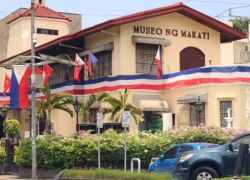
Museo ng Makati, also known as the Makati Museum, is a cultural landmark located in the heart of Makati, Metro Manila. Established to preserve the history, art, and culture of the city, the museum provides visitors with a fascinating glimpse into Makati’s past—from its humble beginnings as a small agricultural town to its current status as the country’s premier financial district. The museum showcases a wide range of exhibits, including historical artifacts, artworks, and a collection dedicated to the heritage of the Makati people. How to Reach Museo ng Makati, Makati Museo ng Makati is centrally located within the city, making it easily accessible via various forms of public and private transportation. Here are a few ways to get there: By Taxi or Ride-Hailing Apps: The easiest way to reach the museum is by taking a taxi or using ride-hailing services like Grab. Simply input "Museo ng Makati" in the app, and the driver will take you directly to the museum. By MRT: The closest MRT station is Ayala Station, located about a 15-minute walk from the museum. From the station, you can take a short walk or a jeepney to the museum. By Bus: Several buses travel along Ayala Avenue and other major roads in Makati. You can alight at the nearby Ayala Center or Greenbelt stops and walk to the museum from there. By Jeepney: Jeepneys that pass through Makati Avenue or Ayala Avenue can also take you near the museum. Alight at any stop that is closest to the Ayala Museum area, and walk to the museum. Weather and Best Time to Visit The weather in Makati is generally warm and humid, with two distinct seasons: the dry season (from November to April) and the rainy season (from May to October). The best time to visit Museo ng Makati is during the dry season, when the weather is more pleasant and conducive to walking around the area. Though the museum is air-conditioned and provides a cool environment indoors, it’s still advisable to visit during the cooler months to avoid the intense humidity and rain, which may hinder your exploration of the city and its surroundings. Why Museo ng Makati is Famous Museo ng Makati is famous for its diverse collection of artifacts, artworks, and exhibits that highlight the city’s rich cultural and historical heritage. The museum’s importance lies in its role as a repository of Makati’s history and as a venue that preserves the Filipino culture. Here’s why it’s so well-loved: Historical Significance: The museum is dedicated to preserving Makati’s transformation from a rural town to a bustling metropolis, offering insight into the city’s development over the centuries. Extensive Collection of Artworks: The museum features a wide array of Filipino art, particularly from local Makati artists, showcasing the talent and creativity of the city’s residents. Educational Programs: Museo ng Makati is also known for its educational programs and workshops, which are designed to engage students and visitors in learning about the city’s history and culture. Unique Cultural Displays: The museum’s exhibits include a rich collection of traditional Filipino artifacts, including indigenous crafts, textiles, and historical tools. Entry and Visit Details The Museo ng Makati is open to the public with affordable entry fees. The museum’s regular hours of operation are from Tuesday to Saturday, 9:00 AM to 5:00 PM, and it remains closed on Sundays and Mondays. It is best to check the official website or social media pages of the museum for any updates, special events, or holiday schedules. Admission to the museum is free for children, senior citizens, and students, while regular adult visitors will need to pay a small fee. Special discounts may be offered for groups, school tours, and special programs. The museum also provides guided tours for visitors who want an in-depth explanation of the exhibits. These tours are available upon request, and it’s a good idea to book in advance if you have a large group or are visiting during peak tourist seasons. History and Architecture Museo ng Makati was established to provide a platform for preserving the history and culture of Makati. The museum occupies a heritage building that was originally constructed as a school in the 1960s. Over the years, the structure was renovated and repurposed to house the growing collection of historical artifacts and artwork. The architecture of the museum reflects a mix of contemporary design with traditional Filipino elements. The building’s design is simple yet elegant, with wide, open spaces for displaying exhibits. Inside, the museum is designed to provide visitors with a comfortable, well-lit environment in which to appreciate the art and artifacts on display. Its modern aesthetic blends seamlessly with the cultural significance of the artifacts and collections housed within. Things to Do at Museo ng Makati Explore the Exhibits: Museo ng Makati showcases a variety of exhibits focusing on the city’s history, art, and culture. Highlights include photographs, historical documents, and antique Filipino artifacts. There are also rotating exhibits that showcase contemporary art from local artists. Participate in Workshops: The museum offers workshops and educational programs aimed at deepening visitors’ understanding of Filipino culture, such as weaving, traditional crafts, and painting. Attend Special Events: The museum hosts a variety of cultural events throughout the year, including art exhibits, musical performances, and lectures on Filipino history. These events are often free or available at a discounted rate. Learn from the Museum’s Collection: If you are a history enthusiast or an art lover, the museum is a great place to learn about the evolution of Filipino culture and how it has shaped the development of modern-day Makati. Facts and Tips about Museo ng Makati Tip: If you're visiting with children or a school group, be sure to arrange for a guided tour to make the most of your visit. The museum offers educational materials that are engaging and informative. Fact: Museo ng Makati is one of the best places to experience the rich cultural history of Makati, with a focus on the local heritage and the city’s transformation over the years. Tip: The museum can get busy during school holidays or special events, so plan your visit on a weekday for a more relaxed experience. Fact: The museum is part of a network of cultural institutions in Makati, making it an ideal starting point for a cultural tour of the city. Tip: When visiting the museum, take time to explore the surrounding area. The museum is located near other attractions such as Ayala Triangle Gardens and Ayala Museum, which are great spots to visit before or after your trip to Museo ng Makati.
Explore MorePhilippines 5N - 6D Package
6 Days/ 5 Night
Cebu - Manila - Tagbilaran
Philippines 5 Night - 6 Days Tour
6 Days/ 5 Night
Cebu - Manila - Bohol
Philippines - The Heart Of History - Culture 9 Days 8 Nights Tour
9 Days/ 8 Night
Cebu - Manila - Palawan
Philippines Island Adventure - 10 Days Tour
10 Days/ 9 Night
Cebu - Manila - Palawan

Baker's Hill is one of the most popular tourist spots in Puerto Princesa, Palawan. Known for its picturesque gardens, delicious baked goods, and family-friendly atmosphere, it is a must-visit destination for both locals and tourists. Whether you're in the mood for a relaxing stroll in the garden, savoring freshly baked treats, or enjoying the beautiful surroundings, Baker's Hill offers a unique experience in Puerto Princesa. How to Reach Baker's Hill, Puerto Reaching Baker's Hill is quite easy as it is located just a few kilometers away from the Puerto Princesa City Center. Here are some of the ways you can get there: By Taxi or Ride-Hailing Apps: The easiest way to get to Baker's Hill is by taking a taxi or using a ride-hailing app like Grab. It’s a 10-15 minute drive from the city center, and the fare is generally affordable. By Tricycle: Tricycles are a common mode of transport in Puerto Princesa. You can hire a tricycle from your hotel or any nearby area to take you directly to Baker's Hill. Make sure to agree on a fare beforehand. By Private Vehicle: If you're renting a car or using a private vehicle, you can simply follow the main road leading to Baker's Hill. The roads are well-maintained, and there are road signs along the way that make it easy to navigate. By Public Transportation: While public transportation like jeepneys is available, it may not always go directly to Baker's Hill. You can take a jeepney heading towards Puerto’s town proper and then hop on a tricycle or taxi for the last stretch. Weather and Best Time to Visit The weather in Puerto Princesa is tropical, with a warm and humid climate throughout the year. The dry season, which lasts from November to April, is the best time to visit Baker's Hill. During this period, the weather is sunny and dry, making it perfect for outdoor activities like strolling through the garden, shopping, or sampling the bakery's delicious treats. While Baker's Hill is open year-round, it is advisable to visit during the dry season to avoid the heavy rains of the wet season (May to October). The rainy months can make outdoor activities less enjoyable, but the attraction remains beautiful even with occasional showers. Why Baker's Hill is Famous Baker's Hill is famous for several reasons, all of which combine to make it a beloved tourist destination in Puerto Princesa: Delicious Pastries: The bakery is the star attraction of Baker's Hill. Known for its freshly baked pandesal, hopia, brownies, and other Filipino treats, it has become a local favorite for sweet snacks. The bakery also offers cakes and bread, making it a go-to spot for food lovers. Beautiful Gardens: Baker's Hill isn’t just about pastries—it also boasts beautiful, well-kept gardens. The lush greenery, well-maintained plants, and scenic spots make it a perfect place for a leisurely walk or to simply enjoy the view. The park-like setting adds to the charm of the place. Kid-Friendly Atmosphere: Families love Baker's Hill because it is very child-friendly. The wide open spaces, playful gardens, and scenic spots provide kids with plenty of room to explore, while the adults enjoy the bakery’s treats. Instagram-Worthy Scenery: Baker’s Hill is known for its photogenic spots, making it a popular place for visitors to snap photos. From cute statues to beautiful garden pathways, every corner offers a chance to take stunning pictures and capture memories. Entry and Visit Details There is no entry fee to visit Baker's Hill, making it an affordable attraction for travelers of all ages. It is open daily from 8:00 AM to 7:00 PM, giving you plenty of time to explore the gardens, enjoy the bakery, and even take in a few scenic views. While there is no charge to enter, visitors may be asked to pay a small fee for parking or for special activities like guided tours, depending on availability. The area is free to explore, and visitors are welcome to enjoy the gardens, take pictures, and try the food at their leisure. History and Architecture Though Baker’s Hill is primarily known for its bakery and beautiful surroundings, it has an interesting backstory. Originally, it started as a small bakery that became so popular for its delicious baked goods that it expanded into a full-fledged tourist destination. The name “Baker's Hill” stems from its humble beginnings as a bakery owned by a local family. The architecture of Baker's Hill is a mix of modern and rustic Filipino design, with open spaces and colorful elements that reflect the laid-back nature of Puerto Princesa. The park area is dotted with charming sculptures, some of which are playful and designed to appeal to children, adding to the park’s whimsical atmosphere. While there is no grand historical significance attached to the site, its role in the local community—particularly through its bakery—has made it an important part of Puerto Princesa’s culinary scene. The lush surroundings and family-friendly vibe further enhance its appeal. Things to Do at Baker's Hill Sample the Pastries: The main attraction at Baker's Hill is the bakery, so make sure to try their famous pastries. The pandesal and hopia are highly recommended, and you can also buy other local delicacies as souvenirs. Explore the Gardens: Spend time wandering through the picturesque gardens. Enjoy the lush greenery, the well-manicured plants, and various sculptures scattered throughout. The garden is a relaxing place to take a walk or have a quiet moment in nature. Take Photos with the Statues: Baker's Hill has several fun and quirky statues that make great photo opportunities. Don’t miss out on snapping pictures with the colorful sculptures that dot the park. Relax and Picnic: The park offers plenty of open spaces where you can sit and enjoy a picnic with family and friends. It’s an ideal place to relax after exploring the area and to enjoy the fresh air. Children’s Playground: For families with young children, Baker's Hill has a small playground where kids can have fun and burn off some energy while the adults enjoy a cup of coffee or a pastry. Facts and Tips about Baker's Hill Tip: While visiting, don’t forget to buy some pastries to take home as souvenirs. The baked goods at Baker's Hill are beloved by locals, and you’ll want to bring some of their tasty treats back with you. Fact: Baker’s Hill is not just a bakery; it has transformed into a full-fledged attraction, with its combination of delicious food, beautiful scenery, and fun atmosphere. Tip: Early mornings or late afternoons are the best times to visit to avoid the midday heat and large crowds. The gardens are particularly beautiful during these times, and the weather is more pleasant. Fact: The bakery is famous for its hopia, pandesal, and other Filipino pastries. It’s a great place to experience traditional Filipino baked goods in a peaceful setting. Tip: If you’re visiting with children, be sure to explore the playground, as it will keep them entertained while you enjoy the gardens and bakery.
Explore More
Mitra Ranch is one of Puerto Princesa’s hidden gems, offering visitors a peaceful retreat with stunning views and a glimpse of the island’s rich natural beauty. Located just a short distance from the city center, this ranch is named after the late Philippine senator, Ramon Mitra, and has become a popular spot for both locals and tourists. Whether you're a nature enthusiast, photography lover, or just someone looking for a serene getaway, Mitra Ranch offers a unique experience in Puerto Princesa, Palawan. How to Reach Mitra Ranch, Puerto Reaching Mitra Ranch is relatively easy, as it is situated just 15 minutes away from Puerto Princesa’s city center. Here are the common ways to get to the ranch: By Taxi or Ride-Hailing Apps: The most convenient way to get to Mitra Ranch is by taking a taxi or using ride-hailing services like Grab. The fare is quite affordable, and the trip takes about 10-15 minutes from the city center. By Tricycle: Tricycles are widely available in Puerto Princesa and are an affordable option to get to Mitra Ranch. It’s common to negotiate the fare before starting the trip. By Private Vehicle: If you’re renting a car or traveling by private vehicle, you can take the main road leading to Mitra Ranch. The roads are well-maintained, and the ranch is easy to find, with road signs along the way guiding you to your destination. By Motorcycle: For those seeking a more adventurous mode of transportation, renting a motorcycle in Puerto Princesa is an option. The ride to Mitra Ranch is short, and it offers a scenic route to the ranch. Weather and Best Time to Visit Puerto Princesa has a tropical climate, which means warm and humid weather year-round. The best time to visit Mitra Ranch is during the dry season, from November to April, when the weather is sunny and relatively cooler, perfect for outdoor activities and sightseeing. The dry season also provides clear skies for panoramic views of the surrounding landscapes. While Mitra Ranch is open year-round, it is recommended to avoid the rainy season (May to October), as heavy rainfall can make outdoor activities less enjoyable. The trails and grassy areas can become muddy, which might make walking around a bit difficult. Why Mitra Ranch is Famous Mitra Ranch is famous for several reasons, all of which make it a must-visit destination in Puerto Princesa: Panoramic Views: One of the main attractions of Mitra Ranch is its stunning panoramic views. From the top of the ranch, visitors can enjoy breathtaking vistas of Puerto Princesa, the nearby islands, and lush, green landscapes stretching as far as the eye can see. Peaceful Atmosphere: Mitra Ranch provides a peaceful and serene environment, offering visitors a break from the hustle and bustle of the city. The calm surroundings are ideal for those looking for relaxation, making it a great place for nature lovers and anyone seeking a quiet escape. History and Legacy: The ranch is named after the late Senator Ramon Mitra, who was known for his contributions to the development of the Philippines. The site not only offers beautiful scenery but also holds historical significance, as it was part of Mitra’s private estate. Accessibility: Unlike other remote attractions, Mitra Ranch is easily accessible from the city center, making it an ideal destination for day trips or short visits. Its proximity to Puerto Princesa’s commercial areas adds to its appeal. Entry and Visit Details There is no entrance fee to visit Mitra Ranch, making it a budget-friendly attraction for tourists. The ranch is open to the public from early morning until sunset, with the best time to visit being either early in the morning or late afternoon to avoid the midday heat. The ranch offers a tranquil atmosphere for those who wish to enjoy the view or take a walk through the open fields. If you wish to learn more about the history of Mitra Ranch and its surroundings, you can arrange a guided tour, though most visitors simply explore the area on their own. The ranch is also a popular spot for taking photos, especially with the picturesque backdrop of Puerto Princesa and the ocean. History and Architecture Mitra Ranch is named after the late Senator Ramon Mitra, a prominent figure in Philippine politics who served as a senator from 1987 until his death in 2003. The ranch was once part of his family estate and was used as a place for relaxation and enjoying nature. Today, the ranch is maintained by the local government and serves as a public park. The ranch itself features a rustic yet well-maintained design with a mix of open spaces and charming structures that provide an inviting atmosphere. Though the ranch does not have elaborate historical architecture, its simplicity and connection to nature contribute to its charm. The elevated location allows for sweeping views of the surrounding countryside and cityscape, providing a calm and picturesque setting. Things to Do at Mitra Ranch Enjoy the View: The primary attraction at Mitra Ranch is the breathtaking view. From the top of the hill, visitors can enjoy panoramic vistas of Puerto Princesa, the nearby hills, and distant islands. It’s an excellent spot for photography, so don’t forget to bring your camera. Relax in Nature: The tranquil atmosphere at Mitra Ranch makes it the perfect spot to relax and enjoy the beauty of nature. Take a leisurely walk through the grounds, sit under the shade of trees, or simply enjoy the cool breeze. Picnic with Family and Friends: Mitra Ranch is a great place to bring a picnic and enjoy the outdoors. There are open areas where visitors can set up a blanket and enjoy the surroundings while sharing a meal with loved ones. Photography: For photography enthusiasts, the views from Mitra Ranch are a dream. Capture stunning shots of the surrounding nature, the distant islands, and the sunset over the hills. There are plenty of opportunities for both landscape and portrait photography. Take a Horse Ride: While the ranch is mostly known for its views and gardens, visitors can also enjoy horseback riding. This activity offers a fun way to explore the area and gives you a chance to enjoy the rural surroundings in a different way. Facts and Tips about Mitra Ranch Tip: The best time to visit Mitra Ranch is early in the morning or late in the afternoon when the weather is cooler and the views are at their most dramatic. Fact: Mitra Ranch is a public space and is open for free, making it an excellent budget-friendly destination for travelers looking for a peaceful spot to unwind. Tip: If you’re planning to take photos, try visiting at sunset for the best lighting and a chance to capture the golden hour over the surrounding landscape. Fact: The ranch is part of Puerto Princesa’s larger effort to preserve its natural beauty, providing visitors with an opportunity to experience both the local environment and the legacy of Senator Ramon Mitra. Tip: Bring comfortable walking shoes, especially if you plan to explore the ranch's paths or enjoy the horseback riding activity. Fact: Mitra Ranch is located near other popular tourist spots in Puerto Princesa, making it a convenient addition to your itinerary.
Explore More
Cowrie Island is one of the most beautiful and popular islands in Puerto Princesa, Palawan. Known for its white sand beaches, clear turquoise waters, and vibrant marine life, Cowrie Island is an idyllic tropical paradise. It is part of the Honda Bay Islands, offering visitors the perfect opportunity to enjoy sunbathing, swimming, snorkeling, and diving. Whether you are looking for a relaxing day at the beach or an adventure in the crystal-clear waters, Cowrie Island offers something for everyone. How to Reach Cowrie Island, Puerto Getting to Cowrie Island is easy and convenient from Puerto Princesa City. The island is accessible by boat, and here are the most common ways to reach it: By Boat Tour: The most popular way to reach Cowrie Island is by taking a boat tour from Puerto Princesa’s Honda Bay. Several tour operators offer island-hopping packages that include visits to Cowrie Island, along with other nearby islands like Luli Island and Starfish Island. The boat ride to Cowrie Island takes about 30 to 40 minutes, depending on the sea conditions. Private Boat: If you prefer a more private and flexible experience, you can hire a private boat to take you directly to Cowrie Island. This option is ideal for small groups or families who want to explore the island at their own pace. Via Honda Bay Port: Tours to Cowrie Island typically depart from the Honda Bay Port. From Puerto Princesa City center, it takes about 20 minutes by car or van to reach Honda Bay Port. Once at the port, you can board a boat that will take you to the island. Weather and Best Time to Visit The climate in Puerto Princesa, and Cowrie Island in particular, is tropical, with a distinct wet and dry season. The best time to visit Cowrie Island is during the dry season, from November to April, when the weather is sunny and ideal for outdoor activities. During this period, the sea is calm, making it perfect for island hopping, snorkeling, and swimming. From May to October, the region experiences the wet season, characterized by occasional rain showers and storms. While the island remains open year-round, it's recommended to visit during the dry season for the best experience. The dry months offer more stable weather and clear waters, ensuring you can fully enjoy the beauty of Cowrie Island. Why Cowrie Island is Famous Cowrie Island is renowned for its natural beauty and laid-back atmosphere. Here are some reasons why this island is so famous among tourists: Pristine Beaches: Cowrie Island boasts one of the most beautiful beaches in Palawan, with powdery white sand and crystal-clear waters. It’s the perfect destination for those seeking relaxation and a tranquil beach getaway. Snorkeling and Diving: The waters around Cowrie Island are home to vibrant coral reefs and abundant marine life, making it a popular spot for snorkeling and diving. The island’s rich underwater ecosystem is a big draw for marine enthusiasts and divers. Island Hopping: As part of the Honda Bay island-hopping tour, Cowrie Island is often included in the same package as other nearby islands, allowing visitors to explore multiple beautiful islands in a single day. Its proximity to other popular islands makes it a favorite stop in Honda Bay. Eco-Friendly Activities: Cowrie Island is committed to preserving its natural environment. Visitors are encouraged to follow sustainable tourism practices, such as avoiding littering and respecting the island’s delicate ecosystem. This focus on eco-tourism helps ensure that the island remains beautiful for years to come. Entry and Visit Details Accessing Cowrie Island typically requires booking an island-hopping tour that includes Cowrie Island in its itinerary. The cost of the tour usually covers the boat ride, entrance fees, and sometimes lunch. The tour operators provide visitors with all necessary information and ensure a smooth trip to the island. The island is open to visitors every day, and the best time to visit is during the day when you can take full advantage of the sun and enjoy the beach. Cowrie Island is generally a peaceful and relaxing place, with facilities like beach huts, restrooms, and a small restaurant serving fresh seafood and local dishes. If you prefer, you can rent a beach hut or cabana to spend the day in comfort, away from the sun. History and Architecture Cowrie Island doesn’t have a long historical background, but it is part of the Honda Bay island group, which has been inhabited by local fishermen and indigenous people for centuries. The island was named after the cowrie shells that can be found along its shores, which were historically used as currency in many parts of the world. The island itself does not have significant architectural structures, as it has mostly remained in its natural state. The facilities on the island are simple and designed to blend with the environment. Beach huts and small structures are built using local materials like bamboo and nipa palm, which are commonly found in traditional Filipino architecture. The aim is to provide comfort to visitors while maintaining the island’s natural appeal. Things to Do at Cowrie Island Relax on the Beach: The main activity on Cowrie Island is lounging on the beach. With its powdery sand and clear waters, it’s the perfect place to unwind and soak up the tropical sun. You can enjoy a peaceful day surrounded by the island’s beauty, far from the hustle and bustle of the city. Snorkeling: The surrounding waters of Cowrie Island are perfect for snorkeling. The coral reefs are home to a diverse range of fish species, starfish, and other marine creatures. You can rent snorkeling gear from local vendors or join guided snorkeling tours to explore the underwater world. Island Hopping: If you’re visiting Cowrie Island as part of an island-hopping tour, you’ll also have the opportunity to visit nearby islands like Luli Island and Starfish Island. Each of these islands offers its own unique charm, with opportunities for more water activities like swimming and snorkeling. Kayaking and Paddleboarding: Some tours offer kayaking and paddleboarding as part of the island experience. These activities allow you to explore the coastline at your own pace and enjoy the peaceful surroundings of the island. Enjoy Fresh Seafood: Cowrie Island is a great place to enjoy fresh seafood. Several small eateries on the island offer local dishes, including grilled fish, prawns, and other delicacies. Dining by the beach adds to the charm of the experience. Facts and Tips about Cowrie Island Tip: Bring sunscreen, a hat, and sunglasses to protect yourself from the strong tropical sun, especially if you plan to spend time on the beach or snorkeling. Fact: Cowrie Island is part of the Honda Bay Island group, and it is one of the most visited islands in Puerto Princesa due to its accessibility and natural beauty. Tip: While there are basic amenities on Cowrie Island, such as beach huts and restrooms, it’s still a good idea to bring snacks, water, and other essentials for a comfortable day trip. Fact: The island’s name comes from the cowrie shells found on its beaches, which were historically used as currency in various cultures around the world. Tip: If you’re prone to seasickness, it’s a good idea to bring motion sickness medication before embarking on the boat ride to Cowrie Island. Fact: The island is known for its eco-friendly tourism, and visitors are encouraged to respect the island’s natural environment by avoiding littering and minimizing their impact on the ecosystem.
Explore More