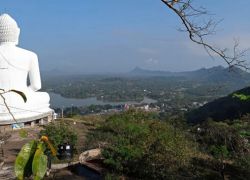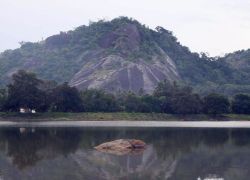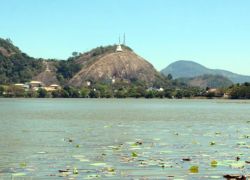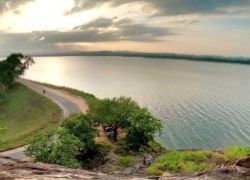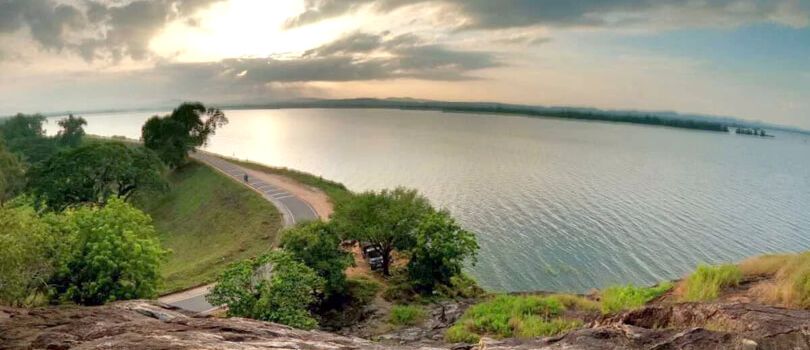
"Witness the historic reservoir of Sri Lanka's kings."
Parakrama Samudra, located in the Kurunegala District of Sri Lanka, is one of the most historically significant reservoirs dating back to the ancient reign of King Parakramabahu I. Although its most famous and largest section lies in Polonnaruwa, parts of the ancient hydraulic system spread across surrounding areas including Kurunegala. Parakrama Samudra is a masterpiece of ancient Sri Lankan irrigation engineering, reflecting the belief of the great king who declared that “not even a drop of water should be allowed to flow into the sea without benefiting mankind.” Today, Parakrama Samudra remains a vital water reservoir, a source of livelihood for farmers, and a beautiful natural attraction for visitors.
History of Parakrama Samudra
The history of Parakrama Samudra dates back to the 12th century during the reign of King Parakramabahu I, one of Sri Lanka’s greatest rulers. The king implemented massive agricultural and irrigation development projects to increase food production and strengthen the economy. Parakrama Samudra was created by combining and expanding several smaller lakes into one massive reservoir. This complex irrigation system supported thousands of acres of farmland, ensuring a steady water supply even during dry seasons.
Ancient Sri Lanka was known for its advanced hydraulic civilization, and Parakrama Samudra stands as one of the largest and most impressive examples of this heritage. Over the centuries, the reservoir has undergone maintenance and restoration to ensure its continuity as a water source for the region. Today, it symbolizes Sri Lanka’s agricultural strength, engineering capabilities, and devotion to preserving natural resources.
Architecture of Parakrama Samudra
Although Parakrama Samudra is a natural-looking body of water today, its architecture and structure reflect remarkable ancient engineering. The reservoir was formed by constructing large embankments and combining multiple tanks into a single interconnected water system. The bunds are reinforced with earth, stone, and layers of compacted material to withstand pressure while maintaining water flow control.
The ancient irrigation channels, spillways, and sluices are examples of practical and intelligent design. These structures allowed farmers to regulate the movement of water to paddy fields, ensuring optimal agricultural use. Many components of the original construction remain functional today, displaying the durability and craftsmanship of ancient Sri Lankan engineering. The combination of utility, design, and natural beauty makes Parakrama Samudra a blend of architecture and environment.
How to Reach Parakrama Samudra, Kurunegala
Reaching Parakrama Samudra from Kurunegala is quite easy as the roads connecting Polonnaruwa and Kurunegala are well-developed.
By Road: Buses and private vehicles regularly operate between Kurunegala and Polonnaruwa. The journey typically takes around 3 to 4 hours depending on traffic. Visitors can take direct buses or hire a taxi or tuk-tuk from Kurunegala to the reservoir.
By Train: Travelers can reach Kurunegala Railway Station from major cities like Colombo and Kandy, and then continue towards Polonnaruwa by bus or taxi. Although there is no direct train line to Parakrama Samudra, road transfers from nearby railway stations are convenient.
By Air: Bandaranaike International Airport is the nearest major airport. From there, visitors can hire a private vehicle or use public transport to reach Kurunegala and continue onward to the reservoir.
Weather at Parakrama Samudra
Parakrama Samudra is located in an area with a warm tropical climate. Temperatures generally range between 25°C and 34°C throughout the year. The dry season, from May to September, is ideal for sightseeing, photography, and exploring the reservoir surroundings. The monsoon season brings heavy rainfall, especially from October to January, filling the reservoir to capacity and offering a lush view of the greenery around it.
Morning and late afternoon are the best times to visit due to cooler temperatures and beautiful lighting for photography. Sunsets over the water are particularly breathtaking.
Timings of Parakrama Samudra
Parakrama Samudra is a natural attraction with no specific closing time. Visitors can explore the area at any time of the day. However, most travelers prefer to visit between sunrise and sunset for safety and better visibility. If visiting for photography, early morning light and golden hour in the late afternoon are especially rewarding.
Why Parakrama Samudra is Famous
Parakrama Samudra is famous for several reasons:
- It is one of the largest ancient man-made water reservoirs in Sri Lanka.
- The reservoir demonstrates advanced hydraulic engineering from over 800 years ago.
- It reflects King Parakramabahu’s belief in effective water management for agriculture.
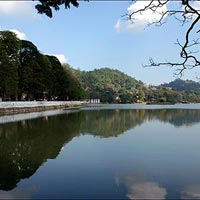
- The calm waters, surrounding greenery, and scenic views make it a popular attraction for nature lovers and photographers.
- It continues to support farming and fishing communities, showing how ancient constructions still benefit modern society.
Entry and Visit Details
There is no entry fee to visit Parakrama Samudra. The reservoir and surrounding areas are open to the public, with many viewing spots accessible by road. Visitors are advised to explore respectfully, especially around farmlands and fishing areas. Some parts near the bunds and water channels are used for local agricultural activities, and travelers should avoid disturbing daily operations.
Things to Do at Parakrama Samudra
Sightseeing and Photography: The reservoir offers stunning scenery, especially during sunrise and sunset. The calm waters, reflections, and lush farmland create a perfect setting for photography.
Birdwatching: Many local and migratory birds are found here, making it an ideal location for wildlife observation.
Nature Walks: Visitors can explore walking paths along the bunds and enjoy the peaceful natural surroundings.
Fishing Village Visits: Interacting with local communities provides cultural insight into traditional fishing and farming practices.
Relaxation and Meditation: The quiet setting makes the reservoir a perfect place to relax, meditate, or simply take in the views.
Interesting Facts About Parakrama Samudra
- The name means “Sea of Parakrama,” reflecting its massive size.
- The reservoir covers approximately 2,500 hectares when full.
- It is actually made up of five smaller lakes connected into one system.
- Engineering works built in the 12th century remain active even today.
- The project symbolizes Sri Lanka’s mastery of ancient water management.
Travel Tips for Visiting Parakrama Samudra
- Carry water and sun protection as daytime temperatures can be high.
- Early morning and late afternoon are the best times for photography and comfort.
- Wear comfortable shoes if planning to walk along the bunds.
- Respect farmland, fishing areas, and local communities during your visit.
- Bring binoculars or a camera if interested in birdwatching.
- Visiting with a local guide can enhance the historical and cultural understanding of the reservoir.
Parakrama Samudra is more than just a water reservoir – it is a symbol of ancient wisdom, sustainable resource management, and Sri Lanka’s long history of engineering excellence. A visit here offers natural beauty, historical significance, and cultural insight, making it a memorable experience for travelers exploring the Kurunegala region.
Kurunegala

Kurunegala
Kurunegala
Kurunegala
Kurunegala

Kurunegala
Kurunegala