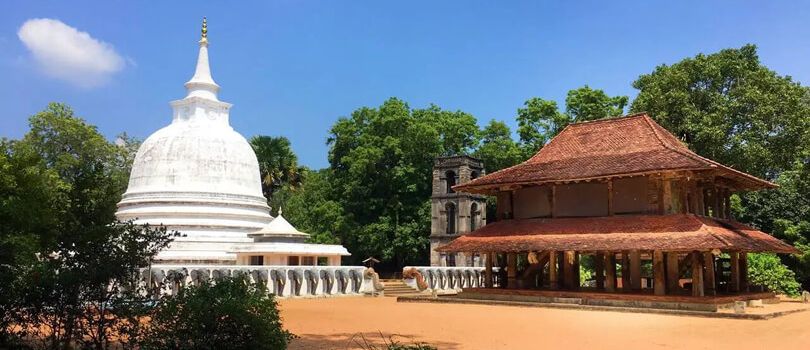
"Admire ancient architecture in a spiritual haven."
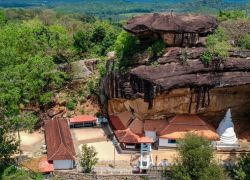
Bingiriya Temple, located in the Kurunegala District of Sri Lanka, is one of the most ancient and revered Buddhist temples in the region. The temple reflects the deep religious practices, cultural strength, and enduring Buddhist heritage of Sri Lanka. Surrounded by lush greenery, peaceful landscapes, and historical features, Bingiriya Temple attracts devotees, history lovers, and travelers who want to explore Sri Lanka’s spiritual and cultural past. It is known not only for its religious significance but also for its beautiful architecture, ancient artifacts, and long-lasting traditions.
History and Architecture of Bingiriya Temple
The history of Bingiriya Temple dates back many centuries, to a time when Buddhism flourished under the patronage of Sri Lankan kings. Historical records and traditional stories suggest that the temple served as a major spiritual and cultural center in the ancient Kurunegala region. The temple complex expanded gradually over time, as kings, monks, and devotees contributed land, buildings, statues, and murals.
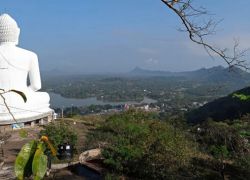
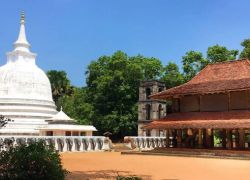
Architecturally, Bingiriya Temple represents classical Buddhist design. The centerpiece of the temple is a large white stupa (dagoba), symbolizing purity and enlightenment. The stupa stands on a well-maintained terrace where devotees walk around during religious offerings and meditative rituals.
The image house (vihara) is another important feature. Inside, visitors can see statues of Lord Buddha in seated or standing positions, representing different mudras and stages of spiritual life. The interior walls often display colorful murals depicting Jataka stories, scenes from the life of Buddha, and traditional Buddhist symbols. These artworks demonstrate the craftsmanship and artistic traditions passed down through generations.
Another significant structure is the Bodhi tree, believed to be descended from the sacred Sri Maha Bodhi in Anuradhapura. This tree is an important place of worship within the temple, where devotees present offerings, light oil lamps, and chant prayers for blessings and good fortune.
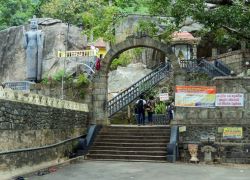
Some parts of the temple grounds include stone pillars, ancient steps, and old architectural remnants, providing evidence of the historical importance of Bingiriya Temple. Together, the surroundings create a sacred and serene environment suitable for spiritual reflection.
How to Reach Bingiriya Temple, Kurunegala
Reaching Bingiriya Temple is convenient because of its location within the Kurunegala District and its good road connections to nearby towns and cities.
By Road:
Visitors can reach Kurunegala easily by bus, taxi, or private car from major cities such as Kandy, Colombo, Anuradhapura, and Dambulla. From Kurunegala town, local transportation options like tuk-tuks, vans, and buses provide direct access to Bingiriya Temple. The roads leading to the temple pass through village scenery, offering a scenic and pleasant drive.
By Train:
Kurunegala Railway Station is the nearest major train hub. Trains operate regularly to and from Colombo, Kandy, Jaffna, and other important railway connections. After arriving at the station, travelers can hire a taxi or tuk-tuk to reach the temple within 20 to 40 minutes, depending on the route.
By Air:
The nearest international airport is Bandaranaike International Airport in Katunayake. From the airport, visitors can travel to Kurunegala by highway, which usually takes around 2 to 3 hours. From Kurunegala town, travelers can continue to Bingiriya Temple by road.
Weather at Bingiriya Temple
Like most of Kurunegala, the Bingiriya area enjoys a warm tropical climate. Average daytime temperatures range from 26°C to 32°C throughout the year. Humidity remains consistent, and the region is generally pleasant for sightseeing and outdoor activities.
The best time to visit is during the dry months from December to April, when skies are clear and rainfall is minimal. The rainy season, mainly between October and November, brings heavier showers, making the temple surroundings greener and more refreshing. Early mornings and late afternoons are the most comfortable times to explore the temple, especially for those who want cooler air and peaceful surroundings.
Timings of Bingiriya Temple
Bingiriya Temple is open daily from early morning until evening. The temple sees the highest number of devotees around sunrise and sunset, especially during prayer services, meditation sessions, and daily offerings. Visitors can enter throughout the day, but daytime visits offer better lighting for exploring the temple complex and viewing murals, carvings, and other historical features.
Why Bingiriya Temple is Famous
Bingiriya Temple is famous for its long history, religious value, and beautifully preserved Buddhist architecture. Many devotees visit the temple to perform offerings, pray, and seek spiritual blessings. The sacred Bodhi tree, ancient murals, and old stupa make the temple a significant heritage site in the Kurunegala region.
In addition to its religious reputation, the temple is known for maintaining traditional Buddhist practices that have been observed for centuries. Researchers, students, and cultural travelers also find the temple valuable because its buildings and paintings offer insight into Sri Lankan religious and artistic traditions.
Entry and Visit Details
Entry to Bingiriya Temple is free of charge. As it is an active place of worship, visitors are expected to dress respectfully. Clothing should cover shoulders and knees, and footwear must be removed before entering shrine rooms or sacred buildings.
Visitors should speak softly within the temple grounds and avoid disturbing monks or worshippers. Photography is allowed in most outdoor spaces but may be restricted in certain interior rooms, especially to protect ancient murals and sacred statues. It is always polite to ask permission before taking photos inside buildings.
Things to Do at Bingiriya Temple
1. Explore the Shrine Rooms: Observe Buddha statues, beautifully maintained murals, and traditional artwork representing Buddhist teachings and stories.
2. Walk Around the Stupa: Devotees and visitors can walk around the dagoba while offering prayers or reflecting peacefully.
3. Worship at the Bodhi Tree: Many travelers light oil lamps, offer flowers, and recite prayers beneath the sacred tree.
4. Learn About Buddhist History: Visitors can speak with monks to gain insight into Buddhist philosophy and temple traditions.
5. Experience Tradition and Culture: Festivals and Poya (full moon) days are especially vibrant, with devotional ceremonies that showcase Sri Lankan Buddhist customs.
Interesting Facts About Bingiriya Temple
- The temple is believed to have origins tracing back to ancient Sinhalese kingdoms.
- The Bodhi tree is considered spiritually powerful and is central to daily temple activities.
- Murals inside the image house preserve traditional Sri Lankan painting techniques.
- The temple remains an active center of community prayer, religious education, and cultural gatherings.
Tips for Visiting Bingiriya Temple
- Wear respectful clothing suitable for religious places.
- Remove footwear before entering inner shrine rooms.
- Carry water if visiting during hot midday hours.
- Visit early morning or late afternoon for cooler weather and peaceful surroundings.
- Be polite when photographing sacred areas and always ask for permission where needed.
- Maintain silence and respect the religious environment.
Bingiriya Temple, Kurunegala, is a beautiful and culturally significant site that reflects spiritual devotion, architectural heritage, and traditional Buddhist values. Whether you are a pilgrim, a traveler, or a student of history, the temple offers a peaceful and enlightening experience showcasing Sri Lanka’s rich religious identity.
Kurunegala
Kurunegala

Kurunegala
Kurunegala

Kurunegala
Kurunegala
Kurunegala