"Immerse in nature's untouched beauty and tranquility."
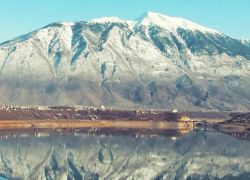
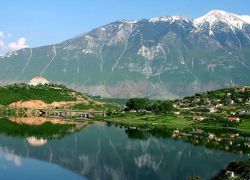
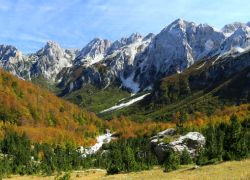
The Bajkaj River Valley is one of the most scenic and serene natural landscapes in northern Albania, located near the town of Kukës in the Kukës County. This valley is home to the Bajkaj River, a tributary of the larger Drin River, and is surrounded by breathtaking mountain views, dense forests, and rich biodiversity. The Bajkaj River Valley offers a unique opportunity to experience the beauty of Albania’s rugged north, making it a must-visit destination for nature lovers, hikers, and those seeking to explore Albania’s natural heritage. The valley is known for its peaceful atmosphere, offering visitors a retreat from the hustle and bustle of city life.
How to Reach Bajkaj River Valley
The Bajkaj River Valley is located approximately 15 kilometers to the north of the town of Kukës, making it easily accessible by car. From Kukës, visitors can take the Rruga e Kombit (Highway of the Nation) and follow the signs leading to the valley. The drive is relatively short, taking around 20-30 minutes depending on road conditions and the specific route taken.
If you're traveling from Tirana, the capital of Albania, you will need to drive for around 4-5 hours (approximately 170 km) to reach Kukës, which is the nearest major town to Bajkaj River Valley. From Kukës, you can hire a taxi or rent a vehicle to take you directly to the valley. For those traveling by bus, there are regular services between Tirana and Kukës, and upon reaching Kukës, you can find local transport options to the valley.
Weather in Bajkaj River Valley
The weather in the Bajkaj River Valley is influenced by its location in the Albanian Alps, which gives it a continental climate. The summers in the valley are generally warm, with temperatures ranging from 25°C to 30°C (77°F to 86°F), especially in the lower altitudes. However, the high mountain regions surrounding the valley provide cooler temperatures, especially in the mornings and evenings, making it an ideal summer destination.
Winters in the Bajkaj River Valley can be quite cold, with temperatures often dipping below freezing. Snowfall is common, particularly at the higher elevations, making the valley a beautiful winter landscape. During the winter months (December to February), the area can experience heavy snowfall, which may impact road access, so it's advisable to check weather conditions before traveling during this period.
The best time to visit the Bajkaj River Valley is during spring (April to June) and autumn (September to November), when the weather is mild, and outdoor activities such as hiking and sightseeing are most enjoyable. These seasons provide pleasant weather and fewer tourists, allowing for a more peaceful visit.
Timing of the Visit
There are no specific visiting hours for the Bajkaj River Valley as it is a natural area, but it is recommended to visit during daylight hours for safety reasons. The valley is a peaceful, quiet place, perfect for a full day trip to explore its surroundings. During the summer, it can get busy with tourists and locals alike, so planning your visit early in the day is a good idea to avoid crowds.
For those looking to enjoy the natural beauty of the valley and its river, an ideal visit would last a few hours or even a full day. Visitors can enjoy the lush landscapes, walk along the riverbanks, or take part in activities like hiking and birdwatching. In winter, it’s advisable to visit during the middle of the day when temperatures are slightly warmer, as mornings and evenings can be quite chilly.
Why Is Bajkaj River Valley Famous?
The Bajkaj River Valley is famous for its untouched natural beauty, peaceful atmosphere, and the variety of outdoor activities it offers. The valley is often described as one of Albania’s hidden gems, far from the bustling tourist destinations. The clear waters of the Bajkaj River, along with its surrounding lush green forests and towering mountains, create a stunning environment that attracts nature lovers and photographers.
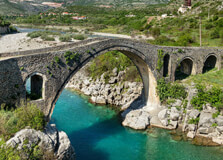
What makes the valley particularly famous is its diverse flora and fauna. The region is home to various species of plants and animals, including birds, deer, and other mountain wildlife. The river itself, with its crystal-clear waters, adds to the charm of the valley, and visitors often come to admire the natural surroundings or enjoy a peaceful day by the water.
Entry and Visit Details about Bajkaj River Valley
As a natural site, there is no entry fee to visit the Bajkaj River Valley. The valley is open to the public year-round, with access available via the main road from Kukës. Visitors can either hike to the valley or drive through the surrounding mountainous terrain. If you are planning a longer visit or want to explore the area more deeply, it is advisable to bring supplies such as food, water, and appropriate clothing, especially if you plan to hike or trek.
While there are no specific visitor facilities in the valley, you will find some accommodations and small local shops in Kukës, where you can stay or buy supplies for your trip. Kukës offers a variety of accommodations, including hotels, guesthouses, and even eco-lodges that allow visitors to experience the local culture and nature. The town is also home to a few restaurants that serve traditional Albanian dishes, which can be a great way to end your day after exploring the valley.
History and Architecture of Bajkaj River Valley
The Bajkaj River Valley itself is a natural site, and as such, it doesn’t have a distinct history or architecture in the traditional sense. However, it is deeply connected to the culture and history of the Kukës region. The valley and the river have historically been vital resources for the people who live in the surrounding areas, providing water for agriculture, animal husbandry, and daily life.
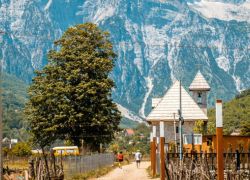
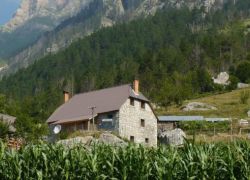
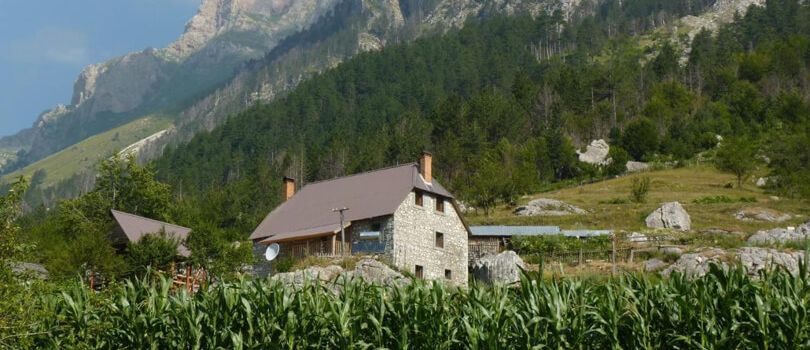
The valley is also part of the larger ecosystem that supports the traditional mountain lifestyle, where local families have lived for generations. The architecture of the region reflects this heritage, with houses made from local materials such as stone and wood. Visitors to the valley can also explore nearby villages to see examples of traditional Albanian mountain architecture.
Things to Do in Bajkaj River Valley
The Bajkaj River Valley offers several activities for visitors looking to connect with nature and enjoy the outdoors. Some of the most popular things to do in the area include:
Interesting Facts about Bajkaj River Valley
Tips for Visiting Bajkaj River Valley