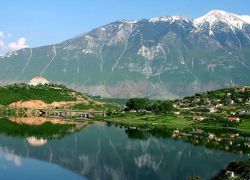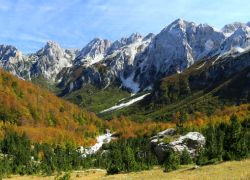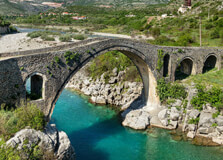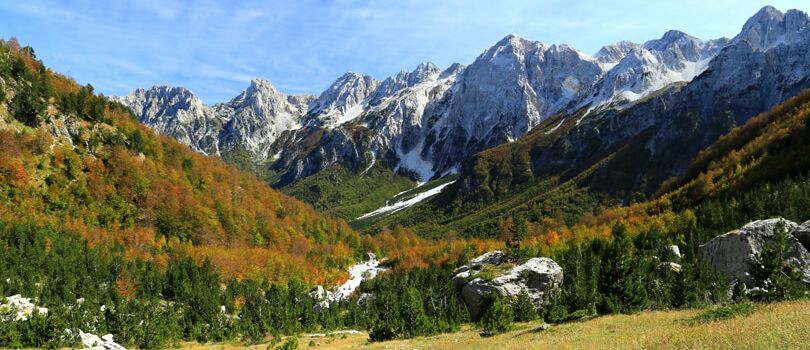
"Immerse in breathtaking landscapes and outdoor adventures."
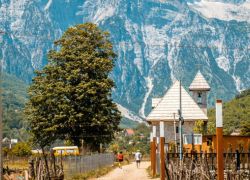
Valbona Valley National Park, located in the northern part of Albania, is one of the most beautiful and pristine natural reserves in the country. Situated within the Albanian Alps, this park is a haven for nature enthusiasts, hikers, and anyone looking to experience Albania's untouched wilderness. The valley is surrounded by towering peaks, deep forests, crystal-clear rivers, and traditional mountain villages. Valbona Valley is also an essential part of Albania’s effort to preserve its unique biodiversity and natural heritage. The park offers an escape from modern life, with its serene environment and diverse flora and fauna.
How to Reach Valbona Valley National Park
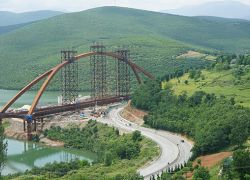
To reach Valbona Valley National Park, the first step is to travel to the town of Kukës, located in the northeast of Albania. From the capital city, Tirana, it takes about 4-5 hours (around 180-200 km) by car or bus to reach Kukës. Once you arrive in Kukës, the park is accessible by car or minibus, but the roads leading to Valbona Valley are quite winding and mountainous. The journey from Kukës to the valley typically takes another 45 minutes to 1 hour.
If you are traveling from Kosovo, you can enter Albania via the border near the town of Gjakova or Peja. The border crossings are straightforward, and the journey to Valbona Valley is well-marked. Many travelers opt to hire local guides or taxis to reach the park, especially during the tourist season when the roads can get busy.
Weather in Valbona Valley National Park
Valbona Valley experiences a Mediterranean climate, with hot, dry summers and cool, wet winters. Summer temperatures in the valley range from 20°C to 30°C (68°F to 86°F), which makes it ideal for outdoor activities such as hiking and trekking. However, due to the high altitude, the valley remains cool even during summer evenings. Winters are colder, with temperatures dropping to around 0°C to 10°C (32°F to 50°F), and snow is common, particularly in the higher elevations of the park.
The best time to visit Valbona Valley National Park is during the spring (April to June) and autumn (September to October), when the weather is mild, and the area is less crowded. These months also provide the best hiking conditions. For those who enjoy winter sports or the beauty of snow-covered landscapes, visiting in the winter months offers a peaceful and magical experience in the park.
Timing of the Visit
Valbona Valley National Park is open year-round, but the best time for hiking and exploring the valley is from late spring to early autumn, between May and September. During these months, the weather is most favorable for outdoor activities, and the park’s trails are fully accessible. The summer months (July and August) can get a little busy, especially on weekends, but the natural beauty and peaceful atmosphere make it worth the visit.
If you're planning to visit during winter, be aware that some hiking routes may be closed due to heavy snow and cold temperatures. However, for those interested in a snow-covered landscape, the valley can provide a serene and quiet winter retreat. It's best to check weather conditions and road accessibility before visiting during the colder months.
Why Is Valbona Valley National Park Famous?
Valbona Valley National Park is famous for its outstanding natural beauty, featuring rugged mountains, pristine rivers, lush forests, and diverse wildlife. The park is also part of the Albanian Alps, one of the most picturesque mountain ranges in Europe. The dramatic landscapes, combined with its relatively untouched environment, make it a sought-after destination for outdoor enthusiasts and nature lovers.
In addition to its natural beauty, Valbona Valley is known for its rich cultural heritage. The park is home to several traditional Albanian mountain villages where people still live by ancient customs, preserving their way of life. The local hospitality is renowned, and visitors often have the opportunity to stay with local families, experiencing authentic Albanian culture.
Another notable feature of the park is the Valbona River, which flows through the valley, providing crystal-clear waters and scenic vistas. The park's biodiversity is also significant, with numerous species of flora and fauna, including endemic plants and animals such as the Balkan lynx and brown bear.
Entry and Visit Details about Valbona Valley National Park
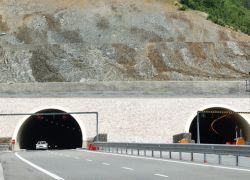
Valbona Valley National Park is free to enter, as it is a public natural reserve. However, there may be small fees for specific services such as parking or for hiring local guides. The park is accessible by car, and the road leading to the valley is well-maintained, though steep and winding in some sections. Visitors are encouraged to follow the marked trails and respect the park's rules to preserve its natural beauty.
If you're planning on staying in the park for a longer period, accommodations such as guesthouses and local inns are available in the nearby villages of Valbona and Rragam. These accommodations provide a great opportunity to immerse yourself in the local culture. It's recommended to book in advance during the tourist season, as the park can get busy with trekkers and nature enthusiasts.
History and Architecture of Valbona Valley National Park
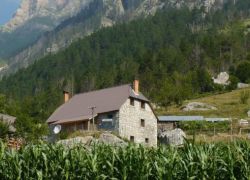
The history of Valbona Valley is closely tied to the mountain villages that have inhabited the region for centuries. The park has long been a center for agriculture, livestock farming, and the traditional lifestyle of the Albanian people. The valley's isolation and rugged terrain have helped preserve the traditional architecture of the area. The stone houses and barns in the villages are designed to withstand harsh mountain winters, with steep roofs to prevent snow accumulation and thick walls to protect from the cold.
The natural environment of Valbona Valley has played a crucial role in the history of the area, as the valley has served as both a place of sustenance and protection for the local communities. During times of conflict, these remote villages often served as refuges, offering sanctuary to those fleeing from wars or invasions. Today, the park is part of Albania’s efforts to protect its natural heritage and biodiversity, while also promoting eco-tourism and sustainable development in the region.
Things to Do in Valbona Valley National Park
Valbona Valley National Park offers a range of activities that allow visitors to immerse themselves in nature and explore the stunning surroundings. Some of the top things to do in the park include:
Interesting Facts about Valbona Valley National Park
Tips for Visiting Valbona Valley National Park