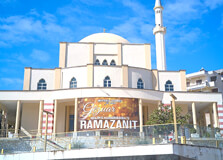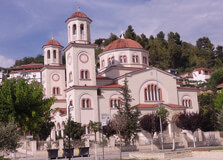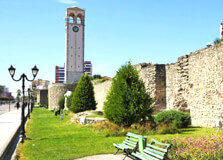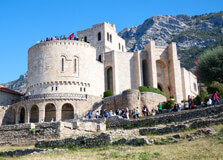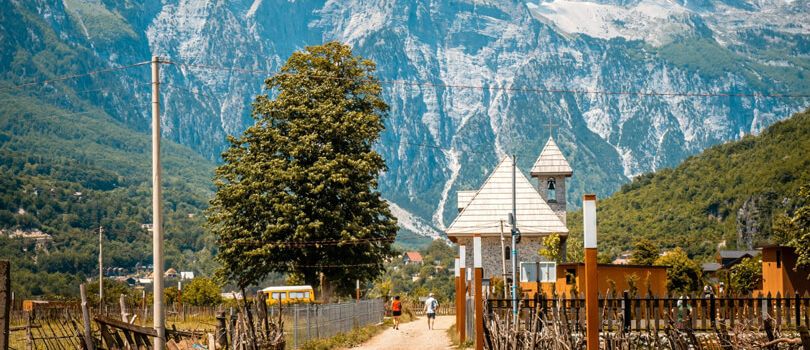
"Learn about the cultural heritage of Albania."
The Ethnological Museum of Kukës is an important cultural landmark in the town of Kukës, located in northeastern Albania. It serves as a window into the traditional life, customs, and history of the region, offering visitors a deep insight into the unique cultural heritage of the Kukës area. The museum is dedicated to preserving and showcasing the customs, art, tools, clothing, and everyday items that have shaped the lives of the people in this part of Albania. Whether you are interested in history, culture, or simply want to learn more about Albania’s rural traditions, the Ethnological Museum in Kukës is a must-visit destination.
How to Reach The Ethnological Museum of Kukës
The Ethnological Museum of Kukës is centrally located in the town of Kukës, which is easily accessible by road. If you're traveling from the capital city, Tirana, the journey takes around 4-5 hours by car (approximately 170 kilometers), via the Rruga e Kombit highway. This scenic road provides breathtaking views of the Albanian Alps and is an experience in itself.
Visitors can also take a bus from Tirana to Kukës, with buses departing regularly from the central bus station in Tirana. The bus ride is affordable and convenient, although it may take longer due to road conditions and stops along the way. Once in Kukës, the museum is located in the heart of the town, and you can easily reach it by foot, taxi, or a short local ride.
Weather in Kukës
Kukës enjoys a continental climate, characterized by hot summers and cold winters, which significantly impacts the visitor experience. Summer temperatures typically range from 25°C to 35°C (77°F to 95°F), with cooler evenings due to its high altitude. The weather is ideal for sightseeing and exploring the outdoors, making it a perfect time to visit the museum and surrounding areas.
Winter temperatures in Kukës can drop to as low as -5°C to 5°C (23°F to 41°F), with occasional snow, particularly in the higher elevations. While snow adds to the region's charm, it may make travel conditions more challenging, so it’s important to check road conditions if you plan to visit during the colder months.
The best time to visit the Ethnological Museum of Kukës is during the spring (April to June) and autumn (September to October), when the weather is mild, and outdoor activities such as hiking are also popular in the region. However, the museum is open year-round, and winter visitors can enjoy the quiet beauty of Kukës when fewer tourists are around.
Timing of the Visit
The Ethnological Museum of Kukës is typically open every day of the week, although the exact opening hours may vary depending on the season. Generally, the museum is open from 9:00 AM to 6:00 PM. During the winter months, the museum might have reduced hours, so it’s advisable to check ahead before planning your visit.
It is recommended to allocate around 1 to 2 hours to explore the museum, depending on your interest in the exhibits. The museum is relatively small but packed with fascinating artifacts, making it an ideal stop for those interested in learning about the traditions of Kukës and the surrounding regions of Albania.
Why Is The Ethnological Museum of Kukës Famous?
The Ethnological Museum of Kukës is famous for being a repository of the region's rich cultural heritage. It houses a collection of traditional artifacts, clothing, agricultural tools, furniture, and crafts that represent the everyday life of the people of Kukës and its surrounding areas. The museum offers a unique glimpse into the customs and history of the region, preserving traditions that have been passed down through generations.
What sets the museum apart is its focus on rural life and the cultural identity of northern Albania. Visitors can learn about the traditional clothing worn by the local people, the customs surrounding marriage and family life, as well as the tools used in agriculture and handicrafts. The museum also explores the impact of the region’s geography, such as the challenges faced by the people living in the mountainous areas, and how these conditions shaped their lifestyle and culture.
Entry and Visit Details about The Ethnological Museum of Kukës
Entry to the Ethnological Museum of Kukës is typically very affordable, with a small entrance fee for adults. Children, students, and seniors often enjoy discounted entry fees. The museum is open year-round, and it’s a popular stop for both tourists and local school groups who visit for educational purposes.
The museum offers guided tours in Albanian, but English-speaking guides are available upon request. These guided tours provide a more in-depth understanding of the exhibits and offer visitors the opportunity to ask questions and interact with the museum staff. The museum is housed in a traditional building that reflects the architectural style of the region, making it a fitting setting for the artifacts it holds.
It’s recommended to arrive early to avoid crowds, especially during peak tourist seasons. The museum is not typically crowded, and you’ll be able to enjoy a more intimate experience while exploring the collection. Additionally, nearby cafes and restaurants offer the chance to try local dishes after your visit.
History and Architecture of The Ethnological Museum of Kukës
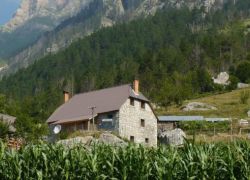
The Ethnological Museum of Kukës was established to preserve the cultural heritage of the Kukës region and to educate visitors about the traditional ways of life in northern Albania. The museum is housed in a traditional building that reflects the architectural style typical of the area. The building itself is a beautiful example of Albanian rural architecture, with its stone walls and wooden accents.
The museum’s collection includes a variety of historical objects, including farming tools, furniture, and textiles that were used by the people of Kukës. There are also displays of religious artifacts, reflecting the deep cultural and spiritual traditions of the region. The museum’s exhibitions offer visitors a chance to connect with the history of the region in a tangible way, through the objects that were once used in daily life.
Things to Do at The Ethnological Museum of Kukës
While the main focus of the Ethnological Museum is the collection of artifacts and exhibits related to traditional Albanian culture, there are several activities that visitors can enjoy during their visit:
Interesting Facts About The Ethnological Museum of Kukës
Tips for Visiting The Ethnological Museum of Kukës