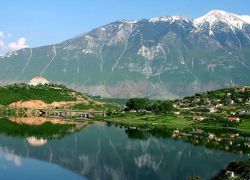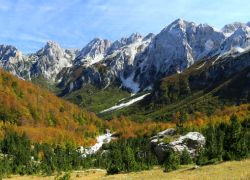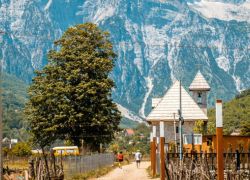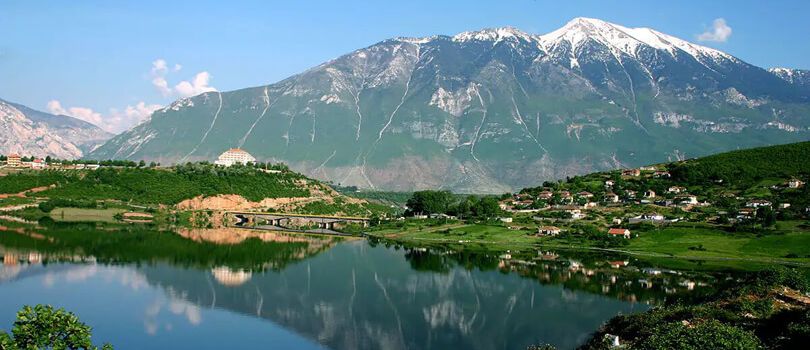
"Stunning natural beauty and adventurous hiking trails."
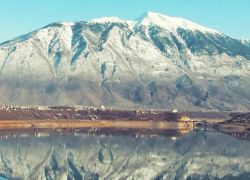
The Albanian Alps, often referred to as the "Accursed Mountains" (Bjeshkët e Nemuna), are one of Albania’s most stunning natural attractions. Located in the northern part of the country, these rugged mountains offer breathtaking views, pristine nature, and a rich cultural heritage. Situated in the Kukës region, the Albanian Alps are an ideal destination for nature lovers, adventurers, and anyone interested in exploring the beautiful, remote wilderness of Albania. This region is renowned for its majestic peaks, deep valleys, crystal-clear rivers, and picturesque villages that have remained untouched by modern development.
How to Reach The Albanian Alps
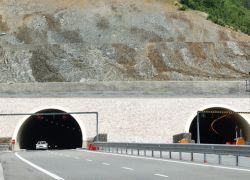
To reach the Albanian Alps, the first step is to travel to the town of Kukës, located in the northeastern part of Albania. From Tirana, the capital of Albania, it takes approximately 4 to 5 hours (around 180-200 kilometers) by car or bus to reach Kukës. You can either drive yourself, hire a private car, or take a bus from the Tirana bus terminal. From Kukës, you can reach the heart of the Albanian Alps by taking a local taxi or continuing by car to the mountain villages of Valbona, Theth, or other surrounding areas. These villages serve as the gateway to the Albanian Alps and are popular starting points for hiking and exploring the region.
If you're traveling from Kosovo, you can reach the Albanian Alps by crossing the border from Peja or Gjakova and driving toward Kukës. The border crossings are straightforward, and the roads leading to the Alps are well-maintained, though some mountainous roads may require more attention and care, especially during winter months.
Weather in the Albanian Alps
The weather in the Albanian Alps is influenced by its high altitude, resulting in cool, often chilly temperatures year-round. The climate is generally continental, with hot summers and cold winters. Summer temperatures in the valleys can range from 20°C to 30°C (68°F to 86°F), but the higher altitudes experience cooler temperatures even in the peak of summer. In winter, temperatures in the mountains can drop below freezing, and snowfall is common, especially at higher elevations. This makes the Albanian Alps a popular destination for winter sports, including skiing and snowboarding in places like the Valbona Valley.
The best time to visit the Albanian Alps is during the warmer months, from late spring to early autumn (May to September), when hiking trails are accessible and the weather is more favorable for outdoor activities. For those who enjoy winter sports or the beauty of snow-covered landscapes, visiting between December and February offers a unique experience.
Timing of the Visit
The Albanian Alps are accessible year-round, but the timing of your visit depends on the type of experience you’re looking for. In the summer, you can take advantage of the numerous hiking and trekking routes, enjoy the fresh air, and experience the local culture and traditions of the mountain villages. However, the alpine roads can be tricky during the winter months due to heavy snow, so it's best to check the road conditions before planning a trip in the colder seasons. For winter sports enthusiasts, the months of December to February are the best, as the region receives considerable snowfall, turning the mountains into a winter wonderland.
Why Are the Albanian Alps Famous?
The Albanian Alps are famous for their dramatic natural beauty, rugged terrain, and rich cultural history. The region is a haven for hikers, nature lovers, and adventure tourists due to its rugged peaks, clear lakes, and remote villages. The mountains are home to some of the most pristine landscapes in Europe, with deep valleys, high waterfalls, and glacial lakes, such as the famous Lake Valbona and Lake Theth.
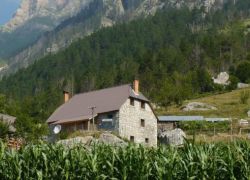
The region is also famous for its distinctive culture and traditions. The mountain villages of the Albanian Alps, like Valbona and Theth, are known for their traditional stone houses, unique customs, and hospitality. The people in these villages have preserved their way of life, often living in isolation from the rest of the country. The hospitality and warmth of the local people, combined with the breathtaking landscapes, make the Albanian Alps a unique destination.
Entry and Visit Details about the Albanian Alps
Accessing the Albanian Alps does not require any special permits, as they are part of the national landscape. However, the area is mostly rural and mountainous, so travelers should be prepared for limited facilities. In the villages, basic accommodations such as guesthouses, local inns, and small hotels are available, especially in the more popular locations like Theth and Valbona. It is advisable to book accommodations in advance during peak seasons (summer and fall).
Since many of the attractions in the Albanian Alps, such as hiking routes and natural landmarks, are in remote areas, you may need to hire a guide or arrange a tour to ensure safety and accessibility. Local guides are available in the villages and can provide you with valuable insight into the history, flora, fauna, and cultural traditions of the region.
History and Architecture of the Albanian Alps
The Albanian Alps have a long and fascinating history. The region has been inhabited for centuries, with ancient settlements dating back to Illyrian times. The isolated nature of the mountains meant that they were not heavily influenced by foreign invasions, and the culture and traditions of the people in the Albanian Alps have been preserved over generations. The villages, such as Theth and Valbona, feature traditional Albanian architecture, with stone houses, narrow alleys, and old churches that have withstood the test of time.
The architecture of the Albanian Alps is characterized by the use of local materials like stone and wood, which blend seamlessly with the natural landscape. The homes in these villages are often built in a traditional style, with thick stone walls to protect from the harsh mountain climate and steep roofs to prevent snow accumulation. Many of the churches in the region are also built from stone and reflect the rich religious history of the area.
Things to Do in the Albanian Alps
The Albanian Alps offer a wide range of activities for nature lovers and adventurers. Some of the most popular things to do in the region include:
Interesting Facts about the Albanian Alps
Tips for Visiting the Albanian Alps