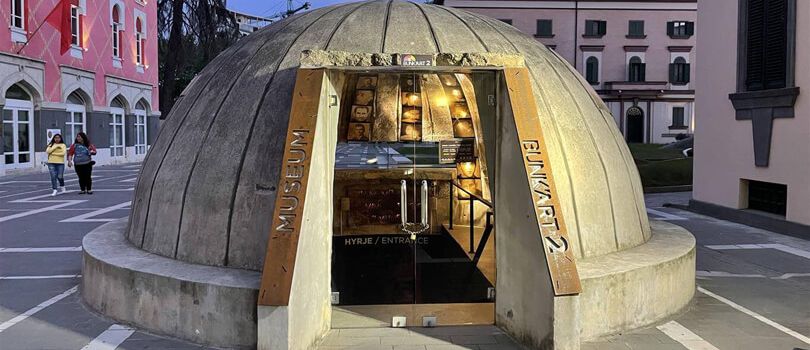
"Experience Albania's history through immersive exhibits."
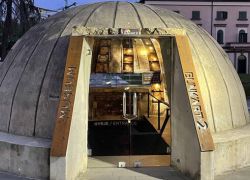
Situated in the capital of Albania, Tirana, Bunk'Art is a fascinating historical museum housed in a large, underground Cold War bunker. This unique museum offers an insight into Albania’s communist past, providing visitors with a deeper understanding of the country’s history, military strategy, and social conditions under the regime of Enver Hoxha. The bunker, which was initially constructed as a high-security shelter for the political elite, has been transformed into a public museum that is both educational and thought-provoking. Whether you're a history buff or a curious traveler, Bunk'Art is a must-visit attraction in Tirana.
How to Reach Bunk'Art, Tirana, Albania
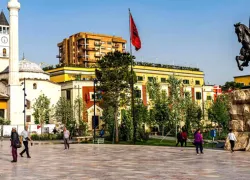
Bunk'Art is located on the outskirts of Tirana, but it’s still relatively easy to reach from the city center. If you're staying in the city, the museum is just a short taxi ride away, approximately 4-5 kilometers from Skanderbeg Square. You can also use ride-hailing apps like Uber or Bolt to get to the museum. Public transportation is available, with buses heading towards the outskirts of the city; however, taxis are often more convenient for visitors unfamiliar with the bus routes.
If you prefer walking, the museum is about 30 minutes on foot from Skanderbeg Square, though the route involves a bit of uphill walking. Once you arrive in the area, the bunker is clearly marked and easy to find. You can also ask locals for directions if needed, as it's a well-known spot in Tirana.
Weather in Tirana
The weather in Tirana is Mediterranean, with hot summers and mild winters. The best time to visit Bunk'Art is during the spring (April to June) and fall (September to November) when the weather is moderate and comfortable for sightseeing. During the summer months (June to August), Tirana can get quite hot, with temperatures often exceeding 30°C (86°F). Be sure to wear sunscreen and bring water if you're visiting during the summer. Winter (December to February) is mild, but be aware that temperatures can occasionally drop below 10°C (50°F).
Why is Bunk'Art Famous?
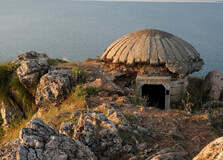
Bunk'Art is famous for its connection to Albania's communist history and its transformation into a unique museum. The structure itself is an imposing example of Cold War-era architecture. Constructed in the 1980s by the regime of Enver Hoxha, it was originally designed as a fallout shelter to protect the political elite of Albania in case of nuclear war or other catastrophic events. It is one of the largest bunkers of its kind in Albania and was part of an extensive network of bunkers built across the country during the communist period.
The bunker’s history is fascinating because, despite its strategic military purpose, it was never used for its intended function. After the fall of communism in the early 1990s, the bunker was abandoned, and in 2014, it was opened as a museum. Today, it serves as a symbol of Albania’s totalitarian past and offers a glimpse into the oppressive environment that Albanians lived under during the communist regime.
Entry and Visit Details about Bunk'Art, Tirana, Albania
Entry to Bunk'Art is ticketed, and the museum is open every day of the week. The opening hours are generally from 10:00 AM to 6:00 PM, though it’s advisable to check the museum’s official website or social media pages for the latest updates, especially around public holidays or special events. Tickets are reasonably priced, and there are often discounts available for students, children, and senior citizens. The general admission fee is around 500-700 Albanian Lek (approximately $5-$7 USD).
Visitors can also choose to take a guided tour for a more in-depth understanding of the exhibits. The museum’s staff are knowledgeable and provide insightful commentary on the bunker’s history, the Albanian communist regime, and the artifacts displayed within the museum. Audio guides are also available in several languages, including English, making it easy for international visitors to navigate and understand the exhibits.
History and Architecture of Bunk'Art
The architecture of Bunk'Art is a striking example of Cold War-era design, characterized by its concrete, minimalist style and its underground, labyrinthine structure. The bunker was designed to house high-ranking members of the Albanian government in case of a nuclear attack or civil unrest. It is made up of several rooms and corridors, all reinforced with thick concrete walls and ceilings to withstand blasts. The total area of the bunker covers over 1,000 square meters, and the complex includes various rooms, including a command center, living spaces, and a hospital area.
What makes Bunk'Art truly unique, however, is its transformation into a museum. The rooms of the bunker have been repurposed to house exhibits that explore Albania’s communist history, the military strategy of the regime, and the lives of ordinary Albanians during the dictatorship. The museum’s design incorporates a mix of original elements from the bunker (such as the concrete walls, ventilation shafts, and steel doors) with modern exhibits and multimedia displays that bring the history to life.
Things to Do at Bunk'Art, Tirana
While visiting Bunk'Art, there are several things to do to make the most of your experience:
Interesting Facts about Bunk'Art, Tirana
Tips for Visiting Bunk'Art, Tirana











Tirana

Tirana