"Explore the iconic symbol of Albania's history."
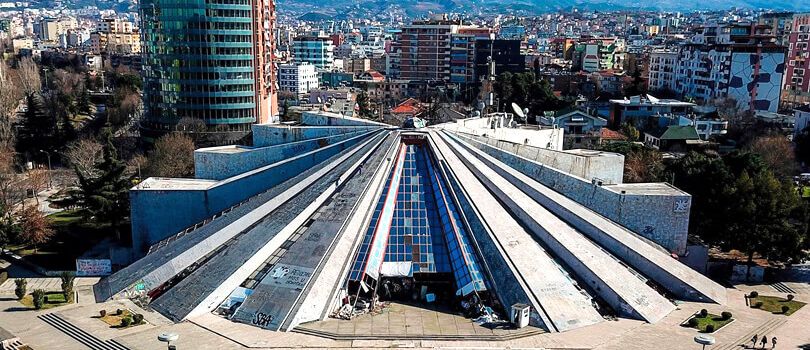
The Tirana Pyramid is one of the most iconic and enigmatic landmarks in the capital city of Albania. Located in the heart of Tirana, this peculiar structure has been a subject of debate, curiosity, and fascination for both locals and tourists alike. Originally built as a museum to honor the legacy of Enver Hoxha, the communist dictator, the pyramid has undergone various transformations throughout the years. Today, it stands as a symbol of Albania's tumultuous past and a striking example of 20th-century architecture.
How to Reach Tirana Pyramid, Tirana, Albania
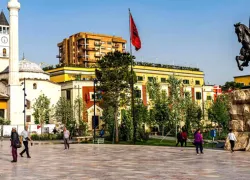
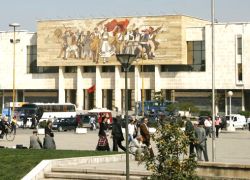
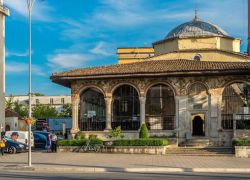
Tirana Pyramid is centrally located in the heart of Tirana, making it easily accessible for visitors. If you are staying in the city center, the pyramid is within walking distance of several key landmarks, including Skanderbeg Square, the National History Museum, and the Et'hem Bey Mosque.
To get to the pyramid from Skanderbeg Square, it is a short 15-minute walk. Simply head south towards the main road, and you will see the pyramid on your left. Public transportation, including buses and taxis, also offer routes to the pyramid. However, due to its central location, walking is one of the most convenient options.
If you're arriving by air, Tirana International Airport (Nënë Tereza) is about 17 kilometers (10.5 miles) from the pyramid. You can take a taxi or a shuttle bus to reach the city center, where the pyramid is located. Taxis are readily available at the airport, and the ride to the city center takes about 25 minutes, depending on traffic.
Weather in Tirana
Tirana experiences a Mediterranean climate, characterized by hot, dry summers and mild, wet winters. Summer temperatures often exceed 30°C (86°F), making it ideal for sightseeing in the cooler morning or evening hours. The pyramid, being outdoors and open to the elements, is best visited in spring (April to June) or autumn (September to November) when the weather is pleasant and mild.
In winter, temperatures can drop to around 10°C (50°F), but snow is rare. If you're visiting during the colder months, it's advisable to dress warmly as the weather can be unpredictable. Overall, the best time to visit Tirana Pyramid is during the spring and fall when the weather is most comfortable.
Why is Tirana Pyramid Famous?
The Tirana Pyramid, also known as the Enver Hoxha Pyramid, is famous for its unusual and futuristic architecture, as well as its controversial historical context. The structure was originally built in 1988 as a museum dedicated to Enver Hoxha, Albania’s communist leader. Designed by his daughter, Shpresa, along with a team of architects, the pyramid was meant to be a symbol of Hoxha's legacy and the socialist regime. However, after the fall of communism in 1991, the pyramid's purpose became a point of contention, and it has since become a symbol of Albania’s transition from dictatorship to democracy.
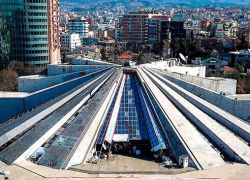
Over the years, the pyramid has undergone several changes. It was initially a museum but later became a center for cultural and public events. It was also abandoned and fell into disrepair for many years, leading to its current state, which is a mix of deterioration and occasional use as a space for street art, performances, and informal gatherings. Its unique structure, which looks like a large, angular pyramid with a series of steps leading to the top, continues to draw both curiosity and admiration for its distinctive design.
Entry and Visit Details about Tirana Pyramid, Tirana, Albania
Entry to the Tirana Pyramid is free of charge, though some events or activities held at the pyramid may require an admission fee. The pyramid itself is not currently functioning as a museum, but it is open to visitors who wish to explore the structure, take photographs, or simply enjoy the view from the top. It’s important to note that the pyramid is in a state of disrepair, so visitors should be cautious while exploring the site.
The pyramid is usually accessible to the public throughout the week. However, as it is not an official tourist site anymore, visiting hours may vary depending on local events and circumstances. It's always a good idea to check with the local tourist office or online resources for updated information about visiting hours and accessibility. While there are no official guides at the pyramid, you can often find informal guides or locals who can share interesting insights about the structure and its history.
History and Architecture of Tirana Pyramid
The history of the Tirana Pyramid is deeply intertwined with Albania’s communist past. Commissioned in 1985 by Enver Hoxha's regime, the pyramid was designed as a museum to honor Hoxha's leadership. The building was completed in 1988 and featured a modern and somewhat futuristic design for its time, with a large concrete structure resembling a pyramid, sloping sides, and a set of stairs that led to an observation deck at the top.
The structure was controversial from the beginning due to its association with Hoxha’s dictatorship. However, after the fall of communism, the pyramid’s role as a museum was abandoned, and it was repurposed for various purposes over the years. It was used as a conference center, a cultural space, and even as a temporary center for radio and television broadcasts. Unfortunately, the building was left to deteriorate due to lack of maintenance, and its unique architecture, once a symbol of communist pride, gradually became a symbol of Albania’s post-communist challenges.
The pyramid's design is a stark contrast to other Soviet-era architecture, with its sleek, angular lines and open space. The steps that lead to the top are now covered in graffiti, adding to its post-apocalyptic aesthetic. Despite its dilapidated condition, the pyramid remains a fascinating and highly photogenic structure. It is also a stark reminder of the country’s history and the complicated legacy of its communist past.
Things to Do at Tirana Pyramid
While the pyramid is no longer functioning as a museum, there are still several activities you can enjoy during your visit:
Interesting Facts about Tirana Pyramid
Tips for Visiting Tirana Pyramid