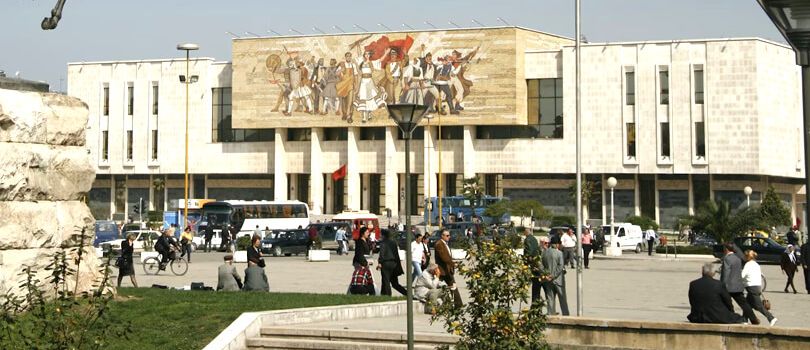
"Explore the rich tapestry of our past."
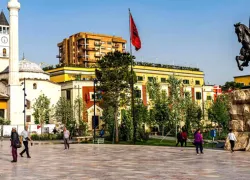
The National History Museum in Tirana is Albania’s largest and most significant museum, dedicated to the rich cultural and historical heritage of the country. Established in 1981, it showcases the entire history of Albania from ancient times to the modern era. The museum is located in the heart of Tirana, Skanderbeg Square, and is a must-visit for anyone interested in exploring the history and evolution of Albania and its people.
How to Reach National History Museum, Tirana, Albania
The National History Museum is centrally located in Tirana, right next to Skanderbeg Square, making it easily accessible from most areas in the city. If you’re arriving by air, the nearest airport is Tirana International Airport (Nënë Tereza), about 17 km away from the city center. From the airport, you can take a taxi or a shuttle bus to reach the museum.
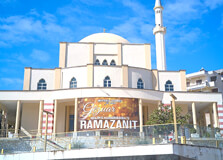
If you are already in the city, the museum is within walking distance from other popular landmarks like Skanderbeg Square and the Et'hem Bey Mosque. Public transport, including buses and taxis, are also readily available and make getting to the museum easy. Additionally, the museum is well-signposted, so you won't have trouble finding it once you're in the city center.
Weather in Tirana
The weather in Tirana is Mediterranean, with hot summers and mild winters. The summer months (June to August) can be quite warm, with temperatures regularly reaching over 30°C (86°F), while winters (December to February) are typically mild, with temperatures averaging around 10°C (50°F). The best time to visit the National History Museum is in the spring (April to June) or fall (September to November), when the weather is pleasant and you can comfortably explore both the museum and the surrounding areas. Summer can be very hot, so be prepared with sunscreen and water if visiting during this season.
Why is the National History Museum Famous?
The National History Museum is famous for being the primary institution in Albania that preserves and showcases the country’s rich historical, archaeological, and cultural heritage. With a vast collection that spans thousands of years of history, the museum offers visitors a comprehensive overview of Albania’s past. Highlights include displays on the Illyrian, Roman, and Byzantine periods, as well as exhibitions on Albania’s struggle for independence, communism, and the post-communist era.
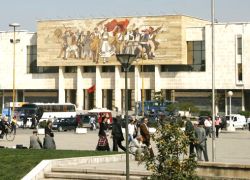
The museum is also known for its large mosaic that covers the front of the building. This iconic mosaic, titled "The Albanians," depicts key moments in Albania's history and is one of the largest of its kind in Europe. It serves as a striking visual representation of the nation's historical journey and its cultural diversity.
Entry and Visit Details about National History Museum, Tirana, Albania
The National History Museum is open to visitors every day of the week, except for Mondays. The opening hours are typically from 9:00 AM to 6:00 PM, but it's always advisable to check the latest timings on the museum's official website or by calling ahead, as these can sometimes vary, especially around holidays. The museum has an entry fee, which is quite affordable for both locals and tourists, making it accessible for a wide audience.
Tickets for adults are generally around 300-400 Albanian Lek, while students, children, and senior citizens usually get discounted or free entry. Audio guides are available in various languages, including English, Italian, and French, making it easy for international visitors to enjoy the museum’s exhibits.
History and Architecture of National History Museum
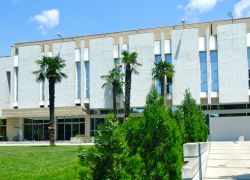
The National History Museum was established in 1981 to preserve the history of Albania. The building itself is a significant example of socialist-era architecture, reflecting the design ideals of the period. The structure is an imposing modernist building with clean lines and a grand entrance, symbolizing Albania's resilience and strength throughout history.
The most striking feature of the museum is its large mosaic on the façade, titled "The Albanians," which covers the entire front of the building. The mosaic illustrates important figures and events from Albania’s history, such as the resistance against Ottoman occupation, the independence movement, and the various struggles for freedom throughout the centuries.
Inside, the museum is divided into different sections, each representing a different era of Albania’s history. The interior architecture is straightforward, focusing more on functionality and the presentation of historical artifacts than on decorative elements. The museum features a range of exhibitions, including prehistoric artifacts, ancient coins, and important documents related to the country's independence and communist era.
Things to Do at National History Museum, Tirana
When visiting the National History Museum, there are several things you can do to make the most of your experience:
Interesting Facts about National History Museum, Tirana
Tips for Visiting National History Museum, Tirana















Tirana

Tirana