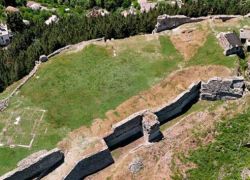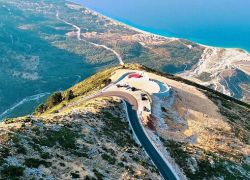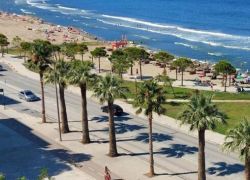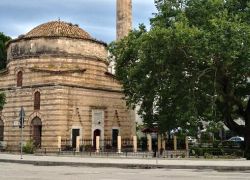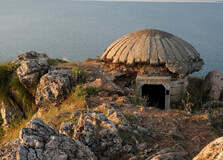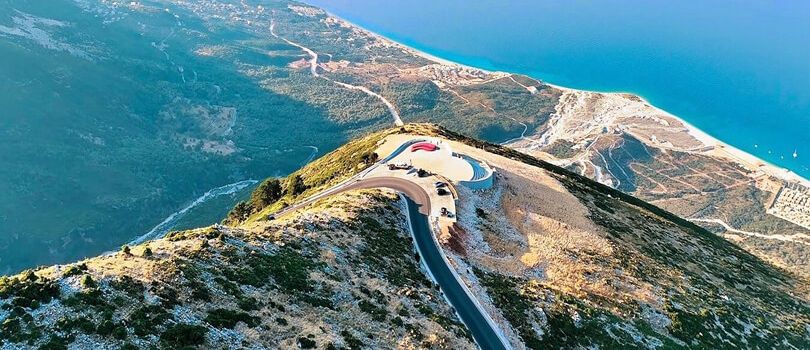
"Breathtaking views along Albania's coastal mountains."
Llogara Pass, located in the Albanian Riviera, is one of the most stunning mountain passes in Albania. It lies on the national road that connects the city of Vlore to the southern coastal town of Dhermi and beyond. The pass is known for its breathtaking panoramic views of the Ionian Sea, rugged mountains, and lush green valleys. At an elevation of 1,027 meters (3,369 feet), Llogara Pass is not just a scenic route but a popular tourist attraction that offers a unique blend of natural beauty, history, and adventure.
How to Reach Llogara Pass
Reaching Llogara Pass is relatively easy from the city of Vlore, which is around 40 kilometers to the north. The pass is situated along the SH8 road, which connects Vlore to Dhermi, and it is accessible by car, taxi, or bus. The journey from Vlore to Llogara Pass takes about 45 minutes to 1 hour, depending on traffic and weather conditions. The road leading to the pass is well-paved but steep, with a series of hairpin bends that provide stunning views of the surrounding landscape.
If you're traveling from Tirana, the capital of Albania, the pass is around 170 kilometers away, and it takes approximately 3 to 4 hours by car. For those not driving, local buses from Vlore or Tirana also operate, although they may not be as frequent or comfortable as private transport.
Weather in Llogara Pass
The weather at Llogara Pass varies significantly depending on the season, as it is located in a mountainous area. Summers (June to August) are generally warm, with temperatures ranging from 25°C to 30°C (77°F to 86°F) in the valley, but much cooler at the top of the pass. The cool mountain breeze and higher altitude make the temperatures much more pleasant for visitors, even during the peak of summer.
Spring (April to May) and autumn (September to November) are ideal times to visit Llogara Pass, with moderate temperatures ranging between 15°C and 25°C (59°F to 77°F), providing perfect conditions for hiking, photography, and sightseeing. Winters (December to February) can be quite cold, with temperatures often dropping below 10°C (50°F), and there may be occasional snow. The winter months are less popular for visiting due to the colder weather and possible road closures due to snow, so it's better to check the forecast before visiting during these months.
Timing of Llogara Pass
Llogara Pass is accessible year-round, but the timing of your visit will depend on the type of experience you are seeking. The pass is open for visitors at all times of the year, but the best months to visit are from late spring to early autumn (May to October). This period offers the best weather, with clear skies and moderate temperatures perfect for outdoor activities such as hiking, driving, and enjoying the view. The road to the pass is well-maintained and typically open throughout the year, although snow or heavy rains can cause temporary closures in the winter months.
Why Llogara Pass is Famous
Llogara Pass is famous for its dramatic and awe-inspiring views, making it one of the most photographed locations along the Albanian Riviera. The pass is a gateway between the mountains and the sea, offering an incredible vantage point where visitors can see the sparkling Ionian Sea on one side and the rugged Albanian Alps on the other. It is a place where nature seems to meet at its most picturesque, and it’s often called the "gateway to the Albanian Riviera."
The pass is also known for its historical significance, having been used for centuries as a trade route between the inland cities of Albania and the coastal areas. In addition, it is famous for the unique flora and fauna that populate the area, with various species of trees, plants, and animals found only in this region. The pass is a favorite spot for nature lovers, photographers, and those who seek a combination of adventure and serenity.
Entry and Visit Details
There is no entry fee to visit Llogara Pass, as it is a public road that anyone can access. However, you may need to pay for parking if you plan to stop at designated viewpoints or nearby restaurants. Several spots along the road offer panoramic views of the surrounding mountains and the Ionian Sea, where you can stop, take photos, and enjoy the scenery.
If you're interested in hiking or exploring the area, there are several trails that start near the pass. The most popular of these is the trail to the Llogara National Park, which offers a mix of forests, meadows, and peaks that are perfect for trekking. Some local guides are available for hire to lead hikes, providing insight into the area's flora, fauna, and history.
History and Architecture of Llogara Pass
Although Llogara Pass is primarily known for its natural beauty, it also has historical significance. The pass has been used as a trade route since antiquity, connecting the inland areas of Albania with the coastal cities along the Ionian Sea. It was a vital link for merchants and travelers moving between the north and south of the country, especially during the Roman and Byzantine periods. The road itself, although modernized, retains much of its ancient charm with winding roads and picturesque views, offering a journey through history as well as nature.
The architectural significance of the pass is mostly tied to the infrastructure and road-building efforts that have taken place over the years. During the Ottoman Empire, the road was expanded and improved to facilitate trade and communication between the different regions of the empire. Today, the pass is part of Albania's national highway system, which has been developed to cater to both local traffic and tourism.
Things to Do at Llogara Pass
There are many activities you can enjoy while visiting Llogara Pass. Some of the most popular things to do include:
Facts About Llogara Pass
Tips for Visiting Llogara Pass
To make the most of your visit to Llogara Pass, consider these helpful tips:
Conclusion
Llogara Pass is one of Albania's most scenic and historically significant natural landmarks. Whether you're an avid traveler, a nature enthusiast, or simply someone looking to enjoy incredible views, Llogara Pass offers something for everyone. With its rich history, breathtaking landscapes, and array of activities, it's a must-visit destination on your journey along the Albanian Riviera.