"Cultural insights into Albania's rich heritage."
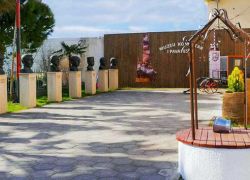
The Ethnological Museum of Vlorë is one of the most important cultural institutions in the city. It is dedicated to preserving and showcasing the traditions, customs, and everyday life of the people of Vlorë and the surrounding region. Located in the heart of the city, the museum provides visitors with an in-depth look into the rich ethnographic heritage of Albania. Through a wide array of exhibits, the museum highlights the history, arts, crafts, and lifestyle of the Albanian people, with a particular focus on the coastal region of Vlorë.
How to Reach The Ethnological Museum of Vlorë
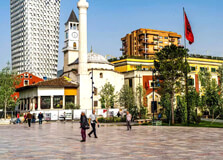
The Ethnological Museum of Vlorë is centrally located in the city, making it easily accessible for tourists and locals alike. If you are staying in the city center, the museum is within walking distance of most major landmarks, such as the Independence Square and the Vlore port. The museum is situated in a historically significant building, which is part of the city's cultural heritage.
If you are traveling to Vlorë from other parts of Albania, the city is well connected by road, with a 2-hour drive from Tirana, the capital. The museum is located around 1.5 kilometers from the bus station, and you can reach it easily by taxi or on foot. For those traveling by bus, there are local buses that pass through the city center and will take you close to the museum.
Weather in Vlorë
Vlorë has a Mediterranean climate, which makes it an attractive destination year-round. The summers (June to August) are hot and dry, with average temperatures reaching 30°C (86°F). The best time to visit the Ethnological Museum of Vlorë is during the spring (April to June) and autumn (September to November), when the weather is mild and perfect for sightseeing. Temperatures during these seasons range from 15°C to 25°C (59°F to 77°F), which is ideal for walking around the city and exploring its cultural sites.
Winter (December to February) in Vlorë is mild compared to other parts of Albania, with temperatures averaging 5°C to 15°C (41°F to 59°F). While it may be cooler and wetter, it is still possible to visit the museum and other indoor attractions during this time without large crowds. However, be sure to check the weather forecast, as some rainy days can occur during winter.
Timing of The Ethnological Museum of Vlorë
The Ethnological Museum of Vlorë is open every day from 9:00 AM to 6:00 PM, giving ample opportunity for visitors to explore the exhibits. However, the museum may close on certain Albanian holidays, so it's always a good idea to check the schedule before visiting. It is recommended to arrive early in the morning, as the museum can get busier later in the afternoon, especially during peak tourist seasons. The museum is often less crowded in the off-season, making it a great time to visit for those seeking a more peaceful experience.
Why The Ethnological Museum of Vlorë is Famous
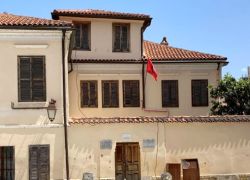
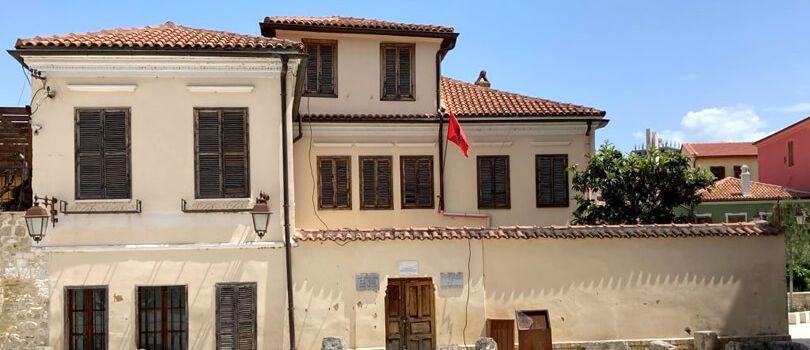
The Ethnological Museum of Vlorë is famous for its extensive collection of artifacts that highlight the daily life, culture, and traditions of the people of Vlorë and the wider region. The museum is housed in a beautiful traditional building that once belonged to a prominent Albanian family, and this adds to its cultural significance. What sets this museum apart is its focus on the authentic representation of the region’s lifestyle, from traditional costumes to agricultural tools and household items.
The museum is an excellent place to learn about the various aspects of Albanian folk culture, including its crafts, religious traditions, and historical evolution. It provides a glimpse into the past, allowing visitors to understand the ways of life in Albania before the modern era. The museum’s exhibits are well-organized and designed to educate visitors about the different stages of Albania's ethnographic development.
Entry and Visit Details
Entry to the Ethnological Museum of Vlorë is affordable, with general tickets costing around 200-300 Albanian lek (roughly 2-3 USD). The museum offers discounted entry for students, seniors, and local residents. It is recommended to bring cash, as credit cards may not always be accepted. Guided tours are also available for those who wish to learn more about the exhibits and the cultural context behind them. The museum staff is friendly and knowledgeable, and the tours are offered in both Albanian and English.
Visitors should allocate at least an hour to fully explore the museum, but those with a particular interest in history and culture may wish to spend more time. The museum is small, but its rich collection ensures that every room is filled with valuable insights into Albania’s ethnological history.
History and Architecture of the Ethnological Museum of Vlorë
The museum is housed in a historic building that was constructed in the 18th century, reflecting traditional Albanian architectural styles. The house was once owned by a wealthy family, and it features a classic layout with spacious rooms, high ceilings, and ornate decorations. The architecture of the building itself is a reflection of the wealth and status of the family that once lived there, providing a unique glimpse into the aristocratic life of the time.
The Ethnological Museum’s design incorporates traditional elements such as wooden beams, stone floors, and intricate plasterwork. The building’s structure has been well-preserved, and much of its original charm remains intact. The museum’s galleries are divided into thematic sections, showcasing different aspects of the local culture, including agricultural practices, traditional clothing, and folk art.
Things to Do at The Ethnological Museum of Vlorë
A visit to the Ethnological Museum of Vlorë is an opportunity to explore the rich cultural heritage of the city and the surrounding region. Here are some things you can do while visiting:
Facts About the Ethnological Museum of Vlorë
Tips for Visiting the Ethnological Museum of Vlorë
To make the most of your visit to the Ethnological Museum of Vlorë, here are some helpful tips:
Conclusion
The Ethnological Museum of Vlorë is an essential destination for anyone interested in learning more about the traditions, culture, and history of the Vlorë region and Albania as a whole. With its extensive collection of artifacts, traditional clothing, and historical exhibits, the museum offers a fascinating insight into the daily life of the Albanian people. Whether you're a history enthusiast or just looking to learn more about Albania's folk culture, a visit to this museum will deepen your appreciation for the country’s rich cultural heritage.