"Discover architectural beauty and spiritual serenity."
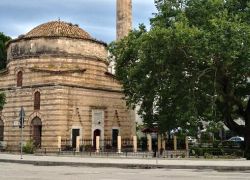
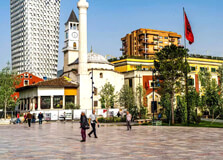
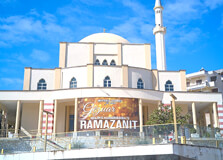
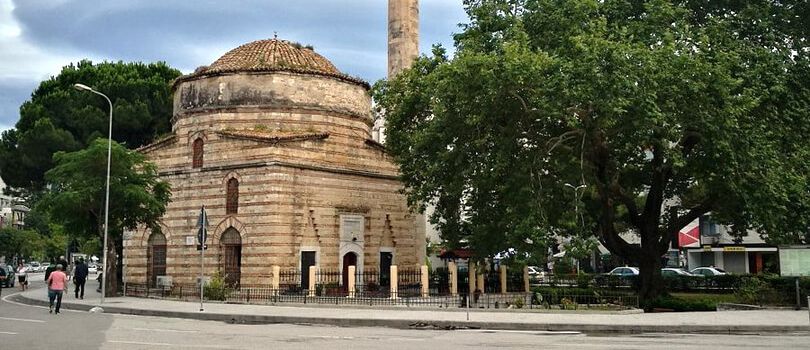
The Muradie Mosque is one of the most significant historical and architectural landmarks in Vlore, Albania. Situated in the heart of the city, it has been a symbol of the Islamic heritage of the region for centuries. The mosque was constructed during the Ottoman era in the 16th century and remains a place of worship and cultural importance today. Known for its impressive architecture and historical relevance, the Muradie Mosque stands as a testament to the rich cultural and religious history of Albania during the Ottoman period.
How to Reach The Muradie Mosque
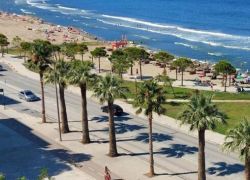
The Muradie Mosque is centrally located in Vlore, making it easily accessible from different parts of the city. If you're staying in the city center, the mosque is just a short walk from the main street, offering visitors the chance to enjoy the local atmosphere as they make their way to the mosque. If you are traveling by car, you can find parking nearby, although it can get busy during peak hours.
For those traveling from outside of Vlore, the mosque is easily reachable by bus or taxi. The distance from the Vlore bus station to the mosque is about 2 kilometers, and it will take around 5 minutes by car or taxi. Local buses that go through the center of the city will also pass near the mosque, providing convenient access for those traveling by public transport.
Weather in Vlore
Vlore enjoys a Mediterranean climate, characterized by hot, dry summers and mild, wet winters. The best time to visit the Muradie Mosque is during the spring (April to June) and autumn (September to November), when the temperatures are pleasant, ranging between 15°C and 25°C (59°F and 77°F). Summer months (July and August) can be quite hot, with temperatures often exceeding 30°C (86°F), so it’s best to visit in the early morning or late afternoon during these months to avoid the heat.
Winter (December to February) is mild, with temperatures ranging from 5°C to 15°C (41°F to 59°F), making it still a good time to visit for those who prefer fewer crowds. However, some rainy days might be expected during this period, so it’s advisable to check the weather forecast in advance.
Timing of The Muradie Mosque
The Muradie Mosque is open to visitors every day from 9:00 AM to 6:00 PM. However, it is important to note that the mosque is also an active place of worship, so it may be closed during prayer times, particularly on Fridays, when the mosque hosts the Jumu'ah (congregational Friday prayers). Visitors should plan their visit around these prayer times to ensure they can explore the mosque without disturbing those there for worship.
If you are interested in learning more about the mosque's history, it is advisable to visit in the morning or early afternoon, as these times tend to be quieter, allowing for a more peaceful and insightful visit.
Why The Muradie Mosque is Famous
The Muradie Mosque is famous for its historical and architectural significance, making it a popular destination for tourists and locals alike. Built in the 16th century during the Ottoman Empire's rule over Albania, the mosque stands as a symbol of the cultural and religious influence the Ottomans had on the region. It was constructed by the renowned architect Sinan, who also designed many famous mosques throughout the Ottoman Empire.
The mosque's fame is also attributed to its unique architectural style. The mosque features classic Ottoman design elements, such as a large central dome, a minaret, and beautifully decorated interior. The mosque’s beauty and historical value make it an essential stop for visitors interested in Albania’s Ottoman past and the role of Islam in shaping the country’s culture.
Entry and Visit Details
Visiting the Muradie Mosque is free of charge. It is a public religious site, and visitors are welcome to explore its stunning architecture and learn about its history. However, it is important to be respectful of the mosque’s religious significance. When visiting, it is customary to dress modestly. Women are advised to cover their heads, and both men and women should avoid wearing revealing or inappropriate clothing.
If you wish to learn more about the history of the mosque, it is recommended to hire a local guide, who can provide more detailed information about the mosque's architectural style, the significance of its design elements, and its place in the history of Vlore and Albania. While the mosque itself does not have an official museum, many guides provide valuable insights into its past and its role in the community.
History and Architecture of The Muradie Mosque
The Muradie Mosque was built during the reign of the Ottoman Empire in the 16th century. It is considered one of the most important examples of Ottoman architecture in Albania. The mosque was commissioned by the famous Ottoman ruler Suleiman the Magnificent and was designed by the renowned architect Mimar Sinan, who is known for his work on many mosques throughout the Ottoman Empire, including the Suleymaniye Mosque in Istanbul.
The mosque is built with large stone blocks, and its design follows traditional Ottoman styles, including a massive dome that dominates the structure. The mosque also features a tall, slender minaret, which is an iconic feature of Ottoman mosque design. Inside, visitors will find intricate calligraphy and decorations that showcase the craftsmanship of the period.
The Muradie Mosque is also important because it was one of the first buildings in Vlore to incorporate elements of Islamic architecture, which helped shape the city's development during the Ottoman era. Over the centuries, the mosque has been renovated and restored several times, preserving its architectural splendor for future generations.
Things to Do at The Muradie Mosque
When visiting the Muradie Mosque, there are several things you can do to make the most of your experience:
Facts About The Muradie Mosque
Tips for Visiting The Muradie Mosque
To make your visit to the Muradie Mosque enjoyable and respectful, here are some helpful tips:
Conclusion
The Muradie Mosque is a vital cultural and historical landmark in Vlore, Albania. Its architectural beauty, rich history, and significance as an active place of worship make it a must-visit for anyone interested in Albania's Islamic heritage and Ottoman architecture. Whether you are a history enthusiast, an architecture lover, or simply looking to experience a piece of Albania’s past, a visit to the Muradie Mosque will leave a lasting impression. Be sure to explore the mosque’s stunning design, learn about its historical context, and show respect for its cultural and religious importance during your visit.