"Learn about the struggle for freedom and heritage."
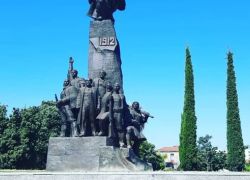
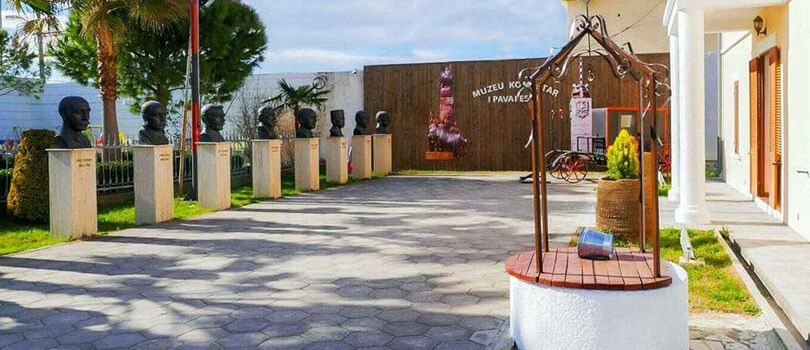
The National Museum of Independence is one of the most significant historical landmarks in Vlore, Albania. Located in the heart of the city, the museum is dedicated to the declaration of Albania's independence from the Ottoman Empire in 1912. The museum showcases the history, struggles, and triumphs of Albania's fight for freedom. It also offers a glimpse into the country’s national identity and the cultural heritage that shaped the modern Albanian state. The museum, housed in a beautiful historical building, serves as both an educational and cultural hub for locals and tourists alike.
How to Reach the National Museum of Independence
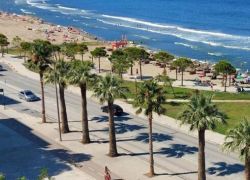
The National Museum of Independence is conveniently located in Vlore’s city center, making it easily accessible by car, bus, or on foot. If you are staying in the city center, the museum is just a short walk away, situated near several other important landmarks and the seafront. It is approximately a 10-minute walk from the port and Vlore’s main promenade, which is lined with cafes, restaurants, and shops.
If you are traveling to Vlore from other parts of Albania, the city is well-connected by road. From the capital, Tirana, it is about a 2-hour drive via the SH1 highway. Once you arrive in Vlore, the museum is easy to find in the center of the city. There are also local buses that connect the city’s main bus terminal to the museum, providing an affordable and reliable means of transport.
Weather in Vlore
Vlore enjoys a Mediterranean climate with hot, dry summers and mild, wet winters. The best time to visit the National Museum of Independence is during the spring (April to June) and autumn (September to November) when the weather is pleasant and ideal for exploring. The average temperature during these seasons ranges from 15°C to 25°C (59°F to 77°F), perfect for a leisurely walk through the city and a visit to the museum.
Summer (July to August) is the peak tourist season, with temperatures often exceeding 30°C (86°F). While the city is bustling, it is best to visit early in the day or later in the afternoon to avoid the midday heat. The winter months (December to February) are milder, with temperatures ranging from 5°C to 15°C (41°F to 59°F), which can be ideal for a quieter visit, though some outdoor activities may be limited due to rain or cooler temperatures.
Timing of the National Museum of Independence
The National Museum of Independence is open to visitors every day of the week from 9:00 AM to 6:00 PM. It is recommended to visit earlier in the day, especially during peak tourist seasons, as the museum can get crowded later in the afternoon. Visitors should note that the museum is closed on certain national holidays, so it is wise to check the museum's schedule before planning your visit.
Why the National Museum of Independence is Famous
The National Museum of Independence is famous for its deep historical significance. It commemorates the events leading up to Albania's declaration of independence on November 28, 1912. This event marked the end of over 400 years of Ottoman rule and the birth of Albania as an independent nation. The museum houses artifacts, documents, and exhibits that highlight the key figures, movements, and struggles of the time, including the efforts of Ismail Qemali, the leader of the Albanian independence movement.
In addition to its historical value, the museum is also notable for its location in a building that once served as the site for the first Albanian government. This adds a layer of cultural and architectural importance to the museum, making it not only a place to learn about history but also a symbol of the beginning of Albania’s modern statehood.
Entry and Visit Details
Entry to the National Museum of Independence is relatively affordable. The general entry fee is typically around 200-300 Albanian lek (roughly 2-3 USD). For students and senior citizens, there are often discounts available. It’s important to bring cash, as credit card payments may not always be accepted.
The museum offers both individual and guided tours. While the museum is small enough to explore independently, taking a guided tour can greatly enhance your experience, providing a deeper understanding of the artifacts and the historical events that shaped Albania’s independence. Tours are typically available in both Albanian and English, but it’s advisable to check in advance if you need a guide in another language.
History and Architecture of the National Museum of Independence
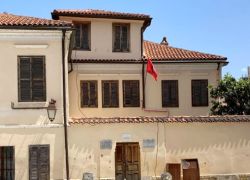
The National Museum of Independence is housed in a historical building that dates back to the early 20th century. The structure itself is a prime example of the Italian-influenced architectural style that was common in Albania during the late Ottoman and early independence periods. The building’s façade reflects a mix of classical and local design elements, and its interior features elegant halls and galleries that are carefully curated to showcase the country’s rich history.
The museum’s most notable feature is the large central hall, where the declaration of independence was made. The building has been meticulously preserved to maintain its historical integrity, and many of the rooms contain original furniture, documents, and photographs from the time of independence. The museum’s exhibits focus on the major events of 1912, including the establishment of the provisional government, and the pivotal role played by figures like Ismail Qemali and other leaders of the independence movement.
Things to Do at the National Museum of Independence
While the National Museum of Independence is a historical and educational site, there are several activities and experiences that visitors can enjoy during their visit:
Facts About the National Museum of Independence
Tips for Visiting the National Museum of Independence
Here are some tips to make the most of your visit to the National Museum of Independence:
Conclusion
The National Museum of Independence in Vlore is an essential destination for those interested in learning about Albania’s path to independence and its rich cultural heritage. The museum offers a comprehensive look at the events of 1912, the key figures involved in the independence movement, and the broader historical context that shaped modern Albania. Whether you are a history enthusiast, a student, or simply a traveler interested in Albania’s past, a visit to this museum will leave you with a deeper appreciation for the country’s journey to freedom.