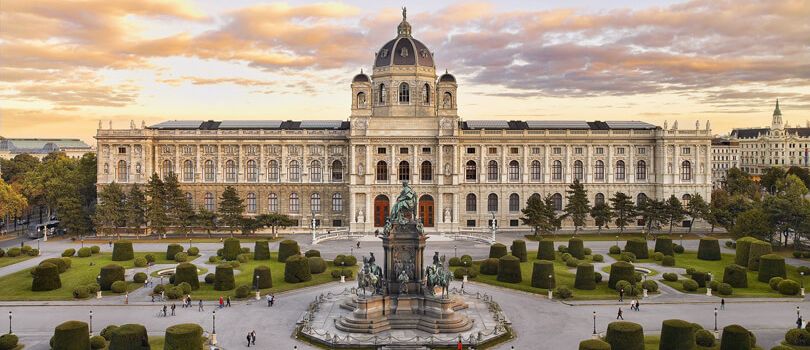
"Marvel at masterpieces of European art history."
The Kunsthistorisches Museum (Museum of Art History) in Vienna is one of the most important art museums in the world. Known for its grand architecture and exceptional collections, the museum showcases a remarkable array of artworks spanning thousands of years. From ancient Egyptian artifacts to European paintings, sculptures, and decorative arts, the Kunsthistorisches Museum is a must-visit for art enthusiasts and history lovers alike. Its comprehensive collections and historic significance make it a cultural treasure in Vienna, attracting visitors from around the globe.
How to Reach Kunsthistorisches Museum
The Kunsthistorisches Museum is located in the heart of Vienna, making it easily accessible by public transport. The museum is situated on the Ringstrasse, a famous boulevard encircling the city center. The nearest U-Bahn (subway) station is “Volkstheater” on the U2 and U3 lines. From there, it's a short walk to the museum’s entrance.
If you're taking the tram, lines 1, 2, D, and 71 all have stops near the museum. Additionally, the museum is within walking distance from several other prominent attractions in Vienna, such as the Hofburg Palace and the MuseumsQuartier. For those arriving by train, the Kunsthistorisches Museum is around 10 minutes by public transport from Vienna's main train station, “Wien Hauptbahnhof.”
Weather and Timing
Vienna experiences a temperate climate with four distinct seasons. Summer (June to August) is warm, with temperatures ranging from 20°C to 30°C (68°F to 86°F), making it a great time to visit the museum and explore the nearby parks and open-air cafes. Spring (March to May) and autumn (September to November) bring milder temperatures, perfect for enjoying the city's outdoor attractions, while winter (December to February) is cold, often with snow, giving Vienna a festive atmosphere, especially around Christmas.
The Kunsthistorisches Museum is open every day except for certain public holidays. The regular opening hours are from 10:00 AM to 6:00 PM, and on Thursdays, the museum stays open later until 9:00 PM. To make the most of your visit, check the official website for any special events or changes in operating hours, particularly during holidays.
Why Kunsthistorisches Museum is Famous
The Kunsthistorisches Museum is renowned for its unparalleled collection of European art and historical artifacts. It is particularly famous for housing the collections of the Habsburg Empire, which were amassed over centuries by the ruling family. The museum is home to world-famous works by renowned artists such as Pieter Bruegel the Elder, Rembrandt, Raphael, and Titian. Additionally, the museum's Egyptian and Near Eastern collections are among the most significant in the world, offering a glimpse into ancient civilizations.
Its extensive collection spans multiple periods, from antiquity to the early modern era, making it one of the most comprehensive art museums in Europe. The museum also features impressive collections of Greek and Roman antiquities, Old Master paintings, Renaissance sculptures, and decorative arts. The Kunsthistorisches Museum is a key destination for art historians and anyone interested in exploring the rich cultural heritage of Europe.
Entry and Visit Details
To enter the Kunsthistorisches Museum, visitors need to purchase tickets. The general adult ticket costs around €16, with discounts available for students, seniors, and groups. The museum offers free admission for children under 19 years of age. Tickets provide access to the permanent collections, and additional tickets may be required for special exhibitions.
The museum also offers combination tickets, which allow access to other nearby attractions, such as the Museum of Natural History (Naturhistorisches Museum), which is located just across the street from the Kunsthistorisches Museum. Visitors can also take advantage of guided tours, which provide a more in-depth exploration of the museum’s vast collections and highlight key works of art.
History of Kunsthistorisches Museum
The Kunsthistorisches Museum was founded in the late 19th century, following the vision of Emperor Franz Joseph I. It was officially opened in 1891, and its purpose was to house the extensive art collections of the Habsburg family. The museum’s construction was part of a larger initiative to establish Vienna as a center of cultural excellence in Europe.
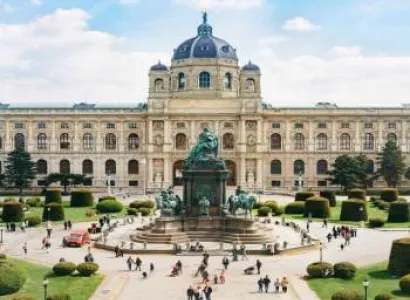
The museum was designed by the famous architects Gottfried Semper and Karl von Hasenauer in a grand Renaissance Revival style. The design incorporates elements of classical architecture, creating a majestic structure that matches the importance of the collections housed inside. Over the years, the Kunsthistorisches Museum has expanded its collection, and today it stands as one of the most important art institutions in the world.
Architecture of Kunsthistorisches Museum
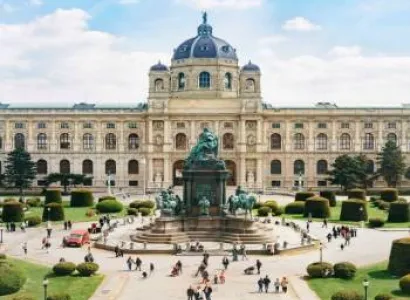
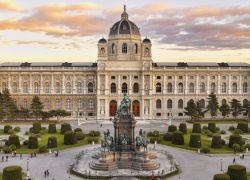
The architecture of the Kunsthistorisches Museum is as impressive as its collections. Designed in the Neo-Renaissance style, the museum’s building features grand facades, magnificent staircases, and elaborate ceilings. The exterior of the museum is adorned with statues of famous artists and scholars, reflecting the museum's role as a center for the preservation and study of art.
Inside, the museum’s design is equally stunning, with vast galleries showcasing masterpieces of painting, sculpture, and decorative arts. The central hall, with its grand dome, provides an awe-inspiring view, while the museum’s spacious rooms are carefully arranged to guide visitors through the various periods and styles of art history. The museum also boasts beautifully decorated galleries that highlight the artistic achievements of different European cultures, making the architecture an integral part of the overall experience.
Things to Do at Kunsthistorisches Museum
Visiting the Kunsthistorisches Museum offers a variety of activities for art lovers and history enthusiasts:
Facts about Kunsthistorisches Museum
Tips for Visiting Kunsthistorisches Museum
To make the most of your visit to the Kunsthistorisches Museum, here are some helpful tips:
Conclusion
The Kunsthistorisches Museum in Vienna is an essential destination for anyone interested in art, history, and culture. With its vast and varied collection, magnificent architecture, and historical significance, it offers a truly immersive experience. Whether you're admiring the works of Old Masters or exploring ancient artifacts, a visit to the Kunsthistorisches Museum provides a fascinating journey through the history of art and civilization.