
The Jawaharlal Nehru State Museum is one of the most important cultural attractions in Itanagar, the capital city of Arunachal Pradesh. This museum offers a deep insight into the rich heritage, traditions, lifestyle, and history of the many tribal communities that inhabit the state. Named after India’s first Prime Minister, Jawaharlal Nehru, the museum serves as a cultural treasure house where visitors can understand the unique identity of Arunachal Pradesh through artifacts, textiles, handicrafts, and historical displays. Located near the heart of Itanagar, the museum is a must-visit destination for tourists, students, researchers, and culture enthusiasts. It provides an excellent introduction to the diverse ethnic groups of the region, making it an ideal starting point for anyone exploring Arunachal Pradesh. History of Jawaharlal Nehru State Museum The Jawaharlal Nehru State Museum was established to preserve and promote the cultural and historical heritage of Arunachal Pradesh. The state is home to more than 25 major tribes and over 100 sub-tribes, each with its own traditions, costumes, tools, and customs. Recognizing the need to document and showcase this diversity, the state government set up the museum as a centralized cultural institution. Over the years, the museum has expanded its collection through research, field surveys, and contributions from local communities. Today, it stands as one of the most comprehensive museums in Northeast India, playing a vital role in educating visitors about the region’s tribal history, social life, and artistic expressions. Architecture and Layout The architecture of the Jawaharlal Nehru State Museum is simple, functional, and designed to suit the hilly terrain of Itanagar. The building is spread across multiple levels and sections, with spacious galleries that allow visitors to move comfortably through various exhibits. While the exterior design is modest, the interior is well organized and thoughtfully curated. Each gallery is dedicated to a specific theme such as tribal lifestyle, traditional attire, handicrafts, archaeology, and historical evolution. Clear display panels and descriptive labels make it easy for visitors to understand the exhibits. Why Jawaharlal Nehru State Museum is Famous The museum is famous for offering a comprehensive and authentic portrayal of Arunachal Pradesh’s tribal culture. It is especially known for: Extensive collection of tribal costumes and ornaments Traditional weapons, tools, and household items Rare handicrafts and bamboo-based artifacts Ethnographic displays representing daily tribal life Archaeological remains and historical photographs The museum’s well-preserved exhibits help visitors appreciate the deep cultural roots of the region and understand how traditional communities have adapted to their natural environment over centuries. Galleries and Exhibits The Jawaharlal Nehru State Museum houses several themed galleries, each highlighting a different aspect of Arunachal Pradesh’s heritage. One of the main sections focuses on tribal life, displaying traditional dresses, ornaments made of beads and metals, headgear, and ceremonial items. Another gallery showcases agricultural tools, fishing equipment, and hunting weapons used by different tribes. The museum also features an archaeological section with stone tools, pottery, and historical objects that reflect the early history of the region. A handicrafts gallery displays beautiful bamboo products, wood carvings, and traditional musical instruments. How to Reach Jawaharlal Nehru State Museum, Itanagar The museum is conveniently located in Itanagar and is easily accessible by different modes of transport. By Air The nearest airport is Lilabari Airport in Assam, approximately 55–60 km from Itanagar. From the airport, taxis and shared vehicles are available to reach the city. By Train Naharlagun Railway Station, about 10–15 km from Itanagar, is the closest railhead. It is well connected to major cities such as Guwahati, Kolkata, and Delhi. By Road Itanagar is connected by road to major towns in Assam. Regular buses and taxis operate from Guwahati, Tezpur, and North Lakhimpur. Local taxis and auto-rickshaws can take you directly to the museum from anywhere in the city. Weather and Best Time to Visit Itanagar experiences a pleasant to moderate climate throughout the year. Summer (March to June): Mild to warm, with temperatures between 20°C and 30°C Monsoon (July to September): Heavy rainfall, lush greenery, but occasional travel disruptions Winter (October to February): Cool and comfortable, temperatures ranging from 8°C to 20°C The best time to visit the Jawaharlal Nehru State Museum is from October to April, when the weather is pleasant and ideal for sightseeing. Timings of Jawaharlal Nehru State Museum The museum is generally open on all working days. Typical visiting hours are: Opening Time: 10:00 AM Closing Time: 4:00 PM or 5:00 PM The museum may remain closed on public holidays and government holidays, so it is advisable to confirm timings before visiting. Entry and Visit Details Entry fees for the Jawaharlal Nehru State Museum are minimal and affordable: Adults: Nominal entry fee Students and children: Concessional rates Camera charges: May apply separately The museum visit usually takes about 1 to 2 hours, depending on your interest in cultural and historical details. Things to Do at Jawaharlal Nehru State Museum Visitors can engage in several enriching activities at the museum: Explore tribal galleries and learn about indigenous cultures Observe traditional costumes, tools, and ornaments Photography for educational and personal use (as permitted) Educational visits for students and researchers Combine the visit with nearby attractions like Ita Fort Interesting Facts about Jawaharlal Nehru State Museum The museum represents cultures of over 25 major tribes of Arunachal Pradesh Many exhibits are sourced directly from tribal communities It is one of the most important ethnographic museums in Northeast India The museum plays a key role in preserving endangered tribal traditions Tips for Visitors Here are some useful tips to make your visit enjoyable: Visit in the morning to explore galleries comfortably Read display descriptions carefully for better understanding Carry a notebook if you are a student or researcher Respect museum rules and avoid touching exhibits Combine your visit with local sightseeing for a complete experience Conclusion The Jawaharlal Nehru State Museum in Itanagar is a cultural gateway to Arunachal Pradesh. With its rich collection of tribal artifacts, traditional crafts, and historical displays, the museum offers a meaningful and educational experience for visitors of all ages. Whether you are a tourist, student, or culture enthusiast, a visit to this museum will deepen your understanding of the unique and diverse heritage of India’s northeastern frontier.
Explore More
Pangsau Pass is a high mountain pass located in the Changlang district of Arunachal Pradesh, near the India-Myanmar border. Situated at an elevation of around 1,100 meters above sea level, it serves as a historical and strategic gateway between India and Myanmar. The pass is surrounded by lush green hills, dense forests, and scenic valleys, making it a fascinating destination for tourists, history enthusiasts, and nature lovers. Pangsau Pass has been historically significant as part of the Stilwell Road, built during World War II to facilitate Allied supply lines between India and China. Today, Pangsau Pass attracts travelers for its scenic beauty, cultural significance, and annual events such as the Pangsau Pass Winter Festival. The festival showcases the unique traditions, music, dance, and handicrafts of the tribes of Arunachal Pradesh and neighboring Myanmar, providing an immersive cultural experience. The pass is also a hub for trekking, photography, and exploring the rich biodiversity of the region. How to Reach Pangsau Pass Pangsau Pass is accessible by road, with nearby towns serving as entry points for tourists. By Air: The nearest airport is Dibrugarh Airport in Assam, around 180 km from Pangsau Pass. Regular flights connect Dibrugarh with major cities like Guwahati, Kolkata, and Delhi. From the airport, taxis or private vehicles can be hired to reach the pass via Changlang and other connecting towns. By Rail: Tinsukia Junction is the closest railway station, approximately 170 km from Pangsau Pass. From there, travelers can hire taxis or take buses toward Changlang and onward to the pass. By Road: Pangsau Pass is connected via National Highway 315A and local roads from towns like Changlang and Jairampur. The journey involves winding mountain roads and picturesque landscapes. Hiring a local guide is recommended for a smoother experience, especially during winter or monsoon seasons. Weather at Pangsau Pass The weather at Pangsau Pass varies according to the season and altitude. Summer (March to June): Summers are pleasant, with temperatures ranging from 18°C to 28°C. This is the best time for sightseeing, trekking, and exploring the pass. Monsoon (July to September): Heavy rainfall occurs, resulting in lush greenery but making roads slippery and sometimes challenging to navigate. Winter (October to February): Winters are cool, with temperatures ranging between 10°C and 20°C. Early mornings and evenings can be chilly, making it ideal for festival visits and photography. Timing to Visit Pangsau Pass The pass is open to visitors throughout the year, but the best time is from October to March when weather conditions are favorable, roads are accessible, and scenic beauty is at its peak. Recommended Visiting Hours: 6:00 AM to 6:00 PM Why Pangsau Pass is Famous Pangsau Pass is famous for its historical significance, scenic landscapes, and cultural events. Key attractions include: Part of the historic Stilwell Road, constructed during World War II, connecting India with Myanmar and China. Gateway to cultural exchange, reflected in the diverse communities and traditional practices of the region. Host of the annual Pangsau Pass Winter Festival, showcasing music, dance, crafts, and food of local tribes. Picturesque landscapes with rolling hills, dense forests, and misty valleys. Opportunities for trekking, photography, and exploring biodiversity along the pass. Entry and Visit Details Visitors can access Pangsau Pass freely, though permits may be required for foreigners or for border-proximity areas. Local authorities and tourism offices provide guidance for travelers. During the winter festival, special arrangements are made, including temporary accommodations, cultural performances, and guided tours. Travelers are advised to follow safety protocols while exploring the pass due to its hilly terrain and weather variability. History and Surroundings Pangsau Pass holds historical importance as a strategic route during World War II. The Stilwell Road, named after American General Joseph Stilwell, was built to transport supplies to Chinese forces fighting the Japanese army. The route traversed through dense forests, mountains, and valleys, with Pangsau Pass serving as a critical point along the way. Today, remnants of the old road and bridges are still visible, adding historical value to the scenic landscape. The surrounding areas are home to indigenous tribes such as Tangsa and Tutsa, who maintain their unique cultural practices, festivals, and handicrafts. The forests and hills around the pass harbor diverse flora and fauna, including rare orchids, medicinal plants, and Himalayan wildlife, making it a nature lover’s paradise. Things to Do at Pangsau Pass Trekking: Explore trails through forests, hills, and valleys, enjoying scenic views and fresh mountain air. Photography: Capture breathtaking landscapes, historical remnants, and cultural events. Attend Festivals: Participate in the Pangsau Pass Winter Festival to experience local music, dance, and cuisine. Nature Walks: Discover the rich flora and fauna of the region, including rare plants and bird species. Historical Exploration: Study remnants of the Stilwell Road and bridges, reflecting World War II history. Interesting Facts about Pangsau Pass Pangsau Pass is not only a natural and cultural landmark but also a historical symbol of India-Myanmar connectivity. Its elevation provides panoramic views of the surrounding valleys, rivers, and forests. The pass has been a trade route for centuries, connecting India with Southeast Asia. Local legends also describe the pass as a meeting point of different tribal communities, contributing to its cultural diversity. Tips for Visiting Pangsau Pass Wear comfortable trekking shoes and warm clothing, especially during winter and early mornings. Carry water, snacks, and basic first-aid kits for longer treks and exploration. Respect local customs, traditions, and wildlife to maintain the sanctity of the area. Hire local guides for historical insights, cultural understanding, and safer navigation of forested and hilly terrain. Visit during the winter festival season to experience cultural richness and local traditions, but plan accommodations in advance. Conclusion Pangsau Pass in Changlang, Arunachal Pradesh, is a destination that combines history, culture, and natural beauty. From exploring the historic Stilwell Road to enjoying the scenic vistas of hills and valleys, visitors can experience a unique blend of adventure and cultural immersion. The annual Pangsau Pass Winter Festival adds vibrancy, showcasing the traditions of local tribes. With proper planning and guidance, a visit to Pangsau Pass offers an unforgettable journey into the heart of Arunachal Pradesh’s natural and cultural heritage.
Explore More
Walong is a picturesque town located in the Changlang district of Arunachal Pradesh, nestled in the northeasternmost corner of India near the Indo-China-Myanmar tri-junction. Situated at an altitude of approximately 1,000 meters above sea level, Walong is surrounded by lush green hills, rivers, and valleys, offering a serene and scenic environment. The town is historically and strategically significant due to its proximity to the Line of Actual Control (LAC) with China, and it was the site of intense battles during the 1962 Indo-China War. Walong is famous not only for its natural beauty but also for its rich history and cultural heritage. The town serves as a gateway to several attractions in the Changlang district, including scenic valleys, riverbanks, and tribal villages. Visitors to Walong can enjoy tranquil landscapes, traditional Arunachali culture, and an opportunity to explore a remote part of India that remains largely untouched by mass tourism. The town also provides a base for exploring nearby natural wonders such as Loisabi Falls, Pangsau Pass, and the Lohit River Valley. How to Reach Walong Walong is accessible via road from Assam and other parts of Arunachal Pradesh, although its remote location requires careful planning. By Air: The nearest airport is Dibrugarh Airport in Assam, approximately 280 km away. From Dibrugarh, private taxis or buses can be hired to reach Walong via the NH-315A highway. By Rail: Tinsukia Junction and Dibrugarh railway stations are the closest railheads. From there, travelers can hire taxis or use bus services to reach Walong through Tezu and other intermediate towns. By Road: Walong is well connected by road, though the journey involves winding mountain roads and hilly terrain. Private taxis, shared cabs, and buses from Tezu, Changlang, or Dibrugarh provide access to the town. Travelers are advised to check road conditions in advance, especially during the monsoon season. Weather in Walong The climate in Walong varies throughout the year, influenced by its Himalayan foothill location. Summer (March to June): Summers are mild and pleasant, with temperatures ranging between 18°C and 28°C, making it an ideal time for sightseeing and trekking. Monsoon (July to September): Heavy rainfall is common during the monsoon season, enhancing the greenery but sometimes making roads slippery and challenging for travel. Winter (October to February): Winters are cool and comfortable, with temperatures ranging from 10°C to 20°C. Clear skies during winter provide excellent conditions for photography and outdoor exploration. Timing to Visit Walong Walong is accessible year-round, but the best time to visit is between October and June, avoiding heavy monsoon rains for easier travel and safer trekking. Recommended Visiting Hours: 6:00 AM to 6:00 PM Why Walong is Famous Walong is famous for its historical significance, natural beauty, and cultural heritage. Key highlights include: Historical Significance: Walong was the site of the Battle of Walong during the 1962 Indo-China War, and the Walong War Memorial commemorates the soldiers who lost their lives. Scenic Landscapes: Surrounded by lush green hills, rivers, and valleys, Walong offers stunning vistas and opportunities for nature photography. Cultural Experience: The town is home to the local Mishmi tribe, offering visitors a glimpse into traditional Arunachali customs, festivals, and handicrafts. Adventure Activities: The region offers trekking, river walks, and exploration of nearby valleys and waterfalls. Gateway to Attractions: Walong serves as a base to explore Loisabi Falls, Pangsau Pass, and the Lohit River Valley. Entry and Visit Details Indian citizens can visit Walong without a special permit. Foreign nationals, however, require an Inner Line Permit (ILP) to enter Arunachal Pradesh, which can be obtained online or from designated offices in Assam or Arunachal Pradesh. The town has basic accommodation facilities, including guesthouses, homestays, and government lodges. Local guides are available to assist with historical, cultural, and natural exploration of the area. History and Architecture Walong holds historical importance due to the 1962 Sino-Indian War. The Battle of Walong was a significant confrontation where Indian forces fought bravely against the Chinese army. The Walong War Memorial stands as a tribute to these soldiers and is a key landmark for visitors interested in military history. The town’s architecture is a blend of traditional Arunachali tribal homes and modern structures. Traditional houses are built using bamboo, wood, and thatch, reflecting the sustainable construction techniques of the Mishmi tribe. These homes often feature intricate carvings and wooden panels that depict local folklore and cultural symbols. Things to Do in Walong Visit Walong War Memorial: Pay respects at the memorial and learn about the town’s historical significance. Explore Local Tribes: Interact with the Mishmi tribe, experience their traditional dances, festivals, and handicrafts. Trekking and Nature Walks: Discover nearby valleys, hills, and rivers, enjoying the pristine natural beauty of Arunachal Pradesh. Photography: Capture stunning landscapes, cultural events, and traditional tribal architecture. Visit Nearby Attractions: Take short trips to Loisabi Falls, Pangsau Pass, and the Lohit River Valley for more scenic and cultural experiences. Interesting Facts about Walong Walong is the easternmost town in India’s Changlang district, giving it strategic importance along the Indo-China border. Its location at the tri-junction with Myanmar makes it culturally diverse, with influences from Indian and Southeast Asian traditions. The surrounding forests are rich in biodiversity, with rare Himalayan flora and fauna, making it a hotspot for nature enthusiasts. Tips for Visiting Walong Carry warm clothing, especially during early mornings and winters. Wear comfortable trekking shoes suitable for hilly and uneven terrain. Carry sufficient water, snacks, and basic first-aid supplies when exploring valleys and trails. Respect local customs and traditions when interacting with tribal communities. Obtain an Inner Line Permit (ILP) if you are a foreign national before visiting Walong. Conclusion Walong in Changlang, Arunachal Pradesh, is a destination that beautifully blends history, culture, and natural splendor. From exploring the Walong War Memorial and learning about the 1962 Indo-China War to trekking in lush green valleys and witnessing traditional tribal life, the town offers a unique experience for travelers. Surrounded by rivers, hills, and forests, Walong is a serene and scenic retreat for those seeking both adventure and cultural immersion. With proper planning, local guidance, and respect for the environment and communities, a visit to Walong promises an unforgettable journey into the heart of Arunachal Pradesh’s heritage and natural beauty.
Explore More
The Bhalukpong Fort is a historical monument located in the town of Bhalukpong in the Indian state of Arunachal Pradesh. This fort holds great significance as it served as a strategic military outpost in the ancient times. The fort is situated on the banks of the Kameng River and offers stunning views of the surrounding hills and forests. Timings Of Bhalukpong Fort The Bhalukpong Fort is open to visitors from 9:00 AM to 5:00 PM on all days of the week. Entry Fee There is no entry fee to visit the Bhalukpong Fort. Visitors can explore the fort free of cost. Required Time And Restricted Items It is recommended to spend at least 1-2 hours exploring the Bhalukpong Fort in detail. Visitors are not allowed to carry any food items or alcoholic beverages inside the fort premises. Architecture Of Bhalukpong Fort The Bhalukpong Fort exhibits a unique blend of architectural styles, showcasing influences from both indigenous tribal designs and medieval military structures. The fort's strategic location overlooking the river and the surrounding landscape adds to its charm. Best Time To Visit The best time to visit the Bhalukpong Fort is during the winter months from November to February when the weather is pleasant and ideal for sightseeing. How To Reach The Bhalukpong Fort is easily accessible by road. It is located approximately 52 kilometers from Tezpur in Assam and can be reached by hiring a taxi or taking a local bus from nearby towns. History Of Bhalukpong Fort The Bhalukpong Fort has a rich historical background and was originally built by the Ahom rulers in the 10th century. It was used as a stronghold to defend against invasions from neighboring kingdoms. Over the years, the fort has undergone several renovations and additions, making it a symbol of the region's cultural heritage. Inside Bhalukpong Fort Inside the Bhalukpong Fort, visitors can explore the various chambers, watchtowers, and ruins that offer a glimpse into the fort's past. The fort also houses a small museum showcasing artifacts and historical documents related to the region. Traveling Tips It is advisable to wear comfortable footwear as there may be uneven pathways inside the fort. Visitors should also carry sufficient water and sunscreen while exploring the fort, especially during the summer months. Hotels Near Bhalukpong Fort 1. Wild Mahseer - Heritage Bungalow 2. Prashanti Cottage 3. Darjeeling Tourist Lodge 4. Hotel Blu Orchid 5. Hotel Druk Nearby Tourist Spots Of Bhalukpong Fort 1. Pakhui Wildlife Sanctuary 2. Tipi Orchidarium 3. Sessa Orchid Sanctuary 4. Nameri National Park 5. Kaziranga National Park
Explore More
The Bhismak Fort, located in the Lohit district, is a historic fortification that stands as a symbol of the region's rich cultural heritage. This ancient fort is believed to have been built by the local rulers of the area and served as a stronghold for centuries. Timings Of Bhismak Fort The Bhismak Fort is open to visitors from 9:00 am to 5:00 pm every day of the week. Entry Fee There is no entry fee to visit the Bhismak Fort, making it accessible to all tourists and history enthusiasts. Required Time And Restricted Items Visitors typically spend around 1-2 hours exploring the Bhismak Fort. Please note that photography may be restricted in certain areas of the fort, so be sure to check with the staff before taking any photos. Architecture Of Bhismak Fort The architecture of the Bhismak Fort showcases a blend of traditional and indigenous construction techniques. The fort features massive stone walls, intricate carvings, and ancient ramparts that speak volumes about the craftsmanship of the builders. Best Time To Visit The best time to visit the Bhismak Fort is during the winter months from October to February when the weather is pleasant and ideal for exploring historical sites. How To Reach The Bhismak Fort is easily accessible by road. Visitors can reach the fort by hiring a taxi or taking a local bus from the nearby town. The fort is well-connected by a network of roads, making it convenient for tourists to travel to and from the site. History Of Bhismak Fort The Bhismak Fort has a long and storied history, with records indicating that it was constructed several centuries ago by the local rulers of the region. The fort has witnessed numerous battles and political upheavals over the years, making it a significant historical landmark. Inside Bhismak Fort Inside the Bhismak Fort, visitors can explore the various chambers, halls, and courtyards that make up the complex. The fort also houses a museum that showcases artifacts and relics from the region's past, providing a glimpse into the cultural heritage of the area. Traveling Tips When visiting the Bhismak Fort, it is advisable to wear comfortable shoes as there may be some uneven terrain to navigate. It is also recommended to carry a hat, sunscreen, and plenty of water, especially during the summer months when the temperatures can be high. Hotels Near Bhismak Fort Several hotels near the Bhismak Fort offer comfortable accommodation options for visitors. Some of the popular hotels in the area include Hotel Lohit View, Fort Heritage Hotel, and Bhismak Fort Resort. Nearby Tourist Spots Of Bhismak Fort While visiting the Bhismak Fort, tourists can also explore other nearby attractions such as the Parashuram Kund, Dong Valley, and Kamlang Wildlife Sanctuary. These destinations offer stunning natural beauty, biodiversity, and cultural experiences that complement a visit to the historic Bhismak Fort.
Explore More
When you are thinking of travelling through North-eastern part of India, Arunachal Pradesh is a land of abundant travel opportunities for travellers. Great treasure of travel culture, nature’s beauty, history, and warm people you will find. Arunachal Pradesh is really a land of travel which you cannot miss. Beauty of North-eastern India is a marvellous place that every nature lover and explorer should visit. Arunachal Pradesh is a charmer with beautiful valleys alongwith wildlife and culture. Jaswant Garh war Memorial is famous for great Indo –China war of 1962. The memorial pays homages to soldiers who bravely fought and sacrifice their life to save the country. Things to Do: Apart from visiting War Memorial of Jaswant Singh Rawat,you can also visit Nuranang Falls which is located near to the War Memorial. You should also do river rafting, camping, bird watching and many more activities. Availability: Here in Tawang Veg meals are readily available. Due to arrival of tourists all kinds of food is available in and around Jaswant Garh War Memorial and in Tawang. Here Tibetan delicacies like Thupka, momos, and even simple Parathas are available. The traditional Monpa cuisine use a generous amount of chillies and cheese. History: Jaswant garh is a famous tourist attraction in Arunachal Pradesh and it is mainly famous for Jaswantgarh War memorial. He was Indian Rifleman of 4 Garhwal Rifles. The word Tawang in Tibetan means place chosen by a horse. When Merek Lama was looking for place to built monastery he lost his horse and later he found his horse where he found the place to build a good monastery. Architecture: Tawang is famous for its Architecture and it is divided into three main areas as Entrance, Main Buildings, and Main Temple. At the entrance of the monastery there is a Kakaling, which is a colorful gate structure. It has hut-like structure, with side walls built of stone. The roof of the structure features Mandalas. Main Buildings has three –storied and built like mansion. The Monastery has school. The main temple is known as Dukhang. Festival: Festivals in Tawang are celebrated with much splendid way. There are lots of Festivals in Tawang but major of them as Hornbill Festival, Moatsu, and Behdeinkhlam Festival. Behdeinkhlam Festival is colourful festival and is celebrated during three days of July. People dance on the streets and promote friendship, dance merrily etc. Popular Culture: The Culture of Tawang is influenced by Tibetans and Buddhist way of life. There are lots of monasteries known as Gompas , celebrating three main festivals as Torgya, Lossar and Choekhar harvest. Tibestan Buddhism has existed for ages and progessed for many years. Best Time to Visit: The best time to visit Jaswant Garh War Memorial, Twang is summer season and monsoon season. The temperature remains comfortable for sightseeing. The best time to visit Tawang is March to June and September to October. How to Reach? To reach Jaswant Garh War Memorial which is located 25 kilometres from Tawang in Nuranag District. To reach Tawang one has to reach Tezpur(Salonibari Airport). This Airport is directly connected from Kolkata, Guwahati. International Tourist is connected through Guwahati which is mainly connected with major Indian cities like Delhi, Mumbai, Kolkata and Bangkok and Paro. If you happen to reach to Tawang then nearest Railway station is Rangapara Railway Station, at a distance of 383 km. It is well connected to major cities of North-east India and also with other cities of India. Interesting Facts and Trivia About: This war Memorial stands in memory of Rifleman Jaswant Singh rawat. He showed his bravery by fighting during Indo-china war in 1962 by holding back the Chinese army at an altitude of about 10000 feet. While visiting Tawang you should visit these beautiful places and make sure you do not miss any of them. Nearby Attractions: Urgelling Gompa Urgelling Gompa is believed to be the birthplace of 6th Dalai Lama. It is about 3 km away from Tawang. Urgelling Gompa is the best place to visit to spend some time for your spirituality. This small monastery is considered to be important places for Buddhism and also attracts number of tourists. The magnificent ambience will take you surprise and also your day will be a wonderful day. Samten Monastery Samten Monastery is located in Ghum and is often known as the Ghum Monastery. If you come early in the morning during the prayer time, the humming and chanting sound made by the young lamas creates great spiritual atmosphere. The monastery has prominent collections of Buddhist books and Manuscripts. This monastery provides a great pleasant peace of mind to the visitor. Tawang Tawang is the town of Arunachal Pradesh and it is situated to the east of Bhutan. The area is wide dispute between India and China. Tawang Monastery is famous place to visit Tawang. Tawang is the place where lots of adventure sports activities ar being carried out by tourists. Madhuri Lake Madhuri Lake is also known by Sangestar Tso Lake which on the way to Bum La Pass from Tawang. This is really a beautiful place. It is a amazing place for a picnic of a lifetime if you move out of Tawang in the early morning. This lake is beautiful place and also abode of lots of birds. Thus Arunachal Pradesh is gifted with valleys and beautiful monasteries, cuisine and handicrafts. Tribals are selling handmade jewellery and also handicrafts made of cane furniture and even wood carving. Thus don’t wait and pack your bag and make your plan to visit tawang, a beautiful place to spend some time with your family,friends and also rejuvenate your spirit. As Tawang have beautiful tourism attractions of mountains, lakes, and monastery. It has also great opportunity for adventure sports. The area also has rich wildlife and also abode of various flora and fauna. The Bumla Pass near Tawang holds enormous significance for religious purpose. Tawang has also rich history which makes it to attract lot of tourists. Thus make sure you should not miss your lifetime opportunity.
Explore More
Welcome to the serene and picturesque town of Bomdila, where nature's beauty and spiritual tranquility converge at the enchanting Dirang Dzong Monastery. Nestled amidst the lush greenery of the Himalayas, this monastery stands as a beacon of peace and cultural richness, attracting visitors from far and wide. History of Dirang Dzong Monastery Steeped in history, the Dirang Dzong Monastery traces its origins back to ancient times, serving as a spiritual sanctuary for devotees and monks. Once a royal hunting ground, this sacred site has undergone extensive conservation efforts to preserve its architectural marvels and cultural heritage, earning recognition from UNESCO for its historical significance. Architecture and Natural Beauty of Dirang Dzong Monastery Surrounded by verdant forests, meandering rivers, and diverse bird habitats, the monastery offers a glimpse into the natural wonders of Bomdila. The tranquil wetlands, picturesque landscapes, and the revered Keoladeo Temple within the premises add to the charm of this sacred place, making it a haven for nature lovers. Why is Dirang Dzong Monastery Famous? Dirang Dzong Monastery is renowned for its ethereal beauty and spiritual aura, attracting birdwatchers, photographers, and wildlife enthusiasts seeking solace amidst the pristine surroundings. The monastery's serene ambiance and rich biodiversity make it a must-visit destination for those in search of inner peace and natural wonders. How to Reach Dirang Dzong Monastery Traveling to Dirang Dzong Monastery is a delightful experience, with convenient options available by air, rail, and road. The nearest airports and railway stations provide easy access to this spiritual retreat, allowing visitors to embark on a memorable journey to Bomdila. Weather and Best Time to Visit Dirang Dzong Monastery Experience the beauty of Dirang Dzong Monastery in different seasons, from the vibrant hues of summer to the refreshing monsoon showers and the serene winter landscapes. The best time to visit varies based on individual preferences, with each season offering a unique charm to explorers. Timings of Dirang Dzong Monastery Explore the monastery at your convenience, with varying visitor timings to accommodate different schedules. Be sure to check for any seasonal variations that may affect your visit and plan your trip accordingly to make the most of your time at this spiritual haven. Entry Fee and Visit Details Embark on a memorable journey through the monastery with guided tours, safari options, bicycle rentals, and visitor facilities that enhance your overall experience. Discover the rich culture and natural splendor of Dirang Dzong Monastery while enjoying the amenities and services available for visitors. Things to Do at Dirang Dzong Monastery Engage in a myriad of activities at Dirang Dzong Monastery, from birdwatching and photography to cycling along scenic trails and immersing yourself in the beauty of nature. Take part in educational experiences that deepen your understanding of the environment and its inhabitants, creating lasting memories of your visit. Interesting Facts About Dirang Dzong Monastery Discover fascinating facts about the migratory birds that call this sanctuary home, the rich biodiversity that thrives within its boundaries, and the conservation efforts that safeguard its ecological importance. Explore the interconnectedness of nature and spirituality at Dirang Dzong Monastery, where each moment unveils a new wonder. Travel Tips for Visiting Dirang Dzong Monastery Prepare for your visit to Dirang Dzong Monastery with practical tips on clothing choices, photography essentials, birdwatching equipment, and the best seasons to explore this enchanting destination. Embrace responsible tourism practices that respect the environment and local culture, ensuring a meaningful and sustainable travel experience. Conclusion In conclusion, Dirang Dzong Monastery in Bomdila stands as a testament to the harmonious blend of nature and spirituality, offering visitors a sanctuary of peace and cultural richness. Immerse yourself in the beauty of this sacred site, explore its historical treasures, and create unforgettable memories amidst the serene landscapes of Bomdila.
Explore More
Nyukmadong War Memorial is an important historical and patriotic landmark located in the West Kameng district of Arunachal Pradesh, within the greater Kameng region. Situated near the town of Dirang, this memorial stands as a tribute to the brave Indian soldiers who sacrificed their lives during the 1962 Indo-China War. Surrounded by rolling hills, open valleys, and dramatic Himalayan landscapes, Nyukmadong War Memorial is not only a place of remembrance but also a site of scenic beauty and deep national pride. The memorial attracts history enthusiasts, nature lovers, and travelers who wish to understand the strategic importance of the Kameng region while enjoying its peaceful surroundings. Its calm atmosphere, combined with panoramic mountain views, makes it a meaningful and reflective stop for anyone exploring West Kameng. How to Reach Nyukmadong War Memorial Nyukmadong War Memorial is easily accessible as it lies close to the main road connecting Bomdila and Tawang. By Air: The nearest airport is Tezpur Airport in Assam, approximately 185–190 km away. Guwahati Airport, around 320 km away, offers better connectivity with major Indian cities. From the airport, visitors can hire taxis or shared vehicles to reach Dirang and then proceed to Nyukmadong. By Train: Tezpur Railway Station is the closest railway station. Guwahati Railway Station is the primary railhead for long-distance trains. From the railway station, travelers can continue their journey by road. By Road: Nyukmadong War Memorial is located about 6 km from Dirang and lies on the Bomdila–Tawang highway. Regular taxis, shared sumos, and private vehicles operate from Tezpur, Bomdila, and Dirang. The road journey is scenic, passing through valleys and mountain landscapes. Weather at Nyukmadong War Memorial The weather around Nyukmadong War Memorial is influenced by its high-altitude Himalayan location. Summer (March to June): Summers are pleasant and cool, with temperatures ranging from 10°C to 25°C. This is an excellent time for sightseeing and enjoying the views. Monsoon (July to September): The region receives moderate to heavy rainfall. While the surroundings become lush and green, landslides and roadblocks may occur, so caution is advised. Winter (October to February): Winters are cold, with temperatures often dropping below freezing. Snowfall may occur in nearby higher areas, adding to the beauty but making travel slightly challenging. Timing of Nyukmadong War Memorial Nyukmadong War Memorial is generally open to visitors during the day. Visiting Hours: 9:00 AM to 5:00 PM Visitors are advised to visit during daylight hours for better visibility and safety, especially during winter. Why Nyukmadong War Memorial is Famous Nyukmadong War Memorial is famous for its historical importance and patriotic value. It commemorates the soldiers of the Indian Army who laid down their lives while defending the nation during the 1962 war. The memorial is also known for its strategic location, offering sweeping views of the surrounding valley. It helps visitors understand the geographical challenges faced by soldiers in this mountainous terrain. The serene environment makes it a powerful place for reflection and remembrance. Entry and Visit Details There is no entry fee to visit Nyukmadong War Memorial. Indian tourists must carry an Inner Line Permit (ILP) to enter Arunachal Pradesh, while foreign tourists need a Protected Area Permit (PAP). The site is well-maintained, and visitors are expected to respect the sanctity of the memorial. Photography is generally allowed, but visitors should maintain decorum. History and Architecture Nyukmadong War Memorial was built to honor the soldiers who fought bravely in the 1962 Indo-China conflict in the Kameng sector. The memorial serves as a reminder of the sacrifices made in one of the most challenging terrains in the country. The architecture of the memorial is simple yet dignified. It features stone structures, engraved plaques, and inscriptions that narrate the bravery and sacrifice of Indian soldiers. The design blends harmoniously with the natural surroundings, emphasizing solemnity and respect rather than grandeur. Things to Do at Nyukmadong War Memorial Pay Tribute: Spend time honoring the fallen soldiers and understanding the historical significance of the site. Photography: Capture scenic views of the valley and surrounding mountains. Learn History: Read inscriptions and information panels to gain insight into the 1962 war. Nature Appreciation: Enjoy the peaceful environment and fresh mountain air. Combine Sightseeing: Visit nearby attractions such as Dirang Valley, Sangti Valley, and Dirang Dzong. Interesting Facts about Nyukmadong War Memorial The memorial marks a key location of military operations during the 1962 war. It is located close to Dirang, making it easily accessible for travelers. The site offers one of the most scenic viewpoints in the Kameng region. The memorial stands as a symbol of courage and sacrifice in harsh Himalayan conditions. Tips for Visiting Nyukmadong War Memorial Carry warm clothing, especially during winter months. Visit during clear weather for the best views. Maintain silence and respect the sanctity of the memorial. Travel during daylight hours due to mountain roads. Combine the visit with nearby valleys and monasteries for a complete Kameng experience. Keep essential documents such as ILP handy during travel. Conclusion Nyukmadong War Memorial in the Kameng region of Arunachal Pradesh is a place of deep historical significance and natural beauty. Surrounded by majestic Himalayan landscapes, the memorial offers visitors a chance to pay homage to the bravery of Indian soldiers while enjoying serene mountain views. A visit to Nyukmadong War Memorial is both a humbling and enriching experience, making it an important stop for anyone exploring West Kameng and the cultural heritage of Arunachal Pradesh.
Explore More
Welcome to the serene and spiritual destination of Bomdila Monastery nestled in the enchanting city of Kameng. This monastery holds a special place in the hearts of both locals and tourists alike, offering a tranquil retreat amidst the lush natural surroundings. History of Bomdila Monastery The history of Bomdila Monastery dates back to its origins as a center of Buddhist teachings and practices. Initially established as a small temple, it has evolved over the years to become a significant spiritual hub in the region. The monastery stands on what was once royal hunting grounds, now transformed into a place of peace and reflection. Its conservation efforts have garnered recognition, with UNESCO acknowledging its cultural and historical significance. Architecture and Natural Beauty of Bomdila Monastery Surrounded by picturesque wetlands, dense forests, and sprawling grasslands, Bomdila Monastery offers a mesmerizing blend of natural beauty and architectural splendor. The serene ambiance is enhanced by the presence of diverse bird habitats, creating a paradise for nature lovers. The historical Keoladeo Temple within the monastery premises adds a touch of ancient charm to the landscape. Why is Bomdila Monastery Famous? Bomdila Monastery is renowned for its captivating appeal to birdwatchers, photographers, nature enthusiasts, and wildlife lovers. The rich biodiversity and peaceful atmosphere make it a haven for those seeking to connect with nature and explore the spiritual essence of the surroundings. How to Reach Bomdila Monastery Traveling to Bomdila Monastery is convenient, with options available by air, rail, and road. The nearest airports and railway stations provide easy access to this tranquil destination, welcoming visitors with open arms. Weather and Best Time to Visit Bomdila Monastery Bomdila Monastery experiences varying weather conditions throughout the year, with distinct seasons of summer, monsoon, and winter. The best time to visit is during the pleasant months when the natural beauty is at its peak, offering a delightful experience for all travelers. Timings of Bomdila Monastery Visitors can explore the beauty of Bomdila Monastery during specific timings, with seasonal variations influencing the overall experience. Planning your visit accordingly ensures that you make the most of your time at this spiritual retreat. Entry Fee and Visit Details Upon arrival, guests can avail themselves of entry procedures, guide services, safari options, bicycle rentals, and other visitor facilities to enhance their overall experience at Bomdila Monastery. These amenities cater to the needs of all travelers, ensuring a memorable stay. Things to Do at Bomdila Monastery Engage in a range of activities at Bomdila Monastery, from immersive birdwatching and photography sessions to tranquil cycling routes and scenic walking trails. Nature observation and educational experiences await those keen on exploring the biodiversity and cultural heritage of the surroundings. Interesting Facts About Bomdila Monastery Did you know that Bomdila Monastery is a sanctuary for migratory birds, contributing to the conservation efforts and ecological balance of the region? Its significance in preserving biodiversity and promoting sustainable practices makes it a unique destination for eco-conscious travelers. Travel Tips for Visiting Bomdila Monastery When visiting Bomdila Monastery, remember to pack appropriate clothing, essential photography gear, and birdwatching equipment to make the most of your trip. Consider the visiting seasons and adhere to responsible tourism practices to ensure a harmonious experience for all. Conclusion In conclusion, Bomdila Monastery in Kameng is a treasure trove of natural beauty, spiritual tranquility, and cultural heritage. Its significance as a spiritual retreat and biodiversity hotspot makes it a must-visit destination for those seeking solace in the lap of nature.
Explore More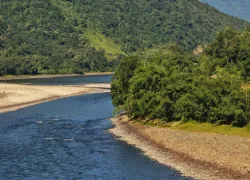
Kekar Monying is a breathtaking natural rock formation located in the Siang region of Arunachal Pradesh. Known for its massive stone structures balanced naturally over one another, Kekar Monying is considered a geological wonder as well as a place of cultural and spiritual importance for the local tribes. Surrounded by dense forests, rolling hills, and pristine landscapes, this unique destination offers visitors a chance to witness nature’s raw creativity in one of India’s most remote and beautiful regions. The name “Kekar Monying” comes from the local Adi language, where it roughly refers to a “balanced rock” or “miracle stone.” The site is especially fascinating because the huge rock formations appear to defy gravity, standing tall for centuries without collapsing. Apart from its natural beauty, Kekar Monying also holds deep traditional beliefs and folklore that add to its mystery and charm. How to Reach Kekar Monying Kekar Monying is located near Pasighat in the Siang region, making Pasighat the main base point for visitors. By Air: The nearest airport is Dibrugarh Airport in Assam, about 140 km from Pasighat. Dibrugarh is well connected with major cities like Guwahati, Kolkata, and Delhi. From the airport, taxis are available to reach Pasighat. By Train: The nearest major railway station is Dibrugarh Railway Station. From there, visitors can hire taxis or use shared transport to reach Pasighat. By Road: Pasighat is well connected by road to Itanagar, Aalo (Along), and other towns in Arunachal Pradesh. Kekar Monying is located a short distance from Pasighat and can be reached by local taxi or private vehicle. Indian tourists must carry a valid Inner Line Permit (ILP) to enter Arunachal Pradesh. Foreign tourists require a Protected Area Permit (PAP). Weather at Kekar Monying Kekar Monying experiences a pleasant climate influenced by the Eastern Himalayas. Summer (March to June): Summers are warm but comfortable, with temperatures ranging from 18°C to 30°C. This is a good time to explore the area and enjoy outdoor activities. Monsoon (July to September): The region receives heavy rainfall during monsoon. The surrounding greenery becomes vibrant, but slippery paths and roadblocks may occur. Winter (October to February): Winters are cool and pleasant, with temperatures ranging between 10°C and 20°C. This is considered the best time to visit Kekar Monying. Timing to Visit Kekar Monying Kekar Monying is an open natural site and can be visited throughout the day. Recommended Visiting Hours: 7:00 AM to 5:00 PM Daytime visits are ideal for photography, exploration, and understanding the rock formations clearly. Why Kekar Monying is Famous Kekar Monying is famous for its massive naturally balanced rock formations, which appear almost unbelievable at first sight. These rocks have stood firm for generations and are considered a symbol of nature’s strength and balance. The site is also culturally important for the local Adi tribe, who associate Kekar Monying with ancient legends and spiritual beliefs. Many locals consider it a sacred place and believe the rocks were placed by divine forces. Due to its unique appearance and untouched surroundings, Kekar Monying is becoming increasingly popular among nature lovers, photographers, and travelers seeking offbeat destinations. Entry and Visit Details There is no entry fee to visit Kekar Monying. Visitors are free to explore the area, but respect for local beliefs and natural surroundings is strongly advised. No formal ticketing or guided tours are mandatory, though hiring a local guide can help visitors understand the cultural stories and geological significance of the site. History and Architecture Kekar Monying does not have a recorded historical construction history, as it is a natural formation rather than a man-made structure. However, its history is deeply rooted in local oral traditions. According to tribal legends, the rock formations were created by supernatural forces to protect the land. Over time, Kekar Monying became a symbol of harmony between humans and nature. Architecturally, the site is a marvel of natural design. The rocks are stacked and balanced in such a way that they resemble intentional stone architecture, even though they were formed naturally through geological processes over thousands of years. Things to Do at Kekar Monying Explore the Rock Formations: Observe and admire the unique balance and structure of the massive stones. Photography: Capture stunning images of the rocks against forest and sky backdrops. Nature Walks: Enjoy short walks around the site surrounded by greenery. Learn Local Folklore: Interact with locals to hear traditional stories related to Kekar Monying. Picnic: Spend peaceful time enjoying the natural surroundings. Interesting Facts about Kekar Monying The rocks appear to defy gravity. The site is sacred to the local Adi tribe. Kekar Monying is one of the lesser-known attractions of Siang. The formation has remained stable for centuries. It is often compared to balanced rock formations found in other parts of the world. Tips for Visiting Kekar Monying Wear comfortable shoes, as paths may be uneven. Avoid visiting during heavy rain. Do not climb on the rocks for safety reasons. Respect local beliefs and avoid disturbing the site. Carry drinking water and basic supplies. Keep the area clean and avoid littering. Conclusion Kekar Monying in the Siang region of Arunachal Pradesh is a remarkable natural attraction that combines geological wonder, cultural significance, and serene beauty. Ideal for travelers looking for unique and lesser-known destinations, Kekar Monying offers a peaceful escape into nature while showcasing the incredible balance and mystery of the natural world.
Explore More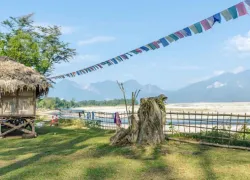
Dambuk is a small yet vibrant town located in the Siang region of Arunachal Pradesh, close to the Assam border. Over the years, Dambuk has gained popularity as a unique tourist destination known for its orange orchards, scenic landscapes, rich tribal culture, and growing music festival culture. Set amidst rolling hills, rivers, and green valleys, Dambuk offers a refreshing blend of nature, tradition, and modern youth energy. Once considered a quiet administrative town, Dambuk has transformed into an emerging cultural hotspot of Arunachal Pradesh. It is surrounded by the mighty Siang River system and lush forests, making it an ideal destination for travelers who want to explore an offbeat location with natural beauty and cultural depth. The town is mainly inhabited by the Adi tribe, who are known for their warm hospitality and strong connection with nature. How to Reach Dambuk Dambuk is well connected by road and can be easily accessed from Assam and other parts of Arunachal Pradesh. By Air: The nearest airport is Dibrugarh Airport in Assam, approximately 140 km from Dambuk. The airport is connected to major cities such as Guwahati, Kolkata, and Delhi. From Dibrugarh, travelers can hire taxis or shared vehicles to reach Dambuk. By Train: The nearest major railway station is Dibrugarh Railway Station. From the station, road transport options such as taxis and buses are available to reach Dambuk. By Road: Dambuk is well connected by road to Pasighat, Itanagar, and Assam towns like Tinsukia and Dibrugarh. The roads are mostly in good condition, and the drive offers scenic views of rivers, farmlands, and hills. Indian tourists need a valid Inner Line Permit (ILP) to enter Arunachal Pradesh. Foreign tourists must obtain a Protected Area Permit (PAP). Weather in Dambuk Dambuk experiences a pleasant subtropical climate throughout most of the year. Summer (March to June): Summers are warm and comfortable, with temperatures ranging between 20°C and 32°C. This season is suitable for sightseeing and outdoor activities. Monsoon (July to September): Monsoon brings heavy rainfall, making the surrounding landscape lush and green. However, occasional landslides and road disruptions may occur. Winter (October to February): Winters are mild and pleasant, with temperatures ranging from 10°C to 25°C. This is the best time to visit Dambuk, especially during festivals and orange harvest season. Timing to Visit Dambuk Dambuk is an open town and can be visited throughout the day. Recommended Visiting Hours: 6:00 AM to 7:00 PM Daytime is ideal for exploring orange farms, nearby villages, and scenic spots, while evenings are perfect for enjoying local food and cultural interactions. Why Dambuk is Famous Dambuk is most famous for its oranges, which are considered among the best in Arunachal Pradesh. The town is often referred to as the “Orange Town of Arunachal Pradesh,” and the orange orchards spread across the region create a beautiful sight, especially during winter. Dambuk also gained national attention due to the Orange Festival of Adventure and Music (OFAM), a unique festival that combines music, adventure sports, local culture, and eco-tourism. This festival attracts artists, travelers, and youth from across India. Additionally, Dambuk is known for its rich Adi tribal culture, traditional festivals, and proximity to rivers and natural attractions. Entry and Visit Details There is no entry fee to visit Dambuk town. Visitors are free to explore the area, local markets, and nearby villages. During festivals or special events, entry passes may be required for specific venues or programs. Permits such as ILP and PAP are mandatory as per government regulations. History and Architecture Historically, Dambuk was a small settlement inhabited by the Adi tribe, who practiced agriculture, fishing, and forest-based livelihoods. Over time, the town developed as an administrative and cultural center in the Siang region. Dambuk does not have grand historical monuments, but its architectural identity lies in its traditional bamboo and wooden houses. These homes are built to suit the local climate and reflect the sustainable lifestyle of the tribal communities. Modern structures such as schools, government buildings, and community halls now coexist with traditional architecture, showing a balance between development and heritage. Things to Do in Dambuk Visit Orange Orchards: Explore orange farms and enjoy fresh, locally grown oranges during harvest season. Attend Orange Festival: Experience music, adventure sports, cultural performances, and local food. Explore Local Villages: Learn about Adi tribal culture, customs, and traditional lifestyle. Nature Walks: Enjoy peaceful walks through hills, farmlands, and riverside areas. Photography: Capture scenic landscapes, tribal life, and vibrant festivals. River Exploration: Visit nearby rivers and streams for relaxation and sightseeing. Interesting Facts about Dambuk Dambuk is known as the Orange Capital of Arunachal Pradesh. The Orange Festival of Adventure and Music is one of the most unique festivals in Northeast India. The town lies close to the Assam–Arunachal border. Dambuk plays an important role in promoting eco-tourism in the region. The Adi tribe forms the majority of the local population. Tips for Visiting Dambuk Visit between November and February for the best experience. Carry cash, as digital payment facilities may be limited. Respect local customs and tribal traditions. Avoid plastic use and keep the surroundings clean. Carry light rain gear if traveling during monsoon. Ensure permits are arranged in advance. Conclusion Dambuk in the Siang region of Arunachal Pradesh is a destination that beautifully blends natural beauty, tribal culture, and modern creativity. Whether you are drawn by its famous oranges, lively festivals, peaceful landscapes, or cultural richness, Dambuk offers a refreshing and memorable travel experience. It is an ideal place for travelers looking to explore a lesser-known yet vibrant side of Arunachal Pradesh.
Explore More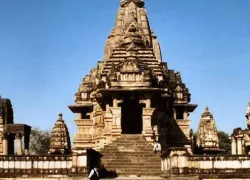
Malinithan is an important historical and archaeological site located in the Siang region of Arunachal Pradesh, near the Assam–Arunachal border. It is one of the most significant ancient heritage sites in the state, known for its beautifully carved stone ruins, religious importance, and connection to Hindu mythology. Surrounded by green hills, forests, and quiet villages, Malinithan offers visitors a rare combination of history, spirituality, and natural beauty. The site is believed to be associated with Goddess Malini, a form of Goddess Durga, and holds a special place in local folklore as well as Hindu legends. Although much of the original structure is now in ruins, the remaining stone sculptures, pillars, and foundations clearly indicate the grandeur of the temple complex that once stood here. Today, Malinithan is protected as an archaeological site and attracts history lovers, pilgrims, and travelers exploring the cultural roots of Arunachal Pradesh. How to Reach Malinithan Malinithan is located near Likabali town in the Lower Siang area, making it easily accessible from both Assam and Arunachal Pradesh. By Air: The nearest airport is Dibrugarh Airport in Assam, approximately 150 km away. Dibrugarh is well connected with major Indian cities such as Guwahati, Kolkata, and Delhi. From the airport, taxis can be hired to reach Likabali and then Malinithan. By Train: The nearest major railway station is Dibrugarh Railway Station. From the station, visitors can travel by road to Likabali using taxis or shared vehicles. By Road: Malinithan is about 6 km from Likabali and is well connected by road. Likabali itself is connected to Pasighat, Itanagar, and Assam towns by regular bus and taxi services. The final stretch to Malinithan is scenic and easy to navigate. Indian tourists must carry a valid Inner Line Permit (ILP) to enter Arunachal Pradesh. Foreign tourists require a Protected Area Permit (PAP). Weather at Malinithan Malinithan experiences a pleasant climate for most of the year, influenced by its low altitude and surrounding greenery. Summer (March to June): Summers are warm, with temperatures ranging between 22°C and 35°C. Mornings and evenings are comfortable, making sightseeing enjoyable. Monsoon (July to September): Monsoon brings heavy rainfall, which enhances the greenery but may make travel slightly difficult due to slippery paths. Winter (October to February): Winters are mild and pleasant, with temperatures ranging from 12°C to 25°C. This is considered the best time to visit Malinithan. Timing to Visit Malinithan Malinithan is open to visitors during daylight hours. Visiting Hours: 8:00 AM to 5:00 PM It is best to visit during the morning or early afternoon to explore the ruins comfortably and enjoy the peaceful surroundings. Why Malinithan is Famous Malinithan is famous for its ancient temple ruins and mythological significance. According to legend, this was the place where Lord Krishna halted while taking Rukmini from her parental home. It is believed that Goddess Malini welcomed them by showering flowers, and the place was named after her. The site is also well known for its finely carved stone sculptures depicting deities, animals, and floral patterns. These carvings showcase the artistic excellence of ancient craftsmen and indicate strong influences of early Hindu temple architecture. Malinithan stands out as one of the few archaeological sites in Arunachal Pradesh that clearly reflects the region’s ancient cultural connections with the plains of India. Entry and Visit Details There is no entry fee to visit Malinithan. The site is maintained by the Archaeological Survey of India and local authorities. Visitors are free to explore the area, but climbing on the ruins or damaging the structures is strictly prohibited. Photography is generally allowed for personal use. History and Architecture Historically, Malinithan is believed to date back to the 10th–14th century. Archaeological studies suggest that the temple complex was built during a period when Hinduism had a strong presence in the region. The ruins include stone pillars, carved panels, images of deities, and decorative motifs. Sculptures of Lord Indra riding Airavata, lions, elephants, and floral designs can still be seen scattered across the site. The architecture reflects a blend of early North Indian temple styles, adapted to local materials and craftsmanship. Though time and nature have damaged much of the structure, the remaining ruins still convey the site’s historical importance and artistic value. Things to Do at Malinithan Explore the Ruins: Walk through the ancient temple remains and admire the stone carvings. Photography: Capture images of sculptures, pillars, and the scenic surroundings. Learn History: Understand the mythological and archaeological significance of the site. Nature Walks: Enjoy peaceful walks around the site amidst greenery. Spiritual Reflection: Spend quiet moments reflecting at this sacred and historical place. Interesting Facts about Malinithan Malinithan is associated with the legend of Lord Krishna and Rukmini. The site is named after Goddess Malini. It is one of the most important archaeological sites in Arunachal Pradesh. The sculptures show strong Hindu artistic influence. Malinithan is protected by the Archaeological Survey of India. Tips for Visiting Malinithan Visit during winter or early summer for comfortable weather. Wear comfortable footwear, as walking is required. Do not touch or climb the ancient structures. Carry drinking water and basic essentials. Respect the religious and historical importance of the site. Keep the area clean and avoid littering. Conclusion Malinithan in the Siang region of Arunachal Pradesh is a remarkable destination that highlights the state’s ancient history, mythological connections, and artistic heritage. With its serene atmosphere, beautiful stone carvings, and cultural significance, Malinithan offers a meaningful and enriching experience for travelers interested in history, spirituality, and offbeat destinations. It stands as a silent reminder of Arunachal Pradesh’s deep-rooted cultural past.
Explore More7 Night - 8 Days Arunachal Pradesh Tour Package
8 Days/ 7 Night
Bomdila - Bhalukpong - Tawang - Dirang
The western Arunachal trail to Tawang
8 Days/ 7 Night
Bhalukpong - Bomdila - Dirang - Guwahati - Tawang
Arunachal Pradesh Tour 5 Night - 6 Days
6 Days/ 5 Night
Bomdila - Guwahati - Bhalukpong - Tawang - Dirang
Arunachal Pradesh Package
8 Days/ 7 Night
Guwahati - Bomdila - Tinsukia - Bodhgaya
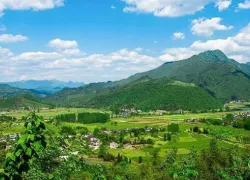
Yingkiong is a scenic hill town and the district headquarters of Upper Siang district in Arunachal Pradesh. Located on the eastern bank of the mighty Siang River, Yingkiong is known for its peaceful atmosphere, lush green hills, river views, and rich tribal culture. Far from crowded tourist destinations, this beautiful town offers a calm and authentic experience of life in the eastern Himalayas. Surrounded by dense forests, rolling mountains, and flowing rivers, Yingkiong serves as an important administrative, cultural, and travel base for exploring the Upper Siang region. The town is mainly inhabited by the Adi tribe, who are known for their strong community bonds, traditional festivals, and deep respect for nature. Yingkiong is an ideal destination for travelers who enjoy quiet landscapes, cultural exploration, and offbeat travel experiences. How to Reach Yingkiong Yingkiong is accessible by air, rail, and road, although the final stretch involves a scenic road journey through hilly terrain. By Air: The nearest airport is Dibrugarh Airport in Assam, located about 200 km from Yingkiong. Dibrugarh is well connected to major Indian cities such as Guwahati, Kolkata, and Delhi. From the airport, taxis are available to reach Pasighat and then continue towards Yingkiong. By Train: The nearest major railway station is Dibrugarh Railway Station. From there, travelers can hire taxis or use shared vehicles to reach Pasighat or Aalo, followed by a road journey to Yingkiong. By Road: Yingkiong is well connected by road to Pasighat and Aalo. The drive offers beautiful views of the Siang River, forests, and mountain villages. While the roads are generally motorable, travel time may increase during monsoon due to weather conditions. An Inner Line Permit (ILP) is mandatory for Indian tourists to enter Arunachal Pradesh. Foreign tourists must obtain a Protected Area Permit (PAP). Weather in Yingkiong Yingkiong enjoys a pleasant climate for most of the year due to its moderate altitude and natural surroundings. Summer (March to June): Summers are warm and comfortable, with temperatures ranging from 18°C to 30°C. This is a good time for sightseeing and outdoor activities. Monsoon (July to September): The monsoon season brings heavy rainfall, making the region lush and green. However, landslides and roadblocks may occur, so travel should be planned carefully. Winter (October to February): Winters are cool and pleasant, with temperatures ranging between 8°C and 20°C. This is the best time to visit Yingkiong for clear views and comfortable travel. Best Time and Timing to Visit Yingkiong The best time to visit Yingkiong is from October to April, when the weather is pleasant and road conditions are better. Recommended Visiting Hours: 6:00 AM to 6:00 PM Daytime is ideal for sightseeing, exploring nearby villages, and enjoying river views, while evenings offer peaceful moments and beautiful sunsets. Why Yingkiong is Famous Yingkiong is famous for its scenic location along the Siang River and its role as the gateway to Upper Siang district. The town offers stunning views of the river cutting through mountains, making it a favorite spot for nature lovers and photographers. The town is also known for its rich Adi tribal culture, traditional festivals, and warm hospitality. Yingkiong serves as a starting point for exploring remote villages, trekking routes, and wildlife-rich forest areas in Upper Siang. Additionally, Yingkiong is appreciated for its peaceful environment, making it ideal for travelers seeking solitude and natural beauty. Entry and Visit Details There is no entry fee to visit Yingkiong town. Visitors are free to explore the town, markets, riverbanks, and nearby villages. However, valid travel permits such as ILP (for Indian tourists) and PAP (for foreign tourists) are mandatory. For visits to interior villages, local permissions or guides may be required. History and Architecture Historically, Yingkiong developed as a settlement of the Adi tribe, who have lived in the Siang region for centuries. The town gradually became an administrative center due to its strategic location near the Siang River. Yingkiong does not have ancient monuments or grand historical structures. Its architectural identity lies in traditional tribal houses made of bamboo and wood, designed to suit the local climate and terrain. Modern government buildings, schools, and community halls now exist alongside traditional homes, reflecting a blend of tradition and development. Things to Do in Yingkiong Siang River View: Enjoy peaceful moments along the riverbank and admire the flowing Siang River. Village Walks: Visit nearby Adi villages to learn about tribal culture and lifestyle. Nature Walks: Explore forest trails and hilly paths around the town. Photography: Capture landscapes, river views, and daily life scenes. Cultural Interaction: Participate in local festivals if visiting during celebration periods. Relaxation: Enjoy the calm environment away from city crowds. Interesting Facts about Yingkiong Yingkiong is the headquarters of Upper Siang district. The town lies on the bank of the Siang River. It is inhabited mainly by the Adi tribe. Yingkiong serves as a gateway to remote Upper Siang areas. The region is rich in forests and biodiversity. Tips for Visiting Yingkiong Carry warm clothing, especially during winter evenings. Keep extra travel days in case of weather delays. Carry cash, as ATM facilities are limited. Respect local customs and tribal traditions. Avoid traveling during peak monsoon if possible. Ensure permits are arranged in advance. Conclusion Yingkiong in the Siang region of Arunachal Pradesh is a serene and culturally rich destination that offers an authentic experience of life in the eastern Himalayas. With its scenic river views, tribal heritage, peaceful environment, and access to remote natural areas, Yingkiong is perfect for travelers seeking tranquility, cultural exploration, and offbeat adventures. It stands as a quiet yet important gem in the beautiful landscape of Arunachal Pradesh.
Explore More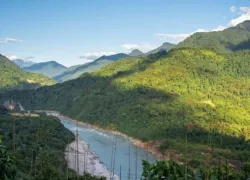
Tuting is a remote and picturesque town located in the Upper Siang region of Arunachal Pradesh, close to the India–China border. Surrounded by towering mountains, dense forests, and the mighty Siang River, Tuting is known for its raw natural beauty, strategic importance, and rich tribal culture. It is one of the least explored destinations in Arunachal Pradesh, making it ideal for travelers seeking untouched landscapes and authentic experiences. Situated at an altitude of around 1,200 meters above sea level, Tuting lies near the point where the Siang River enters India from Tibet, where it is known as the Yarlung Tsangpo. The town is mainly inhabited by the Adi tribe, who have lived in harmony with nature for centuries. Due to its remote location and peaceful environment, Tuting offers a rare glimpse into traditional Himalayan life away from modern urban influences. How to Reach Tuting Reaching Tuting requires careful planning, as it is located in a remote border area with limited connectivity. By Air: The nearest airport is Dibrugarh Airport in Assam, located about 300 km from Tuting. The airport is well connected with major cities like Guwahati, Kolkata, and Delhi. From Dibrugarh, travelers must continue their journey by road via Pasighat and Yingkiong. By Train: The nearest major railway station is Dibrugarh Railway Station. From the station, taxis or shared vehicles are available to reach Pasighat or Yingkiong, followed by a long road journey to Tuting. By Road: Tuting can be reached by road from Yingkiong, which is the main base town for Upper Siang. The road journey is scenic but challenging, passing through forests, mountains, and river valleys. Road conditions may vary depending on weather. Indian tourists must carry a valid Inner Line Permit (ILP) to enter Arunachal Pradesh. Due to Tuting’s proximity to the international border, additional permissions from local authorities may be required. Foreign tourists generally need special permission and are advised to check regulations in advance. Weather in Tuting Tuting experiences a cool and pleasant mountain climate for most of the year. Summer (March to June): Summers are mild and comfortable, with temperatures ranging between 15°C and 25°C. This is a good time for sightseeing and outdoor exploration. Monsoon (July to September): The region receives heavy rainfall during monsoon. Roads may become slippery, and landslides can occur, making travel difficult. Winter (October to February): Winters are cold, with temperatures ranging from 5°C to 15°C. Nights can be chilly, and higher surrounding areas may experience snowfall. Best Time and Timing to Visit Tuting The best time to visit Tuting is from October to April, when the weather is pleasant and road conditions are relatively stable. Recommended Visiting Hours: 6:00 AM to 5:00 PM Daytime is ideal for sightseeing, village visits, and enjoying river views, as evenings become cold and quiet. Why Tuting is Famous Tuting is famous for its strategic location near the Indo-China border and its proximity to the origin point of the Siang River in India. The town holds great geographical and strategic importance. It is also known for its stunning natural landscapes, including mountain ranges, river views, forests, and untouched wilderness. Tuting serves as a gateway to some of the most remote and pristine areas of Upper Siang. Additionally, Tuting is admired for its strong tribal culture, traditional lifestyle, and peaceful environment, making it a unique destination for cultural and nature tourism. Entry and Visit Details There is no entry fee to visit Tuting town. However, due to its sensitive border location, visitors must carry valid permits and identification documents at all times. For travel beyond Tuting into interior or border areas, additional permissions from local administration or security agencies may be required. Hiring a local guide is highly recommended. History and Architecture Historically, Tuting has been an important settlement of the Adi tribe. The area has long served as a cultural and geographical link between Tibet and the Indian subcontinent. Due to its strategic importance, Tuting has also played a role in modern border management and infrastructure development in Arunachal Pradesh. Architecturally, Tuting reflects traditional tribal construction styles. Houses are made using wood, bamboo, and locally available materials, designed to withstand heavy rainfall and cold weather. There are no ancient monuments, but the traditional homes and community structures reflect the region’s cultural identity. Things to Do in Tuting Siang River Views: Enjoy breathtaking views of the Siang River flowing through deep valleys. Village Exploration: Visit nearby Adi villages to understand tribal customs and daily life. Nature Walks: Explore forest trails and mountain paths around Tuting. Photography: Capture dramatic landscapes, rivers, and tribal culture. Cultural Interaction: Interact with locals and learn about traditional festivals and rituals. Relaxation: Experience complete peace and isolation in a natural setting. Interesting Facts about Tuting Tuting lies close to the Indo-China border. The Siang River enters India near Tuting. The town is part of Upper Siang district. Tuting is one of the most remote towns in Arunachal Pradesh. The region is dominated by the Adi tribe. Tips for Visiting Tuting Arrange permits well in advance. Carry warm clothing, even in summer. Keep enough cash, as banking facilities are limited. Hire a local guide for safety and cultural insight. Avoid traveling during peak monsoon season. Respect local customs and security guidelines. Conclusion Tuting in the Siang region of Arunachal Pradesh is a destination for true explorers and nature lovers. With its dramatic landscapes, cultural richness, strategic importance, and untouched beauty, Tuting offers an unforgettable experience far from mainstream tourism. It stands as a symbol of Arunachal Pradesh’s raw wilderness and deep-rooted tribal heritage, making it a remarkable place for those seeking adventure, solitude, and authenticity.
Explore More
Located in the picturesque city of Dirang, Mandala Top is a mesmerizing tourist attraction that offers a unique blend of natural beauty, biodiversity, and tranquility. This hidden gem in the heart of nature is a paradise for birdwatchers, photographers, and nature enthusiasts seeking a serene escape from the hustle and bustle of urban life. History of Mandala Top Steeped in history, Mandala Top has a rich heritage dating back to ancient times. Once a royal hunting ground, this area has undergone significant conservation efforts to preserve its ecological balance. Its pristine beauty and conservation importance have garnered recognition from UNESCO, highlighting its significance in wildlife preservation. Architecture and Natural Beauty of Mandala Top The breathtaking landscapes of Mandala Top encompass lush wetlands, dense forests, and expansive grasslands that provide a habitat for a diverse range of bird species. The historical Keoladeo Temple nestled within the park adds a touch of cultural significance to the natural beauty that surrounds it. Why is Mandala Top Famous? Mandala Top is renowned for its diverse bird population, making it a haven for birdwatchers and wildlife enthusiasts. The pristine natural surroundings, coupled with the abundance of bird habitats, attract photographers and nature lovers who seek to immerse themselves in the tranquility of this unique ecosystem. How to Reach Mandala Top Travelling to Mandala Top is convenient, with options available by air, rail, and road. The nearest airports and railway stations provide easy access to this natural paradise, allowing visitors to embark on a memorable journey to experience the beauty of Dirang. Weather and Best Time to Visit Mandala Top The weather at Mandala Top varies across seasons, offering distinct experiences during summer, monsoon, and winter. To make the most of your visit, it is advisable to plan your trip during the best months when the climate is favorable for exploration and sightseeing. Timings of Mandala Top Visitors can explore Mandala Top during specified timings, with seasonal variations that may impact accessibility. It is essential to plan your visit accordingly and consider any specific guidelines to ensure a smooth and enjoyable experience at this natural sanctuary. Entry Fee and Visit Details Entry procedures to Mandala Top are straightforward, with options for guide services, safari tours, bicycle rentals, and visitor facilities to enhance your exploration of the park. By availing of these services, you can make the most of your visit and gain a deeper understanding of the natural wonders that await you. Things to Do at Mandala Top Engage in a host of activities at Mandala Top, including birdwatching, photography, cycling, walking trails, and nature observation. Immerse yourself in the serene surroundings, explore the diverse flora and fauna, and participate in educational experiences that offer insights into the ecological importance of this pristine habitat. Interesting Facts About Mandala Top Mandala Top is home to a myriad of migratory birds, showcasing the region's rich biodiversity and conservation achievements. The park plays a vital role in preserving the ecological balance of the area, making it a significant landmark in the realm of wildlife conservation. Travel Tips for Visiting Mandala Top When planning your visit to Mandala Top, consider practical tips such as appropriate clothing, photography gear, birdwatching equipment, and the best seasons for exploration. Embrace responsible tourism practices to ensure the preservation of this natural habitat for future generations to enjoy. Conclusion In conclusion, Mandala Top in Dirang stands as a testament to the beauty and diversity of nature, offering visitors a unique opportunity to connect with the environment and appreciate the wonders of wildlife conservation. Whether you are a bird enthusiast, a photography aficionado, or simply a nature lover, a visit to Mandala Top promises a memorable experience that will leave you rejuvenated and inspired.
Explore More
Welcome to the serene oasis of natural beauty and tranquility in Dirang, where the enchanting Dirang Hot Water Springs beckon travelers seeking a unique and rejuvenating experience. Nestled amidst the picturesque landscapes of Dirang, these hot springs offer a perfect blend of relaxation, exploration, and connection with nature. History of Dirang Hot Water Springs The history of Dirang Hot Water Springs dates back to ancient times when it was believed to have healing properties. Once serving as a royal retreat, the springs have now become a popular tourist attraction known for their therapeutic benefits. Efforts towards conservation and preservation have helped maintain the sanctity of these natural wonders, making them a cherished gem in Dirang. Architecture and Natural Beauty of Dirang Hot Water Springs Surrounded by lush wetlands, verdant forests, and diverse bird habitats, Dirang Hot Water Springs offer a captivating landscape for visitors to immerse themselves in. The presence of the historic Keoladeo Temple adds a touch of spirituality to the natural beauty of the place, creating a harmonious blend of history and serenity. Why is Dirang Hot Water Springs Famous? Dirang Hot Water Springs have garnered fame for being a haven for birdwatchers, photographers, nature enthusiasts, and wildlife lovers alike. The unique ecosystem and biodiversity present in the vicinity attract visitors from far and wide, seeking to witness the wonders of nature in all its glory. How to Reach Dirang Hot Water Springs Traveling to Dirang Hot Water Springs is convenient, with options available by air, rail, and road. The nearest airports and railway stations provide easy access to this natural paradise, ensuring a smooth journey for visitors looking to explore the beauty of Dirang. Weather and Best Time to Visit Dirang Hot Water Springs Throughout the summer, monsoon, and winter seasons, Dirang Hot Water Springs offer a unique experience in each climate. The best time to visit varies depending on personal preferences, with different months showcasing the beauty of the springs in diverse ways. Timings of Dirang Hot Water Springs Visitors can enjoy the tranquility of Dirang Hot Water Springs during specific timings, with seasonal variations adding a touch of charm to the overall experience. Planning a trip to the springs involves considering these timings to make the most of the visit. Entry Fee and Visit Details Entry to Dirang Hot Water Springs is accompanied by simple procedures and options for guide services, safari experiences, bicycle rentals, and other visitor facilities. These amenities ensure that visitors have a comfortable and enriching time exploring the natural wonders of Dirang. Things to Do at Dirang Hot Water Springs Engaging in activities such as birdwatching, photography, cycling, walking trails, nature observation, and educational experiences allows visitors to truly connect with the essence of Dirang Hot Water Springs. Each activity offers a unique perspective on the beauty and biodiversity of the surroundings. Interesting Facts About Dirang Hot Water Springs Fascinating facts about migratory birds, biodiversity conservation, and ecological significance enhance the allure of Dirang Hot Water Springs. These facts shed light on the importance of preserving such natural habitats for future generations to cherish and protect. Travel Tips for Visiting Dirang Hot Water Springs When planning a visit to Dirang Hot Water Springs, practical advice on clothing choices, photography equipment, birdwatching essentials, and responsible tourism practices can enhance the overall experience. Being mindful of these tips ensures a memorable and sustainable journey to this natural marvel in Dirang. Conclusion In conclusion, Dirang Hot Water Springs in Dirang stand as a testament to the beauty of nature and the importance of conservation. Offering a blend of history, biodiversity, and relaxation, these hot springs provide visitors with a unique opportunity to immerse themselves in the wonders of the natural world. A trip to Dirang Hot Water Springs promises an unforgettable experience that combines serenity, exploration, and appreciation for the marvels of the earth.
Explore More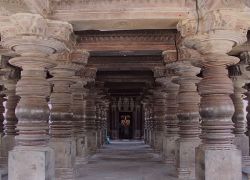
Meghna Cave Temple is a sacred and mystical cave temple located in the beautiful Ziro Valley of Arunachal Pradesh. Known for its spiritual aura, natural rock formations, and peaceful surroundings, it is one of the most intriguing hidden pilgrimage sites in Northeast India. Situated amidst lush green hills, pine forests, and Apatani tribal villages, the temple offers a perfect combination of nature, mythology, and spirituality. It attracts pilgrims, trekkers, and travelers seeking peace and offbeat destinations. Meghna Cave Temple, Ziro, Arunachal Pradesh is a unique destination where ancient beliefs and natural beauty come together in a serene Himalayan setting. History of Meghna Cave Temple Meghna Cave Temple is deeply rooted in local mythology and spiritual traditions. According to beliefs, the cave was used by ancient sages and saints for meditation and spiritual practices in early times. The temple is dedicated to Lord Shiva and is considered highly sacred by the local Apatani tribe. It is believed that the cave holds divine energy and has been a place of worship for centuries. Over time, the site was developed into a proper temple structure inside the cave, while preserving its natural formation and spiritual essence. Architecture and Natural Formation Meghna Cave Temple is a naturally formed limestone cave that has been transformed into a sacred shrine. Unlike man-made temples, its structure is entirely shaped by nature. Inside the cave, a small shrine dedicated to Lord Shiva is placed, surrounded by narrow passages and rock formations that create a mystical atmosphere. The cave remains naturally dark and cool throughout the year, enhancing its spiritual experience. Simple pathways and steps have been added outside for visitor safety and accessibility. The combination of natural geology and spiritual setup makes it one of the most unique cave temples in Arunachal Pradesh. Why Meghna Cave Temple is Famous Meghna Cave Temple is famous for its mysterious cave structure, religious importance, and peaceful Himalayan surroundings. It is also known for its association with Lord Shiva and its significance among the Apatani tribal community. The temple attracts visitors who are interested in spiritual exploration, mythology, and offbeat travel experiences in Northeast India. How to Reach Meghna Cave Temple Reaching Meghna Cave Temple requires traveling through scenic but remote routes in Arunachal Pradesh. By Air: The nearest airport is Lilabari Airport in Assam, located about 100–110 km from Ziro. From there, taxis and shared vehicles are available. By Train: The nearest railway station is Naharlagun Railway Station. From there, road transport is required to reach Ziro Valley. By Road: Ziro is well connected by road from Itanagar and other towns of Arunachal Pradesh. Regular taxis and buses operate on this route. From Ziro town, Meghna Cave Temple is accessible via a short drive followed by a small walk to the site. Weather at Meghna Cave Temple Ziro Valley has a pleasant climate throughout the year, making it suitable for tourism. Summer (March to June): Pleasant weather with temperatures ranging from 15°C to 28°C. Monsoon (July to September): Heavy rainfall makes the region lush green but travel may become difficult due to slippery paths. Winter (October to February): Cold and refreshing with temperatures dropping to 5°C or below at night. Timing and Entry Details Meghna Cave Temple is generally open from 6:00 AM to 6:00 PM every day. There is usually no entry fee, but small donations are accepted for temple maintenance and local support. Visitors are advised to check weather conditions before planning a visit due to hilly terrain. Things to Do at Meghna Cave Temple Visitors can explore the cave shrine and participate in prayer rituals dedicated to Lord Shiva. The surrounding Ziro Valley offers scenic beauty, making it ideal for photography and nature walks. Trekking around the cave area provides an adventurous experience for visitors. Travelers can also explore nearby Apatani tribal villages to learn about local culture and traditions. Interesting Facts About Meghna Cave Temple The cave is naturally formed and has been used for spiritual purposes for generations. It is closely associated with the Apatani tribe, one of the most culturally rich tribes in India. The interior remains cool and dark throughout the year, creating a unique spiritual atmosphere. It is one of the lesser-known but highly sacred sites in Arunachal Pradesh. Travel Tips for Visitors Wear comfortable shoes as the terrain around the cave can be uneven and slippery. Carry water and basic essentials as facilities near the site are limited. Avoid visiting during heavy rainfall for safety reasons. Respect local traditions and maintain silence inside the temple cave. Conclusion Meghna Cave Temple in Ziro is a beautiful blend of spirituality, mystery, and natural beauty. Its sacred cave shrine and peaceful environment make it a unique destination in Arunachal Pradesh. Whether you are a pilgrim, traveler, or nature lover, visiting Meghna Cave Temple offers a calm and memorable experience in the heart of the Ziro Valley.
Explore More