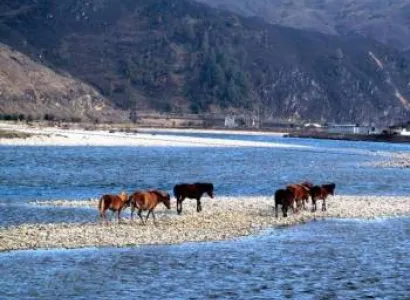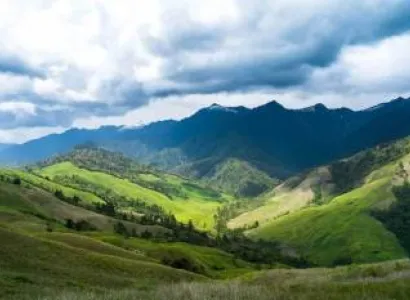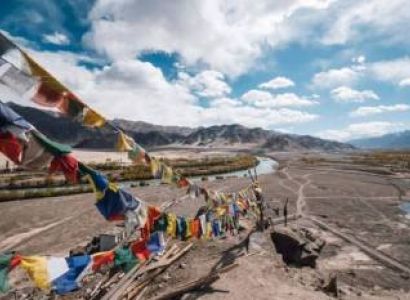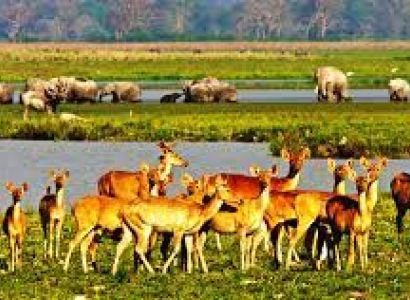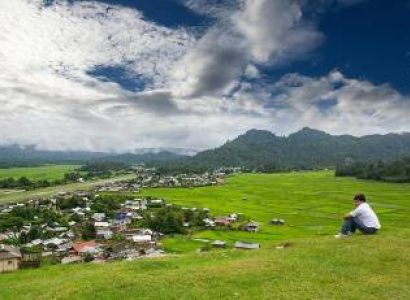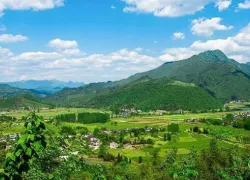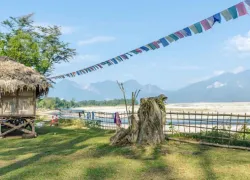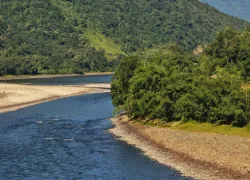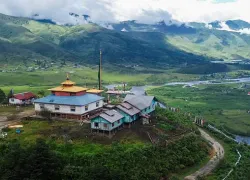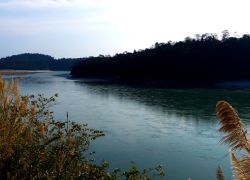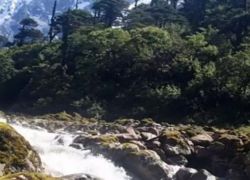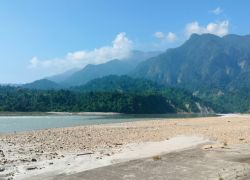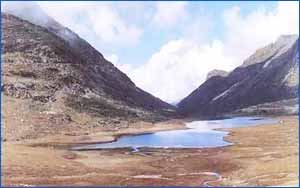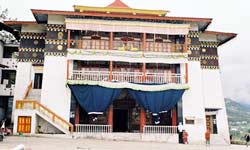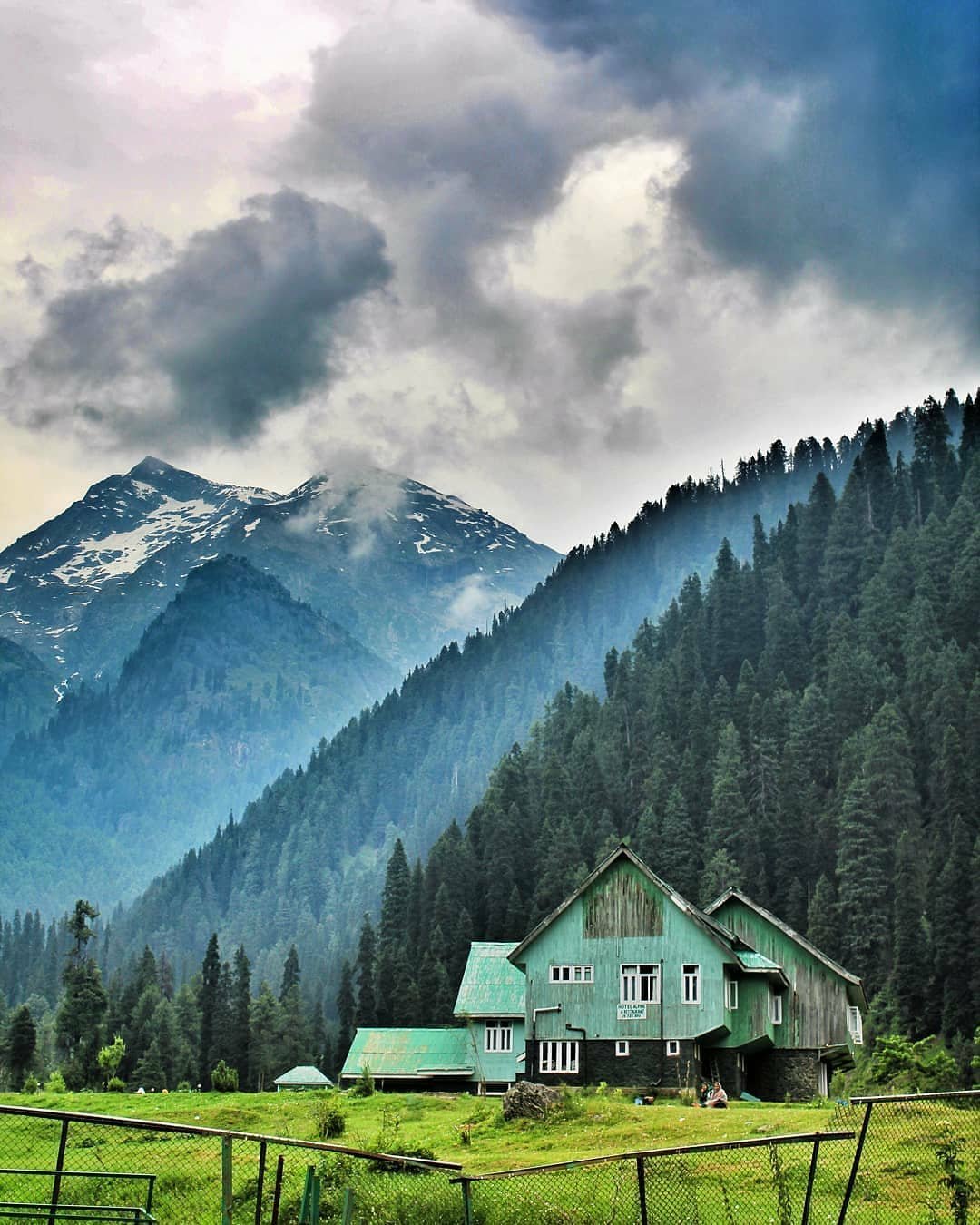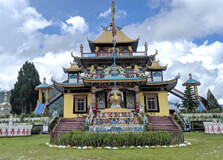
"Explore the breathtaking landscapes of Arunachal Pradesh."
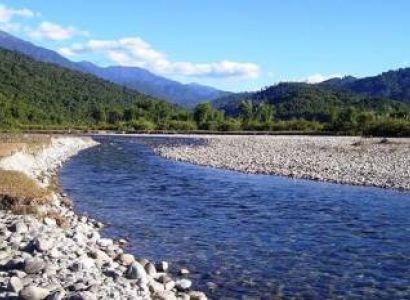
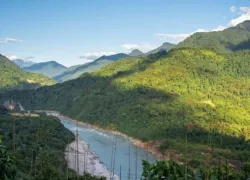
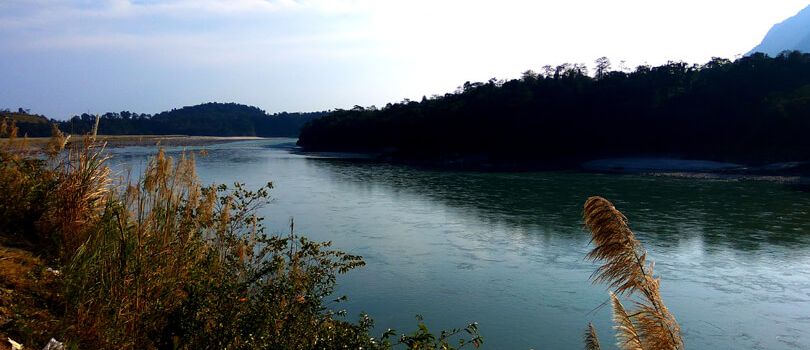
The Siang River is one of the most majestic and culturally significant rivers of Arunachal Pradesh. Flowing through the heart of the Siang region, this mighty river is known for its powerful currents, breathtaking landscapes, and deep connection with the local tribal communities. The Siang River is actually the Indian stretch of the famous Brahmaputra River, which originates in Tibet as the Yarlung Tsangpo before entering India through Arunachal Pradesh.
Surrounded by lush green hills, dense forests, and dramatic valleys, the Siang River offers a stunning natural setting that attracts nature lovers, adventure seekers, photographers, and spiritual travelers. The river plays a vital role in the livelihood, culture, and traditions of the people living along its banks.
How to Reach Siang River
The Siang River flows across several parts of the Siang region, including Pasighat, Yingkiong, and nearby villages, making it accessible from different points.
By Air: The nearest airport is Dibrugarh Airport in Assam, located about 150–180 km from Pasighat. The airport is well connected to Guwahati, Kolkata, and Delhi. From Dibrugarh, taxis and buses are available to reach Pasighat.
By Train: The nearest major railway station is Dibrugarh Railway Station in Assam. From the station, visitors can hire taxis or use public transport to reach Pasighat or other river access points.
By Road: Pasighat, the main town near the Siang River, is well connected by road to Itanagar, Dibrugarh, and other parts of Assam and Arunachal Pradesh. Roads follow scenic routes along hills and riverbanks, offering beautiful views during the journey.
Weather at Siang River
The climate around the Siang River is largely influenced by the Eastern Himalayan weather system.
Summer (March to June): Summers are warm and pleasant, with temperatures ranging between 20°C and 30°C. This season is ideal for sightseeing and river activities.
Monsoon (July to September): Heavy rainfall occurs during the monsoon season, causing the river to swell significantly. While the scenery is lush and green, travel can be challenging due to landslides and strong river currents.
Winter (October to February): Winters are cool and comfortable, with temperatures ranging from 10°C to 20°C. This is considered the best time to visit the Siang River for outdoor activities and clear views.
Timing of Siang River Visit
The Siang River is a natural attraction and can be visited throughout the day.
Best Visiting Hours: 6:00 AM to 6:00 PM
Early mornings and late afternoons are ideal for photography, river walks, and enjoying the peaceful surroundings.
Why Siang River is Famous
The Siang River is famous for its sheer size, power, and scenic beauty. It is one of the main contributors to the Brahmaputra River system and plays a crucial role in the ecology of Northeast India.
The river is also renowned for adventure activities such as white-water rafting, which attracts thrill-seekers from across the country. Its strong rapids and long stretches make it one of the best rafting destinations in India.
Culturally, the Siang River holds great importance for the Adi tribe and other indigenous communities, who consider it sacred and central to their way of life.
Entry and Visit Details
There is no entry fee to visit the Siang River, as it is a natural river flowing through public areas. However, certain activities like rafting or guided tours may involve charges.
Indian tourists must carry a valid Inner Line Permit (ILP) to enter Arunachal Pradesh. Foreign tourists require a Protected Area Permit (PAP). For adventure activities, permissions from local authorities and certified operators are recommended.
History and Architecture
The Siang River has been an important geographical and cultural landmark since ancient times. Historically, it served as a natural route for trade and communication among tribal communities living along its banks.
There is no man-made architectural structure associated with the river itself. The “architecture” of the Siang River is purely natural—formed by powerful water currents carving deep valleys, shaping riverbanks, and supporting rich ecosystems over thousands of years.
Things to Do at Siang River
River Rafting: Experience thrilling white-water rafting on powerful rapids.
Nature Walks: Enjoy peaceful walks along the riverbanks surrounded by scenic views.
Photography: Capture stunning landscapes, sunsets, and tribal life.
Camping: Camp near designated river areas for a close-to-nature experience.
Cultural Interaction: Visit nearby villages to learn about the traditions and lifestyle of local tribes.
Fishing: Traditional fishing practices can be observed in some areas.
Interesting Facts about Siang River
The Siang River is known as the Yarlung Tsangpo in Tibet.
It becomes the Brahmaputra River after entering Assam.
The river supports rich biodiversity along its banks.
Siang River rafting is among the most challenging in India.
Tips for Visiting Siang River
Visit during winter or early summer for the best experience.
Avoid rafting during peak monsoon season.
Carry valid permits and identification documents.
Wear comfortable clothing and sturdy footwear.
Respect local customs and tribal traditions.
Avoid littering and help preserve the natural environment.
Conclusion
The Siang River in the Siang region of Arunachal Pradesh is a magnificent natural wonder that combines raw natural beauty, adventure, and cultural richness. Whether you are seeking thrilling river activities, scenic landscapes, or a peaceful connection with nature, the Siang River offers an unforgettable travel experience in one of India’s most beautiful and unspoiled regions.