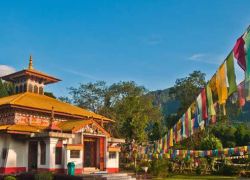
The Buddha Temple in Itanagar, also known as the Namdapha Vihar, was built in 1965 by the 14th Dalai Lama. It is a significant place of worship for Buddhists in the region and serves as a reminder of the rich cultural heritage of Arunachal Pradesh. Architecture and Design The temple features traditional Tibetan architectural styles with its colorful pagoda-style rooftop and intricate carvings. The interior is adorned with beautiful murals and statues of Buddha and other deities, creating a serene and peaceful atmosphere for visitors. Best Time to Visit The best time to visit the Buddha Temple in Itanagar is during the winter months from October to March when the weather is cool and pleasant. Avoid visiting during the monsoon season as heavy rains can disrupt travel plans. Cultural Significance The Buddha Temple is not only a place of worship but also a cultural hub for the local Buddhist community. It serves as a center for religious ceremonies, teachings, and festivals, showcasing the rich traditions and beliefs of the region. Pilgrimage Practices Visitors to the Buddha Temple can participate in traditional Buddhist practices such as meditation, chanting, and offering prayers. Pilgrims often walk clockwise around the temple while reciting mantras and making offerings to the Buddha. Dress Code and Etiquette Visitors to the Buddha Temple are advised to dress modestly and respectfully, covering shoulders and knees. It is customary to remove shoes before entering the temple and to avoid taking photos or videos inside the sacred space out of respect for the religious practices. Activities and Experiences Aside from attending religious ceremonies and prayers, visitors to the Buddha Temple can also explore the surrounding gardens and enjoy panoramic views of the city from the temple's vantage point. Local vendors sell traditional handicrafts and souvenirs near the temple grounds. Art and Religious Symbols The Buddha Temple is adorned with intricate artworks and religious symbols that reflect the teachings and beliefs of Buddhism. Visitors can admire statues of Buddha in various poses, colorful prayer flags, and elaborate mandalas that represent spiritual enlightenment and harmony. Local Insights For a deeper understanding of the cultural significance of the Buddha Temple, visitors can engage with local monks and residents who are happy to share their knowledge and experiences. Learning about the history and rituals of the temple from locals adds a unique perspective to the visit.
Explore More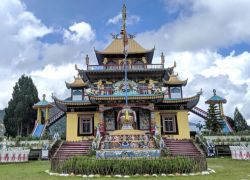
Bhalukpong, a scenic town in the West Kameng district of Arunachal Pradesh, is not only known for its rivers and lush greenery but also for its Buddhist heritage. The region is home to several Buddhist monasteries, reflecting the rich cultural and religious traditions of Tibetan Buddhism. These monasteries serve as centers of spiritual learning, meditation, and cultural preservation. Visitors to Bhalukpong can explore these monasteries to experience serene architecture, colorful prayer halls, and the tranquil lifestyle of the monks. The monasteries are surrounded by dense forests, rivers, and hills, creating a peaceful environment ideal for meditation and reflection. Many monasteries are centuries old and showcase the traditional Arunachali-Buddhist architectural style, featuring prayer wheels, murals, and statues of deities such as Buddha and Padmasambhava. The monasteries play a central role in the local communities, hosting religious festivals, rituals, and cultural events that attract both devotees and tourists. How to Reach Buddhist Monasteries in Bhalukpong Bhalukpong is well-connected and serves as a gateway to the Buddhist monasteries in the area. By Air: The nearest airport is Tezpur Airport in Assam, approximately 50 km from Bhalukpong. Regular flights connect Tezpur with Guwahati and other major Indian cities. From the airport, taxis or private vehicles can be hired to reach the monasteries. By Rail: The closest railway station is Rangapara North in Assam, about 35 km from Bhalukpong. Buses, shared cabs, and taxis provide transport to Bhalukpong and nearby monasteries. By Road: Bhalukpong is connected via National Highway 52A to Tezpur, Itanagar, and Guwahati. Local roads lead to monasteries, most of which are located within 10–15 km of the town. Hiring a local guide is recommended for a richer cultural experience. Weather Around Buddhist Monasteries The climate in Bhalukpong is subtropical, and the weather affects both travel and sightseeing at the monasteries. Summer (March to June): Summers are warm and pleasant, with temperatures between 20°C and 30°C. This is an ideal time to visit monasteries and explore surrounding areas. Monsoon (July to September): Heavy rains occur, making roads slippery and increasing humidity. Visiting monasteries is still possible, but travelers should be cautious. Winter (October to February): Winters are cool and comfortable, with temperatures between 10°C and 20°C. This is the best time for visiting, photography, and experiencing the spiritual ambiance of the monasteries. Timing to Visit Buddhist Monasteries Most monasteries are open to visitors during daylight hours, with monks conducting morning and evening prayers. Recommended Visiting Hours: 6:00 AM to 5:00 PM Why Buddhist Monasteries in Bhalukpong are Famous The Buddhist monasteries near Bhalukpong are famous for their spiritual significance, architecture, and cultural heritage: They serve as centers of Tibetan Buddhist learning and meditation. Traditional architecture with prayer halls, stupas, and colorful murals attracts visitors and photographers. Monasteries host festivals like Losar (Tibetan New Year) and other religious ceremonies, providing insight into local culture. They are located amidst serene landscapes of rivers, hills, and forests, offering peaceful retreats for spiritual seekers. The monasteries contribute to the preservation of art, culture, and traditional practices of Buddhist communities in Arunachal Pradesh. Entry and Visit Details Most monasteries allow free entry, but visitors are expected to maintain decorum, remove shoes before entering prayer halls, and avoid disturbing ongoing rituals. Photography may be restricted in certain areas, so permission should be sought. Hiring local guides enhances the experience by providing historical context, explaining rituals, and narrating legends associated with the monasteries. History and Architecture Bhalukpong’s monasteries have been established over the past few centuries by Tibetan Buddhist monks and local patrons. The architecture blends Tibetan and Arunachali styles, often featuring: Colorful prayer halls adorned with thangka paintings depicting Buddhist deities and legends. Stupas and chortens marking sacred sites and relics. Prayer wheels and flags lining the monastery premises, representing spiritual blessings. Wooden carvings and intricate murals showcasing traditional Buddhist symbolism. These monasteries not only serve religious purposes but also preserve local art, culture, and oral histories of the communities that inhabit the region. Things to Do at Buddhist Monasteries Attend Prayer Sessions: Observe or participate in morning and evening prayers, chanting, and rituals. Meditation: Many monasteries allow visitors to join meditation sessions guided by resident monks. Photography: Capture the vibrant murals, prayer halls, and serene surroundings (with permission). Learn Local Culture: Interact with monks and locals to understand Buddhist traditions and local folklore. Participate in Festivals: Visit during Losar or other festivals to experience cultural performances, rituals, and community gatherings. Interesting Facts about Buddhist Monasteries in Bhalukpong Many monasteries in Bhalukpong were established by Tibetan monks who migrated during historical conflicts, making them centers of cultural preservation. The monasteries often serve as educational centers, teaching Buddhist philosophy, Tibetan language, and traditional arts. Some monasteries are located along rivers or hilltops, believed to have spiritual significance in Buddhist cosmology. Tips for Visiting Buddhist Monasteries Dress modestly and respectfully, covering shoulders and knees. Remove shoes and hats before entering prayer halls and remain quiet during prayers. Seek permission before taking photographs inside the monastery. Hire local guides to understand rituals, history, and architectural details. Visit during festivals to experience cultural events, but plan in advance as accommodations may fill quickly. Conclusion The Buddhist monasteries in Bhalukpong, Arunachal Pradesh, offer a unique blend of spiritual, cultural, and natural experiences. Surrounded by rivers, forests, and hills, these monasteries provide a peaceful retreat and an opportunity to witness Tibetan Buddhist traditions and architecture firsthand. From meditation and prayer sessions to festivals and cultural learning, visitors can immerse themselves in the tranquil ambiance of the monasteries. For travelers seeking a serene, educational, and culturally enriching experience in Arunachal Pradesh, Bhalukpong’s Buddhist monasteries are a must-visit destination.
Explore More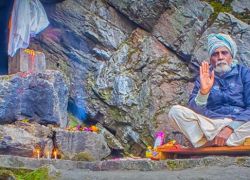
Parshuram Kund is one of the most sacred pilgrimage destinations in Arunachal Pradesh and an important religious site for Hindus across India. Located in the Lohit district, this holy spot lies on the banks of the mighty Lohit River, a major tributary of the Brahmaputra. Surrounded by dense forests, hills, and flowing river waters, Parshuram Kund combines deep spiritual significance with breathtaking natural beauty. Every year, thousands of devotees and tourists visit Parshuram Kund to take a holy dip, especially during the festival of Makar Sankranti. Apart from its religious importance, the place attracts nature lovers, photographers, and travelers seeking peaceful surroundings in eastern Arunachal Pradesh. History of Parshuram Kund The history of Parshuram Kund is deeply rooted in Hindu mythology. According to legend, Sage Parashurama, the sixth incarnation of Lord Vishnu, came to this place to atone for the sin of killing his mother under his father’s command. It is believed that after bathing in the waters of the Lohit River at this spot, Parashurama was absolved of his sins. Because of this belief, Parshuram Kund became a revered pilgrimage site, where devotees believe that bathing in the river cleanses them of sins and brings spiritual purification. Over centuries, the site has remained an important religious center, especially for pilgrims from Arunachal Pradesh, Assam, and other northeastern states. Architecture and Site Layout Parshuram Kund does not have grand temple architecture like many other pilgrimage centers. Instead, its spiritual charm lies in its natural setting. The main attraction is the riverbank area where pilgrims gather for ritual bathing. Simple temples, stone steps, and pathways have been developed around the kund to facilitate pilgrims. Small shrines dedicated to Lord Parashurama and other Hindu deities are located nearby. The surrounding landscape of hills, forests, and flowing river creates a serene and sacred atmosphere that enhances the spiritual experience. Why Parshuram Kund is Famous Parshuram Kund is famous for several religious and natural reasons: It is one of the most important Hindu pilgrimage sites in northeastern India Associated with Sage Parashurama and Hindu mythology Annual Makar Sankranti festival attracts thousands of pilgrims Located on the scenic Lohit River amid natural beauty Believed to cleanse sins and bring spiritual peace How to Reach Parshuram Kund, Lohit Parshuram Kund is accessible through road, rail, and air routes via nearby towns and cities. By Air The nearest airport is Lilabari Airport in Assam, located about 120–130 km away. The airport is connected to major cities like Guwahati and Kolkata. From the airport, taxis and shared vehicles are available to reach Parshuram Kund. By Train The nearest railway station is Tinsukia Railway Station in Assam, approximately 90 km from Parshuram Kund. Tinsukia is well connected to major Indian cities. From there, travelers can hire taxis or use local transport to reach the site. By Road Parshuram Kund is well connected by road to Tezu, Tinsukia, and other nearby towns. Regular buses and taxis operate from Tezu and Assam towns. The final stretch involves hilly roads, offering scenic views of forests and river valleys. Weather and Best Time to Visit The climate around Parshuram Kund varies with the seasons: Summer (March to June): Mild to warm, temperatures between 20°C and 30°C Monsoon (July to September): Heavy rainfall; landslides may occur Winter (October to February): Cool and pleasant, temperatures from 10°C to 20°C The best time to visit Parshuram Kund is from October to April. The most significant time is during Makar Sankranti (January), when large religious gatherings take place. Parshuram Kund Timings Parshuram Kund is generally open throughout the day as it is a natural religious site. However, ritual bathing usually takes place during daylight hours. Recommended Visiting Time: Early morning to late afternoon Festival Period: Timings may extend during Makar Sankranti celebrations Entry and Visit Details There is no official entry fee to visit Parshuram Kund. The site is open to pilgrims and tourists free of charge. During festivals, local authorities may regulate crowd movement and provide temporary facilities such as shelters, drinking water, medical aid, and security services. Donations at nearby temples are optional. Things to Do at Parshuram Kund Visitors can engage in both religious and leisure activities at Parshuram Kund: Take a holy dip in the Lohit River Participate in religious rituals and prayers Explore nearby small temples and shrines Enjoy nature photography and scenic views Visit nearby towns like Tezu and Wakro Interesting Facts about Parshuram Kund The site is named after Sage Parashurama, an incarnation of Lord Vishnu The Lohit River originates in Tibet and later joins the Brahmaputra Makar Sankranti attracts pilgrims from across India The area is surrounded by dense forests and rich biodiversity Tips for Visitors To ensure a safe and pleasant visit, keep the following tips in mind: Visit early in the morning to avoid crowds during peak season Wear modest and comfortable clothing, especially for ritual bathing Be cautious near riverbanks, as water currents can be strong Avoid visiting during heavy monsoon months due to landslide risks Respect local customs and religious sentiments Conclusion Parshuram Kund in Lohit district is a unique blend of spirituality, mythology, and natural beauty. Whether you are a pilgrim seeking spiritual cleansing or a traveler exploring Arunachal Pradesh’s lesser-known destinations, Parshuram Kund offers a meaningful and memorable experience. With its sacred river, peaceful surroundings, and cultural importance, it stands as one of the most significant religious landmarks in northeastern India.
Explore More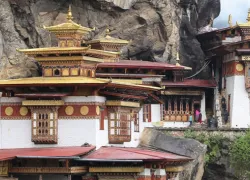
Taktsang Gompa, also known as the Tiger's Nest Monastery, is a sacred Buddhist site located in the beautiful town of Tawang in Arunachal Pradesh, India. The monastery was first built in 1684, around a cave where Guru Padmasambhava is said to have meditated for three years, three months, three weeks, and three days. Over the centuries, the monastery has been expanded and renovated multiple times. Architecture and Design The monastery is perched precariously on a cliff at an altitude of 10,000 feet, overlooking the stunning Tawang Valley. The architecture of Taktsang Gompa is a unique blend of traditional Tibetan and Bhutanese styles, with colorful prayer flags fluttering in the wind and intricate murals adorning the walls. The design of the monastery is both breathtaking and awe-inspiring, attracting visitors from all over the world. Best Time to Visit The best time to visit Taktsang Gompa is during the summer months, from April to June, when the weather is pleasant and the valley is in full bloom. Avoid visiting during the monsoon season as heavy rains can make the trek to the monastery dangerous. Winter months, from November to February, are also a good time to visit if you enjoy snow and want to experience the monastery in a peaceful and serene atmosphere. Cultural Significance Taktsang Gompa holds immense cultural significance for the people of Tawang and Buddhists around the world. It is considered a sacred pilgrimage site and is believed to be a place of great spiritual power. The monastery is a center for Buddhist teachings and practices, attracting monks and devotees who come to meditate, pray, and seek blessings from the resident lamas. Pilgrimage Practices Pilgrims visiting Taktsang Gompa engage in various practices such as prostrations, chanting of mantras, and offering prayers to the deities. Many devotees undertake the arduous trek to the monastery as a form of penance and to seek spiritual enlightenment. It is believed that circumambulating the monastery three times can wash away sins and bring good luck and blessings. Dress Code and Etiquette Visitors to Taktsang Gompa are required to dress modestly and respectfully. It is recommended to wear conservative clothing that covers the shoulders and knees. Remove shoes before entering the monastery and maintain silence and reverence while inside. Photography may be restricted in certain areas, so be sure to ask for permission before taking any pictures. Activities and Experiences While at Taktsang Gompa, visitors can partake in a range of activities and experiences such as attending Buddhist ceremonies, exploring the surrounding hills and valleys, and interacting with the friendly monks who reside at the monastery. The trek to the monastery itself is an unforgettable experience, offering stunning views of the Himalayan mountains and valleys. Art and Religious Symbols The walls of Taktsang Gompa are adorned with intricate frescoes and thangka paintings depicting scenes from Buddhist mythology and the life of Guru Padmasambhava. The monastery is also home to various religious symbols such as prayer wheels, stupas, and colorful prayer flags. These symbols play an important role in Buddhist practices and rituals, serving as a visual representation of the teachings and beliefs of the faith. Local Insights Visiting Taktsang Gompa provides a unique opportunity to gain insights into the rich culture and traditions of the people of Tawang. Interacting with the local monks and residents can offer a deeper understanding of Tibetan Buddhism and the way of life in this remote corner of India. Don't miss the chance to sample delicious local cuisine and shop for handmade crafts and souvenirs produced by the skilled artisans of Tawang.
Explore More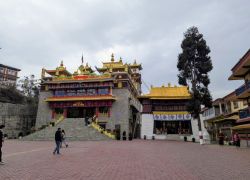
Thub-Chog Gatsel Ling Monastery
Thub-Chog Gatsel Ling Monastery, popularly known as the Upper Gompa of Bomdila, is one of the most important Buddhist monasteries in Arunachal Pradesh. Located in the picturesque hill town of Bomdila in the West Kameng district, the monastery is perched on a hilltop and offers breathtaking views of the surrounding Himalayan ranges, lush valleys, and the beautiful town below. It is a significant center of Mahayana Buddhism and serves as a place of worship, meditation, and spiritual learning for monks and devotees. Bomdila is known for its rich Tibetan Buddhist culture, and Thub-Chog Gatsel Ling Monastery is among its most prominent landmarks. The monastery attracts pilgrims, spiritual seekers, photographers, and tourists who come to admire its colorful architecture, peaceful atmosphere, and panoramic mountain views. The serene surroundings and traditional Buddhist ambiance make it one of the must-visit attractions in Arunachal Pradesh. Surrounded by prayer flags fluttering in the mountain breeze and set against the backdrop of the Eastern Himalayas, the monastery provides visitors with an opportunity to experience the region’s spiritual heritage and natural beauty simultaneously. Why is Thub-Chog Gatsel Ling Monastery, Bomdila Famous? Thub-Chog Gatsel Ling Monastery is famous for being one of the most important Buddhist monasteries in Bomdila and for its role in preserving Tibetan Buddhist traditions in Arunachal Pradesh. It is renowned for its peaceful environment, religious significance, and stunning hilltop location. The monastery is particularly known for: Its importance in Mahayana Buddhism. Beautiful traditional Tibetan architecture. Large prayer halls and sacred Buddhist statues. Panoramic views of Bomdila and surrounding mountains. Colorful prayer flags and spiritual atmosphere. Hosting Buddhist festivals and ceremonies. The monastery is also an excellent place for meditation and offers visitors a chance to learn about Buddhist philosophy and local culture. History of Thub-Chog Gatsel Ling Monastery The Thub-Chog Gatsel Ling Monastery was established to promote and preserve the teachings of Tibetan Buddhism in the region. Bomdila has long been influenced by Tibetan Buddhist traditions due to its geographical proximity to Tibet and Bhutan, as well as the cultural heritage of the Monpa community. The monastery was founded under the guidance of respected Buddhist spiritual leaders and has since become an important center for religious education and monastic life. Over the years, it has grown into one of the most visited spiritual destinations in Arunachal Pradesh. The monastery serves not only as a religious institution but also as a cultural center where traditional Buddhist practices, rituals, and teachings are passed down to younger generations. It plays an essential role in preserving the spiritual and cultural identity of the local Monpa people. Architecture of Thub-Chog Gatsel Ling Monastery The architecture of Thub-Chog Gatsel Ling Monastery reflects traditional Tibetan Buddhist design. The monastery is beautifully decorated with colorful paintings, intricate carvings, and sacred Buddhist symbols that create a visually stunning and spiritually uplifting atmosphere. Architectural highlights include: Traditional Tibetan-style monastery buildings. Brightly colored walls and decorative artwork. Large prayer halls with ornate interiors. Beautiful murals depicting Buddhist teachings. Golden statues of Buddha and revered Buddhist masters. Prayer wheels and fluttering prayer flags. Monastic quarters for resident monks. The monastery's elevated location further enhances its beauty, offering spectacular views of the surrounding Himalayan landscape. How to Reach Thub-Chog Gatsel Ling Monastery, Bomdila, Arunachal Pradesh By Air The nearest airport is Tezpur Airport in Assam, located approximately 160 kilometers from Bomdila. Another major airport is Lokpriya Gopinath Bordoloi International Airport in Guwahati, about 340 kilometers away. Taxis and shared vehicles are available from both airports. By Train The nearest major railway station is Rangapara Railway Station in Assam, approximately 150 kilometers away. Visitors can hire taxis or use bus services from the station to reach Bomdila. By Road Bomdila is well connected by road to major towns in Arunachal Pradesh and Assam. Tezpur to Bomdila: Approximately 160 km Guwahati to Bomdila: Approximately 340 km Tawang to Bomdila: Approximately 180 km Dirang to Bomdila: Approximately 42 km Regular state transport buses, shared taxis, and private vehicles operate on these routes. Weather at Thub-Chog Gatsel Ling Monastery Summer (March to June) Temperatures range between 10°C and 25°C. The weather is pleasant and suitable for sightseeing. Monsoon (July to September) The region receives moderate to heavy rainfall, making the landscape lush and green. Autumn (October to November) Clear skies and cool temperatures provide excellent mountain views. Winter (December to February) Temperatures may drop below freezing, and occasional snowfall can occur in nearby higher-altitude areas. The best time to visit is from March to June and October to November. Thub-Chog Gatsel Ling Monastery Timings The monastery is generally open to visitors every day. Opening Time: 6:00 AM Closing Time: 6:00 PM Open: All Days Visitors are encouraged to visit during daylight hours to enjoy the scenic surroundings and religious activities. Entry and Visit Details of Thub-Chog Gatsel Ling Monastery Entry to the monastery is usually free of charge. Donations for the upkeep of the monastery are welcome. Visitors can explore: Main prayer hall. Buddhist shrines and statues. Prayer wheels and meditation areas. Monastery courtyards. Scenic viewpoints around the monastery. Photography is generally allowed in outdoor areas, but visitors should seek permission before photographing prayer halls or monks. Things to Do at Thub-Chog Gatsel Ling Monastery 1. Attend Prayer Sessions Experience the peaceful chants and rituals performed by Buddhist monks. 2. Explore the Monastery Complex Admire the architecture, artwork, and spiritual ambiance of the monastery. 3. Meditation and Reflection Spend time in quiet contemplation amidst the serene Himalayan surroundings. 4. Photography Capture stunning views of the monastery, mountains, and Bomdila town. 5. Learn About Buddhism Gain insights into Buddhist philosophy, rituals, and local traditions. 6. Enjoy Panoramic Views The monastery offers spectacular views of valleys and mountain landscapes. 7. Visit Nearby Attractions Bomdila Monastery (Lower Gompa) Bomdila View Point Craft Centre and Ethnographic Museum Apple Orchards Dirang Valley Sela Pass Interesting Facts About Thub-Chog Gatsel Ling Monastery It is popularly known as the Upper Gompa of Bomdila. The monastery follows the Mahayana school of Buddhism. It serves as an important religious center for the Monpa community. The monastery offers panoramic Himalayan views. Prayer flags around the monastery symbolize peace and compassion. Monks receive religious education and training here. The monastery attracts both pilgrims and tourists. Traditional Buddhist festivals are celebrated with great enthusiasm. Its architecture reflects strong Tibetan influences. It is one of Bomdila's most photographed landmarks. Travel Tips for Visiting Thub-Chog Gatsel Ling Monastery Dress modestly and respectfully while visiting the monastery. Maintain silence inside prayer halls. Seek permission before photographing monks. Carry warm clothing, especially during winter. Wear comfortable walking shoes. Visit during morning hours for a peaceful experience. Respect local customs and religious practices. Carry a camera for scenic photography. Keep the monastery premises clean. Combine your visit with other attractions in Bomdila. Conclusion Thub-Chog Gatsel Ling Monastery in Bomdila, Arunachal Pradesh, is a remarkable spiritual destination that offers a perfect blend of Buddhist culture, Himalayan beauty, and peaceful surroundings. Its rich religious significance, stunning Tibetan-style architecture, and breathtaking views make it one of the most important attractions in the region. Whether you are seeking spiritual inspiration, cultural exploration, or scenic mountain landscapes, the monastery provides a memorable and enriching experience. A visit to Thub-Chog Gatsel Ling Monastery allows travelers to immerse themselves in the timeless traditions of Buddhism while enjoying the serene beauty of the Eastern Himalayas.
Explore More
Welcome to the mesmerizing Dibang River, nestled in the serene city of Dibang. This picturesque tourist attraction is a haven for nature lovers, bird enthusiasts, and adventure seekers alike. With its pristine natural environment and rich biodiversity, Dibang River offers a unique blend of tranquility and exploration for all its visitors. History of Dibang River The history of Dibang River dates back to ancient times, where it has been a vital lifeline for the local communities. Once a crucial part of the region's trade routes, the river has also been a source of inspiration for various myths and legends. Over the years, efforts have been made to conserve the river's ecosystem, leading to its recognition for its ecological significance. Architecture and Natural Beauty of Dibang River Surrounded by lush wetlands, dense forests, and sprawling grasslands, Dibang River boasts a stunning natural landscape that is home to diverse bird species and wildlife. The historical Keoladeo Temple situated along the river adds a touch of cultural charm to the picturesque surroundings, making it a must-visit destination for nature enthusiasts. Why is Dibang River Famous? Dibang River has gained fame for being a hotspot for birdwatchers, photographers, and wildlife lovers due to its abundant avian population and scenic beauty. The opportunity to witness migratory birds in their natural habitat makes Dibang River a paradise for those seeking a close encounter with nature. How to Reach Dibang River Traveling to Dibang River is convenient, with options available by air, rail, and road. The city is well-connected to nearby airports and railway stations, providing easy access to this natural wonder. Whether you prefer a scenic drive or a quick flight, reaching Dibang River is a delightful journey in itself. Weather and Best Time to Visit Dibang River The weather at Dibang River varies across seasons, offering unique experiences throughout the year. While summers are ideal for birdwatching and nature walks, the monsoon season brings a lush greenery to the surroundings. Winter is the best time to visit, with pleasant temperatures and clear skies enhancing the beauty of the river. Timings of Dibang River Dibang River welcomes visitors during specific timings, allowing ample time to explore its beauty. Seasonal variations may affect accessibility, so it's advisable to plan your visit accordingly. Whether you prefer the tranquility of early mornings or the vibrant sunset hues, Dibang River has something for everyone. Entry Fee and Visit Details Entry to Dibang River is subject to specified procedures, and guide services are available for those seeking in-depth knowledge about the area. Safari options, bicycle rentals, and well-equipped visitor facilities cater to the needs of tourists, ensuring a comfortable and memorable experience at the river. Things to Do at Dibang River At Dibang River, there is no shortage of activities to engage in. From birdwatching to photography, cycling along scenic trails to leisurely nature walks, the options are endless. Immerse yourself in the serene surroundings, observe the diverse wildlife, and embark on educational experiences that will leave you in awe of nature's wonders. Interesting Facts About Dibang River Dibang River is not just a water body; it is a thriving ecosystem that supports a wide range of flora and fauna. The river serves as a crucial habitat for migratory birds, highlighting its importance in the conservation of biodiversity. Its ecological significance and conservation efforts have garnered recognition on a global scale. Travel Tips for Visiting Dibang River When visiting Dibang River, remember to dress comfortably for outdoor activities and carry essential photography and birdwatching equipment. Different seasons offer unique experiences, so plan your trip according to your preferences. Embrace responsible tourism practices to preserve the pristine environment of Dibang River for future generations to enjoy. Conclusion In conclusion, Dibang River in Dibang is a hidden gem waiting to be explored by nature enthusiasts and adventure seekers. With its rich history, diverse ecosystem, and captivating beauty, Dibang River offers a memorable experience for all who visit. Immerse yourself in the tranquility of this natural wonder and create unforgettable memories amidst the scenic surroundings of Dibang River.
Explore More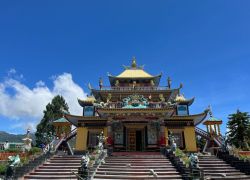
Bhutan Monastery is a peaceful and spiritually significant Buddhist monastery located in the scenic Kameng region of Arunachal Pradesh. Known for its calm environment, Tibetan Buddhist traditions, and beautiful Himalayan surroundings, it is a hidden gem in Northeast India. Situated in the Kameng region of Arunachal Pradesh, this monastery is surrounded by lush green valleys, dense forests, and snow-capped Himalayan peaks. It is an important center of Buddhist culture and spirituality in the region. Bhutan Monastery, Kameng, Arunachal Pradesh is a serene destination that attracts monks, pilgrims, and travelers seeking peace, meditation, and natural beauty. History of Bhutan Monastery Bhutan Monastery has strong cultural and religious ties with Tibetan Buddhism and Bhutanese traditions. It is believed to have been established by Buddhist monks who traveled from Bhutan and Tibet centuries ago to spread Buddhism in the eastern Himalayan region. The monastery follows the Mahayana Buddhist tradition and has served as a spiritual center for monks and local communities for generations. It has played an important role in preserving Buddhist teachings, rituals, and cultural practices in Arunachal Pradesh. Over time, the monastery has been maintained and expanded by local Buddhist communities, keeping its spiritual essence intact. Architecture of Bhutan Monastery The architecture of Bhutan Monastery reflects traditional Himalayan Buddhist design. It features colorful prayer halls, wooden structures, sloping roofs, and beautifully painted walls. Inside the monastery, visitors can find statues of Lord Buddha, intricate thangka paintings, and sacred scriptures preserved by monks. The monastery complex also includes meditation rooms, courtyards, and residential quarters for monks, all designed to blend harmoniously with the natural surroundings. The use of vibrant colors and spiritual symbols creates a peaceful and divine atmosphere inside the monastery. Why Bhutan Monastery is Famous Bhutan Monastery is famous for its spiritual significance, peaceful environment, and connection to Bhutanese Buddhist traditions. It is also known for its scenic Himalayan location, making it a perfect destination for meditation and spiritual retreat. The monastery attracts visitors who are interested in Buddhist culture, Himalayan landscapes, and serene travel experiences. How to Reach Bhutan Monastery Reaching Bhutan Monastery requires traveling through the scenic but remote regions of Arunachal Pradesh. By Air: The nearest airport is Tezpur Airport in Assam, located around 150–200 km away. From there, taxis and shared vehicles are available to Kameng region. By Train: The nearest railway station is Tezpur or Rangapara North Railway Station in Assam. From there, road travel is required to reach Kameng. By Road: Kameng is connected by road to Tezpur and other parts of Assam and Arunachal Pradesh. Regular taxis and buses operate, but travel may be affected by weather conditions. Inner roads leading to the monastery may require short trekking or local transport depending on accessibility. Weather at Bhutan Monastery The Kameng region experiences a cool Himalayan climate with heavy rainfall during monsoon and cold winters. Summer (March to June): Pleasant and mild with temperatures ranging from 15°C to 25°C. Monsoon (July to September): Heavy rainfall makes travel difficult but enhances the greenery of the region. Winter (October to February): Cold weather with temperatures dropping below 5°C in some areas. Timing and Entry Details Bhutan Monastery is generally open from 6:00 AM to 6:00 PM every day. There is usually no entry fee, but donations are welcome for maintenance and support of monks. Visitors are advised to check local conditions before traveling due to remote accessibility. Things to Do at Bhutan Monastery Visitors can explore the monastery premises and observe daily prayer rituals performed by monks. Meditation sessions in the peaceful environment offer a deeply spiritual experience. Photography enthusiasts can capture the monastery’s beautiful architecture and surrounding Himalayan landscapes. Visitors can also learn about Buddhist teachings and interact with monks to understand their lifestyle. Interesting Facts About Bhutan Monastery The monastery is influenced by Bhutanese and Tibetan Buddhist traditions, reflecting cross-cultural heritage. It is located in one of the least explored regions of Arunachal Pradesh, making it a hidden spiritual destination. The monastery plays an important role in preserving Buddhist culture in the eastern Himalayas. It is surrounded by rich biodiversity, including rare Himalayan flora and fauna. Travel Tips for Visitors Carry warm clothing even during summer due to unpredictable mountain weather. Respect local customs and maintain silence inside prayer halls. Plan your trip during dry seasons for better road accessibility. Carry essentials like food, water, and medicines due to limited facilities in remote areas. Conclusion Bhutan Monastery in Kameng is a peaceful spiritual retreat surrounded by the untouched beauty of Arunachal Pradesh. Its Buddhist heritage, serene environment, and Himalayan landscapes make it a truly special destination. Whether you are a pilgrim, traveler, or nature lover, visiting Bhutan Monastery offers a deeply calming and enriching experience in the heart of Northeast India.
Explore More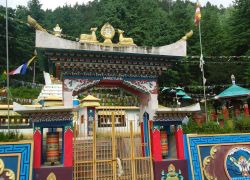
Dirang Dzong is one of the most significant cultural and historical landmarks located in the picturesque town of Dirang, in the Indian state of Arunachal Pradesh. This fortress-monastery combines the unique architectural styles of traditional Himalayan fortresses with serene monastic influences. Surrounded by lush greenery, terraced hills, and the mighty Himalayan ranges, Dirang Dzong is not just a visual delight but also a spiritual center for locals and visitors alike. History and Architecture of Dirang Dzong The history of Dirang Dzong dates back several centuries. It was originally constructed as a defensive fortress to protect the region from invasions and later became a monastic center for Buddhist practices. The architecture is an exceptional blend of military and religious designs, featuring thick stone walls, wooden beams, and traditional sloped roofs to withstand heavy snowfall. Inside, you will find intricate murals, prayer halls, and statues that depict the rich cultural heritage of the Monpa community, who are native to this region. Why Dirang Dzong is Famous Dirang Dzong is famous for its historical significance, architectural beauty, and spiritual value. Tourists visit to witness its age-old fortress-like structure, experience monastic rituals, and enjoy panoramic views of the surrounding valley. It also holds various cultural festivals and ceremonies, making it an important center for local traditions. The combination of history, culture, and scenic beauty makes Dirang Dzong a must-visit destination in Arunachal Pradesh. How to Reach Dirang Dzong, Dirang, Arunachal Pradesh Reaching Dirang Dzong is relatively straightforward for travelers making their way through Arunachal Pradesh: By Air: The nearest airport is Tezpur Airport, around 140 kilometers from Dirang. From the airport, one can hire a taxi or take local transport to reach Dirang. By Train: The closest railway station is in Rangapara North (Assam), which is about 160 kilometers away. From there, road transport is available. By Road: Dirang is well connected via the NH13, which links it with towns like Bomdila and Tawang. Travelers can hire cabs, use buses, or drive themselves through the scenic highways. Weather at Dirang Dzong Dirang experiences a pleasant climate throughout most of the year. Summers (April to June) are mild with temperatures ranging between 15°C and 25°C, making it perfect for sightseeing. Monsoon season (July to September) brings moderate rainfall, so travelers should plan accordingly. Winters (December to February) can be quite cold, with temperatures dropping below 5°C, and occasional snowfall in the higher areas, adding a magical charm to the surroundings. Timing and Entry Details Dirang Dzong is generally open to visitors throughout the day, from 8:00 AM to 5:00 PM. Entry is usually free for tourists, though some areas within the monastery may require a nominal fee for maintenance purposes. Visitors are advised to follow local guidelines, respect the monastic practices, and dress modestly while exploring the interiors. Things to Do at Dirang Dzong Visitors to Dirang Dzong can engage in a variety of activities: Exploring the Architecture: Walk through the fortress-like structure and admire the stone walls, intricate woodwork, and traditional Himalayan design. Spiritual Experience: Participate in or observe Buddhist rituals and prayer ceremonies in the monastery halls. Photography: Capture panoramic views of the Dirang valley, the surrounding mountains, and the colorful murals inside the dzong. Local Interaction: Engage with the Monpa community to learn about their culture, traditions, and handicrafts. Interesting Facts about Dirang Dzong Dirang Dzong is one of the few remaining dzongs in Arunachal Pradesh that combines both defensive and religious functions. The monastery houses ancient manuscripts and religious artifacts preserved by the monks. Its strategic location allowed it to serve as a watchtower against invasions in the past. Visitors often report a sense of tranquility and peace when walking through the dzong’s courtyards and prayer halls. Tips for Visiting Dirang Dzong Wear comfortable footwear as some areas involve walking on uneven stone surfaces. Carry light snacks and water, as local amenities may be limited. Respect local customs and avoid photography in restricted areas within the monastery. Plan your visit during summer months to avoid heavy rains and enjoy clear views of the valley. Hiring a local guide can enhance your understanding of the history and cultural significance of Dirang Dzong. In conclusion, Dirang Dzong in Dirang, Arunachal Pradesh is a destination that beautifully encapsulates the cultural, historical, and spiritual essence of the region. With its majestic architecture, rich history, and serene surroundings, it offers an unforgettable experience for every traveler who visits this Himalayan gem.
Explore More
Thupsung Dhargye Ling Monastery
Located in the picturesque city of Dirang, the Thupsung Dhargye Ling Monastery is a cultural and spiritual gem that attracts visitors from far and wide. This monastery, nestled amidst the serene natural beauty of Dirang, offers a unique blend of tranquility, history, and architectural splendor. History of Thupsung Dhargye Ling Monastery The Thupsung Dhargye Ling Monastery has a rich historical background, dating back to its establishment as a place of worship and meditation. Once serving as royal hunting grounds, the monastery has transformed over the years into a center for spirituality and cultural heritage. Its conservation efforts have garnered recognition, including UNESCO's acknowledgment of its significance. Architecture and Natural Beauty of Thupsung Dhargye Ling Monastery Surrounded by lush wetlands, verdant forests, and rolling grasslands, the monastery offers a glimpse into the natural wonders of Dirang. Visitors can explore bird habitats, picturesque landscapes, and even visit the historical Keoladeo Temple within the monastery premises, adding to its allure. Why is Thupsung Dhargye Ling Monastery Famous? Thupsung Dhargye Ling Monastery has gained fame for being a haven for birdwatchers, photographers, nature enthusiasts, and wildlife lovers. Its tranquil ambiance, coupled with the diverse flora and fauna surrounding it, makes it a popular destination for those seeking a spiritual retreat in nature. How to Reach Thupsung Dhargye Ling Monastery Traveling to Thupsung Dhargye Ling Monastery is convenient, with options available by air, rail, and road. Nearby airports and railway stations provide easy access to this cultural marvel, allowing visitors to embark on a journey of discovery and enlightenment. Weather and Best Time to Visit Thupsung Dhargye Ling Monastery Throughout the summer, monsoon, and winter seasons, Thupsung Dhargye Ling Monastery offers varying weather conditions, each adding a unique charm to the visitor experience. The best months to visit depend on individual preferences, ensuring a memorable trip regardless of the season. Timings of Thupsung Dhargye Ling Monastery Visitors can explore Thupsung Dhargye Ling Monastery at designated timings, with seasonal variations enhancing the overall experience. Planning a visit to this spiritual haven involves considering these timings to make the most of the trip. Entry Fee and Visit Details Entry procedures, guide services, safari options, bicycle rentals, and visitor facilities cater to the diverse needs of those visiting Thupsung Dhargye Ling Monastery. These details ensure a smooth and enriching visit, allowing guests to immerse themselves fully in the monastery's ambiance. Things to Do at Thupsung Dhargye Ling Monastery Engaging in popular activities such as birdwatching, photography, cycling, walking trails, and nature observation offers visitors a chance to connect with the natural world and find peace within the tranquil surroundings of the monastery. Educational experiences further enrich the visit, creating lasting memories. Interesting Facts About Thupsung Dhargye Ling Monastery Thupsung Dhargye Ling Monastery is home to fascinating migratory birds, diverse biodiversity, notable conservation achievements, and ecological importance. These facts highlight the monastery's role in preserving natural heritage and fostering a deeper appreciation for the environment. Travel Tips for Visiting Thupsung Dhargye Ling Monastery Practical advice on clothing choices, photography essentials, birdwatching equipment, visiting seasons, and responsible tourism practices ensures a fulfilling and respectful visit to Thupsung Dhargye Ling Monastery. Following these tips enhances the overall experience for both guests and the environment. Conclusion In conclusion, Thupsung Dhargye Ling Monastery in Dirang stands as a testament to cultural richness, natural beauty, and spiritual serenity. Its historical significance, architectural grandeur, and tourism appeal make it a must-visit destination for those seeking a harmonious blend of heritage and nature in the heart of Dirang.
Explore More
Welcome to Kalachakra Gompa, a mesmerizing tourist attraction nestled in the serene city of Dirang. This hidden gem offers a unique blend of natural beauty and cultural significance, making it a must-visit destination for travelers seeking tranquility and spiritual enrichment. History of Kalachakra Gompa Steeped in history, Kalachakra Gompa holds a rich legacy dating back to ancient times. Originally a royal hunting ground, this site underwent profound conservation efforts to preserve its natural environment. Its outstanding cultural and ecological value has been recognized by UNESCO, further cementing its importance in the region. Architecture and Natural Beauty of Kalachakra Gompa Immerse yourself in the lush wetlands, dense forests, and sprawling grasslands that form the backdrop of Kalachakra Gompa. The area is a haven for diverse bird species, offering birdwatchers and nature enthusiasts a visual feast. Amidst this natural splendor lies the historical Keoladeo Temple, adding a touch of mystique to the landscape. Why is Kalachakra Gompa Famous? Kalachakra Gompa has gained fame as a haven for birdwatchers, photographers, and wildlife lovers. Its unique biodiversity and picturesque landscapes attract visitors from far and wide, seeking to witness the harmonious coexistence of nature and spirituality. How to Reach Kalachakra Gompa Accessing Kalachakra Gompa is convenient via air, rail, and road routes. Nearby airports and railway stations ensure seamless connectivity for travelers, allowing them to embark on a journey of discovery to this enchanting destination. Weather and Best Time to Visit Kalachakra Gompa Experience varying weather conditions at Kalachakra Gompa throughout the seasons. While summers offer pleasant warmth, monsoons bring lush greenery, and winters create a serene ambiance. The best time to visit depends on your preferences, with each season offering a unique charm. Timings of Kalachakra Gompa Plan your visit to Kalachakra Gompa with consideration of visitor timings and any seasonal variations that may affect your experience. Stay informed to make the most of your trip and ensure a memorable stay at this captivating destination. Entry Fee and Visit Details Upon arrival, familiarize yourself with entry procedures, guide services, safari options, and visitor facilities available at Kalachakra Gompa. Enhance your experience with bicycle rentals and explore the surroundings at your own pace. Things to Do at Kalachakra Gompa Engage in a myriad of activities at Kalachakra Gompa, from birdwatching and photography to cycling and nature observation. Embark on walking trails, immerse yourself in the beauty of the surroundings, and partake in educational experiences to deepen your connection with nature. Interesting Facts About Kalachakra Gompa Delve into fascinating facts about migratory birds, the diverse biodiversity of the region, remarkable conservation achievements, and the ecological significance of Kalachakra Gompa. Uncover the hidden wonders that make this destination truly remarkable. Travel Tips for Visiting Kalachakra Gompa Prepare for your trip with practical advice on clothing choices, essential photography gear, optimal birdwatching equipment, ideal visiting seasons, and responsible tourism practices. Embrace the local culture and environment while treading lightly on this sacred land. Conclusion In conclusion, Kalachakra Gompa in Dirang offers a profound journey of exploration and discovery for travelers seeking solace in nature and spirituality. Immerse yourself in the enchanting beauty of this destination, where history, biodiversity, and cultural significance converge to create an unforgettable experience.
Explore MoreArunachal Pradesh Tour 5 Night - 6 Days
6 Days/ 5 Night
Bomdila - Guwahati - Bhalukpong - Tawang - Dirang
Arunachal Pradesh Package
8 Days/ 7 Night
Guwahati - Bomdila - Tinsukia - Bodhgaya
Arunachal Pradesh Tour 7 Night - 8 Days
8 Days/ 7 Night
Siang
Arunachal Pradesh Discovery 7N - 8D Tour
8 Days/ 7 Night
Bomdila - Guwahati - Bhalukpong - Tawang - Dirang