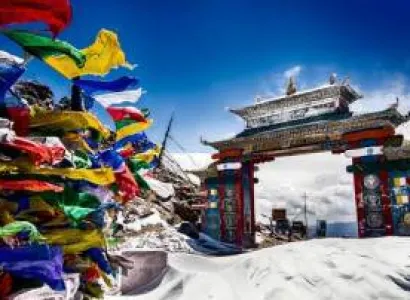
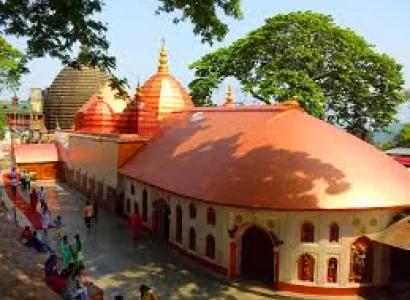
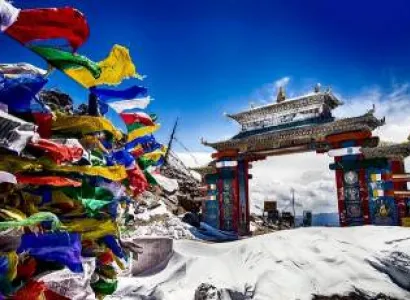
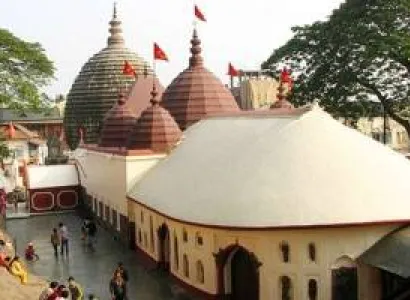
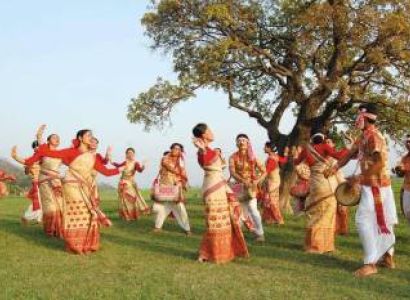
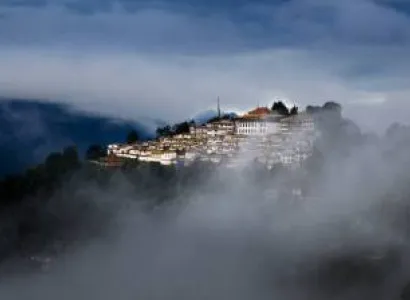
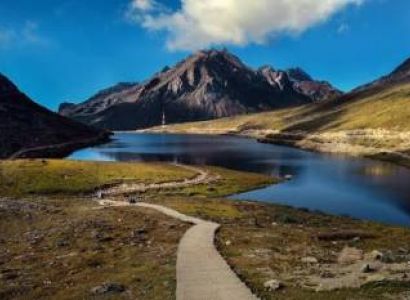
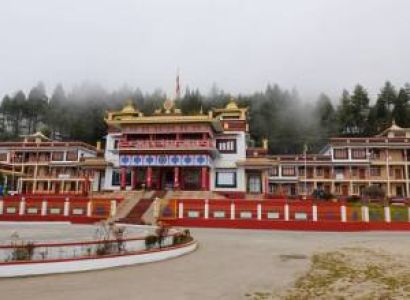
"Immerse in peaceful surroundings and rich traditions."
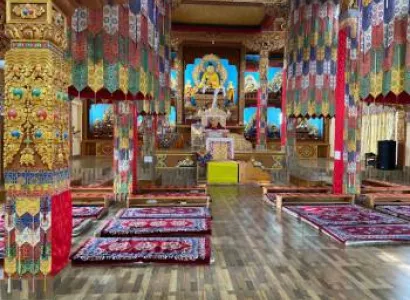
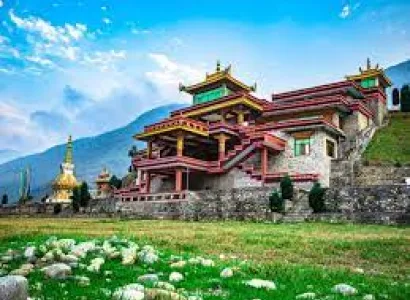
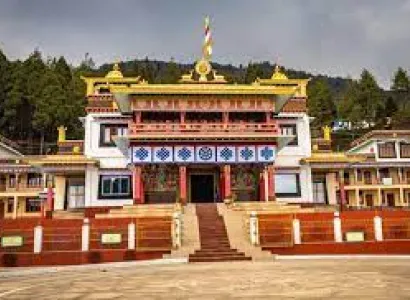
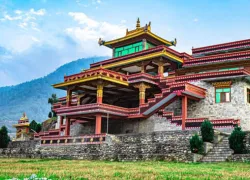
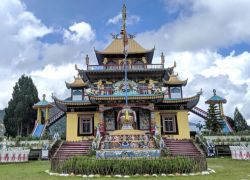
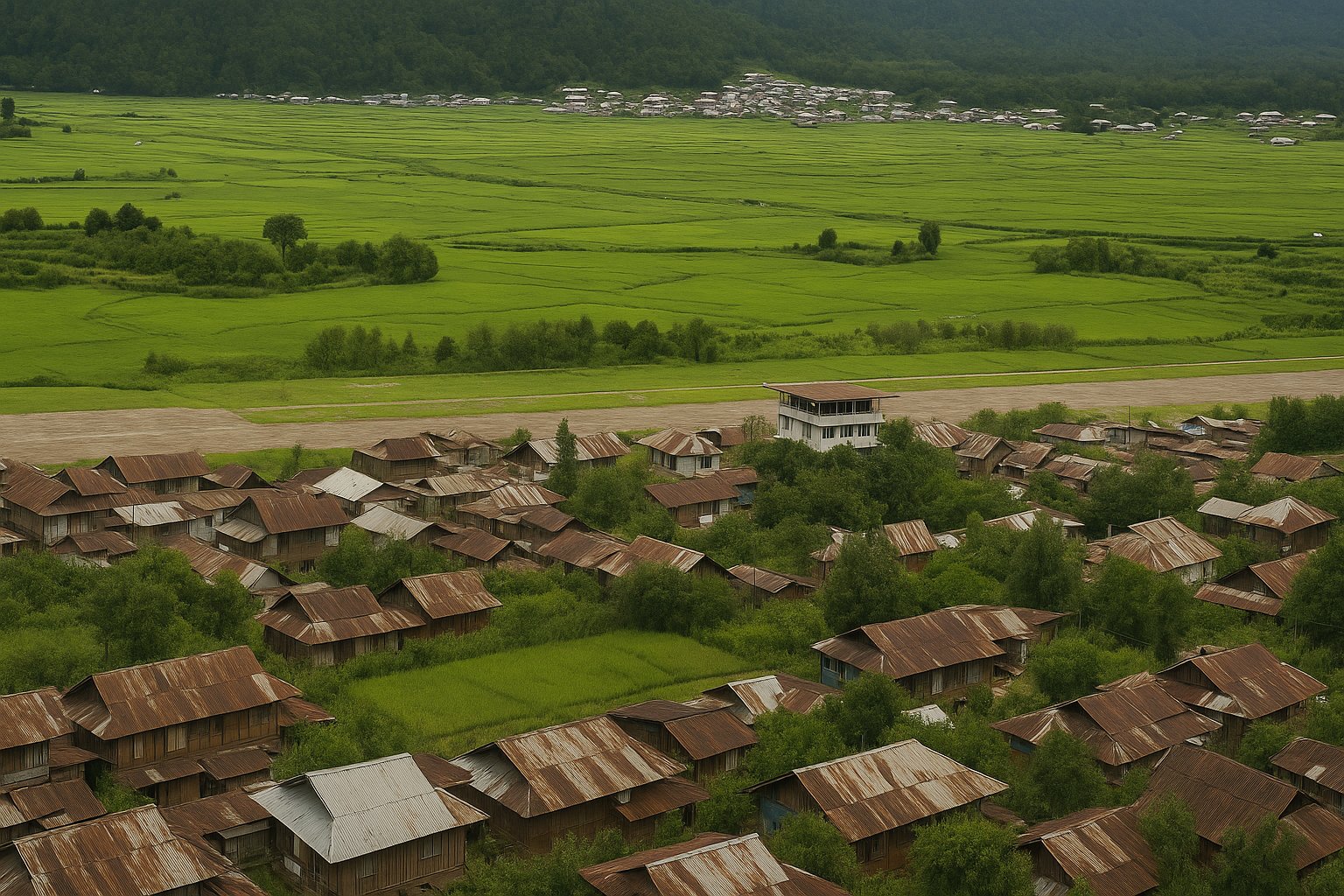
Bhalukpong, a scenic town in the West Kameng district of Arunachal Pradesh, is not only known for its rivers and lush greenery but also for its Buddhist heritage. The region is home to several Buddhist monasteries, reflecting the rich cultural and religious traditions of Tibetan Buddhism. These monasteries serve as centers of spiritual learning, meditation, and cultural preservation. Visitors to Bhalukpong can explore these monasteries to experience serene architecture, colorful prayer halls, and the tranquil lifestyle of the monks.
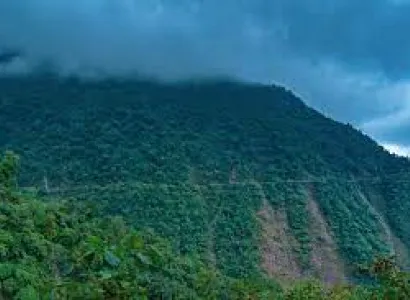
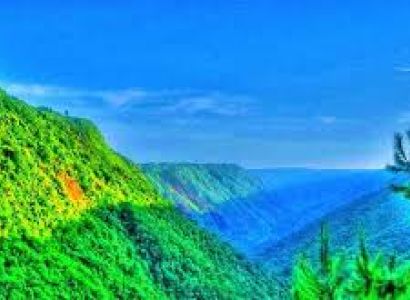
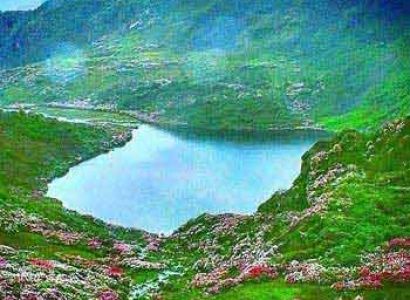
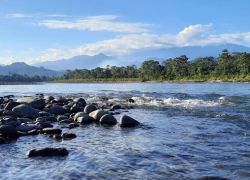
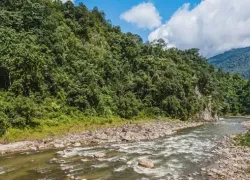
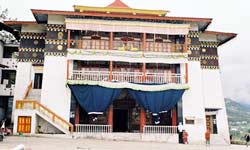
The monasteries are surrounded by dense forests, rivers, and hills, creating a peaceful environment ideal for meditation and reflection. Many monasteries are centuries old and showcase the traditional Arunachali-Buddhist architectural style, featuring prayer wheels, murals, and statues of deities such as Buddha and Padmasambhava. The monasteries play a central role in the local communities, hosting religious festivals, rituals, and cultural events that attract both devotees and tourists.
How to Reach Buddhist Monasteries in Bhalukpong
Bhalukpong is well-connected and serves as a gateway to the Buddhist monasteries in the area.
By Air: The nearest airport is Tezpur Airport in Assam, approximately 50 km from Bhalukpong. Regular flights connect Tezpur with Guwahati and other major Indian cities. From the airport, taxis or private vehicles can be hired to reach the monasteries.
By Rail: The closest railway station is Rangapara North in Assam, about 35 km from Bhalukpong. Buses, shared cabs, and taxis provide transport to Bhalukpong and nearby monasteries.
By Road: Bhalukpong is connected via National Highway 52A to Tezpur, Itanagar, and Guwahati. Local roads lead to monasteries, most of which are located within 10–15 km of the town. Hiring a local guide is recommended for a richer cultural experience.
Weather Around Buddhist Monasteries
The climate in Bhalukpong is subtropical, and the weather affects both travel and sightseeing at the monasteries.
Summer (March to June): Summers are warm and pleasant, with temperatures between 20°C and 30°C. This is an ideal time to visit monasteries and explore surrounding areas.
Monsoon (July to September): Heavy rains occur, making roads slippery and increasing humidity. Visiting monasteries is still possible, but travelers should be cautious.
Winter (October to February): Winters are cool and comfortable, with temperatures between 10°C and 20°C. This is the best time for visiting, photography, and experiencing the spiritual ambiance of the monasteries.
Timing to Visit Buddhist Monasteries
Most monasteries are open to visitors during daylight hours, with monks conducting morning and evening prayers.
Recommended Visiting Hours: 6:00 AM to 5:00 PM
Why Buddhist Monasteries in Bhalukpong are Famous
The Buddhist monasteries near Bhalukpong are famous for their spiritual significance, architecture, and cultural heritage:
Entry and Visit Details
Most monasteries allow free entry, but visitors are expected to maintain decorum, remove shoes before entering prayer halls, and avoid disturbing ongoing rituals. Photography may be restricted in certain areas, so permission should be sought. Hiring local guides enhances the experience by providing historical context, explaining rituals, and narrating legends associated with the monasteries.
History and Architecture
Bhalukpong’s monasteries have been established over the past few centuries by Tibetan Buddhist monks and local patrons. The architecture blends Tibetan and Arunachali styles, often featuring:
These monasteries not only serve religious purposes but also preserve local art, culture, and oral histories of the communities that inhabit the region.
Things to Do at Buddhist Monasteries
Attend Prayer Sessions: Observe or participate in morning and evening prayers, chanting, and rituals.
Meditation: Many monasteries allow visitors to join meditation sessions guided by resident monks.
Photography: Capture the vibrant murals, prayer halls, and serene surroundings (with permission).
Learn Local Culture: Interact with monks and locals to understand Buddhist traditions and local folklore.
Participate in Festivals: Visit during Losar or other festivals to experience cultural performances, rituals, and community gatherings.
Interesting Facts about Buddhist Monasteries in Bhalukpong
Many monasteries in Bhalukpong were established by Tibetan monks who migrated during historical conflicts, making them centers of cultural preservation.
The monasteries often serve as educational centers, teaching Buddhist philosophy, Tibetan language, and traditional arts.
Some monasteries are located along rivers or hilltops, believed to have spiritual significance in Buddhist cosmology.
Tips for Visiting Buddhist Monasteries
Dress modestly and respectfully, covering shoulders and knees.
Remove shoes and hats before entering prayer halls and remain quiet during prayers.
Seek permission before taking photographs inside the monastery.
Hire local guides to understand rituals, history, and architectural details.
Visit during festivals to experience cultural events, but plan in advance as accommodations may fill quickly.
Conclusion
The Buddhist monasteries in Bhalukpong, Arunachal Pradesh, offer a unique blend of spiritual, cultural, and natural experiences. Surrounded by rivers, forests, and hills, these monasteries provide a peaceful retreat and an opportunity to witness Tibetan Buddhist traditions and architecture firsthand. From meditation and prayer sessions to festivals and cultural learning, visitors can immerse themselves in the tranquil ambiance of the monasteries. For travelers seeking a serene, educational, and culturally enriching experience in Arunachal Pradesh, Bhalukpong’s Buddhist monasteries are a must-visit destination.