
Kaziranga Orchid, located in the vicinity of Kaziranga National Park in Assam, India, is a hidden gem that showcases the beauty of Assam’s diverse flora. Famous for its vibrant collection of orchids, the garden is a peaceful retreat for nature lovers, photographers, and anyone looking to enjoy the natural beauty of the region. With a wide variety of orchids in full bloom, the Kaziranga Orchid Garden offers an unforgettable experience for those who appreciate the delicate beauty of flowers. How to Reach Kaziranga Orchid Kaziranga Orchid is easily accessible from Kaziranga National Park. Here’s how you can reach the location: By Air: The nearest airport is Jorhat Airport, about 70 km away. You can hire a taxi from Jorhat to reach Kaziranga Orchid. Alternatively, you can fly into Guwahati International Airport, which is around 193 km from the garden, and take a cab or bus from there. By Train: The nearest railway station is Furkating Junction, approximately 50 km away. From Furkating, you can hire a taxi or take a local bus to the orchid garden. By Road: Kaziranga Orchid is located about 10-15 km from the main Kaziranga National Park area, making it easily accessible by road. If you’re coming from Kaziranga, it’s a short drive through the rural roads that are well-connected to the park’s surrounding areas. Weather and Best Time to Visit Kaziranga Orchid The climate in Kaziranga Orchid is typical of the region, with humid conditions and monsoon rains during specific months. Here’s what you should expect: Summer (March to May): The temperatures range from 25°C to 35°C, making it warm but not excessively hot. The summer months are great for visiting the orchid garden as the flowers bloom vibrantly during this time. Monsoon (June to September): The region receives heavy rainfall during the monsoon season, which is not ideal for visiting the garden as the roads can get muddy and difficult to navigate. However, the orchids thrive in the wet season, and some visitors come to see the lush greenery and blossoming flowers. Winter (November to February): This is the best time to visit the garden. The weather is pleasant, with temperatures ranging from 10°C to 25°C. The orchids are in full bloom, and the cool weather makes it perfect for outdoor activities like photography and nature walks. Why Kaziranga Orchid is Famous Kaziranga Orchid is famous for its stunning collection of orchids, which includes both native and exotic species. Orchids are an important part of Assam’s biodiversity, and Kaziranga Orchid showcases the region’s rich floral heritage. The garden is home to numerous varieties, some of which are rare and endangered. The colorful blooms, vibrant colors, and intoxicating scents make it a popular attraction for nature lovers, botanical enthusiasts, and photographers. Entry and Visit Details Visiting Kaziranga Orchid is easy, with flexible hours and entry arrangements. Here’s what you should know: Entry Fees: The entry fee to the Kaziranga Orchid is modest and typically varies for domestic and international tourists. It is advisable to check the fees in advance before planning your visit. Visiting Hours: The garden is usually open from 9:00 AM to 5:00 PM, making it a great spot for a half-day trip. It's recommended to visit during the morning or late afternoon when the lighting is perfect for photography. Guided Tours: You can take a guided tour to learn about the different species of orchids and the conservation efforts being made to protect these flowers. The guides are knowledgeable and can explain the significance of each species in the local ecosystem. Facilities: The garden has basic facilities for visitors, including a small café, toilets, and benches for relaxation. Be sure to carry your own water and snacks, as the facilities are limited. Things to Do at Kaziranga Orchid Aside from admiring the orchids, there are several activities you can enjoy during your visit: Photography: Kaziranga Orchid offers countless opportunities for nature photography. Capture the vibrant colors and intricate details of the blooming orchids, as well as the surrounding flora and fauna. Botanical Education: If you’re a botanical enthusiast, you’ll enjoy learning about the different species of orchids. The garden’s staff can give you in-depth information about the plants, their growth, and their significance to Assam’s environment. Nature Walks: The area surrounding Kaziranga Orchid is lush and green, providing a perfect setting for nature walks. Explore the natural beauty of the region while enjoying the peaceful environment. Relaxation: Take time to relax in the garden’s serene atmosphere. The soothing sounds of nature and the sight of colorful flowers provide the perfect environment for stress relief and peaceful reflection. Facts and Tips About Kaziranga Orchid Kaziranga Orchid is home to several species of rare and endangered orchids, some of which are only found in this part of India. The garden is located near Kaziranga National Park, which is a UNESCO World Heritage Site, making it an excellent addition to your itinerary when visiting the park. It’s recommended to carry insect repellent and wear light, breathable clothing, especially during the summer months, as the region is humid and lush with vegetation. For photographers, the best time to visit is early morning or late afternoon when the light is soft, making it perfect for capturing the flowers in full bloom. Ensure you respect the plants and their surroundings during your visit. Avoid picking the flowers or damaging any of the plants in the garden. Church of Our Lady, Bruges The Church of Our Lady in Bruges, Belgium, is a renowned Gothic church that is famous for housing the statue of Madonna and Child by Michelangelo. While not related to Kaziranga Orchid or Kaziranga, it is an important historical and architectural site in Europe. The church is one of the most beautiful examples of medieval architecture and a must-visit for those traveling to Bruges for its cultural and artistic significance. Conclusion Kaziranga Orchid offers a unique experience for anyone interested in Assam's natural beauty and floral diversity. The lush greenery, vibrant orchids, and peaceful environment make it a perfect spot to relax and enjoy nature. Whether you are a photographer, nature lover, or botanical enthusiast, a visit to Kaziranga Orchid is sure to leave you with lasting memories of the beauty of Assam’s flora.
Explore More
The Assam State Zoo cum Botanical Garden, commonly known as the Guwahati Zoo, is located in Guwahati, Assam. Established in 1957, the zoo is spread over 432 acres and is home to a wide variety of flora and fauna native to the region. It is one of the largest and oldest zoos in India, attracting visitors from all over the country. Location and Geographical Overview The Assam State Zoo is located in the Hengrabari Reserve Forest in Guwahati, Assam. Situated in the heart of the city, the zoo is easily accessible by road and is a popular tourist destination in the region. The lush greenery and picturesque surroundings make it a perfect place for nature lovers to visit. Open and Closing Time The Assam State Zoo is open to visitors from 8:00 AM to 4:30 PM every day, except on Fridays. The zoo remains closed on Fridays for maintenance and upkeep. Visitors are advised to plan their trip accordingly to avoid disappointment. Entry Fee The entry fee for the Assam State Zoo is Rs. 50 for adults and Rs. 25 for children below the age of 12. Senior citizens and students are eligible for a discounted entry fee of Rs. 20. Visitors can also opt for a group entry ticket for Rs. 30 per person (minimum group size of 20 people). Species-Flora/Fauna Availability The Assam State Zoo is home to a diverse range of species, both flora and fauna. Visitors can see animals like the Indian rhinoceros, tigers, leopards, elephants, and various species of birds and reptiles. The botanical garden within the zoo boasts a wide variety of plant species, including rare orchids and medicinal plants. Activities Performed Visitors to the Assam State Zoo can enjoy a range of activities, including guided tours, animal feeding sessions, and nature walks. The zoo also conducts educational programs for school children and organizes wildlife conservation workshops to raise awareness about the importance of wildlife conservation. Jeep Safari Charges The Assam State Zoo offers jeep safari rides for visitors to get a closer look at the animals in their natural habitat. The charges for a jeep safari ride are Rs. 200 per person, with a minimum group size of four people. The safari rides are conducted by trained guides who provide valuable insights about the animals and their behavior. Age Criterion and Entry Fee The entry fee for the Assam State Zoo is Rs. 50 for adults, Rs. 25 for children below the age of 12, and Rs. 20 for senior citizens and students. Children below the age of 5 are allowed entry free of cost. Visitors are required to provide valid identification proof to avail of the discounted entry fee. Senior Citizen Facilities The Assam State Zoo offers special facilities for senior citizens, including wheelchair access, seating arrangements, and rest areas. The zoo staff is trained to assist elderly visitors and ensure their comfort and safety during their visit to the zoo. Best Time to Visit The best time to visit the Assam State Zoo is during the winter months, from November to February, when the weather is pleasant and conducive for outdoor activities. Visitors are advised to avoid visiting during the monsoon season, as heavy rainfall can disrupt the zoo's operations. Nearby Places to Visit Guwahati, being a popular tourist destination, offers a range of attractions for visitors to explore. Some nearby places to visit include the Kamakhya Temple, Umananda Island, Assam State Museum, and Pobitora Wildlife Sanctuary. Visitors can also indulge in local cuisine and shop for souvenirs at the bustling markets in the city. Vehicle Parking Facility The Assam State Zoo provides ample parking space for visitors' vehicles, ensuring a hassle-free experience. Visitors can avail of the parking facility at a nominal charge and park their vehicles securely while they explore the zoo and its attractions. Rules and Regulations Visitors to the Assam State Zoo are required to follow certain rules and regulations to ensure the safety of the animals and maintain cleanliness within the premises. Some of the key rules include refraining from littering, feeding the animals, and making loud noises that may disturb the animals. Photography is allowed but flash photography is prohibited to avoid distressing the animals. How to Reach and Other Related Information The Assam State Zoo is easily accessible by road, with regular bus and taxi services available from Guwahati city center. The nearest railway station is Guwahati Railway Station, located approximately 6 km away from the zoo. The Lokpriya Gopinath Bordoloi International Airport is the nearest airport, situated about 25 km from the zoo. Visitors can also hire auto-rickshaws or cabs to reach the zoo conveniently.
Explore More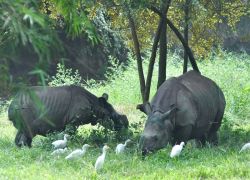
Assam State Zoo cum Botanical Garden
Assam State Zoo cum Botanical Garden, located in Guwahati, is a unique tourist attraction that offers a blend of natural beauty, biodiversity, and conservation efforts. The park serves as a sanctuary for various flora and fauna, making it a must-visit destination for nature enthusiasts and wildlife lovers. History of Assam State Zoo cum Botanical Garden Established with a rich historical background, this park originated from former royal hunting grounds and has since evolved into a significant center for wildlife conservation. Its efforts in preserving endangered species have garnered international recognition, contributing to its UNESCO status as a vital conservation area. Architecture and Natural Beauty of Assam State Zoo cum Botanical Garden The park boasts a diverse landscape comprising wetlands, forests, and grasslands that provide a natural habitat for numerous bird species. Among its attractions is the historical Keoladeo Temple, adding a cultural touch to the park's serene surroundings. Why is Assam State Zoo cum Botanical Garden Famous? Assam State Zoo cum Botanical Garden is renowned for its abundance of bird species, making it a popular spot for birdwatchers and photographers. The park's natural environment and biodiversity attract nature enthusiasts seeking to explore and appreciate the region's wildlife. How to Reach Assam State Zoo cum Botanical Garden Traveling to Assam State Zoo cum Botanical Garden is convenient, with various options available. Visitors can reach the park via air, rail, or road, with nearby airports and railway stations facilitating easy access to this natural haven. Weather and Best Time to Visit Assam State Zoo cum Botanical Garden The park experiences varying weather conditions throughout the year, with distinct seasons of summer, monsoon, and winter. To make the most of your visit, plan to explore the park during the favorable months that offer pleasant weather and optimal wildlife sightings. Timings of Assam State Zoo cum Botanical Garden Assam State Zoo cum Botanical Garden welcomes visitors during specific timings, ensuring an organized and enjoyable experience for all. Be sure to check for any seasonal variations in timings and plan your visit accordingly for a memorable trip. Entry Fee and Visit Details Entry into Assam State Zoo cum Botanical Garden is subject to specific procedures, with guide services and safari options available for a more immersive experience. Visitors can also opt for bicycle rentals to explore the park at their own pace, with essential facilities catering to their needs. Things to Do at Assam State Zoo cum Botanical Garden Engage in a variety of activities at Assam State Zoo cum Botanical Garden, including birdwatching, photography, cycling, and walking trails. Immerse yourself in nature observation and educational experiences within the park's tranquil environment, offering a unique blend of leisure and learning. Interesting Facts About Assam State Zoo cum Botanical Garden Assam State Zoo cum Botanical Garden is home to a diverse range of migratory birds, showcasing the region's rich biodiversity. The park's conservation achievements and ecological importance underscore its role in preserving and promoting wildlife diversity. Travel Tips for Visiting Assam State Zoo cum Botanical Garden When planning a visit to Assam State Zoo cum Botanical Garden, consider practical tips such as appropriate clothing, essential photography gear, and the best seasons for birdwatching. Embrace responsible tourism practices to support conservation efforts and enhance the overall visitor experience. Conclusion In conclusion, Assam State Zoo cum Botanical Garden in Guwahati stands as a testament to the region's natural beauty and conservation initiatives. Offering a harmonious blend of biodiversity and tourism opportunities, this hotspot provides a memorable experience for visitors seeking to connect with nature and wildlife.
Explore More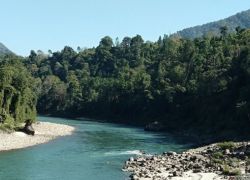
Manas National Park, located in Barpeta district of Assam, is a UNESCO Natural World Heritage site and one of the most beautiful national parks in India. Spread over an area of 950 square kilometers, it is known for its diverse wildlife, breathtaking landscapes, and important conservation efforts. Location and Geographical Overview The park is situated at the foothills of the Himalayas and is bordered by the Manas River, which serves as a natural boundary between India and Bhutan. The park is known for its lush forests, grasslands, and wetlands, making it a haven for a wide variety of flora and fauna. Open and Closing Time The park is open for visitors from 7:00 am to 5:00 pm every day. Entry Fee The entry fee for Indian nationals is INR 20 per person, while for foreign nationals, it is INR 250 per person. Species-Flora/Fauna Availability Manas National Park is home to a rich variety of wildlife, including tigers, elephants, rhinoceros, deer, langurs, and a wide range of bird species. The park is also known for its diverse flora, with many rare and endangered plant species found within its boundaries. Activities Performed Visitors to the park can enjoy activities such as jeep safaris, elephant safaris, bird watching, nature walks, and boat rides on the Manas River. Jeep Safari Charges The charges for a jeep safari in Manas National Park vary depending on the duration and route chosen. On average, the cost ranges from INR 1500 to INR 3000 per person. Age Criterion for Male, Female, Children and Their Entry Fee Children below the age of 5 are not required to pay an entry fee. The entry fee for male and female visitors above the age of 5 is the same as mentioned earlier. Senior Citizen Facilities Senior citizens are provided with special facilities such as discounted entry fees and assistance with transportation within the park. Best Time to Visit The best time to visit Manas National Park is from November to April when the weather is pleasant, and wildlife sightings are more frequent. Nearby Places to Visit There are several attractions near Manas National Park that visitors can explore, including the Manas River, Bhutan Gate, and the picturesque villages of the Barpeta district. Vehicle Parking Facility The park has designated parking areas for visitors who arrive in their vehicles. Parking facilities are available near the park entrance. Rules and Regulations Visitors are required to follow certain rules and regulations while inside the park, including maintaining silence, not feeding the animals, and not littering. Smoking and alcohol consumption are strictly prohibited within the park. How to Reach and Other Related Information Manas National Park is well-connected by road and located approximately 176 kilometers from Guwahati, the nearest major city. The nearest airport is Lokpriya Gopinath Bordoloi International Airport in Guwahati. Visitors can also reach the park by train, with the nearest railway station being Barpeta Road. Overall, a visit to Manas National Park promises a unique and unforgettable experience for nature lovers and wildlife enthusiasts alike. With its stunning landscapes, diverse wildlife, and conservation efforts, the park showcases the incredible natural beauty of Assam and the Northeast region of India.
Explore More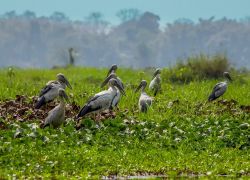
Dibru-Saikhowa National Park, located in Tinsukia, is a hidden gem in the northeastern part of India, offering a unique and captivating experience for nature enthusiasts and wildlife lovers. This park is renowned for its rich biodiversity, picturesque landscapes, and serene natural environment, making it a must-visit destination for those seeking tranquility and a close encounter with nature. History of Dibru-Saikhowa National Park With a rich historical background, Dibru-Saikhowa National Park was once the royal hunting grounds of the Ahom kings. Over the years, significant conservation efforts have been made to protect the flora and fauna of this region, leading to its recognition by UNESCO for its conservation value and unique ecosystem. Architecture and Natural Beauty of Dibru-Saikhowa National Park The park boasts a diverse natural landscape comprising wetlands, forests, and grasslands. It is a haven for bird habitats, with numerous avian species making it their home. Keoladeo Temple, a historical site within the park, adds to the cultural charm of the region. Why is Dibru-Saikhowa National Park Famous? Dibru-Saikhowa National Park is famous for its abundance of bird species, making it a paradise for birdwatchers and photographers. The park's serene environment and untouched beauty attract nature enthusiasts and wildlife lovers from all around the world. How to Reach Dibru-Saikhowa National Park Travelling to Dibru-Saikhowa National Park is convenient, with options available by air, rail, and road. The nearest airports are located in Dibrugarh and Jorhat, while the Tinsukia railway station provides easy access by train. Road transport is also well-developed, offering a scenic journey to the park. Weather and Best Time to Visit Dibru-Saikhowa National Park The park experiences varying weather conditions throughout the year, with summers being hot, monsoons bringing heavy rainfall, and winters offering a pleasant climate. The best time to visit Dibru-Saikhowa National Park is during the winter months from November to March when the weather is cool and ideal for exploring the park. Timings of Dibru-Saikhowa National Park Dibru-Saikhowa National Park welcomes visitors during specific timings, with seasonal variations that may affect accessibility. Planning a visit ahead of time and checking for any updates on timings is recommended for a smooth and enjoyable experience at the park. Entry Fee and Visit Details Entry to Dibru-Saikhowa National Park involves specific procedures and may include guide services, safari options, bicycle rentals, and visitor facilities for a comfortable stay. Exploring the park with local guides can enhance the experience and provide insights into the region's wildlife and natural wonders. Things to Do at Dibru-Saikhowa National Park Visitors to Dibru-Saikhowa National Park can engage in a variety of activities such as birdwatching, photography, cycling, walking trails, nature observation, and educational experiences. The park offers a range of opportunities for nature lovers to immerse themselves in the beauty of the surroundings. Interesting Facts About Dibru-Saikhowa National Park Dibru-Saikhowa National Park is home to a diverse range of migratory birds, showcasing the park's importance as a vital habitat for various species. Conservation efforts within the park have led to significant achievements in preserving the local biodiversity and highlighting the ecological significance of the region. Travel Tips for Visiting Dibru-Saikhowa National Park When planning a visit to Dibru-Saikhowa National Park, it is advisable to pack appropriate clothing for the prevailing weather conditions, carry essential photography and birdwatching equipment, and choose the right season for a rewarding experience. Embracing responsible tourism practices ensures the conservation and protection of the park's natural heritage. Conclusion In conclusion, Dibru-Saikhowa National Park in Tinsukia offers a remarkable blend of natural beauty, biodiversity, and cultural heritage, making it a captivating destination for travelers seeking a peaceful retreat amidst pristine surroundings. The park's significance in wildlife conservation, coupled with its tourism appeal, makes it a must-visit hotspot for an unforgettable experience in the northeastern region of India.
Explore MoreAssam & Meghalaya – The Northeast Experience
7 Days/ 6 Night
Guwahati - Dawki - Golaghat - Shillong - Cherrapunji
Assam And Meghalaya Tour
6 Days/ 5 Night
Guwahati - Shillong - Cherrapunji - Dawki
Assam Explorer Tour Package 5 Days - 4 Nights
5 Days/ 4 Night
Guwahati - Shillong - Kaziranga - Golaghat
Assam Wildlife - Culture Tour 5N - 6D
6 Days/ 5 Night
Guwahati - Kaziranga - Majuli - Golaghat