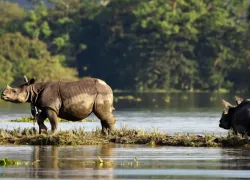
The Brahmaputra River, one of the largest and most mighty rivers in the world, flows majestically through the Kaziranga National Park in Assam, India. The riverbank offers a unique and serene experience for travelers who are interested in exploring the natural beauty of the region. The river plays a crucial role in the ecosystem of Kaziranga, supporting diverse flora and fauna. The Brahmaputra River Bank in Kaziranga provides a tranquil setting, perfect for nature lovers, birdwatchers, and anyone looking to escape into the peaceful wilderness. How to Reach Brahmaputra River Bank, Kaziranga Reaching the Brahmaputra River Bank is easy, especially if you're already visiting Kaziranga National Park. Here’s how to get there: By Air: The nearest airport is Jorhat Airport, around 70 km from Kaziranga. Alternatively, Guwahati International Airport is about 193 km away, and from there, you can hire a taxi or take a bus to Kaziranga. By Train: The nearest railway station is Furkating Junction, which is approximately 50 km away. From there, you can take a taxi to the riverbank or other nearby areas in Kaziranga. By Road: Kaziranga is well-connected by road, and the Brahmaputra River Bank can be reached by a short drive from the main Kaziranga town. The drive offers scenic views of the river and surrounding landscapes, making it a relaxing journey. Weather and Best Time to Visit Brahmaputra River Bank The weather around the Brahmaputra River Bank is typical of Assam’s tropical climate. Here’s what to expect: Summer (March to May): The temperature in Kaziranga ranges from 25°C to 35°C during summer. Although it can be warm, visiting the riverbank is pleasant as the cool waters of the Brahmaputra offer relief from the heat. Monsoon (June to September): The monsoon season brings heavy rainfall, and the river swells, making the surrounding areas more lush and green. However, the rains can also make travel difficult, so it’s best to check the weather before planning your visit. Winter (November to February): Winter is the best time to visit Brahmaputra River Bank. The weather is cooler (10°C to 25°C), and the river and surrounding areas look most beautiful, making it ideal for outdoor activities like birdwatching and photography. Why Brahmaputra River Bank is Famous The Brahmaputra River is an iconic feature of the Kaziranga landscape, and its riverbank is famous for its natural beauty and biodiversity. The river is home to a rich variety of wildlife, including freshwater dolphins and several bird species. The riverbank is a haven for birdwatchers, and its peaceful setting offers opportunities for boating, photography, and relaxation. The river also plays an essential role in the ecosystem of Kaziranga National Park by supporting both aquatic and terrestrial wildlife. Entry and Visit Details Visiting the Brahmaputra River Bank is an enjoyable experience. Here’s everything you need to know: Entry Fees: There is no specific entry fee to visit the Brahmaputra River Bank. However, you may need to pay a small fee if you plan to take a boat ride or engage in other guided activities. Visiting Hours: The riverbank can be visited during the day, from early morning to late afternoon. Early mornings are ideal for birdwatching, as the river comes alive with various species of birds. Boat Rides: One of the most popular activities at the Brahmaputra River Bank is taking a boat ride. Several local operators offer boat rides along the river, providing you with the opportunity to see the river’s wildlife, such as river dolphins, migratory birds, and more. The boat rides also offer a scenic view of the lush surroundings and the nearby Kaziranga landscape. Safety: Always follow safety guidelines while taking boat rides, especially during the monsoon season when the water levels may be higher. Be sure to wear a life jacket and follow the guide’s instructions during your trip. Things to Do at Brahmaputra River Bank, Kaziranga There are several things you can do during your visit to the Brahmaputra River Bank: Boat Ride: Take a leisurely boat ride on the Brahmaputra River and enjoy the serenity of the water, watch river dolphins, and spot migratory and local bird species. Birdwatching: The river and its banks are home to a rich variety of bird species, including the endangered Bengal florican. Birdwatching is one of the top activities, especially in the winter months when migratory birds arrive. Photography: The riverbank offers some spectacular views, making it an excellent place for nature photography. Capture the beauty of the river, the surrounding forests, and the diverse wildlife. Relaxation: For those who simply want to unwind, the Brahmaputra River Bank offers a peaceful retreat. Spend some time relaxing by the water, enjoying the quietude of the river’s flow and the sounds of nature. Facts and Tips About Brahmaputra River Bank, Kaziranga The Brahmaputra River is one of the largest rivers in the world, stretching over 2,900 km from Tibet through India and Bangladesh. Kaziranga’s riverbanks play a vital role in maintaining the biodiversity of the region. The river helps sustain both terrestrial and aquatic life in the park. Boat rides are a must-do activity, but be sure to hire experienced guides who know the river well, especially if you are unfamiliar with the area. Wear comfortable footwear and bring sun protection, especially if you plan to walk along the riverbank or take boat rides. Winter is the best time to visit, as the cooler temperatures offer a more comfortable experience, and the wildlife sightings are at their peak during this time. Church of Our Lady, Bruges The Church of Our Lady, located in Bruges, Belgium, is famous for its historical and architectural significance. It is renowned for the Madonna and Child sculpture by Michelangelo, one of the finest works of Renaissance art. Though it is not related to the Brahmaputra River or Kaziranga, the Church of Our Lady is an important landmark in Bruges, offering a glimpse into European art and culture. The church is an architectural marvel, with its striking Gothic spires and tranquil interiors. Conclusion The Brahmaputra River Bank in Kaziranga is a truly unique destination that offers an unforgettable experience for nature lovers and adventure seekers. Whether you’re interested in boating, birdwatching, or simply enjoying the tranquil surroundings, the riverbank provides a perfect escape from the hustle and bustle of everyday life. Surrounded by the natural beauty of Kaziranga National Park, the Brahmaputra River is a must-visit location for those looking to experience the serene side of Assam’s wilderness.
Explore More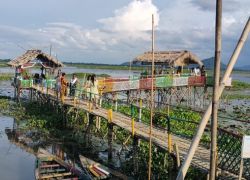
Urpad Beel is one of the largest and most beautiful freshwater wetlands in Lower Assam, located in the Goalpara district. Surrounded by greenery, open skies, and rural landscapes, Urpad Beel is a vital ecological zone and an important natural attraction of Assam. Known for its rich biodiversity, calm environment, and scenic beauty, the beel (wetland) plays a significant role in the lives of local communities while also attracting nature lovers, birdwatchers, and travelers looking for peaceful destinations away from crowded tourist places. Why Urpad Beel is Famous in Goalpara, Assam Urpad Beel is famous for its vast spread, rich aquatic life, and seasonal presence of migratory birds. It is considered one of the most important wetlands in Assam after Deepor Beel. During winter, the beel becomes a paradise for birdwatchers as various migratory birds arrive from distant regions. The wetland is also well known for fishing activities, scenic sunsets, and its role in maintaining the ecological balance of the region. Its natural beauty and biodiversity make Urpad Beel a major tourist attraction in Goalpara. History of Urpad Beel The history of Urpad Beel is closely connected with the natural evolution of the Brahmaputra river system. Over centuries, shifting river channels, floods, and sediment deposition led to the formation of large wetlands in Lower Assam, including Urpad Beel. The beel has existed for generations and has been an essential source of livelihood for nearby villages. Traditionally, Urpad Beel has supported fishing, agriculture, and water-based activities. Local folklore and community traditions highlight its importance as a life-sustaining water body. In recent times, environmentalists and government authorities have recognized Urpad Beel as an ecologically sensitive area due to its role in flood control, groundwater recharge, and wildlife conservation. Natural Landscape and Environmental Features Urpad Beel is not known for man-made architecture; its beauty lies entirely in its natural landscape. The wetland covers a vast area that expands during the monsoon season and shrinks slightly in winter. The beel is surrounded by grasslands, small water channels, and agricultural fields, creating a picturesque rural setting. The wetland supports a wide variety of aquatic plants, fish species, amphibians, and birds. The calm water surface reflects the sky and surrounding greenery, offering stunning views especially during sunrise and sunset. The natural environment makes Urpad Beel an ideal place for eco-tourism and nature photography. How to Reach Urpad Beel, Goalpara, Assam Urpad Beel is easily accessible from Goalpara town and nearby areas. By Road: Goalpara town is well connected by road to Guwahati and other districts of Assam. Urpad Beel is located about 20–25 km from Goalpara town. Taxis, private vehicles, and local transport can be used to reach the wetland. By Rail: Goalpara Town Railway Station is the nearest railway station. From the station, visitors can hire taxis or local vehicles to reach Urpad Beel. By Air: Lokpriya Gopinath Bordoloi International Airport in Guwahati is the nearest airport, approximately 130–140 km away. From Guwahati, visitors can travel by road or train to Goalpara. Weather and Best Time to Visit Urpad Beel The experience of visiting Urpad Beel varies with the seasons. Summer (March to June): Summers are warm and humid, with temperatures ranging between 25°C and 35°C. The water level remains moderate, and mornings are pleasant. Monsoon (July to September): Monsoon season fills the beel to its maximum capacity, making it lush and vibrant. However, heavy rainfall may make travel difficult. Winter (October to February): Winter is the best time to visit Urpad Beel. The weather is cool and comfortable, and migratory birds can be seen in large numbers. Timings of Urpad Beel Urpad Beel is an open natural wetland and does not have fixed visiting hours. Visitors can explore the area during daylight hours. Early morning and late afternoon visits are ideal for birdwatching and photography. Entry and Visit Details of Urpad Beel There is no entry fee to visit Urpad Beel. As it is not a developed tourist complex, visitors are expected to maintain cleanliness and respect the natural ecosystem. Guided tours are usually not available, but local fishermen and villagers can share valuable insights about the beel. Things to Do at Urpad Beel Birdwatching: Observe migratory and local bird species, especially during winter. Nature Photography: Capture scenic views, birds, and reflections on the water. Fishing Observation: Learn about traditional fishing techniques used by local communities. Nature Walks: Walk around the beel and enjoy the calm environment. Sunrise and Sunset Views: Enjoy breathtaking views of the sky over the wetland. Interesting Facts about Urpad Beel Urpad Beel is one of the largest wetlands in Lower Assam. It supports a wide variety of fish species and aquatic plants. The beel attracts migratory birds during winter. It plays an important role in flood control and water management. Local communities depend on the beel for livelihood. Travel Tips for Visiting Urpad Beel Visit during winter for birdwatching. Carry binoculars and a camera. Wear comfortable footwear suitable for rural terrain. Avoid littering and disturbing wildlife. Respect local customs and fishing activities. Conclusion Urpad Beel in Goalpara, Assam, is a hidden natural gem that showcases the beauty and ecological richness of Assam’s wetlands. With its vast waters, birdlife, and peaceful surroundings, the beel offers a refreshing escape into nature. Whether you are a bird lover, photographer, or traveler seeking calm and scenic landscapes, Urpad Beel provides a meaningful and memorable experience while highlighting the importance of wetland conservation in Assam.
Explore More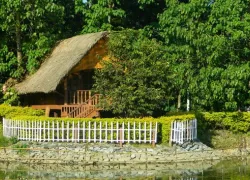
Kumri Beel is a beautiful freshwater wetland located in the Goalpara district of Assam. Surrounded by lush greenery and rural landscapes, this beel (natural lake or wetland) is an important ecological and cultural site of the region. Known for its calm atmosphere, rich biodiversity, and connection with local life, Kumri Beel attracts nature lovers, bird watchers, and travelers who want to explore the lesser-known natural attractions of Assam. The beel plays a vital role in supporting local livelihoods, maintaining ecological balance, and preserving traditional wetland culture. Why Kumri Beel is Famous in Goalpara, Assam Kumri Beel is famous for its natural beauty and ecological importance. It serves as a habitat for a wide variety of fish species, aquatic plants, and migratory as well as resident birds. During winter, the beel becomes a seasonal shelter for migratory birds, making it a peaceful destination for bird watching and photography. The beel is also well known among locals for fishing activities and traditional methods of wetland resource use. Its serene environment and scenic surroundings make Kumri Beel an ideal spot for nature-based tourism. History of Kumri Beel The history of Kumri Beel is closely linked to the traditional lifestyle of the communities living around it. For centuries, wetlands like Kumri Beel have supported agriculture, fishing, and transportation in the Goalpara region. Local records and oral traditions suggest that the beel has existed naturally for a very long time and has been maintained through seasonal water flow from nearby rivers and rainfall. Historically, Kumri Beel played an important role in providing food security to nearby villages. Fishing, collection of aquatic plants, and irrigation from the beel were essential for daily life. Though not associated with royal architecture or large monuments, the beel represents a living heritage of Assam’s wetland culture. Even today, it continues to support local traditions and community-based livelihoods. Architecture and Physical Features of Kumri Beel Kumri Beel does not have built architectural structures like temples or monuments. Its “architecture” lies in its natural formation and wetland ecosystem. The beel is surrounded by gently sloping banks, aquatic vegetation, and open water areas. Traditional bamboo fishing structures, small wooden boats, and earthen embankments can be seen around the beel, reflecting the simple and sustainable lifestyle of local communities. Seasonal changes shape the appearance of Kumri Beel. During monsoon, it expands with fresh water and becomes vibrant with plant life. In winter, water levels recede slightly, creating ideal conditions for birds and fishing activities. This natural design makes the beel both functional and visually pleasing. How to Reach Kumri Beel, Goalpara, Assam Kumri Beel is easily accessible from Goalpara town and nearby areas. By Road: Goalpara is well connected by road to Guwahati and other parts of Assam. From Goalpara town, Kumri Beel can be reached by hiring a taxi, auto-rickshaw, or private vehicle. Local roads leading to the beel pass through villages and farmland. By Rail: The nearest railway station is Goalpara Town Railway Station. From the station, local transport is available to reach the beel. By Air: Lokpriya Gopinath Bordoloi International Airport in Guwahati is the nearest airport. From Guwahati, travelers can reach Goalpara by road or train and then continue to Kumri Beel. Weather and Best Time to Visit Kumri Beel The climate around Kumri Beel is influenced by Assam’s humid subtropical weather. Summer (March to June): Summers are warm and humid, with temperatures ranging from 25°C to 35°C. Early morning and evening visits are more comfortable. Monsoon (July to September): Monsoon brings heavy rainfall, filling the beel with fresh water and enhancing its beauty. However, accessibility may be slightly difficult due to muddy paths. Winter (October to February): Winter is the best time to visit Kumri Beel. The weather is pleasant, and migratory birds can be spotted in large numbers. Timings of Kumri Beel Kumri Beel is an open natural site and can be visited throughout the day, generally from 6:00 AM to 6:00 PM. Morning hours are ideal for bird watching, while evenings offer peaceful views and cooler temperatures. Entry and Visit Details of Kumri Beel There is no entry fee to visit Kumri Beel. The wetland is open to all visitors and local residents. Since it is not a formally developed tourist complex, facilities like restrooms and food stalls may be limited. Visitors are encouraged to respect local customs and avoid disturbing fishing activities or wildlife. Things to Do at Kumri Beel Bird Watching: Observe migratory and local birds, especially during winter. Nature Photography: Capture scenic views of water, vegetation, and rural life. Fishing Observation: Watch traditional fishing techniques used by local communities. Leisure Walks: Enjoy peaceful walks along the banks of the beel. Village Interaction: Learn about local culture, wetland-based livelihoods, and traditions. Interesting Facts about Kumri Beel Kumri Beel is an important freshwater wetland in Goalpara district. It supports a wide variety of fish species and aquatic plants. The beel attracts migratory birds during winter months. Local communities depend on the beel for fishing and irrigation. The wetland plays a key role in maintaining local ecological balance. Travel Tips for Visiting Kumri Beel Visit during early morning for bird watching and peaceful views. Wear comfortable footwear, especially during monsoon. Carry drinking water and basic essentials. Avoid littering and help keep the wetland clean. Respect wildlife and do not disturb birds or aquatic life. Conclusion Kumri Beel in Goalpara, Assam, is a perfect destination for travelers seeking tranquility, natural beauty, and a glimpse into Assam’s wetland culture. With its rich biodiversity, scenic charm, and close connection to local life, the beel offers a refreshing escape from busy urban environments. A visit to Kumri Beel not only provides relaxation but also helps visitors appreciate the importance of preserving natural wetlands and traditional ecosystems.
Explore More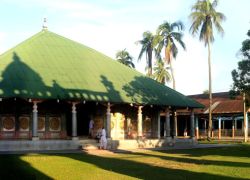
Rudrasagar Lake is one of the most beautiful and peaceful natural attractions located in the Morigaon district of Assam. Surrounded by greenery, open skies, and rural landscapes, the lake is a perfect example of Assam’s rich natural beauty. Known for its calm waters and scenic environment, Rudrasagar Lake attracts nature lovers, photographers, bird watchers, and travelers seeking a quiet escape from busy city life. The lake plays an important role in the local ecosystem and is also closely connected with the cultural and historical life of the region. The serene atmosphere of Rudrasagar Lake makes it an ideal destination for relaxation, sightseeing, and enjoying nature at a slow pace. Early mornings and evenings are especially charming, when the reflection of the sky and surrounding greenery creates a mesmerizing view. The lake is not only a tourist spot but also a source of livelihood for nearby villages, supporting fishing and agriculture. How to Reach Rudrasagar Lake, Morigaon, Assam Rudrasagar Lake is easily accessible as Morigaon is well connected to major towns and cities of Assam by road, rail, and air. By Air: The nearest airport is Lokpriya Gopinath Bordoloi International Airport, Guwahati, which is about 85–90 kilometers away. From the airport, visitors can hire a taxi or take a bus to Morigaon town. From Morigaon, local transport is available to reach Rudrasagar Lake. By Train: Morigaon Railway Station is the nearest railway station, located within easy distance from the lake. It is connected to Guwahati and other important railway stations in Assam. From the station, auto-rickshaws and taxis can be hired. By Road: Morigaon is well connected by National and State Highways. Regular buses, private taxis, and shared vehicles operate from Guwahati, Nagaon, and nearby districts. The lake can be reached comfortably by road from Morigaon town. Weather and Best Time to Visit Rudrasagar Lake Morigaon experiences a humid subtropical climate. Summers, from March to June, are warm and humid, with temperatures ranging between 25°C and 35°C. Monsoon season, from June to September, brings heavy rainfall, which fills the lake and enhances its beauty but may make travel slightly inconvenient. The best time to visit Rudrasagar Lake is from October to March. During this period, the weather is pleasant and cool, making it ideal for sightseeing, photography, and outdoor activities. Winter temperatures range between 12°C and 25°C, offering a comfortable experience for visitors. Timing and Entry Details Rudrasagar Lake is an open natural attraction and can be visited at any time of the day. However, the best time to visit is between 6:00 AM and 6:00 PM, especially during early mornings and evenings when the surroundings look most beautiful. There is no entry fee to visit Rudrasagar Lake. Visitors are free to explore the area, relax by the lake, and enjoy its natural charm. However, boating or other activities, if available locally, may have separate charges. Why is Rudrasagar Lake Famous? Rudrasagar Lake is famous for its scenic beauty, peaceful environment, and ecological importance. The lake is known as a natural freshwater body that supports local biodiversity, including fish species and migratory birds during certain seasons. The lake is also popular among locals as a recreational spot and a place for cultural gatherings. Its calm atmosphere and picturesque views make it a favorite location for photography and nature walks. Rudrasagar Lake is admired for offering a simple yet refreshing experience close to nature. History of Rudrasagar Lake The history of Rudrasagar Lake is closely linked with the traditional water management systems of Assam. Like many ancient lakes in the region, Rudrasagar was developed to support irrigation, fishing, and daily water needs of nearby settlements. Over time, the lake became an integral part of local life and culture. Though not associated with royal history like some famous lakes of Assam, Rudrasagar Lake holds cultural value for the people living around it. It continues to serve as a natural resource and a symbol of harmony between humans and nature. Architecture and Natural Formation Rudrasagar Lake is a naturally formed freshwater lake, enhanced and maintained over generations by local communities. There is no architectural construction in the traditional sense, but the lake’s embankments and surrounding areas reflect simple rural planning and traditional methods of water conservation. The open landscape, natural banks, and surrounding greenery give the lake a raw and authentic appearance. The absence of heavy construction helps preserve its natural beauty and ecological balance. Things to Do at Rudrasagar Lake Visitors to Rudrasagar Lake can enjoy several relaxing and nature-based activities: Nature Walks: Walking around the lake offers a refreshing experience and a chance to enjoy fresh air and scenic views. Photography: The lake is an excellent spot for photography, especially during sunrise and sunset. Bird Watching: During certain seasons, migratory and local birds can be seen around the lake, making it ideal for bird watchers. Relaxation: Sitting by the lakeside and enjoying the peaceful environment is one of the best ways to experience Rudrasagar Lake. Local Interaction: Visitors can observe local fishing activities and rural life, offering insight into the culture of Morigaon. Facts About Rudrasagar Lake • Rudrasagar Lake is an important freshwater resource for nearby villages. • The lake supports local fishing activities and agriculture. • It plays a role in maintaining the local ecological balance. • The lake is best known for its calm and pollution-free environment. Tips for Visitors • Visit early in the morning or late afternoon for the best views. • Carry drinking water and basic essentials, especially during summer. • Avoid littering and help keep the lake clean. • Wear comfortable footwear if you plan to walk around the lake. • Respect local communities and their livelihoods. Conclusion Rudrasagar Lake in Morigaon, Assam, is a hidden natural gem that offers peace, beauty, and a close connection with nature. Its calm waters, scenic surroundings, and cultural importance make it a perfect destination for travelers looking for a relaxed and meaningful experience. Whether you are a nature lover, photographer, or someone seeking quiet moments in a natural setting, Rudrasagar Lake promises a refreshing and memorable visit.
Explore More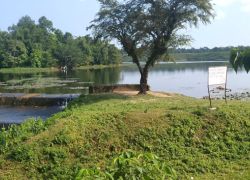
Situated away from the bustling cities, Dolu Lake is one of the most beautiful tourist sites in Silchar. The beauty of the lake and the serene surroundings never cease a chance of catching the site of visitors. That's a huge reason why people prefer coming to the lake to seek some mental peace. Why Is It Famous?1) Dolu Lake is known for its beautiful surroundings.2) The calm ambiance of the lake makes it even special, especially for the lovers of nature.3) Dolu Lake is a delight for nature photographers. One can spot them regularly during the sunrise, sunset, and night when the sky is clear for star-gazing. Best Time To Visit:-Excluding the monsoons, all seasons are perfect for spending a day's itinerary at Dolu Lake. No fee is charged from anyone visiting the site. People should watch out for the bins and throw the trash in them. Nearest Railway Station - Silchar Railway StationNearest Airport - Silchar Airport
Explore More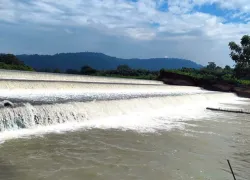
The Upper Dehing River is one of the most scenic and ecologically rich river stretches in Upper Assam, flowing near the historic oil town of Digboi in Tinsukia district. Surrounded by dense forests, rolling hills, tea gardens, and rural settlements, the Upper Dehing River offers a peaceful natural escape and showcases the raw beauty of Assam’s riverine landscape. This river is a major tributary of the Brahmaputra and plays an important role in shaping the environment, culture, and livelihood of the region. The calm yet powerful flow of the river, combined with its lush green banks, makes the Upper Dehing River a favorite spot for nature lovers, photographers, and travelers looking to experience untouched natural surroundings. It also supports rich biodiversity and remains an important water source for nearby communities. How to Reach Upper Dehing River, Digboi, Assam The Upper Dehing River near Digboi is easily accessible through well-developed road, rail, and air networks. By Air: The nearest airport is Dibrugarh Airport (Mohanbari), located about 85 kilometers from Digboi. From the airport, visitors can hire taxis or use public transport to reach Digboi town. From Digboi, local vehicles can take visitors to various accessible points along the Upper Dehing River. By Train: Tinsukia Junction is the nearest major railway station and is well connected to Guwahati, Dibrugarh, Kolkata, and other major cities. From Tinsukia, Digboi is around 30 kilometers away and can be reached by taxi, bus, or shared vehicles. By Road: Digboi is well connected by road with Tinsukia, Dibrugarh, Margherita, and Doomdooma. Regular bus services and shared taxis operate on these routes. The riverbanks near Digboi can be accessed via local roads and village paths. Weather and Best Time to Visit The Upper Dehing River region experiences a humid subtropical climate. Summers, from March to June, are warm and humid, with temperatures ranging from 25°C to 35°C. The monsoon season lasts from June to September and brings heavy rainfall, causing the river to swell and flow rapidly. The best time to visit the Upper Dehing River is from October to March. During this period, the weather remains cool and pleasant, with temperatures between 12°C and 25°C. Winter months offer clear skies, making it ideal for sightseeing, photography, and nature walks along the riverbanks. Timing of Upper Dehing River The Upper Dehing River is a natural attraction and does not have fixed visiting hours. Visitors can explore the river area during daylight hours, ideally between 6:00 AM and 6:00 PM. Early mornings and late afternoons are especially recommended for enjoying scenic views, birdwatching, and peaceful walks along the river. Entry and Visit Details There is no entry fee to visit the Upper Dehing River. Visitors are free to explore accessible riverbanks and nearby areas. Some stretches of the river may pass through forested or private land, so visitors should respect local guidelines and seek permission if required. There are no formal tourist facilities, so travelers should plan their visit accordingly. Why is the Upper Dehing River Famous? The Upper Dehing River is famous for its natural beauty, rich biodiversity, and importance to the local ecosystem. The river supports various species of fish, birds, and aquatic plants, making it a key ecological zone in Upper Assam. It is also well known for its role in agriculture and daily life of nearby villages. The riverbanks are often used for fishing, irrigation, and traditional activities. The untouched surroundings and peaceful environment make the Upper Dehing River a hidden gem for eco-tourism. History of the Upper Dehing River The history of the Upper Dehing River is closely linked to the geological and cultural development of Upper Assam. Over centuries, the river has shaped the fertile plains of the region through sediment deposits and seasonal flooding. During the British colonial period, the Dehing River region gained importance due to the discovery of oil in Digboi. The river served as a natural boundary and resource during the development of tea plantations and oil infrastructure. Local communities have depended on the river for generations. Natural Features and Landscape Unlike man-made structures, the Upper Dehing River’s beauty lies in its natural features. The river is characterized by wide stretches of flowing water, sandy banks, rocky sections, and surrounding forests. Seasonal changes dramatically alter the river’s appearance. During monsoon, it becomes powerful and expansive, while in winter, calm waters and exposed banks create picturesque views ideal for exploration and photography. Things to Do at Upper Dehing River Visitors can enjoy several activities along the Upper Dehing River: Nature Walks: Walk along the riverbanks and enjoy fresh air and scenic views. Photography: Capture landscapes, flowing water, wildlife, and sunsets. Bird Watching: Spot local and migratory birds near the river. Picnicking: Enjoy quiet picnics at safe and accessible riverbank areas. Local Interaction: Learn about fishing and rural life by interacting with villagers. Facts About Upper Dehing River • The Dehing River is a major tributary of the Brahmaputra. • The river supports agriculture and fishing in Upper Assam. • It flows near the historic oil town of Digboi. • The river region is rich in biodiversity and greenery. Tips for Visitors • Visit during winter months for safe and comfortable exploration. • Avoid riverbanks during monsoon due to strong currents. • Carry drinking water and basic supplies, as facilities are limited. • Respect local communities and natural surroundings. • Do not litter or disturb wildlife. Conclusion The Upper Dehing River near Digboi, Assam, is a perfect destination for travelers seeking natural beauty, peace, and a connection with nature. With its scenic riverbanks, rich ecosystem, and cultural importance, the river offers a refreshing break from busy urban life. Whether you are a nature lover, photographer, or explorer, a visit to the Upper Dehing River provides a calm and memorable experience in the heart of Upper Assam.
Explore More
The Pagladiya River is a calm and scenic river flowing through parts of Sonitpur district in Assam. Though not as vast as the Brahmaputra, the Pagladiya River holds great importance for the local ecosystem, agriculture, and daily life of nearby villages. Known for its peaceful surroundings, green riverbanks, and rural charm, the Pagladiya River is an ideal destination for travelers who enjoy nature, quiet landscapes, and offbeat locations. It reflects the simple and natural beauty of Assam’s countryside. Why Pagladiya River is Famous in Sonitpur, Assam The Pagladiya River is famous in Sonitpur for its natural beauty, serene atmosphere, and role in supporting local communities. The river provides water for farming, fishing, and daily household needs of nearby villages. Its calm flow, especially during winter and post-monsoon months, makes it a peaceful spot for relaxation and nature observation. The riverbanks are often lined with greenery, open fields, and village life, giving visitors a chance to experience authentic rural Assam. History and Importance of Pagladiya River The Pagladiya River has been an important natural resource for the people of Assam for generations. Historically, rivers like Pagladiya played a crucial role in shaping settlement patterns, agriculture, and local trade. Villages were established along its banks due to easy access to water and fertile soil. Over time, the river became closely linked with farming activities, especially paddy cultivation. Seasonal flooding, though sometimes challenging, has helped enrich the soil with nutrients. The Pagladiya River continues to be an essential part of rural life in Sonitpur, supporting livelihoods and maintaining ecological balance. Architecture and River Landscape The Pagladiya River is a natural attraction rather than an architectural one. There are no major monuments or built structures along its banks. Instead, its charm lies in its natural landscape, including sandy stretches, grassy banks, small embankments, and nearby farmlands. Occasionally, simple village ghats and small bridges can be seen, used by locals for daily activities. Traditional houses, fishing boats, and open fields around the river create a picturesque rural setting. The natural “architecture” of the Pagladiya River is shaped by flowing water, seasonal changes, and human interaction with nature. How to Reach Pagladiya River, Sonitpur, Assam The Pagladiya River can be accessed from different parts of Sonitpur district, depending on the specific riverbank location you wish to visit. By Road: Sonitpur district is well connected by road to major towns like Tezpur and nearby areas. From Tezpur or other local towns, visitors can hire taxis, auto-rickshaws, or use private vehicles to reach villages near the Pagladiya River. By Rail: The nearest railway station is Tezpur Railway Station. From there, local transport options are available to reach river-access points. By Air: Tezpur Airport is the nearest airport with limited flights. Guwahati International Airport is the main airport, located about 180 km away. From Guwahati, travelers can reach Sonitpur by road and then proceed to the river area. Weather and Best Time to Visit Pagladiya River The experience of visiting Pagladiya River varies across seasons. Summer (March to June): Summers are warm, with temperatures ranging between 25°C and 35°C. Early mornings and evenings are comfortable for river visits. Monsoon (July to September): During monsoon, the river swells with rainwater and flows strongly. While the surroundings become lush and green, some areas may face flooding. Winter (October to February): Winter is the best time to visit Pagladiya River. The weather is pleasant, with temperatures between 10°C and 25°C, and the river remains calm and scenic. Timings to Visit Pagladiya River The Pagladiya River is a natural site and does not have fixed visiting hours. Visitors can explore the riverbanks at any time of the day. However, daylight hours between 7:00 AM and 6:00 PM are recommended for safety and better visibility. Sunrise and sunset are especially beautiful times to visit. Entry and Visit Details of Pagladiya River, Sonitpur There is no entry fee to visit the Pagladiya River. The riverbanks are freely accessible to the public. Since it is not a commercial tourist site, facilities are minimal. Visitors should plan accordingly and respect local property and customs. Things to Do at Pagladiya River Nature Walks: Walk along the riverbanks and enjoy the peaceful surroundings and fresh air. Photography: Capture beautiful views of the river, village life, farmlands, and sunsets. Bird Watching: The river area attracts various local and migratory birds, especially in winter. Picnic: The calm environment makes it suitable for simple picnics with family or friends. Experience Rural Life: Observe fishing activities, farming practices, and daily routines of local villagers. Interesting Facts about Pagladiya River The Pagladiya River supports agriculture in nearby villages. Seasonal flooding helps maintain soil fertility. The river plays an important role in local fishing activities. It contributes to the natural drainage system of the region. The riverbanks change shape and appearance with seasons. Travel Tips for Visiting Pagladiya River, Sonitpur Visit during winter for the best experience. Avoid riverbanks during heavy monsoon rains. Wear comfortable footwear suitable for uneven ground. Carry drinking water and basic essentials. Do not litter and help keep the river clean. Respect local communities and their privacy. Conclusion The Pagladiya River in Sonitpur, Assam, offers a refreshing escape into nature and rural life. With its calm waters, green surroundings, and simple charm, it is an ideal destination for travelers seeking peace and authenticity. While it may not be a mainstream tourist attraction, the Pagladiya River provides a genuine experience of Assam’s natural beauty and cultural lifestyle, making it a meaningful addition to any Sonitpur travel itinerary.
Explore More
Majuli, the world’s largest river island, is a breathtaking destination located in the northeastern state of Assam, India. Nestled in the mighty Brahmaputra River, this unique island is not just a geographical marvel but also a cultural and spiritual hub. Known for its vibrant Neo-Vaishnavite traditions, lush green landscapes, and rich tribal heritage, Majuli attracts travelers seeking an offbeat and enriching experience. Whether you are an adventure enthusiast, a nature lover, or a spiritual seeker, Majuli offers a rare blend of tranquility and cultural richness. Location and Geography Majuli is situated in the Brahmaputra River and falls within the Jorhat district of Assam. In 2016, it was recognized as the first island district of India, highlighting its importance and uniqueness. The island is surrounded by: Brahmaputra River to the south and east Subansiri River to the west An anabranch of the Brahmaputra River to the north Over time, Majuli’s size has been affected by erosion, but it still remains one of the most significant river islands globally. Covering an area of about 352 square kilometers, the island is a lush green paradise with extensive wetlands, making it a haven for birdwatchers and nature lovers. How to Reach Majuli Reaching Majuli involves a combination of road and ferry travel: 1. By Air: The nearest airport is Jorhat Airport (Rowriah), located around 20 km from Nimati Ghat, the main ferry terminal for Majuli. 2. By Train: Jorhat Railway Station is the closest railhead, well-connected to major cities in Assam and other parts of India. 3. By Road: Visitors can reach Nimati Ghat from Jorhat town by road, covering approximately 14 km. 4. By Ferry: Ferries from Nimati Ghat operate regularly, providing a scenic and refreshing journey to Majuli. The ferry ride takes about an hour and is the only way to access the island. Best Time to Visit Majuli can be visited throughout the year, but the ideal time to explore the island is: Winter (October to March): The weather remains cool and pleasant, perfect for sightseeing and cultural exploration. Monsoon (June to September): The Brahmaputra River swells during monsoons, making ferry rides challenging, though the landscape becomes lush and picturesque. Spring and Summer (April to June): Temperatures rise slightly, but the island remains accessible and vibrant. Cultural Significance Majuli is regarded as the cultural capital of Assam’s Neo-Vaishnavite movement, which was initiated by the revered saint Srimanta Sankardeva in the 15th century. This movement emphasized devotion, dance, drama, and music as a means of spreading spiritual teachings. The island houses numerous Sattras, which are monastic institutions dedicated to preserving these traditions. Major Attractions in Majuli 1. Kamalabari Sattra: One of the most famous Sattras, known for its spiritual teachings, classical dance, and music performances. 2. Auniati Sattra: This Sattra is famous for its extensive collection of Assamese artifacts, manuscripts, and traditional dance performances. 3. Dakhinpat Sattra: A major center for Neo-Vaishnavism, this Sattra hosts vibrant Raas Mahotsav celebrations. 4. Garmur Sattra: A religious and cultural institution that offers an insight into the daily life of Vaishnavite monks. 5. Mishing Tribal Villages: Visitors can interact with the Mishing tribal community, known for their unique stilt houses, handloom weaving, and traditional food. 6. Birdwatching at Majuli Wetlands: The island is home to several migratory birds, making it a paradise for birdwatchers. 7. Tengapania: A picturesque riverside location with an ancient Ahom-era temple. Things to Do in Majuli Explore the Sattras: Gain insights into the religious and cultural life of the island. Attend Raas Mahotsav: Held in November, this festival showcases mesmerizing dance-drama performances based on Lord Krishna’s life. Go Cycling: Rent a bicycle to explore the serene landscape and interact with locals. Try Traditional Assamese Cuisine: Relish local dishes like Masor Tenga (fish curry), Khar, Pitha, and rice beer brewed by the Mishing community. Shop for Handloom Products: Purchase intricately woven textiles and handicrafts made by the island’s skilled artisans. Photography and Nature Walks: Capture the stunning views of the river, lush fields, and vibrant village life. Accommodation in Majuli While Majuli does not have luxury hotels, it offers cozy and eco-friendly accommodations such as: Eco-resorts and Homestays: Run by locals, offering an authentic experience. Sattra Guesthouses: Some Sattras provide basic accommodations for visitors. Budget Lodges and Cottages: Available in Garamur and Kamalabari areas. Challenges and Conservation Efforts Majuli faces significant challenges due to river erosion, which threatens its existence. Climate change and rising water levels in the Brahmaputra pose additional risks. The Assam government, along with environmental organizations, has been working on conservation efforts to prevent further loss of land and protect the island’s ecosystem. Why Visit Majuli? Majuli is a must-visit destination for travelers looking to experience Assam’s rich cultural heritage, spiritual serenity, and breathtaking landscapes. Whether you’re exploring its Sattras, enjoying a peaceful ferry ride, or interacting with the friendly Mishing community, Majuli promises an unforgettable journey into the heart of Assam. Conclusion Majuli, with its unique blend of culture, history, and natural beauty, stands as a testament to India’s diverse heritage. As the largest river island in the world, it offers a rare opportunity to experience an eco-friendly way of life, deeply rooted in spiritual and artistic traditions. Whether you seek adventure, peace, or cultural immersion, Majuli welcomes you with open arms and an enriching experience like no other.
Explore MoreAssam & Meghalaya – The Northeast Experience
7 Days/ 6 Night
Guwahati - Dawki - Golaghat - Shillong - Cherrapunji
Assam And Meghalaya Tour
6 Days/ 5 Night
Guwahati - Shillong - Cherrapunji - Dawki
Assam Explorer Tour Package 5 Days - 4 Nights
5 Days/ 4 Night
Guwahati - Shillong - Kaziranga - Golaghat
Assam Wildlife - Culture Tour 5N - 6D
6 Days/ 5 Night
Guwahati - Kaziranga - Majuli - Golaghat