"Architectural marvel reflecting national identity."
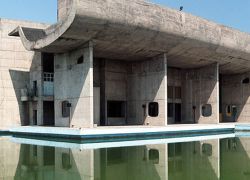
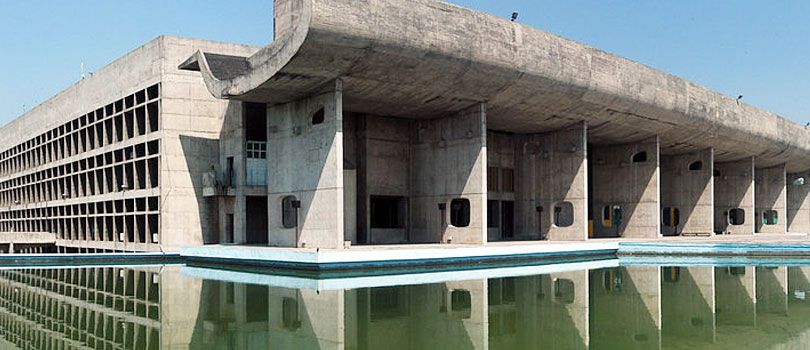
The Capitol Complex in Chandigarh is one of the most iconic landmarks in the city and a UNESCO World Heritage Site. Designed by the renowned architect Le Corbusier, the Capitol Complex houses the three primary governmental buildings of Chandigarh: the Punjab and Haryana High Court, the Secretariat, and the Legislative Assembly. The Capitol Complex is not just a hub of administration but also an architectural masterpiece, showcasing modernist design in its purest form. In this article, we’ll explore everything you need to know about the Capitol Complex, including how to reach it, its history, architecture, and other essential details.
How to Reach Capitol Complex, Chandigarh City
The Capitol Complex is located in Sector 1 of Chandigarh, which is centrally situated and well-connected to other parts of the city. There are several ways to reach this architectural marvel:
Weather at Capitol Complex, Chandigarh City
Chandigarh experiences a moderate climate with distinct summer, monsoon, and winter seasons. The weather at the Capitol Complex, like the rest of the city, varies depending on the season:
Timings of Capitol Complex, Chandigarh City
The Capitol Complex is open to the public from 9:00 AM to 5:00 PM on weekdays, with weekends reserved for limited access for special events or government functions. While the complex is primarily used for official purposes, it also welcomes visitors who are interested in exploring its architecture and surroundings. It is advisable to check the official schedule ahead of time, especially if you plan to visit during a public holiday or government event when access may be restricted.
Why is Capitol Complex Famous in Chandigarh City?
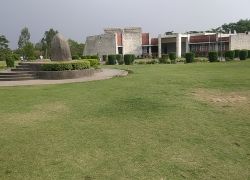
The Capitol Complex is famous for its remarkable architecture, designed by the world-renowned architect Le Corbusier. It is a symbol of Chandigarh's modernist approach to city planning and urban design. The complex is a hub for the state government of Punjab and Haryana and is home to three significant buildings that serve as the legislative and administrative offices. However, its architectural value and innovative design make it a popular tourist destination as well.
The complex includes the High Court, the Secretariat, and the Legislative Assembly, each with its own unique architectural style that blends functionality with aesthetic beauty. The Capitol Complex is also famous for its open spaces, including the open-to-sky court known as the "Open Hand Monument," which has become a symbol of peace and reconciliation.
Entry and Visit Details about Capitol Complex, Chandigarh City
Entry to the Capitol Complex is generally free, but some parts of the complex, such as certain government offices, may require prior permission for access. Visitors can enjoy the grand architecture of the buildings, take a walk through the gardens, and marvel at the open spaces.
If you wish to take a guided tour, you can book one through the Chandigarh Tourism Department. These tours provide insight into the history and significance of the buildings and the city’s urban planning.
History and Architecture of Capitol Complex, Chandigarh City
The Capitol Complex was designed by the famous French-Swiss architect Le Corbusier, who was responsible for planning Chandigarh as a modern city. It was developed between the late 1950s and early 1960s as part of the larger vision for the city. The Capitol Complex was one of the most significant architectural projects in India and serves as a representation of modern architecture.
Le Corbusier’s design for the Capitol Complex is based on the principles of the International Style, focusing on clean lines, open spaces, and geometric forms. One of the most famous elements of the complex is the “Open Hand Monument,” a symbol of peace, which is a moving and rotating sculpture created by the architect himself. The buildings in the complex are massive concrete structures, but they blend harmoniously with the surrounding landscape and the city’s modernist design.
The complex was completed in 1963 and was inaugurated by the then Prime Minister of India, Jawaharlal Nehru. It has since become an integral part of Chandigarh’s identity, showcasing the city’s modern urban design and architectural achievements.
Things to Do at Capitol Complex, Chandigarh City
While the Capitol Complex is primarily an administrative area, there are still several things you can do when you visit:
Interesting Facts and Tips About Capitol Complex, Chandigarh City
In conclusion, the Capitol Complex in Chandigarh is a must-see destination for architecture lovers, history enthusiasts, and anyone visiting the city. With its stunning buildings, historical significance, and architectural brilliance, it stands as a symbol of modern India. Whether you're a tourist or a local, a visit to this UNESCO World Heritage Site offers a glimpse into the city's past and future.
















Chandigarh

Chandigarh
Chandigarh

Chandigarh

Chandigarh
Chandigarh
Chandigarh
Chandigarh
Chandigarh