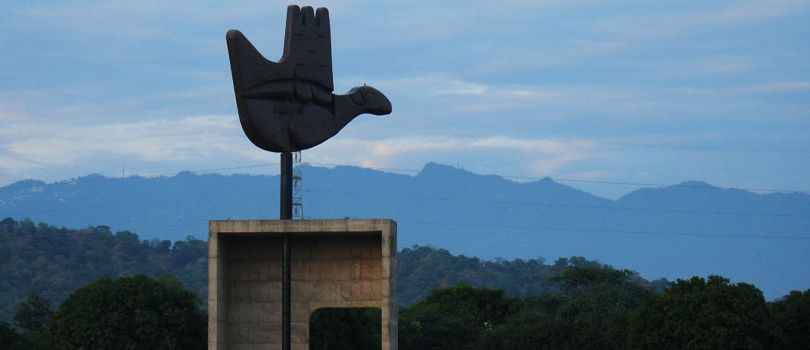
"Symbol of peace and unity in Chandigarh."
The Open Hand Monument is an iconic and symbolic structure located in Chandigarh City, India. Standing tall in the Capitol Complex, it is one of the most recognized landmarks of the city, designed by the renowned architect Pierre Jeanneret, under the guidance of Le Corbusier, who was responsible for planning Chandigarh. This monumental sculpture is not just a beautiful piece of modernist art; it also represents the core values of peace, openness, and harmony, encapsulating the very spirit of the city itself. In this article, we will explore how to reach the Open Hand Monument, its historical significance, architecture, things to do, and more.
How to Reach Open Hand Monument, Chandigarh City
Located in Sector 1 of Chandigarh, the Open Hand Monument is situated in the Capitol Complex, a UNESCO World Heritage Site. The area is easily accessible from different parts of the city. Here are some ways to reach the monument:
Weather at Open Hand Monument, Chandigarh City
Chandigarh experiences three primary seasons: summer, monsoon, and winter. The weather plays a significant role in making your visit comfortable. Here’s a breakdown of the weather conditions:
Timings of Open Hand Monument, Chandigarh City
The Open Hand Monument is part of the Capitol Complex, which is open to the public during the following timings:
As the monument is an open-air structure, it can be visited any time during the day. However, early mornings or late afternoons are the best times to visit to avoid the harsh midday sun, particularly in the summer months.
Why is Open Hand Monument Famous in Chandigarh City?
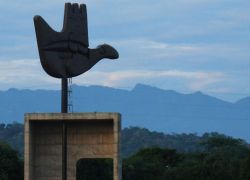
The Open Hand Monument is one of the most famous landmarks in Chandigarh, symbolizing the city’s philosophy of openness, peace, and unity. The monument consists of a giant open hand, which is 26 feet tall, made from stainless steel. The hand is designed to rotate in the wind, symbolizing the dynamic and ever-changing nature of life. The gesture of an open hand represents the principles of receiving and giving, a universal symbol of peace and harmony.
What makes the Open Hand Monument truly unique is its place in Chandigarh’s architectural history. As a part of the Capitol Complex, it embodies the vision of Le Corbusier, who sought to create a city that was not only modern and functional but also symbolized humanistic values. The Open Hand Monument thus stands as a testament to the progressive and forward-thinking ideals that define Chandigarh as a city.
Entry and Visit Details about Open Hand Monument, Chandigarh City
Visitors can access the Open Hand Monument free of cost, as it is an open-air structure located in the Capitol Complex. However, since it is part of the UNESCO World Heritage Site, the Capitol Complex as a whole has specific entry guidelines, and visitors are encouraged to check for any regulations or timings before visiting. While there are no entry fees for the monument itself, it’s worth noting that the Capitol Complex is a government area, so it is advisable to follow any guidelines or restrictions in place.
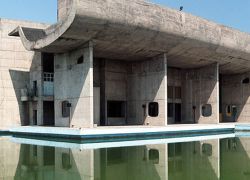
It is a good idea to take some time to walk around the Capitol Complex as it also houses several other notable buildings, including the Secretariat, the High Court, and the Punjab and Haryana High Court, all of which are architectural marvels. Visitors can easily spend an hour or two in this area, exploring the monument and the surrounding complex.
History and Architecture of Open Hand Monument, Chandigarh City
The Open Hand Monument was designed by Pierre Jeanneret in collaboration with Le Corbusier, the famous French architect who planned Chandigarh. The monument was installed in 1950 as part of the Capitol Complex, which was intended to represent a modern, forward-looking India. The hand symbolizes the open approach to life that Chandigarh stands for: a city that embraces change and promotes peaceful coexistence and collaboration.
The architecture of the Open Hand Monument is minimalistic and modernist, fitting perfectly into the aesthetic of the Capitol Complex. The monument is made of stainless steel, and its open hand structure is designed to rotate with the wind, symbolizing flexibility, change, and openness. The monument’s clean lines and geometric forms are reflective of the overall design philosophy of Le Corbusier, who used these principles in his creation of Chandigarh.
Things to Do at Open Hand Monument, Chandigarh City
While visiting the Open Hand Monument, there are several things to do to enhance your experience:
Interesting Facts and Tips About Open Hand Monument, Chandigarh City
In conclusion, the Open Hand Monument is an essential landmark in Chandigarh, representing the city’s values of peace, unity, and openness. As
















Chandigarh

Chandigarh
Chandigarh
Chandigarh

Chandigarh
Chandigarh

Chandigarh
Chandigarh
Chandigarh