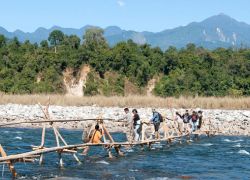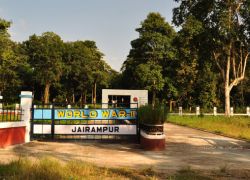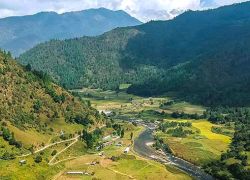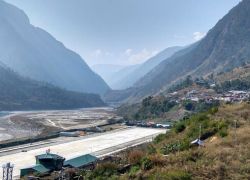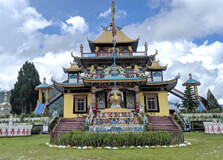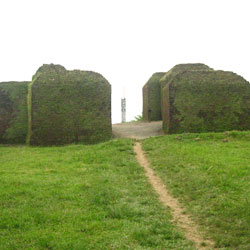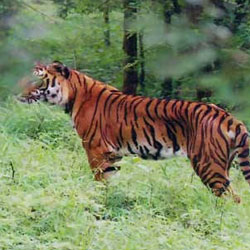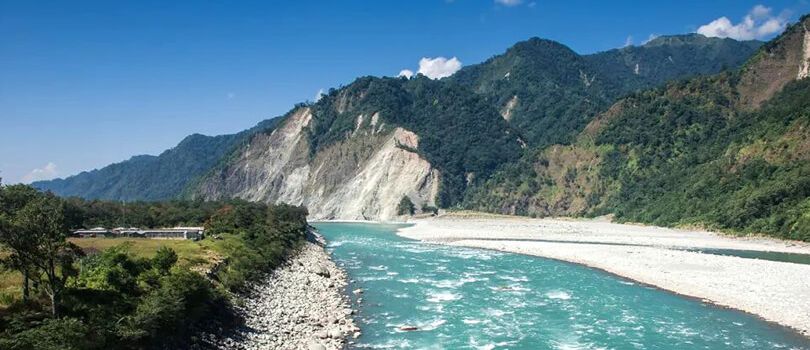
"Experience breathtaking landscapes and diverse wildlife."
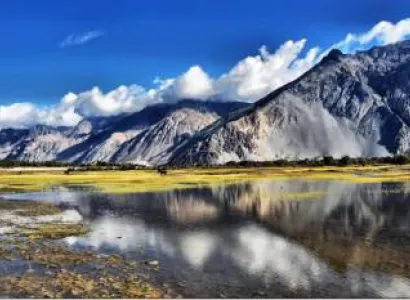
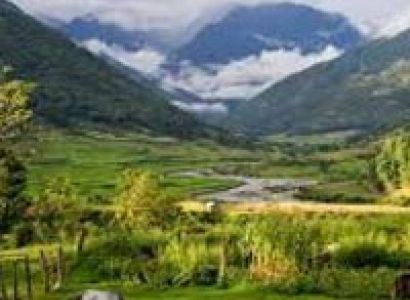
The Lohit River Valley, located in the Changlang district of Arunachal Pradesh, is a region of immense natural beauty, cultural richness, and historical importance. Formed by the Lohit River, one of the major tributaries of the Brahmaputra River, this valley is known for its lush green landscapes, dense forests, rolling hills, and vibrant tribal life. The Lohit River Valley offers travelers a peaceful escape into nature while also providing insight into the traditional lifestyle of the indigenous communities of eastern Arunachal Pradesh.
How to Reach Lohit River Valley
Reaching the Lohit River Valley requires a journey through some of the most scenic routes in Northeast India. The nearest major town is Changlang, which acts as a gateway to the valley.
By Air: The nearest airport is Dibrugarh Airport in Assam, located about 160–180 km from the Lohit River Valley. From Dibrugarh, taxis and shared vehicles are available to reach Changlang and nearby areas along the Lohit River.
By Rail: The closest railway station is Tinsukia Railway Station in Assam. Tinsukia is well-connected to major cities like Guwahati, Kolkata, and New Delhi. From Tinsukia, road transport can be used to reach the valley.
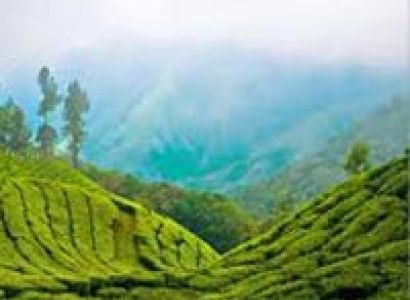
By Road: Lohit River Valley is accessible by road from Tinsukia, Dibrugarh, and other parts of Arunachal Pradesh. The roads pass through scenic hills, tea gardens, and forested areas, making the journey visually rewarding.
Weather in Lohit River Valley
The Lohit River Valley experiences a pleasant climate for most of the year, influenced by its riverine geography and forest cover.
Summer (March to June): Summers are mild and comfortable, with temperatures ranging between 18°C and 30°C. This is a good time for sightseeing and exploring the valley.
Monsoon (July to September): The region receives heavy rainfall during the monsoon season. The river flows at its fullest, enhancing the beauty of the valley, but landslides and roadblocks may occur.
Winter (October to February): Winters are cool and pleasant, with temperatures ranging from 10°C to 20°C. This is considered the best time to visit the Lohit River Valley.
Timing and Best Time to Visit
The Lohit River Valley does not have fixed visiting hours as it is a natural region rather than a single attraction. Visitors can explore the valley throughout the day.
The best time to visit is from October to April, when the weather is dry, pleasant, and suitable for travel and outdoor activities.
Why Famous for Lohit River Valley, Changlang, Arunachal Pradesh?
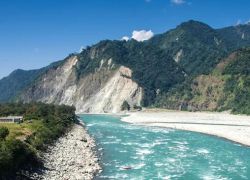
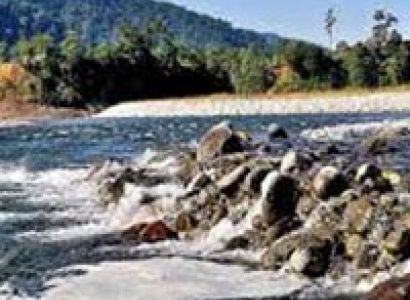
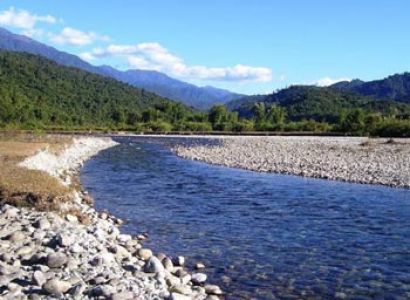
The Lohit River Valley is famous for its untouched natural beauty and cultural diversity. The crystal-clear waters of the Lohit River, surrounded by green hills and forests, create a stunning landscape. The valley is also known for its rich biodiversity and serves as a lifeline for local communities.
Another reason for its fame is the presence of various indigenous tribes such as the Tangsa, Singpho, and Tutsa communities, who maintain their traditional customs, festivals, and handicrafts. The valley is also historically significant as the Lohit River is believed to be one of the main sources of the Brahmaputra River.
Entry and Visit Details
There is no specific entry fee to visit the Lohit River Valley. However, since the area lies in Arunachal Pradesh, Indian tourists are required to obtain an Inner Line Permit (ILP), while foreign nationals need a Protected Area Permit (PAP).
Some areas near the river and villages may require permission from local authorities or village councils. Visitors are advised to respect local customs and regulations during their visit.
History and Cultural Significance
The Lohit River Valley has been an important region since ancient times. The river itself holds mythological significance and is often associated with early references to the Brahmaputra River in ancient Indian texts.
Historically, the valley has served as a trade route connecting Tibet with Assam. Over centuries, tribal communities settled along the riverbanks, developing agriculture, fishing practices, and unique cultural traditions that are still preserved today.
Architecture and Settlements
There is no monumental architecture in the Lohit River Valley, but the traditional tribal houses are architecturally significant. Homes are usually made of bamboo, wood, and thatch, built on raised platforms to protect against floods and wildlife.
Village layouts are simple and closely connected to nature. Community spaces, prayer areas, and traditional granaries reflect the sustainable lifestyle of the local people.
Things to Do in Lohit River Valley
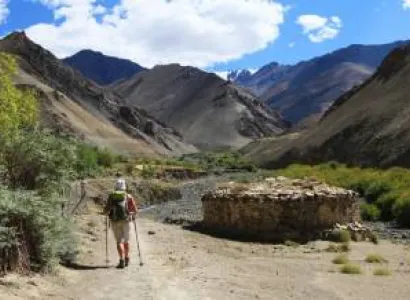
Nature Walks and Photography: The valley offers excellent opportunities for nature walks, landscape photography, and birdwatching.
River Exploration: Visitors can enjoy riverside picnics, explore the riverbanks, and observe local fishing techniques.
Cultural Interaction: Meeting local tribal communities and learning about their customs, food, and festivals adds depth to the travel experience.
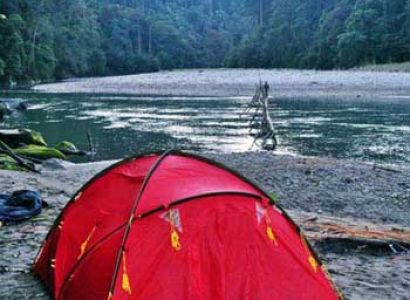
Camping: Camping near the river under proper guidance is a popular activity for adventure and nature lovers.
Facts about Lohit River Valley
The Lohit River is one of the major tributaries of the Brahmaputra River.
The valley is home to several indigenous tribes of Arunachal Pradesh.
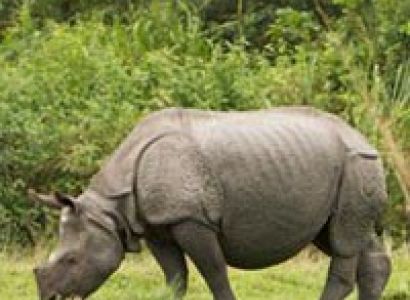
The region is rich in flora and fauna, including rare bird species.
The Lohit River Valley plays a crucial role in the local economy through agriculture and fishing.
Tips for Visiting Lohit River Valley
Always carry valid permits required for Arunachal Pradesh.
Visit during the dry season to avoid travel disruptions caused by monsoon rains.
Respect local traditions, customs, and the natural environment.
Carry essential supplies, as facilities are limited in remote areas.
Hire local guides for a safer and more informative experience.
The Lohit River Valley in Changlang, Arunachal Pradesh, is an ideal destination for travelers seeking serenity, cultural exploration, and unspoiled natural beauty. Its peaceful landscapes and welcoming communities make it a memorable place to explore.

Changlang
Changlang

Changlang
Changlang