"Encounter diverse wildlife in India's untouched wilderness."
Namdapha National Park, located in the Changlang district of Arunachal Pradesh, is one of India’s most pristine and biologically diverse protected areas. Spread over approximately 1,985 square kilometers, it is the largest protected area in the Eastern Himalayas and forms part of the Indo-Myanmar biodiversity hotspot. The park is renowned for its varied ecosystems, ranging from tropical evergreen forests and temperate broadleaf forests to alpine meadows at higher altitudes. Namdapha is a sanctuary for wildlife enthusiasts, researchers, and nature lovers due to its rich diversity of flora and fauna, including several endangered and endemic species.
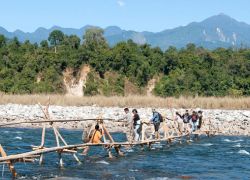
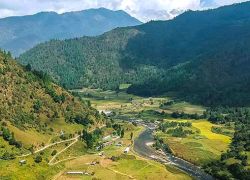
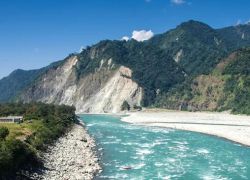
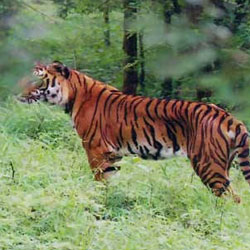
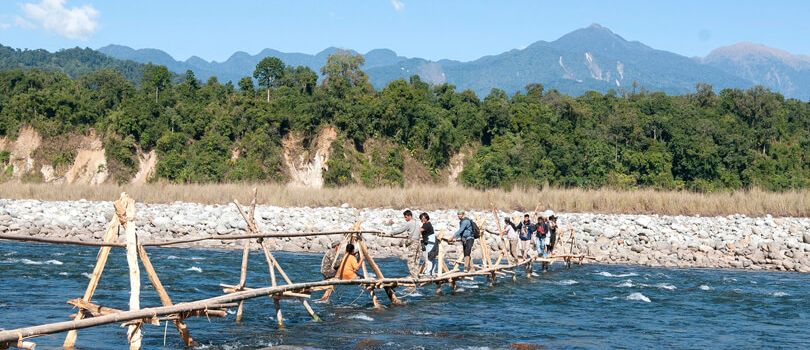
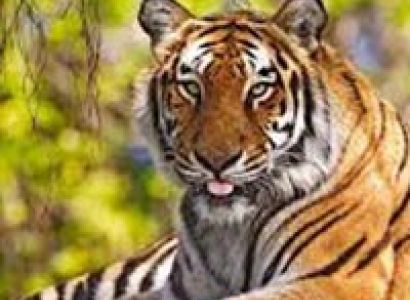
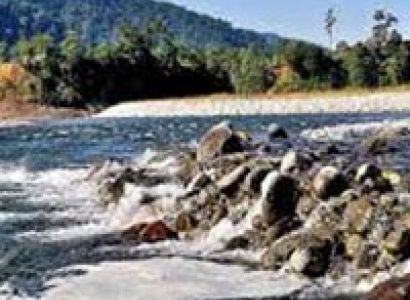
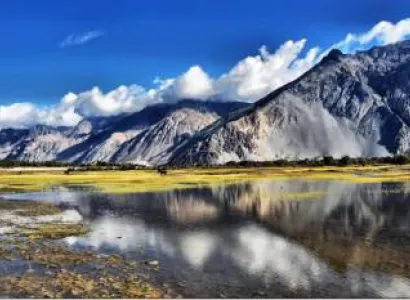
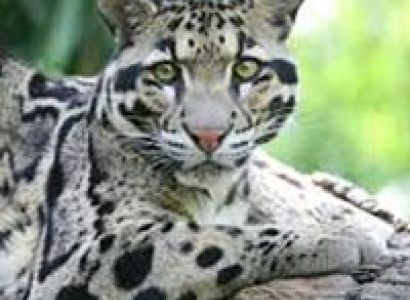
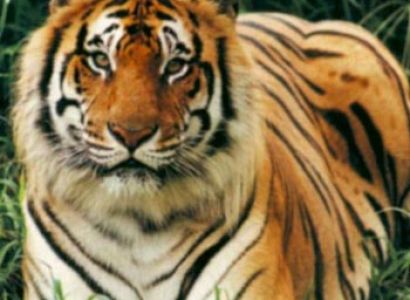
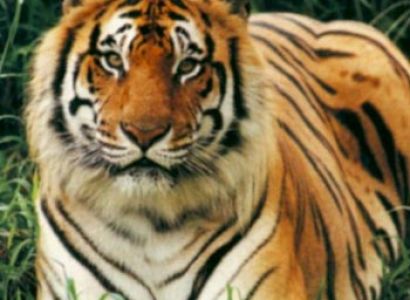
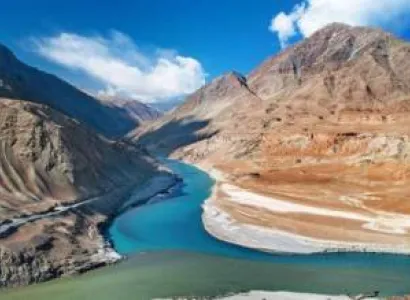
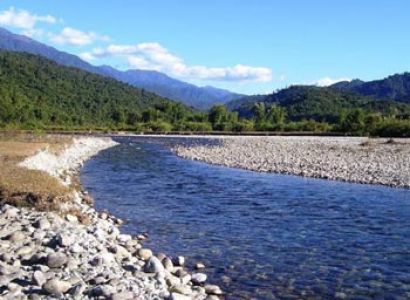
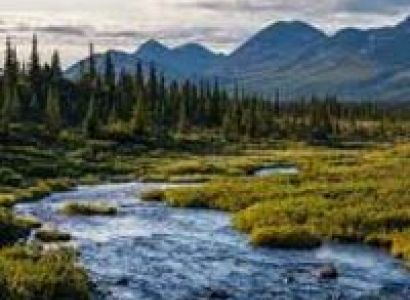
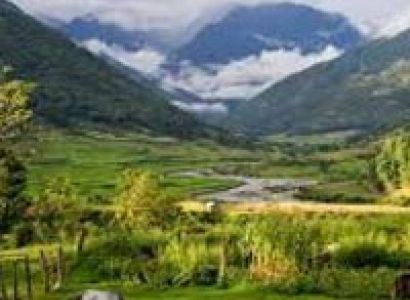
The park is characterized by dense forests, snow-capped mountains, rivers, and waterfalls. Its geographical location at the confluence of India and Myanmar allows it to harbor a unique mix of Himalayan, Indo-Malayan, and Southeast Asian species. Namdapha is home to tigers, leopards, clouded leopards, elephants, Asiatic black bears, and the rare red panda. Birdwatchers are drawn to the park for its over 400 species of birds, including hornbills, eagles, and pheasants. The park’s rivers and streams also support diverse fish species, making it a true ecological treasure.
How to Reach Namdapha National Park
Reaching Namdapha National Park requires careful planning due to its remote location in Arunachal Pradesh.
By Air: The nearest airport is Dibrugarh Airport in Assam, approximately 180 km from Miao, the gateway town to Namdapha National Park. From Dibrugarh, travelers can hire taxis or take a combination of taxis and buses to reach Miao.
By Rail: The closest railway station is Tinsukia Railway Station in Assam, about 170 km from Miao. From Tinsukia, taxis and buses are available to cover the remaining distance to the park.
By Road: Miao is well connected to Tinsukia, Dibrugarh, and other towns in Assam by National Highway 315. From Miao, local roads lead into the park. Visitors are advised to hire authorized guides for trekking or safaris due to the dense forest terrain.
Weather in Namdapha National Park
The park experiences a varied climate due to its wide altitude range.
Summer (March to June): Summers are warm and humid with temperatures ranging from 20°C to 30°C. This is ideal for trekking, wildlife spotting, and photography.
Monsoon (July to September): Heavy rainfall occurs, making trails slippery but enhancing the lush greenery of the forests. Some areas may become inaccessible during peak monsoon.
Winter (October to February): Winters are cool with temperatures ranging between 10°C and 20°C at lower altitudes. Higher reaches may experience frost and occasional snowfall. Wildlife spotting and trekking are best during this season.
Timing to Visit Namdapha National Park
Visitors are advised to plan their trips during daylight hours for safaris, trekking, and exploration of the park’s diverse habitats.
Recommended Visiting Hours: 6:00 AM to 5:00 PM
Why Namdapha National Park is Famous
Namdapha National Park is globally recognized for its unparalleled biodiversity and pristine natural environment. Key highlights include:
Entry and Visit Details
Entry to Namdapha National Park requires prior permission from the Arunachal Pradesh Forest Department. Guided tours, trekking expeditions, and camping require registered forest guides. Visitors must adhere to park rules to protect its delicate ecosystems. Entry tickets are charged for safaris and guided tours, and overnight stays are allowed only at designated campsites within the park.
History and Surroundings
Namdapha National Park was declared a wildlife sanctuary in 1972 and later upgraded to a national park to protect its unique ecosystems and endangered species. Historically, the park was inhabited by indigenous tribes such as Tangsa, Singpho, and Tutsa, who relied on the forest for hunting and gathering. Today, the park also supports eco-tourism initiatives, blending conservation with community development. The park’s dense forests, rivers, and valleys have largely remained untouched, preserving its natural and cultural heritage.
Things to Do in Namdapha National Park
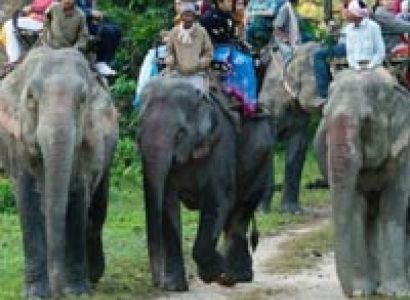
Wildlife Safari: Explore dense forests to spot tigers, elephants, clouded leopards, and various deer species.
Birdwatching: Over 400 bird species, including hornbills, eagles, and pheasants, attract ornithologists and bird lovers.
Trekking: Numerous trails pass through valleys, rivers, and forests, offering opportunities to explore waterfalls, meadows, and remote habitats.
Photography: Capture diverse wildlife, scenic landscapes, and forest ecosystems.
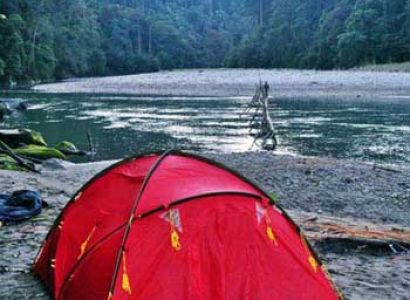
Camping: Stay overnight at authorized campsites to experience the park’s tranquility and natural sounds.
Nature Study: Learn about medicinal plants, orchids, and forest ecology with guides and local experts.
Interesting Facts about Namdapha National Park
Namdapha is the only national park in India that has tropical, subtropical, temperate, and alpine ecosystems within a single protected area.
The park forms part of a transboundary biodiversity corridor with Myanmar, ensuring ecological connectivity for large mammals like elephants and tigers.
It is one of the rare places where snow leopards and clouded leopards are found in the same region.
Several endemic plant species and orchids thrive here, making it a paradise for botanists and researchers.
Tips for Visiting Namdapha National Park
Hire licensed local guides for trekking, safaris, and birdwatching to ensure safety and enrich your experience.
Carry trekking shoes, rain gear, and warm clothing depending on the season.
Respect park regulations, wildlife, and indigenous communities to maintain the sanctuary’s pristine environment.
Visit between October and April for the best weather, wildlife visibility, and trekking conditions.
Conclusion
Namdapha National Park in Changlang, Arunachal Pradesh, is a remarkable destination for nature lovers, wildlife enthusiasts, and adventure seekers. Its dense forests, diverse wildlife, scenic rivers, and mountain landscapes make it one of India’s most ecologically significant national parks. From trekking and birdwatching to wildlife safaris and eco-tourism, Namdapha offers a complete experience for travelers seeking tranquility, adventure, and cultural immersion. Proper planning, guided tours, and respect for the park’s rules ensure a safe and memorable visit to this untouched Himalayan wilderness.
Changlang
Changlang
Changlang

Changlang