"Remote village rich in natural beauty and heritage"
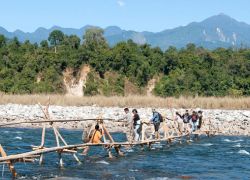
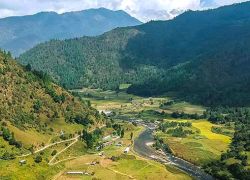
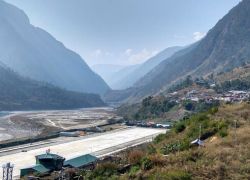
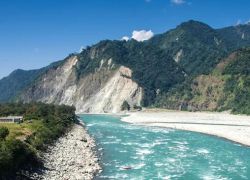
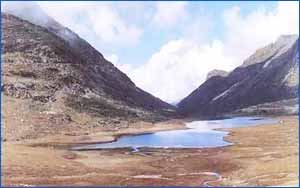
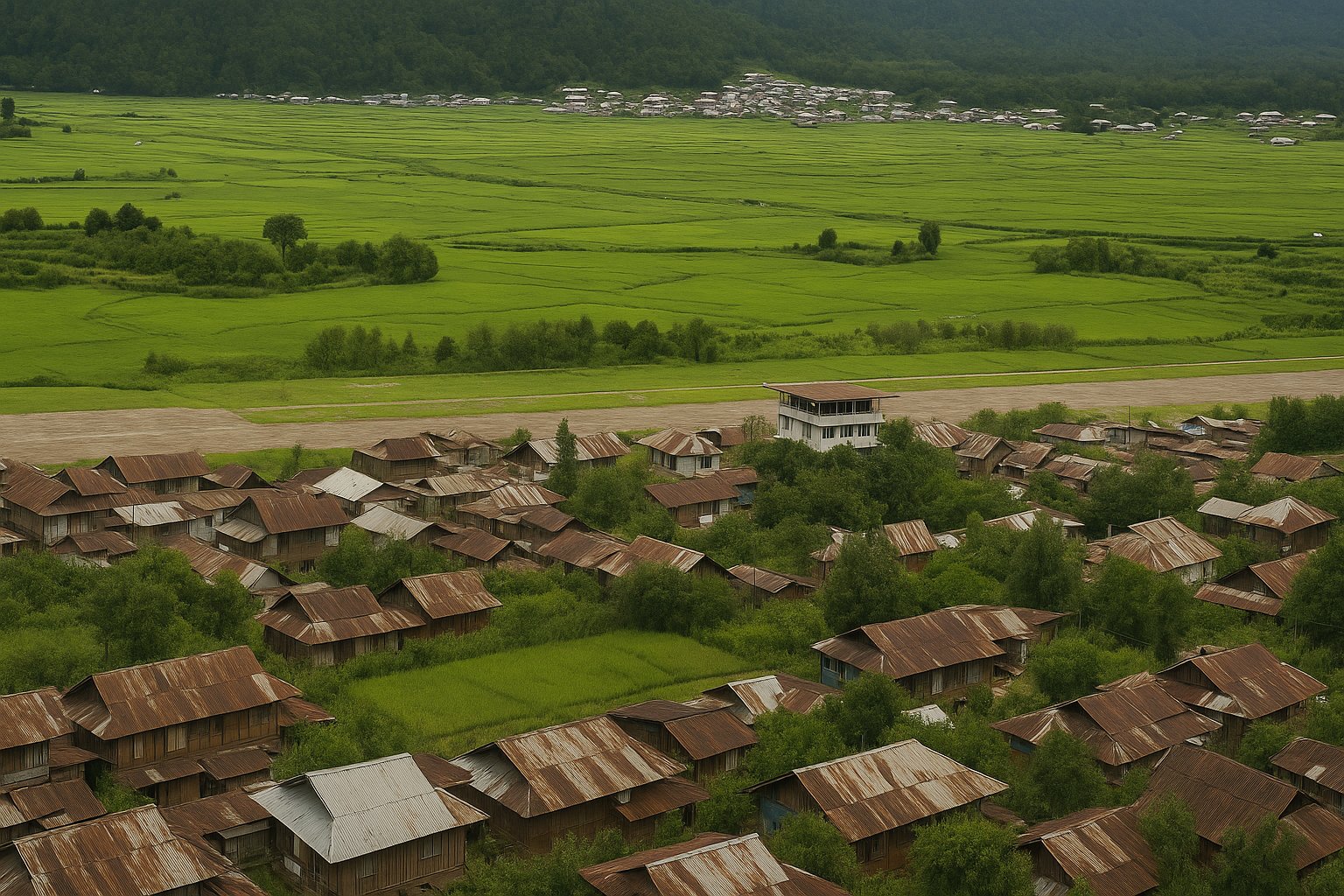
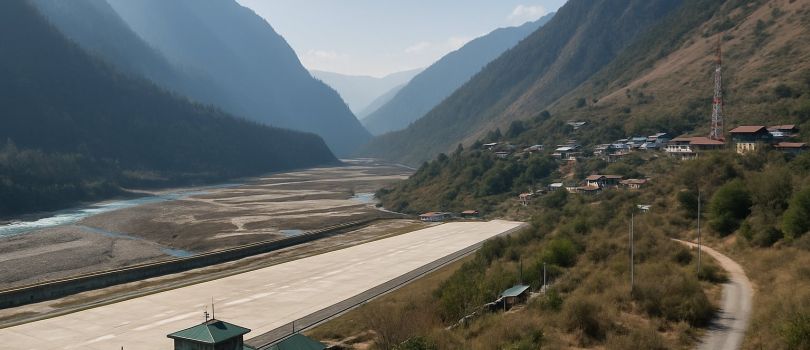
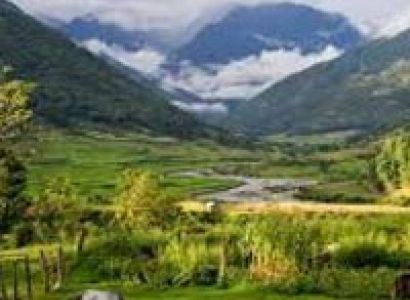
Walong is a picturesque town located in the Changlang district of Arunachal Pradesh, nestled in the northeasternmost corner of India near the Indo-China-Myanmar tri-junction. Situated at an altitude of approximately 1,000 meters above sea level, Walong is surrounded by lush green hills, rivers, and valleys, offering a serene and scenic environment. The town is historically and strategically significant due to its proximity to the Line of Actual Control (LAC) with China, and it was the site of intense battles during the 1962 Indo-China War.
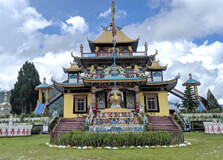
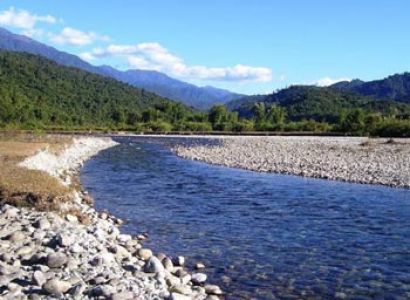
Walong is famous not only for its natural beauty but also for its rich history and cultural heritage. The town serves as a gateway to several attractions in the Changlang district, including scenic valleys, riverbanks, and tribal villages. Visitors to Walong can enjoy tranquil landscapes, traditional Arunachali culture, and an opportunity to explore a remote part of India that remains largely untouched by mass tourism. The town also provides a base for exploring nearby natural wonders such as Loisabi Falls, Pangsau Pass, and the Lohit River Valley.
How to Reach Walong
Walong is accessible via road from Assam and other parts of Arunachal Pradesh, although its remote location requires careful planning.
By Air: The nearest airport is Dibrugarh Airport in Assam, approximately 280 km away. From Dibrugarh, private taxis or buses can be hired to reach Walong via the NH-315A highway.
By Rail: Tinsukia Junction and Dibrugarh railway stations are the closest railheads. From there, travelers can hire taxis or use bus services to reach Walong through Tezu and other intermediate towns.
By Road: Walong is well connected by road, though the journey involves winding mountain roads and hilly terrain. Private taxis, shared cabs, and buses from Tezu, Changlang, or Dibrugarh provide access to the town. Travelers are advised to check road conditions in advance, especially during the monsoon season.
Weather in Walong
The climate in Walong varies throughout the year, influenced by its Himalayan foothill location.
Summer (March to June): Summers are mild and pleasant, with temperatures ranging between 18°C and 28°C, making it an ideal time for sightseeing and trekking.
Monsoon (July to September): Heavy rainfall is common during the monsoon season, enhancing the greenery but sometimes making roads slippery and challenging for travel.
Winter (October to February): Winters are cool and comfortable, with temperatures ranging from 10°C to 20°C. Clear skies during winter provide excellent conditions for photography and outdoor exploration.
Timing to Visit Walong
Walong is accessible year-round, but the best time to visit is between October and June, avoiding heavy monsoon rains for easier travel and safer trekking.
Recommended Visiting Hours: 6:00 AM to 6:00 PM
Why Walong is Famous
Walong is famous for its historical significance, natural beauty, and cultural heritage. Key highlights include:
Entry and Visit Details
Indian citizens can visit Walong without a special permit. Foreign nationals, however, require an Inner Line Permit (ILP) to enter Arunachal Pradesh, which can be obtained online or from designated offices in Assam or Arunachal Pradesh. The town has basic accommodation facilities, including guesthouses, homestays, and government lodges. Local guides are available to assist with historical, cultural, and natural exploration of the area.
History and Architecture
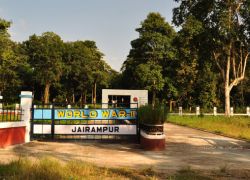
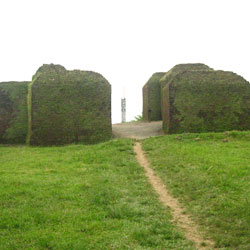
Walong holds historical importance due to the 1962 Sino-Indian War. The Battle of Walong was a significant confrontation where Indian forces fought bravely against the Chinese army. The Walong War Memorial stands as a tribute to these soldiers and is a key landmark for visitors interested in military history.
The town’s architecture is a blend of traditional Arunachali tribal homes and modern structures. Traditional houses are built using bamboo, wood, and thatch, reflecting the sustainable construction techniques of the Mishmi tribe. These homes often feature intricate carvings and wooden panels that depict local folklore and cultural symbols.
Things to Do in Walong
Visit Walong War Memorial: Pay respects at the memorial and learn about the town’s historical significance.
Explore Local Tribes: Interact with the Mishmi tribe, experience their traditional dances, festivals, and handicrafts.
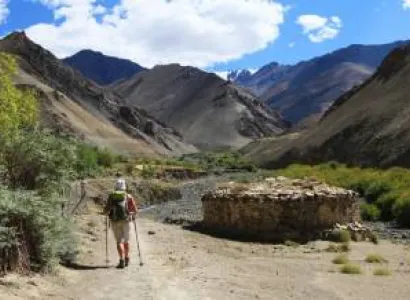
Trekking and Nature Walks: Discover nearby valleys, hills, and rivers, enjoying the pristine natural beauty of Arunachal Pradesh.
Photography: Capture stunning landscapes, cultural events, and traditional tribal architecture.
Visit Nearby Attractions: Take short trips to Loisabi Falls, Pangsau Pass, and the Lohit River Valley for more scenic and cultural experiences.
Interesting Facts about Walong
Walong is the easternmost town in India’s Changlang district, giving it strategic importance along the Indo-China border. Its location at the tri-junction with Myanmar makes it culturally diverse, with influences from Indian and Southeast Asian traditions. The surrounding forests are rich in biodiversity, with rare Himalayan flora and fauna, making it a hotspot for nature enthusiasts.
Tips for Visiting Walong
Carry warm clothing, especially during early mornings and winters.
Wear comfortable trekking shoes suitable for hilly and uneven terrain.
Carry sufficient water, snacks, and basic first-aid supplies when exploring valleys and trails.
Respect local customs and traditions when interacting with tribal communities.
Obtain an Inner Line Permit (ILP) if you are a foreign national before visiting Walong.
Conclusion
Walong in Changlang, Arunachal Pradesh, is a destination that beautifully blends history, culture, and natural splendor. From exploring the Walong War Memorial and learning about the 1962 Indo-China War to trekking in lush green valleys and witnessing traditional tribal life, the town offers a unique experience for travelers. Surrounded by rivers, hills, and forests, Walong is a serene and scenic retreat for those seeking both adventure and cultural immersion. With proper planning, local guidance, and respect for the environment and communities, a visit to Walong promises an unforgettable journey into the heart of Arunachal Pradesh’s heritage and natural beauty.








Changlang
Changlang
Changlang
Changlang