
Ambala Cantt in Ambala is a captivating tourist hotspot that offers a unique blend of natural beauty and historical significance. The city of Ambala is renowned for its rich biodiversity, making it a paradise for birdwatchers, photographers, and nature enthusiasts. History of Ambala Cantt The history of Ambala Cantt dates back to its origin as former royal hunting grounds. Over the years, concerted conservation efforts have transformed it into a recognized UNESCO site, preserving its natural heritage for generations to come. Architecture and Natural Beauty of Ambala Cantt Ambala Cantt is characterized by its picturesque wetlands, dense forests, sprawling grasslands, and diverse bird habitats. The historical Keoladeo Temple nestled within the park adds to its charm, attracting visitors with its serene landscapes. Why is Ambala Cantt Famous? Ambala Cantt is famous for its unrivaled appeal to birdwatchers, photographers, and wildlife lovers. The abundance of avian species and the opportunity to witness them in their natural habitat make it a must-visit destination for nature enthusiasts. How to Reach Ambala Cantt Reaching Ambala Cantt is convenient with various travel options available. Visitors can access the hotspot by air through nearby airports, by rail via well-connected railway stations, or by road with efficient transport networks. Weather and Best Time to Visit Ambala Cantt The weather at Ambala Cantt varies across seasons, with summer, monsoon, and winter each offering a unique experience. The best time to visit is during specific months when the climate is most favorable for exploring the natural wonders of the region. Timings of Ambala Cantt Ambala Cantt welcomes visitors during specified timings, ensuring that guests can enjoy the beauty of the hotspot to the fullest extent. Seasonal variations may apply, so it's advisable to plan your visit accordingly. Entry Fee and Visit Details Entry procedures at Ambala Cantt are streamlined, with guide services, safari options, bicycle rentals, and visitor facilities enhancing the overall experience. Visitors can explore the park with ease and take advantage of the available amenities. Things to Do at Ambala Cantt At Ambala Cantt, visitors can engage in a myriad of activities such as birdwatching, photography, cycling, walking trails, nature observation, and educational experiences. Each activity offers a unique perspective on the rich biodiversity of the region. Interesting Facts About Ambala Cantt Ambala Cantt is home to a plethora of migratory birds, showcasing the importance of conservation efforts in preserving the delicate ecological balance. The region's biodiversity and conservation achievements stand as a testament to its environmental significance. Travel Tips for Visiting Ambala Cantt For a seamless visit to Ambala Cantt, it's advisable to pack appropriate clothing, bring along photography equipment, and familiarize yourself with birdwatching essentials. Understanding the visiting seasons and practicing responsible tourism ensures a memorable and sustainable experience. Conclusion In conclusion, Ambala Cantt in Ambala is a treasure trove of natural wonders and historical heritage, offering visitors a unique glimpse into the region's vibrant ecosystem. With its diverse attractions and engaging activities, Ambala Cantt promises a fulfilling and enriching travel experience for all who venture to explore its beauty.
Explore More
Ambala Cloth Market is one of the most famous shopping destinations in Haryana and a paradise for textile lovers, retailers, wholesalers, and wedding shoppers. Located in Ambala city, this bustling market is widely known across North India for its huge variety of fabrics, dress materials, ethnic wear, bridal collections, and wholesale textile products at competitive prices. The market attracts visitors not only from Haryana but also from nearby states such as Punjab, Himachal Pradesh, Delhi, Chandigarh, Uttar Pradesh, and Rajasthan. Whether you are looking for wedding shopping, casual clothing, home furnishing fabrics, or business sourcing, Ambala Cloth Market offers endless options. Its lively streets, colorful shops, and affordable pricing make it one of the busiest commercial centers in the region. Why is Ambala Cloth Market Famous? Ambala Cloth Market is famous for: • Large wholesale and retail textile market • Affordable fabric prices • Bridal wear and ethnic clothing collections • Sarees, suits, lehengas, dress materials, and designer fabrics • Home furnishing fabrics and curtains • Shopping hub for traders and bulk buyers The market is especially popular for wedding shopping because of its variety, quality, and budget-friendly options. History of Ambala Cloth Market Ambala has historically been an important commercial and trading center in North India due to its strategic location between Delhi, Chandigarh, Punjab, and Himachal Pradesh. Over the years, Ambala developed into a major textile and trading hub, with cloth merchants establishing large wholesale and retail businesses in the city. The cloth market gradually expanded and became one of the biggest textile markets in Haryana. Today, Ambala Cloth Market is recognized as a key destination for textile trade, fashion shopping, and fabric sourcing. Architecture and Market Layout Ambala Cloth Market is not a monument but a commercial shopping district made up of interconnected streets, market lanes, and numerous textile stores. Main features of the market include: • Multi-floor textile shops • Wholesale warehouses • Retail fashion stores • Narrow shopping lanes • Traditional marketplace atmosphere The market layout is dense and lively, with hundreds of shops lined close together, creating an energetic shopping experience. Weather at Ambala Cloth Market Summer (April to June): 30°C to 42°C. Shopping is better during mornings or evenings. Monsoon (July to September): 25°C to 34°C with moderate rainfall. Winter (October to February): 8°C to 22°C. Best season to visit. The ideal time to visit Ambala Cloth Market is from October to March. Ambala Cloth Market Timings Opening Time: 10:00 AM Closing Time: 8:00 PM to 9:00 PM Weekly Closing: Some shops may remain closed on selected weekdays depending on local business schedules. Evening hours are usually the busiest. Entry Fee and Visit Details Entry Fee: Free Parking: Paid and roadside parking options available nearby. Suggested Visit Duration: 2 to 5 hours depending on shopping needs. No ticket is required to enter the market. How to Reach Ambala Cloth Market, Ambala, Haryana By Air The nearest airport is Chandigarh International Airport, approximately 45 km away. By Train The nearest railway station is Ambala Cantonment Railway Station, one of North India’s major railway junctions. The market is easily accessible from the railway station by auto-rickshaw or taxi. By Road Ambala is well connected by road through major highways. Distance from nearby cities: • Chandigarh – 45 km • Delhi – 200 km • Kurukshetra – 40 km • Karnal – 80 km Buses, taxis, and self-drive vehicles are easily available. Things to Do at Ambala Cloth Market 1. Fabric Shopping Buy cotton, silk, velvet, linen, chiffon, georgette, and designer fabrics. 2. Wedding Shopping Explore bridal lehengas, sarees, sherwanis, suits, and accessories. 3. Wholesale Purchasing Ideal destination for boutique owners and retailers. 4. Home Furnishing Shopping Purchase curtains, upholstery, bed covers, and decorative textiles. 5. Street Food Exploration Enjoy local snacks, sweets, and refreshments nearby. Interesting Facts About Ambala Cloth Market • One of Haryana’s biggest textile markets • Popular among wholesale buyers • Major wedding shopping destination • Attracts visitors from multiple states • Offers both premium and budget shopping options Travel Tips for Visitors Useful shopping tips: • Visit on weekdays for less crowd • Carry comfortable shopping bags • Compare prices before purchasing • Bargaining may be possible in some stores • Wear comfortable footwear • Carry cash and digital payment options • Keep valuables secure in crowded areas Nearby Attractions After shopping, visitors can also explore: • Ambala Cantonment Market • Gurudwara Panjokhra Sahib • Badshahi Bagh Gurudwara • Holy Redeemer Church • Rani Ka Talab Conclusion Ambala Cloth Market, Ambala, Haryana is a must-visit destination for shopping enthusiasts, textile traders, and wedding buyers. With its huge variety of fabrics, affordable pricing, wholesale opportunities, and vibrant market atmosphere, it remains one of North India’s top textile shopping hubs. Whether you are shopping for personal use, weddings, home décor, or business sourcing, Ambala Cloth Market offers a rewarding shopping experience in Haryana.
Explore More
Kaushalya Dam is a scenic and important water reservoir located near Pinjore in Panchkula district, Haryana. Surrounded by the beautiful Shivalik Hills and lush green landscapes, the dam is a popular tourist attraction for nature lovers, photographers, adventure seekers, and visitors looking for a peaceful getaway near Chandigarh and Pinjore. The dam is built on the Kaushalya River and serves both practical and tourism purposes. Apart from water conservation and flood control, the area has become increasingly popular due to its calm atmosphere, panoramic hill views, and adventure activities like hot air balloon rides nearby. Kaushalya Dam is an excellent place for short road trips, sightseeing, photography, and enjoying natural beauty away from city crowds. Why is Kaushalya Dam Famous? Kaushalya Dam is famous for: • Scenic reservoir surrounded by Shivalik Hills • Beautiful sunrise and sunset views • Peaceful picnic and photography location • Water conservation and flood management project • Nearby SkyWaltz Balloon Safari activities • Easy accessibility from Chandigarh, Panchkula, and Pinjore The calm water body combined with mountain views makes it one of the hidden scenic attractions in Haryana. History of Kaushalya Dam Kaushalya Dam was constructed on the Kaushalya River primarily for flood control, water management, and groundwater recharge in the surrounding region. The dam was developed as an infrastructure project to regulate seasonal water flow and reduce flood risks in downstream areas. Over time, due to its attractive location and peaceful surroundings, Kaushalya Dam gradually became a tourism spot. Visitors started coming here for sightseeing, photography, and enjoying the natural beauty of the reservoir and surrounding hills. Today, the dam is not only an important engineering structure but also a growing eco-tourism attraction in Haryana. Architecture and Structure of Kaushalya Dam Kaushalya Dam is a modern engineering project rather than a historical monument. Its design focuses on efficient water storage and regulation. Main structural features include: • Large water reservoir • Dam wall and spillway system • Controlled water gates • Concrete embankments • Access roads and viewing points The reservoir offers a visually attractive landscape with still waters reflecting nearby hills and sky, especially during mornings and evenings. Weather at Kaushalya Dam Summer (April to June): Temperature ranges between 28°C to 40°C. Evenings are more pleasant. Monsoon (July to September): 24°C to 32°C with fresh greenery and higher water levels. Winter (October to February): 8°C to 22°C, which is the best season to visit. The ideal time to visit Kaushalya Dam is from October to March when the weather is pleasant and skies are clear. Kaushalya Dam Timings General Visiting Time: 8:00 AM to 6:00 PM Visitors usually prefer early morning or evening visits for better views and cooler temperatures. Timing access may vary depending on local administration and security regulations. Entry Fee and Visit Details Entry Fee: Usually free for general visitors. Parking: Parking may be available nearby depending on access point. Suggested Visit Duration: 1 to 2 hours The site is suitable for short sightseeing visits, nature photography, and family outings. How to Reach Kaushalya Dam, Pinjore, Haryana By Air The nearest airport is Chandigarh International Airport, located around 35 km away. By Train The nearest railway station is Kalka Railway Station, approximately 8 km from the dam. Chandigarh Railway Station is another convenient rail option. By Road Kaushalya Dam is easily accessible by road from Pinjore and nearby cities. Distance from nearby locations: • Pinjore – 7 km • Panchkula – 20 km • Chandigarh – 25 km • Kalka – 8 km Private taxis, self-drive vehicles, and local transport are available. Things to Do at Kaushalya Dam 1. Sightseeing Enjoy scenic views of the reservoir, hills, and surrounding forests. 2. Photography Capture sunrise, sunset, landscapes, and water reflections. 3. Relaxation Spend peaceful time away from city noise. 4. Family Picnic Suitable for short family outings and nature breaks. 5. Visit Nearby SkyWaltz Balloon Safari Adventure lovers can combine their trip with hot air balloon rides nearby. Interesting Facts About Kaushalya Dam • Built on Kaushalya River • Important flood control and water management project • Popular for scenic natural beauty • Located near Pinjore and Shivalik foothills • Nearby launch point for hot air balloon safaris • Growing eco-tourism destination in Haryana Travel Tips for Visitors Useful travel tips: • Visit during sunrise or sunset for best views • Carry water bottles and snacks • Wear comfortable footwear • Carry camera for landscape photography • Avoid visiting during heavy rainfall • Do not litter around the reservoir • Supervise children near water areas Nearby Attractions Visitors can also explore nearby attractions including: • Pinjore Gardens • Bhima Devi Temple • SkyWaltz Balloon Safari • Bir Shikargah Wildlife Sanctuary • Timber Trail, Parwanoo Conclusion Kaushalya Dam, Pinjore, Haryana is a beautiful destination for travelers seeking nature, scenic views, relaxation, and photography opportunities. Its calm reservoir, surrounding hills, and peaceful environment make it an excellent short getaway near Chandigarh and Pinjore. Whether you are visiting for sightseeing, photography, or simply to enjoy the outdoors, Kaushalya Dam is one of the best natural attractions to explore in Haryana.
Explore More
Burj Kotian is one of the lesser-known historical landmarks located near Pinjore in Haryana. Nestled amidst scenic surroundings and close to the Shivalik foothills, this ancient fort-like structure attracts history enthusiasts, architecture lovers, and travelers looking to explore hidden heritage destinations around Pinjore. Burj Kotian is known for its historical ruins, elevated location, and panoramic views of the surrounding countryside. Though not as commercially developed as Pinjore Gardens or Bhima Devi Temple, this destination offers a peaceful and offbeat experience for visitors interested in local history and old architectural remains. The site is ideal for short exploration trips, photography, and discovering lesser-visited attractions in Haryana. Why is Burj Kotian Famous? Burj Kotian is famous for: • Historic fort-like tower structure • Ancient ruins and heritage value • Scenic hilltop or elevated surroundings • Quiet and less crowded atmosphere • Photography opportunities • Offbeat tourist attraction near Pinjore Visitors are attracted to Burj Kotian because of its peaceful location and connection to regional history. History of Burj Kotian The exact historical origin of Burj Kotian is not widely documented, but the site is believed to be associated with local rulers and regional defense structures from earlier centuries. The word “Burj” refers to a tower or fortified watch structure. Historically, such towers were often built at strategic locations to monitor surrounding areas, protect settlements, and serve military or administrative purposes. Burj Kotian is believed to have functioned as a watchtower or small defensive point overlooking nearby routes and settlements. Over time, parts of the structure deteriorated naturally, leaving behind ruins that continue to reflect its historical importance. Today, it remains a hidden heritage site visited mainly by local travelers and explorers. Architecture of Burj Kotian Burj Kotian reflects traditional defensive architecture seen in old towers and small forts. Architectural highlights include: • Tower-like elevated structure • Stone and brick construction • Thick defensive walls • Historic ruins and broken sections • Elevated viewing position The simple yet sturdy construction indicates its likely military or surveillance purpose in earlier times. The surrounding natural landscape adds charm to the structure, making it attractive for heritage photography. Weather at Burj Kotian Summer (April to June): 28°C to 40°C. Afternoon visits can be hot. Monsoon (July to September): 24°C to 32°C with greenery and pleasant weather. Winter (October to February): 8°C to 22°C. Best season to visit. The ideal time to explore Burj Kotian is from October to March. Burj Kotian Timings General Visiting Hours: 8:00 AM to 6:00 PM Since this is not a highly commercial tourist site, official timings may vary. Morning and evening visits are recommended for comfortable weather and photography. Entry Fee and Visit Details Entry Fee: Usually free for visitors. Parking: Limited or roadside parking may be available nearby. Suggested Visit Duration: 1 to 2 hours Visitors usually combine this destination with other Pinjore attractions. How to Reach Burj Kotian, Pinjore, Haryana By Air The nearest airport is Chandigarh International Airport, approximately 35 km away. By Train The nearest railway station is Kalka Railway Station, around 8 to 10 km away. Chandigarh Railway Station is another convenient option. By Road Burj Kotian is accessible by road from Pinjore and nearby towns. Distance from nearby cities: • Pinjore – Approx. 8 km • Panchkula – 20 km • Chandigarh – 25 km • Kalka – 8 km Taxis, local transport, and private vehicles can be used to reach the site. Things to Do at Burj Kotian 1. Explore Historical Ruins Walk around the old structure and observe its heritage elements. 2. Photography Capture fort ruins, stone architecture, and surrounding landscapes. 3. Nature Viewing Enjoy scenic surroundings and open views. 4. Heritage Exploration Learn about lesser-known historical landmarks of Haryana. 5. Short Trek or Walk Depending on access route, visitors may enjoy short walks around the site. Interesting Facts About Burj Kotian • Lesser-known heritage site near Pinjore • Believed to be an old watchtower or defensive structure • Offers scenic views of surrounding region • Popular among local explorers and photographers • Peaceful and uncrowded tourist destination Travel Tips for Visitors Useful travel tips: • Wear comfortable walking shoes • Carry water bottles • Visit during daylight hours • Avoid visiting alone after sunset • Carry camera for photography • Respect historical ruins and avoid damaging structures Nearby Attractions Visitors can also explore nearby attractions such as: • Pinjore Gardens • Bhima Devi Temple • Kaushalya Dam • SkyWaltz Balloon Safari • Bir Shikargah Wildlife Sanctuary Conclusion Burj Kotian, Pinjore, Haryana is an interesting offbeat destination for travelers who enjoy history, hidden heritage sites, and peaceful surroundings. Its ancient structure, scenic location, and quiet atmosphere make it worth visiting for those exploring Pinjore beyond mainstream attractions. If you enjoy discovering lesser-known historical places and taking unique travel photographs, Burj Kotian can be a rewarding addition to your Haryana travel itinerary.
Explore More
Chattbir Zoo, officially known as Mahendra Chaudhary Zoological Park, is one of the most popular wildlife attractions near Panchkula and Chandigarh. Located near Zirakpur in the Chandigarh tri-city region, this zoo is a favorite destination for families, school groups, wildlife enthusiasts, and tourists. Spread across a large green area, Chattbir Zoo is home to a wide variety of animals, birds, reptiles, and endangered species. The zoo is especially famous for its lion safari, spacious enclosures, and well-maintained natural surroundings. It provides visitors with an exciting opportunity to observe wildlife up close while also promoting animal conservation and environmental education. Due to its proximity to Panchkula, Chandigarh, and Ambala, Chattbir Zoo is one of the most visited weekend attractions in the region. Why is Chattbir Zoo Famous? Chattbir Zoo is famous for: • Lion safari experience • Large zoological park with diverse wildlife • Family-friendly educational attraction • Bird, reptile, and mammal collections • Spacious natural enclosures • Popular picnic and weekend destination The zoo is widely known for providing an enjoyable and educational wildlife experience for all age groups. History of Chattbir Zoo Chattbir Zoo was established in 1977 with the aim of wildlife conservation, breeding programs, and public education. Over the years, it developed into one of the major zoological parks in North India. The zoo was later officially named Mahendra Chaudhary Zoological Park in honor of former Punjab Chief Minister Mahendra Chaudhary. Its facilities and animal enclosures have expanded significantly, making it an important center for wildlife awareness and recreation. Zoo Layout and Design Chattbir Zoo is spread across a large landscaped area with organized animal sections and visitor facilities. Main attractions include: • Lion safari zone • Tiger enclosures • Deer parks • Bird aviaries • Reptile section • Aquarium areas • Walking pathways and gardens The zoo layout is spacious and designed for comfortable visitor movement. Weather at Chattbir Zoo Summer (April to June): 28°C to 40°C. Morning visits recommended. Monsoon (July to September): 24°C to 32°C with greenery and pleasant weather. Winter (October to February): 7°C to 22°C, best season to visit. The ideal time to visit Chattbir Zoo is from October to March. Chattbir Zoo Timings Summer Timings: 9:00 AM to 6:00 PM Winter Timings: 9:00 AM to 5:00 PM Weekly Closed: Monday Visitors should check seasonal timings before visiting. Entry Fee and Visit Details Approximate Entry Fee: • Adults – Nominal ticket charges • Children – Reduced charges • Camera charges may apply separately Lion Safari: Separate charges may apply. Parking: Available near entrance. Suggested Visit Duration: 3 to 4 hours Visitors are advised to allocate enough time to explore the zoo comfortably. How to Reach Chattbir Zoo, Near Panchkula/Haryana By Air The nearest airport is Chandigarh International Airport, around 10 km away. By Train The nearest railway station is Chandigarh Railway Station, approximately 12 km away. By Road Chattbir Zoo is well connected by road from Panchkula, Chandigarh, Zirakpur, and Ambala. Distance from nearby cities: • Panchkula – 18 km • Chandigarh – 17 km • Ambala – 35 km • Delhi – 250 km Buses, taxis, autos, and private vehicles are easily available. Things to Do at Chattbir Zoo 1. Lion Safari Enjoy one of the most popular safari experiences in the zoo. 2. Wildlife Viewing Observe lions, tigers, leopards, bears, deer, monkeys, and more. 3. Bird Watching Explore colorful bird species and aviaries. 4. Family Picnic Spend quality time in open green surroundings. 5. Photography Capture wildlife and natural landscapes. 6. Educational Visits Students can learn about animals, habitats, and conservation. Interesting Facts About Chattbir Zoo • Established in 1977 • Officially called Mahendra Chaudhary Zoological Park • Famous for lion safari • One of North India’s major zoos • Popular school excursion destination Travel Tips for Visitors Useful travel tips: • Visit early morning for active animal sightings • Wear comfortable walking shoes • Carry water bottles and caps • Avoid feeding animals • Follow zoo rules strictly • Carry camera for photography Nearby Attractions Visitors can also explore nearby attractions such as: • Mansa Devi Temple • Gurudwara Nada Sahib • Cactus Garden • Morni Hills • Chandigarh Sukhna Lake Conclusion Chattbir Zoo is one of the best wildlife attractions near Panchkula and Chandigarh, offering entertainment, education, and nature experiences in one destination. Its lion safari, diverse animal collection, and family-friendly environment make it an ideal outing spot. Whether you are visiting with children, friends, or family, Chattbir Zoo promises an enjoyable and memorable wildlife experience.
Explore More
Ramgarh Fort is a heritage property and historical landmark located near Panchkula in Haryana. Situated in the village of Ramgarh, close to Chandigarh, this magnificent fort is known for its royal architecture, historical importance, and luxurious heritage experience. Once belonging to royal families, the fort has now been converted into a heritage hotel while still preserving its cultural charm and architectural beauty. Ramgarh Fort attracts history lovers, architecture enthusiasts, photographers, and travelers who wish to experience a blend of royal heritage and modern hospitality. The fort’s grand structure, elegant courtyards, antique interiors, and peaceful surroundings make it one of the notable attractions near Panchkula. Why is Ramgarh Fort Famous? Ramgarh Fort is famous for: • Historic royal fort architecture • Heritage hotel experience • Beautiful courtyards and interiors • Rajput-style design elements • Cultural and historical significance • Wedding and event destination The fort is especially popular among travelers looking for heritage stays and architectural photography. History of Ramgarh Fort Ramgarh Fort was built by the royal family of Ramgarh as a defensive and residential structure. Historically, it served as a fortified residence for local rulers and nobility. The fort reflects the grandeur of a bygone era when royal families maintained such properties as administrative centers and residences. Over time, the property was preserved and later transformed into a heritage hotel, allowing visitors to experience royal hospitality while keeping the historical identity intact. Today, Ramgarh Fort stands as both a heritage monument and luxury tourism destination. Architecture of Ramgarh Fort Ramgarh Fort showcases traditional North Indian and Rajput-style fort architecture. Main architectural highlights include: • Massive fort walls • Arched gateways • Courtyards • Jharokhas (decorative balconies) • Antique furniture and décor • Heritage-style rooms • Traditional carvings and detailing The architecture combines strength, elegance, and royal aesthetics. The interiors feature vintage décor that reflects aristocratic lifestyle and heritage culture. Weather at Ramgarh Fort Summer (April to June): 28°C to 40°C. Indoor visits recommended. Monsoon (July to September): 24°C to 32°C with pleasant surroundings. Winter (October to February): 7°C to 22°C, ideal for visiting. The best time to visit Ramgarh Fort is from October to March. Ramgarh Fort Timings General Visiting Hours: 9:00 AM to 6:00 PM Guests staying at the heritage hotel have access as per booking rules. Timings may vary for events and private bookings. Entry Fee and Visit Details Entry Fee: Access may depend on hotel policies, dining reservations, or events. Photography: Usually allowed in open areas, subject to permission. Parking: Available on-site. Suggested Visit Duration: 1 to 2 hours (longer for stay guests) Visitors should confirm access policies before planning a visit. How to Reach Ramgarh Fort, Panchkula, Haryana By Air The nearest airport is Chandigarh International Airport, approximately 25 km away. By Train The nearest railway station is Chandigarh Railway Station, around 18 km away. Kalka railway station is also nearby. By Road Ramgarh Fort is easily accessible by road from Panchkula, Chandigarh, and Zirakpur. Distance from nearby locations: • Panchkula – 12 km • Chandigarh – 18 km • Pinjore – 20 km • Delhi – 250 km Taxis, autos, and private vehicles are convenient travel options. Things to Do at Ramgarh Fort 1. Explore Heritage Architecture Walk through courtyards, gateways, and royal interiors. 2. Heritage Stay Experience Book a stay to enjoy royal hospitality. 3. Photography Capture fort architecture and antique décor. 4. Dining Experience Enjoy traditional hospitality and cuisine if available. 5. Event Exploration Attend cultural or wedding events hosted at the fort. Interesting Facts About Ramgarh Fort • Historic royal property • Converted into heritage hotel • Popular wedding venue • Rajput-style architecture • Located close to Chandigarh and Panchkula Travel Tips for Visitors Useful travel tips: • Confirm visitor access before visiting • Carry camera for photography • Visit during winter for best weather • Explore nearby attractions in same trip • Book in advance for stays or dining Nearby Attractions Visitors can also explore nearby attractions such as: • Mansa Devi Temple • Morni Hills • Gurudwara Nada Sahib • Pinjore Gardens • Cactus Garden Conclusion Ramgarh Fort, Panchkula, Haryana is a beautiful heritage destination offering a glimpse into royal history, architecture, and luxury hospitality. Its historic charm, grand design, and cultural ambiance make it a worthwhile attraction near Panchkula and Chandigarh. Whether you are interested in history, architecture, photography, or a royal stay experience, Ramgarh Fort offers a memorable travel experience.
Explore More
Rocksport Kundli is a well-known adventure camp and outdoor recreational destination located in Kundli, Sonipat, Haryana, near the Delhi border. Popular among school groups, families, corporate teams, and adventure lovers, Rocksport offers a unique mix of outdoor adventure activities, team-building experiences, and nature-based recreation. Unlike traditional amusement parks, Rocksport Kundli focuses more on experiential learning, physical challenges, and adventure sports in a safe and organized environment. The camp has become a preferred destination for day outings, corporate offsites, school picnics, and leadership training programs. Its strategic location near Delhi NCR makes it easily accessible for visitors looking for an adventurous escape without traveling far. Why is Rocksport Kundli Famous? Rocksport Kundli is famous for its wide range of adventure sports and outdoor activities. It is especially known for encouraging teamwork, confidence-building, and fun physical challenges. Major attractions include: • Ziplining • Rope climbing • Obstacle courses • Wall climbing • Team-building games • Camping-style activities The venue is highly popular among schools and companies for organized group activities and outdoor learning experiences. History of Rocksport Kundli Rocksport was developed as part of India’s growing adventure tourism and experiential education industry. The company created multiple adventure camps across India, with Kundli becoming one of the prominent locations near Delhi NCR. The goal was to provide safe, structured, and enjoyable outdoor adventure experiences for children, young adults, and professionals. Over time, Rocksport Kundli has become a trusted venue for adventure activities and corporate training events. Architecture and Layout Rocksport Kundli features a practical outdoor camp layout designed for activities and movement rather than decorative architecture. Layout highlights include: • Adventure towers • Rope activity zones • Open activity grounds • Camping areas • Dining and seating spaces • Safety infrastructure and training zones The environment is spacious and designed to maximize outdoor interaction and adventure participation. How to Reach Rocksport Kundli By Air: Nearest airport is Indira Gandhi International Airport, Delhi, approximately 40 km away. By Train: Nearest railway station is Sonipat Railway Station, around 18 km away. By Metro: Nearest metro connectivity is through Delhi Metro routes extending toward the northern Delhi region, followed by taxi or cab. By Road: Located in Kundli near Delhi-Haryana border, Rocksport is easily accessible by road via NH 44. Distance from major cities: • Kundli: Local access • Sonipat: 18 km • Delhi: 20 km • Panipat: 55 km Weather at Rocksport Kundli Summer (March to June): Temperature ranges from 30°C to 43°C. Morning activities are preferable. Monsoon (July to September): Moderate rainfall and cooler weather. Winter (October to February): Temperature ranges between 7°C to 22°C. Best season for outdoor activities. Timings of Rocksport Kundli Rocksport usually operates on scheduled bookings and day packages. Opening Time: 9:00 AM Closing Time: 6:00 PM Activity schedules may vary depending on package and group bookings. Entry Fee and Visit Details Rocksport operates mainly through pre-booked activity packages. Approximate Charges: • Day Packages: INR 800 – 1500 per person • School/Corporate packages: Custom pricing Packages may include: • Adventure activities • Meals/snacks • Training and supervision • Team games Advance booking is generally recommended. Things to Do at Rocksport Kundli 1. Ziplining Enjoy thrilling aerial adventure activities. 2. Wall Climbing Test your physical strength and balance. 3. Rope Challenges Participate in obstacle and rope-based activities. 4. Team Building Games Ideal for corporate and student groups. 5. Leadership Activities Experience problem-solving and confidence-building challenges. 6. Group Outings Perfect venue for school trips and family groups. Interesting Facts About Rocksport Kundli • Popular adventure camp near Delhi NCR. • Focuses on experiential learning and outdoor recreation. • Ideal for corporate team-building programs. • Popular among school excursion groups. • Located conveniently near Delhi border. Travel Tips for Visitors • Wear comfortable sports clothing. • Carry sunscreen and water bottles. • Book packages in advance. • Wear sports shoes for activities. • Follow all instructor safety guidelines. Nearby Attractions Visitors can also explore: • Mojoland Adventure Park • Jurasik Park Inn • Murthal food hubs • Sonipat city attractions Best Time to Visit Rocksport Kundli The best time to visit is from October to March when weather conditions are pleasant for outdoor adventure activities. Conclusion Rocksport Kundli is a perfect destination for adventure seekers, students, families, and corporate groups looking for exciting outdoor experiences near Delhi NCR. With adventure sports, team-building activities, and organized recreational programs, it offers a fun, energetic, and memorable outing in Sonipat, Haryana.
Explore More
Khwaja Khizr Tomb is an important historical and religious monument located in Sonipat, Haryana. This ancient tomb is dedicated to Khwaja Khizr, a revered spiritual figure in Islamic tradition who is often associated with wisdom, immortality, and protection of travelers and water bodies. The tomb is an architectural and cultural landmark in Sonipat, attracting devotees, historians, and travelers interested in Indo-Islamic heritage. Situated in the heart of Sonipat, the monument reflects the region’s rich medieval history and spiritual traditions. The site offers visitors a peaceful atmosphere, historical significance, and an opportunity to admire traditional Mughal-era architecture. Why is Khwaja Khizr Tomb Famous? Khwaja Khizr Tomb is famous for its historical importance, religious significance, and beautiful architectural style. Devotees visit the tomb to offer prayers and seek blessings, while tourists come to explore its cultural heritage. The tomb is especially known for: • Indo-Islamic architecture • Spiritual significance • Historical importance in Sonipat • Decorative domes and arches • Peaceful surroundings It is considered one of the notable historical monuments in the district. History of Khwaja Khizr Tomb The Khwaja Khizr Tomb is believed to date back several centuries and is associated with medieval Islamic architecture in North India. Khwaja Khizr, also known as Al-Khidr in Islamic belief, is considered a saintly guide and protector figure. Historically, structures dedicated to Khwaja Khizr were often built near water bodies or important settlements. The Sonipat tomb became an important spiritual destination for local communities and travelers. Over time, the monument has remained a respected heritage site representing Sonipat’s multicultural history. Architecture of Khwaja Khizr Tomb The monument showcases traditional Indo-Islamic architectural features with elegant detailing and symmetry. Architectural highlights include: • Large central dome • Arched entrances • Decorative stonework • Islamic motifs and carvings • Elevated platform • Open courtyard Its design reflects Mughal and regional influences, creating an aesthetically pleasing historical structure. How to Reach Khwaja Khizr Tomb By Air: Nearest airport is Indira Gandhi International Airport, Delhi, approximately 50 km away. By Train: Nearest railway station is Sonipat Railway Station, around 3–5 km from the tomb. By Road: Khwaja Khizr Tomb is well connected by local roads and easily accessible via buses, taxis, auto-rickshaws, and private vehicles. Distance from major places: • Sonipat Bus Stand: 3 km • Delhi: 45 km • Panipat: 45 km • Chandigarh: 210 km Weather at Khwaja Khizr Tomb Summer (March to June): Temperature ranges from 30°C to 43°C. Monsoon (July to September): Moderate rainfall with relatively pleasant weather. Winter (October to February): Temperature ranges between 7°C to 22°C and is the best time to visit. Timings of Khwaja Khizr Tomb The monument is generally open during daytime hours. Opening Time: 8:00 AM Closing Time: 6:00 PM Morning and evening visits are most comfortable. Entry Fee and Visit Details Entry to Khwaja Khizr Tomb is generally free. Entry Fee: Free Photography: Usually allowed in outdoor areas Visitors can explore the site comfortably in 30 minutes to 1 hour. Things to Do at Khwaja Khizr Tomb 1. Explore Historical Architecture Admire the tomb’s arches, dome, and intricate stonework. 2. Spiritual Visit Offer prayers and seek blessings. 3. Photography Capture the heritage monument and surrounding views. 4. Heritage Learning Learn about Islamic architecture and Sonipat history. 5. Peaceful Reflection Enjoy quiet moments in the calm surroundings. Interesting Facts About Khwaja Khizr Tomb • Dedicated to the spiritual figure Khwaja Khizr. • Important historical monument in Sonipat. • Reflects Indo-Islamic architecture. • Popular among devotees and heritage enthusiasts. • Represents Sonipat’s diverse cultural history. Travel Tips for Visitors • Dress modestly while visiting religious sites. • Visit during winter or early morning in summer. • Carry drinking water. • Respect monument cleanliness and silence. • Combine visit with nearby Sonipat attractions. Nearby Attractions Visitors can also explore: • Jurasik Park Inn • Mojoland Adventure Park • Tilyar Lake • Murthal food hubs Best Time to Visit Khwaja Khizr Tomb The best time to visit is from October to March when the weather is pleasant and ideal for heritage exploration. Conclusion Khwaja Khizr Tomb is an important historical and spiritual attraction in Sonipat, Haryana. With its beautiful architecture, peaceful atmosphere, and cultural significance, the monument offers visitors a meaningful experience of local history and religious heritage. Whether you are a devotee, photographer, or history enthusiast, this site is worth including in your Sonipat itinerary.
Explore More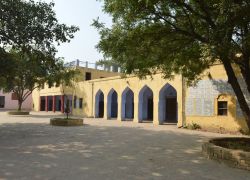
Archaeological Museum of Gurukul
The Archaeological Museum of Gurukul, located in the historic Gurukul area of Jhajjar, Haryana, is a fascinating destination for history enthusiasts and those interested in ancient Indian culture. This museum is dedicated to showcasing the rich archaeological heritage of Haryana, displaying artifacts that highlight the region's ancient civilizations and their contributions to Indian culture. The museum serves as an educational hub, preserving and displaying a wide range of artifacts, sculptures, inscriptions, and pottery that date back to various historical periods, including the Vedic, Mauryan, and Gupta eras. It offers a unique opportunity for visitors to explore the cultural, religious, and historical developments of the region. Why is the Archaeological Museum of Gurukul Famous? The Archaeological Museum of Gurukul is famous for: • Exhibiting rare artifacts from ancient Indian civilizations. • Providing insights into the region's historical and cultural evolution. • Displaying sculptures, inscriptions, and pottery from Vedic and Mauryan periods. • Offering educational and informative tours for students and history lovers. • Preserving the archaeological legacy of Haryana and North India. It is one of the most prominent places to visit for anyone interested in archaeology and ancient history in Haryana. History of the Archaeological Museum of Gurukul The Archaeological Museum of Gurukul was established to preserve and promote the archaeological wealth of Haryana, especially in the Gurukul region. The museum is part of a larger initiative to promote the understanding of ancient Indian history and culture through tangible evidence. The artifacts housed here were excavated from various archaeological sites in Haryana and surrounding areas. Over the years, the museum has become a significant educational resource for scholars, students, and tourists alike, helping them connect with the ancient history of India. The museum also plays an important role in the conservation and restoration of ancient relics, ensuring that future generations can learn from them. Architecture and Design of the Museum The museum’s architecture blends traditional and modern styles, with its structure designed to provide a conducive environment for the display of artifacts while also ensuring the preservation of these invaluable objects. The museum features: • Spacious exhibition halls • Display cases for artifacts, pottery, and sculptures • Informative plaques and description panels • Dedicated sections for different historical periods and cultures • Art galleries showcasing ancient sculptures and artwork The design of the museum ensures that visitors can experience the exhibits in a spacious, informative, and engaging manner. Weather at the Archaeological Museum of Gurukul Summer (April to June): 30°C to 40°C. The museum is indoors, making it a comfortable visit during hot months. Monsoon (July to September): 25°C to 35°C. The museum can be a great indoor escape during the rainy season. Winter (October to February): 10°C to 20°C, ideal for visiting the museum, with pleasant temperatures. The best time to visit the museum is during the winter months (October to February), when the weather is cooler and comfortable for exploring. Archaeological Museum of Gurukul Timings Opening Time: 9:00 AM Closing Time: 5:00 PM The museum is typically closed on Mondays and national holidays. It is advisable to confirm timings before planning a visit. Entry Fee and Visit Details Entry Fee: The entry fee to the museum is usually nominal, with discounts available for students, senior citizens, and groups. Photography: Photography is allowed in certain areas, but some exhibits may have restrictions. Parking: Ample parking space is available for visitors. Suggested Visit Duration: 1 to 2 hours, depending on your level of interest and participation in guided tours. How to Reach the Archaeological Museum of Gurukul, Jhajjar, Haryana By Air The nearest airport is Indira Gandhi International Airport, Delhi, approximately 65 km away from the museum. By Train The nearest railway station is Jhajjar Railway Station, located about 10 km from the museum. By Road The museum is easily accessible by road from nearby cities such as Jhajjar, Rohtak, and Delhi. Distance from nearby cities: • Jhajjar – 10 km • Rohtak – 40 km • Delhi – 65 km Private vehicles, taxis, and buses are available for visitors traveling to the museum. Things to Do at the Archaeological Museum of Gurukul 1. Explore Ancient Artifacts Visit the various exhibits to view artifacts, pottery, and sculptures from ancient civilizations. 2. Participate in Guided Tours Join a guided tour to get deeper insights into the artifacts and historical significance of the items on display. 3. Learn About Ancient History The museum offers an excellent opportunity to learn about ancient Indian history, with detailed explanations of the exhibits. 4. Photography Capture the beauty of the museum's artifacts and architectural design (where permitted). Interesting Facts About the Archaeological Museum of Gurukul • The museum showcases artifacts dating back to the Vedic, Mauryan, and Gupta periods. • Many items were excavated from nearby archaeological sites in Haryana. • The museum plays a significant role in preserving and promoting Haryana’s cultural heritage. • It is a key destination for students and researchers interested in ancient Indian history. Travel Tips for Visitors Useful travel tips: • Wear comfortable shoes for walking around the museum's large exhibit halls. • Bring a notebook or camera to record key information about the artifacts. • Respect the rules for photography, especially in restricted areas. • Take a guided tour to enhance your understanding of the exhibits. • Carry water and snacks, as the museum does not have extensive food facilities. Nearby Attractions While visiting the Archaeological Museum of Gurukul, you can also explore nearby attractions such as: • Bhindawas Wildlife Sanctuary • Sultanpur National Park • Joygaon Picnic Park • Pratapgarh Farms Conclusion The Archaeological Museum of Gurukul is a must-visit destination for history buffs, students, and anyone interested in exploring the ancient heritage of Haryana and India. The museum offers a captivating glimpse into the region’s past, preserving priceless artifacts that showcase the cultural richness of ancient civilizations. Whether you are a scholar, a tourist, or someone interested in Indian history, the museum provides a fascinating and educational experience that connects visitors to the ancient world.
Explore More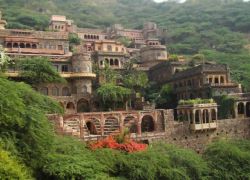
Kamboj Ruins is one of the lesser-known historical attractions located in Sohna, Haryana. Surrounded by the scenic Aravalli hills and peaceful natural landscapes, these ruins attract history lovers, photographers, explorers, and travelers looking for offbeat places near Gurugram and Delhi. The site reflects traces of ancient settlements, old architectural remains, and regional heritage connected to the historical communities that once lived in this region. Kamboj Ruins may not be as famous as major forts or monuments, but its historical atmosphere and mysterious remains make it an interesting destination for visitors who enjoy exploring forgotten heritage sites. Why is Kamboj Ruins Famous? Kamboj Ruins is famous for its ancient remains, old stone structures, and cultural significance in the Sohna region. The site is believed to have connections with early settlements and communities that once occupied this area. Visitors are drawn to Kamboj Ruins because of: • Historical importance: The ruins offer a glimpse into older architectural styles and settlement patterns. • Peaceful location: Away from city noise, the site is ideal for quiet exploration. • Photography opportunities: Broken walls, stone remains, and surrounding landscapes create beautiful photography spots. • Heritage value: The ruins are part of Sohna’s hidden cultural attractions. History of Kamboj Ruins The history of Kamboj Ruins is linked to the old settlements in and around Sohna. Historical accounts suggest that this region was once inhabited by ancient communities and local rulers due to its strategic location near the Aravalli hills and trade routes. The ruins are believed to represent remains of old residential or defense-related structures used by earlier inhabitants. Over time, due to natural decay, lack of preservation, and changing settlements, much of the original architecture collapsed, leaving behind stone fragments and structural remains. Though limited official historical documentation is available, local stories and heritage enthusiasts consider Kamboj Ruins an important reminder of the region’s historical roots. Architecture of Kamboj Ruins The architecture of Kamboj Ruins is simple yet historically interesting. Since much of the site is in ruined condition, only portions of the original construction remain visible. Main architectural features include: • Stone walls: Thick stone blocks and partially standing walls. • Old foundations: Base structures indicating ancient buildings or enclosures. • Traditional construction: Use of locally available stone and basic building methods. • Open layouts: Spread-out remains suggesting settlement or courtyard-style spaces. The rugged appearance of the ruins gives the site a historic and mysterious feel. How to Reach Kamboj Ruins, Sohna, Haryana By Air: Nearest airport is Indira Gandhi International Airport, Delhi, approximately 45-50 km away from Sohna. Taxis and cabs are easily available. By Train: Nearest railway station is Gurugram Railway Station, located around 25-30 km from Sohna. By Road: Sohna is well connected by roads to Gurugram, Delhi, Faridabad, and other nearby cities. Approximate distances: • Gurugram: 24 km • Delhi: 55 km • Faridabad: 35 km Visitors can travel by private vehicle, taxi, or local transport to Sohna and then reach the ruins through local roads. Weather at Kamboj Ruins Summer (April to June): Temperature ranges between 30°C to 42°C. The weather can be very hot during the daytime. Monsoon (July to September): Moderate rainfall and pleasant greenery around the ruins. Winter (October to February): Best season to visit with temperatures between 8°C to 24°C. Best time to visit: October to March. Kamboj Ruins Timings Opening Time: 7:00 AM Closing Time: 6:00 PM The site is generally open during daylight hours as it is an outdoor historical location. Best visiting hours: Morning or late afternoon. Entry Fee and Visit Details Entry Fee: Free No official ticket is generally required to visit Kamboj Ruins. Average Visit Duration: 1 to 2 hours This destination is suitable for: • History enthusiasts • Solo travelers • Photographers • Weekend explorers • Students and researchers Things to Do at Kamboj Ruins 1. Explore Ancient Structures Walk around the ruins and observe old walls, foundations, and stone remains. 2. Photography Capture unique ruin landscapes and natural surroundings. 3. Heritage Walk Enjoy a peaceful historical walk through the site. 4. Nature Viewing The surrounding Sohna area offers scenic Aravalli landscapes. 5. Visit Nearby Attractions Explore Sohna Hot Springs, Sohna Hill Fort, and Damdama Lake. Interesting Facts About Kamboj Ruins • Kamboj Ruins is one of Sohna’s hidden heritage locations. • The site is popular among local explorers and photographers. • The ruins are surrounded by natural beauty and Aravalli hills. • It remains relatively unexplored compared to major monuments. • The site gives insight into the historical settlement patterns of the region. Travel Tips for Visiting Kamboj Ruins • Wear comfortable walking shoes as the ground may be uneven. • Carry drinking water, especially during warm weather. • Visit in daylight only for safety and better exploration. • Carry a camera for photography opportunities. • Avoid touching or damaging ruins to preserve heritage. • Do not litter and help keep the site clean. Conclusion Kamboj Ruins in Sohna, Haryana, is a peaceful and historically interesting place for travelers who enjoy offbeat destinations. While it may not be a fully developed tourist site, its old architectural remains, quiet atmosphere, and historical mystery make it worth visiting. If you are planning a short heritage trip near Gurugram or Delhi, Kamboj Ruins, Sohna offers a unique opportunity to explore forgotten history while enjoying the natural beauty of Haryana’s Aravalli region.
Explore More
Vintage Car Rally in Sohna, Haryana is a unique event that attracts automobile lovers, photography enthusiasts, tourists, and families from across Delhi NCR and nearby regions. Known for showcasing beautifully maintained classic cars, heritage vehicles, and retro automobiles, this rally has become one of the most exciting attractions for people interested in automotive history and vintage lifestyle culture. Held in the scenic surroundings of Sohna and nearby Aravalli roads, the Vintage Car Rally combines history, elegance, and adventure. Visitors get the opportunity to witness rare vintage cars, interact with collectors, and enjoy a memorable day trip near Gurugram. Why is Vintage Car Rally Famous? The Vintage Car Rally is famous for displaying rare and classic automobiles, many of which are decades old and beautifully restored by collectors. These cars represent automotive heritage from different eras and are often maintained in original condition. Main reasons behind its popularity include: • Rare classic cars: Visitors can see vintage models that are not commonly found on roads today. • Automobile heritage: The rally celebrates the history of automotive engineering and design. • Scenic route: Cars often drive through the beautiful Sohna roads and Aravalli surroundings. • Photography attraction: Excellent opportunity to capture retro vehicles and stylish presentations. • Family-friendly event: Suitable for all age groups. History of Vintage Car Rally in Sohna The culture of vintage car rallies in India has been popular for many years, especially in metropolitan cities like Delhi. Over time, nearby destinations such as Sohna became preferred locations for these rallies because of their open roads, pleasant surroundings, and easy accessibility from Delhi NCR. Vintage car owners and automobile clubs organize rallies to preserve and promote automotive heritage. These events also encourage younger generations to appreciate historical vehicle design and engineering. Sohna’s peaceful roads and scenic landscapes make it an excellent route for showcasing classic vehicles in motion. Architecture and Event Setup Since Vintage Car Rally is an event rather than a permanent monument, there is no fixed architecture. However, the rally often includes attractive event arrangements and display areas. Common setup features include: • Display zones: Dedicated parking areas where vintage cars are showcased. • Open rally route: Cars travel through scenic roads around Sohna. • Event banners and registration counters: For participants and visitors. • Photography points: Designated spaces for capturing vehicles. • Food and refreshment stalls: Available during larger events. How to Reach Vintage Car Rally, Sohna, Haryana By Air: Nearest airport is Indira Gandhi International Airport, Delhi, around 45 km away. By Train: Nearest railway station is Gurugram Railway Station, approximately 25-30 km away. By Road: Sohna is easily accessible via Gurugram-Sohna Road and NH-248A. Distance from major cities: • Gurugram: 24 km • Delhi: 55 km • Faridabad: 35 km Visitors can travel by private vehicle, cab, or bus to reach Sohna. Weather During Vintage Car Rally Summer (April to June): Temperature ranges from 30°C to 42°C. Hot weather may reduce outdoor comfort. Monsoon (July to September): Moderate rainfall and pleasant greenery. Winter (October to February): Best season for the rally with temperatures between 8°C to 24°C. Best time to attend: October to March. Vintage Car Rally Timings Timings may vary depending on the event organizer and date. Typical Event Timing: 9:00 AM to 4:00 PM Best time to visit: Morning hours for better crowd management and photography. Entry Fee and Visit Details Entry Fee: Usually free for general visitors, though some premium events may require registration or passes. Visit Duration: 2 to 4 hours depending on event activities. Suitable for: • Families • Automobile enthusiasts • Photography lovers • Tourists • Students Things to Do at Vintage Car Rally 1. View Classic Cars Explore beautifully restored vintage cars from different eras. 2. Photography Capture stylish cars, retro designs, and scenic rally moments. 3. Meet Car Collectors Interact with automobile enthusiasts and learn about restoration. 4. Enjoy Scenic Drive Atmosphere Watch vintage vehicles moving through Sohna roads. 5. Family Outing Enjoy a unique weekend activity with family and friends. Interesting Facts About Vintage Car Rally • The event attracts participants from Delhi NCR and other nearby regions. • Some showcased cars are several decades old. • Many vehicles are maintained with original designs and parts. • Sohna is chosen for its scenic routes and proximity to Delhi. • The event promotes awareness about automobile history. Travel Tips for Visiting Vintage Car Rally • Check event dates in advance before planning your trip. • Arrive early to avoid crowds and parking issues. • Carry camera or smartphone for photography. • Wear comfortable clothing for outdoor movement. • Carry water and sunscreen if visiting during warm weather. • Follow event rules and avoid touching displayed cars without permission. Nearby Attractions in Sohna After attending the Vintage Car Rally, visitors can explore nearby attractions such as: • Sohna Hot Springs • Damdama Lake • Sohna Hill Fort • Shiva Temple Sohna Conclusion The Vintage Car Rally, Sohna, Haryana is an exciting attraction for anyone who loves classic automobiles, photography, and unique outdoor events. Combining heritage vehicles, scenic routes, and a lively atmosphere, this rally offers a memorable experience for visitors of all ages. If you are looking for a different weekend activity near Delhi NCR, attending the Vintage Car Rally in Sohna can be an enjoyable and refreshing outing.
Explore More
Kurukshetra is a sacred city located in the state of Haryana, India. It holds great significance in Hindu mythology as the battlefield where the epic battle of Mahabharata took place. The city is dotted with numerous historical and religious sites that attract pilgrims and history enthusiasts from all over the world. Timings Of Kurukshetra The timings of Kurukshetra may vary depending on the specific attractions you wish to visit. However, generally, the city is open for visitors from early morning until evening. It is advisable to check the timings of individual sites before planning your visit. Entry Fee Entry fees to various sites in Kurukshetra may vary. Some places may have no entry fee, while others may charge a nominal fee for entry. It is recommended to check the entry fee for specific attractions before visiting. Required Time And Restricted Items The amount of time required to explore Kurukshetra fully depends on the places you wish to visit. It is advisable to allocate at least a day to cover the major attractions. Some sites may have restrictions on photography, smoking, and consumption of alcohol. It is essential to adhere to the rules and regulations of each site. Architecture Of Kurukshetra Kurukshetra boasts a blend of architectural styles ranging from ancient temples to modern structures. The city's architecture reflects its rich cultural heritage and historical significance. Visitors can marvel at the intricate carvings and designs that adorn the various monuments and temples in Kurukshetra. Best Time To Visit The best time to visit Kurukshetra is during the winter months of October to March when the weather is pleasant and suitable for sightseeing. However, the city can be visited throughout the year, with each season offering a unique experience to visitors. How To Reach Kurukshetra is well-connected by road and rail networks. The nearest airport is in Chandigarh, which is approximately 90 kilometers away. Visitors can also reach Kurukshetra by train, as the city has its railway station. Additionally, buses and taxis are readily available for local transportation. History Of Kurukshetra Kurukshetra holds immense historical significance as the battlefield of the epic Mahabharata war. The city has witnessed various dynasties and rulers over the centuries, contributing to its rich cultural heritage. Numerous archaeological sites in Kurukshetra offer a glimpse into its illustrious past. Inside Kurukshetra Inside Kurukshetra, visitors can explore a plethora of attractions such as the famous Brahma Sarovar, Jyotisar, Sannihit Sarovar, and Kurukshetra Panorama and Science Centre. Each site has its unique story and significance, making Kurukshetra a treasure trove of ancient history and mythology. Traveling Tips When visiting Kurukshetra, it is advisable to wear comfortable clothing and footwear as you may need to walk long distances to explore the various attractions. Carry sufficient drinking water and sunscreen to protect yourself from the sun. Additionally, it is recommended that the religious sentiments of the locals be respected and decorum maintained at sacred sites. Hotels Near Kurukshetra Several hotels near Kurukshetra offer comfortable accommodations to visitors. Some of the popular hotels in the vicinity include Hotel Pearl Marc, Hotel 9th Planet, and Hotel Leverage. These hotels provide a range of amenities and services to ensure a pleasant stay for guests. Nearby Tourist Spots Of Kurukshetra There are several nearby tourist spots that visitors can explore while in Kurukshetra. Some of the must-visit places include the historic town of Panipat, the revered city of Karnal, and the scenic Brahma Sarovar in Kurukshetra. Each of these destinations offers a unique experience and adds to the charm of your trip to Kurukshetra.
Explore MoreKinnaur - Kalpa Your
10 Days/ 9 Night
Howrah - Ambala - Narkanda - Sarahan - Sangla - Kalpa - Kalka - Rampur
Lahul Spiti Tour 2026
14 Days/ 13 Night
Howrah - Ambala - Shimla - Sarahan - Sangla - Kalpa - Kaza - Tabo - Manali - Kinnaur
Shimla - Kullu - Manali Tour 2026
11 Days/ 10 Night
Howrah - Ambala - Shimla - Kullu - Manali
4 Night - 5 Day Tour Of Haryana
5 Days/ 4 Night
Gurgaon - Kurukshetra - Panchkula
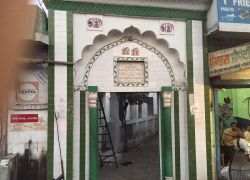
Krishna Museum is one of the most popular cultural and educational attractions in Kurukshetra, Haryana. Dedicated to the life, teachings, and legacy of Lord Krishna, this museum offers visitors a unique opportunity to explore ancient Indian art, mythology, archaeology, and history under one roof. Located in the sacred city of Kurukshetra, the museum is a must-visit place for devotees, students, historians, and tourists. The museum beautifully presents the story of Lord Krishna through paintings, sculptures, manuscripts, archaeological objects, multimedia displays, and thematic galleries. Since Kurukshetra is closely linked with the Mahabharata and Bhagavad Gita, Krishna Museum holds special significance in this holy city. Why is Krishna Museum Famous? Krishna Museum is famous for preserving and showcasing artifacts related to Lord Krishna, Mahabharata traditions, and Indian cultural heritage. Main reasons why Krishna Museum is famous: • Lord Krishna theme: Entire museum is dedicated to Krishna’s life and teachings. • Rare artifacts: Houses ancient sculptures, paintings, and manuscripts. • Educational value: Great place for students and history enthusiasts. • Mahabharata connection: Located in Kurukshetra, the land of the Bhagavad Gita. • Cultural exhibitions: Displays traditional Indian art and heritage. History of Krishna Museum Krishna Museum was established by the Haryana Government in 1987 to preserve and promote the cultural, spiritual, and artistic heritage related to Lord Krishna. The museum was created to provide visitors with a better understanding of Krishna’s role in Indian mythology, especially his connection with the Mahabharata and Bhagavad Gita. Over time, the museum expanded its galleries and collections by adding sculptures, miniature paintings, manuscripts, and archaeological exhibits from different regions of India. Today, Krishna Museum is one of the leading cultural attractions in Kurukshetra and an important educational institution. Architecture of Krishna Museum The architecture of Krishna Museum is modern, spacious, and visitor-friendly while maintaining cultural aesthetics. Main architectural highlights include: • Multi-gallery structure: Different sections organized by themes and exhibits. • Spacious halls: Comfortable viewing areas for visitors. • Open courtyard: Decorative outdoor spaces. • Sculpture displays: Indoor and outdoor installations. • Thematic layout: Exhibits arranged chronologically and conceptually. The museum complex is clean, organized, and suitable for families and groups. How to Reach Krishna Museum, Kurukshetra By Air: Nearest airport is Chandigarh International Airport, around 90 km away. Delhi airport is another option. By Train: Nearest railway station is Kurukshetra Junction Railway Station, approximately 5 km away. By Road: Kurukshetra is well connected by road to Delhi, Chandigarh, Karnal, and Ambala. Approximate distances: • Delhi: 160 km • Chandigarh: 90 km • Karnal: 40 km Visitors can easily hire taxis, autos, or local transport from the railway station and bus stand. Weather at Krishna Museum Summer (April to June): Temperature ranges from 30°C to 43°C. Indoor museum visit remains manageable. Monsoon (July to September): Moderate rainfall and pleasant weather. Winter (October to February): Best season to visit with temperatures ranging from 7°C to 24°C. Best time to visit: October to March. Krishna Museum Timings Opening Time: 10:00 AM Closing Time: 4:00 PM Closed on: Mondays and government holidays (may vary). Best visiting hours: Morning or afternoon. Entry Fee and Visit Details Entry Fee: Adults: Minimal entry fee may apply Children: Discounted or free (subject to change) Average Visit Duration: 1 to 2 hours Suitable for: • Families • Students • Devotees • Historians • Tourists Things to Do at Krishna Museum 1. Explore Galleries View exhibits related to Lord Krishna and Mahabharata. 2. Study Artifacts Observe sculptures, coins, paintings, and manuscripts. 3. Photography Capture exterior architecture and permitted areas. 4. Educational Visit Learn about Indian mythology and cultural history. 5. Visit Nearby Attractions Combine museum visit with other Kurukshetra attractions. Interesting Facts About Krishna Museum • Established in 1987 by Haryana Government. • Dedicated entirely to Lord Krishna and related heritage. • Houses artifacts from various Indian states. • Located in the sacred city of Kurukshetra. • Popular among school and college groups. Travel Tips for Visiting Krishna Museum • Check opening days before visiting. • Spend enough time in galleries for a complete experience. • Maintain silence and museum discipline. • Follow photography rules. • Visit during winter for better sightseeing conditions. • Combine with nearby attractions for a full day trip. Nearby Attractions in Kurukshetra • Brahma Sarovar • Sannihit Sarovar • Jyotisar • Bhadrakali Temple Conclusion Krishna Museum, Kurukshetra is an excellent destination for anyone interested in Indian mythology, Lord Krishna, history, and art. Its rich collection of artifacts, educational displays, and cultural significance make it one of the best museums in Haryana. Whether you are a student, devotee, or tourist, Krishna Museum offers a meaningful and informative experience in the historic city of Kurukshetra.
Explore More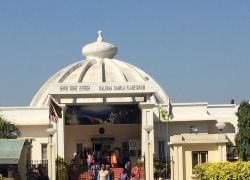
Kalpana Chawla Memorial Planetarium
Kalpana Chawla Memorial Planetarium is one of the most interesting educational and tourist attractions in Kurukshetra, Haryana. Dedicated to honoring the life and achievements of astronaut Kalpana Chawla, the first woman of Indian origin to travel to space, this planetarium is a popular destination for students, science enthusiasts, families, and tourists. Located in the historic city of Kurukshetra, the planetarium offers visitors an exciting opportunity to learn about astronomy, space science, planets, stars, satellites, and the universe through interactive exhibits, sky shows, and educational displays. The attraction is not only a memorial to Kalpana Chawla’s inspiring journey but also an important science education center in Haryana. Why is Kalpana Chawla Memorial Planetarium Famous? The planetarium is famous for being dedicated to Kalpana Chawla, who inspired millions with her achievements in space exploration. Main reasons why the planetarium is famous: • Tribute to Kalpana Chawla: Celebrates her life, career, and achievements. • Astronomy education: Offers knowledge about planets, stars, galaxies, and space missions. • Interactive exhibits: Engaging displays for students and visitors. • Sky shows: Popular planetarium shows about the universe. • Family attraction: Educational and entertaining for all age groups. History of Kalpana Chawla Memorial Planetarium The Kalpana Chawla Memorial Planetarium was established by the Haryana Government to honor the memory of Kalpana Chawla after her tragic death in the Space Shuttle Columbia disaster in 2003. Kalpana Chawla was born in Karnal, Haryana, and became a global inspiration for aspiring scientists, engineers, and astronauts. The planetarium was built as a tribute to her legacy and as a center for science education. Since its opening, it has become an important educational landmark in Haryana. Architecture of Kalpana Chawla Memorial Planetarium The planetarium features modern educational architecture with a functional design suitable for science exhibitions and visitor engagement. Main architectural highlights include: • Dome-shaped theater: Special dome for astronomy and sky shows. • Exhibition halls: Indoor galleries featuring science displays. • Spacious campus: Open and well-maintained surroundings. • Interactive learning zones: Science models and exhibits. • Memorial displays: Information related to Kalpana Chawla. The building is designed to create an immersive learning experience. How to Reach Kalpana Chawla Memorial Planetarium, Kurukshetra By Air: Nearest airport is Chandigarh International Airport, approximately 90 km away. By Train: Nearest railway station is Kurukshetra Junction Railway Station, around 5 km away. By Road: Kurukshetra is well connected by road to Delhi, Chandigarh, Karnal, and Ambala. Approximate distances: • Delhi: 160 km • Chandigarh: 90 km • Karnal: 40 km Visitors can take local taxis, autos, or buses to reach the planetarium. Weather at Kalpana Chawla Memorial Planetarium Summer (April to June): Temperature ranges between 30°C to 43°C. Indoor exhibits make summer visits manageable. Monsoon (July to September): Pleasant weather with moderate rainfall. Winter (October to February): Best season to visit with temperatures ranging from 7°C to 24°C. Best time to visit: October to March. Kalpana Chawla Memorial Planetarium Timings Opening Time: 10:00 AM Closing Time: 5:00 PM Closed on: Mondays and public holidays (may vary). Best visiting hours: Morning or early afternoon. Entry Fee and Visit Details Entry Fee: A nominal ticket fee may apply for entry and planetarium shows. Average Visit Duration: 2 to 3 hours Suitable for: • Families • Students • Science enthusiasts • School groups • Tourists Things to Do at Kalpana Chawla Memorial Planetarium 1. Watch Sky Shows Enjoy astronomy and universe-based dome presentations. 2. Explore Exhibits Learn about planets, satellites, stars, and space science. 3. Visit Kalpana Chawla Gallery Understand her inspiring journey and achievements. 4. Educational Tour Great learning experience for children and students. 5. Photography Capture the building exterior and campus. Interesting Facts About Kalpana Chawla Memorial Planetarium • Dedicated to India-born astronaut Kalpana Chawla. • Promotes astronomy awareness in Haryana. • Features dome theater for sky simulation shows. • Popular destination for school educational trips. • Combines science learning with memorial tribute. Travel Tips for Visiting Kalpana Chawla Memorial Planetarium • Check show timings before visiting. • Visit during weekdays for less crowd. • Carry student ID if discounts are available. • Spend enough time in exhibits. • Follow photography rules inside. • Combine visit with nearby attractions in Kurukshetra. Nearby Attractions in Kurukshetra • Krishna Museum • Brahma Sarovar • Sannihit Sarovar • Jyotisar Conclusion Kalpana Chawla Memorial Planetarium, Kurukshetra is a perfect destination for science lovers, students, and families looking for an educational yet enjoyable experience. Its tribute to Kalpana Chawla, interactive exhibits, and astronomy programs make it one of Haryana’s top science attractions. If you are visiting Kurukshetra, this planetarium offers a refreshing break from religious tourism while inspiring visitors through science and space exploration.
Explore More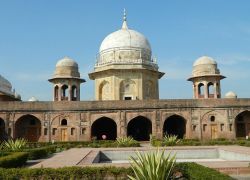
Sheikh Chilli's Tomb is one of the most famous historical monuments in Kurukshetra, Haryana. Known for its beautiful Mughal architecture, peaceful gardens, and historical significance, this monument attracts tourists, history lovers, photographers, and students from different parts of India. The tomb is often associated with the legendary character Sheikh Chilli, a popular figure in Indian folklore, though the actual historical connection is different. Located near Thanesar in Kurukshetra, Sheikh Chilli's Tomb is a protected monument maintained by the Archaeological Survey of India. The complex includes a mausoleum, mosque, museum, gardens, and archaeological remains, making it one of the most important heritage sites in Haryana. Why is Sheikh Chilli's Tomb Famous? Sheikh Chilli's Tomb is famous for its stunning Persian-influenced Mughal architecture and historical importance. Main reasons why Sheikh Chilli's Tomb is famous: • Beautiful Mughal design: Features elegant domes, arches, and marble work. • Historical significance: Tomb of Sufi saint Sheikh Chehli. • Photography attraction: Popular for architecture and garden photography. • Museum complex: Includes archaeological artifacts and historical exhibits. • Folklore popularity: Associated with the famous comic folk character Sheikh Chilli. History of Sheikh Chilli's Tomb The tomb was built in memory of Sheikh Abd-ur-Rahim, popularly known as Sheikh Chehli or Sheikh Chilli, a respected Sufi saint and spiritual teacher. He was believed to be the mentor of Mughal prince Dara Shikoh, the eldest son of Emperor Shah Jahan. The monument was constructed during the Mughal period in the 17th century. Its architecture reflects Persian and Mughal influences that were highly popular during that era. Over time, the site became associated with the humorous folk character Sheikh Chilli, which increased its popularity among visitors. Architecture of Sheikh Chilli's Tomb The architecture of Sheikh Chilli's Tomb is one of its main highlights. The monument showcases classic Mughal design combined with Persian elements. Main architectural features include: • White marble dome: Elegant dome visible from a distance. • Red sandstone structures: Traditional Mughal construction material. • Arched gateways: Decorative entrance arches. • Charbagh gardens: Symmetrical Mughal-style gardens. • Mosque: Beautiful mosque inside the complex. • Museum: Houses archaeological findings and artifacts. The entire complex is aesthetically pleasing and historically rich. How to Reach Sheikh Chilli's Tomb, Kurukshetra By Air: Nearest airport is Chandigarh International Airport, approximately 90 km away. By Train: Nearest railway station is Kurukshetra Junction Railway Station, around 4 km from the tomb. By Road: Kurukshetra is well connected by highways and roads to major cities. Approximate distances: • Delhi: 160 km • Chandigarh: 90 km • Karnal: 40 km Visitors can hire taxis, autos, or local transport from the station and bus stand. Weather at Sheikh Chilli's Tomb Summer (April to June): Temperature ranges between 30°C to 43°C. Hot afternoons should be avoided. Monsoon (July to September): Pleasant weather with greenery around the monument. Winter (October to February): Best time to visit with temperatures ranging from 7°C to 24°C. Best time to visit: October to March. Sheikh Chilli's Tomb Timings Opening Time: 9:00 AM Closing Time: 5:00 PM The monument is open on most days. Best visiting hours: Morning or late afternoon. Entry Fee and Visit Details Entry Fee: Nominal ticket charges may apply for Indian and foreign visitors. Average Visit Duration: 1 to 2 hours Suitable for: • Families • History enthusiasts • Students • Photographers • Tourists Things to Do at Sheikh Chilli's Tomb 1. Explore the Tomb Admire Mughal architecture and historical details. 2. Visit the Museum See archaeological artifacts and historical displays. 3. Photography Capture architecture, domes, gardens, and arches. 4. Relax in Gardens Enjoy peaceful surroundings and landscaped areas. 5. Heritage Learning Learn about Mughal history and Sufi traditions. Interesting Facts About Sheikh Chilli's Tomb • Built during the Mughal era in the 17th century. • Dedicated to Sufi saint Sheikh Abd-ur-Rahim. • Associated with Mughal prince Dara Shikoh. • Maintained by Archaeological Survey of India. • One of Haryana’s finest Mughal monuments. Travel Tips for Visiting Sheikh Chilli's Tomb • Visit during winter or pleasant weather. • Carry a camera for photography. • Wear comfortable footwear for walking around the complex. • Maintain cleanliness inside the heritage site. • Check ticket prices and timings before visiting. • Spend time in the museum for a complete experience. Nearby Attractions in Kurukshetra • Krishna Museum • Brahma Sarovar • Sannihit Sarovar • Bhadrakali Temple Conclusion Sheikh Chilli's Tomb, Kurukshetra is an excellent destination for travelers interested in architecture, Mughal history, and heritage tourism. Its elegant tomb structure, peaceful gardens, and museum make it one of the best places to visit in Kurukshetra. Whether you are a photographer, history enthusiast, or casual traveler, Sheikh Chilli's Tomb offers a memorable cultural experience in Haryana.
Explore More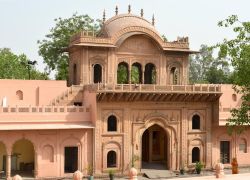
Raja Nahar Singh Palace, also known as Ballabhgarh Fort Palace, is one of the most significant historical attractions in Faridabad, Haryana. This beautiful heritage monument is famous for its grand architecture, royal history, cultural importance, and connection with Raja Nahar Singh, a prominent ruler and freedom fighter during the Indian Rebellion of 1857. Located in Ballabhgarh, near Faridabad, the palace attracts tourists, history lovers, architecture enthusiasts, and photographers. With its majestic courtyards, decorative interiors, and Mughal-Rajput style design, Raja Nahar Singh Palace offers visitors a glimpse into Haryana’s royal past. Why is Raja Nahar Singh Palace Famous? Raja Nahar Singh Palace is famous for its historical significance, royal architecture, and association with Raja Nahar Singh, who played an important role in India’s freedom struggle. Main reasons why Raja Nahar Singh Palace is famous: • Historical importance: Linked to the Revolt of 1857. • Heritage architecture: Beautiful blend of Mughal and Rajput styles. • Royal palace complex: Elegant halls, courtyards, and balconies. • Cultural events: Venue for fairs, festivals, and tourism events. • Photography attraction: Popular for architectural photography. History of Raja Nahar Singh Palace The history of Raja Nahar Singh Palace dates back to the 18th century when it was built by the rulers of Ballabhgarh. The palace later became associated with Raja Nahar Singh, the last king of Ballabhgarh, who was a courageous leader and freedom fighter. Raja Nahar Singh supported the Indian uprising against British rule during the Revolt of 1857. After the rebellion, he was captured by the British and executed in Delhi. The palace remains an important symbol of Haryana’s royal and patriotic heritage. It has since been preserved as a heritage tourism site. Architecture of Raja Nahar Singh Palace The palace is admired for its elegant and symmetrical architectural design. Main architectural highlights include: • Grand entrance gates: Traditional fortified palace entrance. • Central courtyard: Spacious open courtyard inside the complex. • Arched corridors: Beautiful Mughal-style arches. • Decorative balconies: Traditional jharokhas and viewing areas. • Frescoes and interiors: Decorative artwork in some sections. • Heritage rooms: Royal chambers and ceremonial halls. The architecture reflects a combination of Rajput, Mughal, and regional styles. How to Reach Raja Nahar Singh Palace, Faridabad By Air: Nearest airport is Indira Gandhi International Airport, Delhi, approximately 45 km away. By Train: Nearest railway station is Ballabhgarh Railway Station, located around 2 km from the palace. By Metro: Nearest metro station is Raja Nahar Singh (Ballabhgarh) Metro Station. By Road: Faridabad and Ballabhgarh are well connected to Delhi, Gurugram, and Noida. Approximate distances: • Delhi: 35 km • Gurugram: 38 km • Noida: 32 km Visitors can easily access the palace via taxi, metro, auto-rickshaw, or private vehicle. Weather at Raja Nahar Singh Palace Summer (April to June): Temperature ranges between 30°C to 44°C. Hot weather during afternoons. Monsoon (July to September): Moderate rainfall and pleasant surroundings. Winter (October to February): Best time to visit with temperatures ranging from 8°C to 24°C. Best time to visit: October to March. Raja Nahar Singh Palace Timings Opening Time: 10:00 AM Closing Time: 5:00 PM Timings may vary during events or maintenance. Best visiting hours: Morning or afternoon. Entry Fee and Visit Details Entry Fee: Nominal entry charges may apply. Average Visit Duration: 1 to 2 hours Suitable for: • Families • History lovers • Students • Photographers • Tourists Things to Do at Raja Nahar Singh Palace 1. Explore Palace Interiors Walk through royal halls and heritage spaces. 2. Photography Capture palace architecture, arches, and courtyards. 3. Learn History Understand the story of Raja Nahar Singh and 1857 revolt. 4. Attend Cultural Events Enjoy fairs and exhibitions when आयोजित. 5. Heritage Walk Explore palace surroundings and architecture in detail. Interesting Facts About Raja Nahar Singh Palace • Also known as Ballabhgarh Fort Palace. • Associated with Revolt of 1857. • Named after freedom fighter Raja Nahar Singh. • Connected to Delhi Metro through station of same name. • Popular heritage venue in Haryana. Travel Tips for Visiting Raja Nahar Singh Palace • Visit during winter or pleasant weather. • Carry camera for photography. • Wear comfortable shoes for walking. • Check current timings before visiting. • Respect heritage property and avoid damage. • Combine with nearby Faridabad attractions. Nearby Attractions in Faridabad • Surajkund Lake • Badkhal Lake • ISKCON Faridabad • Town Park Faridabad Conclusion Raja Nahar Singh Palace, Faridabad is an important heritage attraction that beautifully combines royal architecture, Indian history, and cultural significance. Its connection with Raja Nahar Singh and the Revolt of 1857 makes it a meaningful destination for history enthusiasts and tourists. Whether you are interested in architecture, photography, or heritage tourism, Raja Nahar Singh Palace offers an enriching experience in Haryana.
Explore More
Baba Farid’s Tomb is an important spiritual and historical site located in Faridabad, Haryana. The place is associated with the revered Sufi saint Baba Fariduddin Ganjshakar, one of the most respected saints in South Asian Sufi tradition. Although Baba Farid is most strongly associated with Pakpattan in present-day Pakistan, local traditions in the Faridabad region also connect the city’s name and heritage with his spiritual influence. This site attracts devotees, spiritual seekers, history lovers, and tourists who are interested in Sufi culture, peaceful religious places, and local heritage. The tomb area offers a calm atmosphere for prayer, reflection, and cultural exploration. Why is Baba Farid’s Tomb Famous? Baba Farid’s Tomb is famous for its spiritual importance and association with the teachings of Baba Farid, known for peace, humility, devotion, and humanity. Main reasons why Baba Farid’s Tomb is famous: • Spiritual significance: Associated with a highly respected Sufi saint. • Religious importance: Popular among devotees of different communities. • Peaceful atmosphere: Ideal for meditation and prayer. • Heritage attraction: Represents the Sufi history of the region. • Cultural value: Reflects syncretic traditions of North India. History of Baba Farid’s Tomb Baba Fariduddin Ganjshakar was a 12th–13th century Sufi saint and an important figure in the Chishti order. His teachings emphasized kindness, devotion to God, service to humanity, and simplicity. Faridabad is believed by some local traditions to have historical connections to Baba Farid. It is said that the city was named in his honor during the Mughal period, though historical interpretations vary. The tomb and associated memorial structures in the region became places of local devotion over time. Visitors come here to pay respect and seek blessings. Architecture of Baba Farid’s Tomb The architecture of Baba Farid’s Tomb reflects traditional Indo-Islamic and Sufi shrine design. Main architectural highlights include: • Tomb chamber: Central resting place with religious decoration. • Dome structure: Traditional rounded dome over the shrine. • Arched entrances: Elegant entryways typical of Islamic architecture. • Courtyard: Open area for visitors and devotees. • Prayer area: Space for offering prayers and spiritual gatherings. The design is simple, devotional, and focused on spiritual ambiance rather than grand ornamentation. How to Reach Baba Farid’s Tomb, Faridabad By Air: Nearest airport is Indira Gandhi International Airport, Delhi, approximately 35-40 km away. By Train: Nearest railway station is Faridabad Railway Station, well connected to Delhi and other cities. By Metro: Delhi Metro Violet Line connects Faridabad to Delhi. Nearby metro stations can be used depending on route. By Road: Faridabad is easily accessible by road from Delhi NCR. Approximate distances: • Delhi: 30 km • Gurugram: 35 km • Noida: 28 km Visitors can use taxis, autos, metro, buses, or private vehicles. Weather at Baba Farid’s Tomb Summer (April to June): Temperature ranges from 30°C to 44°C. Daytime can be hot. Monsoon (July to September): Moderate rainfall and pleasant surroundings. Winter (October to February): Best season to visit with temperatures between 8°C to 24°C. Best time to visit: October to March. Baba Farid’s Tomb Timings Opening Time: 6:00 AM Closing Time: 8:00 PM Timings may vary during festivals and religious events. Best visiting hours: Morning and evening prayers. Entry Fee and Visit Details Entry Fee: Free No ticket is generally required for entry. Average Visit Duration: 30 minutes to 1.5 hours Suitable for: • Families • Devotees • Spiritual travelers • History lovers • Tourists Things to Do at Baba Farid’s Tomb 1. Offer Prayers Pay respects and seek blessings at the shrine. 2. Experience Peaceful Atmosphere Spend time in reflection and meditation. 3. Learn About Sufi Heritage Understand the teachings and legacy of Baba Farid. 4. Photography Capture architecture and surrounding areas where permitted. 5. Attend Religious Gatherings Visit during special observances or Urs celebrations if organized. Interesting Facts About Baba Farid’s Tomb • Baba Farid is one of the most respected Sufi saints in South Asia. • His verses are included in the Guru Granth Sahib. • He is associated with the Chishti Sufi order. • Faridabad is believed by local tradition to be named after him. • The site promotes interfaith harmony and spirituality. Travel Tips for Visiting Baba Farid’s Tomb • Wear modest clothing suitable for a religious site. • Remove footwear before entering shrine areas. • Maintain silence and respect local customs. • Avoid photography inside restricted zones. • Visit during weekdays for a quieter experience. • Keep surroundings clean. Nearby Attractions in Faridabad • Surajkund Lake • Badkhal Lake • Raja Nahar Singh Palace • ISKCON Faridabad Conclusion Baba Farid’s Tomb, Faridabad is a peaceful spiritual destination that combines faith, history, and cultural heritage. Its connection with Sufi traditions and Baba Farid’s teachings makes it a meaningful place for devotees and visitors alike. Whether you are interested in spirituality, history, or quiet places for reflection, Baba Farid’s Tomb offers a calming and culturally enriching experience in Faridabad, Haryana.
Explore More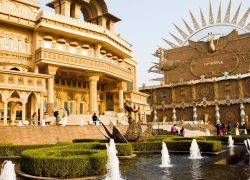
Kingdom of Dreams is one of the most iconic entertainment destinations in Gurgaon, Haryana. Located in Sector 29 near Leisure Valley Park, this grand entertainment complex was India’s first live entertainment, theatre, and leisure destination. It became famous for combining Indian culture, Bollywood-style performances, food, shopping, and live shows under one roof. Opened in 2010, Kingdom of Dreams quickly became a major attraction for tourists, families, and corporate visitors visiting Gurgaon and Delhi NCR. :contentReference[oaicite:1]{index=1} Spread across approximately 6 acres, the venue was designed as a luxurious entertainment hub where visitors could enjoy musicals, cultural performances, themed restaurants, and shopping inspired by Indian heritage. Why is Kingdom of Dreams Famous? Kingdom of Dreams is famous for bringing together entertainment, art, culture, and cuisine in a unique indoor destination. It is especially known for: • Bollywood-style live musicals • Grand theatre productions • Culture Gully food boulevard • Indian handicraft shopping • Luxury interiors and palace-style design The venue became highly popular for its famous live shows like Zangoora – The Gypsy Prince and Jhumroo, which were among India’s biggest theatrical productions. The place also hosted celebrity events, cultural festivals, and entertainment nights. :contentReference[oaicite:2]{index=2} History of Kingdom of Dreams Kingdom of Dreams was launched in January 2010 as a joint venture between Apra Group and Wizcraft International Entertainment. The project was created to introduce a world-class entertainment destination in India similar to international theatre districts. The complex was developed with an investment of approximately ₹200 crore. It officially opened to the public in 2010 and soon became a landmark attraction in Gurgaon. :contentReference[oaicite:3]{index=3} For many years, it remained one of the top entertainment venues in North India. Although operations were affected after 2022 due to administrative and lease-related issues, it continues to remain a well-known tourist landmark in Gurgaon. :contentReference[oaicite:4]{index=4} Architecture of Kingdom of Dreams Kingdom of Dreams is famous for its grand architecture inspired by royal Indian palaces and Bollywood glamour. Main architectural highlights include: • Nautanki Mahal: A grand 800+ seating auditorium designed like a royal palace. • Showshaa Theatre: Smaller theatre space for performances and events. • Culture Gully: Indoor cultural boulevard with themed state pavilions. • Glass ceilings and artificial sky effects • Luxurious chandeliers, marble flooring, and decorative artwork The venue interiors are highly photogenic and designed to offer a premium entertainment experience. Weather in Kingdom of Dreams, Gurgaon Summer (April to June): Hot and dry weather with temperatures between 32°C to 45°C. Monsoon (July to September): Moderate rainfall with temperatures around 25°C to 35°C. Winter (October to February): Pleasant weather with temperatures between 8°C to 25°C. Since Kingdom of Dreams is mostly indoors, it can be visited in any season. However, October to March is considered the best time to visit. Kingdom of Dreams Timings Opening Time: 12:30 PM Closing Time: 12:00 AM Closed On: Monday Show timings vary depending on theatre performances and events. Visitors should check schedules before visiting. :contentReference[oaicite:5]{index=5} Entry Fee and Visit Details Entry prices at Kingdom of Dreams usually vary based on shows and seating packages. General Entry / Culture Gully: • Weekdays: ₹500 to ₹600 approx. • Weekends: ₹700 to ₹750 approx. Premium Show Packages: • Economy: ₹1,099 onwards • Value: ₹1,199 onwards • Silver/Gold: ₹1,499 – ₹2,499 • Platinum/Diamond: ₹2,999 – ₹3,999 Children below certain height may get free or discounted entry depending on events. :contentReference[oaicite:6]{index=6} How to Reach Kingdom of Dreams, Gurgaon By Metro: Nearest metro station is IFFCO Chowk Metro Station on Delhi Metro Yellow Line. Kingdom of Dreams is just a short walk or auto ride from the station. :contentReference[oaicite:7]{index=7} By Road: Located in Sector 29, Gurgaon, the venue is easily accessible via NH-48 and MG Road. Distance from Gurgaon Bus Stand: Approx. 4-5 km Distance from Delhi Airport: Approx. 15 km By Train: Nearest railway station is Gurgaon Railway Station. By Air: Nearest airport is Indira Gandhi International Airport, New Delhi. Things to Do at Kingdom of Dreams 1. Watch Live Musicals Enjoy large-scale Bollywood theatrical performances. 2. Explore Culture Gully Taste cuisines from different Indian states. 3. Shopping Buy handicrafts, souvenirs, and traditional items. 4. Attend Cultural Shows Watch folk performances and entertainment acts. 5. Photography Capture palace-style interiors and decorative areas. 6. Family Outing Perfect entertainment spot for families and groups. Interesting Facts About Kingdom of Dreams • Opened in 2010. • India’s first live entertainment destination. • Spread across 6 acres. • Built at cost of approximately ₹200 crore. • Famous for Zangoora and Jhumroo musicals. • Located near Leisure Valley Park. Travel Tips for Visitors • Book tickets online in advance. • Visit in evening for best experience. • Carry ID proof if required. • Wear comfortable clothes and footwear. • Keep extra budget for food and shopping. • Check latest operational status before visiting. Best Time to Visit Kingdom of Dreams The best time to visit Kingdom of Dreams is between October and March when Gurgaon weather is pleasant. Evening visits are recommended as shows and lighting create the best atmosphere. Conclusion Kingdom of Dreams is one of Gurgaon’s most famous entertainment attractions, offering a unique blend of theatre, culture, shopping, and food. Its grand architecture, Bollywood-inspired shows, and indoor cultural experiences make it a must-visit place for tourists exploring Gurgaon and Delhi NCR. If you want a complete entertainment experience with Indian cultural charm, Kingdom of Dreams, Gurgaon is a memorable destination to explore.
Explore More
Ambience Mall is one of the most popular shopping and entertainment destinations in Gurgaon, Haryana. Located on NH-8 at Ambience Island near the Delhi-Gurgaon border, this massive mall is known for luxury shopping, premium dining, family entertainment, and leisure activities. It is one of the largest malls in India and a major attraction for both tourists and local residents visiting Gurgaon. The mall offers a complete experience including fashion brands, multiplex cinema, gaming zones, restaurants, cafes, and kids’ activities. :contentReference[oaicite:1]{index=1} With its strategic location near Cyber City and Indira Gandhi International Airport, Ambience Mall has become a favorite hangout spot for shopping lovers, families, office-goers, and international travelers. Why is Ambience Mall Famous? Ambience Mall is famous for being one of the biggest and most luxurious malls in North India. It is especially popular for: • 230+ national and international brands • Premium shopping experience • Large food court and fine dining restaurants • PVR multiplex cinema • iSKATE ice skating rink • Gaming zones and family entertainment • Spacious interiors and modern architecture The mall attracts thousands of visitors daily because it combines shopping, food, entertainment, and leisure in one location. It is also a preferred weekend destination in Gurgaon. :contentReference[oaicite:2]{index=2} History of Ambience Mall Ambience Mall was opened in 2007 by the Ambience Group. Since its launch, it has become one of Gurgaon’s most iconic landmarks. The mall was developed to provide a world-class retail and entertainment experience similar to international shopping centers. Over the years, it has expanded its offerings with premium brands, dining outlets, cinema halls, entertainment spaces, and seasonal events. Today, it remains one of the most visited malls in Delhi NCR. :contentReference[oaicite:3]{index=3} Architecture of Ambience Mall Ambience Mall is designed with modern contemporary architecture and luxury interiors. Main architectural highlights include: • Six shopping floors • Three basement parking levels • Wide corridors and spacious atriums • Glass facade exterior • Escalators, elevators, and digital directories • Large parking capacity for approximately 4,000 vehicles The mall covers approximately 1.8 million square feet, making it one of India’s largest shopping malls. Its premium design and spacious layout create a comfortable visitor experience. :contentReference[oaicite:4]{index=4} Weather at Ambience Mall, Gurgaon Summer (April to June): Hot weather ranging between 32°C to 45°C. Monsoon (July to September): Moderate rainfall with temperatures between 25°C to 35°C. Winter (October to February): Pleasant weather ranging from 8°C to 25°C. Since Ambience Mall is fully air-conditioned and indoors, it can be visited throughout the year. However, the best time to visit Gurgaon is from October to March. Ambience Mall Timings Opening Time: 10:00 AM Closing Time: 10:00 PM to 11:00 PM (restaurants may stay open later) Open: All Days Visitors generally spend around 3 to 5 hours exploring shopping, dining, and entertainment activities. :contentReference[oaicite:5]{index=5} Entry Fee and Visit Details Entry Fee: Free entry for all visitors. • Shopping: No entry charge • Cinema: Ticket prices vary by movie and timing • iSKATE: Separate charges apply • Gaming Zones: Activity-based charges Parking Charges: Paid parking available for cars and bikes. There is no ticket required to enter the mall, making it an easy and convenient place for visitors. :contentReference[oaicite:6]{index=6} How to Reach Ambience Mall, Gurgaon By Metro: Nearest metro stations are: • Micromax Moulsari Avenue Rapid Metro • Guru Dronacharya Metro Station • Sikandarpur Metro Station Auto-rickshaws and cabs are easily available from metro stations. By Road: Ambience Mall is located on NH-8, Ambience Island, DLF Phase 3, Sector 24, Gurgaon. It is well connected to Delhi, Cyber City, MG Road, and airport road. Distance from Gurgaon City Center: Approx. 8 km Distance from Delhi Airport: Approx. 10 km By Train: Nearest railway station is Gurgaon Railway Station. By Air: Nearest airport is Indira Gandhi International Airport, New Delhi. Things to Do at Ambience Mall 1. Shopping Explore international and Indian brands including fashion, electronics, beauty, and lifestyle stores. 2. Ice Skating at iSKATE Enjoy ice skating, one of the mall’s signature attractions. 3. Watch Movies Visit PVR multiplex for latest films. 4. Dining Try food courts, cafes, dessert shops, and fine dining restaurants. 5. Gaming and Entertainment Visit gaming zones, kids’ areas, and family entertainment spaces. 6. Photography Capture mall interiors, festive decorations, and outdoor views. Interesting Facts About Ambience Mall • Opened in 2007. • Spread across 1.8 million sq. ft. • Houses 230+ stores and outlets. • Parking for around 4,000 vehicles. • One of India’s largest malls. • Famous for iSKATE ice rink. Travel Tips for Visitors • Visit on weekdays to avoid weekend crowds. • Carry comfortable footwear. • Keep extra time for parking on weekends. • Use metro for easier travel. • Try iSKATE if visiting with family or kids. • Check movie timings in advance. Best Time to Visit Ambience Mall The best time to visit Ambience Mall is during October to March when Gurgaon weather is pleasant. Evening visits are highly recommended for shopping, dining, and entertainment. Conclusion Ambience Mall in Gurgaon is much more than a shopping center. It is a complete entertainment and lifestyle destination offering luxury shopping, delicious food, movies, ice skating, and family activities. Its prime location, modern architecture, and world-class facilities make it one of the top attractions in Gurgaon, Haryana. Whether you are a tourist, shopaholic, foodie, or family traveler, Ambience Mall Gurgaon is a must-visit destination in Delhi NCR.
Explore More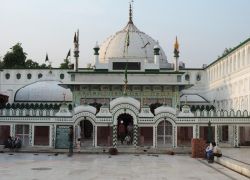
Kalander Shah's Tomb is one of the most historically significant monuments in Karnal, Haryana. Located in the heart of Karnal city, this tomb is dedicated to the famous Sufi saint Bu-Ali Shah Kalandar, a respected spiritual figure whose influence spread across North India. The monument attracts history lovers, spiritual seekers, architecture enthusiasts, and tourists interested in exploring Karnal’s rich cultural heritage. Known for its peaceful surroundings, Mughal-style design, and religious importance, Kalander Shah's Tomb is an important landmark in Karnal. The site reflects the deep connection between spirituality, history, and architecture in Haryana. Why is Kalander Shah's Tomb Famous? Kalander Shah's Tomb is famous for its historical and spiritual significance. It is especially known for: • Tomb of revered Sufi saint • Mughal-era architecture • Religious and cultural importance • Beautiful domes and arches • Peaceful spiritual environment • Heritage tourism in Karnal The monument is visited by devotees and tourists who come to admire its historical beauty and seek blessings. History of Kalander Shah's Tomb Kalander Shah's Tomb is associated with the revered Sufi saint Bu-Ali Shah Kalandar, who was widely respected for his spiritual teachings, wisdom, and influence in the region. His followers and local rulers later built the tomb in his honor. The structure reflects the Indo-Islamic architectural style common during the medieval and Mughal periods. Over time, the tomb became an important religious and historical landmark in Karnal. The site continues to hold cultural significance and remains an example of Haryana’s Sufi heritage. Architecture of Kalander Shah's Tomb The tomb is admired for its elegant Mughal and Indo-Islamic architecture. Main architectural highlights include: • Large central dome • Arched entrances • Decorative carvings • Symmetrical layout • Stone and brick construction • Traditional Islamic design elements The monument has a calm and balanced structure, reflecting both spiritual simplicity and artistic beauty. Weather at Kalander Shah's Tomb, Karnal Summer (April to June): Hot weather with temperatures ranging from 30°C to 43°C. Monsoon (July to September): Moderate rainfall with temperatures between 25°C to 35°C. Winter (October to February): Pleasant and cool weather with temperatures between 7°C to 22°C. The best time to visit is from October to March. Kalander Shah's Tomb Timings Opening Time: 8:00 AM Closing Time: 6:00 PM Open Days: Monday to Sunday Morning and evening visits are recommended for a peaceful experience. Entry Fee and Visit Details Entry Fee: Free for all visitors. Photography: Usually allowed for personal use. Parking: Available nearby. The average visit duration is around 30 minutes to 1 hour. How to Reach Kalander Shah's Tomb, Karnal By Road: Kalander Shah's Tomb is located within Karnal city and can be easily reached by local transport, private cars, taxis, and auto-rickshaws. Distance from Karnal Bus Stand: Approx. 3 km Distance from Karnal Railway Station: Approx. 4 km By Train: Nearest railway station is Karnal Railway Station. By Bus: Karnal Bus Stand is well connected with Delhi, Chandigarh, and nearby cities. By Air: Nearest airport is Chandigarh Airport or Indira Gandhi International Airport, New Delhi. Things to Do at Kalander Shah's Tomb 1. Explore Historical Architecture Admire Mughal-style arches, dome, and design elements. 2. Spiritual Visit Pay respects and experience the peaceful atmosphere. 3. Photography Capture architectural details and monument surroundings. 4. Heritage Exploration Learn about Karnal’s cultural and Sufi history. 5. Quiet Reflection Spend time in meditation and relaxation. Interesting Facts About Kalander Shah's Tomb • Dedicated to a revered Sufi saint • Important heritage site in Karnal • Reflects Indo-Islamic architecture • Popular among devotees and tourists • Symbol of spiritual history in Haryana Travel Tips for Visitors • Dress modestly while visiting • Maintain silence and respect the site • Visit during morning or evening • Carry water in summer • Wear comfortable footwear • Combine with nearby attractions in Karnal Best Time to Visit Kalander Shah's Tomb The best time to visit is between October and March when the weather is pleasant and suitable for sightseeing. Conclusion Kalander Shah's Tomb is an important historical and spiritual attraction in Karnal. Its Mughal-inspired architecture, peaceful surroundings, and cultural significance make it a must-visit destination for history enthusiasts and spiritual travelers. If you want to explore heritage monuments and peaceful spiritual sites, Kalander Shah's Tomb, Karnal is worth visiting.
Explore More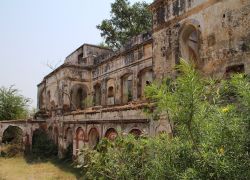
Chhachhrauli Fort is a historic heritage site located in the town of Chhachhrauli in Haryana. Although it is not situated directly in Karnal city, many travelers exploring northern Haryana often include this fort in their extended travel itinerary from Karnal due to its historical value and royal architecture. The fort is known for its connection with former princely rulers, old-world architecture, and cultural heritage. Surrounded by peaceful surroundings and traditional town life, Chhachhrauli Fort offers visitors a chance to explore Haryana’s royal history away from crowded tourist destinations. It is especially popular among history lovers, architecture enthusiasts, photographers, and travelers interested in heritage tourism. Why is Chhachhrauli Fort Famous? Chhachhrauli Fort is famous for its royal legacy and historical importance. It is particularly known for: • Heritage fort architecture • Former princely state history • Traditional royal palace design • Historical significance in Haryana • Cultural and architectural attraction • Photography opportunities The fort is one of the lesser-known heritage sites in Haryana and is ideal for travelers interested in offbeat historical places. History of Chhachhrauli Fort Chhachhrauli was once an important princely state in northern India. The fort served as the residence and administrative center of the rulers of the region. During earlier centuries, the area was strategically important because of its location near trade and movement routes connecting parts of Haryana, Punjab, and the Himalayan foothills. The rulers of Chhachhrauli developed the fort as both a residential palace and defensive structure. Over time, the fort became a symbol of regional power and local governance. Though parts of the structure have aged with time, the fort still reflects the grandeur of Haryana’s royal heritage. Architecture of Chhachhrauli Fort Chhachhrauli Fort showcases traditional North Indian fort and palace architecture. Main architectural highlights include: • Large entrance gateways • Courtyard-style layout • Arched corridors • Decorative balconies • Thick fort walls • Heritage palace sections • Traditional windows and jharokhas The architecture combines defensive design with residential royal comfort, making it an interesting historical structure. Weather at Chhachhrauli Fort Summer (April to June): Hot weather with temperatures ranging from 30°C to 42°C. Monsoon (July to September): Moderate rainfall with temperatures between 25°C to 35°C. Winter (October to February): Pleasant weather ranging from 8°C to 22°C. The best time to visit is from October to March. Chhachhrauli Fort Timings Opening Time: 9:00 AM Closing Time: 5:30 PM Open Days: Monday to Sunday Visitors are advised to visit during daytime for better sightseeing and photography. Entry Fee and Visit Details Entry Fee: Usually free for visitors. Photography: Allowed in most areas for personal use. Parking: Available nearby. Average visit duration is around 1 to 2 hours. How to Reach Chhachhrauli Fort By Road: Chhachhrauli Fort is well connected by road. Visitors can reach the fort by private vehicle, taxi, or local transport. Distance from Karnal: Approx. 95 to 110 km Distance from Yamunanagar: Approx. 20 km By Train: The nearest railway station is Yamunanagar-Jagadhri Railway Station. By Bus: Regular buses are available from Karnal, Yamunanagar, and nearby towns. By Air: Nearest airports are Chandigarh Airport and Indira Gandhi International Airport, New Delhi. Things to Do at Chhachhrauli Fort 1. Explore Heritage Architecture Walk through historical sections and admire old fort design. 2. Photography Capture arches, walls, gateways, and palace structures. 3. Learn Local History Understand the princely history of Chhachhrauli region. 4. Cultural Exploration Observe traditional surroundings and local heritage. 5. Relax and Sightsee Enjoy a peaceful visit away from city crowds. Interesting Facts About Chhachhrauli Fort • Associated with former princely rulers • Important heritage structure in Haryana • Popular among history enthusiasts • Features palace and fort architecture • Lesser-known offbeat tourist attraction Travel Tips for Visitors • Visit during winter for comfortable weather • Carry water and snacks • Wear comfortable footwear • Carry camera for photography • Respect heritage property • Plan as part of a day trip Best Time to Visit Chhachhrauli Fort The ideal time to visit is from October to March when the weather is pleasant for outdoor sightseeing and exploration. Conclusion Chhachhrauli Fort is a hidden historical gem in Haryana that offers insight into royal heritage, traditional architecture, and princely history. Though located away from Karnal city, it makes for an interesting heritage excursion for travelers exploring northern Haryana. If you enjoy forts, history, architecture, and offbeat destinations, Chhachhrauli Fort is worth adding to your Haryana travel itinerary.
Explore More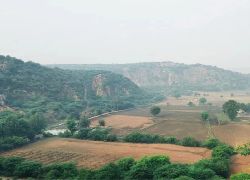
The Leopard Trail is a popular scenic route and recreational destination located near Manesar Village, Haryana, in the Aravalli Hills region close to Gurugram. Known for its natural beauty, winding roads, cycling routes, adventure vibe, and peaceful surroundings, Leopard Trail is a favorite weekend getaway for bikers, cyclists, trekkers, photographers, and nature lovers from Delhi NCR. Despite its adventurous name, Leopard Trail is primarily famous as a road and nature route rather than a guaranteed wildlife spotting location. The area is surrounded by rocky Aravalli landscapes, forest patches, village roads, and cafés, making it ideal for short drives and outdoor experiences. Its proximity to Gurugram, Delhi, and Manesar has made it one of the most visited leisure routes for early morning rides and sunset outings. Why is The Leopard Trail Famous? The Leopard Trail is famous for its scenic driving route, cycling tracks, offbeat nature experience, and picturesque Aravalli surroundings. It is especially known for: • Scenic hill roads • Biking and cycling route • Sunrise and sunset views • Trekking opportunities • Photography spots • Roadside cafés and leisure stops Adventure enthusiasts and young travelers particularly enjoy this route on weekends. History of The Leopard Trail The Leopard Trail developed popularity organically as visitors discovered the scenic roads connecting Gurugram, Manesar, and nearby Aravalli areas. Over time, the route became a recognized adventure and leisure destination. Its name is believed to come from occasional historical sightings or regional wildlife references related to the Aravalli ecosystem. Today, the area is better known for recreation, cycling, and nature drives than wildlife tourism. Landscape and Natural Features Leopard Trail is valued for its rugged natural landscape rather than built architecture. Landscape highlights include: • Aravalli hill views • Rocky terrain • Forest patches • Curved scenic roads • Open viewpoints • Village surroundings The combination of hills and open skies makes it visually appealing throughout the year. How to Reach The Leopard Trail By Air: Nearest airport is Indira Gandhi International Airport, Delhi, approximately 30 km away. By Train: Nearest railway station is Gurugram Railway Station. By Road: The Leopard Trail is easily accessible by road from Gurugram, Manesar, Delhi, and Faridabad. Distance from major locations: • Manesar: 12 km • Gurugram: 18 km • Delhi: 35 km • Faridabad: 40 km Private vehicles, bikes, and taxis are the best transportation options. Weather at The Leopard Trail Summer (March to June): Temperature ranges between 28°C to 42°C. Early mornings recommended. Monsoon (July to September): Beautiful greenery and cooler atmosphere. Winter (October to February): Temperature ranges from 8°C to 22°C and is ideal for outdoor visits. Timings of The Leopard Trail As a public scenic route, Leopard Trail is accessible throughout the day. Recommended Visiting Hours: • Sunrise: 5:30 AM onwards • Sunset: 4:30 PM to 7:00 PM Night driving is possible but should be done cautiously. Entry Fee and Visit Details There is generally no entry fee to access Leopard Trail. Entry Fee: Free Parking: Depends on specific stops or cafés Food or café expenses are separate. Things to Do at The Leopard Trail 1. Scenic Drive or Bike Ride Enjoy winding roads through Aravalli landscapes. 2. Cycling Popular among cycling groups and fitness enthusiasts. 3. Trekking and Nature Walks Explore nearby trails and hills. 4. Photography Capture landscapes, sunrise, and sunset views. 5. Café Visits Relax at nearby cafés and food stops. 6. Weekend Leisure Trips Ideal for short outings from Delhi NCR. Interesting Facts About The Leopard Trail • Popular among bikers and cyclists. • Located in Aravalli hill region. • Scenic weekend getaway near Gurugram. • No official park or ticketed entry required. • Known for sunrise and sunset experiences. Travel Tips for Visitors • Visit early morning or evening for best weather. • Carry water and sunscreen. • Wear comfortable sports or trekking shoes. • Drive carefully on curved roads. • Avoid littering in natural areas. Nearby Attractions Visitors can also explore: • Sultanpur Bird Sanctuary • Damdama Lake • Heritage Transport Museum • Manesar resorts Best Time to Visit The Leopard Trail The best time to visit is from October to March and during monsoon months when the landscape is greener and temperatures are comfortable. Conclusion The Leopard Trail is one of the most refreshing outdoor destinations near Manesar Village, Haryana. With scenic roads, Aravalli views, biking routes, trekking opportunities, and relaxing cafés, it offers a perfect short escape from urban life. Whether you are an adventure enthusiast, cyclist, photographer, or casual traveler, Leopard Trail is a great destination for a memorable outing near Delhi NCR.
Explore More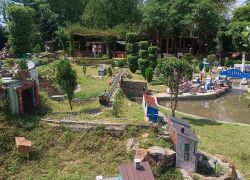
NeverEnuf Garden Railway is a unique miniature railway attraction located near Manesar Village, Haryana. It is one of the most unusual and creative tourist experiences in the Delhi NCR region, attracting families, railway enthusiasts, photographers, children, and hobby lovers. Unlike traditional parks or historical attractions, NeverEnuf Garden Railway offers visitors an immersive experience centered around intricately designed miniature trains, landscapes, tunnels, bridges, and model railway systems. The attraction is especially popular among those interested in railways, engineering models, and themed outdoor experiences. Its artistic setup and peaceful garden environment make it a memorable day-trip destination near Gurugram and Manesar. Why is NeverEnuf Garden Railway Famous? NeverEnuf Garden Railway is famous for being a specialized miniature train park and model railway experience. It offers visitors a chance to explore beautifully designed miniature train systems operating through landscaped gardens. The attraction is particularly known for: • Working miniature trains • Model railway layouts • Themed tunnels and bridges • Landscaped gardens • Educational railway experience • Family-friendly outings It is a rare attraction in India and appeals to both adults and children. History of NeverEnuf Garden Railway NeverEnuf Garden Railway was created as a passion project by railway enthusiasts who wanted to develop a world-class model railway setup in India. Inspired by international garden railway concepts, the attraction was carefully designed with attention to miniature engineering, landscaping, and realistic train operations. Over time, it gained popularity through word-of-mouth and social media, becoming a niche destination for hobbyists and curious travelers. Architecture and Layout The attraction combines landscape design with miniature engineering rather than conventional architecture. Highlights include: • Detailed miniature railway tracks • Small tunnels and bridges • Model stations and structures • Landscaped gardens • Artificial hills and terrain features • Viewing zones for visitors The layout is carefully planned to create a realistic railway world in miniature scale. How to Reach NeverEnuf Garden Railway By Air: Nearest airport is Indira Gandhi International Airport, Delhi, approximately 35 km away. By Train: Nearest railway station is Gurugram Railway Station. By Road: NeverEnuf Garden Railway is best accessed by private car, taxi, or cab from Gurugram, Manesar, and Delhi NCR. Distance from major places: • Manesar: 10 km • Gurugram: 18 km • Delhi: 40 km • Faridabad: 45 km Weather at NeverEnuf Garden Railway Summer (March to June): Temperature ranges from 28°C to 42°C. Morning visits recommended. Monsoon (July to September): Green surroundings and pleasant weather. Winter (October to February): Temperature ranges from 8°C to 22°C and is ideal for outdoor visits. Timings of NeverEnuf Garden Railway The attraction often operates on pre-booking or scheduled visits. Typical Visiting Hours: 10:00 AM – 5:00 PM Advance confirmation is recommended before visiting. Entry Fee and Visit Details Entry is generally ticket-based or booking-based. Approximate Charges: • Adults: INR 300 – 600 • Children: INR 200 – 400 Pricing may vary depending on events, workshops, or special experiences. Things to Do at NeverEnuf Garden Railway 1. Watch Miniature Trains Observe working model trains in action. 2. Photography Capture creative miniature landscapes and railway details. 3. Family Exploration Enjoy a unique educational outing with children. 4. Learn About Model Railways Understand railway engineering concepts in miniature form. 5. Relax in Garden Environment Spend peaceful time outdoors. Interesting Facts About NeverEnuf Garden Railway • One of India’s rare garden railway attractions. • Popular among railway enthusiasts. • Features working miniature train systems. • Combines landscaping with model engineering. • Located conveniently near Delhi NCR. Travel Tips for Visitors • Confirm timings and booking requirements before visiting. • Carry camera for photography. • Visit during winter or pleasant weather. • Ideal for children and hobby enthusiasts. • Use private transport for easier access. Nearby Attractions Visitors can also explore: • The Leopard Trail • Sultanpur Bird Sanctuary • Heritage Transport Museum • Damdama Lake Best Time to Visit NeverEnuf Garden Railway The best time to visit is from October to March, when outdoor weather is pleasant and comfortable. Conclusion NeverEnuf Garden Railway is a truly distinctive attraction near Manesar Village, Haryana, offering a creative and educational experience unlike typical tourist destinations. With miniature trains, landscaped gardens, model engineering, and family-friendly activities, it is a must-visit for railway enthusiasts, photographers, and curious travelers looking for something unique near Delhi NCR.
Explore More
Welcome to the Heritage Transport Museum located in Manesar Village, a captivating destination that offers a unique blend of history, natural beauty, and cultural significance. This museum stands as a testament to the rich heritage of transportation and offers visitors a glimpse into the evolution of vehicles over the centuries. History of Heritage Transport Museum The Heritage Transport Museum traces its roots back to the vision of showcasing the history of transportation in India. It originated as a passion project to preserve and celebrate the diverse modes of transport that have shaped the country's development. The museum is situated on former royal hunting grounds, adding a touch of regal charm to its surroundings. Its efforts in conservation and promotion of India's transport legacy have earned it recognition and acclaim, making it a notable destination for enthusiasts and scholars alike. Architecture and Natural Beauty of Heritage Transport Museum Surrounded by lush wetlands, verdant forests, and sprawling grasslands, the Heritage Transport Museum offers a serene escape for nature lovers. The diverse habitats within the museum grounds attract a myriad of bird species, creating a haven for birdwatchers and wildlife enthusiasts. The historical Keoladeo Temple nestled within the park adds a touch of spirituality and heritage to the natural landscape. Why is Heritage Transport Museum Famous? The Heritage Transport Museum is renowned for its extensive collection of vintage vehicles, rare automobiles, and unique transportation artifacts. It is a paradise for history buffs, photographers seeking to capture the essence of the past, and nature enthusiasts looking to immerse themselves in a harmonious blend of history and ecology. How to Reach Heritage Transport Museum Traveling to the Heritage Transport Museum is convenient, with options available by air, rail, and road. The nearest airports are located in the vicinity, ensuring easy access for visitors arriving by air. Additionally, well-connected railway stations and a network of roads make reaching the museum a hassle-free journey. Weather and Best Time to Visit Heritage Transport Museum The museum experiences pleasant weather conditions throughout the year, with distinct seasons of summer, monsoon, and winter. The best time to visit varies depending on personal preferences, with each season offering a unique charm. Visitors can plan their trip based on their preferred weather conditions and explore the museum at their leisure. Timings of Heritage Transport Museum The museum welcomes visitors during specified timings, ensuring a structured and organized experience for all. Seasonal variations may affect the operational hours, so it is recommended to check the schedule before planning your visit. Adequate planning and timely arrival can enhance your exploration of the museum's treasures. Entry Fee and Visit Details Entry to the Heritage Transport Museum is facilitated through a straightforward procedure, with options for guide services, safari experiences, bicycle rentals, and essential visitor facilities. Engaging with the museum's offerings can be further enhanced by availing these services, allowing for a comprehensive and enriching visit. Things to Do at Heritage Transport Museum Visitors to the Heritage Transport Museum can indulge in a variety of activities such as birdwatching amidst the tranquil landscapes, capturing stunning photographs of vintage vehicles, cycling through the picturesque surroundings, exploring walking trails rich in history, observing nature in its purest form, and engaging in educational experiences that offer insights into the evolution of transportation. Interesting Facts About Heritage Transport Museum The museum is not just a repository of historical artifacts but also a hub of biodiversity, attracting migratory birds and preserving the ecological balance of the region. Its conservation efforts have contributed significantly to the protection of endangered species, making it a beacon of sustainable practices and environmental stewardship. Travel Tips for Visiting Heritage Transport Museum When planning a visit to the Heritage Transport Museum, it is advisable to dress comfortably and carry essential photography equipment to capture the essence of the exhibits. Understanding the best seasons for birdwatching and exploring the museum's offerings can enhance your experience. Responsible tourism practices such as respecting the natural environment and following designated paths add to the sustainability of your visit. Conclusion In conclusion, the Heritage Transport Museum in Manesar Village stands as a remarkable destination that seamlessly weaves together history, nature, and cultural significance. Its diverse offerings cater to a wide range of interests, making it a must-visit for travelers seeking a harmonious blend of heritage and ecology. Explore the museum's treasures, immerse yourself in its natural beauty, and experience the magic of transportation history in a picturesque setting.
Explore MoreDalhousie - Khajjiar Tour Package From Delhi - 2Night 3Days
3 Days/ 2 Night
Ambala - Panipat - Dalhousie - Ludhiana - Kurukshetra - Pathankot
7N 8D Rajasthan Tour Package
8 Days/ 7 Night
Gurgaon - Jaipur - Jodhpur - Mount Abu - Udaipur
Char Dham Yatra By Helicopter 5 Night / 6 Day
6 Days/ 5 Night
Dehradun - Kedarnath - Badrinath - Yamuna Nagar - Gangotri
9N 10D Haridwar - Vaishno Devi - Amritsar Trip
10 Days/ 9 Night
Chandigarh City - Katra - Amritsar - Haridwar - Kurukshetra - Rishikesh
Welcome to Aapno Ghar, a renowned tourist attraction nestled in Manesar Village, offering visitors a unique blend of natural beauty, biodiversity, and recreational opportunities. This destination is a favorite among nature enthusiasts, birdwatchers, and photographers, attracting visitors from far and wide seeking tranquility and a close encounter with the wonders of the natural world. History of Aapno Ghar Aapno Ghar has a rich historical background, once serving as royal hunting grounds for the local rulers. Over the years, dedicated conservation efforts have transformed it into a sanctuary for various bird species and wildlife. The park's contribution to biodiversity conservation has earned it recognition from UNESCO, solidifying its importance in preserving natural habitats. Architecture and Natural Beauty of Aapno Ghar The park boasts diverse landscapes, including wetlands, forests, and grasslands that provide a habitat for numerous bird species. Visitors can explore the lush surroundings and marvel at the serene beauty of the bird habitats. The historical Keoladeo Temple within the park adds a cultural touch to the natural setting, creating a harmonious blend of history and biodiversity. Why is Aapno Ghar Famous? Aapno Ghar's fame stems from its appeal to birdwatchers, photographers, and nature enthusiasts. The park's diverse bird population and scenic landscapes make it a haven for those seeking to immerse themselves in the beauty of nature. Wildlife lovers also frequent the park in search of unique flora and fauna sightings. How to Reach Aapno Ghar Traveling to Aapno Ghar is convenient, with options available by air, rail, and road. The nearest airports and railway stations provide easy access to the park, ensuring a smooth journey for visitors. Whether arriving by plane, train, or car, the scenic route to Aapno Ghar sets the tone for an unforgettable experience. Weather and Best Time to Visit Aapno Ghar Aapno Ghar experiences varying weather conditions throughout the year, with distinct seasons of summer, monsoon, and winter. The best time to visit depends on personal preferences, but the months with milder weather are often recommended for a comfortable and enjoyable trip. Timings of Aapno Ghar Visiting hours at Aapno Ghar cater to different schedules, with seasonal variations that may impact the overall experience. Planning ahead and checking the timings can help visitors make the most of their visit, ensuring a well-rounded exploration of the park's offerings. Entry Fee and Visit Details Entry procedures at Aapno Ghar are straightforward, with guide services and safari options available for those seeking a more guided experience. Bicycle rentals offer a unique way to explore the park, while visitor facilities ensure a comfortable and convenient visit for all guests. Things to Do at Aapno Ghar Popular activities at Aapno Ghar include birdwatching, photography, cycling, walking trails, and nature observation. Visitors can engage in these activities to connect with nature, learn about the park's biodiversity, and enjoy moments of serenity away from the hustle and bustle of daily life. Interesting Facts About Aapno Ghar Aapno Ghar is home to a plethora of migratory birds, showcasing the park's significance as a birdwatcher's paradise. The conservation efforts at the park have led to remarkable achievements in preserving biodiversity and highlighting the ecological importance of maintaining natural habitats. Travel Tips for Visiting Aapno Ghar When visiting Aapno Ghar, it is advisable to dress comfortably for outdoor activities and bring along photography and birdwatching equipment for an enhanced experience. Understanding the visiting seasons and practicing responsible tourism can help preserve the park's natural beauty for future generations to enjoy. Conclusion In conclusion, Aapno Ghar in Manesar Village is a gem waiting to be explored by nature lovers and adventure seekers alike. With its rich history, diverse biodiversity, and array of activities, the park offers a memorable experience for visitors of all ages. Discover the beauty of Aapno Ghar and immerse yourself in the wonders of nature in this captivating destination.
Explore More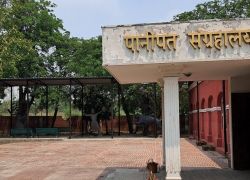
Panipat Museum is one of the most important historical attractions in Panipat, Haryana. Located near the famous Panipat battlefields, this museum is dedicated to preserving the rich history, culture, archaeology, and heritage of the city. Panipat is globally known for the three historic Battles of Panipat, and this museum offers visitors an excellent opportunity to understand the city’s major role in Indian history. Managed by the Department of Archaeology and Museums, Haryana, Panipat Museum displays rare artifacts, weapons, manuscripts, sculptures, paintings, textiles, coins, and exhibits related to the battles and regional culture. It is a must-visit place for history enthusiasts, students, researchers, and tourists. Why is Panipat Museum Famous? Panipat Museum is famous for showcasing the city’s historical importance, especially the famous battles fought here that changed the course of Indian history. The museum is especially known for: • Exhibits related to Battles of Panipat • Historical weapons and armor • Archaeological artifacts • Ancient manuscripts and paintings • Traditional textiles and handicrafts • Educational displays on Haryana history It is one of the best places in Haryana to learn about medieval Indian warfare and regional heritage. History of Panipat Museum Panipat Museum was established to preserve and present the historical significance of Panipat, particularly its connection with the three major battles fought in 1526, 1556, and 1761. These battles played a crucial role in shaping the political history of India, including the rise of the Mughal Empire and shifts in regional power. The museum was developed by Haryana authorities to create awareness among visitors about Panipat’s heritage, archaeology, crafts, and military history. Architecture of Panipat Museum The museum building features a clean and functional design with regional architectural influences. Main architectural highlights include: • Spacious exhibition galleries • Historical display halls • Artifact preservation rooms • Educational panels and diagrams • Landscaped outer premises • Visitor-friendly layout The museum is designed to provide a comfortable educational experience for visitors. Weather at Panipat Museum, Panipat Summer (April to June): Very hot weather with temperatures between 30°C to 44°C. Monsoon (July to September): Moderate rainfall with temperatures ranging from 25°C to 35°C. Winter (October to February): Pleasant and cool weather with temperatures between 7°C to 22°C. The best time to visit is from October to March. Panipat Museum Timings Opening Time: 10:00 AM Closing Time: 5:00 PM Closed On: Monday and Government Holidays Visitors should preferably visit during morning or afternoon hours. Entry Fee and Visit Details Approximate Entry Fee: • Adults: ₹10 to ₹20 • Children/Students: ₹5 to ₹10 Photography: May have separate charges or restrictions in galleries. Parking: Available on-site. The average visit duration is around 1 to 2 hours. How to Reach Panipat Museum, Panipat By Road: The museum is located within Panipat city and is easily accessible by taxis, autos, buses, and private vehicles. Distance from Panipat Bus Stand: Approx. 4 km Distance from Panipat Railway Station: Approx. 5 km By Train: Nearest railway station is Panipat Junction Railway Station. By Bus: Panipat is well connected to Delhi, Karnal, Sonipat, Kurukshetra, and Chandigarh. By Air: Nearest airport is Indira Gandhi International Airport, New Delhi. Things to Do at Panipat Museum 1. Explore Battle Exhibits Learn about the three famous Battles of Panipat through detailed displays. 2. View Historical Weapons See swords, shields, armor, cannons, and military artifacts. 3. Study Archaeological Collections Observe sculptures, coins, manuscripts, and ancient objects. 4. Photography Capture museum exterior and allowed sections. 5. Educational Visit Ideal place for students and researchers studying Indian history. Interesting Facts About Panipat Museum • Dedicated to Panipat’s battle history • Managed by Haryana Archaeology Department • Displays rare historical artifacts • Popular among students and historians • One of Haryana’s top museums Travel Tips for Visitors • Visit on weekdays for less crowd • Check Monday closure before visiting • Carry ID if student discount available • Wear comfortable footwear • Read exhibit information carefully • Combine visit with nearby Panipat monuments Best Time to Visit Panipat Museum The ideal time to visit is from October to March, when the weather is pleasant for city sightseeing and museum visits. Conclusion Panipat Museum is one of the finest places to understand the historical significance of Panipat and its role in shaping Indian history. Its rich collections, educational displays, and battle-related exhibits make it a must-visit attraction for travelers. If you are interested in history, archaeology, warfare, and heritage tourism, Panipat Museum, Panipat is a destination you should not miss.
Explore More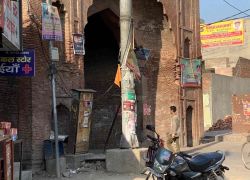
Salar Gunj Gate is one of the notable historical landmarks in Panipat, Haryana. Located in the old city area, this heritage gate reflects the architectural and cultural legacy of Panipat, a city famous for its historical battles and medieval monuments. Salar Gunj Gate is an important reminder of the city’s fortified past and old urban planning. The gate attracts tourists, photographers, history enthusiasts, and visitors interested in exploring lesser-known heritage structures in Panipat. Though smaller compared to grand forts or palaces, the gate holds local historical importance and represents the old entrance structures that once protected parts of the city. Why is Salar Gunj Gate Famous? Salar Gunj Gate is famous for its historical significance and architectural heritage. It is especially known for: • Historic gateway of old Panipat • Mughal and Indo-Islamic architectural influence • Heritage tourism attraction • Historical city defense structure • Photography and local sightseeing • Cultural importance in Panipat The monument reflects Panipat’s rich urban history and connection with medieval architecture. History of Salar Gunj Gate Salar Gunj Gate dates back to the medieval period when Panipat was an important political, military, and trade center in North India. Gates such as this were constructed to control city entry, provide defense, and define urban boundaries. The gate is believed to have been part of Panipat’s fortified settlement and is associated with the city’s historical growth during Mughal influence. Over time, it became an important local landmark. Today, Salar Gunj Gate stands as a preserved historical structure reflecting Panipat’s architectural and urban heritage. Architecture of Salar Gunj Gate The gate showcases traditional Indo-Islamic and Mughal architectural elements. Main architectural highlights include: • Large arched gateway • Brick and stone construction • Symmetrical facade design • Traditional ornamental details • Historic structural framework • Heritage appearance The structure is admired for its historic charm and old-world character. Weather at Salar Gunj Gate, Panipat Summer (April to June): Hot weather with temperatures between 30°C to 44°C. Monsoon (July to September): Moderate rainfall with temperatures between 25°C to 35°C. Winter (October to February): Pleasant weather ranging from 7°C to 22°C. The best time to visit is from October to March. Salar Gunj Gate Timings Opening Time: 8:00 AM Closing Time: 6:00 PM Open Days: Monday to Sunday Visitors are advised to visit during daytime for better sightseeing and photography. Entry Fee and Visit Details Entry Fee: Free for all visitors. Photography: Allowed for personal use. Parking: Available nearby depending on local space. The average visit duration is around 20 to 45 minutes. How to Reach Salar Gunj Gate, Panipat By Road: Salar Gunj Gate is located in old Panipat city and can be easily reached by taxi, auto-rickshaw, local buses, or private vehicles. Distance from Panipat Bus Stand: Approx. 2 km Distance from Panipat Railway Station: Approx. 3 km By Train: Nearest railway station is Panipat Junction Railway Station. By Bus: Panipat is well connected by road to Delhi, Karnal, Sonipat, and Chandigarh. By Air: Nearest airport is Indira Gandhi International Airport, New Delhi. Things to Do at Salar Gunj Gate 1. Explore Historical Architecture Observe old gateway design and structural details. 2. Photography Capture heritage views and architectural elements. 3. Local Heritage Walk Explore nearby old city attractions and streets. 4. Learn Panipat History Understand the importance of city gates in medieval urban planning. 5. Short Sightseeing Stop Ideal as part of a historical Panipat city tour. Interesting Facts About Salar Gunj Gate • Historic gateway in old Panipat • Represents medieval urban architecture • Important local heritage site • Popular among history enthusiasts • Free public attraction Travel Tips for Visitors • Visit during winter or pleasant weather • Carry camera for photography • Wear comfortable walking shoes • Explore nearby heritage sites together • Respect historical monument surroundings Best Time to Visit Salar Gunj Gate The ideal time to visit is from October to March, when Panipat experiences comfortable weather suitable for sightseeing. Conclusion Salar Gunj Gate is a small yet historically significant landmark that reflects the old heritage and fortified history of Panipat. Its traditional gateway architecture and local cultural importance make it worth visiting for travelers exploring the city’s historic attractions. If you enjoy heritage walks, architecture, and historical landmarks, Salar Gunj Gate, Panipat is a worthwhile stop during your Panipat trip.
Explore More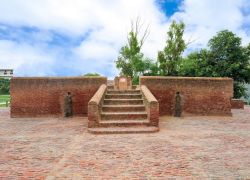
Grave of Ibrahim Lodhi is one of the most historically significant monuments in Panipat, Haryana. Located near Tehsil Camp in Panipat, this tomb marks the resting place of Sultan Ibrahim Lodhi, the last ruler of the Delhi Sultanate from the Lodi dynasty. He was defeated and killed in the historic First Battle of Panipat in 1526 by Mughal emperor Babur, an event that changed the course of Indian history and led to the establishment of the Mughal Empire in India. The monument is an important heritage site for history enthusiasts, students, researchers, and tourists exploring Panipat’s battlefield history. Though simple in design, the grave carries immense historical importance. Why is Grave of Ibrahim Lodhi Famous? The Grave of Ibrahim Lodhi is famous because it commemorates the death of the last Lodi Sultan and the end of the Delhi Sultanate’s rule. The site is especially known for: • Historical importance of First Battle of Panipat • Tomb of Sultan Ibrahim Lodhi • Beginning of Mughal Empire in India • Important medieval heritage site • Educational and historical tourism • Battlefield history landmark This site is an essential destination for understanding one of India’s most decisive battles. History of Grave of Ibrahim Lodhi In 1526, the First Battle of Panipat was fought between Ibrahim Lodhi and Babur. Ibrahim Lodhi was defeated and killed during the battle, leading to the collapse of the Lodi dynasty and the rise of Mughal rule in India. Babur later ordered the construction of a tomb in memory of Ibrahim Lodhi. Though the monument is modest compared to royal Mughal tombs, it remains an important symbol of a turning point in Indian history. The grave continues to attract visitors interested in the Delhi Sultanate, Mughal history, and Panipat’s battlefield heritage. Architecture of Grave of Ibrahim Lodhi The monument features simple yet historically meaningful architecture. Main architectural highlights include: • Raised stone platform • Enclosed tomb area • Modest Mughal-period design • Memorial inscriptions • Open courtyard surroundings Unlike grand mausoleums, the tomb is simple and functional, reflecting the hurried circumstances after the battle. Weather at Grave of Ibrahim Lodhi, Panipat Summer (April to June): Very hot weather with temperatures between 30°C to 44°C. Monsoon (July to September): Moderate rainfall with temperatures ranging from 25°C to 35°C. Winter (October to February): Pleasant weather ranging from 7°C to 22°C. The best time to visit is from October to March. Grave of Ibrahim Lodhi Timings Opening Time: 8:00 AM Closing Time: 6:00 PM Open Days: Monday to Sunday Daytime visits are ideal for sightseeing and photography. Entry Fee and Visit Details Entry Fee: Free for all visitors. Photography: Allowed for personal use. Parking: Limited parking available nearby. The average visit duration is around 30 minutes to 1 hour. How to Reach Grave of Ibrahim Lodhi, Panipat By Road: The monument is located inside Panipat city and is easily accessible by local auto-rickshaws, taxis, buses, and private vehicles. Distance from Panipat Bus Stand: Approx. 3 km Distance from Panipat Railway Station: Approx. 4 km By Train: Nearest railway station is Panipat Junction Railway Station. By Bus: Panipat has excellent road connectivity with Delhi, Karnal, Sonipat, and Chandigarh. By Air: Nearest airport is Indira Gandhi International Airport, New Delhi. Things to Do at Grave of Ibrahim Lodhi 1. Explore Historical Monument Visit the tomb and understand its role in Indian history. 2. Learn Battle History Study the First Battle of Panipat and Mughal beginnings. 3. Photography Capture monument views and surroundings. 4. Heritage Walk Combine visit with nearby historical sites in Panipat. 5. Educational Visit Ideal destination for students and researchers. Interesting Facts About Grave of Ibrahim Lodhi • Marks burial place of last Lodi Sultan • Connected to First Battle of Panipat (1526) • Symbolizes fall of Delhi Sultanate • Beginning point of Mughal rule in India • Important heritage site in Panipat Travel Tips for Visitors • Visit during winter months for comfortable weather • Carry camera for photography • Wear comfortable walking shoes • Read historical information before visit • Combine with Panipat Museum and Kala Amb Park • Carry water during summer visits Best Time to Visit Grave of Ibrahim Lodhi The ideal time to visit is from October to March, when Panipat weather is pleasant for heritage tourism. Conclusion The Grave of Ibrahim Lodhi is one of Panipat’s most important historical monuments and a must-visit site for understanding medieval Indian history. Its association with the First Battle of Panipat and the beginning of Mughal rule gives it exceptional historical value. If you are exploring Panipat’s rich heritage and battlefield landmarks, Grave of Ibrahim Lodhi, Panipat is an essential destination.
Explore More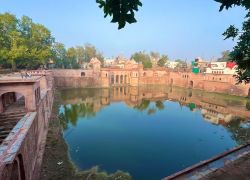
Bada Talab (Rao Tej Singh Talab)
Bada Talab, also known as Rao Tej Singh Talab, is one of the most well-known heritage water reservoirs in Rewari, Haryana. This historic pond is an important landmark associated with the region’s history, water conservation traditions, and local community life. Located in the heart of Rewari, Bada Talab serves as both a heritage attraction and a peaceful recreational spot for residents and visitors. Historically, large water bodies such as Bada Talab played an essential role in supplying water, supporting agriculture, and meeting community needs before the development of modern water systems. Today, the talab is appreciated for its historical significance, open surroundings, and cultural value. Visitors come here to enjoy the calm environment, local heritage, and scenic water views. Why is Bada Talab Famous? Bada Talab is famous for its historical importance, large water reservoir, and association with Rao Tej Singh, an important historical figure connected with the region. The site is known for: • Historic water reservoir • Local heritage significance • Peaceful environment • Walking and relaxation area • Community landmark in Rewari Its combination of history and open space makes it a popular urban attraction. History of Bada Talab (Rao Tej Singh Talab) Bada Talab is believed to have historical roots linked to traditional water conservation systems established during earlier regional rule. The talab is associated with Rao Tej Singh, who is remembered as an influential local ruler or figure connected to Rewari’s heritage. Large tanks like this were constructed to collect rainwater, store water for public use, and support local agriculture. Over the years, Bada Talab became an important public landmark and remains culturally relevant today. Architecture and Layout Though primarily a water body, Bada Talab features practical heritage-style design elements. Notable features include: • Large water reservoir • Stone or concrete embankments • Walking areas around the pond • Seating and open spaces • Scenic reflection views Its layout is functional, spacious, and ideal for quiet visits. How to Reach Bada Talab By Air: Nearest airport is Indira Gandhi International Airport, Delhi, approximately 75 km away. By Train: Nearest railway station is Rewari Junction, located within city limits. By Road: Bada Talab is easily accessible via local roads, taxis, auto-rickshaws, buses, and private vehicles. Distance from major locations: • Rewari Bus Stand: 2–4 km • Rewari Junction: 3 km • Gurugram: 50 km • Delhi: 80 km Weather at Bada Talab Summer (March to June): Temperature ranges from 30°C to 43°C. Monsoon (July to September): Fresh atmosphere with occasional rainfall. Winter (October to February): Temperature ranges between 7°C to 22°C and is the best time to visit. Timings of Bada Talab Being an open public attraction, Bada Talab is generally accessible throughout the day. Recommended Visiting Hours: 6:00 AM – 8:00 PM Morning and evening are ideal for visiting. Entry Fee and Visit Details Entry to Bada Talab is generally free. Entry Fee: Free Parking: May be available nearby Visitors can spend 30 minutes to 1 hour here. Things to Do at Bada Talab 1. Relax by the Water Enjoy peaceful surroundings and scenic water views. 2. Walking Take a leisurely walk around the talab area. 3. Photography Capture reflections, landscape views, and heritage surroundings. 4. Local Exploration Learn about Rewari’s heritage and community landmarks. 5. Evening Leisure Spend calm time outdoors with family or friends. Interesting Facts About Bada Talab • Historic water reservoir in Rewari. • Associated with Rao Tej Singh. • Important traditional water conservation structure. • Popular local relaxation spot. • Reflects regional heritage and urban history. Travel Tips for Visitors • Visit during early morning or evening. • Carry water during summer months. • Maintain cleanliness near the water body. • Wear comfortable walking footwear. • Combine visit with nearby Rewari attractions. Nearby Attractions Visitors can also explore: • Ghanteshwar Mandir • Rewari Steam Locomotive Shed • Rao Tula Ram Memorial • BMG Mall Rewari Best Time to Visit Bada Talab The best time to visit is from October to March, when weather conditions are pleasant for outdoor activities. Conclusion Bada Talab (Rao Tej Singh Talab) is an important historical and recreational attraction in Rewari, Haryana. With its heritage significance, peaceful environment, and scenic water body, it offers visitors a pleasant break from city life while connecting them with Rewari’s traditional history. Whether you are a local resident or tourist, Bada Talab is a worthwhile stop in Rewari.
Explore More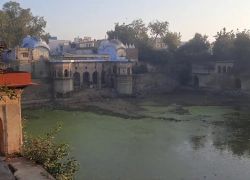
Baag Wala Talab is one of the notable historic water reservoirs and local heritage landmarks in Rewari, Haryana. Known for its peaceful surroundings, traditional significance, and role in the city’s older water management system, this talab is an interesting destination for visitors who enjoy exploring heritage spaces, local history, and calm urban attractions. The name “Baag Wala Talab” suggests its historical connection with nearby gardens or green areas, as Baag means garden. Like many traditional ponds in North India, this water body once played an important role in collecting rainwater, supporting daily needs, and serving as a community gathering space. Today, Baag Wala Talab remains a recognizable landmark and offers visitors a glimpse into Rewari’s traditional urban planning and water conservation heritage. Why is Baag Wala Talab Famous? Baag Wala Talab is famous for its heritage value, peaceful atmosphere, and importance as an old water reservoir in Rewari. The site is known for: • Historical water conservation structure • Local heritage importance • Calm environment • Open surroundings • Community and cultural relevance It is especially appreciated by locals who value the city’s historical landmarks. History of Baag Wala Talab Baag Wala Talab dates back to the time when ponds and reservoirs were central to city planning and water management. Before modern pipelines and infrastructure, talabs were essential sources of stored water. The pond likely served nearby residential areas and may have been connected with gardens, public spaces, or heritage settlements in older Rewari. Over time, it became both a practical resource and a recognizable part of local heritage. Architecture and Layout Although not a building, Baag Wala Talab features practical traditional design elements. Notable features include: • Large pond area • Embankments or retaining walls • Open surrounding space • Walking areas • Scenic water views The simple design reflects traditional utility and sustainable planning. How to Reach Baag Wala Talab By Air: Nearest airport is Indira Gandhi International Airport, Delhi, approximately 75 km away. By Train: Nearest railway station is Rewari Junction, located within city limits. By Road: Baag Wala Talab is easily reachable by local road transport including taxis, autos, buses, and private vehicles. Distance from major points: • Rewari Bus Stand: 2–4 km • Rewari Junction: 3 km • Gurugram: 50 km • Delhi: 80 km Weather at Baag Wala Talab Summer (March to June): Temperature ranges from 30°C to 43°C. Monsoon (July to September): Green surroundings and improved water levels. Winter (October to February): Temperature ranges from 7°C to 22°C, making it the ideal season to visit. Timings of Baag Wala Talab As an open public place, Baag Wala Talab is generally accessible during daytime hours. Recommended Timings: 6:00 AM – 8:00 PM Morning and evening are best for comfortable visits. Entry Fee and Visit Details There is generally no entry fee for visiting Baag Wala Talab. Entry Fee: Free Parking: May be available nearby Visitors typically spend 20–45 minutes here. Things to Do at Baag Wala Talab 1. Relax by the Pond Enjoy calm surroundings and peaceful views. 2. Photography Capture water reflections and local scenery. 3. Walking Take a short stroll around the surrounding area. 4. Heritage Exploration Learn about traditional water systems in Haryana. 5. Local Sightseeing Combine with nearby attractions in Rewari. Interesting Facts About Baag Wala Talab • Historic pond in Rewari. • Reflects traditional rainwater harvesting methods. • Likely associated with old garden areas. • Important local heritage landmark. • Popular for peaceful short visits. Travel Tips for Visitors • Visit in early morning or evening. • Carry water during summer. • Wear comfortable footwear. • Avoid littering near the pond. • Combine visit with nearby Rewari heritage sites. Nearby Attractions Visitors can also explore: • Bada Talab (Rao Tej Singh Talab) • Red Mosque (Lal Masjid) • Ghanteshwar Mandir • Rewari Steam Locomotive Shed Best Time to Visit Baag Wala Talab The best time to visit is from October to March, when the weather is cooler and pleasant for outdoor exploration. Conclusion Baag Wala Talab is a peaceful and historically relevant attraction in Rewari, Haryana. As a reminder of traditional water conservation and urban heritage, it offers visitors a quiet place to relax while exploring the city’s older cultural landscape. For those interested in local history, heritage spots, and calm outdoor spaces, Baag Wala Talab is worth a visit in Rewari.
Explore More