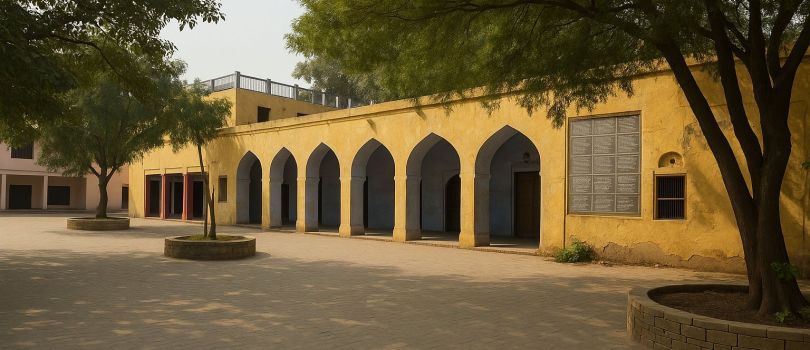
"Explore ancient artifacts and cultural history."
The Archaeological Museum of Gurukul, located in the historic Gurukul area of Jhajjar, Haryana, is a fascinating destination for history enthusiasts and those interested in ancient Indian culture. This museum is dedicated to showcasing the rich archaeological heritage of Haryana, displaying artifacts that highlight the region's ancient civilizations and their contributions to Indian culture.
The museum serves as an educational hub, preserving and displaying a wide range of artifacts, sculptures, inscriptions, and pottery that date back to various historical periods, including the Vedic, Mauryan, and Gupta eras. It offers a unique opportunity for visitors to explore the cultural, religious, and historical developments of the region.
Why is the Archaeological Museum of Gurukul Famous?
The Archaeological Museum of Gurukul is famous for:
• Exhibiting rare artifacts from ancient Indian civilizations.
• Providing insights into the region's historical and cultural evolution.
• Displaying sculptures, inscriptions, and pottery from Vedic and Mauryan periods.
• Offering educational and informative tours for students and history lovers.
• Preserving the archaeological legacy of Haryana and North India.
It is one of the most prominent places to visit for anyone interested in archaeology and ancient history in Haryana.
History of the Archaeological Museum of Gurukul
The Archaeological Museum of Gurukul was established to preserve and promote the archaeological wealth of Haryana, especially in the Gurukul region. The museum is part of a larger initiative to promote the understanding of ancient Indian history and culture through tangible evidence. The artifacts housed here were excavated from various archaeological sites in Haryana and surrounding areas.
Over the years, the museum has become a significant educational resource for scholars, students, and tourists alike, helping them connect with the ancient history of India. The museum also plays an important role in the conservation and restoration of ancient relics, ensuring that future generations can learn from them.
Architecture and Design of the Museum
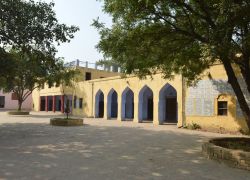
The museum’s architecture blends traditional and modern styles, with its structure designed to provide a conducive environment for the display of artifacts while also ensuring the preservation of these invaluable objects. The museum features:
• Spacious exhibition halls
• Display cases for artifacts, pottery, and sculptures
• Informative plaques and description panels
• Dedicated sections for different historical periods and cultures
• Art galleries showcasing ancient sculptures and artwork
The design of the museum ensures that visitors can experience the exhibits in a spacious, informative, and engaging manner.
Weather at the Archaeological Museum of Gurukul
Summer (April to June): 30°C to 40°C. The museum is indoors, making it a comfortable visit during hot months.
Monsoon (July to September): 25°C to 35°C. The museum can be a great indoor escape during the rainy season.
Winter (October to February): 10°C to 20°C, ideal for visiting the museum, with pleasant temperatures.
The best time to visit the museum is during the winter months (October to February), when the weather is cooler and comfortable for exploring.
Archaeological Museum of Gurukul Timings
Opening Time: 9:00 AM
Closing Time: 5:00 PM
The museum is typically closed on Mondays and national holidays. It is advisable to confirm timings before planning a visit.
Entry Fee and Visit Details
Entry Fee: The entry fee to the museum is usually nominal, with discounts available for students, senior citizens, and groups.
Photography: Photography is allowed in certain areas, but some exhibits may have restrictions.
Parking: Ample parking space is available for visitors.
Suggested Visit Duration: 1 to 2 hours, depending on your level of interest and participation in guided tours.
How to Reach the Archaeological Museum of Gurukul, Jhajjar, Haryana
By Air
The nearest airport is Indira Gandhi International Airport, Delhi, approximately 65 km away from the museum.
By Train
The nearest railway station is Jhajjar Railway Station, located about 10 km from the museum.
By Road
The museum is easily accessible by road from nearby cities such as Jhajjar, Rohtak, and Delhi.
Distance from nearby cities:
• Jhajjar – 10 km
• Rohtak – 40 km
• Delhi – 65 km
Private vehicles, taxis, and buses are available for visitors traveling to the museum.
Things to Do at the Archaeological Museum of Gurukul
1. Explore Ancient Artifacts
Visit the various exhibits to view artifacts, pottery, and sculptures from ancient civilizations.
2. Participate in Guided Tours
Join a guided tour to get deeper insights into the artifacts and historical significance of the items on display.
3. Learn About Ancient History
The museum offers an excellent opportunity to learn about ancient Indian history, with detailed explanations of the exhibits.
4. Photography
Capture the beauty of the museum's artifacts and architectural design (where permitted).
Interesting Facts About the Archaeological Museum of Gurukul
• The museum showcases artifacts dating back to the Vedic, Mauryan, and Gupta periods.
• Many items were excavated from nearby archaeological sites in Haryana.
• The museum plays a significant role in preserving and promoting Haryana’s cultural heritage.
• It is a key destination for students and researchers interested in ancient Indian history.
Travel Tips for Visitors
Useful travel tips:
• Wear comfortable shoes for walking around the museum's large exhibit halls.
• Bring a notebook or camera to record key information about the artifacts.
• Respect the rules for photography, especially in restricted areas.
• Take a guided tour to enhance your understanding of the exhibits.
• Carry water and snacks, as the museum does not have extensive food facilities.
Nearby Attractions
While visiting the Archaeological Museum of Gurukul, you can also explore nearby attractions such as:
• Bhindawas Wildlife Sanctuary
• Sultanpur National Park
• Joygaon Picnic Park
• Pratapgarh Farms
Conclusion
The Archaeological Museum of Gurukul is a must-visit destination for history buffs, students, and anyone interested in exploring the ancient heritage of Haryana and India. The museum offers a captivating glimpse into the region’s past, preserving priceless artifacts that showcase the cultural richness of ancient civilizations.
Whether you are a scholar, a tourist, or someone interested in Indian history, the museum provides a fascinating and educational experience that connects visitors to the ancient world.

Jhajjar
Jhajjar
Jhajjar
Jhajjar
Jhajjar
Jhajjar
Jhajjar

Jhajjar
Jhajjar