"Discover the resting place of a Mughal ruler."
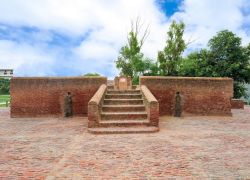
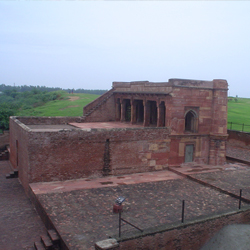
Grave of Ibrahim Lodhi is one of the most historically significant monuments in Panipat, Haryana. Located near Tehsil Camp in Panipat, this tomb marks the resting place of Sultan Ibrahim Lodhi, the last ruler of the Delhi Sultanate from the Lodi dynasty. He was defeated and killed in the historic First Battle of Panipat in 1526 by Mughal emperor Babur, an event that changed the course of Indian history and led to the establishment of the Mughal Empire in India.
The monument is an important heritage site for history enthusiasts, students, researchers, and tourists exploring Panipat’s battlefield history. Though simple in design, the grave carries immense historical importance.
Why is Grave of Ibrahim Lodhi Famous?
The Grave of Ibrahim Lodhi is famous because it commemorates the death of the last Lodi Sultan and the end of the Delhi Sultanate’s rule.
The site is especially known for:
• Historical importance of First Battle of Panipat
• Tomb of Sultan Ibrahim Lodhi
• Beginning of Mughal Empire in India
• Important medieval heritage site
• Educational and historical tourism
• Battlefield history landmark
This site is an essential destination for understanding one of India’s most decisive battles.
History of Grave of Ibrahim Lodhi
In 1526, the First Battle of Panipat was fought between Ibrahim Lodhi and Babur. Ibrahim Lodhi was defeated and killed during the battle, leading to the collapse of the Lodi dynasty and the rise of Mughal rule in India.
Babur later ordered the construction of a tomb in memory of Ibrahim Lodhi. Though the monument is modest compared to royal Mughal tombs, it remains an important symbol of a turning point in Indian history.
The grave continues to attract visitors interested in the Delhi Sultanate, Mughal history, and Panipat’s battlefield heritage.
Architecture of Grave of Ibrahim Lodhi
The monument features simple yet historically meaningful architecture.
Main architectural highlights include:
• Raised stone platform
• Enclosed tomb area
• Modest Mughal-period design
• Memorial inscriptions
• Open courtyard surroundings
Unlike grand mausoleums, the tomb is simple and functional, reflecting the hurried circumstances after the battle.
Weather at Grave of Ibrahim Lodhi, Panipat
Summer (April to June): Very hot weather with temperatures between 30°C to 44°C.
Monsoon (July to September): Moderate rainfall with temperatures ranging from 25°C to 35°C.
Winter (October to February): Pleasant weather ranging from 7°C to 22°C.
The best time to visit is from October to March.
Grave of Ibrahim Lodhi Timings
Opening Time: 8:00 AM
Closing Time: 6:00 PM
Open Days: Monday to Sunday
Daytime visits are ideal for sightseeing and photography.
Entry Fee and Visit Details
Entry Fee: Free for all visitors.
Photography: Allowed for personal use.
Parking: Limited parking available nearby.
The average visit duration is around 30 minutes to 1 hour.
How to Reach Grave of Ibrahim Lodhi, Panipat
By Road:
The monument is located inside Panipat city and is easily accessible by local auto-rickshaws, taxis, buses, and private vehicles.
Distance from Panipat Bus Stand: Approx. 3 km
Distance from Panipat Railway Station: Approx. 4 km
By Train:
Nearest railway station is Panipat Junction Railway Station.
By Bus:
Panipat has excellent road connectivity with Delhi, Karnal, Sonipat, and Chandigarh.
By Air:
Nearest airport is Indira Gandhi International Airport, New Delhi.
Things to Do at Grave of Ibrahim Lodhi
1. Explore Historical Monument
Visit the tomb and understand its role in Indian history.
2. Learn Battle History
Study the First Battle of Panipat and Mughal beginnings.
3. Photography
Capture monument views and surroundings.
4. Heritage Walk
Combine visit with nearby historical sites in Panipat.
5. Educational Visit
Ideal destination for students and researchers.
Interesting Facts About Grave of Ibrahim Lodhi
• Marks burial place of last Lodi Sultan
• Connected to First Battle of Panipat (1526)
• Symbolizes fall of Delhi Sultanate
• Beginning point of Mughal rule in India
• Important heritage site in Panipat
Travel Tips for Visitors
• Visit during winter months for comfortable weather
• Carry camera for photography
• Wear comfortable walking shoes
• Read historical information before visit
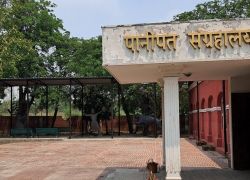
• Combine with Panipat Museum and Kala Amb Park
• Carry water during summer visits
Best Time to Visit Grave of Ibrahim Lodhi
The ideal time to visit is from October to March, when Panipat weather is pleasant for heritage tourism.
Conclusion
The Grave of Ibrahim Lodhi is one of Panipat’s most important historical monuments and a must-visit site for understanding medieval Indian history. Its association with the First Battle of Panipat and the beginning of Mughal rule gives it exceptional historical value.
If you are exploring Panipat’s rich heritage and battlefield landmarks, Grave of Ibrahim Lodhi, Panipat is an essential destination.



Panipat
Panipat
Panipat
Panipat
Panipat
Panipat
Panipat