
Shalimar Bagh is one of the most famous Mughal gardens located in Srinagar, Jammu & Kashmir. It is considered the crown jewel of Mughal landscaping in Kashmir and is situated on the northeastern side of the beautiful Dal Lake. Known for its royal history, terraced lawns, fountains, and breathtaking mountain views, Shalimar Bagh is a must-visit destination for tourists exploring Srinagar. The garden is often called the “Abode of Love” because it was built by Mughal Emperor Jahangir for his beloved wife Noor Jahan. Today, it stands as a symbol of romance, Mughal architecture, and the timeless beauty of Kashmir. Why Shalimar Bagh is Famous? Shalimar Bagh is famous for its royal Mughal heritage and beautifully designed terraced garden structure. It is one of the most well-preserved Mughal gardens in India. The garden is also known for its stunning water channels, Persian-style landscaping, and centuries-old Chinar trees that change colors with seasons, creating a magical atmosphere. Another reason for its fame is its location along Dal Lake, offering breathtaking views of the water and surrounding Himalayan mountains. It is one of the most photographed tourist spots in Srinagar. History of Shalimar Bagh Shalimar Bagh was built in 1619 AD by Mughal Emperor Jahangir for his wife Empress Noor Jahan. The garden was originally named “Farah Baksh” meaning “The Delightful.” Later, during the reign of Mughal Emperor Shah Jahan, the garden was expanded and renamed Shalimar Bagh. It was used as a royal retreat where Mughal emperors spent summers enjoying Kashmir’s natural beauty. The garden reflects the Mughal passion for creating paradise-like landscapes inspired by Persian garden design. Architecture of Shalimar Bagh Shalimar Bagh is designed in the classic Charbagh (four-part garden) style of Mughal architecture. It is divided into three main terraces, each representing different levels of beauty and importance. The first terrace is known as the public garden, the second as the emperor’s garden, and the third as the private garden reserved for royal women. Water flows through the garden via marble channels and fountains powered by natural springs, creating a soothing and refreshing environment. The layout includes pavilions, stone pathways, and beautifully trimmed lawns. How to Reach Shalimar Bagh Shalimar Bagh is located about 15 km from Srinagar city center and is easily accessible by road. By Air: The nearest airport is Sheikh ul-Alam International Airport, Srinagar, located approximately 25 km away. Taxis are readily available from the airport. By Road: The garden is well connected via Boulevard Road along Dal Lake. Visitors can easily reach it using taxis, auto-rickshaws, or private vehicles. By Shikara: Tourists staying near Dal Lake can enjoy a scenic boat ride and then take a short road trip to reach the garden. Weather at Shalimar Bagh Srinagar has a pleasant and moderate climate, making Shalimar Bagh a year-round attraction with seasonal beauty changes. Best Time to Visit: April to October is ideal for experiencing blooming flowers and pleasant weather. Summer (April to June): Cool and comfortable, perfect for sightseeing. Monsoon (July to September): Light rains enhance greenery and garden freshness. Winter (November to February): Cold weather with snowfall in nearby areas, creating a winter wonderland view. Timings and Entry Details Opening Hours: Generally open from 9:00 AM to 7:00 PM. Entry Fee: A nominal entry fee is charged for Indian and foreign tourists. Additional charges may apply for photography equipment. Visitors are advised to spend at least 1–2 hours exploring the entire garden complex. Things to Do at Shalimar Bagh Shalimar Bagh offers a peaceful and royal experience for visitors. Garden Walks: Walk through beautifully designed terraces and enjoy Mughal landscaping. Photography: Capture stunning views of fountains, flowers, and Dal Lake. Relaxation: Sit under Chinar trees and enjoy the serene environment. Historical Exploration: Learn about Mughal architecture and royal history. Nature Observation: Enjoy seasonal flowers and bird watching. Facts About Shalimar Bagh • Built in 1619 by Emperor Jahangir. • Dedicated to Empress Noor Jahan. • Known as the “Abode of Love.” • Designed in Persian Charbagh style. • Located on the banks of Dal Lake. Tips for Visitors Visit during spring or summer for the best floral experience. Wear comfortable walking shoes due to terraced structure. Carry water and sunscreen during daytime visits. Avoid littering and respect the historical importance of the site. Early morning or evening visits are best for photography and peaceful experience. Combine your visit with Nishat Bagh and Chashme Shahi for a complete Mughal garden tour. Conclusion Shalimar Bagh in Srinagar, Jammu & Kashmir is a masterpiece of Mughal garden architecture and a symbol of royal love and beauty. With its terraced lawns, flowing fountains, and stunning views of Dal Lake and mountains, it offers a magical experience for every visitor. Whether you are a history lover, photographer, or traveler, Shalimar Bagh is a must-visit destination in Kashmir.
Explore More
Nishat Bagh is one of the most beautiful and iconic Mughal gardens located in Srinagar, Jammu & Kashmir. Situated on the eastern side of the famous Dal Lake, this terraced garden is known for its breathtaking views of the lake, Zabarwan Mountains, and lush green landscapes. It is one of the largest Mughal gardens in Kashmir and a must-visit attraction for tourists exploring Srinagar. The name “Nishat Bagh” means “Garden of Joy”, and true to its name, it offers a peaceful and refreshing experience filled with natural beauty, fountains, flowers, and scenic surroundings. It is a perfect blend of Mughal architecture and Kashmir’s natural charm. Why Nishat Bagh is Famous? Nishat Bagh is famous for its stunning terraced garden design and panoramic views of Dal Lake. The garden is built in a way that each terrace offers a more beautiful view than the previous one. It is also known for its colorful flower beds, flowing water channels, and majestic Chinar trees that change colors with seasons. The combination of mountains, lake, and garden makes it one of the most photographed places in Srinagar. Another reason for its fame is its historical importance as a Mughal-era garden built for royal relaxation and enjoyment. History of Nishat Bagh Nishat Bagh was built in 1633 AD by Asif Khan, the brother-in-law of Mughal Emperor Jahangir. It was designed during the Mughal era when Kashmir was a favorite retreat for Mughal emperors. The garden was inspired by Persian garden architecture and was meant to represent paradise on earth. It was designed as a pleasure garden for Mughal nobility to relax during summer months. Over time, Nishat Bagh has been preserved and maintained, retaining its original charm and Mughal design elements. Architecture of Nishat Bagh Nishat Bagh follows the classic Charbagh (four-part garden) style of Mughal architecture. It is arranged in 12 terraces, each representing a different level of beauty and elevation. Water channels run through the center of the garden, fed by mountain springs, creating natural fountains and cooling effects. Stone pathways and staircases connect each terrace. The garden is surrounded by majestic Chinar trees, flowering plants, and well-maintained lawns. The backdrop of Dal Lake and Zabarwan Mountains enhances its architectural beauty. How to Reach Nishat Bagh Nishat Bagh is located about 11 km from Srinagar city center and is easily accessible. By Air: The nearest airport is Sheikh ul-Alam International Airport, Srinagar, located around 22 km away. Taxis and cabs are available. By Road: The garden is well connected by road from Srinagar city. Visitors can take taxis, auto-rickshaws, or private vehicles. It is located along the Boulevard Road near Dal Lake. By Shikara: Tourists staying at Dal Lake can enjoy a scenic boat ride and then reach the garden via short road travel. Weather at Nishat Bagh Srinagar experiences a pleasant climate with distinct seasonal changes. Best Time to Visit: April to October is ideal when flowers are in full bloom and weather is pleasant. Summer (April to June): Cool and refreshing, perfect for sightseeing. Monsoon (July to September): Light rain enhances greenery and garden beauty. Winter (November to February): Cold with snowfall in surrounding areas, offering a magical winter view. Timings and Entry Details Opening Hours: Generally open from 9:00 AM to 7:00 PM. Entry Fee: A small entry fee is applicable for Indian and foreign tourists. Additional charges may apply for photography. Visitors are advised to spend at least 1–2 hours exploring the entire garden. Things to Do at Nishat Bagh Nishat Bagh offers a peaceful and scenic experience for all visitors. Garden Walks: Walk through beautifully designed terraces and enjoy natural beauty. Photography: Capture stunning views of Dal Lake, mountains, and flowers. Relaxation: Sit under Chinar trees and enjoy the peaceful environment. Nature Observation: Enjoy seasonal flowers and bird sightings. Picnic Spot: Spend quality time with family in a serene environment. Facts About Nishat Bagh • Built in 1633 by Asif Khan during Mughal rule. • Known as the “Garden of Joy.” • Contains 12 beautifully designed terraces. • Located on the banks of Dal Lake. • One of the largest Mughal gardens in Kashmir. Tips for Visitors Visit during spring or summer for the best floral display. Wear comfortable walking shoes due to terraced structure. Carry water and light snacks during daytime visits. Avoid littering and respect the natural environment. Early morning or evening visits are best for photography and fewer crowds. Combine your visit with Shalimar Bagh and Chashme Shahi for a complete Mughal garden experience. Conclusion Nishat Bagh in Srinagar, Jammu & Kashmir is a breathtaking Mughal garden that beautifully combines nature, history, and architecture. With its terraced design, colorful flowers, and stunning views of Dal Lake and mountains, it offers a peaceful and unforgettable experience. Whether you are a nature lover, photographer, or traveler, Nishat Bagh is a must-visit destination in Srinagar.
Explore More
Mughal Gardens in Srinagar, Jammu & Kashmir are a group of beautifully designed historic gardens built during the Mughal era. These gardens are among the most iconic attractions in Kashmir and are known for their stunning landscapes, terraced lawns, flowing water channels, fountains, and breathtaking views of Dal Lake and the surrounding Himalayas. The Mughal Gardens include famous sites such as Shalimar Bagh, Nishat Bagh, and Chashme Shahi. Together, they represent the royal lifestyle, artistic vision, and love for nature that the Mughal emperors had. These gardens attract tourists from all over the world and are considered the pride of Srinagar tourism. Why Mughal Gardens are Famous? Mughal Gardens are famous for their stunning Persian-style landscaping known as Charbagh design, where gardens are divided into symmetrical sections with water channels and fountains. They are also known for their vibrant flower beds, tall chinar trees, and scenic views of Dal Lake. During spring and summer, the gardens bloom with colorful flowers, making them look like a paradise on earth. Another reason for their fame is their historical importance, as they were built by Mughal emperors like Jahangir and Shah Jahan, who were passionate about creating beautiful gardens inspired by Persian architecture. History of Mughal Gardens The Mughal Gardens were built during the Mughal era between the 16th and 17th centuries. Emperor Jahangir and Emperor Shah Jahan played a major role in developing these gardens in Kashmir. Jahangir, who loved Kashmir deeply, described it as “heaven on earth” and built several gardens to enjoy its natural beauty. His wife Noor Jahan also contributed to garden design and aesthetics. These gardens were designed as royal retreats where Mughal emperors could relax during summer months. Over time, they became symbols of Mughal art, culture, and architectural excellence. Architecture of Mughal Gardens The architecture of Mughal Gardens is based on the Persian Charbagh style, which divides the garden into four symmetrical parts representing paradise in Islamic tradition. Each garden features terraced lawns, water channels, fountains, and stone pathways. The water flows through the gardens using gravity, creating a soothing sound and cooling effect. Chinar trees, flower beds, and carefully designed pavilions enhance the beauty of the gardens. The layout is perfectly aligned to offer views of Dal Lake and snow-covered mountains. Major Mughal Gardens in Srinagar Shalimar Bagh: Built by Emperor Jahangir for his wife Noor Jahan, it is the largest and most famous Mughal Garden in Srinagar. Nishat Bagh: Known as the “Garden of Joy,” it is located on the banks of Dal Lake and offers stunning views of the Zabarwan mountains. Chashme Shahi: Famous for its natural spring and medicinal water, it is one of the smallest yet most beautiful Mughal gardens. How to Reach Mughal Gardens Mughal Gardens are located in Srinagar and are easily accessible from all major transport hubs. By Air: The nearest airport is Sheikh ul-Alam International Airport, Srinagar, located around 20 km away. Taxis and cabs are easily available. By Road: Mughal Gardens are well connected by road within Srinagar city. Local taxis, auto-rickshaws, and tourist vehicles are available from Dal Lake and city center. By Shikara: Visitors staying at Dal Lake can enjoy a scenic boat ride and then take a short road journey to reach the gardens. Weather at Mughal Gardens Srinagar experiences a pleasant and temperate climate, making Mughal Gardens enjoyable for most of the year. Best Time to Visit: April to October is ideal when flowers bloom and gardens are in full beauty. Summer (April to June): Pleasant weather with colorful flowers and greenery. Monsoon (July to September): Light rainfall enhances natural beauty and freshness. Winter (November to February): Cold weather with snowfall, offering a magical winter landscape. Timings and Entry Details Opening Hours: Generally open from 9:00 AM to 7:00 PM. Entry Fee: A nominal entry fee is charged for Indian and foreign tourists. Additional charges may apply for photography. Visitors are advised to carry valid ID proof and check seasonal flower bloom timings for the best experience. Things to Do at Mughal Gardens Mughal Gardens offer a peaceful and scenic experience for all visitors. Garden Walks: Explore beautifully designed lawns, terraces, and fountains. Photography: Capture stunning views of flowers, fountains, and mountains. Relaxation: Sit under chinar trees and enjoy the peaceful environment. Shikara Ride Combination: Combine your garden visit with a Dal Lake boat ride. Nature Observation: Enjoy seasonal flowers and bird watching. Facts About Mughal Gardens • Built during the Mughal era in the 16th–17th century. • Designed in Persian Charbagh style. • Includes Shalimar Bagh, Nishat Bagh, and Chashme Shahi. • Located along Dal Lake in Srinagar. • Famous for seasonal flower blooms and chinar trees. Tips for Visitors Visit during spring or summer for the best flower views. Wear comfortable walking shoes as gardens are large and terraced. Carry water and sun protection during daytime visits. Avoid littering and respect the natural environment. Early morning or evening visits are best for photography and fewer crowds. Combine all three gardens for a complete experience. Conclusion Mughal Gardens in Srinagar, Jammu & Kashmir are a breathtaking blend of history, nature, and royal architecture. With their terraced lawns, flowing fountains, and stunning Himalayan views, they represent the true beauty of Kashmir. Whether you are a nature lover, photographer, or history enthusiast, Mughal Gardens offer an unforgettable experience and are a must-visit destination in Srinagar.
Explore More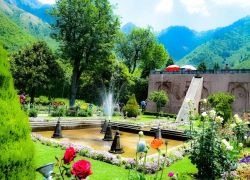
Chashme Shahi is one of the most beautiful Mughal gardens located in Srinagar, Jammu & Kashmir. Known for its natural spring, terraced layout, and stunning views of the Zabarwan Mountains, it is one of the most peaceful and scenic attractions in the Kashmir Valley. The name “Chashme Shahi” means “Royal Spring”, and it is famous for its fresh mineral water and lush green surroundings. Built during the Mughal era, Chashme Shahi is part of the famous trio of Mughal gardens in Srinagar, along with Shalimar Bagh and Nishat Bagh. It attracts tourists, nature lovers, photographers, and history enthusiasts throughout the year. Why Chashme Shahi is Famous? Chashme Shahi is famous for its natural spring water, which is believed to have medicinal and healing properties. The water flows directly from the mountain spring and is considered pure and refreshing. It is also known for its beautifully designed Mughal garden architecture, featuring terraced lawns, flowing water channels, fountains, and colorful flower beds. Another reason for its fame is its breathtaking view of Dal Lake and the surrounding snow-capped mountains, making it a favorite photography spot in Srinagar. History of Chashme Shahi Chashme Shahi was built in 1632 AD by the Mughal governor Ali Mardan Khan during the reign of Emperor Shah Jahan. It was constructed around the natural spring discovered by a saint named Rupa Bhawani. According to legend, the spring water was believed to have healing powers, and Mughal royalty used it for drinking purposes. Inspired by Persian garden design, the Mughals developed it into a terraced garden with flowing water channels. Over time, it has been carefully maintained and restored, preserving its historical charm and natural beauty. Architecture of Chashme Shahi Chashme Shahi follows the classic Mughal Charbagh style of garden design, which is inspired by Persian architecture. The garden is built in three terraces, each connected by water channels and stone pathways. The upper terrace contains the natural spring, which flows down through fountains and channels, creating a soothing water sound throughout the garden. The garden is surrounded by chinar trees, flower beds, and stone structures that enhance its scenic beauty. The layout is simple yet elegant, reflecting Mughal aesthetics focused on harmony with nature. How to Reach Chashme Shahi Chashme Shahi is located about 10 km from Srinagar city center and is easily accessible. By Air: The nearest airport is Sheikh ul-Alam International Airport, Srinagar, located around 20 km away. Taxis and cabs are available from the airport. By Road: Chashme Shahi is well connected by road from Srinagar city. Local taxis, auto-rickshaws, and tourist cabs are easily available. It is also close to Dal Lake and other Mughal gardens. By Houseboat/Shikara: Visitors staying at Dal Lake can reach nearby points and then travel by road to the garden. Weather at Chashme Shahi Srinagar has a temperate climate with distinct seasons. Best Time to Visit: April to October is ideal when flowers are in bloom and weather is pleasant. Summer (April to June): Pleasant and cool, perfect for sightseeing. Monsoon (July to September): Moderate rainfall enhances greenery and freshness. Winter (November to February): Cold with heavy snowfall in surrounding areas, offering a magical winter view. Timings and Entry Details Opening Hours: Generally open from 9:00 AM to 7:00 PM. Entry Fee: A nominal entry fee is charged for Indian and foreign tourists. Additional charges may apply for cameras. Visitors are advised to spend at least 1–2 hours to fully enjoy the garden. Things to Do at Chashme Shahi Chashme Shahi offers a peaceful and refreshing experience for all visitors. Enjoy the Natural Spring: Taste the fresh mineral water directly from the spring. Garden Walks: Walk through beautifully designed terraces and flower beds. Photography: Capture scenic views of gardens, mountains, and fountains. Relaxation: Sit near water channels and enjoy the peaceful atmosphere. Visit Nearby Gardens: Combine your visit with Shalimar Bagh and Nishat Bagh. Facts About Chashme Shahi • Built in 1632 during Mughal rule. • Famous for its natural spring water. • Designed in Persian Charbagh style. • One of the smallest Mughal gardens in Srinagar. • Offers panoramic views of Dal Lake and mountains. Tips for Visitors Visit during spring or summer for blooming flowers and best views. Wear comfortable walking shoes as the garden has terraced paths. Carry water and light snacks during summer visits. Avoid littering and respect the natural environment. Combine your trip with other Mughal gardens for a complete Srinagar experience. Early morning or evening visits are best for photography. Conclusion Chashme Shahi in Srinagar, Jammu & Kashmir is a serene Mughal garden that perfectly blends natural beauty, historical architecture, and spiritual charm. With its refreshing spring water, terraced landscapes, and stunning Himalayan views, it offers a peaceful escape for travelers. Whether you are a nature lover, photographer, or history enthusiast, Chashme Shahi is a must-visit destination in Kashmir.
Explore More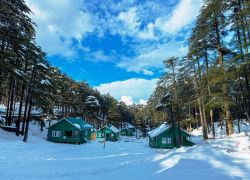
Welcome to the serene and picturesque destination of Patnitop Park nestled in the heart of Patnitop city. This green oasis is a haven for nature lovers, birdwatchers, and wildlife enthusiasts, offering a unique blend of natural beauty and biodiversity that attracts visitors from far and wide. History of Patnitop Park Steeped in history, Patnitop Park has a rich past dating back to its origins as former royal hunting grounds. Over the years, the park has undergone significant conservation efforts to preserve its pristine environment, earning recognition for its biodiversity and ecological importance. Architecture and Natural Beauty of Patnitop Park Patnitop Park boasts a diverse landscape comprising wetlands, lush forests, expansive grasslands, and bird habitats. Amidst this natural beauty lies the historic Keoladeo Temple, adding a touch of cultural charm to the park's serene surroundings. Why is Patnitop Park Famous? Patnitop Park is renowned for its abundant birdlife, making it a hotspot for birdwatchers and photographers. The park's natural allure and tranquil ambiance also appeal to nature enthusiasts and wildlife lovers seeking a peaceful retreat in the lap of nature. How to Reach Patnitop Park Traveling to Patnitop Park is convenient, with options to reach by air, rail, and road. Nearby airports and railway stations provide easy access, ensuring a hassle-free journey to this natural paradise. Weather and Best Time to Visit Patnitop Park Experience the varying weather conditions of Patnitop Park across summer, monsoon, and winter seasons. The best time to visit this scenic destination is during specific months when the weather is most favorable for exploration and outdoor activities. Timings of Patnitop Park Plan your visit to Patnitop Park with detailed information on visitor timings, any seasonal variations to be aware of, and essential tips for making the most of your time exploring the park's natural wonders. Entry Fee and Visit Details Discover the entry procedures, availability of guide services, safari options, bicycle rentals, and visitor facilities offered at Patnitop Park to enhance your overall experience and enjoyment during your visit. Things to Do at Patnitop Park Engage in a myriad of activities at Patnitop Park, from birdwatching and photography to cycling, walking trails, nature observation, and immersive educational experiences that offer a deeper insight into the park's diverse ecosystem. Interesting Facts About Patnitop Park Delve into fascinating facts about Patnitop Park, including its significance for migratory birds, notable conservation achievements, and the critical role it plays in preserving biodiversity and promoting environmental awareness. Travel Tips for Visiting Patnitop Park Prepare for your visit to Patnitop Park with practical advice on clothing choices, essential photography and birdwatching equipment, ideal visiting seasons, and responsible tourism practices that help conserve the park's natural heritage for future generations. Conclusion In conclusion, Patnitop Park in Patnitop city stands as a testament to natural beauty and ecological preservation, offering visitors a memorable experience amidst lush surroundings and diverse wildlife. Explore this tranquil retreat to immerse yourself in the wonders of nature and create lasting memories in this enchanting destination.
Explore More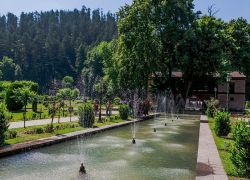
Welcome to Achabal Garden, a mesmerizing tourist attraction located in the city of Anantnag. This beautiful garden is renowned for its historical significance, stunning natural environment, rich biodiversity, and immense tourism importance. History of Achabal Garden Achabal Garden holds a fascinating historical background as it was originally established as the royal garden by Mughal Emperor Jahangir. It served as former royal hunting grounds and has witnessed various conservation efforts over the years. The garden's magnificence has been acknowledged by UNESCO, further enhancing its cultural and historical importance. Architecture and Natural Beauty of Achabal Garden The garden is adorned with lush wetlands, dense forests, sprawling grasslands, and diverse bird habitats, creating a picturesque landscape that captivates visitors. Nestled within the park is the historical Keoladeo Temple, adding a spiritual essence to the natural beauty of the surroundings. Why is Achabal Garden Famous? Achabal Garden is renowned for its charm among birdwatchers, photographers, nature enthusiasts, and wildlife lovers. The park's serene ambiance, coupled with its rich biodiversity, makes it a haven for those seeking to immerse themselves in the wonders of nature. How to Reach Achabal Garden Traveling to Achabal Garden is convenient with multiple options available. Visitors can access the garden via air, rail, or road, with nearby airports and railway stations providing easy connectivity to this enchanting destination. Weather and Best Time to Visit Achabal Garden Achabal Garden experiences varying weather conditions throughout the year, with distinct summers, monsoons, and winters. The best time to visit is during the mild months when the climate is pleasant, allowing visitors to explore the garden comfortably. Timings of Achabal Garden Achabal Garden welcomes visitors during specific timings, ensuring a memorable experience for all who visit. Seasonal variations may influence these timings, so it is advisable to plan your trip accordingly. Entry Fee and Visit Details Entry to Achabal Garden involves following specific procedures and availing guide services if desired. The park offers safari options, bicycle rentals, and various visitor facilities to enhance the overall experience of exploring this natural wonder. Things to Do at Achabal Garden Engage in popular activities at Achabal Garden such as birdwatching, photography, cycling through scenic trails, leisurely walks amidst nature, and immersive educational experiences that showcase the park's diverse offerings. Interesting Facts About Achabal Garden Achabal Garden is teeming with fascinating facts, from the annual arrival of migratory birds to the park's crucial role in biodiversity conservation. The achievements in preserving ecological balance make Achabal Garden a standout destination for eco-conscious travelers. Travel Tips for Visiting Achabal Garden When planning a visit to Achabal Garden, remember to pack appropriate clothing, essential photography gear, and birdwatching equipment to make the most of your trip. Consider visiting during the recommended seasons and practice responsible tourism to preserve the beauty of this natural gem. Conclusion In conclusion, Achabal Garden in Anantnag stands as a testament to nature's splendor and historical legacy. With its lush landscapes, rich biodiversity, and array of activities, a visit to this enchanting hotspot promises a memorable experience for all travelers seeking solace in the heart of nature.
Explore More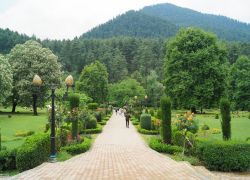
Welcome to Kokernag Botanical Garden, a captivating tourist attraction located in the beautiful city of Anantnag. This botanical garden is a haven for nature lovers, offering a serene environment filled with diverse plant species, rich biodiversity, and stunning landscapes. History of Kokernag Botanical Garden The history of Kokernag Botanical Garden dates back to its origins as former royal hunting grounds. Over the years, concerted conservation efforts have transformed this area into a thriving botanical garden, showcasing the natural beauty of the region. The park's significance has been recognized by UNESCO for its role in preserving the local flora and fauna. Architecture and Natural Beauty of Kokernag Botanical Garden The botanical garden is renowned for its lush wetlands, dense forests, vast grasslands, and diverse bird habitats. The picturesque landscapes provide a perfect setting for the historical Keoladeo Temple, adding a touch of cultural heritage to the natural surroundings. Why is Kokernag Botanical Garden Famous? Kokernag Botanical Garden is famous for its appeal to birdwatchers, photographers, nature enthusiasts, and wildlife lovers. The rich biodiversity and serene ambiance make it an ideal destination for those seeking to connect with nature and explore the beauty of Anantnag. How to Reach Kokernag Botanical Garden Traveling to Kokernag Botanical Garden is convenient, with various options available by air, rail, and road. The garden is easily accessible from nearby airports and railway stations, making it a popular choice for both local and international visitors. Weather and Best Time to Visit Kokernag Botanical Garden The weather at Kokernag Botanical Garden varies throughout the year, with distinct summer, monsoon, and winter seasons. The best time to visit is during the moderate months when the climate is pleasant, allowing visitors to fully enjoy the natural beauty of the garden. Timings of Kokernag Botanical Garden Kokernag Botanical Garden welcomes visitors during specific timings, accommodating seasonal variations to provide an optimal experience for guests. It is advisable to plan your visit accordingly and make the most of your time at this enchanting destination. Entry Fee and Visit Details Entry to Kokernag Botanical Garden is subject to nominal fees, with additional services such as guide assistance, safari options, bicycle rentals, and visitor facilities available for a more enriching experience. Visitors can explore the garden at their own pace and engage in various activities to enhance their visit. Things to Do at Kokernag Botanical Garden At Kokernag Botanical Garden, there are plenty of activities to engage in, from birdwatching and photography to cycling, walking trails, and nature observation. Visitors can immerse themselves in the tranquil surroundings and take part in educational experiences that highlight the beauty of the natural world. Interesting Facts About Kokernag Botanical Garden Kokernag Botanical Garden is home to a myriad of migratory birds, showcasing the region's rich biodiversity and conservation achievements. The garden plays a vital role in preserving the ecological balance and promoting sustainable practices for the benefit of future generations. Travel Tips for Visiting Kokernag Botanical Garden When planning a visit to Kokernag Botanical Garden, it is advisable to dress comfortably, carry essential photography equipment, and be prepared for birdwatching activities. Understanding the best visiting seasons and practicing responsible tourism are key to enjoying a fulfilling experience at this natural paradise. Conclusion In conclusion, Kokernag Botanical Garden stands as a testament to the natural beauty and biodiversity of Anantnag. This enchanting destination offers visitors a unique opportunity to connect with nature, explore diverse plant species, and witness the wonders of wildlife in a picturesque setting. Whether you are a bird enthusiast, nature lover, or simply seeking tranquility, Kokernag Botanical Garden promises an unforgettable experience in the heart of Anantnag.
Explore MoreVaishno Devi Package Ex-Mumbai
5 Days/ 4 Night
Katra
Kashmir Explorer 04 Nights - 05 Days Tour
5 Days/ 4 Night
Srinagar - Pahalgam - Sonamarg - Gulmarg
Kashmir Classic
4 Days/ 3 Night
Awantipora - Gulmarg - Jammu - Pahalgam - Srinagar - Tangmarg - Kashmir
Kashmir Explorer
5 Days/ 4 Night
Gulmarg - Jammu - Pahalgam - Sonamarg - Srinagar - Ganderbal - Kashmir