
Jhajjar Kotli, located in Katra, is a hidden gem that beckons travelers with its natural beauty and rich biodiversity. This picturesque tourist attraction offers a tranquil escape from the hustle and bustle of city life, making it a popular destination for nature enthusiasts, birdwatchers, and photographers. History of Jhajjar Kotli The history of Jhajjar Kotli dates back to ancient times when it served as a royal hunting ground for the local rulers. Over the years, concerted conservation efforts have transformed this area into a sanctuary for a variety of flora and fauna. The park's commitment to preserving its natural heritage has earned it recognition by UNESCO for its conservation initiatives. Architecture and Natural Beauty of Jhajjar Kotli Jhajjar Kotli is renowned for its diverse landscapes that include wetlands, forests, and grasslands, providing a habitat for numerous bird species. The park is home to the historical Keoladeo Temple, adding a touch of spirituality to its natural allure. Why is Jhajjar Kotli Famous? Jhajjar Kotli's fame stems from its reputation as a haven for birdwatchers, wildlife enthusiasts, and nature lovers. The park's diverse ecosystem and abundance of bird species make it a paradise for those seeking to connect with nature and capture stunning photographs. How to Reach Jhajjar Kotli Traveling to Jhajjar Kotli is convenient, with options available by air, rail, and road. The nearest airports are located in the vicinity, and the park is well-connected by rail, making it easily accessible for visitors coming from different parts of the country. Weather and Best Time to Visit Jhajjar Kotli Jhajjar Kotli experiences varying weather conditions throughout the year, with distinct summer, monsoon, and winter seasons. The best time to visit is during the cooler months when the park is teeming with wildlife and the weather is pleasant for outdoor exploration. Timings of Jhajjar Kotli Visitors can explore Jhajjar Kotli during specified timings, with seasonal variations that may affect accessibility to certain areas of the park. It is advisable to plan your visit accordingly to make the most of your time at this natural paradise. Entry Fee and Visit Details Entry procedures to Jhajjar Kotli are straightforward, with guide services available for those seeking a more informative experience. Safari options, bicycle rentals, and other visitor facilities are provided to enhance your visit and ensure a memorable trip. Things to Do at Jhajjar Kotli Popular activities at Jhajjar Kotli include birdwatching, photography, cycling, walking trails, and nature observation. Visitors can immerse themselves in the serene surroundings, gaining insights into the park's biodiversity and enjoying educational experiences along the way. Interesting Facts About Jhajjar Kotli Jhajjar Kotli is known for its diverse range of migratory birds that flock to the park, adding a touch of vibrancy and beauty to its natural surroundings. The park's conservation efforts have led to significant achievements in preserving its ecological balance and sustaining its biodiversity. Travel Tips for Visiting Jhajjar Kotli When visiting Jhajjar Kotli, it is advisable to dress comfortably, carry essential photography equipment, and be mindful of the best seasons for birdwatching and nature exploration. Practicing responsible tourism and respecting the park's guidelines ensures a sustainable and enjoyable visit for all. Conclusion In conclusion, Jhajjar Kotli in Katra stands as a testament to the beauty of nature and the importance of conservation. This enchanting hotspot offers visitors a chance to reconnect with the natural world, discover diverse wildlife, and create lasting memories amidst serene surroundings. Plan your trip to Jhajjar Kotli to experience the harmony of nature in all its glory.
Explore More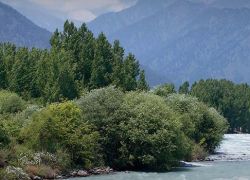
Lidder River is one of the must-visit attractions in Kashmir. It is a tantalizing spot to unwind the tired limbs. Lidder River originates from the glacier of Kolahoi and serves the different purposes to the dwellers in the regions through which it passes. It is surrounded by the beauty of Mother Nature at its origin. Spending a couple of hours near the banks of Lidder River is a deal on which visitors lay their money. It Is Known For:- 1) Lidder River is well-known as a tourist attraction. It originates from a glacier and provides drinking water in the regions through which it flows. 2) It has a soul-soothing ambiance that can uplift the mood immediately. It also provides calmness to the dog-tired senses. 3) The enchanting meadows nearby add more charm to the beauty of this river. Visitors can spend hours at this place admiring the creation of nature. 4) The shimmering white waters of this river serve a residence to different fishes. 5) The activity of swimming can be relished in this river. Best Time To Visit:- Lidder River is a tourist site that can be visited throughout the year. It is a place that never fails to attract the visitors. Therefore, any season can be chosen for marking a casual trip to Lidder River. Watch Out! Visitors can take delight in different recreational activities. Spending a day’s itinerary here after slacking-off at the workplace is an amazing idea. Fishing and boating are the major activities that are enjoyed here. If you need more then camping near this river would be an astounding choice! Reaching There:- Lidder River originates from Kolahoi Glacier which is nearest to Pahalgam. Entire Kashmir is connected to Pahalgam via roads, railheads, and airways. The local transit is available in profusion for commuting to & from different spots in the town. Nearest Railway Station:- Jammu Railway Station Nearest Airport:- Srinagar Airport
Explore More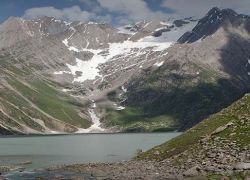
Located on the path of the Holy Cave of Amarnath, Sheshnag Lake is a mesmerizing lake in Kashmir. It is located in the district of Anantnag and is considered as holy by numerous devotees of Lord Shiva. According to mythology, this lake was dug by Sheshnag himself. It is said that he still resides in the lake and keeps an eye on the entire region of Pahalgam from his several heads. It Is Known For:- 1) Sheshnag Lake is a sacred lake in Pahalgam and holds a great religious importance for Hindus. 2) The lake is beckoned by the enchanting meadows that are bedecked by the snow on the peaks. 3) This lake is fed by the waters of the glacial lake, Lidder Lake. 4) During extreme winters, the waters of this lake freeze and melts when the temperatures rise. 5) The brown trout fishes are found in abundance in the lower areas where Sheshnag lake flows through. Best Time To Visit:- Sheshnag Lake catches the attention of visitors extensively. This lake is a place that can be visited the best in the summers because during winters, the water of this lake freeze and make it inaccessible. Thus, the period between April-September is the best for visiting Sheshnag Lake. Watch Out! Sheshnag Lake is a holy lake and is regarded as the abode of Sheshnag. Therefore, no visitor is allowed to dump any kind of garbage in this pious lake. Tourists love to take a holy dip here, so carrying Reaching There:- Pahalgam is well-connected to Kashmir via highways, railheads, and airways. Visitors can choose any mode for reaching the place conveniently. Traveling within Pahalgam is done by the local buses, taxis, and horse-carts. Nearest Railway Station:- Jammu Railway Station Nearest Airport:- Srinagar Airport
Explore More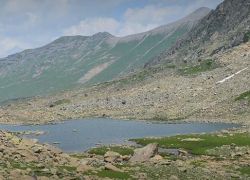
Satsar Lake is a well-known and must-visit tourist site in Ganderbal of Jammu & Kashmir. It is a beautiful water body and is a group of the seven lakes that is situated at a height of 1181 feet above the sea level. Situated amid the rocky foothills of the wonderful Himalayas, this lake is a perfect spot where anyone can relax in nature.Why Is It Famous?Satsar Lake is famous because of its natural beauty. Its lush green surroundings with the background of the Himalayan foothills make it an amazing travel destination for the numerous visitors that visit this place.It calls out to all the camping aficionados that adore camping amid the beautiful nature under the cerulean sky. Apart from camping, it also serves as a great place for relishing the venture of trekking. Thus, these reasons advocate for it to be visited on an extensive scale.Best Time To Visit:-Satsar Lake freezes during the winter season, therefore, the apt time for embarking a journey to this place is during summers. If a tourist is planning to visit this site during monsoons, it should be assured that warm clothes are also carried since the temperatures drop after the rain shower.Watch Out!Enjoy the activity of boating in Satsar Lake and explore the mountains that will catch the sight immediately. It will be amazing to watch the mountains while sitting in the boat.Reaching There:-Ganderbal is well-connected to the rest of Kashmir via roadways, railways, and airways. Numerous trains, flights, and buses operate from different cities of the state for reaching the town conveniently.Nearest Railway Station:- Udhampur Railway StationNearest Airport:- Srinagar Airport
Explore More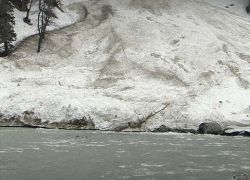
Nilagrad River is an exquisite river in Sonamarg valley. It is an interesting stream that flows from the mountains and has healing qualities. Feeding the lush green vegetation of the different areas, this river merges with the Indus River, the longest rivers across the world. It passes through the different mountainous passes and enhances the beauty of those areas.Why Is It Famous?Nilagrad River is famous due to its beauty and medicinal qualities it posses. This river is revered sacred by the locals and it is frequently visited, especially on Sundays. It rushes down from different areas and feeds the vegetation with its pious waters.Since this river is considered as holy, swimming and boating are not allowed in it. Due to the visual charm of Nilagrad River, it is often visited for rejuvenating the tired senses. Visitors adore relishing picnic near this river.Best Time To Visit:-Nilagrad River is a site that can be visited throughout the year. There is no special occasion for embarking a trip to this arresting place. Watch Out!Nilagrad River is considered holy by the locals of the region. Therefore, it is the duty of all visitors to maintain cleanliness and do not dump anything in the crystal clear waters of this river.Reaching There:-Ganderbal can be reached by the express trains, private vehicles, flights, or the state-run buses from anywhere in Kashmir and India. It has a vast connectivity of the local transit for commuting to & from different places.Nearest Railway Station:- Udhampur Railway StationNearest Airport:- Srinagar Airport
Explore More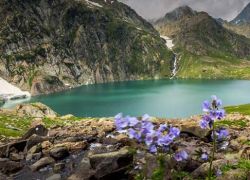
Located in Ganderbal district of Kashmir, Gadsar Lake is one of the must-see attractions in ‘Heaven of Earth’. This beautiful lake is known by the names of Yemsar Lake and the ‘Lake of Flowers’. It is a seasonal lake that is created after the snow melts. During the period between November-April, this lake remains frozen with a thick cover of ice. During this period, it serves as a perfect spot for frozen lake-trekking. Why Is It Famous? Gadsar Lake is famous due to its natural beauty. It is surrounded by the mighty white Himalayas and is a habitat for the trout fish. Due to the presence of trout fishes in abundance, the activity of fishing has become frequent by tourists and locals. This lake holds an unsolved mystery with it that makes it even popular. According to the local shepherds, this lake is a home to the ‘Lake Monster’. The cattle animals that graze near the lake often go missing. It is assumed that the lake monster, most probably a huge octopus, drags them in the lake. Even the fishes are caught in the stream that flows nearby. Best Time To Visit:- Kashmir is a place that welcomes its guests throughout the year. People often visit Kashmir during summers for spending holidays. A good quality time can be spent near Gadsar Lake in all seasons. In winters, it becomes the best place for frozen lake trek, whereas, in summers, this place is apt for enjoying a picnic with close ones. Watch Out! The locals are particular about the cleanliness around Gadsar Lake. No waste is thrown in or around this lake. The same is expected from all visitors who visit this lake during any time of the year. Reaching There:- Numerous buses are available for all to reach Ganderbal district after de-boarding the flight/train at Srinagar. Nearest Railway Station - Udhampur Railway Station Nearest Airport - Sheikh-Ul-Alam International Airport
Explore More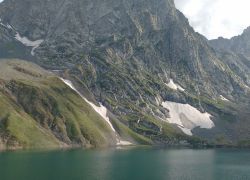
Vishansar Lake is one of the most beautiful alpine lakes located in the high-altitude region of Sonamarg, Jammu & Kashmir. Surrounded by snow-covered peaks, lush green meadows, and vibrant wildflowers in summer, this lake is a part of the famous Kashmir Great Lakes Trek and attracts trekkers, nature lovers, and photographers from across the world. The name “Vishansar” is derived from local Kashmiri language, where “Vishan” is associated with Lord Vishnu. The lake holds both natural beauty and spiritual significance, making it a must-visit destination for adventure seekers exploring the Himalayas. Why Vishansar Lake is Famous? Vishansar Lake is famous for its crystal-clear blue waters, breathtaking alpine surroundings, and its location on one of the most scenic trekking routes in India. It is part of the twin lakes Vishansar and Krishansar, which are often visited together during the Kashmir Great Lakes Trek. The lake is also known for: High-altitude trekking experience (around 3,710 meters above sea level) Panoramic views of Himalayan peaks Rich biodiversity including trout fish in the lake Camping site during trekking expeditions History and Natural Significance Unlike man-made attractions, Vishansar Lake is a naturally formed alpine lake created by glacial movements thousands of years ago. The Kashmir Himalayan region has many such lakes formed due to melting glaciers and tectonic activities. Locals consider the lake sacred due to its association with Hindu mythology. Vishansar Lake and nearby Krishansar Lake are believed to represent spiritual balance and natural purity. Shepherds and Gujjars historically used the surrounding meadows for grazing during summer months. Weather at Vishansar Lake The weather around Vishansar Lake, Sonamarg is highly unpredictable due to its high altitude. Summer (June to September): Pleasant during the day (10°C to 15°C), cold at night (0°C to 5°C). This is the best trekking season. Monsoon (July to August): Moderate rainfall with slippery trails but extremely green landscapes. Winter (October to May): Heavy snowfall and extreme cold (-5°C to -20°C), lake remains frozen and inaccessible. Most travelers visit during July to September when the trekking routes are open and the lake is fully accessible. How to Reach Vishansar Lake Reaching Vishansar Lake is an adventure in itself as it requires trekking through the Himalayan trails. By Air: The nearest airport is Srinagar Airport, located around 80–90 km from Sonamarg. From there, taxis are available to reach Sonamarg. By Road: Sonamarg is well connected to Srinagar via NH1. Regular taxis and buses operate between Srinagar and Sonamarg. By Trek: From Sonamarg, trekkers usually start the Kashmir Great Lakes Trek. Vishansar Lake is typically reached after a 2–3 day trek depending on the route. The trek passes through Nichnai Pass and lush alpine meadows before reaching the lake. Entry and Visit Details There is no official entry fee for Vishansar Lake as it is a natural site. However, travelers must consider: Trekking permits (if arranged through trekking agencies) Camping permissions in designated zones Local guide charges (recommended for safety) Visitors should also carry proper trekking gear, warm clothing, and necessary supplies as there are no shops or permanent settlements near the lake. Things to Do at Vishansar Lake Visiting Vishansar Lake offers a wide range of adventure and nature-based activities: Trekking: Experience the famous Kashmir Great Lakes Trek route Camping: Stay overnight near the lake under starry skies Photography: Capture Himalayan landscapes and reflections of mountains in the lake Fishing: Trout fishing (with permission and regulations) Nature Walks: Explore alpine meadows and nearby Krishansar Lake Architecture and Landscape (Natural Formation) Although Vishansar Lake does not have man-made architecture, its natural formation is a geological wonder. The lake is surrounded by steep mountain ridges, glacier-fed streams, and rolling meadows known as “Bugs” in Kashmir. The landscape changes dramatically with seasons. In summer, the area blooms with wildflowers, while in winter it transforms into a frozen white paradise. The reflection of snow peaks on the still water creates a mirror-like effect that is highly admired by photographers. Interesting Facts about Vishansar Lake Altitude: Approximately 3,710 meters above sea level Part of Kashmir Great Lakes Trek circuit Connected to Krishansar Lake by a mountain ridge Home to freshwater trout fish Water source contributes to the Kishanganga River system Tips for Visiting Vishansar Lake To make your journey safe and enjoyable, keep the following tips in mind: Carry warm layered clothing even in summer Use proper trekking shoes with good grip Stay hydrated and carry energy snacks Hire a local guide for safe navigation Avoid plastic and keep the environment clean Check weather conditions before starting the trek Conclusion Vishansar Lake, Sonamarg, Jammu & Kashmir is a hidden Himalayan gem that offers a perfect blend of adventure, natural beauty, and serenity. Whether you are an experienced trekker or a nature lover, this lake provides an unforgettable experience surrounded by snow peaks, green meadows, and pure alpine air. A visit to Vishansar Lake is not just a journey—it is an exploration of the untouched beauty of the Himalayas that stays in memory forever.
Explore More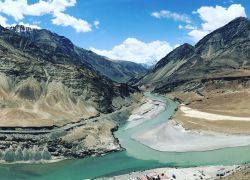
Zanskar River is one of the most dramatic and breathtaking rivers in India, flowing through the remote and rugged landscapes of Ladakh in Jammu & Kashmir. Known for its deep gorges, frozen winter trails, and thrilling adventure activities, it is a paradise for trekkers, rafters, and nature lovers. The river flows through the majestic valley of Zanskar in Jammu & Kashmir, carving its way through high Himalayan mountains and creating some of the most stunning natural scenery in India. It is a lifeline for the remote villages of the region and a major attraction for adventure tourism. Zanskar River, Zanskar, Jammu & Kashmir is globally famous for its frozen winter trekking route known as the “Chadar Trek,” making it one of the most unique river experiences in the world. History and Significance of Zanskar River The Zanskar River has been an essential part of life in the Zanskar valley for centuries. Historically, it served as a natural route for trade, travel, and communication between remote villages during winter when it freezes completely. The river originates from the Himalayan glaciers and is a tributary of the Indus River system. Over time, it has shaped the geography, culture, and lifestyle of the Zanskar region. In ancient times, monks and traders used the frozen river as a walking path to reach Leh and other parts of Ladakh when mountain passes were closed due to heavy snowfall. Geography and Natural Beauty The Zanskar River flows through one of the most remote and rugged terrains in the Himalayas. It cuts through deep gorges surrounded by towering cliffs, creating a dramatic landscape. During summer, the river flows as a fast-moving icy blue stream, while in winter, it freezes completely, forming a thick sheet of ice known as the “Chadar” (blanket). This transformation makes it one of the few rivers in the world that can be walked on during winter. Why Zanskar River is Famous The Zanskar River is famous worldwide for the Chadar Trek, where travelers walk on the frozen river during extreme winter conditions. It is also known for white-water rafting in summer, offering one of the most thrilling rafting experiences in India. Its untouched natural beauty, deep gorges, and remote Himalayan setting make it a dream destination for adventure lovers. How to Reach Zanskar River Reaching the Zanskar River requires traveling through high-altitude mountain routes and remote valleys. By Air: The nearest airport is Leh Airport, located around 250–300 km away. From Leh, travelers can hire taxis or join guided tours to Zanskar valley. By Road: Zanskar is accessible from Kargil or Leh via mountain roads. Roads remain open mainly between June and September due to heavy snowfall in winter. By Train: The nearest major railway station is Jammu Tawi. From there, travelers must continue by road to Leh and then Zanskar. Due to its remote location, travel requires careful planning, permits, and experienced drivers. Weather at Zanskar River The Zanskar River region experiences extreme Himalayan weather conditions. Summer (June to September): Mild and pleasant with temperatures ranging from 10°C to 25°C. This is the best time for rafting and trekking. Winter (October to May): Extremely cold with temperatures dropping below -20°C. The river freezes completely during this time. Monsoon: The region receives very little rainfall, but travel conditions may still be affected by landslides in nearby areas. Timing and Entry Details The Zanskar River is a natural attraction and is accessible throughout the day depending on weather conditions. There is no fixed entry fee for viewing the river, but adventure activities like rafting or Chadar Trek require permits and guided tours. The best time for activities is early morning when weather conditions are more stable. Things to Do at Zanskar River One of the most famous activities is the Chadar Trek, where visitors walk on the frozen river during winter. In summer, white-water rafting offers an adrenaline-filled experience through fast-flowing icy waters. Photography is extremely popular due to the dramatic landscapes, deep gorges, and crystal-clear river views. Visitors can also explore nearby Zanskar villages and experience local Himalayan culture and traditions. Interesting Facts About Zanskar River The Zanskar River freezes so solid in winter that it becomes a walking trail used by locals and trekkers. It is one of the few rivers in the world where a trekking route exists directly on the river surface. The river is fed by Himalayan glaciers, making its water extremely cold even in summer. The Chadar Trek is considered one of the most challenging treks in the world due to extreme weather conditions. Travel Tips for Visitors Carry heavy winter clothing if visiting during the Chadar Trek season, as temperatures can drop drastically. Always travel with experienced guides due to unpredictable weather and terrain conditions. Keep essential supplies like food, water, and medical kits, as facilities are limited in remote areas. Check road conditions in advance before planning your trip to Zanskar. Conclusion The Zanskar River is one of India’s most extraordinary natural wonders, offering a unique blend of adventure, beauty, and extreme Himalayan conditions. Whether you are a trekker, photographer, or adventure seeker, the river provides an unforgettable experience through its frozen pathways and wild summer rapids.
Explore More
Welcome to the breathtaking adventure that awaits you at Chadar Trek in Zanskar, a destination like no other. Known for its stunning landscapes and challenging trekking routes, Chadar Trek offers a unique experience for outdoor enthusiasts and nature lovers. The trek takes you along the frozen Zanskar River, providing a thrilling journey through the snowy terrain of the Himalayas. History of Chadar Trek The history of Chadar Trek dates back to ancient times when it was used as a traditional route by the Zanskari people to travel between remote villages during the harsh winter months. Over the years, it has gained popularity among trekkers seeking an adrenaline-pumping experience in one of the most challenging terrains of the region. Architecture and Natural Beauty of Chadar Trek Chadar Trek is renowned for its pristine natural environment, surrounded by snow-capped mountains, frozen waterfalls, and icy cliffs. The trek offers a glimpse into the raw beauty of the Himalayas, with mesmerizing views of the rugged landscape and the shimmering frozen river. Why is Chadar Trek Famous? Chadar Trek is famous for its unique experience of walking on a frozen river, a rare adventure that attracts thrill-seekers and nature enthusiasts from around the world. The trek is a paradise for photographers capturing the surreal beauty of the frozen landscape and for birdwatchers spotting rare Himalayan bird species along the way. How to Reach Chadar Trek Reaching Chadar Trek involves a journey to Leh, the nearest airport, followed by a scenic drive to the starting point of the trek. Alternatively, you can opt for a train journey to Jammu Tawi Railway Station and then continue by road to Zanskar. Local transport services and tour operators offer convenient travel options for trekkers. Weather and Best Time to Visit Chadar Trek The weather at Chadar Trek varies from extreme cold during winter to pleasant temperatures in the summer months. The best time to undertake the trek is from January to February when the Zanskar River freezes completely, allowing for a safe passage over the icy surface. Timings of Chadar Trek The trek is usually open during the winter months when the river is frozen and safe for walking. It is essential to check with local authorities and tour guides for updated information on timings and seasonal variations to ensure a smooth and memorable trekking experience. Entry Fee and Visit Details Entry to Chadar Trek may require permits from the local administration to ensure the safety of trekkers and environmental conservation. Guided tours, camping facilities, and equipment rentals are available for visitors looking to explore the region under expert supervision and guidance. Things to Do at Chadar Trek Chadar Trek offers a range of activities for adventure enthusiasts, including ice trekking, camping on frozen riverbanks, and capturing the surreal beauty of the winter landscape through photography. The trek also provides opportunities for birdwatching and wildlife spotting in the pristine Himalayan wilderness. Interesting Facts About Chadar Trek Chadar Trek is not just a trekking route but a journey through a unique ecosystem that supports diverse flora and fauna adapted to extreme cold conditions. The region is home to rare Himalayan wildlife species and migratory birds, making it a hotspot for nature conservation and ecological research. Travel Tips for Visiting Chadar Trek When planning a visit to Chadar Trek, it is essential to pack appropriate winter clothing, gear for sub-zero temperatures, and essentials for safe trekking. Carrying camera equipment for capturing the stunning vistas and practicing responsible tourism by following trekking guidelines are crucial for a memorable and sustainable experience. Conclusion In conclusion, Chadar Trek in Zanskar offers an unparalleled adventure amidst the stark beauty of the Himalayas, making it a must-visit destination for trekkers and nature lovers. The trek's unique blend of natural wonders, challenging terrain, and cultural significance creates a truly unforgettable experience for all who embark on this extraordinary journey.
Explore More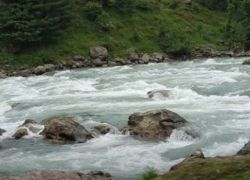
Jhelum River doesn’t require an introduction. It is a river that flows through the state of Jammu-Kashmir and has various tributaries. Its original name is Vitatsa and according to the Hindu mythology, this river is the form of Goddess Parvati. It is said that Sage Kasyapa worshiped her to please her and purify the land of Kashmir by terminating the existence of the demons in the valley. She originated from Verinaga Spring as Vitatsa for the purification of Kashmir Valley.It Is Known For:-1) Jhelum River is a well-known water body in Kashmir. It emerges from Verinag Spring that is located in the foothills of the Pir-Panjal range.2) It has different tributaries that supply the water to the rural, as well as urban areas, in the state of J&Ks.3) It has produced various tributaries that have formed different lakes in the valley. Some noted tributaries are Wular Lake, Gangabal Lake, Dal Lake etc.4) The waters of Jhelum River are used for the generation of the hydro-electricity that has reduced the shortage of power supply in the rural areas.5) Visitors can take delight in the activities of swimming and boating. Picnicking near the river is a great option.Best Time To Visit:-Jhelum River is a beautiful river in the valley of Kashmir and attracts visitors on a huge scale. This place is usually visited throughout the year but to make the visit memorable, one should be present here with the onset of winters. Taking a stroll in the morning offers a mesmerizing view of the river that plays a soul-soothing melody by the currents of the flow.Watch Out!Every day is appropriate for visiting Jhelum River but one should watch out for the downpour. The water level usually rises during a heavy rainfall and thus, people should abstain from visiting the site during monsoons.Reaching There:-The nearest town to Jhelum River is Baramulla. It is well-connected with the highways and railheads that connect in with the rest of Kashmir. The local transit is always available for commuting within the town of Baramulla.Nearest Railway Station:- Baramulla Railway StationNearest Airport:- Srinagar Airport
Explore More
Welcome to the serene and captivating destination of Sindh River in Baltal. The Sindh River is a remarkable natural wonder that attracts visitors from around the world with its breathtaking beauty and rich biodiversity. History of Sindh River The history of Sindh River dates back to ancient times, where it served as a lifeline for the local communities. Once a vital source of water and sustenance, the river has been a witness to the changing landscapes and civilizations. Today, it stands as a symbol of conservation efforts and environmental preservation, recognized by UNESCO for its ecological significance. Architecture and Natural Beauty of Sindh River The Sindh River is surrounded by lush wetlands, dense forests, and vast grasslands that provide a natural habitat for a diverse range of flora and fauna. Bird enthusiasts flock to this area to witness the colorful avian species that call this place home. The historical Keoladeo Temple adds a touch of ancient charm to the landscape, further enhancing its appeal. Why is Sindh River Famous? Sindh River is renowned for its thriving bird population, making it a paradise for birdwatchers and photographers. Nature enthusiasts are drawn to the tranquil surroundings and the opportunity to witness wildlife in its natural habitat, creating an unforgettable experience for visitors. How to Reach Sindh River Traveling to Sindh River is convenient, with options available by air, rail, and road. The nearest airports and railway stations provide easy access to this picturesque destination, ensuring a smooth journey for travelers. Weather and Best Time to Visit Sindh River The weather at Sindh River varies across seasons, offering different experiences throughout the year. Summer brings warmth and vibrancy, while the monsoon rejuvenates the surroundings with lush greenery. Winter paints a serene picture, making it an ideal time for a peaceful retreat. The best months to visit depend on personal preferences, with each season offering a unique charm. Timings of Sindh River Visitor timings at Sindh River are designed to accommodate different preferences, allowing guests to explore the area at their convenience. Seasonal variations may impact the schedule, so it is advisable to plan ahead and check for any updates before visiting. Entry Fee and Visit Details Entry procedures to Sindh River are straightforward, with guide services available for those seeking a more in-depth experience. Safari options, bicycle rentals, and visitor facilities are provided to enhance the visit and ensure a comfortable stay for all guests. Things to Do at Sindh River Engage in popular activities at Sindh River, such as birdwatching, photography, cycling, walking trails, and nature observation. Immerse yourself in the beauty of the surroundings and enjoy educational experiences that deepen your connection with nature. Interesting Facts About Sindh River Sindh River boasts fascinating facts about migratory birds, diverse biodiversity, conservation achievements, and its crucial ecological importance. Explore the rich history and ecological significance of this remarkable destination. Travel Tips for Visiting Sindh River When visiting Sindh River, ensure to dress appropriately for the weather and carry essential photography and birdwatching equipment. Familiarize yourself with the best visiting seasons and practice responsible tourism to preserve the natural beauty of the area. Conclusion In conclusion, Sindh River in Baltal is a hidden gem waiting to be discovered. Its historical significance, natural beauty, and diverse wildlife make it a must-visit destination for nature lovers and adventure seekers. Explore the wonders of Sindh River and create unforgettable memories in the heart of nature.
Explore More
Sheshnag Lake, located in the city of Sheshnag, is a mesmerizing tourist attraction known for its natural beauty and serene environment. This pristine lake is surrounded by snow-capped mountains and lush greenery, creating a picturesque setting that attracts visitors from far and wide. History of Sheshnag Lake The history of Sheshnag Lake dates back centuries, with legends and folklore adding to its mystique. It is believed to have been a former royal hunting ground and holds significant cultural importance in the region. Efforts towards conservation have been ongoing, and the lake's unique ecosystem has garnered recognition, possibly leading to future UNESCO acknowledgment. Architecture and Natural Beauty of Sheshnag Lake The lake is nestled amidst verdant forests, providing a habitat for a diverse range of flora and fauna. Birdwatchers are particularly drawn to the area due to the variety of avian species that call the lake home. The surroundings offer breathtaking landscapes that captivate the senses, with the historic Keoladeo Temple adding a touch of architectural splendor to the natural beauty. Why is Sheshnag Lake Famous? Sheshnag Lake is renowned for its tranquility and natural charm, making it a haven for birdwatchers, photographers, nature enthusiasts, and wildlife lovers. The peaceful ambiance and the opportunity to witness a rich biodiversity in its undisturbed state are what make this destination truly special. How to Reach Sheshnag Lake For travelers looking to visit Sheshnag Lake, various travel options are available. Accessible by air, rail, and road, the nearest airports and railway stations provide convenient connectivity to the city of Sheshnag. Visitors can choose the mode of transportation that best suits their preferences and embark on a journey to this enchanting locale. Weather and Best Time to Visit Sheshnag Lake The weather conditions around Sheshnag Lake vary throughout the year, with distinct seasons offering unique experiences. While summers are warm and pleasant, monsoons bring lush greenery and rejuvenation to the surroundings. Winter blankets the area in snow, creating a magical winter wonderland. The best time to visit depends on personal preferences, with each season offering a different charm. Timings of Sheshnag Lake Visitor timings at Sheshnag Lake cater to different schedules, ensuring that everyone has the opportunity to explore this natural gem. Seasonal variations may impact timings, so it is advisable to check in advance for any changes. Proper planning ensures a seamless and enjoyable visit to this serene destination. Entry Fee and Visit Details Entry procedures at Sheshnag Lake are straightforward, with guide services available for those seeking more in-depth exploration. Safari options, bicycle rentals, and visitor facilities are provided to enhance the overall experience. Visitors can make the most of their trip by utilizing these services and amenities. Things to Do at Sheshnag Lake There are plenty of activities to engage in at Sheshnag Lake, catering to diverse interests. From birdwatching and photography to cycling along scenic trails, visitors can immerse themselves in nature's beauty. Walking trails offer opportunities for peaceful strolls, while educational experiences provide insights into the local ecosystem. Interesting Facts About Sheshnag Lake Sheshnag Lake is a hub of ecological diversity, hosting migratory birds and endemic species that contribute to its rich biodiversity. Conservation efforts have led to significant achievements in preserving the natural balance of the ecosystem, highlighting the ecological importance of this pristine environment. Travel Tips for Visiting Sheshnag Lake When planning a trip to Sheshnag Lake, it is essential to pack appropriate clothing for the prevailing weather conditions. Photography enthusiasts should carry their equipment to capture the stunning landscapes and wildlife. Understanding the best visiting seasons and practicing responsible tourism ensures a rewarding and sustainable travel experience. Conclusion In conclusion, Sheshnag Lake in Sheshnag offers a tranquil retreat amidst nature's bounty. Its historical significance, natural beauty, and diverse ecosystem make it a must-visit destination for those seeking solace and serenity. Whether you are a nature lover, wildlife enthusiast, or simply looking to unwind in a peaceful setting, Sheshnag Lake promises an unforgettable experience that connects you with the essence of the natural world.
Explore MoreSrinagar N - Gulmarg N - Srinagar N - Pahalgam 2N - Srinagar N Tour
7 Days/ 6 Night
Srinagar - Gulmarg - Pahalgam
Leh Ladakh Adventure Tour
7 Days/ 6 Night
Leh
LADAKH 5 NIGHTS / 6 DAYS
6 Days/ 5 Night
Leh
Srinagar 1N - Gulmarg 1N - Sonmarg 2N - Srinagar 1N Tour
6 Days/ 5 Night
Srinagar - Sonamarg - Gulmarg
Welcome to the tranquil beauty of Indus River Viewpoint in Alchi, a destination that offers a perfect blend of natural serenity and biodiversity. Situated amidst the picturesque landscapes, this hotspot has become a favorite among nature lovers, birdwatchers, and photography enthusiasts. History of Indus River Viewpoint Indus River Viewpoint holds a rich historical background, once serving as royal hunting grounds. Over the years, dedicated conservation efforts have transformed it into a sanctuary for various bird species. The site's exceptional biodiversity and conservation practices have earned it recognition from UNESCO. Architecture and Natural Beauty of Indus River Viewpoint The site boasts diverse ecosystems including wetlands, forests, and grasslands that provide habitats for a wide array of bird species. Visitors can also explore the historical Keoladeo Temple located within the park, adding a touch of cultural significance to the natural beauty. Why is Indus River Viewpoint Famous? Indus River Viewpoint has gained popularity due to its abundant birdlife, making it a paradise for birdwatchers. The stunning landscapes and serene surroundings attract nature enthusiasts and wildlife lovers seeking a peaceful retreat in the lap of nature. How to Reach Indus River Viewpoint To reach Indus River Viewpoint, travelers can opt for air, rail, or road transport. The nearest airports and railway stations provide convenient access to this natural haven, ensuring a hassle-free journey for visitors. Weather and Best Time to Visit Indus River Viewpoint The weather at Indus River Viewpoint varies across seasons, offering unique experiences throughout the year. While summers are ideal for birdwatching, the monsoon brings lush greenery, and winters provide a pleasant escape. The best time to visit depends on individual preferences and interests. Timings of Indus River Viewpoint Visitors can explore Indus River Viewpoint during specified timings, with seasonal variations that may affect accessibility. Planning ahead and checking for any updates can ensure a smooth and enjoyable visit to this natural paradise. Entry Fee and Visit Details Entry procedures at Indus River Viewpoint are straightforward, with guide services available for those seeking in-depth knowledge. Safari options, bicycle rentals, and visitor facilities cater to different preferences, enhancing the overall experience. Things to Do at Indus River Viewpoint Engage in a variety of activities at Indus River Viewpoint, from birdwatching and photography to cycling and nature trails. The site offers opportunities for immersive nature observation and educational experiences, making it a versatile destination for all visitors. Interesting Facts About Indus River Viewpoint Indus River Viewpoint is home to numerous migratory birds, showcasing the importance of conservation efforts in preserving biodiversity. The site's ecological significance and conservation achievements contribute to its appeal among environmental enthusiasts. Travel Tips for Visiting Indus River Viewpoint When visiting Indus River Viewpoint, remember to dress appropriately for the weather and carry essential photography and birdwatching equipment. Understanding the best seasons for specific activities and practicing responsible tourism can enhance your experience at this natural gem. Conclusion In conclusion, Indus River Viewpoint in Alchi offers a unique opportunity to connect with nature and explore the wonders of biodiversity. Whether you seek tranquility, adventure, or educational experiences, this hotspot promises a memorable visit for all nature enthusiasts.
Explore More
Welcome to Alpather Lake, a mesmerizing tourist attraction located in Baramulla. This pristine lake is renowned for its natural beauty, tranquility, and rich biodiversity, making it a must-visit destination for nature enthusiasts and wildlife lovers. History of Alpather Lake Alpather Lake has a rich historical background, with the area once serving as royal hunting grounds. Over the years, concerted conservation efforts have been made to preserve the natural environment surrounding the lake. Its ecological significance has been recognized by UNESCO, further highlighting its importance in the conservation world. Architecture and Natural Beauty of Alpather Lake The surroundings of Alpather Lake boast lush wetlands, dense forests, sprawling grasslands, and diverse bird habitats. Visitors can also explore the historical Keoladeo Temple nestled within the park, adding a touch of cultural heritage to the natural splendor. Why is Alpather Lake Famous? Alpather Lake is famous for being a hotspot for birdwatchers, photographers, and nature enthusiasts. Its picturesque landscapes and abundant wildlife make it an ideal destination for those seeking to immerse themselves in the wonders of nature. How to Reach Alpather Lake Traveling to Alpather Lake is convenient, with options available by air, rail, and road. Nearby airports and railway stations provide easy access to this natural gem, ensuring that visitors can reach it with ease. Weather and Best Time to Visit Alpather Lake The weather at Alpather Lake varies across seasons, with distinct summer, monsoon, and winter conditions. The best time to visit is during [mention best months] when the weather is pleasant, and the natural beauty of the lake is at its peak. Timings of Alpather Lake Alpather Lake welcomes visitors during specific timings, with seasonal variations that may affect accessibility. It is advisable to plan your visit accordingly and make the most of your time at this serene location. Entry Fee and Visit Details Entry procedures to Alpather Lake are straightforward, with guide services, safari options, and bicycle rentals available for visitors. The facilities cater to the needs of tourists, ensuring a comfortable and enjoyable visit. Things to Do at Alpather Lake At Alpather Lake, visitors can engage in a variety of activities such as birdwatching, photography, cycling, walking trails, and nature observation. The experience offers a unique blend of adventure and serenity, perfect for all types of travelers. Interesting Facts About Alpather Lake Alpather Lake is home to a diverse range of migratory birds, showcasing the rich biodiversity of the region. Conservation efforts have led to significant achievements in preserving the ecological balance of the area, making it a vital habitat for various species. Travel Tips for Visiting Alpather Lake When planning a visit to Alpather Lake, remember to pack suitable clothing, photography equipment, and birdwatching essentials. Understanding the best seasons for visiting and practicing responsible tourism will ensure a memorable and sustainable travel experience. Conclusion In conclusion, Alpather Lake in Baramulla stands out as a natural wonder that captures the hearts of visitors with its beauty and tranquility. A visit to this enchanting destination promises a unique blend of nature, culture, and wildlife, making it a must-see attraction for all travelers.
Explore More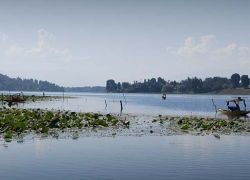
Manasbal Lake is a beautiful tourist attraction in Ganderbal district of Kashmir. It rests 30 km from the main town of Srinagar and is blessed with the scenic surroundings. It is a famous water body and is said to be the deepest lake in Kashmir with a depth of 43 feet. Tourists are often spotted taking delight in the shikara boat-ride. Why Is It Famous? Manasbal Lake is famous due to its surrounding. It has the backdrop of the snow-clad Himalayas and green vegetation on its banks. Tourists are never disappointed by visiting this lake because of the charm and activities that take place there. Many sellers choose this lake for selling their items to the tourists. If not the regular boat ride then motor-boats are also available for tourists. On the eastern shores of the lake, there are some Hindu temples located that date back to the 800 A.D and reflect the marvelous architecture of the ancient Kashmir. Best Time To Visit:- The best time for visiting Manasbal Lake is between July-October. It is the apt period for relishing the fun of boating as well as bird watching. This lake is a habitat for different birds like the goose, swan, pheasant, waterfowl etc. March-April is the best period for observing the avifauna closely. Watch Out! Do not miss out observing the feathery pals closely. You might get a chance to spot a rare bird that you’ve probably seen in the books. Reaching There:- Ganderbal is well-connected to the rest of Kashmir via major highways, railheads, and airport. It can be reached via all three means from any part of Kashmir and India. Commuting within the town can be done by hiring the service of the local transit like the bus, taxi, auto, and boat. Nearest Railway Station:- Udhampur Railway Station Nearest Airport:- Srinagar Airport
Explore More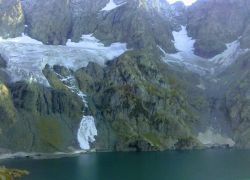
Gangabal Lake, situated in Ganderbal, is a mesmerizing tourist attraction known for its natural beauty and biodiversity. Nestled amidst the pristine surroundings of the Himalayas, this picturesque lake offers a serene escape for nature lovers, birdwatchers, and adventure enthusiasts alike. History of Gangabal Lake The history of Gangabal Lake dates back to ancient times when it served as a significant site for the local communities. Once a royal hunting ground, this area has undergone remarkable conservation efforts and has been recognized by UNESCO for its ecological importance. Architecture and Natural Beauty of Gangabal Lake Gangabal Lake is renowned for its diverse ecosystems, including wetlands, forests, and grasslands that provide habitats for a variety of bird species. The picturesque landscapes surrounding the lake are complemented by the historical Keoladeo Temple, adding a cultural touch to the natural beauty of the region. Why is Gangabal Lake Famous? Gangabal Lake has gained popularity among birdwatchers, photographers, and wildlife enthusiasts due to its rich avian diversity and stunning landscapes. The tranquil ambiance and abundant wildlife make it a sought-after destination for those seeking a close encounter with nature. How to Reach Gangabal Lake Traveling to Gangabal Lake is convenient with options available by air, rail, and road. The nearest airports and railway stations provide easy access to this natural paradise, allowing visitors to embark on a memorable journey to this scenic location. Weather and Best Time to Visit Gangabal Lake Gangabal Lake experiences varying weather conditions throughout the year, with each season offering a unique charm to visitors. The best time to explore this enchanting destination is during specific months when the weather is favorable for outdoor activities. Timings of Gangabal Lake Visiting hours at Gangabal Lake are structured to accommodate the needs of tourists, with seasonal variations considered to enhance the overall experience. Planning a trip to this tranquil retreat involves understanding the operational timings and making necessary arrangements accordingly. Entry Fee and Visit Details Entry procedures to Gangabal Lake are designed to ensure a seamless visitor experience, with guide services, safari options, and bicycle rentals available for those looking to explore the surroundings. The visitor facilities at the site cater to the needs of tourists, enhancing their stay at this natural haven. Things to Do at Gangabal Lake Engaging in various activities at Gangabal Lake offers a rich experience for visitors, from birdwatching and photography to cycling and nature observation. The walking trails and educational opportunities make it an ideal destination for those seeking a deeper connection with the natural world. Interesting Facts About Gangabal Lake Gangabal Lake is home to a myriad of migratory birds and boasts a remarkable level of biodiversity. The conservation efforts undertaken in the region have contributed to its ecological significance, making it a hub for nature conservationists and enthusiasts. Travel Tips for Visiting Gangabal Lake When planning a trip to Gangabal Lake, it is essential to consider factors such as clothing, photography equipment, and birdwatching essentials to make the most of your visit. Understanding the visiting seasons and practicing responsible tourism ensures a sustainable and enjoyable experience for all. Conclusion In conclusion, Gangabal Lake in Ganderbal captivates visitors with its natural allure and cultural heritage, offering a blend of scenic beauty and biodiversity. A visit to this enchanting destination promises a rejuvenating experience amidst the tranquil surroundings of the Himalayas, making it a must-visit for those seeking solace in nature.
Explore More
Welcome to Shey Lake, a mesmerizing tourist hotspot nestled in the heart of Shey, a city known for its natural beauty and rich biodiversity. This enchanting destination is a haven for nature lovers, birdwatchers, and wildlife enthusiasts seeking a serene escape into the lap of Mother Nature. History of Shey Lake Shey Lake holds a significant historical background as it was once a royal hunting ground for the erstwhile rulers of the region. Over the years, concerted conservation efforts have transformed this area into a protected sanctuary for various species of birds and wildlife. Its conservation importance has been acknowledged by UNESCO, adding to its global recognition and appeal. Architecture and Natural Beauty of Shey Lake The picturesque landscape surrounding Shey Lake comprises lush wetlands, dense forests, sprawling grasslands, and diverse bird habitats. The historical Keoladeo Temple, situated within the park, adds a cultural touch to the natural beauty of this enchanting destination, making it a perfect blend of history and biodiversity. Why is Shey Lake Famous? Shey Lake has earned fame and admiration for being a paradise for birdwatchers, photographers, and nature enthusiasts. Its rich avian population, serene landscapes, and tranquil ambiance attract visitors from around the globe, seeking to witness the wonders of nature up close. How to Reach Shey Lake Traveling to Shey Lake is convenient, with options available by air, rail, and road. The nearest airports and railway stations provide easy access to this natural haven, allowing visitors to embark on a memorable journey into the heart of Shey’s wilderness. Weather and Best Time to Visit Shey Lake Shey Lake experiences varying weather conditions throughout the year, with distinct seasons of summer, monsoon, and winter. The best time to visit this enchanting destination is during the mild weather months, offering an ideal setting to explore the beauty of the lake and its surroundings. Timings of Shey Lake Visitor timings at Shey Lake cater to different seasons, ensuring a pleasant experience for all. The park’s operational hours may vary, so it is advisable to plan your visit accordingly and make the most of your time amidst nature’s tranquility. Entry Fee and Visit Details Entry procedures at Shey Lake are simple, with guide services, safari options, and bicycle rentals available for visitors to enhance their experience. The park offers various visitor facilities, ensuring a comfortable and enjoyable stay amidst the picturesque landscapes. Things to Do at Shey Lake Shey Lake offers a plethora of activities for visitors to engage in, including birdwatching, photography, cycling, walking trails, and nature observation. Educational experiences abound, allowing visitors to learn about the rich biodiversity and conservation efforts in place at this scenic sanctuary. Interesting Facts About Shey Lake Shey Lake is home to a diverse range of migratory birds, showcasing the importance of conservation and ecological balance. The sanctuary’s conservation achievements and ecological significance make it a vital hub for preserving the region’s natural heritage for future generations to appreciate. Travel Tips for Visiting Shey Lake When planning a visit to Shey Lake, consider practical tips regarding clothing, photography equipment, birdwatching essentials, and the best seasons to explore this natural gem. Embrace responsible tourism practices to ensure the preservation of the park’s delicate ecosystem for years to come. Conclusion In conclusion, Shey Lake in Shey stands as a testament to the harmony between nature and heritage, offering visitors a unique experience amidst its captivating landscapes and rich biodiversity. A visit to this serene sanctuary promises an unforgettable journey into the heart of nature’s wonders, leaving a lasting imprint on every traveler's soul.
Explore More
Welcome to the picturesque destination of Sanasar Lake in Reasi, a true gem for nature lovers and wildlife enthusiasts. This breathtaking location offers a serene escape into the natural beauty of the region, attracting visitors with its tranquil surroundings and diverse ecosystems. History of Sanasar Lake Sanasar Lake holds a rich historical background as it was once a royal hunting ground for the former rulers of the region. Over the years, concerted conservation efforts have transformed it into a thriving sanctuary for various bird species and wildlife. This conservation success has garnered recognition from UNESCO for its preservation of the natural habitat. Architecture and Natural Beauty of Sanasar Lake The natural environment surrounding Sanasar Lake is a harmonious blend of wetlands, forests, and grasslands, providing a haven for a wide variety of bird habitats. The historical Keoladeo Temple, nestled within the park, adds a touch of cultural significance to the already stunning landscapes. Why is Sanasar Lake Famous? Sanasar Lake is renowned for its appeal to birdwatchers, photographers, nature enthusiasts, and wildlife lovers. The diverse bird species and the tranquil setting make it a popular destination for those seeking to immerse themselves in the wonders of nature. How to Reach Sanasar Lake Traveling to Sanasar Lake is convenient, with options available by air, rail, and road. Nearby airports and railway stations provide easy access to this natural paradise, ensuring a seamless journey for visitors. Weather and Best Time to Visit Sanasar Lake The weather at Sanasar Lake varies across summer, monsoon, and winter, with each season offering a unique experience. The best time to visit is during the months when the weather is pleasant, allowing visitors to fully enjoy the beauty of the surroundings. Timings of Sanasar Lake Visitor timings at Sanasar Lake provide flexibility for exploration, with seasonal variations ensuring a dynamic experience throughout the year. Plan your visit accordingly to make the most of your time at this captivating destination. Entry Fee and Visit Details Entry procedures at Sanasar Lake are straightforward, with guide services available for those seeking a more immersive experience. Safari options, bicycle rentals, and well-equipped visitor facilities enhance the overall visit, catering to the needs of every guest. Things to Do at Sanasar Lake Engage in popular activities such as birdwatching, photography, cycling, walking trails, and nature observation at Sanasar Lake. Immerse yourself in the beauty of the surroundings and partake in educational experiences that deepen your appreciation for the natural world. Interesting Facts About Sanasar Lake Sanasar Lake boasts fascinating facts about migratory birds, biodiversity, conservation achievements, and its ecological importance. Explore the wonders of this sanctuary and uncover the hidden gems that make it a truly remarkable destination. Travel Tips for Visiting Sanasar Lake Prepare for your visit to Sanasar Lake by ensuring you have appropriate clothing, photography equipment, and birdwatching essentials. Familiarize yourself with the best seasons to visit and practice responsible tourism to contribute to the preservation of this pristine environment. Conclusion In conclusion, Sanasar Lake in Reasi is a haven of natural beauty and wildlife diversity, offering visitors a transformative experience in the lap of nature. Explore the wonders of this sanctuary, immerse yourself in its serenity, and create lasting memories in this enchanting destination.
Explore More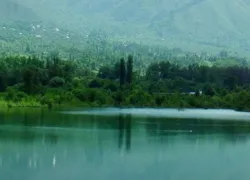
Located in the picturesque city of Bandipora, Wular Lake is a mesmerizing tourist attraction that captivates visitors with its natural beauty and biodiversity. As the largest freshwater lake in India, Wular Lake holds significant ecological importance and offers a tranquil escape for nature lovers and wildlife enthusiasts. History of Wular Lake With a rich historical background, Wular Lake has been a vital part of the region for centuries. Once serving as a royal hunting ground, the lake has witnessed conservation efforts to protect its unique ecosystem. Its recognition by UNESCO highlights the importance of preserving this natural wonder for future generations. Architecture and Natural Beauty of Wular Lake The natural environment surrounding Wular Lake is a sight to behold, featuring lush wetlands, dense forests, expansive grasslands, and diverse bird habitats. The historical Keoladeo Temple nestled within the park adds a cultural touch to the scenic landscapes, making it a perfect blend of nature and heritage. Why is Wular Lake Famous? Wular Lake has gained popularity among birdwatchers, photographers, nature enthusiasts, and wildlife lovers due to its diverse avian population and serene surroundings. The lake offers a peaceful retreat for those seeking solace in the lap of nature, away from the hustle and bustle of city life. How to Reach Wular Lake Traveling to Wular Lake is convenient with various options available. Visitors can reach the lake by air, rail, or road, with nearby airports and railway stations providing easy access to this natural paradise. The well-connected road network ensures a smooth journey to this scenic destination. Weather and Best Time to Visit Wular Lake Wular Lake experiences different weather conditions throughout the year, with summers being pleasant, monsoons bringing lush greenery, and winters offering a chilly ambiance. The best time to visit depends on personal preferences, but the months with moderate temperatures are ideal for exploring the beauty of the lake. Timings of Wular Lake Visitors can enjoy the beauty of Wular Lake at specified timings, with seasonal variations affecting accessibility. Planning a trip to the lake requires consideration of these timings to make the most of the visit and ensure a memorable experience amidst nature's tranquility. Entry Fee and Visit Details For those looking to explore Wular Lake, entry procedures are straightforward, with guide services available for a more insightful experience. Safari options, bicycle rentals, and visitor facilities cater to the needs of travelers, making the visit comfortable and enjoyable. Things to Do at Wular Lake Wular Lake offers a range of activities for visitors to engage in, including birdwatching, photography, cycling, walking trails, nature observation, and educational experiences. Each activity provides a unique perspective on the lake's biodiversity and allows visitors to connect with nature on a deeper level. Interesting Facts About Wular Lake Home to a myriad of migratory birds, Wular Lake showcases the importance of conservation efforts in preserving its ecological balance. The lake's biodiversity and conservation achievements underscore the need to protect such natural wonders for future generations to enjoy. Travel Tips for Visiting Wular Lake When planning a visit to Wular Lake, it is essential to pack appropriate clothing, photography equipment, and birdwatching essentials. Understanding the best visiting seasons and practicing responsible tourism ensures a sustainable and enjoyable experience at this breathtaking destination. Conclusion In conclusion, Wular Lake in Bandipora stands as a testament to the beauty of nature and the importance of preserving our natural heritage. With its rich history, diverse biodiversity, and serene surroundings, the lake offers a unique experience for visitors seeking a peaceful retreat in the midst of scenic landscapes.
Explore More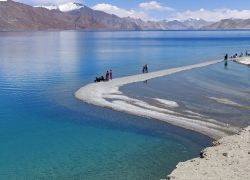
Welcome to the serene beauty of Yarab Tso Lake nestled in the city of Nubra. This hidden gem offers a tranquil escape for nature lovers and adventure seekers alike, with its breathtaking landscapes and diverse wildlife. History of Yarab Tso Lake Yarab Tso Lake holds a rich historical significance as it was once a royal hunting ground for the former rulers of this region. Over the years, efforts have been made to conserve this natural wonder, leading to its recognition by UNESCO for its ecological importance. Architecture and Natural Beauty of Yarab Tso Lake The natural environment surrounding Yarab Tso Lake is a sight to behold, with lush wetlands, dense forests, and sprawling grasslands that provide a perfect habitat for a variety of bird species. The historical Keoladeo Temple adds a touch of ancient charm to this picturesque landscape. Why is Yarab Tso Lake Famous? Yarab Tso Lake has gained fame among birdwatchers, photographers, and wildlife enthusiasts for its abundant birdlife and stunning natural vistas. The lake's tranquil ambiance and diverse biodiversity make it a must-visit destination for nature lovers. How to Reach Yarab Tso Lake Traveling to Yarab Tso Lake is easily accessible via air, rail, and road. The closest airports are located in nearby cities, and well-connected railway stations offer convenient transit options for visitors looking to explore this natural paradise. Weather and Best Time to Visit Yarab Tso Lake The weather at Yarab Tso Lake varies with the seasons, offering a unique experience throughout the year. While summers are pleasant for outdoor activities, the monsoon season brings a lush greenery, and winter offers a snowy charm, making it ideal to visit during spring and autumn. Timings of Yarab Tso Lake Yarab Tso Lake welcomes visitors during specific timings, allowing guests to enjoy the beauty of the lake at their convenience. Seasonal variations may affect these timings, so it is advisable to plan your visit accordingly. Entry Fee and Visit Details Visitors can explore Yarab Tso Lake by following the entry procedures and availing guide services for a more informative experience. Safari options, bicycle rentals, and visitor facilities are available to enhance your visit to this natural haven. Things to Do at Yarab Tso Lake At Yarab Tso Lake, visitors can engage in various activities such as birdwatching, photography, cycling around the lake, walking trails amidst nature, and observing the diverse wildlife. Educational experiences await those keen on learning more about the ecosystem. Interesting Facts About Yarab Tso Lake Yarab Tso Lake boasts fascinating facts about migratory birds that flock to its shores, the rich biodiversity that thrives in its ecosystem, conservation efforts that have ensured its preservation, and the crucial ecological role it plays in the region. Travel Tips for Visiting Yarab Tso Lake When visiting Yarab Tso Lake, remember to dress appropriately for the weather, carry essential photography and birdwatching equipment, choose the best seasons for your interests, and practice responsible tourism by respecting the natural surroundings and wildlife. Conclusion In conclusion, Yarab Tso Lake in Nubra is a paradise for nature enthusiasts seeking solace in the lap of pristine beauty. With its historical significance, natural wonders, and diverse wildlife, a visit to this enchanting destination promises an unforgettable experience for all who venture here.
Explore More