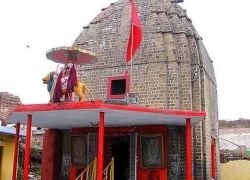
Welcome to the mesmerizing world of Bahu Temple located in Jammu, a city renowned for its spiritual essence and historical significance. The Bahu Temple stands as a symbol of devotion and architectural marvel, attracting visitors from far and wide to witness its beauty and tranquility. History of Bahu Temple Steeped in history, the Bahu Temple holds tales of ancient traditions and royal patronage. Once a royal hunting ground, this sacred site has witnessed centuries of worship and reverence. Its conservation efforts have preserved its sanctity, leading to UNESCO recognition for its cultural importance. Architecture and Natural Beauty of Bahu Temple The temple is surrounded by lush wetlands, pristine forests, and picturesque grasslands that create a serene natural environment. Bird habitats thrive in this area, adding to the biodiversity. Nestled within this beauty lies the historical Keoladeo Temple, adding to the architectural charm of the site. Why is Bahu Temple Famous? Bahu Temple is famed for its allure among birdwatchers, photographers, nature enthusiasts, and wildlife lovers. The diverse flora and fauna coupled with the tranquil ambiance make it a haven for those seeking a close encounter with nature's wonders. How to Reach Bahu Temple Traveling to Bahu Temple is convenient, with options by air, rail, and road. The nearest airports and railway stations provide easy access to this spiritual retreat, allowing visitors to embark on a memorable journey to this sacred site. Weather and Best Time to Visit Bahu Temple Throughout the seasons, Bahu Temple offers a unique experience. Summer unveils vibrant colors, while the monsoon brings a refreshing touch. Winter blankets the temple in serenity. The best time to visit is during the cooler months for a pleasant exploration. Timings of Bahu Temple Visitors can explore the beauty of Bahu Temple during specific timings, ensuring a delightful experience. Seasonal variations may influence the schedule, so it is advisable to plan your visit accordingly to make the most of your trip. Entry Fee and Visit Details Entry procedures to Bahu Temple are seamless, with guide services available for a more immersive experience. Safari options, bicycle rentals, and well-equipped visitor facilities cater to the needs of guests, making their visit comfortable and enjoyable. Things to Do at Bahu Temple Engage in popular activities at Bahu Temple such as birdwatching, photography, cycling, walking trails, nature observation, and educational experiences. Immerse yourself in the tranquility of the surroundings and create lasting memories amidst nature's bounty. Interesting Facts About Bahu Temple Bahu Temple is a sanctuary for migratory birds, boasting rich biodiversity and conservation achievements. Its ecological importance resonates with those who value the harmony between nature and spirituality, making it a unique destination worth exploring. Travel Tips for Visiting Bahu Temple When planning your visit to Bahu Temple, consider the appropriate clothing, photography gear, and birdwatching equipment for a fulfilling experience. Choose the right season to witness the beauty of the temple and practice responsible tourism to preserve its sanctity. Conclusion In conclusion, Bahu Temple in Jammu is a gem waiting to be discovered. Its historical significance, natural beauty, and spiritual aura offer visitors a profound experience. Explore the wonders of Bahu Temple and immerse yourself in a journey filled with serenity and cultural enrichment.
Explore More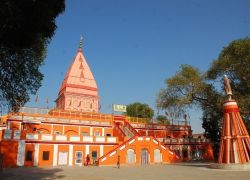
Jammu, a city rich in culture and history, is home to a hidden gem known as the Ranbireshwar Temple. This ancient temple holds a significant place in the hearts of locals and tourists alike, offering a spiritual retreat amidst the bustling city life. Situated in the picturesque surroundings of Jammu, the Ranbireshwar Temple stands as a testimony to the region's architectural and cultural heritage. History of Ranbireshwar Temple The history of the Ranbireshwar Temple dates back to ancient times, reflecting the deep-rooted religious traditions of the region. Originally built as part of the former royal hunting grounds, this temple has undergone various conservation efforts to preserve its historical significance. The temple's architectural splendor and spiritual aura have even garnered recognition from UNESCO, adding to its allure as a must-visit destination in Jammu. Architecture and Natural Beauty of Ranbireshwar Temple Surrounded by lush greenery and serene landscapes, the Ranbireshwar Temple offers a tranquil escape for visitors seeking solace in nature. The temple's intricate design and historical importance make it a cultural landmark worth exploring. Additionally, the presence of wetlands, forests, and bird habitats in the vicinity enhances the natural beauty of this sacred site, creating a harmonious blend of spirituality and biodiversity. Why is Ranbireshwar Temple Famous? Ranbireshwar Temple is renowned for its spiritual ambiance and architectural grandeur, attracting birdwatchers, photographers, nature enthusiasts, and wildlife lovers from far and wide. The temple's serene surroundings and historical significance make it a popular destination for those seeking a deeper connection with nature and heritage. How to Reach Ranbireshwar Temple Traveling to Ranbireshwar Temple is convenient, with various options available by air, rail, and road. The nearest airport and railway station provide easy access to the temple, allowing visitors to embark on a seamless journey to this sacred site nestled in the heart of Jammu. Weather and Best Time to Visit Ranbireshwar Temple The weather at Ranbireshwar Temple varies across seasons, offering different experiences to visitors throughout the year. While summer provides pleasant weather for exploration, the monsoon season brings out the lush beauty of the surroundings. Winter, on the other hand, offers a tranquil atmosphere ideal for spiritual reflection. The best time to visit Ranbireshwar Temple is during the cooler months when the weather is most conducive for outdoor activities and sightseeing. Timings of Ranbireshwar Temple Ranbireshwar Temple welcomes visitors during specific timings, ensuring a well-rounded experience for all guests. Seasonal variations may affect the temple's opening hours, so it is advisable to plan your visit accordingly. Understanding the timings will help you make the most of your trip to this sacred destination. Entry Fee and Visit Details Visiting Ranbireshwar Temple involves following specific entry procedures and guidelines to ensure a smooth experience for all guests. Guide services, safari options, bicycle rentals, and other visitor facilities are available to enhance your visit and make it more informative and memorable. Things to Do at Ranbireshwar Temple Engage in a plethora of activities at Ranbireshwar Temple, including birdwatching, photography, cycling, walking trails, nature observation, and educational experiences. Immerse yourself in the tranquility of the surroundings and explore the rich biodiversity of the region while creating lasting memories of your visit. Interesting Facts About Ranbireshwar Temple Ranbireshwar Temple is not just a place of worship but a sanctuary for migratory birds and diverse flora and fauna. The temple's conservation efforts have contributed to the preservation of its ecological importance, making it a vital hub for biodiversity in the region. Discover fascinating facts about the temple's history, conservation achievements, and the significance of its natural surroundings. Travel Tips for Visiting Ranbireshwar Temple When preparing for your visit to Ranbireshwar Temple, consider essential travel tips to enhance your experience. From appropriate clothing choices to photography essentials and birdwatching equipment, these tips will ensure you make the most of your time at this spiritual and natural haven. Embrace responsible tourism practices and respect the environment to leave a positive impact on this sacred site. Conclusion In conclusion, Ranbireshwar Temple in Jammu stands as a beacon of spirituality and natural beauty, offering visitors a unique blend of cultural heritage and ecological wonders. Explore the temple's historical significance, immerse yourself in the tranquility of its surroundings, and witness the diverse wildlife that calls this place home. Plan your visit to Ranbireshwar Temple for an enriching experience that will leave you rejuvenated and inspired by the magic of this hidden treasure in Jammu.
Explore More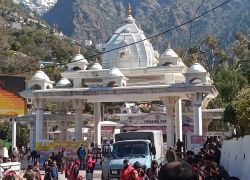
Katra, a city known for its spiritual essence, hosts the magnificent Banganga Temple, a significant tourist attraction that combines religious reverence with natural beauty. Situated amidst the serene surroundings of Katra, the Banganga Temple offers visitors a unique experience that blends history, architecture, and biodiversity. History of Banganga Temple The history of Banganga Temple dates back to ancient times, reflecting the rich cultural heritage of the region. Originally a royal hunting ground, the area was transformed into a sanctuary for both wildlife and devotees. The temple's historical significance is further enhanced by its UNESCO recognition, highlighting its role in preserving the region's natural and cultural heritage. Architecture and Natural Beauty of Banganga Temple The Banganga Temple is not only a place of worship but also a haven for biodiversity. Surrounded by lush forests, wetlands, and grasslands, the temple complex provides a picturesque setting for visitors. The Keoladeo Temple within the premises adds to the architectural charm, complementing the natural beauty of the surroundings. Why is Banganga Temple Famous? Banganga Temple is renowned for its appeal to birdwatchers, photographers, nature enthusiasts, and wildlife lovers. The diverse bird habitats, landscapes, and serene environment attract visitors seeking a unique blend of spirituality and nature exploration. How to Reach Banganga Temple Traveling to Banganga Temple is convenient, with options available by air, rail, and road. The nearest airports and railway stations provide easy access to Katra, ensuring a smooth journey for visitors from various locations. Weather and Best Time to Visit Banganga Temple The weather conditions around Banganga Temple vary across seasons, offering different experiences during summer, monsoon, and winter. The best time to visit is during specific months when the climate is pleasant, allowing visitors to enjoy the beauty of the surroundings comfortably. Timings of Banganga Temple Visiting hours at Banganga Temple cater to the needs of tourists, with seasonal variations considered to enhance the visitor experience. Planning a trip to the temple involves understanding the timings to make the most of the visit. Entry Fee and Visit Details Entry procedures at Banganga Temple ensure a hassle-free experience for visitors, with guide services, safari options, bicycle rentals, and other facilities available for convenience. Exploring the temple complex and its surroundings becomes a memorable experience with the right information at hand. Things to Do at Banganga Temple Engaging in activities like birdwatching, photography, cycling, walking trails, and nature observation offers visitors a chance to immerse themselves in the natural beauty of Banganga Temple. Educational experiences further enrich the visit, providing insights into the region's biodiversity and conservation efforts. Interesting Facts About Banganga Temple Banganga Temple is home to a variety of migratory birds, showcasing the region's rich biodiversity. The conservation achievements and ecological importance of the temple underscore its role in preserving the environment and promoting sustainable tourism practices. Travel Tips for Visiting Banganga Temple When planning a trip to Banganga Temple, consider essential factors such as clothing, photography equipment, birdwatching essentials, visiting seasons, and responsible tourism practices. Following these tips ensures a fulfilling and respectful experience at this revered destination. Conclusion In conclusion, Banganga Temple in Katra stands as a unique blend of spirituality and natural beauty, offering visitors a harmonious retreat that celebrates history, architecture, and biodiversity. A visit to this tranquil sanctuary promises a memorable experience that captures the essence of Katra's cultural heritage and scenic allure.
Explore More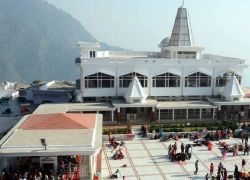
Welcome to Ardh Kuwari Temple in Katra, a place of serene beauty and spiritual significance. Nestled amidst the natural wonders of Katra, this temple offers a unique blend of tranquility and cultural richness that attracts visitors from far and wide. History of Ardh Kuwari Temple The Ardh Kuwari Temple holds a deep historical background, with its origins dating back to ancient times. Once a royal hunting ground, this sacred site has been preserved over the years and is now recognized for its cultural importance. The temple's conservation efforts have garnered UNESCO recognition, adding to its historical significance. Architecture and Natural Beauty of Ardh Kuwari Temple This temple is surrounded by lush forests, vibrant wetlands, and diverse grasslands that create a picturesque setting for visitors. The bird habitats within the temple grounds offer a unique opportunity to witness a variety of avian species in their natural habitat. The historical Keoladeo Temple located nearby adds to the architectural charm of the area. Why is Ardh Kuwari Temple Famous? Ardh Kuwari Temple is famous for its appeal to birdwatchers, photographers, nature enthusiasts, and wildlife lovers. The rich biodiversity and stunning landscapes make it a sought-after destination for those seeking a connection with nature and ancient cultural heritage. How to Reach Ardh Kuwari Temple Traveling to Ardh Kuwari Temple is convenient, with options available by air, rail, and road. The nearest airports and railway stations provide easy access to this spiritual haven, ensuring a smooth journey for visitors. Weather and Best Time to Visit Ardh Kuwari Temple The weather at Ardh Kuwari Temple varies across summer, monsoon, and winter seasons, each offering a unique experience for travelers. The best time to visit is during the moderate months when the climate is pleasant, allowing visitors to explore the temple grounds comfortably. Timings of Ardh Kuwari Temple Ardh Kuwari Temple welcomes visitors at specific timings, with seasonal variations that may impact accessibility. It is advisable to plan your visit accordingly and make the most of your time exploring this spiritual retreat. Entry Fee and Visit Details Entry procedures to Ardh Kuwari Temple are straightforward, with guide services, safari options, bicycle rentals, and visitor facilities available for a comfortable experience. Visitors can engage in various activities and make the most of their time at this cultural gem. Things to Do at Ardh Kuwari Temple Popular activities at Ardh Kuwari Temple include birdwatching, photography, cycling, walking trails, nature observation, and educational experiences. Immerse yourself in the natural beauty of the surroundings and create unforgettable memories during your visit. Interesting Facts About Ardh Kuwari Temple Ardh Kuwari Temple is home to a diverse array of migratory birds, showcasing the rich biodiversity of the region. The conservation achievements at the temple have contributed to its ecological importance, making it a vital sanctuary for wildlife preservation. Travel Tips for Visiting Ardh Kuwari Temple When visiting Ardh Kuwari Temple, remember to dress appropriately, carry photography equipment, and be mindful of the birdwatching etiquettes. Understanding the visiting seasons and practicing responsible tourism will enhance your overall experience at this cultural and natural marvel. Conclusion In conclusion, Ardh Kuwari Temple in Katra offers a blend of spirituality, natural beauty, and cultural heritage that provides a fulfilling experience for all visitors. Explore the wonders of this temple, immerse yourself in its rich history, and connect with nature in a profound way at this enchanting destination.
Explore More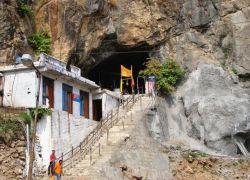
Katra, a city known for its spiritual significance, is home to the mesmerizing Shiv Khori Cave Temple, a hidden gem nestled in the heart of the region. This sacred site attracts pilgrims and tourists alike, offering a unique blend of natural beauty and religious fervor. History of Shiv Khori Cave Temple The history of Shiv Khori Cave Temple is steeped in ancient legends and mythological tales. Believed to be the abode of Lord Shiva, this cave temple holds immense religious importance for devotees. It is said that the cave was discovered centuries ago by shepherds and has since been a revered site for spiritual seekers. Architecture and Natural Beauty of Shiv Khori Cave Temple Surrounded by lush forests and serene landscapes, Shiv Khori Cave Temple offers a tranquil retreat for visitors. The natural beauty of the surroundings enhances the spiritual experience of the temple. The intricate architecture of the cave and the sacred aura make it a place of divine charm. Why is Shiv Khori Cave Temple Famous? Shiv Khori Cave Temple is renowned for its spiritual ambiance and mystical charm. It is a popular destination for pilgrims seeking blessings and solace. Additionally, nature enthusiasts are drawn to the scenic beauty and biodiversity of the region, making it a must-visit for all. How to Reach Shiv Khori Cave Temple Reaching Shiv Khori Cave Temple is convenient for travelers. The nearest airport is located in Jammu, which is well-connected to major cities. For those traveling by train, the nearest railway station is in Katra. From Katra, one can easily hire local transportation to reach the temple. Weather and Best Time to Visit Shiv Khori Cave Temple The weather at Shiv Khori Cave Temple varies throughout the year. Summer months are warm and pleasant, making it an ideal time to visit. Monsoons bring lush greenery to the region, enhancing the natural beauty. Winter months are chilly but offer a serene ambiance for spiritual seekers. Timings of Shiv Khori Cave Temple Shiv Khori Cave Temple welcomes visitors throughout the year. The timings may vary seasonally, so it is advisable to check before planning your trip. The serene atmosphere of the temple is best experienced during early morning or late evening visits. Entry Fee and Visit Details Entry to Shiv Khori Cave Temple is open to all devotees and tourists. Guide services are available for those seeking a deeper understanding of the temple's significance. Visitors can explore the cave complex at their own pace and immerse themselves in the spiritual aura of the place. Things to Do at Shiv Khori Cave Temple Visitors to Shiv Khori Cave Temple can indulge in a variety of activities. From offering prayers at the sanctum sanctorum to exploring the natural beauty of the surroundings, there is something for everyone. Birdwatching, photography, and nature walks are popular among tourists. Interesting Facts About Shiv Khori Cave Temple Shiv Khori Cave Temple is known for its biodiversity and ecological significance. The region is home to a variety of flora and fauna, making it a haven for nature lovers. Conservation efforts are ongoing to preserve the natural habitat and maintain the spiritual sanctity of the temple. Travel Tips for Visiting Shiv Khori Cave Temple When visiting Shiv Khori Cave Temple, it is advisable to wear comfortable clothing and footwear suitable for exploring the cave complex. Carry essential items like water, snacks, and a camera to capture the scenic beauty. Respect the sanctity of the temple and follow responsible tourism practices during your visit. Conclusion In conclusion, Shiv Khori Cave Temple in Katra offers a unique blend of spirituality and natural beauty. The historical significance, architectural marvels, and serene ambiance make it a must-visit destination for travelers. Whether you seek divine blessings or wish to immerse yourself in the tranquility of nature, Shiv Khori Cave Temple is a place that leaves a lasting impression on all who visit.
Explore More
Welcome to Charan Paduka, a mesmerizing tourist attraction located in the charming city of Katra. This sacred place holds historical significance and boasts of a stunning natural environment that attracts visitors from far and wide. History of Charan Paduka Charan Paduka has a rich historical background, believed to be a former royal hunting ground that has now been transformed into a conservation area. Efforts to preserve its natural beauty have gained recognition, making it a potential UNESCO World Heritage Site in the future. Architecture and Natural Beauty of Charan Paduka Charan Paduka is blessed with diverse landscapes including wetlands, forests, and grasslands that provide a habitat for numerous bird species. The park is also home to the historical Keoladeo Temple, adding to its cultural and architectural charm. Why is Charan Paduka Famous? Charan Paduka is renowned for its incredible biodiversity, making it a paradise for birdwatchers, photographers, nature enthusiasts, and wildlife lovers. The park's unique blend of flora and fauna offers a captivating experience for visitors. How to Reach Charan Paduka Traveling to Charan Paduka is convenient with options available by air, rail, and road. The nearest airports and railway stations make it easily accessible for tourists coming from different parts of the country. Weather and Best Time to Visit Charan Paduka Charan Paduka experiences varying weather conditions throughout the year, with each season offering a different charm to the park. The best time to visit depends on personal preferences, but certain months are more favorable for an enjoyable trip. Timings of Charan Paduka Visitor timings at Charan Paduka ensure that guests can explore the park at their convenience. Seasonal variations may affect the operating hours, so it's advisable to plan your visit accordingly to make the most of your time. Entry Fee and Visit Details Entry procedures at Charan Paduka are straightforward, with guide services and safari options available for those seeking a more immersive experience. Bicycle rentals and visitor facilities enhance the overall visit, providing convenience and comfort to guests. Things to Do at Charan Paduka Popular activities at Charan Paduka include birdwatching, photography, cycling, walking trails, and nature observation. Visitors can engage in educational experiences that offer insights into the park's ecosystem and wildlife conservation efforts. Interesting Facts About Charan Paduka Charan Paduka is known for its migratory birds, diverse biodiversity, conservation achievements, and ecological importance in maintaining a balanced ecosystem. These fascinating facts add to the allure of the park, making it a must-visit destination for nature lovers. Travel Tips for Visiting Charan Paduka When planning a trip to Charan Paduka, consider packing appropriate clothing, essential photography gear, and birdwatching equipment to enhance your experience. Understanding the visiting seasons and practicing responsible tourism ensures a memorable and sustainable visit to this natural wonder. Conclusion In conclusion, Charan Paduka in Katra is a treasure trove of natural beauty and cultural heritage, offering a fulfilling experience for all types of travelers. Whether you seek tranquility in nature or wish to explore the park's wildlife, Charan Paduka promises a memorable journey that celebrates the harmony between humanity and the environment.
Explore More
Constructed in the 9th century, Avantiswami Temple is a well-known tourist site in the state of Jammu & Kashmir. This group of temples was an architectural marvel in the bygone times and was built under the reign of the King Avantivarman. Two temples were built and were dedicated to Lord Shiva and Lord Vishnu respectively. Today these temples stand in a ruined state but still have the charm of luring the visitors.Why Is It Famous?Avantiswami Temple is famous because it is regarded as the earliest constructed Hindu temple in the state of Jammu & Kashmir. It was constructed by the workers that came from Greece for building the shrine.According to ASI, the temple of Avantiswami boasted beautiful carvings on the interiors as well as the exterior walls. The verses in the Hindi and Kashmiri language were found during the excavations.During the natural calamity of an earthquake, both temples were completely destroyed and left behind the stones that narrated the tales of a bygone era.Best Time To Visit:-There is no special time for visiting Avantiswami temple. It can be visited during any time of the year. Watch Out!Carry extra food and water along as the restaurants and eateries are not located nearby. Thus, carrying light snacks is recommended.Reaching There:-Pulwama district is the nearest township to Avantiswami Temple. The town is well-connected via roadways, railways, and airways. People can reach Avantiswami Temple from any point in Kashmir easily via these means.Nearest Railway Station:- Avantipura Railway StationNearest Airport:- Srinagar Airport
Explore More
Pahalgam, a picturesque town known for its stunning natural beauty and cultural heritage, is home to the enchanting Mamaleshwar Temple. This ancient temple holds great significance for both locals and tourists, offering a serene retreat amidst the lush surroundings of Pahalgam. History of Mamaleshwar Temple The Mamaleshwar Temple has a rich historical background, dating back to ancient times. It is believed to have been a former royal hunting ground and holds deep spiritual and cultural importance. The temple has been a focus of conservation efforts to preserve its heritage, and its historical significance has garnered recognition from UNESCO. Architecture and Natural Beauty of Mamaleshwar Temple Surrounded by wetlands, forests, and grasslands, Mamaleshwar Temple is a haven for bird habitats and diverse landscapes. The temple's architecture reflects the region's historical and cultural heritage, with the nearby Keoladeo Temple adding to its charm. Why is Mamaleshwar Temple Famous? Mamaleshwar Temple is renowned for its tranquil ambiance and stunning natural surroundings, attracting birdwatchers, photographers, nature enthusiasts, and wildlife lovers from far and wide. The temple's serene atmosphere and biodiversity make it a popular destination for those seeking a peaceful retreat. How to Reach Mamaleshwar Temple Traveling to Mamaleshwar Temple is convenient, with options available by air, rail, and road. The nearest airports and railway stations provide easy access to Pahalgam, from where visitors can reach the temple through various transportation means. Weather and Best Time to Visit Mamaleshwar Temple The weather in Pahalgam offers varied experiences throughout the seasons, with summers providing pleasant temperatures, monsoons bringing lush greenery, and winters offering a snowy wonderland. The best time to visit Mamaleshwar Temple is during the moderate weather months, ensuring an enjoyable and comfortable experience. Timings of Mamaleshwar Temple Mamaleshwar Temple welcomes visitors during specified timings, with variations based on the season. Understanding the temple's operating hours and planning accordingly can enhance the overall visit experience, allowing for a peaceful exploration of the surroundings. Entry Fee and Visit Details Visiting Mamaleshwar Temple involves following entry procedures and availing guide services for a deeper understanding of the temple's significance. Safari options, bicycle rentals, and visitor facilities are available to enhance the overall visit, ensuring a memorable and informative experience. Things to Do at Mamaleshwar Temple At Mamaleshwar Temple, visitors can engage in various activities such as birdwatching, photography, cycling, walking trails, and nature observation. The temple offers educational experiences, allowing visitors to connect with nature and appreciate the region's ecological diversity. Interesting Facts About Mamaleshwar Temple Mamaleshwar Temple is known for its role in supporting migratory birds, showcasing biodiversity, and contributing to conservation efforts. The temple's ecological importance and conservation achievements add to its allure, making it a destination worth exploring. Travel Tips for Visiting Mamaleshwar Temple When visiting Mamaleshwar Temple, it is advisable to dress appropriately for the weather, carry essential photography and birdwatching equipment, and visit during the recommended seasons. Responsible tourism practices ensure the preservation of the temple's natural beauty and wildlife habitats. Conclusion In conclusion, Mamaleshwar Temple in Pahalgam stands as a testament to the region's cultural heritage and natural splendor. With its historical significance, biodiversity, and tranquil surroundings, the temple offers visitors a unique and enriching experience, making it a must-visit destination in Pahalgam.
Explore More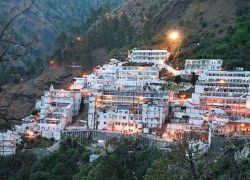
Vaishno Devi, nestled in the beautiful city of Kashmir, is a renowned tourist attraction that holds deep spiritual significance and natural beauty. This hotspot attracts pilgrims, nature enthusiasts, and adventure seekers alike, offering a unique blend of religious fervor and scenic charm. History of Vaishno Devi The history of Vaishno Devi dates back centuries, with legends of the divine Mata Vaishno Devi attracting devotees from far and wide. The pilgrimage site has evolved from ancient times, once serving as a royal hunting ground and now standing as a symbol of spiritual devotion. The conservation efforts around Vaishno Devi have garnered UNESCO recognition, highlighting its importance in both cultural and environmental spheres. Architecture and Natural Beauty of Vaishno Devi Surrounded by lush forests, serene wetlands, and diverse bird habitats, Vaishno Devi captivates visitors with its natural splendor. The picturesque landscapes offer a tranquil retreat for pilgrims and nature lovers alike. The historic Keoladeo Temple within the park adds to the architectural and cultural richness of the region. Why is Vaishno Devi Famous? Vaishno Devi is famous for its spiritual aura and natural allure, making it a haven for birdwatchers, photographers, and wildlife enthusiasts. The diverse ecosystem and rich biodiversity within the region draw visitors seeking solace in the lap of nature. How to Reach Vaishno Devi Traveling to Vaishno Devi is convenient, with options available by air, rail, and road. The nearest airports and railway stations provide easy access to this sacred destination, ensuring a seamless journey for pilgrims and tourists. Weather and Best Time to Visit Vaishno Devi Vaishno Devi experiences varying weather conditions throughout the year, with summer, monsoon, and winter seasons offering distinct experiences. The best time to visit depends on personal preferences, with each season bringing its unique charm to the pilgrimage. Timings of Vaishno Devi The visitor timings at Vaishno Devi vary seasonally, providing flexibility for pilgrims and tourists to plan their trips accordingly. Understanding these timings and planning ahead can enhance the overall experience at this sacred site. Entry Fee and Visit Details Entry procedures at Vaishno Devi are straightforward, with guide services and safari options available for those seeking a more immersive experience. Visitor facilities cater to the needs of travelers, ensuring a comfortable and memorable stay at this revered destination. Things to Do at Vaishno Devi Popular activities at Vaishno Devi include birdwatching, photography, cycling, walking trails, and nature observation. The serene surroundings and spiritual ambiance offer a range of experiences for visitors to immerse themselves in the beauty of nature and culture. Interesting Facts About Vaishno Devi Vaishno Devi is home to a diverse range of migratory birds, showcasing the rich biodiversity of the region. The conservation achievements and ecological importance of this pilgrimage site contribute to its significance in preserving natural heritage. Travel Tips for Visiting Vaishno Devi When visiting Vaishno Devi, it is advisable to dress modestly and carry essential items for a comfortable journey. Photography enthusiasts should come prepared with suitable equipment to capture the scenic beauty of the surroundings. Understanding the visiting seasons and following responsible tourism practices can help preserve the sanctity of this revered hotspot. Conclusion In conclusion, Vaishno Devi in Kashmir stands as a testament to spirituality, natural beauty, and cultural heritage. This enchanting destination offers a unique blend of tranquility and devotion, inviting travelers to explore its sacred grounds and picturesque landscapes. Whether seeking spiritual solace or a rendezvous with nature, Vaishno Devi promises a memorable experience for all visitors.
Explore More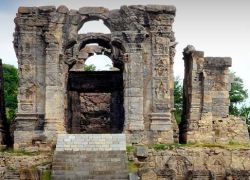
About The Martand Sun Temple The Martand Sun Temple is an ancient Hindu temple dedicated to the Sun God located in Anantnag district in the union territory of Jammu and Kashmir, India. It is one of the largest sun temples in India and is known for its architectural grandeur and historical significance. Architecture of Martand Sun Temple The Martand Sun Temple is built in the Kashmiri architectural style and is believed to have been constructed during the 8th century by the ruler Lalitaditya Muktapida of the Karkota dynasty. The temple complex is laid out in a series of concentric squares with a central shrine dedicated to the Sun God. The temple is surrounded by a large courtyard with over 80 stone columns and a perimeter wall with intricate carvings depicting various deities and mythological figures. The main shrine of the Martand Sun Temple is built on a raised platform and is adorned with intricate sculptures and carvings. The temple also features a pillared hall, a mandapa, and a shikara (spire) that is believed to have once been covered in gold. The temple's exteriors are decorated with intricate relief work and carvings of various gods and goddesses. History The Martand Sun Temple was constructed during the reign of Lalitaditya Muktapida, who was a powerful ruler of the Kashmir region. The temple was an important center of worship and pilgrimage for Hindus in the region for centuries. However, the temple fell into ruins after the decline of the Karkota dynasty and was eventually abandoned. Over the years, the Martand Sun Temple suffered extensive damage due to invasions, natural disasters, and neglect. The temple's once magnificent structures were reduced to ruins, with only a few remnants of its former glory remaining. Despite its dilapidated state, the Martand Sun Temple continues to attract visitors and historians from around the world. Best Time To Visit The best time to visit the Martand Sun Temple is during the months of April to June when the weather is pleasant and the temple complex is easily accessible. The summer months also offer clear skies and great views of the surrounding mountains and valleys. It is advisable to avoid visiting the Martand Sun Temple during the winter months as the region experiences heavy snowfall and cold temperatures, making it difficult to explore the temple complex. How To Reach The Martand Sun Temple is located in Anantnag district in Jammu and Kashmir and is easily accessible by road. The nearest major city to the temple is Srinagar, which is approximately 70 kilometers away. Visitors can hire a taxi or take a bus from Srinagar to reach the temple complex. Alternatively, visitors can also travel to Anantnag town and then hire a taxi or take a local bus to reach the Martand Sun Temple. The temple is situated on a hill, so visitors will need to climb a flight of stairs to reach the main entrance. Significance Of The Martand Sun Temple The Martand Sun Temple holds great religious and historical significance for Hindus in the region. It is believed to be one of the oldest sun temples in India and is dedicated to the Sun God, who is revered as the source of life and energy. The temple complex is also an important archaeological site that offers valuable insights into the ancient culture and architecture of the Kashmir region. Visitors to the Martand Sun Temple can explore the beautiful carvings, sculptures, and architecture of the temple complex and learn about its rich history and cultural heritage. The temple's serene surroundings and panoramic views make it a popular destination for tourists and history enthusiasts alike.
Explore More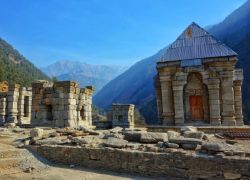
Naranag Temple, located in Ganderbal, is a hidden gem nestled in the natural beauty of the region. This ancient temple holds significant historical and cultural importance, attracting tourists and pilgrims alike. Surrounded by lush greenery and snow-capped mountains, Naranag Temple offers a serene escape for visitors seeking tranquility and spiritual enlightenment. History of Naranag Temple The history of Naranag Temple dates back centuries, reflecting the rich cultural heritage of the region. Once a royal hunting ground, this site has undergone conservation efforts to preserve its historical significance. The temple's architectural marvel and UNESCO recognition as a heritage site showcase its enduring legacy. Architecture and Natural Beauty of Naranag Temple Naranag Temple is not only a religious site but also a haven for biodiversity. The wetlands, forests, and bird habitats surrounding the temple create a picturesque landscape that mesmerizes visitors. The Keoladeo Temple within the park adds to its charm, blending spirituality with natural beauty. Why is Naranag Temple Famous? Naranag Temple is renowned for its captivating beauty, making it a paradise for birdwatchers, photographers, and nature enthusiasts. The diverse wildlife and serene surroundings attract visitors seeking solace amidst nature's wonders. How to Reach Naranag Temple Traveling to Naranag Temple is convenient, with options available by air, rail, and road. Nearby airports and railway stations provide easy access to this enchanting destination, allowing tourists to embark on a memorable journey to Ganderbal. Weather and Best Time to Visit Naranag Temple The weather at Naranag Temple varies throughout the year, offering distinct experiences during summer, monsoon, and winter seasons. The best time to visit is during specific months when the climate is favorable for exploration and sightseeing. Timings of Naranag Temple Naranag Temple welcomes visitors at specified timings, ensuring a memorable experience for all. Seasonal variations may influence the temple's accessibility, so it is advisable to plan your visit accordingly for a fulfilling trip. Entry Fee and Visit Details Entry procedures to Naranag Temple are hassle-free, with guide services and safari options available for an enhanced experience. Bicycle rentals and visitor facilities cater to the needs of tourists, making their visit comfortable and enjoyable. Things to Do at Naranag Temple Engage in various activities at Naranag Temple, such as birdwatching, photography, cycling, and nature observation. The walking trails offer scenic views, while educational experiences enrich visitors with knowledge about the region's biodiversity and cultural heritage. Interesting Facts About Naranag Temple Naranag Temple is home to a myriad of migratory birds and boasts remarkable conservation achievements. Its ecological importance transcends boundaries, making it a hotspot for researchers and wildlife enthusiasts seeking to delve into nature's wonders. Travel Tips for Visiting Naranag Temple When visiting Naranag Temple, remember to dress appropriately for the weather and carry essential photography and birdwatching equipment. Understanding the visiting seasons and practicing responsible tourism ensures a meaningful and sustainable travel experience. Conclusion In conclusion, Naranag Temple in Ganderbal offers a harmonious blend of history, architecture, and natural beauty. Its allure lies in the serenity it provides to visitors, making it a must-visit destination for those seeking spiritual rejuvenation amidst the splendor of nature.
Explore More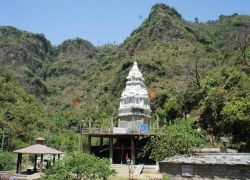
The Shiv Khori Temple is a famous Hindu pilgrimage site located in the Reasi district of Jammu and Kashmir, India. It is dedicated to Lord Shiva and is situated inside a naturally formed cave. The temple is considered highly sacred by devotees who come here to seek blessings and pay their respects to the deity. About The Shiv Khori Temple The Shiv Khori Temple is situated at an altitude of 1,500 meters above sea level and is surrounded by lush green forests and picturesque landscapes. The main attraction of the temple is the naturally formed Shiva Lingam inside the cave, which is believed to be a manifestation of Lord Shiva. Architecture of Shiv Khori Temple The temple has a simple yet captivating architecture. It is built inside a cave that is around 150 feet long and 4 feet wide. The entrance to the cave is adorned with intricate carvings of Lord Shiva and other deities. The inner sanctum of the cave houses the Shiva Lingam, which is revered by devotees. History The history of the Shiv Khori Temple dates back to ancient times. It is believed that the cave was discovered by a Muslim shepherd named Buta Malik, who was guided to the cave by a divine light. Inside the cave, he found a self-manifested Shiva Lingam and since then, the cave has been considered a sacred site for devotees of Lord Shiva. Best Time To Visit The best time to visit the Shiv Khori Temple is during the months of February to April when the weather is pleasant and the surroundings are in full bloom. The temple also sees a large number of devotees during the festival of Maha Shivaratri, which is celebrated with great fervor at the shrine. How To Reach The Shiv Khori Temple is located around 100 kilometers from Jammu and can be reached by road. The nearest railway station is in Jammu, which is well-connected to major cities in India. From Jammu, one can hire a taxi or take a bus to reach the temple. The journey to the temple is scenic and offers breathtaking views of the surrounding hills and valleys. Significance Of The Shiv Khori Temple The Shiv Khori Temple holds immense significance for devotees of Lord Shiva. It is believed that worshipping at the shrine can bring peace, prosperity, and happiness in one's life. The cave is also said to have mystical powers and is believed to fulfill the wishes of those who visit the temple with a pure heart. In conclusion, the Shiv Khori Temple is a sacred pilgrimage site that attracts devotees from far and wide. The temple's unique location inside a natural cave, its rich history, and the spiritual significance make it a must-visit destination for those seeking blessings and divine intervention in their lives.
Explore MoreSrinagar N - Gulmarg N - Srinagar N - Pahalgam 2N - Srinagar N Tour
7 Days/ 6 Night
Srinagar - Gulmarg - Pahalgam
Leh Ladakh Adventure Tour
7 Days/ 6 Night
Leh
LADAKH 5 NIGHTS / 6 DAYS
6 Days/ 5 Night
Leh
Srinagar 1N - Gulmarg 1N - Sonmarg 2N - Srinagar 1N Tour
6 Days/ 5 Night
Srinagar - Sonamarg - Gulmarg