"Discover diverse ecosystems and unique wildlife species."
Coringa Wildlife Sanctuary is one of the most important and beautiful mangrove ecosystems in India. Located near Kakinada in Andhra Pradesh, this sanctuary is known for its rich biodiversity, scenic waterways, and peaceful natural surroundings. Spread across a vast area along the Godavari River delta, Coringa Wildlife Sanctuary is a paradise for nature lovers, bird watchers, photographers, and eco-tourists. It plays a crucial role in protecting coastal ecology and supporting marine life.
Why Coringa Wildlife Sanctuary is Famous
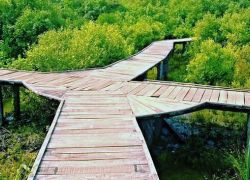
Coringa Wildlife Sanctuary is famous for being the second-largest mangrove forest in India after the Sundarbans. The sanctuary is home to dense mangrove vegetation that protects the coastline from cyclones and soil erosion. It is especially renowned for its bird population, including migratory birds, making it a top destination for birdwatching. The serene environment, wooden boardwalks, and natural creeks offer visitors a unique experience of exploring mangrove forests up close.
History and Significance
The Coringa mangrove region has been ecologically significant for centuries due to its location at the mouth of the Godavari River. Recognizing its importance, the Government of Andhra Pradesh declared it a wildlife sanctuary in 1978. Since then, it has been protected as a vital coastal ecosystem. The sanctuary plays a key role in maintaining ecological balance by supporting marine breeding grounds, protecting wildlife, and acting as a natural barrier against cyclones and tidal waves.
Flora and Fauna of Coringa Wildlife Sanctuary
The sanctuary is rich in mangrove vegetation, with more than 24 species of mangrove plants. These mangroves provide shelter and breeding grounds for numerous marine organisms.
Wildlife found in the sanctuary includes fishing cats, jackals, smooth-coated otters, and reptiles like saltwater crocodiles. However, Coringa is most famous for its birdlife. Bird species such as painted storks, white ibis, black-headed ibis, herons, egrets, cormorants, and spoonbills can be spotted here. During winter, migratory birds from different parts of the world visit the sanctuary, making it a birdwatcher’s delight.
Things to Do at Coringa Wildlife Sanctuary
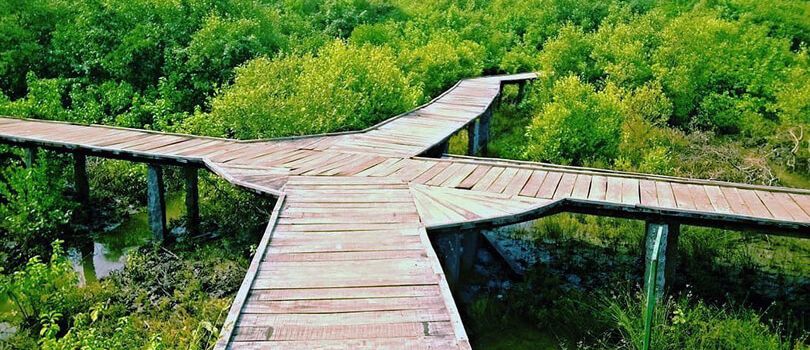
One of the best things to do at Coringa Wildlife Sanctuary is walking along the wooden boardwalk that stretches deep into the mangrove forest. This elevated path allows visitors to observe the ecosystem without disturbing wildlife.
Birdwatching is a major activity, especially during early mornings and evenings. Photography enthusiasts can capture stunning views of birds, waterways, and mangrove landscapes.
Nature walks and educational tours are also popular, as information boards along the trail explain the importance of mangroves and wildlife conservation. The calm environment makes it an excellent place for relaxation and nature appreciation.
Architecture and Infrastructure
Coringa Wildlife Sanctuary does not have traditional architectural structures like monuments or temples. Instead, its key attraction is the eco-friendly infrastructure designed to blend with nature. The wooden boardwalk, watchtowers, and information centers are built to minimize environmental impact while offering visitors safe and informative access to the sanctuary.
How to Reach Coringa Wildlife Sanctuary
Coringa Wildlife Sanctuary is easily accessible from Kakinada city.
By Road: The sanctuary is about 20 kilometers from Kakinada. Regular buses, taxis, and private vehicles are available from Kakinada to reach the sanctuary.
By Rail: Kakinada Town Railway Station is the nearest railway station, well-connected to major cities like Visakhapatnam, Vijayawada, and Chennai.
By Air: Rajahmundry Airport is the nearest airport, located approximately 70 kilometers away. From the airport, visitors can hire taxis to reach Coringa Wildlife Sanctuary.
Weather and Best Time to Visit
The climate around Coringa Wildlife Sanctuary is tropical. Summers (March to June) can be hot and humid, with temperatures ranging from 30°C to 40°C.
Monsoon season (July to September) brings moderate to heavy rainfall, which enhances the greenery but may limit movement.
The best time to visit Coringa Wildlife Sanctuary is from October to February. During this period, the weather is pleasant, and migratory birds can be seen in large numbers, making it ideal for sightseeing and birdwatching.
Timings of Coringa Wildlife Sanctuary
Coringa Wildlife Sanctuary is generally open to visitors from morning to evening.
Opening Time: 9:00 AM
Closing Time: 5:00 PM
Timings may vary slightly depending on seasons and local regulations, so it is advisable to confirm before visiting.
Entry and Visit Details
Visitors are required to pay a nominal entry fee to enter Coringa Wildlife Sanctuary. Additional charges may apply for cameras and guided tours.
Local guides are available and highly recommended, as they provide valuable information about the mangrove ecosystem, wildlife, and conservation efforts.
Group visits, school trips, and eco-tourism programs are often organized to promote environmental awareness.
Interesting Facts about Coringa Wildlife Sanctuary
Coringa has over one-third of India’s mangrove species.
The mangrove forests here act as a natural shield against cyclones along the Andhra Pradesh coastline.
The sanctuary supports breeding grounds for fish, crabs, and prawns, benefiting local fishing communities.
It is one of the best places in South India to observe migratory water birds.
Tips for Visiting Coringa Wildlife Sanctuary
Visit early in the morning for better chances of spotting birds and wildlife.
Wear comfortable clothing, walking shoes, and carry drinking water.
Avoid making loud noises to prevent disturbing animals and birds.
Carry binoculars and cameras for birdwatching and photography.
Do not litter and follow all rules to help preserve the fragile ecosystem.
Conclusion
Coringa Wildlife Sanctuary in Kakinada, Andhra Pradesh, is a perfect destination for those who love nature, wildlife, and peaceful environments. With its rich mangrove forests, diverse birdlife, and eco-friendly tourism facilities, it offers a unique experience unlike any other wildlife destination in the region. A visit to Coringa Wildlife Sanctuary not only provides relaxation and learning but also creates awareness about the importance of conserving coastal ecosystems.











Kakinada
Kakinada
Kakinada
Kakinada
Kakinada
Kakinada
Kakinada
Kakinada
Kakinada
Kakinada