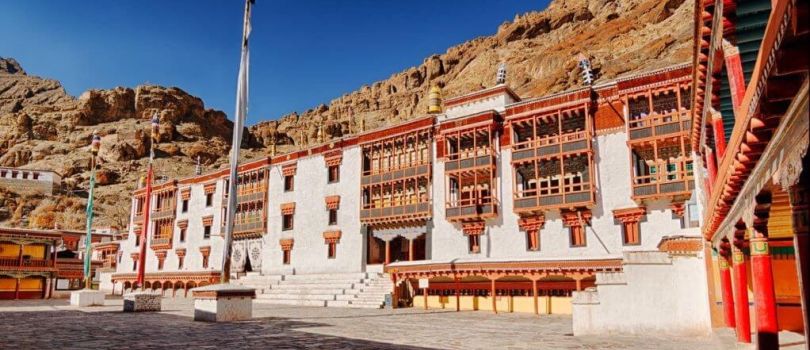
"Witness the grandeur of Tibetan Buddhist culture."
Hemis Monastery is one of the most famous and largest Buddhist monasteries in Ladakh, known for its spiritual importance, rich cultural heritage, and breathtaking Himalayan surroundings. It is a major center of Tibetan Buddhism and attracts pilgrims, monks, and travelers from across the world.
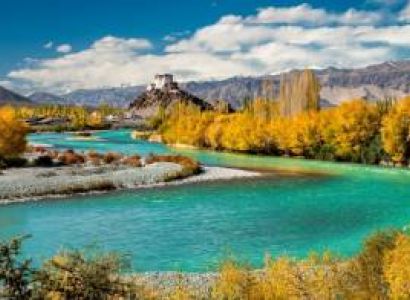
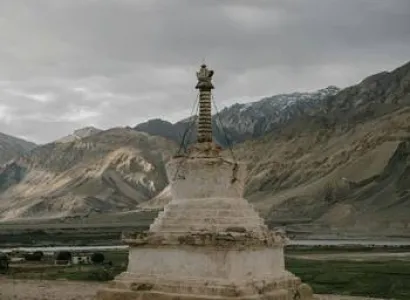
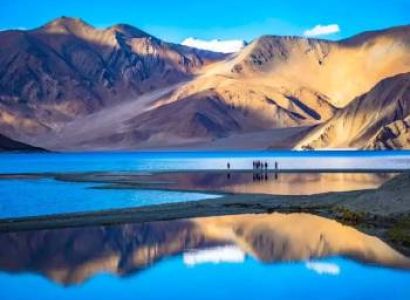
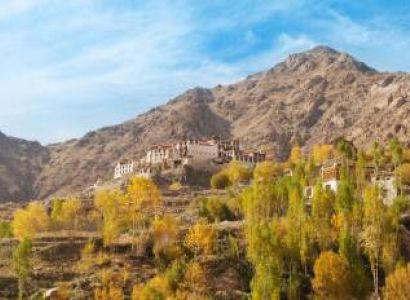
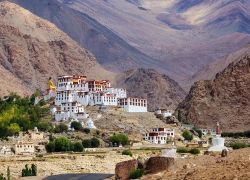
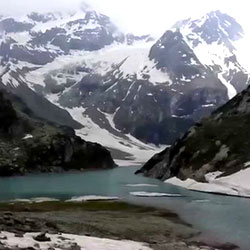
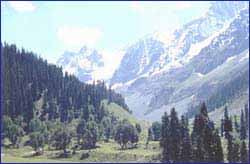
Located in the scenic Sham Valley region of Jammu & Kashmir, Hemis Monastery is surrounded by rugged mountains, peaceful valleys, and pristine natural beauty. It is one of the most important religious sites in the Ladakh region.
Hemis Monastery, Sham Valley, Jammu & Kashmir is globally known for its annual Hemis Festival, vibrant Buddhist rituals, and ancient monastery architecture.
Hemis Monastery was re-established in 1672 by King Sengge Namgyal of Ladakh, although its origins are believed to be much older. It belongs to the Drukpa lineage of Tibetan Buddhism, one of the major schools of Buddhism in the Himalayas.
The monastery has played an important role in preserving Buddhist teachings, culture, and traditions in the Ladakh region for centuries.
It is also associated with the legendary explorer Nicolas Notovitch, who claimed that ancient manuscripts about Jesus Christ were preserved here, although this claim is debated.
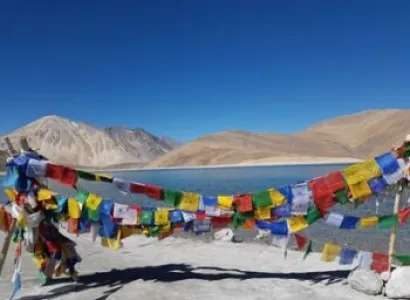
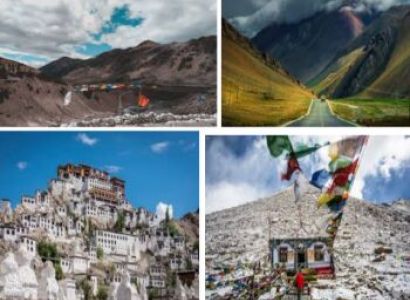
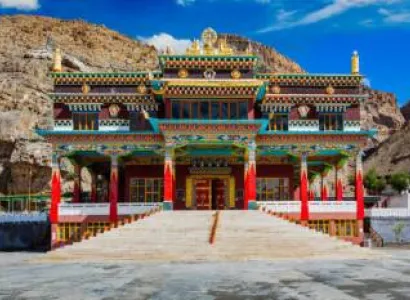
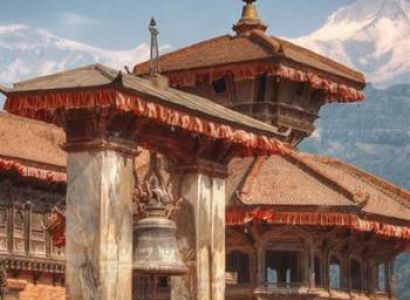
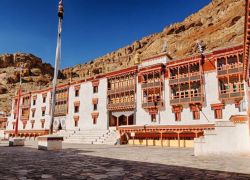
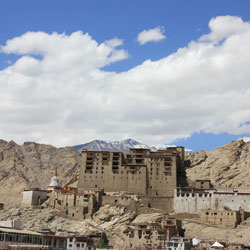
Hemis Monastery showcases traditional Tibetan Buddhist architecture with whitewashed walls, wooden balconies, prayer halls, and colorful prayer flags fluttering in the wind.
The monastery complex includes assembly halls, meditation rooms, courtyards, and shrines dedicated to various Buddhist deities.
Inside, visitors can see beautiful thangka paintings, ancient murals, and golden Buddha statues that reflect deep spiritual artistry.
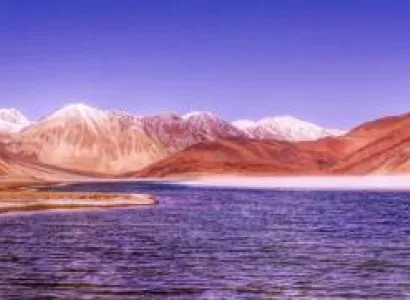
The monastery is designed to blend naturally with the Himalayan landscape, creating a peaceful and sacred atmosphere.
Hemis Monastery is famous for being the largest and wealthiest monastery in Ladakh. It is also known for the annual Hemis Festival, which celebrates the birth of Guru Padmasambhava.
The festival features masked dances, traditional music, and vibrant cultural performances that attract tourists from around the world.
The monastery is also famous for its spiritual significance and its role in preserving Tibetan Buddhist traditions.
Hemis Monastery is accessible from Leh, which is the main travel hub for Ladakh.
By Air: The nearest airport is Kushok Bakula Rimpochee Airport in Leh, located around 45 km away. Flights are available from major Indian cities.
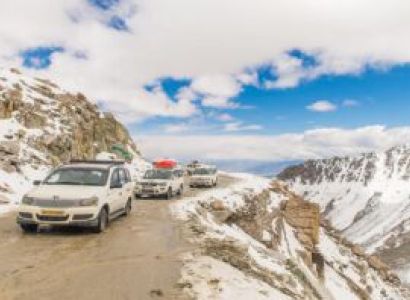
By Road: Hemis Monastery is well connected by road from Leh via scenic mountain routes. Taxis and local buses are available.
By Train: The nearest railway station is Jammu Tawi. From there, travelers must continue by road to Leh and then to Hemis.
The journey to Hemis offers stunning views of the Himalayas and is a memorable travel experience.
Hemis experiences extreme Himalayan weather conditions.
Summer (June to September): Pleasant and cool with temperatures ranging from 10°C to 25°C. This is the best time to visit.
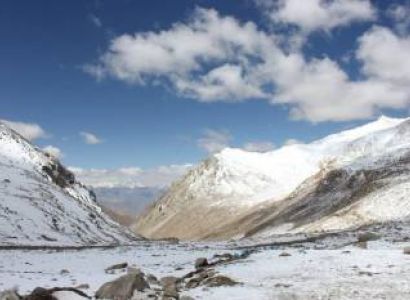
Winter (October to May): Extremely cold with heavy snowfall and temperatures dropping below -15°C, making travel difficult.
Monsoon: The region receives very little rainfall due to its high-altitude desert climate.
Hemis Monastery is generally open from 8:00 AM to 5:00 PM every day.
There is a small entry fee for tourists, while locals and monks may have free access.
Visitors are advised to check timings during festival days as schedules may vary.
Visitors can explore the monastery complex and witness traditional Buddhist rituals performed by monks.
Attending the Hemis Festival is a major highlight, featuring colorful mask dances and cultural performances.
Photography is popular due to the scenic Himalayan backdrop and vibrant monastery architecture.
Visitors can also meditate and experience the peaceful spiritual environment of the monastery.
Hemis Monastery is the largest monastery in Ladakh and belongs to the Drukpa lineage of Tibetan Buddhism.
The Hemis Festival is celebrated annually and is one of the most famous cultural festivals in the Himalayas.
The monastery houses ancient artifacts, scriptures, and sacred relics of Buddhist history.
It is located in one of the most remote yet beautiful regions of India.
Carry warm clothing even in summer due to cold mountain weather.
Acclimatize properly in Leh before visiting to avoid altitude sickness.
Respect local customs and maintain silence inside prayer halls.
Carry sufficient cash and essentials as facilities are limited in remote areas.
Hemis Monastery is a spiritual treasure of Ladakh, offering a perfect blend of culture, history, and natural beauty. Its peaceful environment and vibrant festivals make it one of the most important Buddhist sites in India.
Whether you are a pilgrim, traveler, or culture enthusiast, Hemis Monastery provides an unforgettable experience in the heart of the Himalayas.