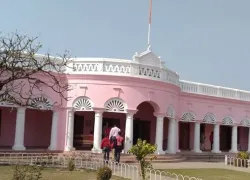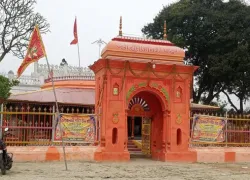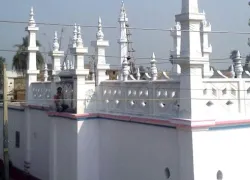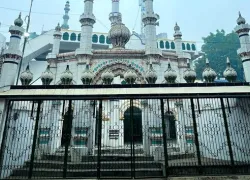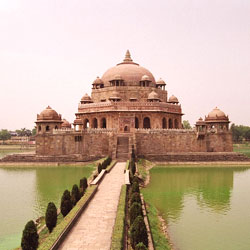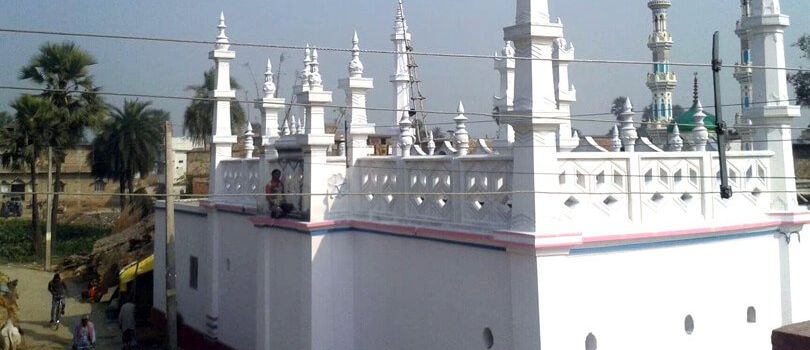
"Admire the architectural beauty of this historic mosque."
The Badi Masjid in Siwan, Bihar is one of the important Islamic places of worship in the city. Situated in the historic Chowk Bazar area on Thana Road near Kagzi Muhalla, the mosque serves as a spiritual centre for the local Muslim community. While specific historical records about its origin are limited in public archives, the mosque’s presence is well known locally as a place for daily prayers, community gatherings, and special religious observances during Islamic festivals such as Ramzan (Ramadan) and Eid. :contentReference[oaicite:0]{index=0}
History and Religious Importance
The Badi Masjid is not a historic monument in the sense of centuries-old heritage like some famed mosques in other Indian cities, but it plays a vital role in the everyday spiritual life of Siwan’s residents. Located in a busy neighbourhood, it offers a peaceful prayer hall and space for both individual reflection and communal worship. Local people visit here for the five daily prayers that punctuate the Islamic day, Friday congregational prayers (Jumu’ah), and larger gatherings during religious festivals. :contentReference[oaicite:1]{index=1}
The mosque’s architecture is practical and functional, focused on serving the needs of worshippers. It typically includes a prayer hall oriented toward Mecca (qibla), a space for ablution (ritual washing), and areas where families or groups can sit and engage in religious education or community discussions. While its appearance may be modest compared with monumental mosques in larger cities, its community presence makes it significant in the lived experiences of Siwan’s Muslim population. :contentReference[oaicite:2]{index=2}
How to Reach Badi Masjid, Siwan
Badi Masjid is located in the central part of Siwan town, and reaching it is generally straightforward:
Best Time to Visit & Weather
Siwan experiences a typical North Indian climate, which affects when a visit to Badi Masjid may be most comfortable:
Visiting Hours and What to Expect
Badi Masjid, like most mosques, does not charge an entry fee and is open throughout the day for worship. Visitors — whether Muslim worshippers or respectful observers — can generally enter the mosque’s courtyard and prayer areas outside of prayer times as well. Men and women are usually provided separate spaces for prayer, and visitors should respect local norms by wearing modest clothing and removing shoes before entering the prayer hall. :contentReference[oaicite:7]{index=7}
Things to Do Around Badi Masjid
Facts and Tips for Visitors
Church of Our Lady – Bruges, Belgium
Although distant from Siwan, the Church of Our Lady in Bruges, Belgium, is one of the most remarkable churches in Europe and a major cultural and religious attraction. Known locally as Onze-Lieve-Vrouwekerk, this Roman Catholic church dates mainly from the 13th to 15th centuries and is a celebrated example of Gothic architecture. :contentReference[oaicite:15]{index=15}
History and Architecture of the Church
The Church of Our Lady showcases Gothic design with towering brick structures, flying buttresses, spacious vaulted interiors, and a richly ornamented choir area. Its imposing brick tower — approximately 115.6 metres high — dominates Bruges’ skyline and is one of the tallest brick church towers in the world. Construction began around the early 13th century and evolved over subsequent centuries, reflecting the city’s prosperity and artistic ambition. :contentReference[oaicite:16]{index=16}
Inside, the nave features pointed arches and ribbed vaults typical of Gothic design. The choir and side aisles contain altarpieces, stained glass windows, chapels, and decorative works reflecting centuries of artistic patronage. Monumental tombs, woodwork, and painted crypts further enhance its historical and visual richness. :contentReference[oaicite:17]{index=17}
Why the Church of Our Lady Is Famous
The church is world-famous primarily for housing the marble sculpture “Madonna and Child” by Michelangelo — one of the few works by the Renaissance master to leave Italy during his lifetime. This white Carrara marble sculpture is considered a masterpiece of Renaissance art and draws visitors from around the globe. :contentReference[oaicite:18]{index=18}
In addition, the church contains impressive tombs of historical figures such as Mary of Burgundy and her father Charles the Bold, which reflect the city’s medieval and Burgundian heritage. :contentReference[oaicite:19]{index=19}
Entry and Visit Details
Visitors can explore the Church of Our Lady as both a place of worship and a museum. Daylight visiting hours are generally from morning until late afternoon (for example, roughly 9:30 a.m. to 5:00 p.m., with slight variations by season). Entry to the church itself is typically free of charge, while access to museum areas where masterpieces and artifacts are displayed may require a small ticket fee. :contentReference[oaicite:20]{index=20}
Plan to spend about 45–60 minutes to explore the church’s art, architecture, and historical treasures at a relaxed pace. Audio guides and informational signage help visitors understand the context of the artworks and structural elements. :contentReference[oaicite:21]{index=21}
Weather and Best Time to Visit Bruges
Bruges enjoys a temperate climate with mild summers and cool winters. Spring to early autumn (April–October) offers comfortable weather for sightseeing and exploring the city’s historic centre. Winter can also be atmospheric, though cooler. Bruges’ canals, cobbled streets, and medieval square complement visits to the church and surrounding landmarks. :contentReference[oaicite:22]{index=22}
Things to Do Around the Church

Siwan
Siwan
Siwan
Siwan
Siwan
Siwan
Siwan
Siwan
Siwan