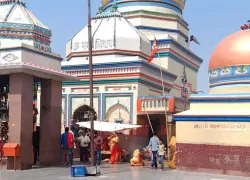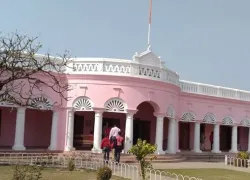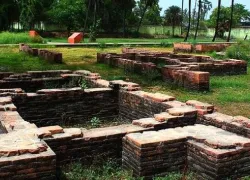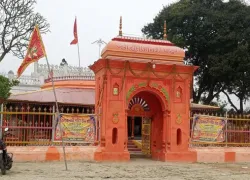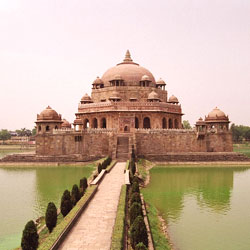
"Admire exquisite Mughal architecture and history."
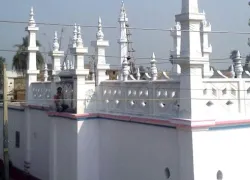
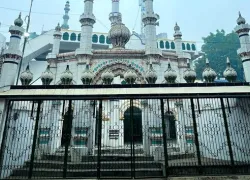
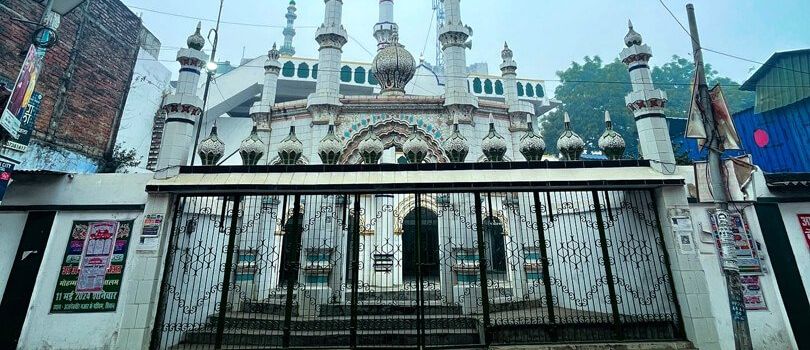
Darbar Masjid is one of the well-known mosques in :contentReference[oaicite:0]{index=0}, Bihar, and holds religious as well as cultural importance for the local Muslim community. The mosque is located in a busy residential and market area of the town, making it easy for daily worshippers to visit for regular prayers. Over the years, Darbar Masjid has become a familiar spiritual landmark for people living in nearby localities. While it may not be a grand monument like the historic mosques of Delhi or Lucknow, its value lies in its continuous use as a living place of worship and community gathering.
The mosque plays an important role during major Islamic occasions such as Ramadan, Eid-ul-Fitr, and Eid-ul-Adha. During these festivals, the area around Darbar Masjid becomes lively with prayers, greetings, and community interaction. Local families visit together, and the mosque often becomes a center for charity activities, distribution of food, and religious learning sessions. This makes Darbar Masjid not just a place for prayers but also a social and spiritual hub of Siwan.
History and Architecture of Darbar Masjid, Siwan
The exact year of establishment of Darbar Masjid is not clearly recorded in official tourism documents, but local traditions suggest that the mosque has been serving the community for several decades. It was built to meet the growing need for a central prayer space in this part of the town. Over time, the structure has been renovated and expanded with the help of local donations to accommodate more worshippers, especially during Friday prayers and festivals.
Architecturally, Darbar Masjid follows a simple and functional Islamic design. The building generally includes a prayer hall facing the direction of Mecca, a small courtyard area, and a space for ablution (wudu). The exterior is modest, usually painted in light colors, and the interior focuses on providing a calm and clean environment for prayer. Decorative elements such as calligraphy, simple arches, and geometric patterns can be seen, reflecting traditional mosque design without heavy ornamentation. The simplicity of the architecture highlights the spiritual purpose of the place rather than grand visual display.
How to Reach Darbar Masjid, Siwan
Reaching Darbar Masjid in Siwan is convenient due to the town’s good connectivity with nearby cities and districts of Bihar.
By Train: The nearest major railway station is :contentReference[oaicite:1]{index=1}. It is well connected with Patna, Chhapra, Gorakhpur, and other towns. From the railway station, visitors can take auto-rickshaws, e-rickshaws, or local taxis to reach Darbar Masjid within a short time.
By Road: Siwan is connected by state highways and district roads. Regular buses run from nearby cities such as Chhapra, Gopalganj, and Ballia. Private taxis and shared jeeps are also easily available. The mosque is located within the town area, so local transport is easily available.
By Air: The nearest airport is :contentReference[oaicite:2]{index=2} in Patna, about 140–150 km away. From the airport, you can take a train or hire a taxi to reach Siwan, and then use local transport to reach Darbar Masjid.
Best Time to Visit and Weather in Siwan
The weather in Siwan is typical of the North Indian plains. Summers (April to June) are hot and humid, with temperatures often rising high during the daytime. If you plan to visit during summer, early morning or evening visits are more comfortable. The monsoon season (July to September) brings moderate to heavy rainfall, which makes the surroundings green but may cause some travel delays.
The best time to visit Darbar Masjid and explore Siwan is during the winter season (October to March). During these months, the weather is pleasant and suitable for walking around the town and visiting religious places. Winters are mild, making it comfortable for both local sightseeing and longer travel.
Timings and Entry Details of Darbar Masjid, Siwan
Darbar Masjid is open daily for prayers. There is no entry fee to visit the mosque. Visitors can enter during normal visiting hours, but it is important to be respectful during prayer times. The five daily prayers take place at fixed times, and Friday noon prayers are usually the busiest. Non-Muslim visitors are generally allowed to visit outside prayer times, provided they follow proper etiquette.
Visitors should dress modestly, remove footwear before entering the prayer area, and maintain silence inside the mosque. Photography may be allowed in the outer areas, but it is polite to ask permission before taking pictures, especially if people are praying.
Things to Do Around Darbar Masjid, Siwan
After visiting Darbar Masjid, you can explore the nearby local markets of Siwan. The town has small shops selling daily goods, local sweets, fruits, and snacks. Walking around the area gives you a glimpse of everyday life in a typical Bihar town. You can also visit nearby religious and cultural places in Siwan to understand the mixed heritage of the region.
Food lovers can try local Bihar-style snacks and simple street food available around the market areas. Tea stalls are common and provide a good place to relax and observe local life. If you have more time, you can explore parks and small lakes around Siwan for a peaceful break.
Facts and Tips About Darbar Masjid, Siwan
Darbar Masjid is an active place of worship, so visitors should maintain silence and respect religious practices. Fridays and festival days can be very crowded, so plan your visit accordingly if you prefer a quiet experience. Wearing modest clothing is important when visiting any religious place. Carrying a scarf or shawl can be useful for covering your head if required. Local people are generally helpful, so you can ask for directions easily if you are visiting for the first time.
Church of Our Lady, Bruges – History and Architecture
The :contentReference[oaicite:3]{index=3} is one of the most famous landmarks in :contentReference[oaicite:4]{index=4}, Belgium. This historic church is known for its tall brick tower and beautiful Gothic architecture. The construction of the church started in the 13th century and continued over several centuries. The building reflects the prosperity of medieval Bruges and is considered one of the finest examples of brick Gothic architecture in Europe.
Inside the church, visitors can see beautiful altars, sculptures, and tombs of important historical figures. The interior design includes high vaulted ceilings, stained glass windows, and detailed stonework. The calm and spiritual atmosphere inside the church makes it a popular place for both worship and sightseeing.
Why Church of Our Lady, Bruges is Famous
The Church of Our Lady is world-famous for housing the marble sculpture “Madonna and Child” created by :contentReference[oaicite:5]{index=5}. This artwork is one of the few pieces by Michelangelo that left Italy during his lifetime. Art lovers and tourists from around the world visit the church to see this masterpiece. The church is also known for the tombs of important historical personalities, which add to its cultural value.
Entry and Visit Details – Church of Our Lady, Bruges
The Church of Our Lady is open to visitors on most days. Entry to the church is usually free for prayer, while a small ticket fee may be charged to access museum sections where artworks and historical items are displayed. Visiting hours may change depending on the season, but generally the church is open from morning to late afternoon. It is advisable to check local timings before planning your visit.
Weather in Bruges and Best Time to Visit
Bruges has a mild European climate with cool winters and pleasant summers. The best time to visit is from spring to early autumn, when the weather is comfortable for walking around the city and exploring historical sites. The old town of Bruges, with its canals and cobbled streets, offers a beautiful experience for tourists.


Siwan
Siwan
Siwan
Siwan
Siwan
Siwan
Siwan
Siwan
Siwan