
Long back from the era of Mughals, Nawabs and Britishers, Lucknow is celebrated to be dotted from those structures. One amongst the most highlighted places of Lucknow happens to be the Vidhan Sabha or also known as Vidhan Bhawan or state assembly. Vidhan Bhawan, Lucknow is an amazing exemplar of Indo-European architecture, having some of the outstandingly amazing Gothic elements at the same time. There is no denying to the fact that Vidhan Bhawan, Lucknow is a synonym to a palace. Moreover, it is worth mentioning that the Bhawan is decked up like literally on special occasions such as Republic Day or Independence Day. During these days, the Bhawan is a sight to behold. Architecture: As we have already mentioned in the aforestated paragraph that Vidhan Bhawan, Lucknow is a perfect representation of Indo-European architecture date back to the 20th century. The Bhawan is structurd as a two-storeyed palace that is in a crescent shape. Brought all the way from Mirzapur, Vidhan Bhawan is carved with striking light brown sandstone blocks, which is also known as Chuna or Chunar. In addition to this, the Gothic styled dome is right in the middle of the lavish structure. Best Time to Visit: Vidhan Bhawan or Vidhan Sabha or majorly known as the state assemble in Lucknow can be visited during anytime of the year. It completely depends on the tourists when they would like to visit and explore the honourable destination. In addition to this, we would also like to tell you that summers can witness a lot of temperature here ranging up to 42 degree Celsius, which can be a put off for you. Probably winters would be hassle-free for the weather is pleasant during that time. Rest it is up to you. How to Reach: Vidhan Bhawan is located on the land of Lucknow that is situated in Uttar Pradesh. This Indian region is very well connected with major other parts of the world. So, for those who are travelling via rail, Lucknow Junction Railway Station happens to be the major junction of the place. After this, you can hire cab that would take you to Vidhan Bhawan within for over 11 minutes. For the ones who are travelling via air, Chaudhary Charan International Airport would be the one for you that happens to be for over 15.5 km away from Vidhan Sabha. From here on, you can opt for a cab or taxi, which will take for about half an hour’s drive. The ones who are travelling through road can be overjoyed for Lucknow is very well-connected via roads. If we specifically talk about the proximities then Lucknow is 316 km drive from Jhansi, 86 km from Kanpur, 280 km from Varanasi and 323 km from Agra. Via NH 27, one can easily reach Vidhan Bhawan, Lucknow from Kanpur. People coming from Varanasi will have to go for NH 30. And travellers coming from Agra can opt for Agra Lucknow Expressway. Nearby Attractions: Below are some of the famous nearby attraction that one must explore when planning a trip to Lucknow: • Jain Temple • Lord Hanuman Temples of Aliganj • Sikandar Bagh • La Martiniere • Buddha Temple • Shaheed Smarak • Dilkusha • Gurudwara Yahiyaganj • National Botanical Research Institute
Explore More
Hazratganj Market, often referred to as the “heart of Lucknow,” is one of the most famous shopping and cultural destinations in Lucknow, Uttar Pradesh. This bustling market has been a hub of commercial, cultural, and social activities for decades. Known for its colonial architecture, vibrant streets, and diverse shopping options, Hazratganj combines tradition and modernity, making it a must-visit location for tourists, locals, and business visitors alike. How to Reach Hazratganj Market, Lucknow, Uttar Pradesh By Air: The nearest airport is Chaudhary Charan Singh International Airport, approximately 14 km from Hazratganj. From the airport, visitors can hire taxis or use app-based cabs to reach the market directly. By Train: Lucknow Charbagh Railway Station is the major railway hub in the city, around 3 km from Hazratganj. Local auto-rickshaws, taxis, or cycle-rickshaws can be used for short travel from the station to the market. By Road: Hazratganj is well-connected via Lucknow’s road network. Local buses, taxis, and auto-rickshaws are easily available from various parts of the city. The market is centrally located, making it accessible from almost any neighborhood in Lucknow. Weather at Hazratganj Market The climate in Lucknow influences the best time to explore Hazratganj: Winter (November to February): Pleasant temperatures ranging between 8°C to 22°C make it the ideal time for shopping and strolling around the market. Summer (March to June): Hot temperatures ranging from 30°C to 45°C can make walking outdoors uncomfortable during midday. Monsoon (July to September): Moderate rainfall keeps the area green, but occasional showers may affect outdoor activities. Timing to Visit Hazratganj Market Hazratganj Market typically operates from 10:00 AM to 10:00 PM, with some cafes, restaurants, and branded stores staying open a little longer. Early morning or evening visits are preferable to enjoy the lively atmosphere while avoiding peak crowds, especially on weekends. Why Hazratganj Market is Famous Hazratganj Market is famous for several reasons: It is the historic commercial center of Lucknow, with roots dating back to the British colonial era. Known for its colonial-style buildings, wide streets, and pedestrian-friendly walkways. Offers an array of shopping experiences, from branded stores to traditional handicrafts. Famous for local cuisine, street food, and traditional eateries. Hosts cultural events and festivals, making it a hub of social life in Lucknow. Entry and Visit Details There is no entry fee to visit Hazratganj Market. Visitors are free to stroll, shop, or dine at their own pace. Many stores accept cash and digital payments. Street vendors and small shops may prefer cash transactions. It is recommended to carry a small wallet for purchases and bargaining, especially when shopping for handicrafts, jewelry, or souvenirs. History and Architecture Hazratganj was developed in the 19th century during the British colonial period. Originally, it was a wooden marketplace with colonial-style shops and wide streets. Post-independence, it evolved into a modern shopping district while retaining its colonial charm. The architecture features: Colonial-era facades with decorative arches and large windows. Wide pedestrian-friendly streets lined with trees and lamp posts. Blend of old-world charm and modern retail outlets. The market is not only a commercial center but also a reflection of Lucknow’s history, showcasing the city’s evolution from colonial times to a contemporary metropolis. Things to Do at Hazratganj Market Shopping: From branded stores to street stalls selling traditional Chikankari embroidery, jewelry, clothes, and handicrafts. Food Exploration: Sample Lucknow’s famous street food like kebabs, chaat, and sweets, as well as dine in restaurants serving Mughlai and North Indian cuisine. Photography: Capture the vibrant streets, historic buildings, and the lively market atmosphere. Cultural Walks: Learn about the history of Lucknow, its colonial architecture, and traditional lifestyle while strolling through the market. Events and Festivals: Participate in seasonal events, exhibitions, and cultural festivals often held at Hazratganj. Interesting Facts about Hazratganj Market Hazratganj was named after the last Nawab of Awadh, adding royal significance to the market. The market has been a filming location for several Bollywood movies due to its historic charm. It is often compared to Connaught Place in Delhi because of its U-shaped layout and commercial significance. Despite modernization, Hazratganj still hosts traditional street vendors selling local handicrafts. Tips for Visiting Hazratganj Market Visit early in the morning or late evening to avoid crowds, especially on weekends. Carry cash for small vendors, although digital payments are widely accepted. Wear comfortable walking shoes as the market is extensive and best explored on foot. Respect local customs and avoid overcrowding busy lanes. Try local street food in moderation, as it can be spicy or oily for some visitors. Photography is generally allowed, but always ask for permission if photographing local vendors or shop interiors. In conclusion, Hazratganj Market in Lucknow, Uttar Pradesh, is more than just a shopping destination—it is a cultural experience, blending history, modernity, cuisine, and traditional charm. Whether you are a shopaholic, foodie, history enthusiast, or simply a traveler looking to experience the soul of Lucknow, Hazratganj offers a memorable visit with a blend of heritage and contemporary urban life.
Explore More
Vrindavan, a city with its roots deeply embedded in Hindu mythology and spirituality, is home to a mystical and enchanting tourist attraction known as Nidhivan. This hotspot exudes an aura of divine tranquility and natural beauty, making it a must-visit destination for travelers seeking a unique and spiritually uplifting experience. History of Nidhivan The history of Nidhivan dates back centuries, with legends and folklore surrounding its mystical origins. Believed to be a sacred forest where Lord Krishna himself performed his divine pastimes, Nidhivan holds a significant place in Hindu mythology. This lush green expanse was once a royal hunting ground and is now revered for its spiritual essence and natural charm. The efforts to conserve this sacred space have garnered attention worldwide, with calls for its recognition by UNESCO as a site of immense cultural and ecological importance. Architecture and Natural Beauty of Nidhivan Nidhivan's natural beauty is a sight to behold, with its verdant wetlands, dense forests, and sprawling grasslands creating a haven for a diverse range of bird species. The park is a bird watcher's paradise, offering glimpses of vibrant avian life amidst picturesque landscapes. Nestled within this natural oasis lies the historic Keoladeo Temple, adding a touch of architectural splendor to the serene surroundings. Why is Nidhivan Famous? Nidhivan's fame stems from its allure to birdwatchers, photographers, nature enthusiasts, and wildlife lovers alike. The park's rich biodiversity, coupled with its tranquil ambiance, attracts visitors seeking a peaceful retreat amidst nature's wonders. The opportunity to witness migratory birds in their natural habitat makes Nidhivan a preferred destination for those seeking solace and serenity in the lap of Mother Nature. How to Reach Nidhivan Reaching Nidhivan is convenient, with options for travel by air, rail, and road. The nearest airports are located in close proximity, ensuring easy accessibility for domestic and international travelers. Likewise, the city is well-connected by rail, with major railway stations offering seamless connectivity to Nidhivan. Road transport is also efficient, with well-maintained highways leading to this natural haven. Weather and Best Time to Visit Nidhivan Nidhivan experiences varying weather conditions throughout the year, with summers being warm, monsoons bringing refreshing showers, and winters offering a cool and pleasant climate. The best time to visit Nidhivan is during the winter months when the weather is ideal for exploring the park's natural beauty and observing the diverse bird species in their full glory. Timings of Nidhivan Nidhivan welcomes visitors during specified timings, allowing them to immerse themselves in the tranquility of this natural paradise. Seasonal variations may affect the park's accessibility, making it essential for travelers to plan their visit accordingly. Detailed information on timings ensures a seamless and enjoyable experience for all visitors. Entry Fee and Visit Details Entry to Nidhivan involves following specified procedures to ensure a hassle-free experience for visitors. Guide services are available for those seeking in-depth knowledge about the park's flora and fauna, while safari options provide a unique way to explore the natural wonders of Nidhivan. Additionally, facilities such as bicycle rentals and visitor amenities enhance the overall visit experience. Things to Do at Nidhivan Nidhivan offers a plethora of activities for visitors to engage in, including birdwatching, photography, cycling, walking trails, nature observation, and educational experiences. Exploring the park's diverse ecosystems and observing its resident and migratory bird species are among the top attractions, providing a wholesome and enriching experience for nature lovers. Interesting Facts About Nidhivan Nidhivan is not just a park; it is a sanctuary of biodiversity and conservation efforts. The park's significance lies in its role as a habitat for migratory birds, its conservation achievements, and its ecological importance in preserving natural ecosystems. Understanding these fascinating facts adds depth to the visitor's experience, fostering a sense of appreciation for the park's unique offerings. Travel Tips for Visiting Nidhivan When planning a visit to Nidhivan, it is advisable to dress comfortably and carry essential items such as sunscreen, hats, and water bottles. Photography enthusiasts should come prepared with their equipment to capture the park's beauty, while birdwatchers can benefit from binoculars for enhanced viewing. Knowing the best visiting seasons and practicing responsible tourism ensures a meaningful and sustainable visit to this natural treasure. Conclusion In conclusion, Nidhivan in Vrindavan stands as a testimony to nature's splendor and spiritual significance, offering visitors a unique blend of tranquility and biodiversity. This hotspot's rich history, architectural beauty, and natural charm make it a sought-after destination for travelers seeking a holistic experience amidst lush greenery and avian wonders. A visit to Nidhivan promises not just a journey through nature but a spiritual awakening in the heart of Vrindavan.
Explore More
Vrindavan, a city steeped in Hindu mythology and culture, is home to a hidden gem known as Keshi Ghat. Nestled along the banks of the sacred Yamuna River, Keshi Ghat offers a serene escape from the hustle and bustle of city life. This picturesque hotspot is a popular destination for tourists seeking tranquility, natural beauty, and spiritual rejuvenation. History of Keshi Ghat The history of Keshi Ghat dates back to ancient times, with references in various religious texts and scriptures. Legend has it that this ghat was the site of Lord Krishna's divine pastimes, where he defeated the demon Keshi. Formerly a royal hunting ground, Keshi Ghat has undergone significant conservation efforts to preserve its historical and cultural significance. The ghat's rich heritage has garnered recognition from UNESCO as a heritage site of national importance. Architecture and Natural Beauty of Keshi Ghat Keshi Ghat is renowned for its stunning natural beauty, characterized by lush wetlands, dense forests, and sprawling grasslands. The ghat serves as a sanctuary for a myriad of bird species, creating a vibrant bird habitat that attracts birdwatchers and nature enthusiasts from far and wide. The historical Keoladeo Temple, situated within the park, adds to the architectural charm of this picturesque location. Why is Keshi Ghat Famous? Keshi Ghat has earned fame for its unparalleled beauty and biodiversity, making it a magnet for birdwatchers, photographers, and wildlife lovers. The ghat's tranquil ambiance and scenic landscapes provide the perfect setting for nature enthusiasts to immerse themselves in the wonders of the natural world. How to Reach Keshi Ghat Traveling to Keshi Ghat is convenient, with options available by air, rail, and road. The nearest airport is located in [City], while [City] Railway Station serves as the primary railhead for visitors. Well-connected by road, Keshi Ghat can be accessed via a network of scenic highways that offer a delightful journey through the picturesque countryside. Weather and Best Time to Visit Keshi Ghat Keshi Ghat experiences varied weather conditions throughout the year, with distinct summer, monsoon, and winter seasons. The best time to visit this enchanting hotspot is during the winter months when the weather is pleasant, and the natural surroundings are at their most vibrant. Timings of Keshi Ghat Keshi Ghat welcomes visitors during specific timings, with seasonal variations that may affect accessibility. Planning a visit to this serene location requires careful consideration of the operational hours and any additional information that may enhance the overall experience. Entry Fee and Visit Details Visitors to Keshi Ghat can avail of various facilities, including guided tours, safari options, bicycle rentals, and other visitor services. Entry procedures are in place to ensure a seamless and enjoyable visit, with ample opportunities to explore the ghat's natural wonders. Things to Do at Keshi Ghat At Keshi Ghat, visitors can engage in a host of activities, such as birdwatching, photography, cycling, walking trails, and nature observation. The ghat offers a range of experiences that cater to different interests, making it a versatile destination for travelers seeking outdoor adventures and cultural immersion. Interesting Facts About Keshi Ghat Keshi Ghat is home to a diverse array of migratory birds, showcasing the region's rich biodiversity and ecological importance. Conservation efforts at the ghat have led to significant achievements in preserving the natural habitat and promoting sustainable tourism practices, making it a model for environmental stewardship. Travel Tips for Visiting Keshi Ghat When planning a trip to Keshi Ghat, it is advisable to pack appropriate clothing, photography equipment, and birdwatching gear to make the most of your visit. Understanding the best seasons to explore the ghat and practicing responsible tourism are essential for a fulfilling and respectful travel experience. Conclusion In conclusion, Keshi Ghat in Vrindavan stands as a testament to the beauty of nature and the cultural heritage of the region. This enchanting hotspot offers a harmonious blend of history, spirituality, and biodiversity, making it a must-visit destination for travelers seeking a tranquil retreat amidst stunning landscapes and diverse wildlife.
Explore More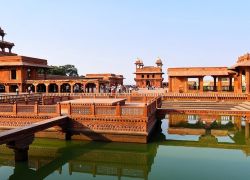
Panch Mahal is one of the most fascinating and architecturally unique monuments within the historic city of Fatehpur Sikri in Uttar Pradesh. Built during the reign of the Mughal Emperor Akbar in the 16th century, this five-storied palace stands as a remarkable example of Mughal architecture blended with influences from Persian, Hindu, and Buddhist styles. Located near the famous Diwan-i-Khas and Jodha Bai's Palace, Panch Mahal is one of the most visited attractions in Fatehpur Sikri, a UNESCO World Heritage Site. The structure was designed as a pleasure palace and a place for relaxation, offering stunning views of the surrounding royal complex and landscape. Unlike other Mughal buildings, Panch Mahal is an open pavilion supported by numerous intricately carved pillars. Its unique design, historical significance, and elegant architecture attract history enthusiasts, architecture lovers, photographers, and tourists from across the world. Why is Panch Mahal, Fatehpur Sikri Famous? Panch Mahal is famous for its extraordinary five-tiered architectural design and its role as a royal leisure pavilion during the Mughal era. The monument resembles a Buddhist temple or pagoda and stands out among other Mughal structures due to its open and airy layout. The palace is known for: Its unique five-story pyramidal structure. Beautifully carved stone pillars supporting each level. Panoramic views of Fatehpur Sikri and the surrounding region. Its association with Emperor Akbar and the Mughal royal family. A blend of Islamic, Hindu, and Buddhist architectural influences. Its location within the UNESCO-listed Fatehpur Sikri complex. Historians believe that Panch Mahal was used by the women of the royal household for relaxation, entertainment, and enjoying cool evening breezes while maintaining privacy. History of Panch Mahal, Fatehpur Sikri Panch Mahal was constructed during the reign of Emperor Akbar around 1570–1585 as part of the grand city of Fatehpur Sikri. Akbar established Fatehpur Sikri as his capital after the Sufi saint Sheikh Salim Chishti predicted the birth of his heir, Prince Salim, who later became Emperor Jahangir. The city became the center of Mughal administration, culture, and architecture for a brief period. Panch Mahal was one of the important structures built within the royal palace complex. The building was designed to provide a comfortable retreat where members of the royal family, especially women, could relax and enjoy the surroundings. The structure's design is believed to have been inspired by ancient Buddhist monasteries and pavilions, reflecting Akbar's interest in different cultures and religions. Although Fatehpur Sikri was later abandoned due to water shortages and strategic reasons, Panch Mahal remains one of its best-preserved monuments. Architecture of Panch Mahal Panch Mahal is considered one of the finest examples of Mughal architecture. The building rises in five distinct levels, each smaller than the one below, creating a pyramidal appearance. The structure is supported by an impressive collection of carved sandstone pillars. The ground floor alone contains numerous columns, each featuring unique decorative patterns and designs. Key architectural highlights include: Five gradually diminishing stories. More than 170 intricately carved sandstone pillars. Open pavilion design allowing free air circulation. A small domed pavilion or chhatri at the top. Blend of Persian, Hindu, Jain, and Buddhist architectural influences. Red sandstone construction typical of Fatehpur Sikri. The open structure was specifically designed to catch cool breezes, making it an ideal retreat during hot summer months. The topmost pavilion offers excellent views of the surrounding monuments and landscape. How to Reach Panch Mahal, Fatehpur Sikri, Uttar Pradesh By Air The nearest airport is Agra Airport, located approximately 40 kilometers from Fatehpur Sikri. Travelers can also use Indira Gandhi International Airport, Delhi, which is about 230 kilometers away. From the airport, taxis and buses are available to reach Fatehpur Sikri. By Train Fatehpur Sikri has its own railway station with connections to nearby cities. However, the most convenient railway station is: Agra Cantt Railway Station – approximately 40 km away. Agra is well-connected to major Indian cities including Delhi, Jaipur, Mumbai, and Kolkata. By Road Fatehpur Sikri is easily accessible by road. Agra to Fatehpur Sikri: Approximately 40 km Delhi to Fatehpur Sikri: Approximately 230 km Jaipur to Fatehpur Sikri: Approximately 200 km Regular buses, taxis, and private vehicles operate between these destinations. Weather at Panch Mahal, Fatehpur Sikri Summer (March to June) Temperatures range from 25°C to 45°C. Summers can be extremely hot, making morning and evening visits preferable. Monsoon (July to September) The region receives moderate rainfall, and the monuments appear more beautiful amidst greenery. Winter (October to February) Temperatures range from 5°C to 25°C. Winter is considered the best time to visit Panch Mahal and other attractions in Fatehpur Sikri. Panch Mahal Timings Panch Mahal follows the timings of the Fatehpur Sikri archaeological complex. Opening Time: 6:00 AM Closing Time: 6:00 PM Open: All days of the week Visitors are encouraged to arrive early in the morning to avoid crowds and enjoy pleasant weather. Entry and Visit Details of Panch Mahal Panch Mahal is located within the Fatehpur Sikri complex managed by the Archaeological Survey of India (ASI). Visitors need to purchase an entry ticket for the Fatehpur Sikri monument complex. Indian Citizens: Nominal entry fee Foreign Tourists: Separate ticket pricing applies Children below specified age limits may enter free as per ASI regulations Tickets generally provide access to major monuments within the complex, including Panch Mahal, Diwan-i-Khas, Jodha Bai's Palace, and other important structures. Guides are available near the entrance for visitors interested in detailed historical information. Things to Do at Panch Mahal 1. Admire the Unique Architecture Explore the five-story structure and appreciate its intricate carvings and elegant design. 2. Photography Panch Mahal offers excellent opportunities for photography due to its beautiful architecture and historical ambiance. 3. Learn About Mughal History Discover fascinating stories about Emperor Akbar, his royal court, and the development of Fatehpur Sikri. 4. Explore Nearby Monuments Visit nearby attractions such as: Jodha Bai's Palace Diwan-i-Khas Diwan-i-Aam Buland Darwaza Tomb of Sheikh Salim Chishti Anup Talao 5. Enjoy Panoramic Views Observe the layout of the royal complex and surrounding landscape from different viewpoints around Panch Mahal. 6. Study Architectural Details Architecture enthusiasts can examine the various pillar designs and decorative motifs unique to the structure. Interesting Facts About Panch Mahal Panch Mahal literally means "Five-Storied Palace." The monument was built during Emperor Akbar's reign. It consists of five progressively smaller levels. The structure is supported by more than 170 carved pillars. It was likely used by royal women for recreation and relaxation. The design resembles ancient Buddhist monasteries and temples. The building has no walls on most levels, allowing natural ventilation. It is one of the most photographed monuments in Fatehpur Sikri. Panch Mahal forms an important part of the UNESCO World Heritage Site. Each pillar features distinct carvings and decorative patterns. Travel Tips for Visiting Panch Mahal Visit during winter months for the most comfortable experience. Carry drinking water, especially during summer. Wear comfortable walking shoes as the complex is large. Hire a licensed guide to better understand the monument's history. Arrive early in the morning to avoid crowds. Carry a hat, sunglasses, and sunscreen during sunny days. Respect monument preservation rules and avoid touching carvings. Keep your camera ready for excellent photography opportunities. Combine your visit with Agra attractions such as the Taj Mahal and Agra Fort. Follow all instructions issued by the Archaeological Survey of India. Conclusion Panch Mahal in Fatehpur Sikri, Uttar Pradesh, is a magnificent architectural masterpiece that reflects the artistic brilliance and cultural openness of the Mughal era. Its distinctive five-story design, historical importance, and elegant stone craftsmanship make it one of the most remarkable monuments in India. As part of the UNESCO World Heritage Site of Fatehpur Sikri, Panch Mahal continues to attract visitors who wish to explore India's rich heritage and architectural excellence. Whether you are a history enthusiast, architecture lover, photographer, or casual traveler, Panch Mahal offers an enriching and memorable experience that showcases the grandeur of Emperor Akbar's visionary capital city.
Explore More
Ayodhya, a city steeped in history and mythology, is home to the enchanting tourist attraction known as Kanak Bhawan. This beautiful destination holds significance not only for its historical background but also for its natural environment and biodiversity, making it a must-visit for tourists seeking a blend of culture and nature. History of Kanak Bhawan Kanak Bhawan has a rich historical background, originally serving as a part of the former royal hunting grounds. Over the years, efforts have been made to conserve and preserve this heritage site, leading to its recognition by UNESCO for its historical and cultural significance. Architecture and Natural Beauty of Kanak Bhawan Kanak Bhawan is renowned for its picturesque wetlands, lush forests, sprawling grasslands, and diverse bird habitats. The park is also home to the ancient Keoladeo Temple, adding to its architectural charm and historical allure. Why is Kanak Bhawan Famous? Kanak Bhawan is a favored destination among birdwatchers, photographers, nature enthusiasts, and wildlife lovers due to its abundant birdlife, scenic landscapes, and unique biodiversity. The park offers a serene retreat for those seeking to immerse themselves in the beauty of nature. How to Reach Kanak Bhawan Traveling to Kanak Bhawan is convenient, with options available by air, rail, and road. The nearest airports and railway stations provide easy access to this mesmerizing destination, ensuring a smooth journey for visitors. Weather and Best Time to Visit Kanak Bhawan Kanak Bhawan experiences varying weather conditions throughout the year, with summer, monsoon, and winter seasons offering distinct experiences. The best time to visit is during the cooler months when the weather is pleasant, allowing for an enjoyable exploration of the park. Timings of Kanak Bhawan Visitor timings at Kanak Bhawan are designed to accommodate different preferences, with seasonal variations considered to enhance the overall experience. Planning a visit to coincide with specific timings can help visitors make the most of their trip. Entry Fee and Visit Details Entry procedures at Kanak Bhawan are straightforward, with guide services, safari options, bicycle rentals, and visitor facilities available to enhance the visit. These services cater to the needs of tourists, ensuring a comfortable and memorable experience. Things to Do at Kanak Bhawan Engaging in popular activities such as birdwatching, photography, cycling, walking trails, nature observation, and educational experiences can provide visitors with a deeper understanding of the park's beauty and significance. Each activity offers a unique way to connect with nature. Interesting Facts About Kanak Bhawan Kanak Bhawan is home to a diverse array of migratory birds, showcasing the park's importance in conservation efforts and biodiversity preservation. The park's ecological significance and conservation achievements add to its allure as a nature lover's paradise. Travel Tips for Visiting Kanak Bhawan When visiting Kanak Bhawan, it is advisable to dress appropriately for the weather, carry essential photography and birdwatching equipment, and be mindful of the best seasons to explore. Practicing responsible tourism by respecting the park's rules and regulations ensures a sustainable and enjoyable visit. Conclusion In conclusion, Kanak Bhawan in Ayodhya stands as a testament to the harmonious blend of history, architecture, and natural beauty. This captivating hotspot offers visitors a unique opportunity to immerse themselves in the wonders of nature while exploring the rich heritage of the region. A visit to Kanak Bhawan promises a memorable experience that celebrates the essence of Ayodhya's cultural and ecological treasures.
Explore More
Welcome to the enchanting world of Mirza Galib Ki Haveli, nestled in the historic city of Rampur. This magnificent tourist attraction offers a unique blend of cultural heritage, natural beauty, and wildlife diversity, making it a must-visit destination for travelers seeking an immersive experience. History of Mirza Galib Ki Haveli Steeped in rich history, Mirza Galib Ki Haveli traces its origins back to the bygone era when it served as a royal residence and a hub for intellectual gatherings. Once part of the royal hunting grounds, the haveli has undergone extensive conservation efforts to preserve its architectural grandeur. Its cultural significance has garnered UNESCO recognition, adding to its allure as a heritage site. Architecture and Natural Beauty of Mirza Galib Ki Haveli The haveli is surrounded by lush wetlands, verdant forests, and sprawling grasslands that provide a haven for diverse bird species. The picturesque landscapes and bird habitats create a serene ambiance, complemented by the presence of the historic Keoladeo Temple within the premises, adding a spiritual touch to the natural beauty. Why is Mirza Galib Ki Haveli Famous? Mirza Galib Ki Haveli has gained popularity among birdwatchers, photographers, nature enthusiasts, and wildlife lovers due to its abundant avian population, scenic vistas, and tranquil atmosphere. Visitors are captivated by the opportunity to witness nature's wonders up close and immerse themselves in the serene surroundings. How to Reach Mirza Galib Ki Haveli Traveling to Mirza Galib Ki Haveli is convenient, with options available by air, rail, and road. The city is well-connected to nearby airports and railway stations, offering seamless access to this captivating destination. Weather and Best Time to Visit Mirza Galib Ki Haveli The weather at Mirza Galib Ki Haveli varies across seasons, with summer bringing warmth, monsoon adding a touch of greenery, and winter offering a pleasant chill. The best time to visit is during the cooler months when the natural beauty is at its peak. Timings of Mirza Galib Ki Haveli Visitors can explore Mirza Galib Ki Haveli during specified timings, with seasonal variations that may impact accessibility. Planning ahead ensures a smooth and enjoyable visit to this enchanting destination. Entry Fee and Visit Details Entry procedures at Mirza Galib Ki Haveli are straightforward, with guide services, safari options, bicycle rentals, and visitor facilities available for a memorable experience. Exploring the haveli and its surroundings is made convenient with these amenities. Things to Do at Mirza Galib Ki Haveli Engage in popular activities such as birdwatching, photography, cycling, walking trails, and nature observation at Mirza Galib Ki Haveli. The haveli offers a range of experiences for visitors to connect with nature and immerse themselves in the vibrant ecosystem. Interesting Facts About Mirza Galib Ki Haveli Delve into fascinating facts about the migratory birds that frequent the area, the biodiversity that thrives within its boundaries, conservation achievements that have preserved its ecological balance, and the overall ecological importance of Mirza Galib Ki Haveli as a sanctuary for wildlife. Travel Tips for Visiting Mirza Galib Ki Haveli When planning a visit to Mirza Galib Ki Haveli, consider aspects such as appropriate clothing, photography essentials, birdwatching equipment, ideal visiting seasons, and responsible tourism practices to enhance your experience and contribute to the preservation of this natural paradise. Conclusion In conclusion, Mirza Galib Ki Haveli in Rampur stands as a testament to the harmonious coexistence of heritage, nature, and wildlife. Its historical significance, architectural beauty, and ecological diversity offer visitors a unique opportunity to immerse themselves in a world of cultural richness and natural splendor, making it a destination worth exploring.
Explore MoreVaranasi Weekend Tour Package
3 Days/ 2 Night
Varanasi
Gwalior - Mitauli - Padavali - Bateshawar - Orchha 3 Nights And 04 Days Tour
4 Days/ 3 Night
Gwalior - Orchha - Lakhimpur Kheri
Rajasthan Grand Tour 12 Days - 11 Nights
12 Days/ 11 Night
Bikaner - Jaisalmer - Jodhpur - Mandawa - Udaipur - Agra
Agra 1 Night - 2 Days Tour
2 Days/ 1 Night
Agra