
About The Taj Mahal The Taj Mahal is one of the most famous and iconic landmarks in India, located in the city of Agra, Uttar Pradesh. It is a UNESCO World Heritage Site and is considered one of the seven wonders of the world. Built by the Mughal Emperor Shah Jahan in memory of his wife Mumtaz Mahal, the Taj Mahal is a symbol of eternal love and architectural beauty. Timings Of Taj Mahal The Taj Mahal is open to visitors from sunrise to sunset, every day of the week except for Fridays. The monument is closed on Fridays for general viewing but is open for those who want to attend prayers at the mosque located within the premises. Entry Fee The entry fee for the Taj Mahal varies for Indian and foreign tourists. Indian tourists have to pay INR 50, while foreign tourists have to pay INR 1300. Children below the age of 15 can enter for free. Required Time And Restricted Items It is recommended to spend at least 2-3 hours exploring the Taj Mahal to truly appreciate its beauty. Visitors are not allowed to bring food, weapons, tobacco, or alcohol inside the monument. Drone photography is also strictly prohibited. Architecture Of Taj Mahal The Taj Mahal is a masterpiece of Mughal architecture, blending elements from Persian, Turkish, Indian, and Islamic architectural styles. The white marble mausoleum is adorned with intricate carvings, calligraphy, and semi-precious stones, making it a symbol of exquisite craftsmanship. Best Time To Visit The best time to visit the Taj Mahal is during the cooler months of October to March, when the weather is pleasant and comfortable for sightseeing. The early mornings and late evenings offer a magical view of the monument as the sunlight plays on its marble surface. How To Reach The Taj Mahal is easily accessible by road, rail, and air. The nearest airport is in Agra, the Agra Airport, which is well-connected to major cities in India. Agra also has a railway station with regular trains from Delhi, Jaipur, and other cities. History Of Taj Mahal The Taj Mahal was built between 1631 and 1653 by Emperor Shah Jahan in memory of his beloved wife Mumtaz Mahal, who died during childbirth. The construction of the mausoleum took over 20,000 workers and artisans to complete, and it is said to have cost an astronomical sum for that time. Inside Taj Mahal Inside the Taj Mahal, visitors can find the cenotaphs of Shah Jahan and Mumtaz Mahal, surrounded by intricate marble screens and inlaid floral designs. The main chamber houses the false tombs of the emperor and his wife, while the actual graves are located in a chamber below, closed to the public. Traveling Tips It is advisable to wear comfortable clothing and footwear while visiting the Taj Mahal, as you will need to walk around the complex. It is also recommended to carry a hat, sunglasses, and sunscreen to protect yourself from the sun. Hiring a guide can enhance your experience by providing insights into the history and architecture of the monument. Hotels Near Taj Mahal There are several hotels near the Taj Mahal that offer a range of accommodation options for visitors. Some of the popular hotels include the Oberoi Amarvilas, Tajview - IHCL SeleQtions, ITC Mughal, and Trident Agra. Nearby Tourist Spots Of Taj Mahal While visiting the Taj Mahal, tourists can also explore other attractions in Agra such as Agra Fort, Fatehpur Sikri, Mehtab Bagh, and the Tomb of Itimad-ud-Daulah. These sites offer a glimpse into the rich history and culture of the Mughal era.
Explore More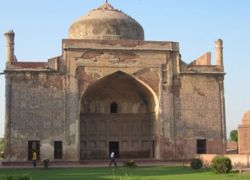
The Chini-Ka-Roza Tomb is a memorial of Allama Afzel Khal Mullah of Shiraz, who was a poet-scholar. He was the prime minister of the famous emperor Shah Jahan. The tomb surface is decorated with various glazed tiles.
Explore More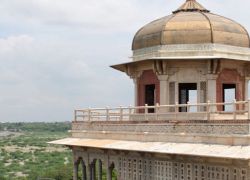
Shah Burj, Agra is one of the most amazing places to visit when planning a trip to Agra. Shah Burj is one of the striking destinations in Agra that is applauded for its overall grandeur. If you are going to explore the beauty of Taj Mahal from it for the first time, we are sure there would be a sort of adrenaline rush, courtesy the overwhelming experience. One of the most interesting facts about Shah Burj is that Shah Jahan spent last days of his life here at this Burj. Shah Jahan was not alone during his last days after being imprisoned by his son, Aurangzeb, but was with his daughter whose name was Jahanara Begum.Architecture:It is also to be mentioned here that Shah Burj is also known as Musamman Burj. Shah Burj is an octagonal tower which lies in close proximity to Shah Jahan’s private hall, Diwan-i-Khas. Shah Burj, Agra is a multi-storied marble tower, which gives amazing Yamuna river views. Shah Burj or Musamman Burj is widely known for its tical pillars, horizontally shaped chajjas supported by lovely brackets, a jharoka on its eastern side as well as a marble screen on the riverfront. There is no denying the fact that one will be awestruck by the beauty of Shah Burj in no time.Traveller Information:Shah Burj, Agra boasts of separate entry fees for both Indian and international tourists. While Indian tourists have to pay 40 INR, international tourists, on the other hand, are supposed to pay 550 INR. There are no entry charges for children below 15 years of age.Best Time to Visit:Shah Burj or Musamman Burj is open and can be visited all around the year. Since it is located in the state of Uttar Pradesh, the summers are very hot with an average temperature up to 42 degree Celsius. The ideal time to visit this fort is during winters as it very cool and pleasant during those months and are said to be perfect time for sightseeing.How to Reach:People who are travelling via air, the nearest airport is Agra's Kheria airport, which also has military base. Those who are coming over through bus, Agra is one of the well-connected cities of India with major other cities such as Delhi, Jaipur, Gwalior, Lucknow and Kanpur. For those who are travelling via rail, there are five railway stations namely, Agra Cantt. Station, Raja ki Mandi, Agra Fort Railway Station and Idgah Railway Station.Interesting Facts:One of the most interesting facts about Shah Burj is that Shah Jahan spent last days of his life here at this Burj. Shah Jahan was not alone during his last days after being imprisoned by his son, Aurangzeb, but was with his daughter whose name was Jahanara Begum. Shah Burj offers some of the striking views of Taj Mahal as well.Nearby Attractions:• Taj Mahal• Fatehpur Sikri• Akbar's Tomb• Agra Market• Jama Masjid
Explore More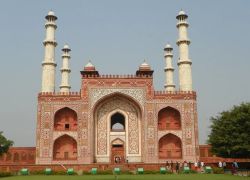
Sikandra is a historically significant suburb located in Agra, Uttar Pradesh, best known for the magnificent Tomb of Akbar the Great. This architectural masterpiece is one of the most important Mughal monuments in India and reflects the grandeur, culture, and artistic excellence of the Mughal era. Sikandra is not just a tourist attraction but also a place deeply connected with India’s royal history. Surrounded by lush gardens and peaceful surroundings, Sikandra offers a calm escape from the busy city of Agra. It is a must-visit destination for history lovers, architecture enthusiasts, photographers, and travelers exploring the Mughal heritage trail. Why Sikandra is Famous? Sikandra is famous primarily for the Tomb of Emperor Akbar, one of the greatest Mughal rulers in Indian history. The tomb is admired for its unique blend of Hindu, Islamic, Jain, and Buddhist architectural styles, symbolizing Akbar’s philosophy of religious tolerance. The site is also famous for its large landscaped gardens, intricate gateways, and peaceful environment. It is one of the finest examples of Mughal garden-tomb architecture in India. Another reason for its popularity is its historical importance, as it serves as the final resting place of Emperor Akbar, who shaped the Mughal Empire into a powerful and culturally rich dynasty. History of Sikandra The construction of Akbar’s tomb at Sikandra began during his lifetime and was completed by his son Emperor Jahangir in the early 17th century. The site was carefully chosen by Akbar himself, reflecting his vision for a peaceful and grand resting place. Originally designed by Akbar, the tomb was later enhanced by Jahangir, who added architectural details and decorative elements. Over time, the monument has undergone restoration to preserve its historical beauty. Sikandra has remained an important Mughal heritage site and continues to attract historians and tourists from all over the world. Architecture of Sikandra (Akbar’s Tomb) The architecture of Sikandra is a stunning example of Mughal design combined with multiple cultural influences. The tomb is built using red sandstone and white marble, giving it a majestic appearance. The structure features a large entrance gate, beautiful calligraphy, geometric patterns, and symmetrical gardens known as charbagh layout. The four-tiered tomb structure represents a unique architectural style rarely seen in other Mughal monuments. The surrounding gardens are filled with deer, peacocks, and lush greenery, enhancing the peaceful atmosphere of the site. How to Reach Sikandra, Agra Sikandra is well connected and easily accessible from Agra and nearby cities. By Air: The nearest airport is Agra Airport (Kheria Airport), located around 10 km away. Alternatively, Delhi International Airport (approx. 200 km) offers better connectivity. By Train: The nearest railway station is Agra Cantt Railway Station, which is well connected to major cities like Delhi, Jaipur, and Lucknow. By Road: Sikandra is located about 10–15 km from Agra city center. Regular taxis, auto-rickshaws, and buses are available. It is also easily accessible via the Yamuna Expressway. Weather at Sikandra Agra experiences a semi-arid climate with hot summers, cool winters, and moderate monsoons. Best Time to Visit: October to March is ideal for sightseeing due to pleasant weather. Summer (April to June): Very hot with temperatures often exceeding 40°C. Monsoon (July to September): Moderate rainfall provides relief from heat but may affect outdoor exploration. Winter (October to February): Cool and comfortable, perfect for visiting monuments. Timings and Entry Details Opening Hours: Sikandra (Akbar’s Tomb) is generally open from 6:00 AM to 6:00 PM. Entry Fee: A nominal entry fee is charged for Indian and foreign tourists. Additional charges may apply for photography or guided tours. It is recommended to visit during early morning or late afternoon for the best lighting and peaceful experience. Things to Do at Sikandra Sikandra offers a calm and enriching experience for visitors interested in history and architecture. Explore Akbar’s Tomb: Walk through the grand mausoleum and admire Mughal craftsmanship. Garden Walks: Enjoy peaceful walks in the beautifully maintained Mughal gardens. Photography: Capture stunning architectural details and symmetrical landscapes. Historical Learning: Understand the life and legacy of Emperor Akbar. Wildlife Spotting: Observe deer, peacocks, and birds in the garden area. Facts About Sikandra • Final resting place of Emperor Akbar. • Built in early 17th century. • Combines multiple architectural styles. • Surrounded by large Mughal gardens. • Located in the historic city of Agra. Tips for Visitors Visit early morning or late afternoon for better weather and photography. Wear comfortable footwear as the site involves walking through large garden areas. Carry water and sun protection during summer visits. Hire a guide to understand the historical significance in detail. Avoid littering and maintain cleanliness inside the monument area. Conclusion Sikandra in Agra, Uttar Pradesh is a magnificent historical destination that showcases the legacy of Emperor Akbar and the grandeur of Mughal architecture. With its peaceful gardens, impressive structure, and deep historical significance, it offers a perfect blend of history and beauty. Whether you are a history enthusiast, architecture lover, or casual traveler, Sikandra is a must-visit destination in Agra.
Explore More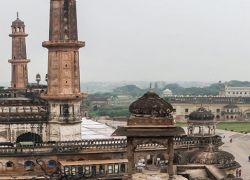
Uttar Pradesh is an important state of India and played a significant role in the expansion of British rule in the country. The East India Company get associated with some of the famous Awadh rulers during the rule of third Nawab of Awadh and succeeded in establishing the foothold in the place. Under the British reign, some of the most magnificent structures constructed in Uttar Pradesh. Inspired by the Gothic and the ancient, traditional neoclassical styles of architecture, the monuments and structures in the state are built magnificently.Architecture Of Colonial Monuments:It is not difficult for tourists to find the colonial monuments in Lucknow during their heritage tours. Like other architectural styles that have inspired from styles taken from abroad and then blended with the traditional style of the region, the European design also fused with the Indo-Islamic architectural style to build the colonial monuments in Lucknow. This particular architectural style is also known as Indo-Saracenic architecture. Tourists can observe this architectural style in most of the churches, palaces, residential quarters, educational institutions and government buildings.Highlights Of Colonial Monuments, Lucknow:Tourists can explore Raj Bhavan, one of the colonial monuments found in Lucknow. This structure was designed by Major General Claude Martin. This monument was served as the official residence of the Governor of the united provinces of Oudh and Agra. Lucknow also houses other colonial monuments that were constructed during the colonial era like Dilkusha Palace, The Residency, La Martiniere School and Lalbagh Methodist Churches and many more.Best Time To Visit:Lucknow is quite hot during the summer season, experience temperatures about 40 degrees Celsius to 43 degrees Celsius. If you can manage the heat then you can plan a tour to these colonial monuments during the summers. In the winter season, even though the climate remains cool and pleasant, it creates the appropriate conditions for exploration and sightseeing. So, the best time to explore these colonial monuments is winter season i.e., between the months of November to February.Nearby Tourist Attractions:During a visit to colonial monuments in Lucknow, tourists can explore some other places of interest in this city. The places of interest other than colonial monuments one can explore in Lucknow are Bara Imambara, Hazratganj, Chota Imambara, Nawab Wajid Ali Shah Zoological Garden, etc.How To Reach:Lucknow is well connected with different parts of India via a good network of trains, flights, and buses. Lucknow Airport at Amausi connects the town with other parts of the globe via a number of flights. Those who prefer traveling by train can reserve their tickets till Charbagh railway station in Lucknow. One can also take state and private buses from nearby towns and cities to reach Lucknow. Once you reach Lucknow, you can access all the colonial monuments located in the city via taxies, cabs, buses and other vehicles.Additional Information For Visitors:The entry fee to the colonial monuments in Uttar Pradesh depends on the monument you are going to visit. For visiting Dilkusha Palace, domestic tourists need to pay Rs. 5/-, while international tourists need to pay Rs.100/-. For visiting churches, one doesn’t have to pay any entry fee, while visiting colonial monuments that are now serving as government offices, one need to pay a nominal entry fee.
Explore More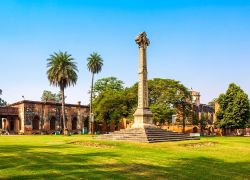
Lucknow is well known for its Chikan embroidery, Islamic monuments and tehzeeb. One of the historic places that have made this place famous is Residency in Lucknow. Residency Lucknow is best recognized as the alive residences of the British General- the symbol of the British East India Company. He was functional in the courts of nawabs. The place showcases the grand life led by the British. One can also sense the freedom struggle and the siege this place witnessed. The Residency, Lucknow, is an integral part of the city and a must-visit place for all the touring enthusiasts. History of Lucknow Residency, Lucknow Lucknow Residency is chiefly a group of structures that were constructed in 1800 A.D by the then Nawab of Oudh, Nawab Saadat Ali Khan. It was primarily built to serve as the living place for the British Resident General who was illustrative in the court of Nawab. Description of Lucknow Residency, Lucknow Lucknow Residency was relatively a sleepy residence for periods but then came an occasion, which kept on the world map. The story of the siege of 'The Residency' in Lucknow will go depressed in the history of India as a daring attempt done by a handful of men, women and children to aggravate the efforts of mutineers. The residence of the palace seized together through the continuous gunfire that lasted for a month. The cannonballs shrank the walls of Residency, but the castle detained extraordinarily. Sir Henry Lawrence who wiseacre the charge of 3500 human lives commenced the defence and counter ingenuity. On the last day, the blockade brave hearts submitted and fall. The bolstering force saved the palace in 5 months. In latest times the redbrick ruins of Lucknow Residency are serenely bounded by lawns and flowerbeds, but thousands died through the month-long siege. The Residency has been preserved as it was at the time of the final release, and the distressed walls are still damaged by a cannon shot. Even then, Independence, things have not altered. A frightening silence submerges the ruins. The graveyard at the nearby crumbling church has the graves of 2000 men, women and children, and that of Sir Henry Lawrence who expired protecting the empire. There is a damaged epitaph near the grave of Sir Lawrence that says 'Here lays the heir of Empire who attempted to do his duty'. Lucknow Residency in Lucknow is situated near Gomti banks nearby Begum Hazrat Mahal Park. The park is open throughout the year. Book a cab or auto from the hotel or take a rickshaw to look at one of the main monuments in Lucknow. When to visit Residency, Lucknow During monsoon- this is the ideal time to visit Lucknow as adequate rainfall takes place in the city and weather stays enjoyable. Also, the hotness during rain stays normal. During Winters- the nights are cold and foggy, but the temperature remains best 7 degrees to 24 degree Celsius. During this time one can visit all tourist spots without any discomfort. Other nearby attractions in Lucknow Lucknow's topmost attractions other than Residency Lucknow are • Hazratganj, • Bara Imambara, • Chandrika Devi Temple, and • St. Joseph's Cathedral etc. Traveller's tips • The ticket to Residency Lucknow is INR 5, and anyone can visit the place between 10 am to 5 pm. • Carry comfortable clothes and shoes, a lot of walking has to be done there. • In summers, umbrella, cap and sunscreens are musts. For winters light woollen clothes are recommended. • For making the visit interesting as well as informative, hiring a travel guide is advised. • Beware of crumbling structures.
Explore More
Lucknow is the capital of Uttar Pradesh and it is also the abode of a multicultural society. Thinking of Lucknow, you will remind of Nabobs and popularly known as the city of Nawab. It is also the city for administrative, education, commerce, aerospace, finance, culture and poetry. Lucknow is used to be the capital of Awadh state and it used to be controlled by Delhi Sultanate. It is one of the Legend cities and it is believed to be named after Lakshmana. Chettar Manzil is one of the places to visit in Lucknow. Chattar Manzil, Lucknow is commonly known as Palace with Umbrella and it was built by Nawab Ghazi Haider and it is located on the river Gomti. Traveller Tips: Lucknow is the city of historical and societal significance. Lucknow is a city of monuments and it is even popularly known as Tehzeeb and Nawabi. So you can there are lots of things to do in Lucknow. If you are in Lucknow do visit Chattar Manzil, shopping places, food eateries, etc. Things to Do: Lucknow is the city of great Nawabs and various architectures, with lots of moghals cuisine. Hence there are lots of places where you can visit the remarkable architecture of Nawab’s era in Lucknow. There are places where you can enjoy your trips such as Bara Imambara, Gomtinagar Marine Drive, and Heritage sites and also enjoy the fabulous Kebabs and Kulfis with lots of shopping and many more. Availability: Lucknow is a land of cuisines and variety of food is readily available. Since Lucknow is multicultural various foods are available from kebabs to Jain food. Various delicacies of Lucknow are famous such as Tunday kebabs, Biryani, sweets, chaats and many more. There are lots of restaurants that are offering both vegs as well as non-veg foods at reasonable rates. History: It is also believed by historians that Palace was constructed in remembrance of Chattar Kunwar. Extremely impressive architecture is famous in Lucknow, and Chattar Manzil is one of them that takes us back into history sites of Nawabs of Lucknow. The meaning of the term Chattar is Umbrella and Chattar Manzil is covered with Umbrella and it is commonly known as Palace with Umbrella. Its foundation stone was laid by King Ghaziuddin Haider was better known as Nawab and later his successor, Naseeruddin completed the Palace. Chattar Manzil is used by the Government of Uttar Pradesh as Museums and library at the Palace. Architecture: One of the most remarkable structures constructed by Nawabs is Chattar Manzil and it is also a great attraction for tourists. This is an excellent architectural example of a combination of Indian and European architectural design. This historical Palace boasts a beauty of great architecture in the world. Chattar Manzil is a five-storied building and also has two floors under the ground. The Palace has a beautiful garden which was destroyed earlier. Festival: Lucknow is known as the City of Nawabs and even Lucknow is a land of multicultural which makes Lucknow celebrate all the Festivals in a much splendid way. There are lots of Festivals in Lucknow but prominent among them are Diwali, Holi, Eid and Dussehra Festival. However, there are 12 months but more than 12 festivals are celebrated in Lucknow. Diwali is celebrated splendidly and traditionally to date and whole Lucknow is decorated with thousands of diyas. During Diwali giving gifts has been traditionally continued. Popular Culture: The culture of Lucknow is still active and they are known for their cosmopolitan traditions. Lucknow has a rich culture of mouth-watering cuisine, music, fine arts, and most important courteous people. The people of Lucknow are known for well behaved and humble and they treat their guests as gods. Lucknow is also known for music which is influenced by Mughals. The most eminent language used in Lucknow is Urdu, however, Hindi is most commonly used in Lucknow. Lucknow is also famous for Chinkari which is traditional embroidery used on apparel. Best Time to Visit: The best time to visit Lucknow is during winters as summers highly uncomfortable to visit. So the best time to visit in and around Lucknow is October to March. Monsoon is also considered to be moderate time from July to September. The temperature remains pleasant comfortable for sightseeing. However, timings for visiting Chattar Manzil are from 8.00 a.m. to 6.30 p.m. The time required to visit Chattar Manzil, Lucknow is 1hour. So it is advisable to visit early so that the palace can be seen comfortably. There is no entry fee for visiting this beautiful building. How to Reach? To reach Chattar Manzil which is located 6.4 kilometres from Lucknow Junction Railway Station. There are well-connected trains from every Metro station and very well connected with every major city of India. To reach Lucknow one has to reach Chaudhary Charan Singh International Airport. This Airport is directly connected to every major airport. International Tourist is connected through Lucknow which is mainly connected with major Indian cities like Delhi, Mumbai, and Kolkata, etc. However, to reach Chattar Manzil Lots of Buses, Taxis, autos are available. To reach Chattar Manzil nearest bus station is Kaiserbagh bus station and Parivarthan Chowk Bus stop. Interesting Facts and Trivia About: Lucknow is one of the most prominent tourist places visited not only within India but also from outside India. It is immensely popular for its architecture, hospitality, and cuisine. From its lazeez biryani to kebabs every dish is distinctive. Lucknow is also famous for Bara Imambara. It is also believed that these Imambara have huge tunnels which may lead to Agra. Chattar Manzil has a huge gold umbrella and which can be seen from distance also. Nearby Attractions: Bada Imambara(Big Maszid) Bada Imambara is situated on the bank of the Gomti River. It is a historical tomb and considered too big hall meant for muslims for religious prayers and rituals in 1784. The big mosque has beautiful architecture having the design of the Mughal era. It has also a central chamber which consists of the tomb of Asafud Daula. British Residency Lucknow has various sightseeing sites such as Lucknow residency which is better known as British Residency. This Residency shows glimpses of the colonial era. This residency has a landmark of bullets and shots of cannon. The building also has beautiful museums that display its beautiful architecture. Rumi Darwaza A magnificent architecture close by Chattar Manzil in Lucknow is Rumi Darwaza, which has a height of about 60-foot tall which is also near to Bada Imambara. This elegant dome-shaped gateway is located centrally to Lucknow. It was built in the 18th Century and famous for carvings and architecture. It is also called Turkish Gate as it has a similarity of gate placed in Istanbul. Thus Lucknow is gifted with beautiful architectures, cuisines, art, and crafts. Thus don’t wait and pack your bag and make your plan to visit Lucknow, a beautiful place to spend some time with your family, friends and feel the glimpses of the Awadh era. Lucknow has beautiful tourism attractions of Bada Imambara, Chattar Manzil, and many more. Thus make sure you should not miss your lifetime opportunity.
Explore More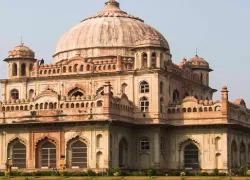
Tombs Of Saadat Ali Khan & Khurshid Zadi
Visiting the Tombs of Saadat Ali Khan and Khurshid Zadi will be an experience of great delight for tourists like you as it is grand and amazing in their way. These tombs are popular tourist spots in the state of Lucknow. These are known for its beautiful garden and intricate architecture. It is located near to the Begum Hazrat Mahal Park and it is built on account of the fifth Nawab Saadat Ali Khan and his favourite wife Khurshid Zadi. Among all the other wives of Nawab, she used to be the most loved and liked by the Nawab who died when he was alive. From 1794 to 1814 AD, Saadat Ali Khan was the ruler of Awadh and he built several beautiful and dotting monuments during this time. The credits for Dilkusha and Qaisar Bagh goes solely to him. At the time of his rule, the British Empire too was making its way and captured half of the city of Lucknow. They were growing stronger day by day. You won’t be able to love your eyes from the other beautiful moments here like the Chhota Imambara and Bara Imambara present nearby. You will get to see what you had been missing all this time after you visit this the Tombs Of Saadat Ali Khan and Khurshid Zadi, Lucknow. Things To Do There are several things that one can do after their visit to the beautiful Tombs of Saadat Ali Khan And Khurshid Zadi, Lucknow. You will get to see the true shadow of what is Incredible India here in Uttar Pradesh Lucknow. This is depicted by their pilgrimages, culture, food, craft, and other such things. The iconic Taj Mahal in Agra. With its wide array of beautiful and popular tourist attractions, Uttar Pradesh never fails to surprise you. At one side of the state, you will get to see the spiritual side and on the other, you will get a gourmet experience of exemplary render. There are several things to count on when you visit Uttar Pradesh. You will be happy to see the celebration of Holi in the city of Barsana and Vrindavan. You will also get to imbibe the spiritualism and the beautiful Ganga Ghat which looks amazing in the evening. The capital city of Uttar Pradesh is Lucknow which offers you a different side of the State. The city has a plethora of experiences for you without hampering the true essence of tourism. From the chic cafe culture to the architectural gamut, to the Chikankari work to the Mughlai food, in Lucknow, you will get great food to satisfy your appetite. Architecture The tombs of Saadat Ali Khan and Khurshid Zadi, Lucknow is said to be one of the most famous places. The architecture is the reason why it is claimed to be so. The walls of this tomb are built with Lakhuri bricks or better known as the burnt clay bricks, floors are made up of sandstone and the facade is well decorated with the help of Lime plaster. As you enter the Tombs of Saadat Ali Khan and Khurshid Zaid, Lucknow, you will get to see a rectangular verandah that is carved intricately and the doorways are arched. On the south and east parts of this place are the graves and tombs of the other wives and the daughters. The floor of the tomb is elegant due to the black and white coloured marble that is placed beautifully giving it a great pattern like a big chessboard. Apart from the other features of the tomb what attracts the most is the hemispherical dome. It has a symmetrical shape and attracts the tourists more because it is topped with an inverted lotus as a final touch. To know the exact place where the tombs of the two rest you need to follow the rectangular design in the centre of the hall. There are three other graves including the Nawab and his brothers. To the east of Nawab's tomb is his wife, Khurshid Zaid's tomb. Though the structure is of four levels still the level of the graves of mother and daughter is the same. On the corners of both the domes are chhatris of octagonal shape which increases the beauty of the Tombs of Saadat Ali Khan and Khurshid Zadi, Lucknow. Best Time To Visit The tombs of Saadat Ali Khan and Khurshid Zaid is in the state of Uttar Pradesh and the city of Lucknow. The best time to visit depends on your holidays and your preferences. But the weather of this place in summer is quite high and it is near to 42 degrees Celsius. The heat can cause a problem as you won’t feel like travel as you will be sweaty and tired. Therefore, if you prefer to travel and explore then visiting the place in cold and pleasant weather during winter is best. How To Reach? Uttar Pradesh is a state that is developing its infrastructure day by day. It is getting well connected to the rail, road, and air and it is becoming fairly a tourist attraction. Though if you wish to travel, road and rail is the best way to visit UP. Most of the parts of this state are easily accessible from the national highways and have great connectivity through railways. It also has decent air connectivity. Two international airports and four domestic airports connect the place to the rest of the country. By train: Railways is a great option for you to visit the state of Uttar Pradesh. There are around 430 railways stations that are functional and helps you reach the tourist destination. Some of the best railways are Kanpur, Varanasi, Lucknow, Agra, etc. By Air: Chaudhary Charan Singh is the international airport of UP. It is in Lucknow. Another one is the Lal Bahadur Shashtri Aiport, Varanasi. Some domestic ones are Kanpur, Agra, Jhansi, etc. By Road: The easiest way to reach UP is roadways. National highways like NH 19, NH 21, NH 30, NH 34 and Yamuna Expressway connected the place well enough. Choose any way as your presence and visit Tombs of Saadat Ali Khan and Khurshid Zaid, Lucknow in your holidays.
Explore More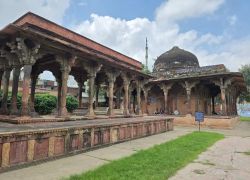
The capital city of UP (Uttar Pradesh) is a den of people, smells and sounds. But if have not visited this fascinating, electrifying and delightful city, you have missed a great opportunity to make yourself entertained in an unique way. Lucknow, the ‘city of nawabs’ is a diverse city that had started receiving prominence from the end of 18th century. During the reign of Awadh’s nawabs this place became a famous center of culture and art. The skyline of the city is a captivating array of buildings which are having a diverse range of architectural styles that is rooted back in the Mughal era. Lucknow is a popular name due to its different facets of cultural heritage including music, poetry and embroidery, which are flawlessly tangled with finance, pharmaceuticals and modern technology. 'Muskuraiye ki ap Lucknow mein hain'! This majestic city is full of royal palaces, historic spots, ancient temples, high-tech shopping malls, magnificent museums, delicious food and architectural marvels. If still you have not enjoyed the warm hospitality of this city, you must plan for it at least once in your life. And, if you are in the nawab’s city, don’t miss out an opportunity to visit Nandan Mahal, Lucknow. Description: The history of Nandan Mahal can be traced back in the time of Mughal ruling. It is another catacomb in the history of Lucknow. This is one of the eldest surviving monuments in Indian history which is devoted to the memory of Shaikh Ibrahim Chishti, who was the first governor of Mughal India, during the reign of Akbar. Though it is less discovered among the tourists come to visit Lucknow but it is one of the most serene tourist destinations of the city. Traveller Tips: • No entry fee is required. • As it is situated in between a public park, it remains open all seven days a week. • Timings for visit is between 6 AM and 10 PM. Architecture: Nandan Mahal, Lucknow is situated in old Lucknow, in a park backdrop. The park complex holds three structures and among those two are encircled tombs. Between those two tombs, one includes the remnants of Shaikh Ibrahim Chishti. As the tomb was constructed during the Mughal era, it holds the architectural design patterns of the Mughals. The surrounded bays within the monument are panelled and sunken. The architectural structure of this historic building includes framed shades which cover the entrances in the east, west and north directions. But the entry to the south side, which is the main entrance for the chamber, is decorated with a huge sized stone tablet that is having three Nastaliq styled Persian couplets. The roof of the mausoleum is designed with a lotus leaf ornament on its top. And, the drum of the roof is octagonal shaped which brags with green and blue coloured tiles. Best Time to Visit: Summer – if you are planning trip during the summer, restrict your planning in between March and April. After that temperature here rises and normally crosses the limit of 45 degree Celsius. Winter – winter here is pleasing and sunny too except for the nights which remain foggy and icy. More or less, you will love a visit here during this season. How to Reach? Lucknow is well connected with roadways and railways with the rest of the country. You can easily hire a bus service or cab to reach here from any part of India. Also, from any major cities of India, you can get a flight to reach Lucknow airport. Interesting Facts and Trivia About: After the death of Shaikh Ibrahim Chishti, his followers used visit his tomb regularly for deliverance (nandan) of his soul. Since then this place became known as Nandan Mahal. Nearby Attractions: You can easily visit a number of nearby places of Nandan Mahal after visiting this place, including – • British Residency • Bara Imambara • Lucknow Zoo • Chota Imambara • State Museum Lucknow • Chattar Manzil • Dr. Ambedkar Park • Hussainabad Picture Gallery • Indira Gandhi Planetarium • Begum Hazrat Mahal Park • Maa Chandrika Devi Temple • Hazratganj • 1857 Memorial Museum • Rumi Darwaza • Jama Masjid So, if you are passionate of exploring historial places, monuments and the history buried in their backdrop, you love visiting Nandal Mahal and Lucknow. You also enjoy tasting the food here which is another specialty of this city of nawabs. Plan your trip soon!
Explore More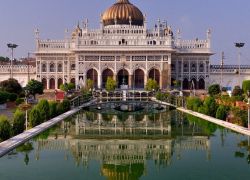
Welcome to Chota Imambara, a magnificent tourist attraction located in the city of Lucknow. This historical site is renowned for its architectural beauty, cultural significance, and rich biodiversity, making it a must-visit destination for travelers seeking a blend of history and natural wonders. History of Chota Imambara Chota Imambara holds a fascinating historical background, serving as a symbol of Nawabi heritage in Lucknow. Originally built as a congregation hall for Shia Muslims, this architectural marvel also served as a mausoleum for the Nawab's family members. The park surrounding the Imambara was once a royal hunting ground, now preserved for its historical and ecological importance. Chota Imambara's cultural significance has garnered UNESCO recognition, further enhancing its value as a heritage site. Architecture and Natural Beauty of Chota Imambara Surrounded by lush gardens, serene ponds, and exquisite Mughal architecture, Chota Imambara offers a picturesque blend of natural beauty and historical charm. The wetlands and bird habitats within the park attract a diverse range of avian species, making it a paradise for birdwatchers and nature enthusiasts. The iconic Keoladeo Temple nestled within the park adds to its architectural grandeur, showcasing a harmonious blend of cultural and natural elements. Why is Chota Imambara Famous? Chota Imambara is famous for its architectural splendor, cultural heritage, and vibrant ecosystem that attracts visitors from around the world. Birdwatchers, photographers, nature lovers, and wildlife enthusiasts flock to this destination to witness the diverse avian species, immerse themselves in history, and experience the tranquility of its natural surroundings. How to Reach Chota Imambara Traveling to Chota Imambara is convenient, with options available by air, rail, and road. Lucknow has a well-connected airport, railway station, and road network, providing easy access to this popular tourist spot. Nearby airports and railway stations offer seamless connectivity for travelers, ensuring a hassle-free journey to this historical gem. Weather and Best Time to Visit Chota Imambara Chota Imambara experiences varying weather conditions throughout the year, with summers being hot, monsoons bringing rainfall, and winters offering a pleasant climate. The best time to visit this attraction is during the winter months when the weather is mild, making it ideal for exploring the park and enjoying the natural beauty it offers. Timings of Chota Imambara Visitors can explore Chota Imambara during specified timings, with seasonal variations if applicable. It is recommended to plan your visit accordingly to make the most of your experience at this historical site. Useful information regarding visitor timings and operational hours can help in effective trip planning. Entry Fee and Visit Details Entry procedures to Chota Imambara are straightforward, with guide services, safari options, bicycle rentals, and visitor facilities available for a memorable experience. Exploring the park with the assistance of guides, opting for safaris to witness wildlife, and renting bicycles for leisurely rides can enhance your visit to this iconic destination. Things to Do at Chota Imambara Engage in popular activities such as birdwatching, photography, cycling, walking trails, nature observation, and educational experiences at Chota Imambara. Immerse yourself in the serene surroundings, capture stunning moments with your camera, explore the diverse flora and fauna, and indulge in educational programs to enhance your understanding of this historical and ecological treasure. Interesting Facts About Chota Imambara Chota Imambara boasts fascinating facts about migratory birds, biodiversity conservation efforts, and its ecological importance in preserving natural habitats. The park's diverse ecosystem, historical significance, and conservation achievements make it a unique destination that offers insights into the region's cultural and natural heritage. Travel Tips for Visiting Chota Imambara When visiting Chota Imambara, consider practical tips such as appropriate clothing for the weather, essential photography gear for capturing memorable moments, birdwatching equipment for observing avian species, and the best visiting seasons for an enriching experience. Embrace responsible tourism practices to protect the environment and wildlife while exploring this historical and ecological site. Conclusion In conclusion, Chota Imambara in Lucknow stands as a testament to the city's rich history, architectural brilliance, and natural beauty. This iconic tourist attraction offers a unique blend of cultural heritage and biodiversity, inviting travelers to immerse themselves in a world of serenity and splendor. Plan your visit to Chota Imambara to witness the grandeur of the past and the tranquility of nature in the heart of Lucknow.
Explore More
Banaras Hindu University, Varanasi is one of the fabulous learning centres in India with an international reputation. It is also called as BHU in short where many nation builders and great freedom fighters were developed. This supreme learning centre has developed a large number of celebrated scholars, artists and scientists. Hence, it has contributed commendably in the development of our country. It also has a highly rated structure among all monuments in Varanasi. History of Banaras Hindu University, Varanasi Banaras Hindu University is in Varanasi, Uttar Pradesh. It was founded in the year 1916 by Pandit Madan Mohan Malaviya who was the great nationalist leader of India. Dr Annie Besant also played a substantial role in the formation of this University. More Details about Banaras Hindu University, Varanasi The Banaras Hindu University brags an extensive campus stretched to 1300 acres of land which has well maintained roads that are well maintained and cross each other at right angles. Find vast greenery within the premises of this University. A temple, an airfield and constructions are some architectural delights at this place. This place has -Big playgrounds, -A flying club, -A big auditorium and Several other services as well as facilities like • Subsidized Canteens, • Printing Press, • Fruit Preservation Center, • Employment and Information Bureau, • Security, • Publication Cell etc. Top 10 Specialities of Banaras Hindu University 1. Institutes in BHU The BHU consists of 3 Institutes. These comprise of • 14 Faculties spread across 124 Departments, • 4 Interdisciplinary Centers and • 3 Constituent Schools. 2. The Varanasi Banaras Hindu University also has • An engineering institute- Institute of Technology and • A medical college- Institute of Medical Sciences. 3. Subjects offered to Students A comprehensive range of topics are accessible at BHU • all branches of social sciences, • science, • humanities, • technology, • medicine, • performing arts and • fine arts 4. There are 6 centres of advanced studies too besides 10 Departments that are under the Special Assistance Program. 5. Several specialized Research Centers- a part of BHU. 6. There are 4 Degree Colleges as well in this city which are allied to the University. 7. The Bharat Kala Bhavan is a beautiful part of this city which is a popular art and archaeological museum. This houses a rare collection to see and a real treasure trove. 8. The University also contributes a well-developed sports foundation. 9. Numerous amenities for different sports and hobbies are offered at BHU. 10. This University has around 2000 teachers besides 5000 non-teaching staff. The Banaras Hindu University, Varanasi has 15000 students as its strength, coming from various walks of life, religions, castes and races. An important thing to note BHU has a large number of foreign students as well. A big count of these students come from Asia, Europe, the Middle East, the U.S.A., and Africa. If you want to see all these, book yourself for a tour to Banaras Hindu University, Varanasi as soon as possible. When to visit? People generally avoid travelling to Varanasi in summers, especially in May and June as they are considered the hottest. But monsoon practices the fall in temperature, and the real beauty of the city come in front in its drenched state. The tourists are dragged towards the freshness and charm of the place. Best time to visit Varanasi is during winter –November to March Being a traveller anyone can have the best trip to Varanasi by touring around the winter season. The reason is the pleasant temperature that ranges from 5 to 15 degrees Celsius. You can have double fun with the boat rides on the Ganga, visiting the different temples and exploring the vibrant city if the plan you tour to Banaras in the winter season. A few essential festivals of India fall around this time. One can take pleasure in the customs and rituals of the locals. How to reach BHU Varanasi? By Air Varanasi has Regular flights at its domestic airport which connects Varanasi to some of the most central cities in India. By Rail Varanasi is well linked by railways to some of the prime cities of the nation like Delhi, Kolkata, Mumbai and others. By Road Varanasi has an excellent road network that makes it well connected to several of the other important cities in Uttar Pradesh. Other than the state government buses some private buses and transport options are there that ply between Varanasi and the other main cities. You can also get some public means of transport quickly. Tourist spots in Varanasi 1. Ganga ghat to view Ganga aarti 2. Vishwanath temple 3. Bharat Mata temple 4. Durga temple 5. Tulsi Manas temple 6. Ram Nagar Fort 7. Tomb of Lal Khan 8. Manikarnika Ghat 9. Hanuman Ghat 10. Bharat Kala Bhawan You must plan the tour after reading detailed knowledge about the city. Plan online in advance from a reputed tour operator.
Explore More
Sarnath, a city with deep historical significance, is home to the renowned Mulagandha Kuti Vihara. Situated amidst serene surroundings, this hotspot attracts visitors from far and wide due to its rich heritage and natural beauty. History of Mulagandha Kuti Vihara The Mulagandha Kuti Vihara holds a significant historical background, with its origins dating back to ancient times. Once a royal hunting ground, the site has undergone extensive conservation efforts and has been recognized by UNESCO for its cultural and historical importance. Architecture and Natural Beauty of Mulagandha Kuti Vihara Surrounded by lush wetlands, dense forests, and picturesque landscapes, Mulagandha Kuti Vihara offers a unique blend of natural beauty and architectural wonders. The nearby Keoladeo Temple adds to the charm of this historical site. Why is Mulagandha Kuti Vihara Famous? Mulagandha Kuti Vihara is famous for its diverse bird habitats, making it a paradise for birdwatchers and nature enthusiasts. The site's serene ambiance and rich biodiversity attract wildlife lovers and photographers alike. How to Reach Mulagandha Kuti Vihara Traveling to Mulagandha Kuti Vihara is convenient, with options available by air, rail, and road. The city is well-connected to nearby airports and railway stations, ensuring easy access for visitors. Weather and Best Time to Visit Mulagandha Kuti Vihara The weather at Mulagandha Kuti Vihara varies across seasons, with summers being hot, monsoons bringing rainfall, and winters offering a pleasant climate. The best time to visit is during the cooler months to enjoy the natural beauty at its finest. Timings of Mulagandha Kuti Vihara Mulagandha Kuti Vihara welcomes visitors at specific timings, with seasonal variations that may affect opening hours. Planning your visit accordingly will ensure a smooth and enjoyable experience at this historical site. Entry Fee and Visit Details Entry procedures to Mulagandha Kuti Vihara are straightforward, with guide services, safari options, bicycle rentals, and visitor facilities available for a memorable experience. Exploring the site with these amenities will enhance your visit. Things to Do at Mulagandha Kuti Vihara Engage in popular activities such as birdwatching, photography, cycling, walking trails, and nature observation at Mulagandha Kuti Vihara. Immerse yourself in the natural surroundings and enjoy educational experiences during your visit. Interesting Facts About Mulagandha Kuti Vihara Mulagandha Kuti Vihara is home to various migratory bird species and boasts rich biodiversity. The site's conservation achievements and ecological importance make it a must-visit destination for those interested in nature and wildlife. Travel Tips for Visiting Mulagandha Kuti Vihara When visiting Mulagandha Kuti Vihara, it is advisable to dress appropriately, carry photography equipment, and be prepared for birdwatching opportunities. Understanding the best visiting seasons and practicing responsible tourism will ensure a fulfilling experience. Conclusion In conclusion, Mulagandha Kuti Vihara in Sarnath is a place of historical significance and natural beauty, offering visitors a unique blend of cultural heritage and biodiversity. Exploring this hotspot promises an enriching experience for all nature lovers and history enthusiasts.
Explore More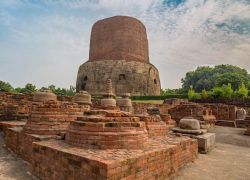
Sarnath, a city known for its rich historical and cultural heritage, is home to the iconic Dharmekh Stupa. This ancient Buddhist monument holds great significance and attracts visitors from all corners of the globe. Situated amidst serene surroundings, the stupa stands as a symbol of peace and spirituality, making it a must-visit destination for travelers seeking enlightenment and tranquility. History of Dharmekh Stupa The history of Dharmekh Stupa dates back to ancient times, marking the spot where Lord Buddha first preached the Dharma to his five disciples. Originally a royal hunting ground, this sacred site has undergone extensive conservation efforts and has been recognized by UNESCO for its historical importance in spreading the teachings of Buddhism. Architecture and Natural Beauty of Dharmekh Stupa Surrounded by lush greenery and diverse bird habitats, Dharmekh Stupa boasts a natural environment that is both serene and captivating. The stupa's architectural marvel, coupled with the tranquil landscapes, creates a harmonious blend of spirituality and natural beauty. Nearby, the Keoladeo Temple adds to the historical charm of the area. Why is Dharmekh Stupa Famous? Dharmekh Stupa is renowned for its spiritual aura and is a popular destination for birdwatchers, photographers, and nature enthusiasts. The site's historical significance, coupled with its serene ambiance, attracts wildlife lovers seeking a peaceful retreat amidst nature's bounty. How to Reach Dharmekh Stupa Traveling to Dharmekh Stupa is convenient, with options available by air, rail, and road. The city is well-connected to nearby airports and railway stations, making it easily accessible for visitors looking to explore this ancient marvel. Weather and Best Time to Visit Dharmekh Stupa The weather in Sarnath varies across seasons, with summer, monsoon, and winter each offering a unique experience. The best time to visit Dharmekh Stupa is during the cooler months when the weather is pleasant, allowing visitors to explore the site comfortably. Timings of Dharmekh Stupa Dharmekh Stupa welcomes visitors during specific timings, with variations based on the season. Planning your visit accordingly ensures you make the most of your trip and experience the tranquility of this ancient Buddhist monument. Entry Fee and Visit Details Entry procedures to Dharmekh Stupa are straightforward, with guide services available for a deeper understanding of the site's historical significance. Visitors can also opt for safari options, bicycle rentals, and other facilities to enhance their experience at this spiritual haven. Things to Do at Dharmekh Stupa Engage in a variety of activities at Dharmekh Stupa, including birdwatching, photography, cycling, and nature observation. Walking trails offer a chance to immerse yourself in the serene surroundings, while educational experiences provide insights into the rich history of this sacred site. Interesting Facts About Dharmekh Stupa Dharmekh Stupa is home to a plethora of migratory birds, showcasing the region's rich biodiversity. Conservation efforts have led to significant achievements in preserving the ecological balance of the area, further highlighting the site's importance in sustaining local flora and fauna. Travel Tips for Visiting Dharmekh Stupa When planning a visit to Dharmekh Stupa, consider the clothing suitable for the prevailing weather conditions. Carrying photography and birdwatching equipment enhances your experience, while visiting during the recommended seasons ensures you witness the beauty of the site at its best. Embracing responsible tourism practices helps in preserving the sanctity of this spiritual landmark. Conclusion In conclusion, Dharmekh Stupa in Sarnath stands as a beacon of peace and spirituality, offering visitors a chance to connect with ancient Buddhist teachings in a serene natural setting. The historical significance, coupled with the site's biodiversity and tourism importance, makes it a must-visit destination for those seeking enlightenment and tranquility amidst the beauty of nature.
Explore More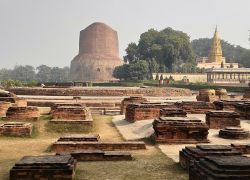
Sarnath, a city with a rich historical and cultural heritage, is home to the renowned Ashoka Pillar. This iconic tourist attraction holds great significance for history enthusiasts, nature lovers, and spiritual seekers alike. The Ashoka Pillar in Sarnath stands as a symbol of India's glorious past and serves as a testament to the ancient Mauryan Empire's legacy. History of Ashoka Pillar The Ashoka Pillar in Sarnath has a fascinating historical background, dating back to the Mauryan period. Originally erected by Emperor Ashoka in the 3rd century BC, this pillar served as a symbol of peace and non-violence. The park surrounding the pillar was once a royal hunting ground, now transformed into a conservation area. Recognized by UNESCO for its historical significance, the Ashoka Pillar stands as a reminder of India's rich cultural heritage. Architecture and Natural Beauty of Ashoka Pillar Surrounded by lush greenery, the Ashoka Pillar park boasts a diverse natural environment, featuring wetlands, forests, and grasslands. Bird enthusiasts flock to this site to witness a variety of bird species in their natural habitats. The park also houses the Keoladeo Temple, a historical gem that adds to the charm of the landscape. Why is Ashoka Pillar Famous? The Ashoka Pillar in Sarnath is famous for its historical significance and natural beauty. It attracts birdwatchers, photographers, and wildlife enthusiasts from around the globe. Visitors are drawn to the park's serene atmosphere and the opportunity to witness a wide array of bird species in their natural habitat. How to Reach Ashoka Pillar Travelling to Sarnath and reaching the Ashoka Pillar is convenient, with options for air, rail, and road travel. The city is well-connected by nearby airports and railway stations, making it easily accessible to tourists from various parts of the country. Weather and Best Time to Visit Ashoka Pillar Sarnath experiences diverse weather conditions throughout the year, with summers being hot, monsoons bringing rainfall, and winters being pleasantly cool. The best time to visit the Ashoka Pillar is during the winter months when the weather is mild and ideal for exploring the park's natural beauty. Timings of Ashoka Pillar The Ashoka Pillar welcomes visitors during specific timings, allowing them to explore the park at their leisure. Seasonal variations may affect these timings, so it is advisable to plan your visit accordingly to make the most of your experience. Entry Fee and Visit Details Visitors to the Ashoka Pillar can avail entry by following the designated procedures. Guide services, safari options, bicycle rentals, and other visitor facilities are available to enhance the overall experience. Exploring the park under the guidance of experts can enrich your understanding of the area's historical and natural significance. Things to Do at Ashoka Pillar Engaging in activities such as birdwatching, photography, cycling, and nature observation are popular among visitors to the Ashoka Pillar. The park offers walking trails that allow visitors to immerse themselves in the serene surroundings and witness the diverse wildlife that calls this place home. Interesting Facts About Ashoka Pillar The Ashoka Pillar is not only a historical landmark but also a hub of biodiversity and conservation efforts. Migratory birds frequent the park, adding to its ecological importance. The conservation achievements in this area are commendable, making it a must-visit destination for nature enthusiasts. Travel Tips for Visiting Ashoka Pillar When planning a visit to the Ashoka Pillar, it is advisable to dress appropriately for the weather conditions and carry necessary photography and birdwatching equipment. Understanding the best visiting seasons and practicing responsible tourism can help preserve the natural beauty of this iconic site for future generations to enjoy. Conclusion In conclusion, the Ashoka Pillar in Sarnath stands as a historical marvel and a natural sanctuary that offers a unique blend of cultural heritage and biodiversity. Visitors to this site are in for an enriching experience, surrounded by the tranquility of nature and the echoes of India's ancient past. Exploring the Ashoka Pillar is not just a journey through time but also a soul-stirring encounter with the beauty of [City] and its surroundings.
Explore More
Rani Mahal, Jhansi is a royal palace and it was built by the Nawalkar family. This palace was habitant of Rani Laxmibai. Rani Mahal was built in the 18th century by Talwalkar family and after the death of Raja Gangadhar Rao, Rani Laxmibai used to live in the palace. It is two-storied building with one fountain on one side. It is situated in the Bundelkhand region and it lies on the banks of river Pahuj. Jhansi is also the entrance to Bundelkhand. Jhansi is around 415 km from New Delhi. Jhansi has various Rocky Mountains and also rich in minerals. The city has natural beauty with a marvelous connection with the various kings and most importantly with great warrior Rani Laxmibai. Once you think about Jhansi, it will remind all of us of the great battle of Rani Laxmibai with British soldiers. Jhansi is a city of palaces and also its architecture, sculptures and natural beauty. Traveler tips Jhansi is famous for Rani Laxmibai and her beautiful palaces and the Rocky Mountains. The best time to visit Jhansi is from November to March when it is a pleasant time. Jhansi does not have its airport but it is well connected with railways and roads. Things to do Jhansi is also famous for various arts and crafts, hence shopping is famous in Jhansi. There are lots of shopping markets available in Jhansi such as Sipri Bazar, Manik Chowk Bazar and many more. If you are visiting Jhansi then visit forts of Rani Laxmibai. This is an amazing place to visit and have experience in history. Availability The railway is well connected with Jhansi and various forms of transport facilities are available in Jhansi. There are numerous buses, Taxis, Autos, and trains that are available from Jhansi Junction and hence you can enjoy the beauty of great forts and rivers. History Jhansi was the capital of Marathas reign in the 18th century and it was also princely state for the period 1804 to 1853 till it became part of the British era. Rani Mahal situated in Jhansi is a tourist place in Uttar Pradesh and also it 103 km from Gwalior. Jhansi was also known by Balwant Nagar and later it was renamed to Jhansi. Architecture Rani Mahal was built by the Nawalkar family in the 18th century with beautiful architecture, sculptures, and paintings on the wall. Rani Mahal, Jhansi has now converted into a museum that has assembled various archaeological remains of that era. The beauty of ancient times will astonish and also keeps you amazed at such splendid beauty of wall paintings, sculptures, and many more things. Festival Jhansi is famous for Rani Laxmibai and her fort. However week-long Jhansi Mahotsav is celebrated splendidly in Jhansi and it is celebrated between February and March. You can have a marvelous experience of ceremonies and festivals when you come to Jhansi in festivals. Jhansi Mahotsav is organized by the Tourism board of Uttar Pradesh. Folk songs, Music, drama, and dances are part of such festivals. Visiting Jhansi will enrich your travel experience and also cherish you. Popular culture Jhansi is part of Bundelkhand and hence customs, culture, and traditions of Budelas prevail in Jhansi. Jhansi is determined by the culture of Mughals and Marathas and played an important role in its history. Badhai dance commonly executed at weddings and also on various occasions. Jhansi is influenced by various dynasties and also various kinds of dances are being performed in Jhansi. Best time to visit The best time to visit Rani Mahal, Jhansi would be October to March. Rani Mahal is open continuously during the year. However visiting Rani Mahal, Jhansi from October to March is best as the weather is pleasant during this period. How to reach? Jhansi is well connected with the major cities of Uttar Pradesh. Rani Mahal is about 2 km from the city of Jhansi. Jhansi is well connected with trains, buses, and airports. Taxis, autos, and buses are readily available to reach the Rani Mahal. The nearest airport is Gwalior, which is about 103 km from the Rani Mahal. Rani Mahal, Jhansi not only attracts domestic tourist but also tourists from other countries too. Interesting facts and trivia about Interesting facts about the Rani Mahal are that it is the place where Rani Laxmibai plotted a plan with great warrior Tanti Tope and also Nana Sahib to defeat the Britishers. It is also the fact that after Rani’s defeat British took over the charge of Palace and also killed Rani’s Bodyguard. Durbar Hall is a must-watch place that has royal magnificence. Nearby attractions There are lots of religious places, temples, palaces and many more nearby tourist attractions in Rani Mahal, Jhansi as: Jhansi Fort Jhansi Fort is situated at top of Bagira hill in the northern part of Uttar Pradesh. This fort was built in the 17th Century and it was later destroyed by the British. Jhansi Fort is open from 8 AM to 6 PM and the entry fees for Jhansi fort is Rs. 5 for Indians and Rs. 200 for foreign citizens. It is about 4 km from Jhansi Railway station. However, the transport facility is readily available to this fort. Barua Sagar Barua Sagar is about 24km from the Jhansi Railway station. Barua Sagar is also the abode of monuments, temples, and forts which reminds of history. Many popular temples are built on the banks of Barua Sagar. Parichha Dam Parichha Dam is about 27 km from Jhansi Railway station. Parichha Dam has constructed Pariccha town on Kanpur highway. Parichha Dam is built on Betwa River and it was constructed during the British era between 1881 to 1886. Parichha Dam is a thermal power station which produces 1149 MW power. Cenotaph of Raja Gangadhar Rao The monument is built in the memory of Raja Gangadhar Rao and it is situated about 2 km from Jhansi fort. The Cenotaph of Raja Gangadhar Rao is situated near Lakshmi Talab in Jhansi. It is one of the heritage sites in Jhansi and it is must visit Jhansi. The tomb has a beautiful scripture with gardens and flowers. Thus, pack your bag and move to Jhansi to visit these beautiful forts and palaces, monuments and many more places. To enjoy this place make a plan and visit this tourist place which is attracting lots of tourists from various places. Thus make sure that you will visit the Rani Mahal and also feel the history of great warrior Rani Laxmibai. There are lots of places for sightseeing which are nearby to Rani Mahal. Rani Mahal is a splendid example of beautiful architecture, paintings and remaining of the palace. Though forts are located in the hilly region and their beauty is lifetime watch. So just be ready and move to Jhansi and be a warrior of Jhansi and visit different places in and around it.
Explore More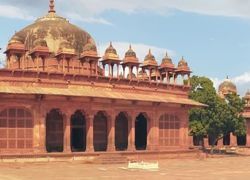
Ibadat Khana, Fatehpur Sikri is one of the most prominent places that visitors all around the world visit. Ibadat Khana is famous amongst the people majorly because of its high historical importance. If you know Mughal Emperor Akbar or have heard about it (who does not or who have not, respectively), you might also know that he is regarded as one of the great historians. Ibadat Khan is also known as the House of Worship. Ibadat Khana, Fatehpur Sikri was erected long back in the year 1575 AD with the motive to assemble spiritual leaders of different religions under one roof in order to share the respective religious teachings. Most of the discussions were made on Thursday evenings.History:As far as the history of Ibadat Khana, Fatehpur Sikri is talked about was built by Mughal Emperor Akbar. Akbar was an amazing believer of Salim Chisti who happens to be the best Sufi philosopher of that era. Amongst what all he did during his time, Akbar was known for his immense knowledge about almost everything as well as his magic which was believed to be next to impossible. In fact, he was a such a huge believer of Salim Chisti that he acknowledged the credit of all his victories to him. So much so, he also credited the birth of his son was also credited to the Sufi Saint. He was then inclined to dig more about Islamic religion as well as other ones.Then to fulfil his purpose, he went on to establish a place in 1575 which he termed as Ibadat Khana. It is at this place, the intellect and learned scholars would come along and hold discussions. Soon the place turned out to be one-stop place for discussions and arguments and also acquired immense popularity. People who used to gather here held the discussions and debates with all the enthusiasm. Akbar has always been a curious person and was attracted to different sorts of metaphysical kind of questions. And if you think that’s all, then you are miserably wrong for he also made his own religion by the name of Din-i-Ilahi, which was done in order to bring together the best of the practices of all the religions.Architecture:As far as the architecture of Ibadat Khana is talked about, it is made up of amazing red sandstone that is structured inside the Fatehpur Sikri. Whenever travellers visit Agra, Fatehpur Sikri is one of the must mentioned places right on that region. There is no denying the fact that Ibadat Khana has a unique and impressive architecture that makes it stand out of world. It is touted as one of the most spectacular places located inside the premises of the tourist hotspot. Ibadat Khana comprises of a single carved column standing in the middle, which also has a platform, which is believed to be the place where the emperor used to be seated. Right from there, we can see four paths that go into separate directions on the four corners of the place, which happens to be the advisors seat. This particular part of the Ibadat Khana has a significance attached to it which says that Akbar was open to all sorts of notions from all corners before zeroing down on any of the final decision.Having said that; there have been a number of controversies as well as discussions on the location of Ibadat Khana. Historians and scholars such as Percy Brown and VA Smith believed that there was a single pillar room inside Fatehpur Sikri. On the other hand, there are some historians like Saeed Ahmed Muraravi said that Ibadat Khana to was mound between Jodha Bai’s Mahal and the main mosque. Moreover, there have been a number of other buildings too that have been identified as Ibadat Khana. So much so that at one point, even Abdarkhana, Girls’ Madrasa, Lotus Pillar and the quadrangle that connects to Daulat Khana were also named as Ibadat Khana.Interesting Facts:For the ones who don’t know the origin of the Ibadat Khana went through a lot of controversy. The Ibadat Khana was constructed at a place where religious ideas could be discussed. It is also to be mentioned here that Ibadat Khana is fulsomely appreciated by the famous poet named, Lord Alfred Tennyson in his poem by the tittle, Akbar's Dream.Nearby Attractions:Fatehpur Sikri is one of the most famous tourist attractions in India and the ones who are travelling to this region can also explore other structures namely, Nubat Khana, Mariam-uz-Zamani, Ibadat Khana, Buland Darwaza, Jama Masjid, Panch Mahal, Jodha Bai's Palace, Tomb of Akbar the Great, Badshahi Darwaza, Taj Mahal and Birbal's Palace amongst many others.
Explore More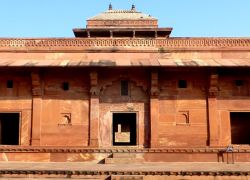
Mariam-Uz-Zamani Palace is the beautiful mausoleum that is dedicated to the Rajput Princess Jodha Bai who was married to the Mughal Emperor Akbar. The tomb or the palace was constructed by Mughal Emperor Jahangir in the memory of his mother Jodha Bai, who was also known by her other name Marium Uz-Zamani. The queen is also known by other names such as Hira Kunwari, Harka Bai, Heer Kunwari, etc. Situated within the main complex of Fatehpur Sikri, the Marium –Uz-Zamani palace is a stunning Mughal themed palace which is located in Sikandra-the outskirts of Agra, Uttar Pradesh. The structure is an architectural grandeur that manifests the elements of Mandu, Gwalior and the magnificent designs of traditional Islamic style. While visiting Fatehpur Sikri, one can visit this stunning palace. History Of Mariam-Uz-Zamani Palace: The first wife of Mughal Emperor Akbar, the Rajput queen, Rani Jodha Bai came to be named Marium –Uz-Zamani after she became the mother of Jahangir. The Rani was the longest-serving Hindu empress in the Mughal reign. The marriage of Jodha Bai and Akbar was one of the significant chapters in the history of India as it epitomized Emperor Akbar’s respect for other religions in India. The palace was located near Akbar's Tomb as per the last wish of Jodha Bai. The structure was originally a baradari (Pavillion) built during the reign of Sikander Lodi in AD 1495. It was later reconstructed into Mughal's tomb by Jahangir in Mughal style. Mariam-Uz-Zamani Palace was the seat of power during the reign of both Emperor Akbar and his son Jahangir. A lot of money was spent and the best architectures and workers were appointed to construct this magnificent palace. Architecture Of Mariam-Uz-Zamani Palace: This brilliantly built palace in Fatehpur Sikri is an excellent combination of size and aesthetics. The incredible carvings and impressive floral motifs catch the attention of visitors immediately. The interior and exterior of this palace adorned with floral and geometrical finishes and designs. Furthermore, the beautiful gardens surrounding the palace add a charm to the beauty & magnificence of the structure. As Mariam-Uz-Zamani (Jodha Bai) was a Hindu queen and used to worship Lord Krishna, the place is embellished with various paintings of Lord Krishna. One can see an impressive gateway in the eastern side of the palace, followed by various guard rooms having triangular ceilings. Visitors can see some of the Hindu motifs during their visit to this palace such as elephants, srivatsa mark, parrots, ghant mala, swans, etc. The building also comprises of Chhaparkhats with eight pillars, semicircular domes, and chhatris that attract the visitors the most. Interesting Facts About Mariam-Uz-Zamani Palace: • This palace is also known as Jodha Bai Palace. • One can see the Kitchen of Queen Jodha Bai inside the palace. • This palace was the biggest and most relevant part of the Imperial Harem. • It is said that Jodha Bai was an intelligent businesswoman, who was involved in performing international trade of spices and silk in Mariam-Uz-Zamani Palace. Best Time To Visit Mariam-Uz-Zamani Palace: Mariam-Uz-Zamani Palace in Fatehpur Sikri is one of the top attractions to visit near Agra. During the summer season, the entire region experiences extreme heat with a high temperature i.e. between 40 to 45 degrees Celsius. The heat can be annoying for many people, but if the heat does not bother you much, you can visit the palace during this period. During the winter season, the weather is pleasant and calm here, with an average temperature of about 15 degrees Celsius. So, this period is the best time for sightseeing and exploration in the region. How To Reach Here: Mariam-Uz-Zamani Palace is located at a distance of about 11 km from the Agra Cantonment Railway Station. By getting down at this station, visitors can hire taxis, cabs or auto-rickshaws to reach the palace. One can even get down at other railway stations in Agra such as Agra Fort Railway Station, Raja ki Mandi, Agra City, and Idgah Railway Station and reach the palace by taking private vehicles. One can also board daily buses ply between major cities of the nation to Agra and reach the Mariam-Uz-Zamani Palace by hiring private vehicles from the bus terminals. There are two bus terminals in Agra, from where one can hire taxis and cabs- Idgah Bus Stand and ISBT. Additional Information For Visitors: The Mariam-Uz-Zamani Palace remains open every day in a week from morning 6 am to evening 6 pm. Visitors need not pay any extra entry fee for visiting this palace as it lies within the Fatehpur Sikri complex. The entry fee required for Indian citizens and citizens of SAARC and BIMSTEC countries to enter the Fatehpur Sikri complex is Rs 35 and the entry fee required for international tourists is Rs 550. The entry fee for children who are under 15 years of age is nil. Nearby Attractions: While visiting the Mariam-Uz-Zamani Palace, visitors can explore some of the other places of interest in and around the region such as Tomb of Akbar the Great, Badshahi Darwaza, Taj Mahal, Birbal's Palace, Nubat Khana, Ibadat Khana, Buland Darwaza and many more.
Explore More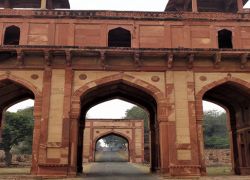
Situated at the entrance of the Fatehpur Sikri complex near Agra, Uttar Pradesh, Naubat Khana also known as Naqqar Khana is a Mughal era drum house that is famous for its stunning architecture and historical significance. Traveller tips: • Popular for: history, tourism, photography • Timing: 6:00am to 7:30pm • Visit duration: one hour • Entry fee: Since Nuabat Khana is a part of Fatehpur Sikri complex, you need to pay a fixed entree fee to visit the fort. • Indian nationals: Rs 40 • Foreigners: Rs 550 • Visitors are not allowed to carry food items, tobacco products inside the palace. • Avoid touching the walls and surfaces of the heritage monument • Wearing shoes is prohibited in the palace. • Photography is allowed in Fatehpur Sikri complex History and architecture: Naubat Khana, a significant part of Fatehpur Sikri palace, refers to a building where Naubat a kind of a special drum was played by musicians to announce the arrival of the emperor or during special occasions. If history is to be believed, musicians used to play Nuabat or drums at this building five times a day at appointed hours. Famous for its extravagant Mughal inspired architecture, Naubat Khana is an important structure of Fatehpur Sikri, a city erected by Mughal emperor Akbar. This beautiful three-storeyed, red stone made structure was used as a royal entrance during sultan Akbar’s reign. Featuring there elegantly designed archways, Naubat Khana is adorned with beautiful carvings and embellishments that depicts the excellence of Mughal architecture. Things to do Explore Naubat Khana, Fatehpur Sikri and other adhjusant monumnets to witness the supreme excellence of Mughal era-inspired architecture. If you are a history buff, opt for a guided tour to know more about its historical significance. If you have time, take a full day sightseeing tour to Agra to visit Taj Mahal. Best time to visit Located 36 km away from Agra, all the major attractions of Fatehpur Sikri can be covered during a day trip from Agra. With the temperature reaching a scorching height of 45 degree Celsius in summers (April-July), planning a trip to Naubat Khana is not recommended at this time. The best time to visit this place is between October and March as the weather during this time is pleasant. How to reach? Travellers can easily get local taxis outside the airport at nominal charges to reach Fatehpur Sikri. Naubat khana is a 5 minutes a walk from the main ticket counter at Fatehpur Sikri complex. By bus: Fatehpur Sikri is well connected through Uttar Pradesh State Road Transport Corporation (UPSRTC) buses and private coaches to neighbouring main cities like Agra, Delhi and many other. By train: Located nearly 40 km away from Fatehpur Sikri, Agra Cantt is the nearest railhead to Naubat Khana. Nearby attractions: Constructed in the traditional Mughal style of architecture, Naubat Khana, Fatehpur Sikri is a never miss out on a place on your full-day Agra sightseeing tour. Apart from Naubat Khana, there are many other nearby popular locations and monuments which you can consider for a full day sightseeing tour • Taj Mahal • Birbal’s palace • Buland Darwaza • Jama Masjid • Panch Mahal • Mariam-uz-Zamani • Ibadat Khana • Tomb of Akbar the Great Book a full day or half-day sightseeing tour to Fatehpur Sikri and Agra covering all the major historic monuments like Nuabat Khana, Taj Mahal, Ibadat Khana and many more.
Explore More
Welcome to the mystical land of Kushinagar, home to the serene Parinirvana Stupa and Temple. This ancient site holds profound significance in Buddhist culture and history, attracting visitors from all corners of the globe. History of Parinirvana Stupa and Temple Steeped in history, Parinirvana Stupa and Temple stand as a testament to the rich Buddhist heritage of Kushinagar. This sacred site is believed to have been established on former royal hunting grounds and has since been a focal point for conservation efforts. The UNESCO recognition further highlights the cultural and historical importance of this revered destination. Architecture and Natural Beauty of Parinirvana Stupa and Temple Surrounded by lush wetlands, enchanting forests, and sprawling grasslands, Parinirvana Stupa and Temple offer a breathtaking natural environment. Bird habitats thrive in this serene landscape, adding to the tranquility of the surroundings. The historical Keoladeo Temple within the park adds to its architectural charm and allure. Why is Parinirvana Stupa and Temple Famous? Parinirvana Stupa and Temple have gained fame for being a haven for birdwatchers, photographers, nature enthusiasts, and wildlife lovers. The diverse ecosystem and serene ambiance make it a perfect retreat for those seeking solace in nature's embrace. How to Reach Parinirvana Stupa and Temple Traveling to Parinirvana Stupa and Temple is convenient, with options available by air, rail, and road. Nearby airports and railway stations provide easy access to this spiritual sanctuary, ensuring a seamless journey for visitors. Weather and Best Time to Visit Parinirvana Stupa and Temple Throughout the seasons, Parinirvana Stupa and Temple offer varying experiences. Summer brings warmth, while the monsoon season rejuvenates the landscape. Winter paints a serene picture, making it the best time to visit this tranquil destination. Timings of Parinirvana Stupa and Temple Visitor timings at Parinirvana Stupa and Temple cater to varying preferences, offering different experiences based on the time of year. Seasonal variations add a touch of uniqueness to each visit, providing visitors with a diverse range of sights and sounds to explore. Entry Fee and Visit Details Entry procedures at Parinirvana Stupa and Temple are hassle-free, with guide services available for those seeking a deeper understanding of the site. Safari options, bicycle rentals, and well-equipped visitor facilities ensure a comfortable and enriching experience for all. Things to Do at Parinirvana Stupa and Temple Engage in popular activities such as birdwatching, photography, cycling, walking trails, and nature observation at Parinirvana Stupa and Temple. Immerse yourself in the beauty of the surroundings and embark on educational experiences that offer insights into the local flora and fauna. Interesting Facts About Parinirvana Stupa and Temple Parinirvana Stupa and Temple are home to a myriad of migratory birds, showcasing the rich biodiversity and conservation achievements of the site. The ecological importance of this destination serves as a reminder of the need to preserve and protect our natural heritage. Travel Tips for Visiting Parinirvana Stupa and Temple When visiting Parinirvana Stupa and Temple, remember to dress comfortably, carry essential photography and birdwatching equipment, and be mindful of the best visiting seasons. Embrace responsible tourism practices to ensure the preservation of this sacred site for future generations to enjoy. Conclusion In conclusion, Parinirvana Stupa and Temple in Kushinagar offer a profound and enriching experience for visitors. The historical significance, natural beauty, and diverse wildlife make it a must-visit destination for those seeking solace and spiritual awakening in the heart of nature.
Explore More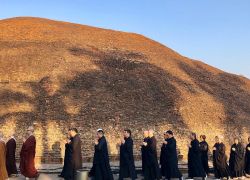
Welcome to the enchanting city of Kushinagar, home to the iconic Rambhar Stupa, a hotspot revered by nature enthusiasts and history buffs alike. Nestled in the heart of Kushinagar, this picturesque destination offers a serene retreat amidst rich biodiversity and cultural heritage. History of Rambhar Stupa Steeped in history, Rambhar Stupa boasts a profound historical background as a former royal hunting ground transformed into a conservation area. Recognized by UNESCO for its cultural significance, the stupa stands as a testament to the region's rich heritage and ongoing conservation efforts. Architecture and Natural Beauty of Rambhar Stupa Surrounded by lush wetlands, verdant forests, and sprawling grasslands, Rambhar Stupa is a haven for diverse bird species and wildlife. The historical Keoladeo Temple within the park adds to its architectural charm, blending spirituality with natural beauty seamlessly. Why is Rambhar Stupa Famous? Rambhar Stupa allures visitors with its mesmerizing bird habitats, making it a hotspot for birdwatchers, photographers, and nature enthusiasts. Its tranquil landscapes and abundant biodiversity captivate wildlife lovers seeking a unique and immersive experience. How to Reach Rambhar Stupa Traveling to Rambhar Stupa is convenient with multiple transport options available. Visitors can access the site via air, rail, or road, with nearby airports and railway stations offering seamless connectivity to this nature paradise. Weather and Best Time to Visit Rambhar Stupa Experience varying weather conditions at Rambhar Stupa throughout the seasons, from sunny summers to lush monsoons and chilly winters. The best time to visit is during the mild months, offering ideal conditions for exploring the natural wonders of the park. Timings of Rambhar Stupa Plan your visit efficiently by noting the visitor timings of Rambhar Stupa, considering any seasonal variations that may impact your trip. Stay informed to make the most of your exploration and enjoy a seamless travel experience. Entry Fee and Visit Details Embark on your Rambhar Stupa adventure by familiarizing yourself with entry procedures, guide services, and available safari options. Consider renting a bicycle for a leisurely tour and make use of visitor facilities to enhance your stay at this captivating destination. Things to Do at Rambhar Stupa Engage in a myriad of activities at Rambhar Stupa, from immersive birdwatching sessions to capturing stunning photographs of the diverse wildlife. Explore cycling trails, embark on nature walks, and indulge in educational experiences to deepen your connection with the natural world. Interesting Facts About Rambhar Stupa Discover intriguing facts about Rambhar Stupa, from the migratory birds that grace its skies to the conservation milestones achieved within its boundaries. Delve into the ecological importance of this sanctuary and appreciate its role in preserving biodiversity. Travel Tips for Visiting Rambhar Stupa Prepare for your Rambhar Stupa expedition by heeding practical advice on clothing choices, essential photography gear, and optimal visiting seasons. Embrace responsible tourism practices to contribute to the preservation of this natural gem and make the most of your journey. Conclusion In conclusion, Rambhar Stupa in Kushinagar stands as a testament to the harmonious blend of cultural heritage and natural beauty. Offering a tranquil escape for visitors seeking respite in the lap of nature, this hotspot promises an enriching experience for all who venture into its serene landscapes.
Explore More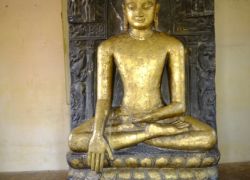
Kushinagar, a city rich in history and spirituality, is home to the serene Matha Kuar Shrine. This beautiful tourist attraction holds great significance for both locals and visitors, offering a natural environment filled with biodiversity and tourism importance. History of Matha Kuar Shrine The Matha Kuar Shrine boasts a fascinating historical background, with its origin dating back to ancient times. Once a royal hunting ground, the shrine has seen remarkable conservation efforts to preserve its natural beauty. Recognized by UNESCO, it stands as a testament to the region's rich heritage. Architecture and Natural Beauty of Matha Kuar Shrine Surrounded by wetlands, forests, and grasslands, the Matha Kuar Shrine provides a haven for bird habitats and diverse landscapes. Nestled within the park is the historical Keoladeo Temple, adding to the charm of this picturesque destination. Why is Matha Kuar Shrine Famous? The Matha Kuar Shrine is renowned for its appeal to birdwatchers, photographers, nature enthusiasts, and wildlife lovers. Its tranquil surroundings and abundance of bird species make it a paradise for those seeking to immerse themselves in nature's beauty. How to Reach Matha Kuar Shrine Traveling to Matha Kuar Shrine is convenient, with options available by air, rail, and road. Nearby airports and railway stations provide easy access to this enchanting destination, welcoming visitors from far and wide. Weather and Best Time to Visit Matha Kuar Shrine Throughout the summer, monsoon, and winter seasons, Matha Kuar Shrine showcases different facets of its natural beauty. The best time to visit varies, offering unique experiences based on the season, making each visit a memorable one. Timings of Matha Kuar Shrine Visitor timings at Matha Kuar Shrine cater to different schedules, with seasonal variations enhancing the overall experience. Understanding the timing details ensures a well-planned and enjoyable visit for all travelers. Entry Fee and Visit Details Entry procedures at Matha Kuar Shrine are straightforward, with guide services, safari options, bicycle rentals, and visitor facilities available for a seamless experience. Every visitor is provided with the necessary amenities to make their visit comfortable and memorable. Things to Do at Matha Kuar Shrine Engage in popular activities such as birdwatching, photography, cycling, walking trails, and nature observation at Matha Kuar Shrine. The diverse range of experiences caters to all interests, offering a chance to connect with nature in a meaningful way. Interesting Facts About Matha Kuar Shrine Discover fascinating facts about the migratory birds that frequent the area, the rich biodiversity that thrives within the park, the conservation achievements that have been made, and the ecological importance of preserving this natural gem. Travel Tips for Visiting Matha Kuar Shrine When visiting Matha Kuar Shrine, remember to dress appropriately, bring along photography gear, and be prepared for birdwatching excursions. Understanding the best seasons to visit and practicing responsible tourism ensures a fulfilling and sustainable travel experience. Conclusion In conclusion, Matha Kuar Shrine in Kushinagar offers a blend of history, natural beauty, and biodiversity that captivates all who visit. Its significance, combined with the immersive visitor experience, makes it a must-visit destination for travelers seeking a tranquil escape into the heart of nature.
Explore More
Welcome to Aligarh, a city known for its rich cultural heritage and educational institutions. One of the prominent attractions here is Aligarh Muslim University, a renowned educational hub that not only offers academic excellence but also boasts of a beautiful natural environment attracting tourists and nature lovers alike. History of Aligarh Muslim University Established in 1875, Aligarh Muslim University has a deep-rooted historical background with a focus on providing quality education to students from diverse backgrounds. The university, which began as the Muhammadan Anglo-Oriental College, has evolved over the years and holds significant importance in the educational landscape of India. Architecture and Natural Beauty of Aligarh Muslim University Surrounded by lush greenery and architectural marvels, Aligarh Muslim University offers a serene environment for learning and exploration. The campus features beautiful gardens, historic buildings, and a vibrant atmosphere that reflects a blend of modernity and tradition. Why is Aligarh Muslim University Famous? Aligarh Muslim University is famous for its academic excellence, cultural diversity, and picturesque campus. It is a popular destination among students, researchers, and history enthusiasts who are drawn to its heritage and intellectual vibrancy. How to Reach Aligarh Muslim University Travelling to Aligarh Muslim University is convenient with multiple transportation options available. The city is well-connected by air, rail, and road, with nearby airports and railway stations providing easy access to the university campus. Weather and Best Time to Visit Aligarh Muslim University The weather in Aligarh varies from hot summers to cool winters, making it pleasant for visitors throughout the year. The best time to visit the university is during the winter season when the weather is mild and ideal for exploring the campus. Timings of Aligarh Muslim University The university campus welcomes visitors during specific timings, allowing them to experience the academic and cultural ambiance. It is advisable to check for any seasonal variations in timings to plan your visit accordingly. Entry Fee and Visit Details Visitors can explore Aligarh Muslim University by following the designated entry procedures and availing guide services if needed. The university offers informative tours, safari options, and facilities to enhance the visitor experience. Things to Do at Aligarh Muslim University From birdwatching to capturing stunning photographs, Aligarh Muslim University offers a range of activities for nature enthusiasts. Visitors can enjoy walking trails, cycling, and engaging in educational experiences that showcase the beauty of the campus. Interesting Facts About Aligarh Muslim University Aligarh Muslim University is home to a diverse range of bird species, reflecting its commitment to biodiversity conservation. The university's efforts in preserving ecological balance and supporting migratory birds showcase its ecological significance. Travel Tips for Visiting Aligarh Muslim University When visiting Aligarh Muslim University, it is advisable to dress comfortably, carry essential photography equipment, and respect the natural surroundings. Understanding the visiting seasons and following responsible tourism practices can contribute to a memorable experience. Conclusion In conclusion, Aligarh Muslim University in Aligarh stands as a testament to academic excellence, cultural heritage, and natural beauty. Visitors can immerse themselves in the vibrant atmosphere of the campus, explore its architectural wonders, and appreciate the significance of this educational hotspot in the heart of the city.
Explore More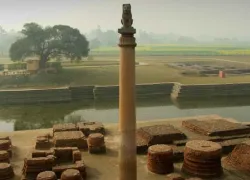
Depicting the skillful architecture practiced during the reign of the Mauryan Dynasty, Allahabad Pillar is a remarkable tourist attraction in the city. It was built in the 3rd century and has different inscriptions engraved over it. This pillar is one of the marvels that carry the edicts of Ashoka, including the teaching of dharma. At present, this pillar stands in the premises of Akbar's Fort in Allahabad which is occupied by the Indian Army. The public requires a special permission from the army authorities for viewing the pillar. It Is Known For:-1) Allahabad Pillar is crafted out of the single piece of the sandstone and stands at a height of 35 feet. It was destroyed and reconstructed many times due to the different causes2) This pillar has different inscriptions engraved on it. The inscriptions include the column of Ashoka, Samudra Gupta, and Jahangir3) At present, it is a monument of national interest and is well-preserved. It now stands in the premises of Akbar's Fort and a special permission is required from the army authorities to see the pillar Best Time To Visit:-Allahabad Pillar is a monument of national interest and is preserved by the A.S.I. Each day, it witnesses the countless tourists that arrive to catch a glimpse of this architectural marvel in Allahabad. It can be visited throughout the year. On all national holidays, the entry is restricted for all visitors. Reaching There:-With a well-established network of the roadways and railways, it becomes easier for the tourists to visit and see Allahabad Pillar located in Akbar's Fort. The local buses and cabs are available in plenty for reaching the place. Nearest Railway Station- Allahabad JunctionNearest Airport- Allahabad International Airport
Explore More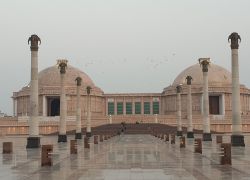
Welcome to Ambedkar Park, a serene oasis nestled in the heart of Gorakhpur. This picturesque hotspot offers a perfect blend of natural beauty, historical significance, and rich biodiversity, making it a must-visit destination for nature lovers and wildlife enthusiasts. History of Ambedkar Park Ambedkar Park holds a significant historical background as it was once the royal hunting grounds of the ancient rulers. Over the years, this sprawling expanse of land has been transformed into a conservation area to protect the rich flora and fauna it harbors. The park's dedication to wildlife preservation has garnered UNESCO recognition, highlighting its importance in the realm of environmental conservation. Architecture and Natural Beauty of Ambedkar Park The park boasts a diverse natural environment comprising wetlands, lush forests, expansive grasslands, and unique bird habitats. Visitors can marvel at the breathtaking landscapes while exploring the historical Keoladeo Temple located within the park, adding a touch of cultural charm to the natural setting. Why is Ambedkar Park Famous? Ambedkar Park is renowned for its unparalleled appeal to birdwatchers, photographers, and nature enthusiasts. The diverse avian population, including rare and migratory species, attracts wildlife lovers from around the globe seeking to witness the beauty of these winged wonders in their natural habitat. How to Reach Ambedkar Park Traveling to Ambedkar Park is convenient, with various options available including air, rail, and road. The nearest airports and railway stations provide easy access to the park, ensuring a seamless journey for visitors coming from different parts of the country. Weather and Best Time to Visit Ambedkar Park Understanding the weather conditions at Ambedkar Park is crucial for planning your visit. While summers can be hot and humid, the monsoon season brings lush greenery to the surroundings. The best time to explore the park is during the winter months when the weather is pleasant, offering an ideal setting for outdoor activities. Timings of Ambedkar Park Ambedkar Park welcomes visitors during specific timings, accommodating seasonal variations to enhance the overall experience. It is advisable to plan your visit accordingly and make the most of your time exploring the park's natural wonders. Entry Fee and Visit Details Entry to Ambedkar Park is subject to specific procedures, with guide services available for those seeking expert insights into the park's biodiversity. Additionally, safari options, bicycle rentals, and visitor facilities are provided to ensure a comfortable and enjoyable visit for all guests. Things to Do at Ambedkar Park Engage in a variety of activities at Ambedkar Park, including birdwatching, photography, cycling through designated trails, and immersing yourself in nature observation. The park offers educational experiences that allow visitors to learn about the region's ecosystem and wildlife conservation efforts. Interesting Facts About Ambedkar Park Ambedkar Park is home to a myriad of migratory birds, contributing to its rich biodiversity and ecological significance. The park's conservation achievements have been instrumental in preserving the delicate balance of the local ecosystem, making it a beacon of environmental stewardship. Travel Tips for Visiting Ambedkar Park When visiting Ambedkar Park, it is essential to dress appropriately for the weather, carry necessary photography equipment, and adhere to responsible tourism practices. Familiarize yourself with the best seasons to visit, ensuring a memorable and sustainable travel experience at this renowned tourist destination. Conclusion In conclusion, Ambedkar Park in Gorakhpur stands as a testament to the harmonious coexistence of nature and history. Visitors are invited to explore the park's diverse landscapes, witness its vibrant avian population, and immerse themselves in the tranquility of this natural haven. A trip to Ambedkar Park promises an enriching experience for all who seek solace in the lap of nature.
Explore MoreTours Of Uttar Pradesh 1N Bodhgaya - 1N Varanasi - 1N Ayodhya
4 Days/ 3 Night
Prayagraj - Varanasi - Bodhgaya - Ayodhya
Premium Kashi Spiritual Retreat - 4N - 5D Tour
5 Days/ 4 Night
Varanasi - Ayodhya
Kashi - Sarnath Spiritual Yatra - 3N - 4D
4 Days/ 3 Night
Varanasi - Sarnath
Golden Triangle - Agra - Delhi - Varanasi 3 Days Tour
3 Days/ 2 Night
Agra - Varanasi
Welcome to the serene and captivating world of Kothi Khass Baag in Rampur, a hidden gem waiting to be explored by nature enthusiasts and wildlife lovers alike. This enchanting destination offers a blend of historical significance, natural beauty, and a rich biodiversity that is sure to leave a lasting impression on every visitor. History of Kothi Khass Baag Steeped in history, Kothi Khass Baag holds a prestigious past as a former royal hunting ground that has now been transformed into a conservation area. The park's origins date back to the era of the royal families of Rampur, showcasing a seamless blend of nature and heritage. Its conservation efforts have garnered international recognition, making it a potential candidate for UNESCO World Heritage status in the future. Architecture and Natural Beauty of Kothi Khass Baag The park is a picturesque sanctuary boasting wetlands, lush forests, sprawling grasslands, and diverse bird habitats. The landscape is a harmonious fusion of natural elements and architectural wonders, with the historic Keoladeo Temple adding a touch of spirituality to the surroundings. Why is Kothi Khass Baag Famous? Kothi Khass Baag is renowned for its abundant birdlife, making it a paradise for birdwatchers and photographers. The park's natural allure attracts nature enthusiasts seeking solace amidst the vibrant ecosystem and wildlife enthusiasts keen on spotting rare species in their natural habitat. How to Reach Kothi Khass Baag Traveling to Kothi Khass Baag is convenient with options available by air, rail, and road. The nearest airports and railway stations provide easy access to this captivating destination, ensuring a hassle-free journey for visitors. Weather and Best Time to Visit Kothi Khass Baag Experience pleasant weather conditions at Kothi Khass Baag throughout the year, with each season offering a unique charm. The best time to visit varies based on personal preferences, with some opting for the lush greenery of monsoons while others prefer the crisp air of winter. Timings of Kothi Khass Baag Plan your visit to Kothi Khass Baag wisely by noting the visitor timings and any seasonal variations that may impact your experience. Stay informed about the operational hours and make the most of your time exploring this natural wonder. Entry Fee and Visit Details Embark on a memorable journey at Kothi Khass Baag by familiarizing yourself with the entry procedures, available guide services, safari options, bicycle rentals, and other visitor facilities. Ensure a smooth visit by understanding the essentials before setting foot in this enchanting park. Things to Do at Kothi Khass Baag Engage in a myriad of activities at Kothi Khass Baag, including birdwatching, photography, cycling, walking trails, nature observation, and immersive educational experiences. Delve into the heart of nature and create unforgettable memories amidst the vibrant ecosystem. Interesting Facts About Kothi Khass Baag Discover fascinating facts about Kothi Khass Baag, from the annual migration of birds to the park's crucial role in biodiversity conservation. Learn about the park's ecological significance and conservation achievements that make it a beacon of sustainability. Travel Tips for Visiting Kothi Khass Baag Prepare for your trip to Kothi Khass Baag with valuable travel tips on clothing choices, photography essentials, birdwatching equipment, ideal visiting seasons, and responsible tourism practices. Make the most of your visit while respecting the environment and wildlife around you. Conclusion In conclusion, Kothi Khass Baag in Rampur stands as a testament to the seamless harmony between nature and history, offering visitors a glimpse into a world brimming with beauty and biodiversity. Immerse yourself in the tranquility of this natural haven and create memories that will last a lifetime in the heart of [Hotspots Name], [City].
Explore More
Rampur Fort, located in the city of Rampur, is a historical marvel that attracts tourists with its rich heritage, natural beauty, and cultural significance. The fort stands as a testament to the glorious past of Rampur and offers a glimpse into the architectural splendor of a bygone era. History of Rampur Fort The history of Rampur Fort dates back to ancient times when it served as a stronghold for the local rulers. Originally built as a strategic fortification, it later transformed into a symbol of power and grandeur for the Rampur royalty. The fort's architecture reflects a blend of Mughal and Rajput styles, showcasing intricate carvings and imposing structures. Architecture and Natural Beauty of Rampur Fort Surrounded by lush greenery and scenic landscapes, Rampur Fort offers a serene retreat for nature lovers. The fort's surroundings boast of diverse flora and fauna, making it a paradise for birdwatchers and wildlife enthusiasts. Within the fort complex, visitors can explore ancient ruins, royal chambers, and panoramic views of the city. Why is Rampur Fort Famous? Rampur Fort is renowned for its historical significance and architectural grandeur. It serves as a popular destination for history buffs, photographers, and explorers seeking to unravel the mysteries of the past. The fort's well-preserved structures and captivating aura make it a must-visit spot in Rampur. How to Reach Rampur Fort Traveling to Rampur Fort is convenient, with multiple transportation options available. Visitors can reach Rampur by air, rail, or road, with nearby airports and railway stations providing easy access to the city. From Rampur city center, the fort is a short distance away, easily reachable by local transport. Weather and Best Time to Visit Rampur Fort Rampur experiences varying weather conditions throughout the year, with summer being hot, monsoon bringing rainfall, and winter offering a pleasant climate. The best time to visit Rampur Fort is during the winter months when the weather is mild, making exploration comfortable and enjoyable. Timings of Rampur Fort Rampur Fort welcomes visitors during specific timings, allowing ample time for exploration and sightseeing. The fort may have seasonal variations in timings, so it is advisable to check in advance and plan your visit accordingly. Visitors can make the most of their time at the fort by arriving during the recommended hours. Entry Fee and Visit Details Entry to Rampur Fort may require a nominal fee, which grants access to the historical site and its facilities. Guide services are available for visitors who wish to learn more about the fort's history and significance. Additionally, safari options, bicycle rentals, and other visitor facilities enhance the overall experience at Rampur Fort. Things to Do at Rampur Fort At Rampur Fort, visitors can engage in a variety of activities that cater to different interests. From birdwatching and photography to cycling and nature walks, there are ample opportunities to immerse oneself in the beauty of the surroundings. Educational experiences abound, allowing visitors to discover the cultural and natural heritage of Rampur. Interesting Facts About Rampur Fort Rampur Fort is not just a historical landmark but also a hub of biodiversity and conservation efforts. The fort's surroundings host a plethora of migratory birds, contributing to the region's ecological importance. Conservation achievements within the fort premises highlight the significance of preserving Rampur's natural heritage. Travel Tips for Visiting Rampur Fort When visiting Rampur Fort, it is advisable to dress comfortably and carry essential items such as water, sunscreen, and a camera for capturing memorable moments. Birdwatching enthusiasts should bring binoculars for a closer look at the avian species. Understanding the best visiting seasons and practicing responsible tourism ensure a fulfilling experience at Rampur Fort. Conclusion In conclusion, Rampur Fort stands as a beacon of history and nature in the heart of Rampur city. Its architectural splendor, natural beauty, and cultural significance make it a top tourist attraction for travelers seeking a blend of heritage and tranquility. A visit to Rampur Fort promises an enriching experience that resonates with the essence of Rampur's past and present.
Explore More
Welcome to Gandhi Samadhi located in the city of Rampur. This serene tourist attraction offers a unique blend of historical significance, natural beauty, and rich biodiversity, making it a must-visit destination for nature lovers and history enthusiasts alike. History of Gandhi Samadhi Steeped in historical legacy, Gandhi Samadhi holds a special place as the final resting place of Mahatma Gandhi, the revered leader of India's independence movement. Originally established as a memorial following his assassination in 1948, the site has evolved into a symbol of peace and non-violence. The lush surroundings of the park were once part of royal hunting grounds, now preserved for conservation efforts and recognized by UNESCO for its cultural and historical significance. Architecture and Natural Beauty of Gandhi Samadhi The natural environment of Gandhi Samadhi is a harmonious blend of wetlands, forests, and grasslands, creating a haven for a diverse range of bird species. Bird habitats within the park attract birdwatchers and photographers from around the world, offering mesmerizing landscapes and the historic Keoladeo Temple nestled amidst the greenery. Why is Gandhi Samadhi Famous? Gandhi Samadhi is renowned for its exceptional birdwatching opportunities, drawing nature enthusiasts and wildlife lovers to witness the captivating avian diversity. The park's tranquil ambiance and rich biodiversity make it a paradise for photographers seeking to capture the beauty of nature in its true essence. How to Reach Gandhi Samadhi Traveling to Gandhi Samadhi is convenient, with options available by air, rail, and road. The nearest airports and railway stations provide easy access to the city of Rampur, from where visitors can reach the park via well-connected road networks. Weather and Best Time to Visit Gandhi Samadhi Gandhi Samadhi experiences varying weather conditions throughout the year, with summers being hot, monsoons bringing lush greenery, and winters offering pleasant temperatures. The best time to visit is during the cooler months, from October to March, to explore the park comfortably. Timings of Gandhi Samadhi The park welcomes visitors during specified timings, with seasonal variations that may affect accessibility. Planning a visit during the early morning or late afternoon allows for optimal wildlife sightings and peaceful nature walks. Entry Fee and Visit Details Entry procedures to Gandhi Samadhi are straightforward, with guide services available for informative tours of the park. Safari options, bicycle rentals, and visitor facilities are provided to enhance the overall experience and ensure a memorable visit for all guests. Things to Do at Gandhi Samadhi Engage in a host of activities at Gandhi Samadhi, including birdwatching expeditions, photography sessions capturing the vibrant birdlife, cycling through scenic trails, walking amidst nature's serenity, and indulging in educational experiences to learn about the park's ecological significance. Interesting Facts About Gandhi Samadhi Gandhi Samadhi is home to a plethora of migratory birds that seek refuge in its tranquil surroundings, contributing to the park's rich biodiversity. The conservation efforts undertaken within the park have led to remarkable achievements in preserving the natural habitat and fostering ecological balance. Travel Tips for Visiting Gandhi Samadhi When visiting Gandhi Samadhi, it is advisable to dress comfortably for outdoor activities, carry essential photography equipment for capturing memorable moments, visit during the recommended seasons for optimal sightings, and adhere to responsible tourism practices to conserve the park's natural heritage. Conclusion In conclusion, Gandhi Samadhi in Rampur stands as a testament to India's cultural heritage and natural splendor. With its historical significance, diverse ecosystems, and immersive visitor experiences, Gandhi Samadhi offers a tranquil retreat for those seeking solace in nature's embrace.
Explore More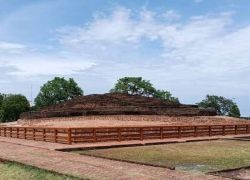
Welcome to the charming city of Sravasti, home to the renowned Piprahwa Stupa. This ancient monument holds significant historical and cultural importance, attracting visitors from around the world. Situated amidst the natural beauty of Sravasti, this stupa offers a serene escape and a glimpse into the rich heritage of the region. History of Piprahwa Stupa With a history dating back centuries, Piprahwa Stupa stands as a testament to the region's ancient past. Originally believed to be part of the former royal hunting grounds, this site has undergone extensive conservation efforts and has been recognized by UNESCO for its historical significance. Architecture and Natural Beauty of Piprahwa Stupa Surrounded by lush wetlands, verdant forests, and sprawling grasslands, Piprahwa Stupa boasts a diverse array of habitats that support a variety of bird species. The picturesque landscapes provide the perfect backdrop for the historical Keoladeo Temple located within the park, adding to its architectural charm. Why is Piprahwa Stupa Famous? Piprahwa Stupa is a favorite destination among birdwatchers, photographers, nature enthusiasts, and wildlife lovers due to its rich biodiversity and serene ambiance. The site offers a unique opportunity to observe both historical architecture and stunning natural surroundings, making it a must-visit for travelers seeking a blend of history and nature. How to Reach Piprahwa Stupa Traveling to Piprahwa Stupa is convenient, with options available by air, rail, and road. Nearby airports and railway stations provide easy access to the site, ensuring a smooth journey for visitors looking to explore this cultural gem in Sravasti. Weather and Best Time to Visit Piprahwa Stupa Throughout the year, Piprahwa Stupa offers different experiences based on the prevailing weather conditions. Summer, monsoon, and winter seasons each bring their own charm to the site, with the best months to visit typically falling during the cooler months for a more comfortable outdoor experience. Timings of Piprahwa Stupa Visitor timings at Piprahwa Stupa vary based on the season, so it's advisable to check in advance for any seasonal variations. Planning your visit accordingly will ensure you make the most of your time at this historical site. Entry Fee and Visit Details For those looking to explore Piprahwa Stupa, entry procedures are straightforward, with guide services available for a more in-depth experience. Safari options, bicycle rentals, and visitor facilities are also provided to enhance your visit and make it a memorable one. Things to Do at Piprahwa Stupa Popular activities at Piprahwa Stupa include birdwatching, photography, cycling, walking trails, and nature observation. Engage in these activities to immerse yourself in the natural beauty and historical significance of the site, creating lasting memories of your visit. Interesting Facts About Piprahwa Stupa Piprahwa Stupa is not only known for its historical and architectural value but also for its role in supporting migratory birds and preserving biodiversity. Conservation achievements at the site highlight its ecological importance and contribute to its reputation as a conservation success story. Travel Tips for Visiting Piprahwa Stupa When visiting Piprahwa Stupa, remember to dress appropriately for the weather and bring along essential photography and birdwatching equipment. Consider the best visiting seasons to make the most of your trip and practice responsible tourism by respecting the site's natural environment. Conclusion In conclusion, Piprahwa Stupa in Sravasti offers a unique blend of historical charm and natural beauty, making it a must-visit destination for travelers seeking a cultural and tranquil experience. Explore the rich history, diverse wildlife, and serene landscapes of Piprahwa Stupa for an unforgettable journey in the heart of Sravasti.
Explore More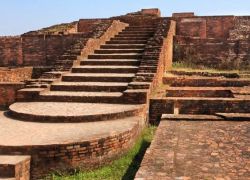
Located in the city of Sravasti, the Shravasti Ruins stand as a testament to a bygone era, offering visitors a glimpse into the rich historical and cultural heritage of the region. This archaeological site holds immense significance, not just for its historical importance but also for its natural beauty and biodiversity, making it a must-visit destination for tourists seeking a blend of history and nature. History of Shravasti Ruins The history of Shravasti Ruins dates back to ancient times when it served as a prominent center for Buddhism. Initially a royal hunting ground, it later became a significant site for the teachings of Gautama Buddha. The conservation efforts undertaken here have preserved the ruins, leading to UNESCO recognition for its historical value. Architecture and Natural Beauty of Shravasti Ruins Surrounded by wetlands, forests, and grasslands, Shravasti Ruins boasts a diverse ecosystem that supports a variety of bird species. The picturesque landscapes complement the historical remnants of the site, with the Keoladeo Temple adding a touch of spirituality to the surroundings. Why is Shravasti Ruins Famous? Shravasti Ruins have gained fame among birdwatchers, photographers, nature enthusiasts, and wildlife lovers due to the unique blend of historical ruins and natural beauty. The site offers a serene ambiance that attracts visitors seeking a peaceful retreat amidst nature. How to Reach Shravasti Ruins Traveling to Shravasti Ruins is convenient, with options available by air, rail, and road. The nearest airports are located in nearby cities, while the railway station offers easy access for those preferring train travel. Road connectivity is well-established, making it accessible by bus or car. Weather and Best Time to Visit Shravasti Ruins The weather at Shravasti Ruins varies across seasons, with summer being hot and monsoon bringing rainfall. Winter offers a pleasant climate, making it the best time to visit. The months between October and March are ideal for exploring the site. Timings of Shravasti Ruins Visitor timings at Shravasti Ruins are consistent, allowing tourists to plan their trips effectively. Seasonal variations, if any, are minimal, ensuring that visitors can enjoy the site throughout the year without major disruptions. Entry Fee and Visit Details Entry to Shravasti Ruins involves simple procedures, with guide services available for a more informative experience. Safari options, bicycle rentals, and visitor facilities cater to the needs of tourists, enhancing their overall visit to the site. Things to Do at Shravasti Ruins Engaging in activities such as birdwatching, photography, cycling, walking trails, and nature observation allows visitors to immerse themselves in the beauty of Shravasti Ruins. Educational experiences further enrich the visit, offering insights into the historical and ecological significance of the site. Interesting Facts About Shravasti Ruins Shravasti Ruins are home to a diverse range of migratory birds, showcasing the rich biodiversity of the region. The conservation efforts undertaken here have led to significant achievements in preserving the ecological balance, highlighting the importance of sustainable practices. Travel Tips for Visiting Shravasti Ruins When visiting Shravasti Ruins, it is advisable to dress comfortably and carry essential items such as cameras for photography and binoculars for birdwatching. Understanding the visiting seasons and practicing responsible tourism ensures a memorable and impactful experience at the site. Conclusion In conclusion, Shravasti Ruins in Sravasti offer a harmonious blend of history, nature, and spirituality, making it a destination that appeals to a wide range of travelers. The site's historical significance, coupled with its natural beauty, creates a unique experience that leaves a lasting impression on visitors, making it a must-visit destination for those seeking a journey back in time amidst serene surroundings.
Explore More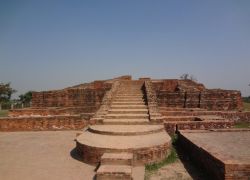
Known to be a place for spirituality, Shravasti is a city in Uttar Pradesh that offers peace and spiritual upliftment of everyone. The city is known to have been important for Buddhists, Hindus, and Jains. It was one of the largest cities in India during the time of Gautama Buddha. It holds a history that goes way back to the time of Ramayana and Mahabharata. The city has not changed its look or feel since it came into being. The ancient structures and the city’s culture and tradition have been preserved over a period of time. The city is also important due to River Rapti that flows near it. River Rapti has significant importance and linkage to Lord Buddha which makes it spiritually popular. A city is a place that is awed by many visitors and pilgrims for its stupas, temples, shrines, monasteries, etc. The History that Shravasti Holds For many who do not know much about the city, the city is known for its historical significance. The city has preserved many monuments and ancient architecture that reflects its historical background. It is a city that goes way back to the era of Buddha. During that time, the city was not only the capital of Kosala Kingdom but was also the center for religion and trade. There are many versions of the historical association on the creation of Shravasti. Some believe that the city was created by Lord Ram after he split his Kosala Kingdom for his twins, Luv and Kush. It is said that Shravasti was handed over to Luv and Kushavati was given to Kush. However, many also believe that the city named after King Shravasti during the era of Mahabharata. According to the Buddhists, the city was named after a sage known as Savattha who resided in the city. It is said that Gautama Buddha spent a part of his life in the city and loved the city during the monsoon reason. It is also said to be the birthplace of Tirthankar, who was the founder of Jainism. No matter how the city got its name, it is still a place that attracts many pilgrims across the country. Places that you Must Visit in Shravasti If you are looking for peace and serenity, then this is the city to be in. There are many places and tourist attractions that you must visit for its historical background, heritage, and spiritual touch. • Vibhuti Nath Temple: Temple is associated with Pandavas who lived in the city for a year or so. The foundation stone of the temple was laid by Pandavas. Today, many pilgrims visit the temple to worship Lord Shiva. The number of pilgrims increases during the Savan time when Lord Shiva is worshipped for his blessings. • Jetavana Monastery: The monastery is of the famous Buddhist monasteries in India. It is said that Lord Buddha spent 24 Vassas in this monastery during which time he gave many discourses and teachings to his disciples. The place is famous for Anandakuti, Anandabodhi tree, and Gandhakuti. • Sushail Dev Wildlife Sanctuary: The sanctuary is one of the oldest sanctuaries in Uttar Pradesh. The sanctuary is filled with lovely flora and fauna with few water bodies. Before it became government property, the sanctuary was owned by the Maharaja of Balrampur. It also houses the Tharu tribe who makes use of the natural resources of the forest for livelihood and survival. • Kachchi Kuti: It is one of the two mounds in Mahet and is a very significant structure that has been excavated. The inscriptions found at the bottom of the structure that goes back to the Kushana period. Even though there have been renovations in Kachchi Kuti, it still represents the ancient city. • Vipassana Meditation Centre: The centre is one of the top sites for spiritual experience. The centre is said to be the place where Buddha used to spend a lot of his time for spiritual peace. If you are looking for a place to detox yourself and get some peace, then the centre is the perfect place for you. • Anathapindika Stupa: The stupa was built by Anathapindika who was one of the leading disciples of the Buddha. He was known for his generosity towards the poor and was also known to be the wealthiest. Even though the stupa is in ruins, you can still see amazing carvings on the stupa. Thousands of people around the year visit the stupa for its architectural beauty. • Sobhnath Temple: It is another popular temple in the city that one must visit. The temple is a shrine of spirituality for Jains and is considered to be the birthplace of Lord Sambhavnath, the third Jain Tirthankar. The temple can awe with its beautiful interiors and architecture. • Pakki Kuti: It is another mound that is very famous in the city. It is said to have been erected by Prasenjit to commemorate Lord Buddha. The structure has been preserved and represents the ancient period of the Kushana period. Transportation of Reaching Shravasti Reaching the city is not very difficult as the state in which it is located is very well connected by various modes of transportation. The nearest airport to the city is the Lucknow airport, which is well connected both nationally and internationally. If you want to reach the city by train, then the nearest railway stations are located in Balrampur and Gonda. These cities are well connected and hence, you can reach Shravasti without any issue. To reach the city, some many government-operated buses and taxis ply. You can also hire private taxis to travel from the big cities to reach Shravasti. When Should you Visit the City? Uttar Pradesh has weathers that can be extremes. It can have hot summers and harsh winters. During the monsoon season, Shravasti can be humid also. Hence, the best time to visit the city is between November and March. The weather during this period is enjoyable and hence, it makes a perfect time to explore the city.
Explore More