
Gandhi Park of Dehradun is a famous park in the city of Dehradun. It is the oldest park of the city and sprawls over huge acres of land. The park is well-maintained by the authorities and has a vast lawn of the trimmed grass, a broad pavement for walking & jogging, and lot of trees that add more charm to the beauty of the park. It Is Known For:-1) Gandhi Park of Dehradun is known as the 'Oldest Park' of the city that was developed over the time2) It is known for its scenic beauty that makes it an amazing photo shoot destination as well3) Gandhi Park is equipped with different swings for the children4) This park is an ideal place for relishing a morning/evening walk. People arrive in this park for walking, jogging, and spending leisure time etc.5) There are some restaurants located within the premises of the park where one can eat the various dishes Best Time To Visit:-There is no specific season for paying a visit to the park. It is opened for the public every day throughout the year. On a daily basis, it welcomes various visitors that adore spending their leisure time in the park. However, the restaurants are closed at 5:30 pm and gates of Gandhi Park get closed at 7 pm sharp. The entry to Gandhi Park is free of cost. Reaching There:-Gandhi Park is a major landmark in the city of Dehradun. It is visited on a large scale each day. It is well-connected via roadways and railways that make it simpler for the visitors to reach the place. It can be reached by the local buses or taxis. Nearest Railway Station- Dehradun Railway StationNearest Airport- Jolly Grant Airport
Explore More
The Chila Wildlife Sanctuary, part of the Rajaji National Park is a popular destination for nature and adventure lovers. The pristine scenic beauty and rich biodiversity attracts wildlife lovers from India and abroad and has 23 species of mammals and about 315 avifauna species. Fishing in the river there is allowed with permits only.
Explore More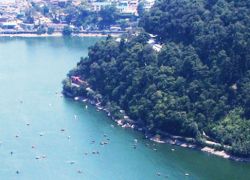
(2610 mtrs) : Naina Peak, also called, as China Peak is the tallest of all in Nainital, at a height of 2611 metres commanding the finest views of the Himalayas and an intriguing bird's-eye. On a clear day, a wide range of the snow-clad Himalayas is visible. Naini Peak is a challenging hike. One can see the Himalayan ranges, especially, East Trishul, Nanda Devi and Nandak Kot from its top.
Explore More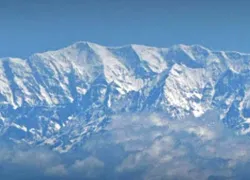
Snow View as the name suggests offers an indescribably beautiful and breath-taking picture of the glittering snows of Himalayas. It is the most easily accessible hilltop and is 2.5 Kms away from Nainital. On the top one can have a breathtaking view of Northern Himalyan ranges. There are strong binoculars from which one can see Nanda Devi (7817 m), which is second highest mountain in India. On the way from Nainital to Snow View there is a small Gadhan Kunkyop Ling Gompa of the Gelupka order.
Explore More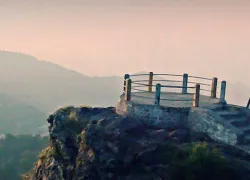
Tiffin Top aka Dorothy's Seat is a remarkable tourist attraction in Nainital. It is an appealing viewpoint and a picnic spot that a person cannot miss-out during a visit to Nainital. Tiffin Top is located in the Kumaon Himalayan foothills and is blessed with a serene environment. It draws a large number of tourists each year due to its enchanting beauty. It Is Known For:-1) Tiffin Top is known for its arresting surroundings. One can see the breathtaking view of the whole landscape of Kumaon and its hills2) It is truly an amazing place where one can succumb to nature and calm down the tired senses3) The whole area of Tiffin Top is a photographer's delight. People are often seen capturing the photographs 4) It is a place where one can experience the thrill of rock climbing and trekking. The pony rides are also available for the kids Best Time To Visit:-Tiffin Top is an arresting tourist destination in Nainital. Tourists often visit this place for spending their vacations. Excluding the monsoons, the rest of the year is regarded as the best time for spending some hours at this spot. If a person is visiting Tiffin Top during winters, it is recommended that extra woolens should be carried. Similarly, in summers, one should step-out to visit the place during the pleasant hours of the day. Reaching There:-Tiffin Top is a spectacular destination. It can be easily reached by hiring the service of the local transit like the bus or cab. Nearest Railway Station- Kathgodam Railway StationNearest Airport- Pantnagar Airport
Explore More
A new add-on in the list of every traveler's bucket list is Eco Cave Gardens. Eco Cave Gardens is a set of various caves in Nainital. These caves are said to be formed due to the seismic activity in the region and are named after the animal habitats they resemble. Visitors get fascinated once they pay a visit to these caves. It Is Known For:-1) Eco Cave Gardens is a set of interconnected caves that resemble the habitat of the different animals. These caves get narrow at the exit point and getting out from them is an experience in itself2) The caves have been renamed according to the shape of the animals they resemble. They are known as the tiger cave, panther cave, bat cave, squirrel cave, ape cave, porcupine caves etc.3) A musical fountain is also present at Eco Cave Gardens that enhances the beauty of this place Best Time To Visit:-Eco Cave Gardens attract a large number of tourists from the different directions in Nainital. These caves can be visited best during October-February. It is the period when the weather is pleasant for enjoying a day's itinerary. The entry to Eco Cave Gardens is paid for all, including the kids. Photography is also chargeable here. Reaching There:-Eco Cave Gardens is a popular tourist attraction and has a vast web of the roadways that connect it with the rest parts of the city. To reach this amazing spot, the frequent service of the local buses and taxis is available. Nearest Railway Station- Kathgodam Railway StationNearest Airport- Jolly Grant Airport
Explore More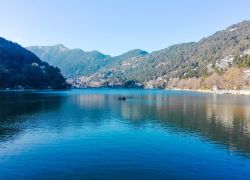
Nainital Lake, also known as Naini Lake, is the heart of the beautiful hill station Nainital, Uttarakhand. Surrounded by lush green mountains and colonial-era buildings, this natural freshwater lake is one of the most famous and picturesque tourist attractions in North India. The lake is shaped like a crescent and sits at an altitude of around 1,938 meters above sea level. Nainital Lake is not just a scenic destination but also the cultural and economic center of the town. Most hotels, markets, restaurants, and tourist activities revolve around this iconic lake. It attracts honeymoon couples, families, nature lovers, and photographers throughout the year. Why Nainital Lake is Famous? Nainital Lake is famous for its stunning natural beauty and peaceful surroundings. The reflection of surrounding hills on the calm water creates a magical view that changes with every season. It is also known for boating activities, especially paddle boats and rowing boats, which allow visitors to enjoy a close experience with nature. The lake is one of the most photographed locations in Uttarakhand. Another reason for its fame is its spiritual significance. According to mythology, the lake is associated with Goddess Naina Devi, and it is believed to be one of the 64 Shakti Peethas in India. History of Nainital Lake Nainital Lake has a deep mythological and historical background. According to Hindu legends, the lake is believed to be the place where the eyes (Nain) of Goddess Sati fell when Lord Shiva carried her body after self-immolation. This is how the name “Nainital” (lake of the eye) originated. During the British colonial period, Nainital was developed as a summer retreat, and the lake became the center of town planning. The British built walking paths, viewpoints, and buildings around the lake, transforming it into a popular hill station. Today, it stands as a blend of natural beauty, mythology, and colonial heritage. Architecture and Landscape Nainital Lake is a natural freshwater lake surrounded by seven hills, which create a bowl-shaped valley. The lake is bordered by Mall Road, colonial buildings, temples, and lush green forests. Although the lake itself is natural, human-made structures such as boating ghats, viewing points, and walkways enhance its beauty and accessibility. The nearby Naina Devi Temple adds spiritual importance to the landscape. The reflection of lights during evening time creates a mesmerizing atmosphere, making it one of the most romantic spots in India. How to Reach Nainital Lake Nainital Lake is located in the center of Nainital town and is easily accessible. By Air: The nearest airport is Pantnagar Airport, located about 70 km away. Taxis and cabs are available from the airport to Nainital. By Train: The nearest railway station is Kathgodam Railway Station, approximately 34 km from Nainital. It is well connected to Delhi and other major cities. By Road: Nainital is well connected by road to Delhi (around 300 km). Regular buses, taxis, and private vehicles are available. The drive offers scenic views of hills and valleys. Weather at Nainital Lake Nainital Lake experiences a pleasant hill station climate throughout the year. Best Time to Visit: March to June and September to November are ideal for sightseeing and boating. Summer (March to June): Pleasant weather with temperatures ranging between 10°C to 25°C. Monsoon (July to September): Heavy rainfall enhances greenery but may restrict boating activities. Winter (December to February): Cold weather with occasional snowfall in nearby areas. Timings and Entry Details Lake Visiting Hours: Open throughout the day for sightseeing. Boating Timings: Generally available from 6:00 AM to 6:00 PM. Entry Fee: No entry fee for visiting the lake area, but boating charges apply depending on boat type (paddle, rowing, or rowing with guide). Things to Do at Nainital Lake Nainital Lake offers a variety of enjoyable activities for tourists. Boating: The most popular activity, allowing visitors to explore the lake’s beauty. Walking on Mall Road: Enjoy shopping, cafes, and scenic lake views. Photography: Capture beautiful reflections, sunsets, and mountain views. Temple Visit: Visit the nearby Naina Devi Temple for spiritual experience. Cable Car Ride: Enjoy aerial views of the lake and surrounding hills. Relaxation: Sit by the lakeside and enjoy peaceful natural surroundings. Facts About Nainital Lake • Crescent-shaped natural freshwater lake. • Located at 1,938 meters altitude. • One of the most famous lakes in India. • Associated with Goddess Naina Devi mythology. • Surrounded by seven scenic hills. Tips for Visitors Visit early morning or evening for the best views and less crowd. Carry warm clothes in winter as temperatures drop significantly. Book boating tickets early during peak season. Wear comfortable footwear for walking around Mall Road. Avoid littering and maintain cleanliness around the lake. Keep your camera ready for sunset shots and reflections. Plan at least 2–3 hours to enjoy the lake properly. Conclusion Nainital Lake in Nainital, Uttarakhand is a breathtaking natural attraction that perfectly combines beauty, spirituality, and leisure. With its calm waters, scenic surroundings, and boating experiences, it remains one of the most loved hill station destinations in India. Whether you are traveling with family, friends, or as a couple, Nainital Lake offers a peaceful and unforgettable experience.
Explore More
Surrounded by the lush green vegetation and blessed with serenity in its ambiance, Bhatta Falls is a well-known tourist attraction in Mussoorie. Its picturesque beauty attracts a large number of tourists on daily basis. It is located near the Bhatta Village which is another scenic location in the region. A flying visit to Bhatta Falls during a vacation in Mussoorie is a fair deal. It Is Known For:-1) Bhatta Falls is known for its beautiful and appealing surroundings. This place is every nature lover’s delight as it is the place where one can spot different birds as well2) This waterfall is an apt place for relishing a day’s itinerary away from the hullabaloo of the city3) Bhatta Falls is also considered as an ideal place for the newly-married couples on vacation. They can enjoy a good time in each other’s company there4) This spot is also known for its cleanliness Best Time To Visit:-Bhatta Falls is a spot that is frequently visited by the tourists, as well as the locals, of Mussoorie. It serves as an amazing weekend escape for many people and thus, it has emerged as a favorite recreational spot. Though it sees a huge footfall across the year, the best time for spending some hours at Bhatta Falls is during August-December. Reaching There:-Bhatta Falls is located near the village of Bhatta. To reach Bhatta Village, tourists can avail the service of the local buses and cabs to reach the village. From the village, a short trek leads toward the tantalizing Bhatta Falls. Nearest Railway Station- Dehradun Railway StationNearest Airport- Jolly Grant Airport
Explore More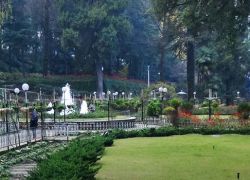
Company Garden, also known by the names of Company Bagh and Municipal Garden, is a famous park in Mussoorie. This garden is a major picnic destination and is visited by countless visitors on a daily basis. It is a beautiful place that is visited by the different age groups. Company Garden is a place to enjoy view of beautiful flowers, boat-ride on lake along with joyful activities on wings and ride which are installed for kids. It Is Known For:-1) Company Garden is a popular garden in Mussoorie because of the several colorful flowers it boasts2) A mini artificial lake is also created that enhances the charm of this garden. Visitors can enjoy the activity of boating in this lake3) Numerous swings and rides are also installed in this park for kids4) Company Garden also has a separate section that houses different flowers5) The food outlets located within the vicinity of Company Garden serve delicious and fresh snacks to the guests Best Time To Visit:-Company Garden draws a large number of tourists throughout the year that means it can be visited during any time of the year. Throughout the year, it witnesses a sizable footfall due to its popularity.The entry to the park is free, however, all the rides and other activities are chargeable. Reaching There:-Company Garden lies close to the Mall Road. It is well-connected via roadways and hence, it is convenient to reach the place. The service of the local buses, taxis, and autos is available frequently. Nearest Railway Station- Dehradun Railway StationNearest Airport- Jolly Grant Airport
Explore More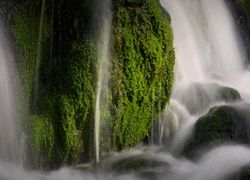
Known for its tantalizing surroundings and beauty, Mossy Falls is a must-see travel attraction in Mussoorie. Falling down from a height of 145 feet, this tourist spot lies 7 kilometers from Mussoorie. Mossy Falls is a horsetail waterfall and is surrounded by mosses that fetched the name Mossy Falls to this place. It serves as an ideal picnic spot away from the chaos of the city. People, especially trekkers, visit Mossy Falls frequently. It Is Known For:-1) Mossy Falls is known as a famous picnic spot. People visit this place on a large scale for spending a day’s itinerary2) Due to its location close to a forest, it also serves as a perfect destination for camping3) The waters of Mossy Falls spill down in six tiers in the drops of 20, 17, 19, 12, 20, and 57 feet respectively4) During the monsoons, the beauty of this waterfall doubles up and looks even enchanting Best Time To Visit:-Being a famous tourist spot, Mossy Falls is visited across the year. Whether it is the autumn or spring, it welcomes numerous visitors on a daily basis. However, the best time for visiting this waterfall is during monsoons and winters. During monsoons, the beauty of this entire place gleams as the rain showers refresh the surroundings. During winters, one can relish the fun of trekking in the forests nearby during the daytime. Reaching There:-Mossy Falls lay 7 kilometers away from the main town of Mussoorie. It can be easily reached by hiring the service of the local cabs and buses. Also, one can take lifts with a tempo and make the journey memorable. Nearest Railway Station- Dehradun Railway StationNearest Airport- Jolly Grant Airport
Explore More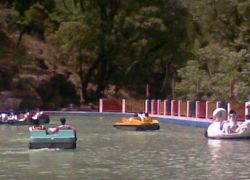
Famous for its exceptional beauty, Mussoorie Lake is a beautiful attraction in Mussoorie. It stands among one of the best tourist spots and never fails to catch the attention of visitors. This enchanting lake has a serene ambiance and has a potential to rejuvenate the tired senses. Many B-Town movies include the scenes that were shot at this alluring lake. It Is Known For:-1) Mussoorie Lake is known for its beauty. Surrounded by the hillocks and blessed with a tranquil ambiance, it is a superb place where one can succumb to nature2) This lake is a remarkable place whose beauty cannot be described in words3) In the early hours of morning, one can witness the thin blanket of mist covering the lake Best Time To Visit:-Excluding the summers, the rest of the year is appropriate for relishing a great time at Mussoorie Lake. To witness the beauty of the lake at its best, it should be visited during monsoons. The beauty of the lake is doubled. Even during winters, one can enjoy a great time doing boating in the lake. The nearby Doon Valley is another attraction that can be visited. Reaching There:-Mussoorie Lake is a famous tourist site and is visited extensively. It has a web of roadways that connect with the rest of the parts in the whole of Uttarakhand. The local transit like the bus, cab, and a jeep is available for reaching this delightful tourist spot. Nearest Railway Station- Dehradun Railway StationNearest Airport- Jolly Grant Airport
Explore More
Gun Hill is the second highest peak of Mussoorie that is beckoned by the mighty Himalayas. This hill is named the Gun Hill because it is said that to help the natives know the right time, the British army used to fire cannons. The number of cannons fired signified the time. It is an amazing tourist site and after reaching atop the hill, one can see the panoramic view of the Himalayas and the whole town of Mussoorie. It Is Known For:-1) Gun Hill is known for its scenic surroundings. Throughout the year, this hill remains shrouded in the thin blanket of mist2) It offers a panoramic view of the whole town of Mussoorie3) The other side of the hill is known for trekking. The enthusiastic trekkers can be spotted challenging their potentials there4) During the extreme winters, the entire Gun Hill gets decorated with the shining white snow and becomes a temporary skiing slope Best Time To Visit:-Being a popular travel attraction in Mussoorie, Gun Hill can be visited throughout the year. But, the best time for enjoying a good quality time is during the winters. When this hill covers itself with the white snow, it looks even appealing to the tourists. People can enjoy the cable car ride and skiing. Reaching There:-To reach Gun hill, one has to hire a taxi or a coach that reduces the time of climbing uphill. If a person wishes to see the landscape, the service of the cable car can be hired as well to reach the top. Nearest Railway Station- Dehradun Railway StationNearest Airport- Jolly Grant Airport
Explore MoreChopta Tungnath Trip
5 Days/ 4 Night
Devprayag - Chopta - Rudraprayag
Haridwar Mussoorie Jim Corbett Nainital Tour From Delhi 6 Night 7 Days
7 Days/ 6 Night
Mussoorie - Haridwar - Nainital - Corbett
Badrinath Tour Package Ex - Haridwar 3 Night 4 Days
4 Days/ 3 Night
Badrinath - Rudraprayag
Mussoorie Dehradun Tour Package From Delhi 3 Night 4 Days
4 Days/ 3 Night
Mussoorie - Dehradun

Depicting the beautiful oil painting made by Mother Nature, Jharipani Falls is an arresting location in Mussoorie. It serves as a picture perfect escape for those who adore spending time amidst nature. The white waters spill down in a rhythm as they pave their way through the boulders. Spending a few hours at this beautiful site is not a bad deal. It Is Known For:-1) Jharipani Falls is regarded as a great picnic spot. One can spot visitors spending a jolly time on weekends2) It is also known for the flora. The numerous plants that grow near it have a medicinal quality3) The venture of nature safari and camping can also be experienced near Jharipani Falls Best Time To Visit:-Whether it is summers or winters; autumn or monsoons, any weather is appropriate for spending a day’s itinerary at Jharipani falls. It can be visited throughout the year without any hassle. In the last few years, the nearby area has been developed and many food outlets have been opened to the public. Reaching There:-Being popular among visitors, Jharipani Falls witnesses a huge footfall in every season. Many people visit this place on a daily basis. Though it is well-connected by roadways and railways, one has to walk and cover a short distance to reach the waterfalls. The individual can de-board the local cab or bus at Jharipani Village and then walk towards the waterfall. Nearest Railway Station- Dehradun Railway StationNearest Airport- Dehradun Airport
Explore More
Located in the charming hill station of Mussoorie, Mall Road is a bustling promenade that offers a unique blend of natural beauty, shopping delights, and a vibrant atmosphere. This iconic street is a must-visit destination for travelers seeking a taste of the local culture, stunning views of the surrounding hills, and a leisurely stroll through the heart of the city. History of Mall Road The history of Mall Road dates back to the colonial era when it served as a recreational avenue for British officials and their families. Over the years, it has evolved into a popular shopping hub and a favorite hangout spot for locals and tourists alike. The road's historical significance is deeply intertwined with Mussoorie's development as a prominent hill station in northern India. Architecture and Natural Beauty of Mall Road Surrounded by lush greenery and offering panoramic views of the Himalayan ranges, Mall Road is a picturesque destination that seamlessly blends natural beauty with architectural charm. The road is lined with quaint shops, cozy cafes, and colonial-era buildings that exude a timeless elegance. Visitors can also explore nearby attractions such as Gun Hill and Camel's Back Road for a deeper immersion into Mussoorie's scenic wonders. Why is Mall Road Famous? Mall Road is renowned for its vibrant atmosphere and diverse offerings that cater to a wide range of interests. Birdwatchers flock to the area to catch glimpses of exotic avian species, while photographers capture the essence of Mussoorie's beauty through their lenses. Nature enthusiasts and wildlife lovers are drawn to Mall Road for its serene ambiance and the opportunity to connect with the region's rich biodiversity. How to Reach Mall Road Traveling to Mall Road is convenient, with options available by air, rail, and road. The nearest airport is Jolly Grant Airport in Dehradun, located approximately 54 kilometers away. For those traveling by train, Dehradun Railway Station is the closest major railhead. From there, visitors can easily hire taxis or use public transportation to reach Mussoorie and explore Mall Road. Weather and Best Time to Visit Mall Road The weather in Mussoorie varies across seasons, with summers offering pleasant temperatures, monsoons bringing lush greenery, and winters showcasing snowy landscapes. The best time to visit Mall Road is during the summer months from March to June when the weather is mild and ideal for outdoor activities. Timings of Mall Road Mall Road welcomes visitors throughout the day, with shops and eateries operating from morning until late evening. The street's charm is particularly enchanting during the evening when the lights illuminate the surroundings, creating a magical ambiance for a leisurely stroll or shopping spree. Entry Fee and Visit Details There is no entry fee to explore Mall Road, making it accessible to all visitors. Guided tours and bicycle rentals are available for those looking to delve deeper into the local culture and explore the surrounding areas. Additionally, visitors can enjoy the convenience of various facilities such as restrooms, eateries, and souvenir shops along the road. Things to Do at Mall Road From birdwatching and photography to cycling and leisurely walks, Mall Road offers a myriad of activities for visitors to enjoy. Nature enthusiasts can revel in the serene surroundings, while adventure seekers can embark on exciting explorations of the nearby attractions. The road's vibrant atmosphere and scenic beauty make it an ideal destination for memorable experiences. Interesting Facts About Mall Road Mall Road is home to a diverse range of migratory birds that flock to the region during the winter months, adding to the area's ecological significance. Conservation efforts in the region have helped preserve the local biodiversity, making it a hotspot for nature lovers and environmental enthusiasts. The road's historical and cultural importance further enhances its appeal among travelers seeking a deeper connection to Mussoorie's heritage. Travel Tips for Visiting Mall Road When visiting Mall Road, it is advisable to dress in layers to accommodate the changing weather conditions. Carrying a camera or binoculars is recommended for capturing the stunning vistas and spotting unique bird species. Travelers should plan their visit during the summer months for the best experience and practice responsible tourism by respecting the local environment and wildlife. Conclusion In conclusion, Mall Road in Mussoorie stands as a testament to the region's natural beauty, cultural heritage, and vibrant ambiance. Visitors to this iconic street are treated to a memorable blend of scenic landscapes, diverse activities, and a welcoming atmosphere that encapsulates the essence of Mussoorie. Whether strolling along the road's charming promenade or exploring the nearby attractions, Mall Road offers an enriching experience that resonates with travelers seeking a slice of paradise in the hills of northern India.
Explore More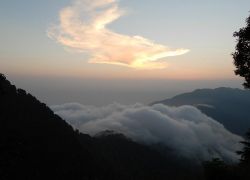
Welcome to Cloud's End, a mesmerizing tourist attraction located in Mussoorie. This enchanting destination is renowned for its natural beauty, diverse biodiversity, and serene environment, making it a must-visit location for nature enthusiasts and wildlife lovers. History of Cloud's End Cloud's End holds a rich historical background as it was once part of the royal hunting grounds of the erstwhile Maharaja of Tehri Garhwal. Over the years, concerted conservation efforts have been made to preserve the natural habitat of this area, leading to its recognition by UNESCO for its ecological significance. Architecture and Natural Beauty of Cloud's End The allure of Cloud's End lies in its lush forests, sprawling grasslands, and diverse bird habitats. Visitors can also explore the historical Keoladeo Temple nestled within the park, adding a cultural touch to the natural splendor of the surroundings. Why is Cloud's End Famous? Cloud's End is a popular destination among birdwatchers, photographers, and nature enthusiasts due to its abundance of avian species, picturesque landscapes, and tranquil ambiance that provides an ideal setting for wildlife sightings and nature photography. How to Reach Cloud's End Traveling to Cloud's End is convenient, with options available by air, rail, and road. The nearest airports are located in Dehradun and Delhi, while the closest railway station is in Dehradun. Visitors can easily access the attraction via well-connected road networks. Weather and Best Time to Visit Cloud's End Cloud's End experiences pleasant weather during the summer months, lush greenery in the monsoon season, and a snowy winter wonderland. The best time to visit is between March and June and then from September to November when the weather is mild and perfect for exploration. Timings of Cloud's End Cloud's End welcomes visitors throughout the year, with timings varying slightly based on seasonal changes. It is advisable to plan visits during the early morning or late afternoon to witness the beauty of the park at its prime. Entry Fee and Visit Details Entry to Cloud's End is subject to nominal fees, and visitors can avail guide services for a more immersive experience. Safari options, bicycle rentals, and well-equipped visitor facilities are available to enhance the overall visitation experience. Things to Do at Cloud's End Visitors to Cloud's End can engage in an array of activities such as birdwatching, photography, cycling through scenic trails, leisurely walks amidst nature, and indulging in educational experiences to learn more about the park's biodiversity and conservation efforts. Interesting Facts About Cloud's End Cloud's End is a haven for migratory birds, boasting a diverse range of avian species that find refuge in its welcoming environment. The park's conservation achievements and ecological importance further underscore its significance in preserving natural habitats. Travel Tips for Visiting Cloud's End When planning a trip to Cloud's End, it is advisable to pack appropriate clothing for varying weather conditions, carry essential photography and birdwatching equipment, visit during the recommended seasons for optimal experiences, and adhere to responsible tourism practices to conserve the park's pristine environment. Conclusion In conclusion, Cloud's End in Mussoorie stands as a testament to the harmonious blend of natural beauty, historical significance, and ecological preservation. A visit to this iconic hotspot promises a fulfilling experience for travelers seeking solace in nature's embrace and a deeper connection to the wonders of the wild.
Explore More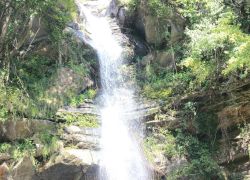
Welcome to the breathtaking Bhalu Gaad Waterfall nestled in the serene city of Mukteshwar. This enchanting tourist attraction is a haven for nature lovers, birdwatchers, and photography enthusiasts seeking an escape into the lap of natural beauty. History of Bhalu Gaad Waterfall With a rich historical background, Bhalu Gaad Waterfall holds significance as a former royal hunting ground that has been transformed into a conservation area. Efforts to preserve its biodiversity have garnered recognition, making it a cherished spot for eco-tourism enthusiasts. Architecture and Natural Beauty of Bhalu Gaad Waterfall Surrounded by lush wetlands, dense forests, and picturesque grasslands, Bhalu Gaad Waterfall is home to a myriad of bird species and offers scenic landscapes that captivate visitors. The historical Keoladeo Temple within the park adds a touch of cultural charm to its natural allure. Why is Bhalu Gaad Waterfall Famous? Bhalu Gaad Waterfall is renowned for its diverse avian population, making it a paradise for birdwatchers. Its pristine natural environment also attracts photographers, nature enthusiasts, and wildlife lovers who seek to immerse themselves in the wonders of the great outdoors. How to Reach Bhalu Gaad Waterfall Traveling to Bhalu Gaad Waterfall is convenient with options for air, rail, and road transport. Nearby airports and railway stations provide easy access to this natural gem, ensuring a hassle-free journey for visitors. Weather and Best Time to Visit Bhalu Gaad Waterfall Throughout the year, Bhalu Gaad Waterfall offers varying experiences as the seasons change. Summer brings lush greenery, while the monsoon enhances the waterfall's beauty. Winter showcases a different charm, making it essential to choose the best months for an unforgettable visit. Timings of Bhalu Gaad Waterfall Visitors can explore the wonders of Bhalu Gaad Waterfall during specific timings, with seasonal variations adding to its allure. Planning your visit accordingly ensures that you make the most of your time in this natural paradise. Entry Fee and Visit Details Entry procedures at Bhalu Gaad Waterfall are straightforward, with guide services and safari options available for a more immersive experience. Bicycle rentals and visitor facilities cater to the needs of guests, ensuring a comfortable and enjoyable visit. Things to Do at Bhalu Gaad Waterfall Engage in a host of activities at Bhalu Gaad Waterfall, including birdwatching, photography, cycling, and walking trails. Immerse yourself in nature observation and educational experiences that offer a deeper understanding of the park's biodiversity and ecological significance. Interesting Facts About Bhalu Gaad Waterfall Bhalu Gaad Waterfall is home to a plethora of migratory birds, showcasing the rich biodiversity and conservation efforts that have made it a sustainable eco-tourism destination. Its ecological importance and conservation achievements highlight the park's dedication to preserving natural habitats. Travel Tips for Visiting Bhalu Gaad Waterfall When visiting Bhalu Gaad Waterfall, remember to dress appropriately for the weather, carry essential photography and birdwatching equipment, and choose the right season for your trip. Responsible tourism practices ensure the park's sustainability and protection for future generations. Conclusion In conclusion, Bhalu Gaad Waterfall in Mukteshwar stands as a testament to the beauty of nature and the importance of conservation. Its blend of historical charm, natural splendor, and abundant biodiversity offers visitors a unique and unforgettable experience in the heart of nature.
Explore More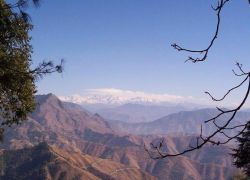
Dhanaulti's Deoban is a hidden gem nestled amidst the lush greenery of the Himalayas, offering a serene escape for nature lovers and adventure seekers. The tranquil ambiance and breathtaking views make Deoban a must-visit destination for those seeking solace in the lap of nature. History of Deoban Deoban holds a rich historical legacy as it was once a royal hunting ground for the erstwhile rulers. Over the years, efforts have been made to conserve its natural beauty and biodiversity, leading to its recognition by UNESCO for its ecological importance. Architecture and Natural Beauty of Deoban The natural environment of Deoban is a picturesque blend of wetlands, dense forests, sprawling grasslands, and diverse bird habitats. The historic Keoladeo Temple within the park adds a touch of architectural charm to the scenic landscapes. Why is Deoban Famous? Deoban is renowned for its diverse bird species, making it a paradise for birdwatchers and photographers. The area's untouched natural beauty attracts nature enthusiasts and wildlife lovers seeking a close encounter with the Himalayan flora and fauna. How to Reach Deoban Traveling to Deoban is convenient, with options available by air, rail, and road. The nearest airports are located in Dehradun and Delhi, while the closest railway station is in Rishikesh. From there, a scenic drive through picturesque landscapes will lead you to the tranquil environs of Deoban. Weather and Best Time to Visit Deoban Deoban experiences pleasant weather throughout the year, with summers being mild, monsoons rejuvenating the greenery, and winters offering a snowy charm. The best time to visit Deoban is during the spring and autumn months when the weather is ideal for outdoor activities. Timings of Deoban Deoban welcomes visitors during specific timings, allowing them to explore the natural wonders at their own pace. It is advisable to check for any seasonal variations in timings to plan your visit effectively and make the most of your experience. Entry Fee and Visit Details Visitors to Deoban can avail entry by following the prescribed procedures and may opt for guide services to enhance their exploration. Safari options, bicycle rentals, and well-equipped visitor facilities ensure a comfortable and enjoyable visit to this pristine natural paradise. Things to Do at Deoban At Deoban, there are numerous activities to indulge in, including birdwatching, photography, cycling through the scenic trails, walking amidst the verdant landscapes, and observing the diverse flora and fauna. Educational experiences await those curious about the ecological wonders of the region. Interesting Facts About Deoban Deoban is a haven for migratory birds, boasting a rich biodiversity that has been conserved through dedicated efforts. The park's ecological significance and conservation achievements make it a unique destination for eco-conscious travelers. Travel Tips for Visiting Deoban When visiting Deoban, it is advisable to dress in layers to adapt to changing weather conditions, carry suitable photography and birdwatching equipment, plan your visit during the recommended seasons, and practice responsible tourism by respecting the natural environment. Conclusion In conclusion, Deoban in Dhanaulti stands out as a pristine natural retreat where visitors can immerse themselves in the beauty of the Himalayan landscapes, observe diverse bird species, and experience the tranquility of untouched wilderness. A visit to Deoban promises a rejuvenating escape into the heart of nature.
Explore More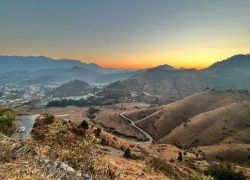
Chandak Hill in Pithoragarh, a mesmerizing tourist attraction nestled in the heart of the Himalayas, offers a serene retreat for nature lovers and adventure seekers. This picturesque hill station is renowned for its natural beauty, rich biodiversity, and stunning landscapes that captivate visitors from around the globe. History of Chandak Hill The history of Chandak Hill dates back to ancient times when it served as a former royal hunting ground for the local rulers. Over the years, concerted conservation efforts have transformed this region into a thriving sanctuary for wildlife. The park's remarkable biodiversity and conservation initiatives have earned it recognition from UNESCO for its ecological significance. Architecture and Natural Beauty of Chandak Hill Chandak Hill boasts a diverse ecosystem comprising lush wetlands, dense forests, sprawling grasslands, and vibrant bird habitats. The historical Keoladeo Temple, a architectural gem located within the park, adds a touch of cultural richness to the natural landscape, making it a truly enchanting destination for visitors. Why is Chandak Hill Famous? Chandak Hill is famous for being a paradise for birdwatchers, photographers, nature enthusiasts, and wildlife lovers. Its unique blend of natural beauty and diverse wildlife attracts visitors who seek to immerse themselves in the tranquility of the Himalayan wilderness. How to Reach Chandak Hill Traveling to Chandak Hill is convenient, with various options available by air, rail, and road. The nearest airports are located in Pantnagar and Dehradun, while the Kathgodam railway station provides easy access by train. Road connectivity is excellent, with well-maintained highways leading to the hill station. Weather and Best Time to Visit Chandak Hill Chandak Hill experiences pleasant weather throughout the year, with distinct seasons of summer, monsoon, and winter. The best time to visit is during the months of March to June when the weather is mild and ideal for outdoor activities, offering visitors a chance to explore the natural beauty of the region. Timings of Chandak Hill Chandak Hill welcomes visitors throughout the year, with varying timings based on seasonal changes. It is advisable to check the official website for updated information on visitor timings and plan your trip accordingly to make the most of your visit. Entry Fee and Visit Details Entry to Chandak Hill requires a nominal fee, with options for guide services, safari expeditions, bicycle rentals, and visitor facilities available within the park. Visitors can explore the park at their own pace or opt for guided tours to enhance their experience and learn more about the region's flora and fauna. Things to Do at Chandak Hill Visitors to Chandak Hill can indulge in a variety of activities, including birdwatching, photography, cycling, walking trails, nature observation, and engaging in educational experiences. The hill station offers a plethora of opportunities to reconnect with nature and discover the hidden treasures of the Himalayas. Interesting Facts About Chandak Hill Chandak Hill is home to a diverse range of migratory birds, rare species of flora and fauna, and has been at the forefront of successful conservation efforts. Its ecological importance cannot be understated, making it a critical sanctuary for preserving the region's natural heritage. Travel Tips for Visiting Chandak Hill When visiting Chandak Hill, it is advisable to dress in layers to prepare for fluctuating temperatures, carry essential photography equipment, and practice responsible tourism by respecting the park's rules and regulations. Plan your visit during the recommended seasons to make the most of your trip and leave behind only footprints. Conclusion In conclusion, Chandak Hill in Pithoragarh stands as a testament to the unspoiled beauty of the Himalayas, offering visitors a unique opportunity to immerse themselves in nature's wonders. With its rich history, diverse wildlife, and stunning landscapes, Chandak Hill continues to enchant and inspire all who venture to explore its pristine surroundings.
Explore More
Rishikesh, often referred to as the "Adventure Capital of India," is a prime destination for white-water rafting. Located on the banks of the holy Ganges, it offers an adrenaline-pumping experience amidst breathtaking natural beauty. Rafting in Rishikesh caters to all levels, from beginners to seasoned adventurers, with thrilling rapids ranging from grade I to grade IV. The most popular rafting stretches include the 9-km route from Shivpuri to Rishikesh, which includes some intense rapids like "Roller Coaster" and "Golf Course." The scenic surroundings, lush forests, and serene beaches along the river add to the experience, making it not just a thrilling sport but also a chance to connect with nature. Experienced guides ensure safety, providing the necessary gear and instructions. Beyond rafting, Rishikesh is also known for yoga, spirituality, and its stunning temples, making it a holistic getaway for adventure enthusiasts and peace seekers alike.
Explore More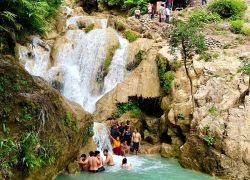
Neer Garh Waterfall is one of the most beautiful natural attractions near Rishikesh, Uttarakhand. Surrounded by lush green forests and rocky hills, this waterfall is a peaceful escape for nature lovers, trekkers, photographers, and adventure seekers. The fresh mountain water, scenic trekking route, and tranquil environment make it a must-visit destination in Rishikesh. About Neer Garh Waterfall Neer Garh Waterfall is a multi-tier waterfall located about 6–7 km from Lakshman Jhula in Rishikesh. The waterfall is formed by a small mountain stream that flows through dense forests and rocky cliffs before joining the Ganges River. It is divided into two main levels, offering visitors different scenic spots to relax and enjoy nature. Neer Garh is a perfect example of natural beauty in the Himalayan foothills, where visitors can enjoy trekking, swimming in natural pools, and peaceful surroundings away from city noise. History and Significance Neer Garh Waterfall does not have ancient man-made history, as it is a natural formation. However, it holds cultural and spiritual significance due to its proximity to Rishikesh, which is known as the “Yoga Capital of the World.” Locals believe that natural water bodies like Neer Garh carry pure Himalayan energy, making them ideal places for meditation and relaxation. Over time, it has become a popular tourist attraction for both Indian and international visitors. Why Neer Garh Waterfall is Famous Neer Garh Waterfall is famous for its crystal-clear water, scenic trekking trail, and peaceful environment. The waterfall is surrounded by dense forest, making it a perfect spot for nature photography and relaxation. It is also popular among adventure lovers who enjoy short trekking routes, rock hopping, and natural swimming pools formed at different levels of the waterfall. Entry and Visit Details Entry Fee: ₹30–₹50 per person (approx.) Timings: 6:00 AM to 6:00 PM Best Time to Visit: September to June Visitors should note that trekking is required to reach the waterfall, and the path includes stairs and forest trails. How to Reach Neer Garh Waterfall By Air: The nearest airport is Jolly Grant Airport in Dehradun, about 35 km from Rishikesh. From there, taxis and cabs are available to reach the waterfall base point. By Train: Rishikesh Railway Station is the nearest railhead, located around 8–10 km away. From the station, visitors can hire taxis or autos. By Road: Neer Garh Waterfall is easily accessible from Rishikesh city via local taxis, bikes, or shared vehicles. The last stretch requires a short trek. Weather and Best Time to Visit Neer Garh Waterfall experiences pleasant weather most of the year, making it suitable for travel and trekking. Summer (March to June): 20°C to 35°C – Ideal for sightseeing and trekking Monsoon (July to August): Heavy rainfall; trekking paths may become slippery Winter (November to February): 8°C to 20°C – Cool and refreshing weather The best time to visit is during the post-monsoon and winter months when the waterfall is full and surroundings are lush green. Things to Do at Neer Garh Waterfall • Trek through scenic forest trails • Enjoy natural swimming pools at different levels • Photography of waterfalls and greenery • Relax in peaceful natural surroundings • Explore nearby cafes and viewpoints • Birdwatching and nature walks Interesting Facts About Neer Garh Waterfall • It is one of the most visited waterfalls near Rishikesh • The waterfall has multiple levels with natural pools • Surrounded by dense Himalayan forests • Popular among backpackers and adventure travelers • Known for its clean and refreshing mountain water Travel Tips for Visitors • Wear comfortable trekking shoes with good grip • Carry water and light snacks for the trek • Avoid visiting during heavy rainfall due to slippery paths • Do not litter; maintain cleanliness of the natural site • Be careful while swimming in natural pools • Visit early morning for fewer crowds and better experience Conclusion Neer Garh Waterfall is a perfect blend of adventure, nature, and peace. Its scenic trekking route, refreshing water pools, and lush green surroundings make it one of the most beautiful natural attractions in Rishikesh. Whether you are a nature lover, photographer, or adventure seeker, visiting Neer Garh Waterfall offers a refreshing and unforgettable experience in the lap of the Himalayas.
Explore More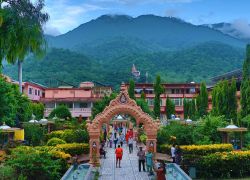
Parmarth Niketan Ashram in Rishikesh is one of India’s most renowned spiritual institutions, offering a serene environment specifically designed for inner healing and spiritual growth. Located on the holy banks of the Ganges, it serves as a "spiritual haven" for seekers from all over the world. Introduction & Philosophy Parmarth Niketan literally translates to "An Abode Dedicated to the Welfare of All." As the largest ashram in Rishikesh, it blends traditional spiritual simplicity with modern amenities. It is famous for its vibrant gardens, peaceful atmosphere, and its commitment to providing a space where visitors can rejuvenate their body, mind, and spirit through connection with the Divine. Location The ashram is situated in the Swargashram area of Rishikesh, Uttarakhand. It sits directly on the banks of the River Ganga, nestled in the lap of the lush Himalayas. Operating Hours General Ashram Hours: Typically open daily from 7:00 AM to 8:00 PM for visitors. Reception/Check-in: The reception office is usually open from 8:00 AM to 8:00 PM. Daily Schedule: 5:00 AM – 6:00 AM: Morning Prayers (Prathana) 6:00 AM – 7:00 AM: Morning Yoga Class 5:00 PM – 5:45 PM: Meditation Sunset (approx. 6:00 PM – 7:00 PM): The world-famous Ganga Aarti, which is the highlight of the day. Who Can Visit? The ashram is open to everyone, regardless of race, gender, nationality, religion, or caste. However, those wishing to stay overnight are expected to be true pilgrims who are there to engage in sadhana (spiritual practice), meditation, and seva (selfless service). Why Visit? Spiritual Immersion: The daily rhythm of yoga, meditation, and satsang (spiritual discourse) is designed to sweep away internal stress and provide clarity. Ganga Aarti: Attending the sunset ceremony on the riverbanks is considered a deeply transformative and soul-stirring experience. Ayurveda & Nature Cure: The ashram has dedicated facilities for Ayurvedic treatments and natural healing techniques to detoxify the body. Sacred Environment: The constant sound of Sanskrit chants and the presence of the holy river create a unique "healing energy" conducive to introspection. Charges & Fees Entry: Visiting the ashram and attending the Ganga Aarti is free of charge. Yoga Classes: Drop-in classes are often held on a donation basis (give what you feel comfortable with). Accommodation: While the ashram is not a commercial hotel, it provides rooms for pilgrims. Suggested donations for rooms generally range from ₹500 to ₹2,000 per day, depending on the room type (standard vs. air-conditioned). These contributions support the ashram’s charitable works. Best Time to Visit Peak Season: Early October to March is ideal. The weather is cool and pleasant, making it comfortable for outdoor meditation and yoga. Special Event: The first week of March is particularly significant as the ashram hosts the International Yoga Festival. Avoid: The monsoon season (July to September) can bring heavy rains and travel disruptions. How to Reach By Air: The nearest airport is Jolly Grant Airport (Dehradun), about 35 km away. From there, you can take a taxi to Rishikesh. By Train: The Rishikesh Railway Station is about 5-6 km away. Local Access: By Foot: You can walk across the iconic Ram Jhula suspension bridge and walk about 1 km to reach the ashram. By Boat: Local boats ferry people across the Ganga from the main town to the Swargashram side (except during monsoon). By Road: You can take a taxi or auto-rickshaw directly to the ashram via the Veerbhadra Road route. Important Guidelines Dress Code: Visitors must dress modestly (shoulders and knees covered) to respect the sanctity of the space. Dietary Restrictions: Smoking, alcohol, drugs, and non-vegetarian food (including eggs) are strictly prohibited on the premises. Conduct: Silence and discipline are encouraged, especially in meditation halls and during prayers.
Explore More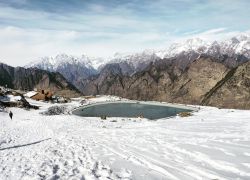
Chenab Lake is a stunning glacial lake located in the Auli region of Uttarakhand, nestled in the lap of the Garhwal Himalayas. This picturesque lake is an unspoiled gem that remains relatively unexplored by tourists. Situated amidst dense forests and towering snow-covered peaks, Chenab Lake offers a serene and peaceful environment for travelers seeking an escape into nature. The lake is an ideal spot for trekkers, nature lovers, and adventure enthusiasts. Auli, famous for its ski slopes, is the nearest popular destination to Chenab Lake and provides easy access to the lake. How to Reach Chenab Lake, Auli Chenab Lake is located in a remote part of Uttarakhand, but it is accessible via a scenic trek from Auli. Here’s how you can reach the lake: By Air: The nearest airport to Auli is Jolly Grant Airport, located in Dehradun, about 280 km from Auli. From the airport, you can hire a taxi or take a bus to reach Joshimath, the town closest to Auli. From Joshimath, you can travel to Auli by road, and the trek to Chenab Lake begins from Auli. By Train: The nearest railway station is Haridwar, located approximately 270 km from Auli. Haridwar is well-connected to major cities, and from there, you can hire a taxi or take a bus to reach Joshimath. The last stretch to Auli can be covered by road or cable car. By Road: Auli is well-connected by road to major towns in Uttarakhand. The drive from Rishikesh to Auli takes about 10 hours and offers mesmerizing views of the mountains and valleys. After reaching Auli, you can begin your trek to Chenab Lake, which takes around 3-4 days, depending on the route and pace. Weather in Chenab Lake, Auli Chenab Lake, being situated in the higher altitudes of the Garhwal Himalayas, experiences a high-altitude climate, which can be extreme at times. Here’s a breakdown of the weather throughout the year: Summer (April to June): The weather during summer is pleasant with daytime temperatures ranging from 12°C to 20°C, making it the ideal time for trekking and exploring the surrounding areas. Monsoon (July to September): The monsoon season brings heavy rainfall to the region, making it unsafe for trekking. Landslides and roadblocks are common, so it is best to avoid this season. Winter (October to March): Winters are extremely cold, with temperatures plunging below freezing. The region experiences heavy snowfall, creating a magical winter wonderland. However, this also makes trekking challenging and requires proper preparation for the cold. Why Chenab Lake and Auli are Famous Chenab Lake and Auli are famous for their natural beauty, adventure activities, and serene environment: Chenab Lake: Chenab Lake is relatively unexplored, making it an off-the-beaten-path destination. It is famous for its pristine beauty and is a perfect spot for nature lovers and trekkers. The lake is surrounded by thick forests, and the scenic views of the Garhwal Himalayan peaks make it an unforgettable experience. Auli: Auli is well-known for its skiing resorts, making it a popular winter destination. The Auli ski slopes are one of the best in India, attracting skiing enthusiasts from around the world. Auli is also famous for the Auli Cable Car, one of the longest cable cars in Asia, offering spectacular views of the surrounding mountains. Entry and Visit Details Chenab Lake does not have an entry fee, but access to the lake requires a trek, which is physically demanding and should be undertaken with caution. The trek is usually organized through local trekking agencies who provide guides and necessary equipment. The best time to visit is from April to June and September to November when the weather is more favorable for trekking. History and Architecture Chenab Lake is a natural glacial lake formed by the melting of glaciers in the surrounding mountains. It holds significant religious importance for some locals, as many believe that the lake is sacred. The region around the lake has been largely untouched by commercialization, retaining its natural charm. While there is no prominent architecture around the lake, the surrounding areas of Auli and Joshimath feature traditional Garhwali architectural styles, with temples and ashrams that reflect the region's cultural heritage. Things to Do in Chenab Lake, Auli The area around Chenab Lake and Auli offers a variety of activities for nature lovers, adventure seekers, and spiritual enthusiasts: Trekking: The trek to Chenab Lake is the main attraction of the area. It offers an exciting and challenging experience through dense forests and rugged terrains. The trek provides breathtaking views of the snow-capped mountains and valleys. Skiing in Auli: Auli is renowned for its ski slopes, which are among the best in India. Whether you are a beginner or an experienced skier, Auli has slopes suitable for all levels. Visit Auli Cable Car: The Auli Cable Car offers panoramic views of the snow-covered peaks, making it a must-do activity for visitors to Auli. It connects Auli with Joshimath and offers an aerial view of the beautiful surroundings. Camping: For adventure enthusiasts, camping near Chenab Lake is a unique experience. The clear skies and serene surroundings make it an ideal place for stargazing and enjoying the natural beauty. Photography: The lake, with its stunning surroundings, is a perfect location for photography. The vistas of snow-capped peaks, the lake’s reflection, and the lush greenery provide endless opportunities for capturing the essence of the Himalayas. Facts about Chenab Lake, Auli Chenab Lake is a hidden gem located in the Garhwal region, and it remains relatively unexplored compared to other famous lakes in Uttarakhand. The lake is situated at an altitude of around 4,000 meters above sea level, making it a challenging destination for trekkers. The water of the lake is crystal clear, and it is surrounded by alpine vegetation, including oak and rhododendron trees. Chenab Lake is located close to some of the highest peaks of the Garhwal Himalayas, including Nanda Devi, which is India’s second-highest peak. Tips for Visiting Chenab Lake, Auli Ensure that you are physically fit before attempting the trek to Chenab Lake, as the journey can be challenging, especially at higher altitudes. Carry proper trekking gear, including warm clothing, sturdy shoes, and a good backpack. It is advisable to go with a local guide or a trekking group for safety, as the route to the lake can be difficult to navigate. Check the weather forecast before your trip to avoid monsoon season or heavy snowfall, which may make the trek unsafe. Pack enough water and snacks for the trek, as facilities along the route may be scarce. Don’t forget to carry a camera to capture the stunning views of the lake and surrounding mountains.
Explore More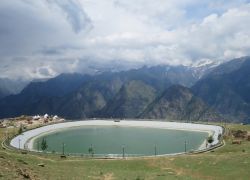
Auli Artificial Lake is one of the prime attractions in Auli, located in the Chamoli district of Uttarakhand. The lake, created at an altitude of 2,500 meters, is a man-made marvel that plays a vital role in facilitating winter sports, especially skiing. This lake serves as a water reservoir used for artificial snow-making on the ski slopes during the winter months. It is not only an engineering feat but also adds a unique charm to the picturesque landscapes of Auli, making it a must-visit destination for tourists, especially those interested in adventure sports and nature's beauty. How to Reach Auli Artificial Lake, Auli Reaching Auli Artificial Lake involves traveling to Auli, and then a short walk or drive from the main town to the lake. Here’s how you can reach Auli and the lake: By Air: The nearest airport to Auli is Jolly Grant Airport in Dehradun, approximately 280 km away. From the airport, you can hire a taxi or take a bus to Joshimath, which is the closest town to Auli. After reaching Joshimath, you can take a taxi or the Auli Ropeway to reach Auli. Once in Auli, the artificial lake is easily accessible by foot or by a short drive. By Train: The nearest railway station to Auli is Haridwar, which is around 270 km from Auli. Trains from major cities like Delhi, Mumbai, and Kolkata regularly connect to Haridwar. From Haridwar, you can take a bus or taxi to Joshimath and proceed to Auli. By Road: Auli is well-connected by road to Rishikesh, Dehradun, and other cities in Uttarakhand. The drive from Rishikesh to Auli takes approximately 10-12 hours and provides beautiful views of the mountains and valleys. After reaching Auli, the lake is just a short distance away, accessible via a local taxi or a short hike from the town center. Weather in Auli, Uttarakhand The weather in Auli is influenced by its high-altitude location in the Garhwal Himalayas. Here's an overview of the seasonal conditions in Auli, particularly around the artificial lake: Summer (April to June): The summer months are mild and pleasant, with temperatures ranging from 10°C to 20°C. This is an excellent time for sightseeing, trekking, and exploring the beautiful surroundings of the artificial lake. Monsoon (July to September): Auli experiences heavy rainfall during the monsoon, and it is not recommended to visit during this period. The rainfall can lead to slippery trails and landslides, which can disrupt travel plans. Winter (October to March): Winters are cold, with temperatures dropping below freezing, especially in December and January. The region is covered with snow, making it perfect for skiing and other snow activities. The artificial lake is used for snow-making during this time to ensure good skiing conditions. However, visitors should be prepared for extreme cold and heavy snowfalls. Why Auli Artificial Lake is Famous Auli Artificial Lake is famous for its unique role in promoting winter sports in the region. The lake is primarily used for creating artificial snow, which is essential for maintaining the ski slopes of Auli during the winter months. The ski slopes in Auli are among the best in India, and the artificial lake ensures that they remain open even during mild snowfall. Besides its functional importance, the lake adds to the natural beauty of Auli, surrounded by snow-capped peaks and lush alpine forests. The combination of adventure sports and scenic views makes Auli Artificial Lake a popular tourist destination. Entry and Visit Details about Auli Artificial Lake, Auli There is no specific entry fee for Auli Artificial Lake, but access is typically through the Auli ski resort area. The lake can be visited during the day, with the best time to go being from October to March when the snow covers the landscape and the artificial snow-making is in full operation. Visitors can access the lake via the Auli Ropeway or by driving from Auli’s main town. Auli is generally a year-round destination, but the lake's main attraction lies in its snow-making capabilities during the winter season. History and Architecture of Auli Artificial Lake The Auli Artificial Lake was constructed to meet the increasing demand for artificial snow-making on the ski slopes. The lake was created in 2005 as part of a larger effort to make Auli a premier skiing destination in India. The lake is designed to capture and store water, which is then pumped to the ski slopes during the winter months to generate artificial snow. The infrastructure surrounding the lake includes pipes, snow guns, and reservoirs that contribute to making the slopes ideal for skiing. The artificial lake is an important aspect of the Auli Ski Resort's success, ensuring that the slopes are maintained in the best possible condition, even in seasons with minimal natural snowfall. Things to Do Near Auli Artificial Lake Auli is a hub for various outdoor activities, and visiting the Auli Artificial Lake offers a perfect combination of adventure and scenic beauty. Some of the top things to do near the lake include: Skiing: Auli is one of the best skiing destinations in India. The artificial lake ensures a good supply of snow, which is crucial for maintaining the ski slopes. Skiing enthusiasts from all over the world come to Auli to experience its well-maintained slopes. Trekking: There are several trekking routes around Auli, including the trek to Gorson Bugyal, which is a beautiful high-altitude meadow offering panoramic views of the surrounding peaks. Other treks include the Nanda Devi trek, which passes through some of the most scenic landscapes in the region. Snowboarding: For those who enjoy snowboarding, Auli provides some of the best slopes in India. Snowboarding competitions are also held here during the winter months. Photography: The picturesque views surrounding the artificial lake, with snow-capped peaks and lush meadows, make Auli a perfect destination for photographers. Whether you're capturing the snow-covered slopes or the clear blue skies, Auli provides a perfect backdrop for stunning photographs. Camping: For adventure lovers, camping in Auli is a great way to experience the serene beauty of the region. Set up a tent near the artificial lake or in the meadows and enjoy the tranquil environment. Facts About Auli Artificial Lake, Auli The Auli Artificial Lake is located at an altitude of 2,500 meters, making it one of the highest man-made lakes in India. The lake was created to help maintain the snow cover on Auli’s ski slopes, making it a critical part of the ski resort’s infrastructure. The lake has a capacity of around 15,000 cubic meters of water, which is pumped onto the ski slopes during the winter season to produce artificial snow. The artificial lake is surrounded by snow-capped peaks, including Nanda Devi and Nanda Kot, providing a breathtaking backdrop for visitors. Tips for Visiting Auli Artificial Lake, Auli Dress warmly, especially during the winter months, as temperatures can drop well below freezing. If you are planning to visit the lake during the snow season, make sure to check weather conditions in advance, as heavy snowstorms can sometimes disrupt travel. Book your accommodations and ski passes in advance, especially during peak seasons (December to February), as Auli gets crowded during this time. Carry a camera to capture the stunning views around the artificial lake and the surrounding snow-capped peaks. For skiing and snowboarding, ensure that you have the proper equipment or rent it from local shops in Auli.
Explore More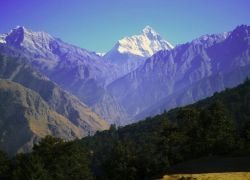
Welcome to Gurso Bugyal, nestled in the picturesque city of Auli, a hidden gem waiting to be explored by nature enthusiasts and adventure seekers alike. This stunning tourist attraction offers a serene escape into the lap of nature, surrounded by lush greenery, breathtaking landscapes, and an abundance of wildlife. History of Gurso Bugyal The history of Gurso Bugyal dates back to ancient times when it served as a former royal hunting ground for the local rulers. Over the years, efforts have been made to conserve the natural beauty and biodiversity of this region, leading to its recognition by UNESCO for its ecological significance and conservation efforts. Architecture and Natural Beauty of Gurso Bugyal Gurso Bugyal is renowned for its vast expanse of wetlands, dense forests, rolling grasslands, and diverse bird habitats. The park is also home to the historic Keoladeo Temple, adding a touch of spirituality to its natural charm. Why is Gurso Bugyal Famous? Gurso Bugyal has gained popularity among birdwatchers, photographers, and wildlife lovers due to its rich biodiversity and unique landscapes. Visitors are drawn to the park for its tranquil ambiance and the opportunity to witness a wide variety of bird species in their natural habitat. How to Reach Gurso Bugyal Traveling to Gurso Bugyal is convenient by air, rail, and road. The nearest airport is located in Dehradun, while the closest railway station is in Haridwar. From there, visitors can easily reach Auli by road and further explore the beauty of Gurso Bugyal. Weather and Best Time to Visit Gurso Bugyal Gurso Bugyal experiences pleasant weather conditions during the summer and monsoon seasons, making it an ideal time to visit for nature lovers. The best months to explore the park are from April to June and September to November when the weather is favorable for outdoor activities. Timings of Gurso Bugyal The park is open to visitors throughout the year, with timings varying based on seasonal changes. It is recommended to plan your visit during the early morning or late afternoon to make the most of your experience at Gurso Bugyal. Entry Fee and Visit Details Visitors can enter Gurso Bugyal by following the designated entry procedures and avail guide services for a more immersive experience. The park offers safari options, bicycle rentals, and various visitor facilities to ensure a comfortable and enjoyable visit. Things to Do at Gurso Bugyal Explore the wonders of Gurso Bugyal by engaging in popular activities such as birdwatching, photography, cycling, walking trails, and nature observation. Immerse yourself in the beauty of the surroundings and take part in educational experiences to learn more about the local flora and fauna. Interesting Facts About Gurso Bugyal Gurso Bugyal is a haven for migratory birds, boasting a diverse range of species that attract birdwatchers from around the world. The park's conservation efforts have led to significant achievements in preserving the local ecology, making it a valuable sanctuary for wildlife. Travel Tips for Visiting Gurso Bugyal When visiting Gurso Bugyal, remember to dress appropriately for the weather, carry essential photography and birdwatching equipment, and plan your trip during the recommended seasons. Practice responsible tourism by respecting the park's rules and regulations to help preserve its natural beauty for future generations. Conclusion In conclusion, Gurso Bugyal in Auli is a paradise for nature lovers, offering a harmonious blend of natural beauty, biodiversity, and tranquility. Whether you are a bird enthusiast, a photography lover, or simply seeking a peaceful retreat in the lap of nature, Gurso Bugyal promises an unforgettable experience that will leave you in awe of its wonders.
Explore MoreJim Corbett With Jeep Safari Tour Package From Delhi 2 Night 3 Days
3 Days/ 2 Night
Corbett - Nainital
Haridwar Rishikesh Tour Package From Delhi 2 Night 3 Days
3 Days/ 2 Night
Haridwar - Rishikesh
Mussoorie - Rishikesh 4N - 5D Tour
5 Days/ 4 Night
Mussoorie - Rishikesh
Uttarakhand Explorer 6N - 7D Tour
7 Days/ 6 Night
Mussoorie - Nainital - Rishikesh
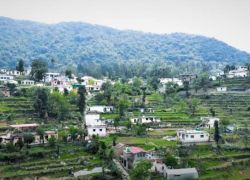
Khirsu, located in Rudraprayag, is a hidden gem nestled amidst the natural beauty of the Himalayas. This quaint hill station is renowned for its serene environment, lush greenery, and captivating views of the surrounding snow-capped peaks. Khirsu offers a perfect retreat for nature lovers, birdwatchers, and those seeking a peaceful escape from the hustle and bustle of city life. History of Khirsu The history of Khirsu dates back to ancient times when it served as a royal hunting ground for the erstwhile rulers. Over the years, efforts have been made to conserve its natural beauty and diverse wildlife. Khirsu's rich biodiversity has garnered international recognition, earning it a place on the UNESCO World Heritage list for its conservation efforts. Architecture and Natural Beauty of Khirsu Khirsu is blessed with a diverse natural environment, including dense forests, meadows, and wetlands that provide a habitat for numerous bird species. The Keoladeo Temple, a historic site located within the park, adds to the architectural charm of the region, blending spirituality with nature's beauty. Why is Khirsu Famous? Khirsu is a haven for birdwatchers, photographers, and wildlife enthusiasts due to its rich avian population and stunning landscapes. The destination offers a unique opportunity to observe migratory birds in their natural habitat, making it a popular choice for nature lovers. How to Reach Khirsu Khirsu is accessible via air, rail, and road. The nearest airport is located in Dehradun, while the closest railway station is in Rishikesh. Visitors can also opt for a scenic road trip to Khirsu, enjoying the picturesque views along the way. Weather and Best Time to Visit Khirsu The weather in Khirsu is pleasant throughout the year, with summers offering a cool escape from the heat, monsoons bringing lush greenery, and winters blanketing the region in snow. The best time to visit Khirsu is during the spring and autumn months when the weather is mild and ideal for outdoor activities. Timings of Khirsu Khirsu welcomes visitors throughout the year, with timings varying slightly based on the season. It is advisable to plan your visit during the early morning or late afternoon to make the most of your experience and avoid crowds. Entry Fee and Visit Details Entry to Khirsu is subject to a nominal fee, with additional charges for guided tours, safari options, and bicycle rentals. Visitors can avail of various facilities within the park, including information centers, rest areas, and refreshment stalls for a comfortable visit. Things to Do at Khirsu Popular activities at Khirsu include birdwatching, photography, cycling, nature walks, and educational tours. The park's well-maintained trails offer a chance to explore the diverse flora and fauna while immersing yourself in the peaceful ambiance of the surroundings. Interesting Facts About Khirsu Khirsu is home to a wide array of migratory birds that flock to the region during the winter months, adding to its ecological significance. The park's conservation efforts have contributed to the preservation of endangered species and the promotion of sustainable tourism practices. Travel Tips for Visiting Khirsu When visiting Khirsu, it is recommended to dress in layers to accommodate changing weather conditions. Bringing along binoculars, a camera, and birdwatching equipment can enhance your experience. Additionally, respecting the park's rules, maintaining cleanliness, and supporting local conservation initiatives are essential for responsible tourism. Conclusion In conclusion, Khirsu, Rudraprayag, stands out as a nature lover's paradise, offering a harmonious blend of natural beauty, biodiversity, and cultural heritage. Whether you are an avid birdwatcher, a photography enthusiast, or simply seeking tranquility in the lap of nature, Khirsu promises a memorable experience that will leave you enchanted and rejuvenated.
Explore More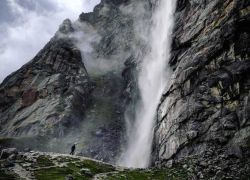
Vasudhara Falls is one of the most beautiful natural attractions located near Badrinath in Uttarakhand. Surrounded by the majestic Himalayan mountains, this waterfall is famous for its scenic beauty, spiritual importance, and peaceful atmosphere. Falling from a height of around 400 feet, Vasudhara Falls attracts trekkers, pilgrims, photographers, and nature lovers from across India and abroad. Situated about 9 km from Badrinath and around 6 km from Mana Village, the last Indian village near the Indo-Tibetan border, Vasudhara Falls is a must-visit destination for travelers exploring the Char Dham circuit. The journey to the waterfall includes a moderate trek through mountain trails, rocky paths, and breathtaking views of snow-covered peaks. Why Famous for Vasudhara Falls, Badrinath, Uttarakhand? Vasudhara Falls is famous for both its natural beauty and religious beliefs. According to local legends, the water of Vasudhara Falls only touches those who are pure at heart. This belief makes the waterfall spiritually significant among pilgrims visiting Badrinath. The waterfall is also known for its stunning Himalayan setting. The crystal-clear water falling from a great height creates a magical mist that shines beautifully in sunlight. The peaceful environment and fresh mountain air make it an ideal place for meditation and relaxation. Another reason for its popularity is its connection with the Mahabharata. It is believed that the Pandavas crossed this region while on their final journey to heaven, known as Mahaprasthan. History of Vasudhara Falls, Badrinath Vasudhara Falls has deep roots in Hindu mythology and local folklore. The region around Badrinath has been an important pilgrimage destination for centuries. Saints, sages, and pilgrims have traveled through this route for spiritual practices and meditation. The waterfall itself is mentioned in various local legends associated with Lord Vishnu and the Pandavas. Due to its location near sacred sites like Badrinath Temple, Mana Village, Bhim Pul, and Vyas Gufa, Vasudhara has remained an important stop for devotees and trekkers alike. Although it is primarily a natural site, its historical significance comes from ancient pilgrimage routes that pass through the area. Architecture and Natural Beauty of Vasudhara Falls Vasudhara Falls is a natural wonder rather than a man-made architectural monument. The waterfall cascades from a height of approximately 122 meters (400 feet), creating a mesmerizing view against the rocky Himalayan cliffs. The surrounding landscape includes: • Snow-covered peaks • Rocky mountain trails • Alpine vegetation • River streams and valleys The trek route offers panoramic views of the Nar and Narayan mountain ranges. During summer, colorful wildflowers and greenery enhance the beauty of the area. How to Reach Vasudhara Falls, Badrinath, Uttarakhand By Air: The nearest airport is Jolly Grant Airport, Dehradun, located around 320 km from Badrinath. From the airport, travelers can hire taxis or take buses to Badrinath. By Train: The nearest railway station is Rishikesh Railway Station, approximately 295 km away. By Road: Badrinath is well connected by road to major cities such as Haridwar, Rishikesh, Dehradun, and Joshimath. Trek Route: From Badrinath, travel to Mana Village (around 3 km by road). From Mana Village, Vasudhara Falls is around 6 km trek. The trek is moderately difficult and usually takes 2–3 hours one way. Weather at Vasudhara Falls, Badrinath Summer (May to June): 8°C to 18°C. Pleasant weather and best time to visit. Monsoon (July to September): Moderate to heavy rainfall. Trekking can be slippery and risky. Winter (October to April): -5°C to 8°C. Heavy snowfall makes the region inaccessible. The best time to visit Vasudhara Falls is between May and October. Timing of Vasudhara Falls Vasudhara Falls is generally open for visitors during daylight hours. Opening Time: 6:00 AM Closing Time: 5:00 PM It is advisable to start the trek early in the morning to return before evening. Entry and Visit Details about Vasudhara Falls Entry Fee: No entry fee Trek Charges: No official trekking fee Guide Charges: Optional local guides available at Mana Village Duration of Visit: 4 to 6 hours including trek and sightseeing Visitors should carry water bottles, snacks, trekking shoes, and warm clothes. Things to Do at Vasudhara Falls 1. Trekking: Enjoy the scenic trek from Mana Village to Vasudhara Falls. 2. Photography: Capture stunning views of waterfalls, mountains, and valleys. 3. Nature Walk: Experience fresh Himalayan air and peaceful surroundings. 4. Spiritual Experience: Meditate and relax near the waterfall. 5. Explore Nearby Attractions: Visit nearby places like: • Mana Village • Bhim Pul • Vyas Gufa • Ganesh Gufa • Badrinath Temple Interesting Facts about Vasudhara Falls • Height: Around 400 feet. • Mythological Importance: Linked to the Pandavas and Mahabharata. • Spiritual Belief: Water touches only pure-hearted people. • Location: Near India’s last village, Mana. • Trekking Destination: Popular among adventure lovers and pilgrims. Travel Tips for Visiting Vasudhara Falls • Wear proper trekking shoes as the path is rocky and uneven. • Carry warm clothes even in summer because weather changes quickly. • Bring water and snacks since food options are limited on the trek. • Start early to avoid late return. • Avoid monsoon season due to slippery trails and landslides. • Maintain cleanliness and avoid littering. • Check weather conditions before planning the trek. Conclusion Vasudhara Falls in Badrinath, Uttarakhand, is a perfect blend of spirituality, adventure, and natural beauty. Whether you are a pilgrim on the Char Dham Yatra, a trekking enthusiast, or a traveler seeking peace in the Himalayas, Vasudhara Falls offers a memorable experience. The breathtaking waterfall, mythological significance, scenic trekking route, and peaceful environment make it one of the top attractions near Badrinath. A visit to Vasudhara Falls is not just a sightseeing trip but a refreshing journey into the heart of the Himalayas.
Explore More
Gaumukh Glacier, located near Gangotri, is a renowned tourist attraction that offers a mesmerizing blend of natural beauty, biodiversity, and spirituality. The glacier holds immense significance in Hindu mythology and serves as the primary source of the sacred river Ganges. Its pristine environment, diverse flora and fauna, and breathtaking landscapes attract nature enthusiasts, trekkers, and spiritual seekers from around the world. History of Gaumukh Glacier The history of Gaumukh Glacier dates back to ancient times, with mentions in various Hindu scriptures and legends. It is believed to be the spot where the mighty Ganges River originated. The area around the glacier was once a royal hunting ground and has now been conserved to protect its ecological importance. Gaumukh Glacier has also gained UNESCO recognition for its cultural and natural significance. Architecture and Natural Beauty of Gaumukh Glacier The surroundings of Gaumukh Glacier boast of lush wetlands, dense forests, expansive grasslands, and diverse bird habitats. The historical Keoladeo Temple, situated nearby, adds to the architectural and spiritual charm of the region. Visitors can witness the rich biodiversity and scenic landscapes that make Gaumukh Glacier a unique destination for nature lovers. Why is Gaumukh Glacier Famous? Gaumukh Glacier is famous for being a paradise for birdwatchers, photographers, and wildlife enthusiasts. The area is home to a wide variety of bird species, including migratory birds, making it a hotspot for birdwatching enthusiasts. The stunning natural beauty and serene environment also make it a popular choice among nature lovers. How to Reach Gaumukh Glacier Traveling to Gaumukh Glacier can be done via air, rail, and road. The nearest airport is located in Dehradun, approximately 250 kilometers away, while the nearest railway station is in Haridwar, around 250 kilometers from Gangotri. From Gangotri, one can reach the glacier by trekking through scenic mountain trails. Weather and Best Time to Visit Gaumukh Glacier The weather at Gaumukh Glacier varies with the seasons. Summers are pleasant, making it an ideal time for trekking and sightseeing. Monsoons bring rain and lush greenery to the region, while winters offer a snowy landscape. The best time to visit Gaumukh Glacier is during the summer months of May to June and post-monsoon from September to October. Timings of Gaumukh Glacier Visitors can access Gaumukh Glacier during the daytime, with timings varying based on the trekking routes and weather conditions. It is advisable to plan the visit during the daytime to enjoy the scenic beauty and natural surroundings fully. Entry Fee and Visit Details Entry to Gaumukh Glacier may require permissions from local authorities or trekking permits. Guides are available to assist visitors and provide insights into the flora, fauna, and cultural significance of the region. Additionally, visitors can opt for safari experiences, bicycle rentals, and other facilities to enhance their visit. Things to Do at Gaumukh Glacier At Gaumukh Glacier, visitors can engage in a variety of activities such as birdwatching, photography, cycling, trekking along scenic trails, observing nature, and learning about the local ecosystem. The glacier offers educational experiences that allow visitors to connect with nature and appreciate its beauty. Interesting Facts About Gaumukh Glacier Gaumukh Glacier is home to numerous migratory bird species, making it a vital habitat for avian diversity. Conservation efforts in the region have helped preserve the ecological balance and protect the unique flora and fauna found here. The glacier's role in sustaining the Ganges River adds to its ecological importance. Travel Tips for Visiting Gaumukh Glacier When visiting Gaumukh Glacier, it is advisable to carry appropriate clothing for varying weather conditions, photography equipment for capturing the scenic beauty, and binoculars for birdwatching. Choosing the right season for the visit and practicing responsible tourism are essential to preserve the natural habitat and wildlife of the region. Conclusion In conclusion, Gaumukh Glacier in Gangotri stands as a testament to the natural beauty and spiritual significance of the Himalayan region. Its historical importance, rich biodiversity, and captivating landscapes make it a must-visit destination for those seeking a unique blend of nature, culture, and adventure. A trip to Gaumukh Glacier promises an unforgettable experience that will leave visitors in awe of its splendor and tranquility.
Explore More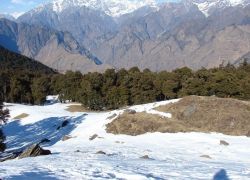
Welcome to Gorson Bugyal, a mesmerizing tourist attraction located in Joshimath, that captivates visitors with its natural beauty and biodiversity. This enchanting destination is a haven for nature lovers, birdwatchers, and photographers seeking a peaceful retreat amidst the lush greenery of the Himalayas. History of Gorson Bugyal With a rich historical background, Gorson Bugyal was once a royal hunting ground before being transformed into a conservation area. The efforts to preserve this natural habitat have led to UNESCO recognition, highlighting its importance in biodiversity conservation. Architecture and Natural Beauty of Gorson Bugyal Gorson Bugyal boasts picturesque landscapes, dense forests, and sprawling grasslands that provide a habitat for a variety of bird species. The historical Keoladeo Temple nestled within the park adds a cultural touch to the natural beauty of the surroundings. Why is Gorson Bugyal Famous? Gorson Bugyal is renowned for its diverse bird population, making it a paradise for birdwatchers and wildlife enthusiasts. The serene environment and breathtaking views attract nature lovers and photographers looking to capture the essence of the Himalayan wilderness. How to Reach Gorson Bugyal Traveling to Gorson Bugyal is convenient, with options for air, rail, and road transport. Nearby airports and railway stations provide easy access to this natural paradise, allowing visitors to embark on a memorable journey to Joshimath. Weather and Best Time to Visit Gorson Bugyal Gorson Bugyal experiences varying weather conditions throughout the year, with each season offering a unique charm. The best time to visit is during the summer and early winter months when the weather is pleasant, and the landscapes are at their most vibrant. Timings of Gorson Bugyal The timings for visiting Gorson Bugyal may vary seasonally, so it is advisable to plan your trip accordingly. Understanding the visitor timings will help you make the most of your experience and explore the beauty of the surroundings. Entry Fee and Visit Details Entry procedures to Gorson Bugyal are straightforward, with guide services and safari options available for a more immersive experience. Visitors can also opt for bicycle rentals to explore the area at their own pace, with facilities provided for a comfortable stay. Things to Do at Gorson Bugyal At Gorson Bugyal, there are numerous activities to indulge in, from birdwatching and photography to cycling and nature walks. The trails offer a chance to observe the diverse flora and fauna of the region, providing an enriching and educational experience for visitors. Interesting Facts About Gorson Bugyal Gorson Bugyal is a hub for migratory birds, with its conservation efforts contributing to the protection of various species. The ecological significance of this area underscores the importance of preserving such natural habitats for future generations. Travel Tips for Visiting Gorson Bugyal When planning a visit to Gorson Bugyal, remember to pack appropriate clothing for the changing weather conditions and bring along your photography and birdwatching equipment. Understanding the best visiting seasons and practicing responsible tourism will ensure a memorable and sustainable travel experience. Conclusion In conclusion, Gorson Bugyal in Joshimath offers a blend of natural beauty, biodiversity, and cultural heritage that provides a unique and immersive experience for visitors. Whether you are a nature enthusiast, birdwatcher, or photographer, Gorson Bugyal promises to enchant you with its serene landscapes and abundant wildlife.
Explore More
Sattal, located in the picturesque city of Harsil, is a hidden gem nestled in the heart of nature. This enchanting hotspot offers a serene escape for travelers seeking tranquility amidst lush greenery and pristine landscapes. Known for its rich biodiversity and captivating natural beauty, Sattal is a paradise for birdwatchers, photographers, and nature enthusiasts. History of Sattal Steeped in history, Sattal holds significance as a former royal hunting ground that has transformed into a conservation area over the years. The park's origins date back to ancient times, with the area being recognized for its ecological importance. Sattal's conservation efforts have garnered international recognition, contributing to its UNESCO status as a protected sanctuary. Architecture and Natural Beauty of Sattal The mesmerizing wetlands, dense forests, vast grasslands, and diverse bird habitats make Sattal a haven for wildlife. The park's landscape is adorned with the historic Keoladeo Temple, adding a touch of cultural heritage to its natural charm. Why is Sattal Famous? Sattal's fame resonates among birdwatchers, photographers, and wildlife lovers due to its unparalleled diversity of avian species and scenic beauty. The park's tranquil ambiance and abundant wildlife draw nature enthusiasts from around the globe. How to Reach Sattal Traveling to Sattal is convenient, with options available via air, rail, and road. Nearby airports and railway stations provide easy access to this verdant sanctuary, ensuring a hassle-free journey for visitors. Weather and Best Time to Visit Sattal Sattal experiences varying weather conditions throughout the year, with summers being warm, monsoons bringing lush greenery, and winters offering a cool retreat. The best time to visit Sattal is during the pleasant months, allowing travelers to explore its natural wonders comfortably. Timings of Sattal Sattal welcomes visitors during specific timings, ensuring a regulated and enjoyable experience for all. Seasonal variations may affect the park's accessibility, making it essential for travelers to plan their visit accordingly. Entry Fee and Visit Details Entry into Sattal is subject to specified procedures, with guide services and safari options available for a more immersive exploration. Bicycle rentals and visitor facilities enhance the overall experience, catering to the needs of travelers seeking adventure and relaxation. Things to Do at Sattal Engage in a myriad of activities at Sattal, from birdwatching and photography to cycling and nature walks. The park's well-maintained trails offer opportunities for nature observation and educational experiences, making it an ideal destination for eco-conscious travelers. Interesting Facts About Sattal Sattal boasts fascinating facts about migratory birds, biodiversity conservation, and its ecological significance. The park's conservation achievements and role in preserving wildlife contribute to its allure as a sustainable tourism destination. Travel Tips for Visiting Sattal Prepare for your Sattal adventure by packing suitable clothing, essential photography gear, and birdwatching equipment. Consider visiting during the recommended seasons to maximize your wildlife sightings and practice responsible tourism to help protect the park's natural heritage. Conclusion In conclusion, Sattal, Harsil's hidden treasure, offers a harmonious blend of natural beauty and wildlife diversity. A visit to Sattal promises a memorable experience filled with serenity, exploration, and appreciation for the wonders of the natural world.
Explore More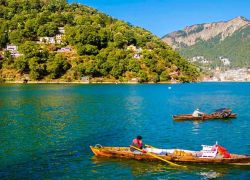
Nainital, located in Kathgodam, is a picturesque hill station nestled in the Kumaon region of Uttarakhand, India. Known for its serene lakes, lush greenery, and panoramic views of the Himalayas, Nainital is a popular tourist destination offering a perfect blend of natural beauty and tranquility. History of Nainital Steeped in history, Nainital was once a favored summer retreat for the British during the colonial era. The town's name is derived from the Naini Lake, a prominent feature of the region. Initially a quaint hill station, Nainital evolved into a bustling tourist hub over the years. The area was historically used as royal hunting grounds and has since been transformed into a conservation area, drawing recognition from UNESCO for its ecological significance. Architecture and Natural Beauty of Nainital The natural environment of Nainital is diverse, encompassing pristine wetlands, dense forests, rolling grasslands, and rich bird habitats. Visitors can explore the captivating landscapes surrounding the town, including the historic Keoladeo Temple, which adds a spiritual touch to the natural beauty of the region. Why is Nainital Famous? Nainital is renowned for its biodiversity and is a paradise for birdwatchers, photographers, nature enthusiasts, and wildlife lovers. The region's rich avian population, including migratory birds, makes it a sought-after destination for those seeking to connect with nature. How to Reach Nainital Traveling to Nainital is convenient, with options available by air, rail, and road. The nearest airport is located in Pantnagar, while Kathgodam serves as the nearest railway station. Visitors can also opt for a scenic road journey to Nainital, enjoying the picturesque landscapes along the way. Weather and Best Time to Visit Nainital Nainital experiences pleasant weather throughout the year, with distinct summer, monsoon, and winter seasons. The best time to visit is during the summer months when the weather is mild and conducive for outdoor activities, offering a refreshing escape from the scorching heat of the plains. Timings of Nainital Nainital welcomes visitors throughout the year, with timings varying based on seasonal conditions. It is advisable to plan your visit in advance to make the most of your time in this enchanting hill station. Entry Fee and Visit Details Entry to Nainital is hassle-free, with options for guide services, safari experiences, bicycle rentals, and well-equipped visitor facilities. Exploring the town and its surrounding attractions is a fulfilling experience for travelers of all ages. Things to Do at Nainital There are numerous activities to indulge in at Nainital, ranging from birdwatching and photography to cycling, walking trails, and nature observation. The town offers a serene escape for those looking to immerse themselves in the beauty of the natural world. Interesting Facts About Nainital Nainital is home to a diverse range of migratory birds and boasts significant conservation achievements aimed at preserving its ecological heritage. The region's ecological importance is underscored by the efforts to protect its natural resources and promote sustainable tourism practices. Travel Tips for Visiting Nainital When planning a trip to Nainital, it is advisable to pack suitable clothing for varying weather conditions, carry essential photography and birdwatching equipment, and be mindful of the best visiting seasons. Responsible tourism practices ensure the preservation of Nainital's pristine environment for future generations to enjoy. Conclusion In conclusion, Nainital, Kathgodam, stands as a gem in the crown of Uttarakhand, offering a harmonious blend of natural beauty, biodiversity, and tourism opportunities. Whether you seek a peaceful retreat amidst nature or an adventure-filled getaway, Nainital caters to a diverse range of interests, making it a must-visit destination for travelers seeking solace in the lap of the Himalayas.
Explore More