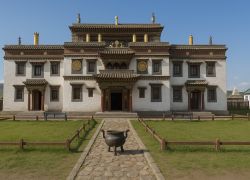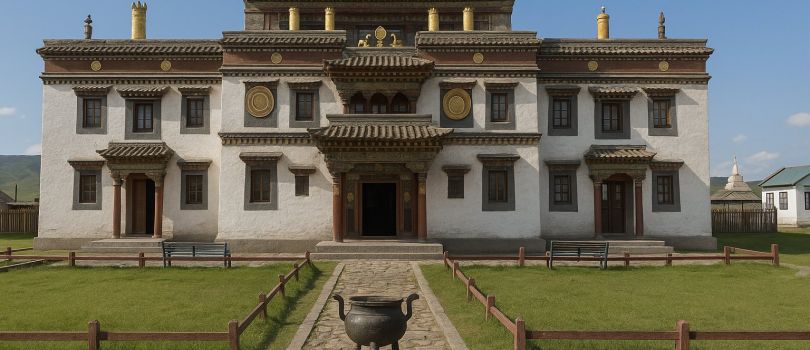
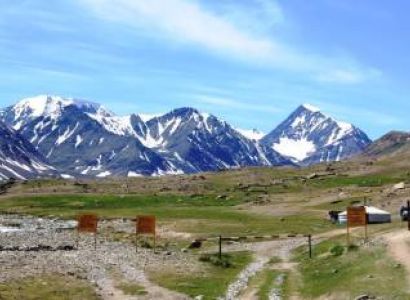
"Serene sanctuary offering breathtaking mountain vistas."
Tserendorj Monastery is one of the historically significant Buddhist monasteries located in Ulaanbaatar, Mongolia. Known for its spiritual importance and cultural heritage, the monastery stands as a symbol of Mongolian religious tradition and history. Although smaller and less famous than some other monasteries in the region, Tserendorj Monastery holds a unique place in Mongolian Buddhism and continues to attract pilgrims, tourists, and those interested in Mongolia’s rich spiritual culture.
The monastery is dedicated to religious practices, meditation, and preservation of Buddhist teachings. It offers visitors a peaceful retreat amid the bustle of Ulaanbaatar and a glimpse into the life of Mongolian monks and Buddhist rituals.
How to Reach Tserendorj Monastery
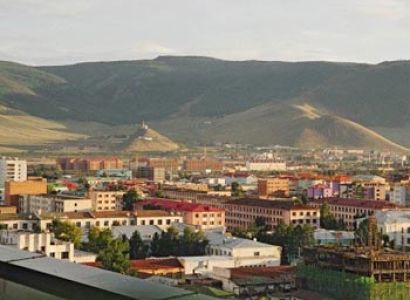
Tserendorj Monastery is situated within or near the city limits of Ulaanbaatar, making it relatively easy to reach for visitors.
Weather at Tserendorj Monastery
The climate around Tserendorj Monastery is typical of Ulaanbaatar’s continental climate, which has distinct seasonal changes:
Timing to Visit Tserendorj Monastery
The monastery is generally open year-round for visitors and worshippers, though specific visiting hours may vary.
Why is Tserendorj Monastery Famous?
Tserendorj Monastery is famous primarily for its religious significance as a center of Mongolian Buddhism and as a place where monks engage in traditional spiritual practices. It preserves ancient rituals, teachings, and cultural heritage that have survived Mongolia’s tumultuous history, including periods of religious suppression.
The monastery also draws attention for its architecture, its tranquil surroundings, and the warm welcome extended by the resident monks. It is considered a peaceful sanctuary where visitors can experience authentic Buddhist culture in an urban setting.
Entry and Visit Details
Visitors to Tserendorj Monastery can generally enter freely, though donations are appreciated to help maintain the site and support the monastic community.
History and Architecture
Tserendorj Monastery has its roots in Mongolia’s deep Buddhist tradition. While not as large as some other monasteries like Gandantegchinlen, it has played a vital role in sustaining the spiritual life of Ulaanbaatar’s Buddhist community.
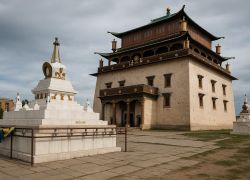
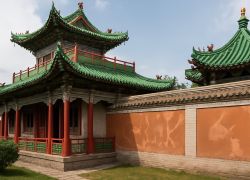
Architecturally, the monastery reflects traditional Mongolian and Tibetan Buddhist styles, featuring ornately decorated wooden structures, colorful murals, and statues of Buddhist deities. The buildings often include prayer halls, living quarters for monks, and stupas (chortens).
The careful preservation of the monastery is a testament to Mongolia’s revival of Buddhism after the suppression of religious institutions during the communist era. Tserendorj stands as a symbol of resilience and spiritual continuity.
Things to Do at Tserendorj Monastery
Facts and Tips about Tserendorj Monastery
Tserendorj Monastery offers a peaceful and meaningful window into Mongolia’s spiritual life. For visitors interested in Buddhism, history, or cultural heritage, this monastery provides a tranquil escape within the bustling city of Ulaanbaatar. It stands as a reminder of Mongolia’s deep-rooted faith and the resilience of its people in preserving their religious traditions.









Ulaanbaatar

Ulaanbaatar
Ulaanbaatar
Ulaanbaatar
Ulaanbaatar
Ulaanbaatar

Ulaanbaatar
Ulaanbaatar
Ulaanbaatar
Ulaanbaatar