"Marvel at Albania's rich history and views."
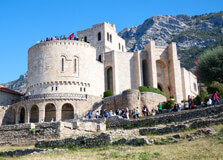
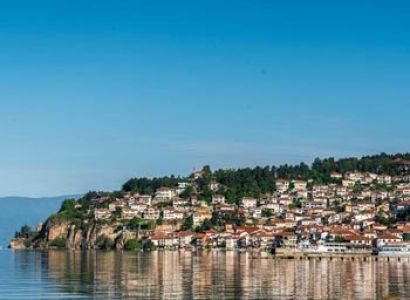
Berat Castle, also known as Kalaja e Beratit, is a historic fortress that sits proudly atop a hill overlooking the charming town of Berat in central Albania. With its stunning views, well-preserved architecture, and rich history, the castle is one of Albania's most significant cultural and historical landmarks. Dating back to the 4th century BC, Berat Castle is a testament to the region's strategic importance and the various civilizations that have left their mark on this ancient site. Today, it is a popular tourist destination for those interested in history, architecture, and beautiful landscapes.
How to Reach Berat Castle, Berat, Albania
Berat Castle is located on a hill above the town of Berat, offering breathtaking views of the surrounding area. The castle is situated approximately 1 km (0.6 miles) from the center of Berat, making it easily accessible on foot from most parts of the town. A leisurely walk uphill takes around 15-20 minutes, and the path is clearly marked, making it an easy trek for most visitors.
If you prefer to drive, you can reach the base of the castle by car. There is a parking area near the entrance to the castle, where visitors can park before walking up to the main entrance. The drive from the town center to the castle takes just a few minutes, and the road is well-maintained. However, be prepared for a slightly steep climb once you get closer to the castle.
For those coming from Tirana, the capital of Albania, the journey to Berat takes about 2 to 2.5 hours by car. The most convenient route is via the SH2 highway. Buses also run between Tirana and Berat, with departures from the main bus station. Once in Berat, you can easily reach the castle by following the signs or by asking locals for directions.
Weather in Berat
Berat experiences a Mediterranean climate with hot, dry summers and mild, wet winters. The best time to visit Berat Castle is during the spring (April to June) and autumn (September to November), when the weather is mild and comfortable for outdoor activities. Average temperatures during these seasons range from 15°C to 25°C (59°F to 77°F), providing the perfect conditions for exploring the castle and enjoying panoramic views of the town.
Summer (June to August) can be quite hot, with temperatures often reaching 30°C (86°F) or higher. Visitors are advised to wear light clothing, bring sunscreen, and stay hydrated during the summer months. Early morning or late afternoon is the best time to visit the castle during the summer, when the temperatures are cooler and the views are stunning.
In winter (December to February), temperatures can drop to around 5°C to 10°C (41°F to 50°F), but snow is rare. While winter is less crowded, it may be a good idea to bring a warm jacket if you plan to visit the castle during these months, as it can get chilly, especially in the evenings.
Why is Berat Castle Famous?
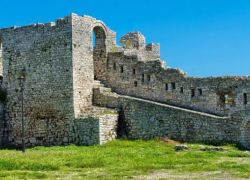
Berat Castle is famous for its rich history, stunning architecture, and breathtaking views of the town and surrounding landscapes. The castle has been continuously inhabited for over 1,500 years, making it one of Albania's most enduring historical sites. It is known for its impressive walls, towers, and gates, which have withstood the test of time and multiple invasions. The castle’s strategic location atop a hill provided a natural defense against enemy attacks, and it played an important role in the region's defense throughout history.
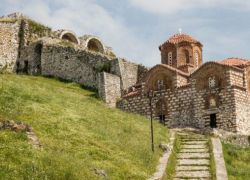
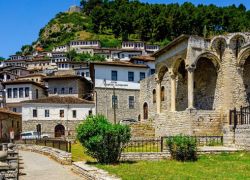
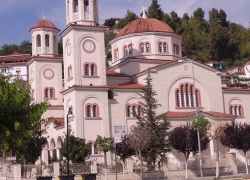
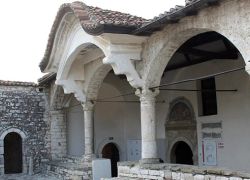
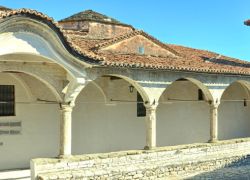
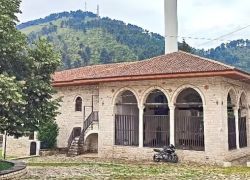
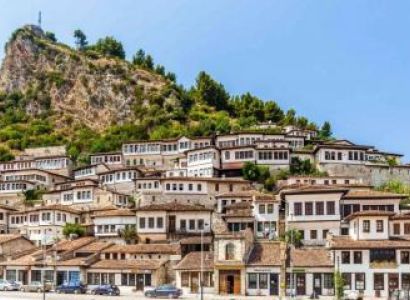
The castle is also famous for its well-preserved Ottoman-era buildings, including churches, mosques, and residential homes that were once part of the fortress. The combination of different architectural styles and the integration of the castle with the town below make it a unique example of historical architecture in Albania.
Entry and Visit Details about Berat Castle, Berat, Albania
Visiting Berat Castle is an unforgettable experience, and entry is relatively affordable. The general entrance fee for the castle is approximately 200 Albanian Lek (around $2 USD), which grants access to the castle grounds, its historical buildings, and the breathtaking views from the hilltop. There are no set opening hours, but it is typically open to the public every day from early morning until sunset.
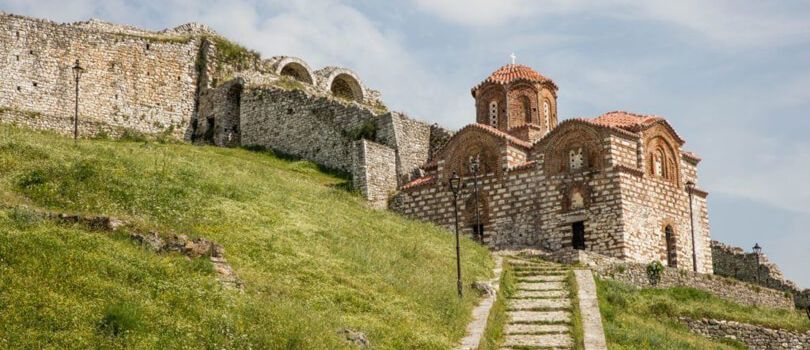
The castle is easily accessible for most visitors, but be prepared for some uphill walking to reach the main entrance. The path can be a bit steep, so wearing comfortable shoes is recommended. There are several points of interest inside the castle, including the Byzantine-era churches, the Tower of the Seven Arches, and various Ottoman-era buildings. Inside the castle, you will also find an array of local vendors offering souvenirs and refreshments.
If you prefer a guided tour, local guides are available at the entrance to provide in-depth information about the history, architecture, and significance of the castle. These tours are highly recommended for visitors who want to learn more about the castle's fascinating past and its role in Albania's history.
History and Architecture of Berat Castle
Berat Castle dates back to the 4th century BC, though the majority of the surviving structures were built during the Byzantine and Ottoman periods. The fortress was originally constructed by the Illyrians, an ancient people who inhabited the western Balkans. Over the centuries, the castle was expanded and reinforced by various rulers, including the Romans, Byzantines, and Ottomans.
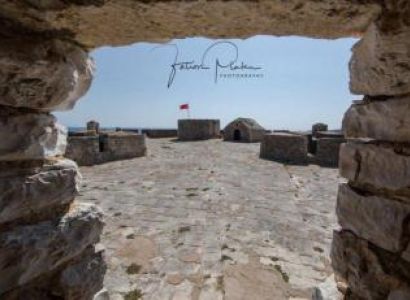
One of the most impressive features of Berat Castle is its massive defensive walls, which are made from large stone blocks. The walls enclose a sprawling area of the castle, which includes residential buildings, religious structures, and defensive towers. The castle’s layout reflects its function as both a defensive stronghold and a thriving residential area for the local population.
Inside the castle, visitors can explore several important sites, such as the Church of St. Mary, which dates back to the 13th century and is a fine example of Byzantine architecture. Another notable feature is the Tower of the Seven Arches, which offers panoramic views of Berat and the surrounding valley. The castle also contains several mosques and Ottoman-era houses that were built after the Ottoman Empire took control of the region in the 15th century.
Things to Do at Berat Castle
There are plenty of things to see and do when visiting Berat Castle. Here are a few highlights:
Interesting Facts about Berat Castle
Tips for Visiting Berat Castle





Berat