"Admire exquisite Orthodox iconography and art."
The Onufri National Iconographic Museum is one of the most significant cultural landmarks in Berat, Albania. Located inside the historic Berat Castle, the museum is dedicated to the works of Onufri, a renowned 16th-century Albanian iconographer whose creations are considered masterpieces of Byzantine-inspired religious art. The museum is a treasure trove of religious art, featuring a vast collection of Orthodox Christian icons, church artifacts, and other invaluable pieces of Albania’s spiritual and cultural heritage.
How to Reach Onufri National Iconographic Museum, Berat, Albania
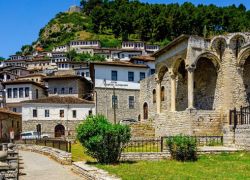
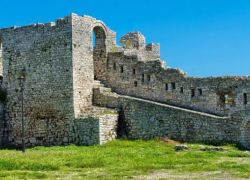
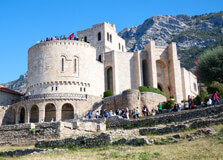
The Onufri National Iconographic Museum is located within the grounds of Berat Castle, which is one of the most popular tourist attractions in the city. To reach the museum, visitors can first make their way to Berat Castle, which is situated on a hill overlooking the city. From the center of Berat, it’s an uphill walk to the castle, which takes about 15-20 minutes. Along the way, visitors can enjoy panoramic views of the town and the surrounding landscape.
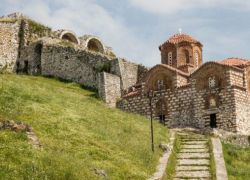
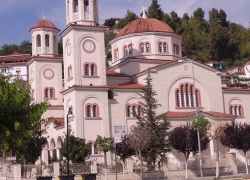
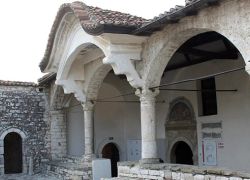
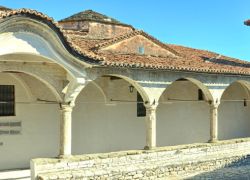
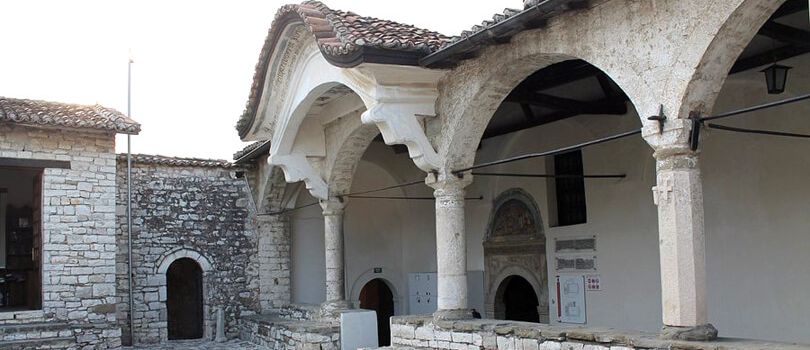
If you are coming from the main square of Berat, follow the signs that direct you toward Berat Castle. Once you reach the castle entrance, continue inside, and you will find the Onufri Museum housed within one of the churches inside the castle walls. The museum is located in the Saint Mary Church (Kisha e Shën Marisë), a beautiful example of Byzantine architecture.
For those traveling from outside Berat, the town is easily accessible by bus or car. Berat is located about 120 kilometers (75 miles) south of Tirana, the capital of Albania, and can be reached by a 2.5 to 3-hour drive. From the main bus station in Berat, the castle is just a short taxi ride or walk away.
Weather in Berat
Berat has a Mediterranean climate, characterized by hot, dry summers and mild, wet winters. The best time to visit the Onufri National Iconographic Museum is during the spring (April to June) or autumn (September to November), when the temperatures are moderate and ideal for exploring the castle and surrounding area. During these months, temperatures range from 15°C to 25°C (59°F to 77°F), providing comfortable weather for sightseeing.
Summer (June to August) in Berat can be quite hot, with temperatures reaching up to 30°C (86°F). If you plan to visit in summer, it’s best to go early in the morning or later in the afternoon to avoid the midday heat. Winter (December to February) is milder but can get chilly, with temperatures ranging between 5°C and 10°C (41°F to 50°F). The castle is open year-round, but be prepared for the possibility of rain in the winter months.
Why is the Onufri National Iconographic Museum Famous?
The Onufri National Iconographic Museum is famous for housing a remarkable collection of Byzantine and post-Byzantine icons, particularly the works of Onufri, an iconic Albanian artist. Onufri is widely regarded as one of the most influential iconographers of the 16th century, and his distinctive style has had a lasting impact on religious art in the region.
The museum is an essential stop for anyone interested in religious art and Albanian history. Onufri’s icons are known for their vibrant colors, intricate details, and spiritual depth. The museum also provides insight into the role of art in the Orthodox Christian faith and the significance of icons in worship and religious rituals.
In addition to Onufri’s works, the museum features other important religious artifacts, including silverwork, vestments, and ecclesiastical items that highlight the cultural and artistic traditions of Albania. The museum is a place to experience the intersection of history, art, and religion in the region.
Entry and Visit Details about Onufri National Iconographic Museum, Berat, Albania
There is a small entry fee to visit the Onufri National Iconographic Museum, which is part of the overall ticket to enter Berat Castle. The museum is open every day of the week, except for holidays. The opening hours are generally from 9:00 AM to 6:00 PM, though they may vary during the off-season or on holidays, so it’s a good idea to confirm the hours in advance if you're planning a visit during the winter months.
Once inside the museum, visitors can explore the exhibits at their own pace. The museum is housed in a church within Berat Castle, so it’s a relatively small space, but the collection is rich and well-preserved. The museum staff are knowledgeable and can provide additional information about the exhibits, making it a great experience for those looking to deepen their understanding of Albania's religious and artistic heritage.
History and Architecture of Onufri National Iconographic Museum
The Onufri National Iconographic Museum is housed in the Saint Mary Church within Berat Castle, a church dating back to the 14th century. The church itself is a stunning example of Byzantine and post-Byzantine architecture, featuring simple yet beautiful frescoes and a traditional domed design. The architecture of the church complements the collection of icons, creating a perfect setting for this unique museum.
The museum is dedicated to the works of Onufri, a master iconographer who lived and worked in Albania during the 16th century. His works are characterized by vivid colors and intricate details, which reflect his deep understanding of both Christian theology and artistic techniques. Onufri’s icons were created for churches and monasteries throughout Albania and the Balkans, and they have become invaluable cultural treasures.
The museum not only showcases Onufri’s works but also provides historical context for the religious art of the time. Visitors can explore the development of iconography in the Balkans and learn about the importance of icons in Orthodox Christianity. The museum also displays a variety of ecclesiastical artifacts, such as sacred vessels, vestments, and manuscripts, that further enrich the visitor's understanding of the region’s religious and cultural history.
Things to Do in Onufri National Iconographic Museum
When visiting the Onufri National Iconographic Museum, here are a few things you can do to make the most of your visit:
Interesting Facts about Onufri National Iconographic Museum
Tips for Visiting Onufri National Iconographic Museum





Berat